
Have you ever noticed that grated cheese seems to taste bolder than a chunk of the same cheese? That is not your imagination.
When you grate food finely, you break open tiny cells and create lots of surface area, which lets flavor and smell rush out. Knowing which ingredients get stronger this way can help you cook tastier meals with less effort.
1. Garlic Gets Fierce
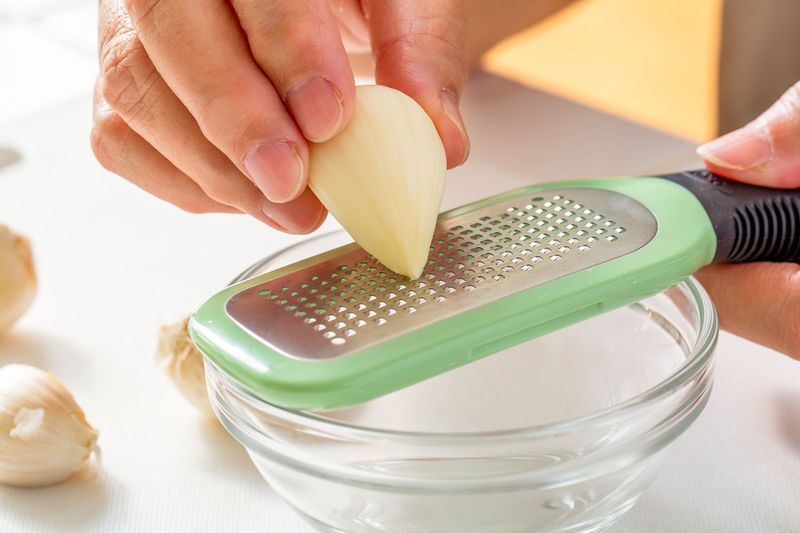
Grate a single garlic clove and your whole kitchen will know about it. Breaking garlic cells releases a compound called allicin, which gives that sharp, spicy bite.
The finer you go, the more allicin forms. A microplane turns garlic into a paste that melts into dressings and sauces.
Tip: if raw grated garlic feels too harsh, let it sit in lemon juice for five minutes to soften the punch.
2. Fresh Ginger’s Zing
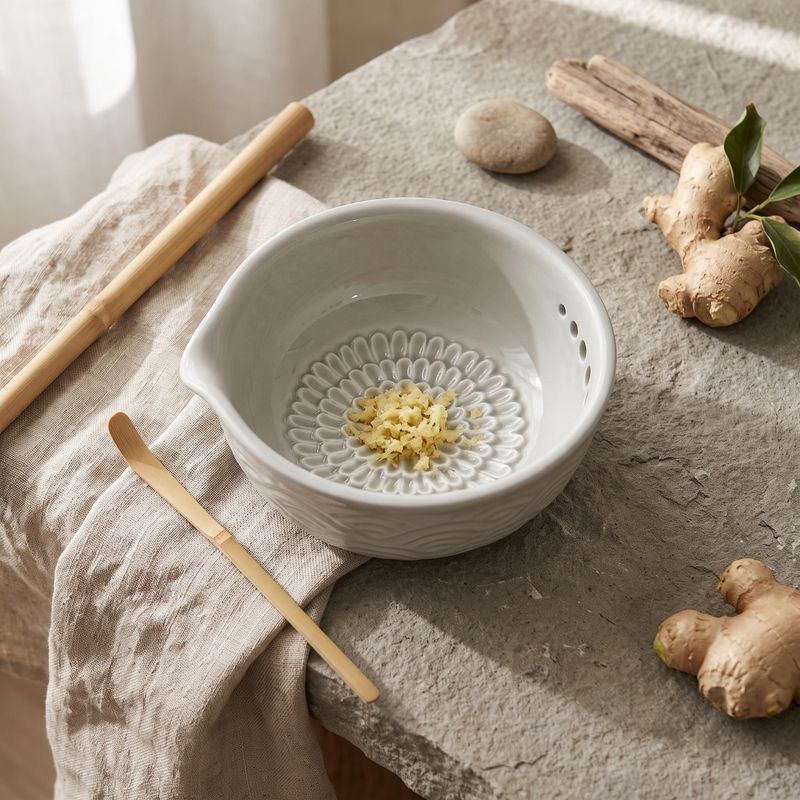
My grandmother kept a tiny ceramic grater just for ginger, and now I understand why. Finely grated ginger releases juice packed with gingerol, the source of its warm, tingly heat.
Chopped ginger stays in chunks that hide their flavor. Grated ginger spreads through stir-fries, tea, and marinades evenly.
Freeze whole ginger root first. It grates even more smoothly and you skip peeling.
3. Parmesan’s Salty Snow
Did you know real Parmigiano Reggiano ages for at least twelve months? All that time builds deep, nutty flavor.
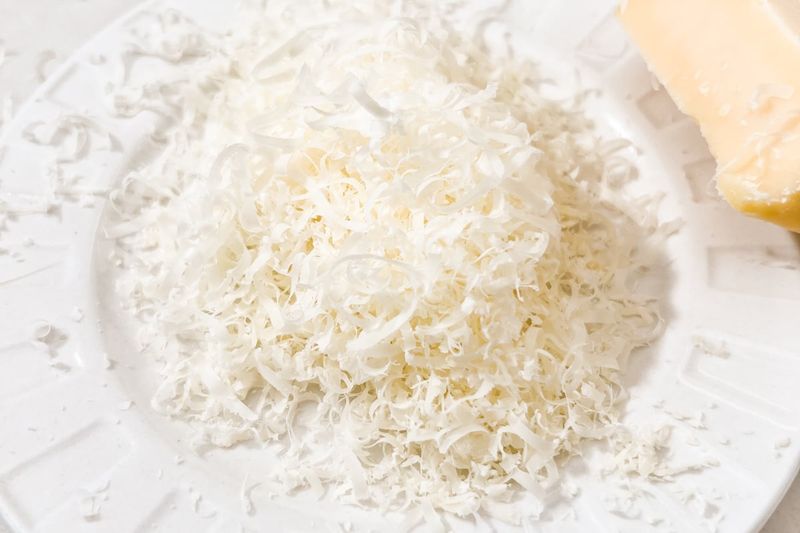
Grating it into fine, feathery shreds lets those flavors hit your tongue all at once. A light snowfall of Parmesan tastes richer than a thick slice ever could.
Buy a wedge instead of the shaker can. Freshly grated cheese smells stronger and melts better on pasta.
4. Lemon Zest Brightness
Here is a secret bakers love: the most lemony part of a lemon is not the juice. It is the thin yellow skin.
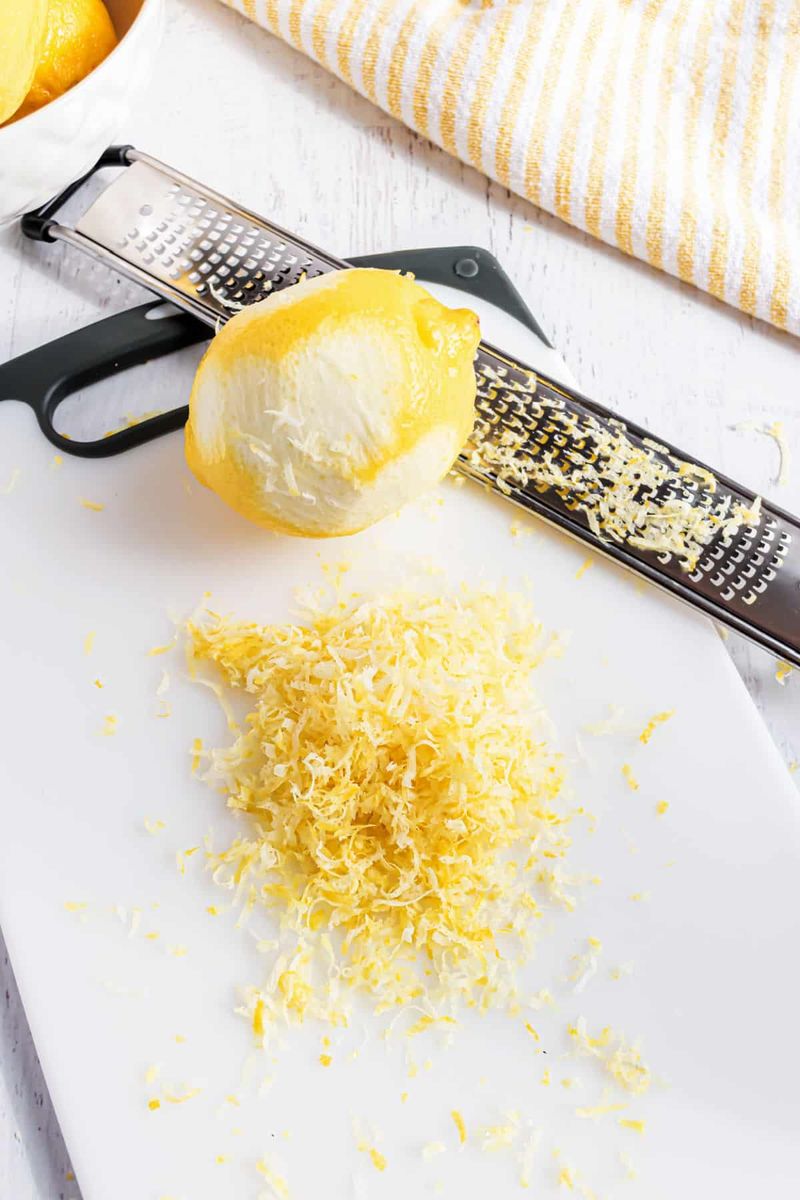
That peel holds tiny oil pockets. Grating it finely bursts them open, releasing a bright, sunny scent that perks up cakes, cookies, and pasta.
Only grate the yellow layer. The white pith underneath tastes bitter, so turn the lemon often as you work.
5. Nutmeg’s Cozy Kick
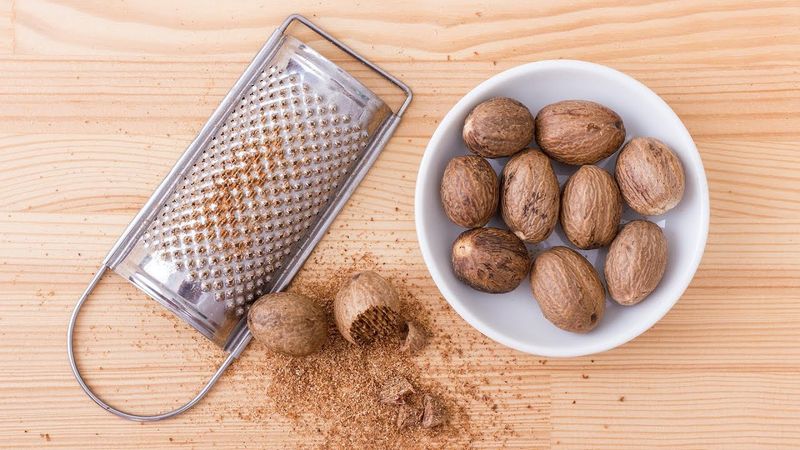
Picture a mug of eggnog in December. That warm, cozy smell usually comes from nutmeg.
Pre-ground nutmeg loses its aroma fast because its oils fade in the jar. Grating a whole seed right before using gives you a fragrance that is far stronger and sweeter.
Fun fact: whole nutmeg can stay fresh for years. One seed lasts through many batches of pies, oatmeal, and creamy sauces.
6. Horseradish Heat
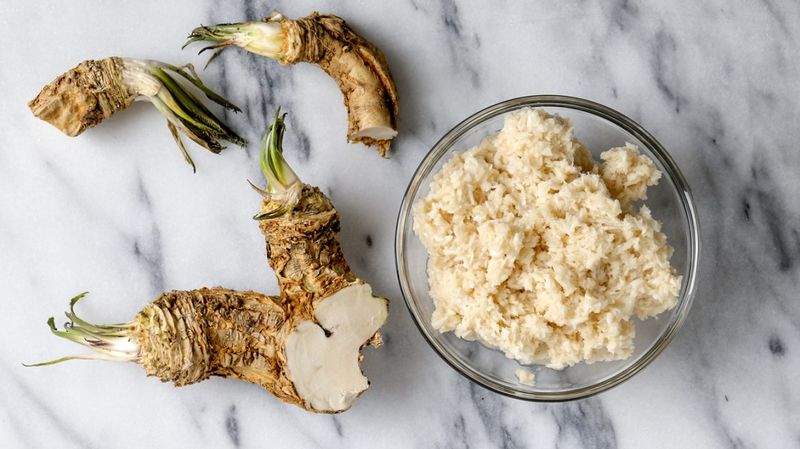
Warning: grating fresh horseradish may make your eyes water more than onions do!
An uncut root barely smells like anything. Once grated, its cells mix two chemicals that create a sharp, nose-clearing heat, much like wasabi.
Add a splash of vinegar soon after grating. Vinegar locks the strength in place.
Wait longer, and the heat grows even fiercer. Try it with roast beef or in sour cream dip.
7. Wasabi Root Magic
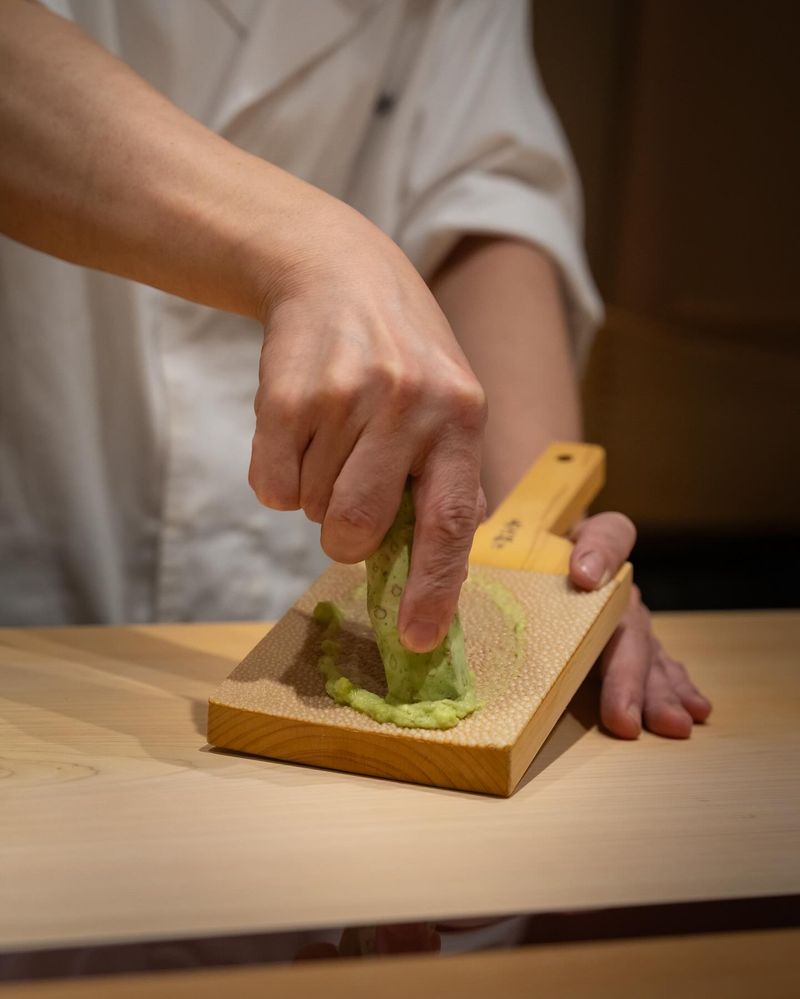
In Japan, chefs grate real wasabi on sharkskin graters. That rough surface turns the green root into a fluffy paste.
Grating finely sets off a reaction that creates a bright, clean heat. It peaks after a few minutes, then slowly fades, so it is grated right before serving.
Most tube wasabi is actually horseradish with green coloring. If you ever find the real root, it is worth a taste.
8. Onion Juice Power
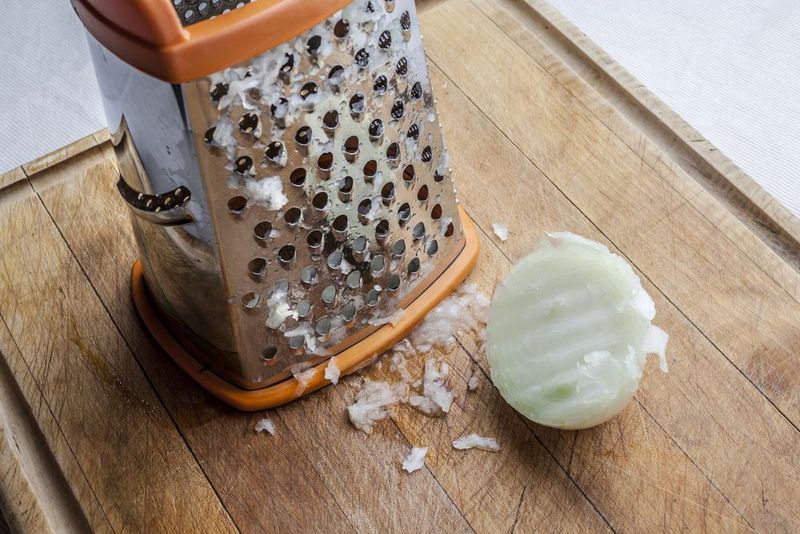
Ever wondered why some burgers taste so juicy and oniony without crunchy pieces? Cooks often grate the onion.
Grating crushes far more cells than chopping, letting out sulfur compounds and sweet juice. The flavor spreads through meatballs, burgers, and dressings in every bite.
Use the large holes of a box grater and keep the root end attached as a handle. Your fingers will thank you.
9. Dark Chocolate Shavings
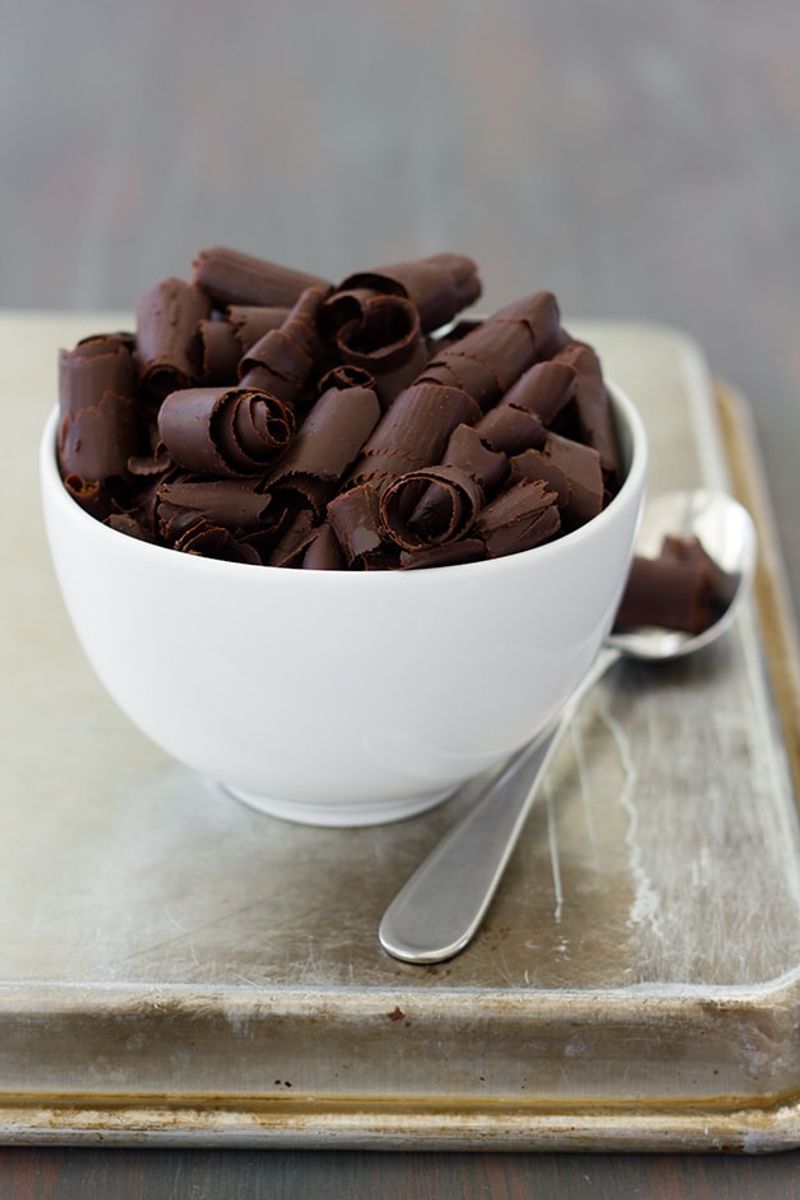
A square of chocolate melts slowly in your mouth. Finely grated chocolate melts almost instantly, flooding your taste buds with rich cocoa flavor.
Tiny shavings have huge surface area, so they warm up and release their aroma fast. That makes them perfect for topping hot cocoa, ice cream, or tiramisu.
Chill the bar first. Cold chocolate grates cleanly instead of turning into a sticky mess.
10. Cinnamon Stick Surprise
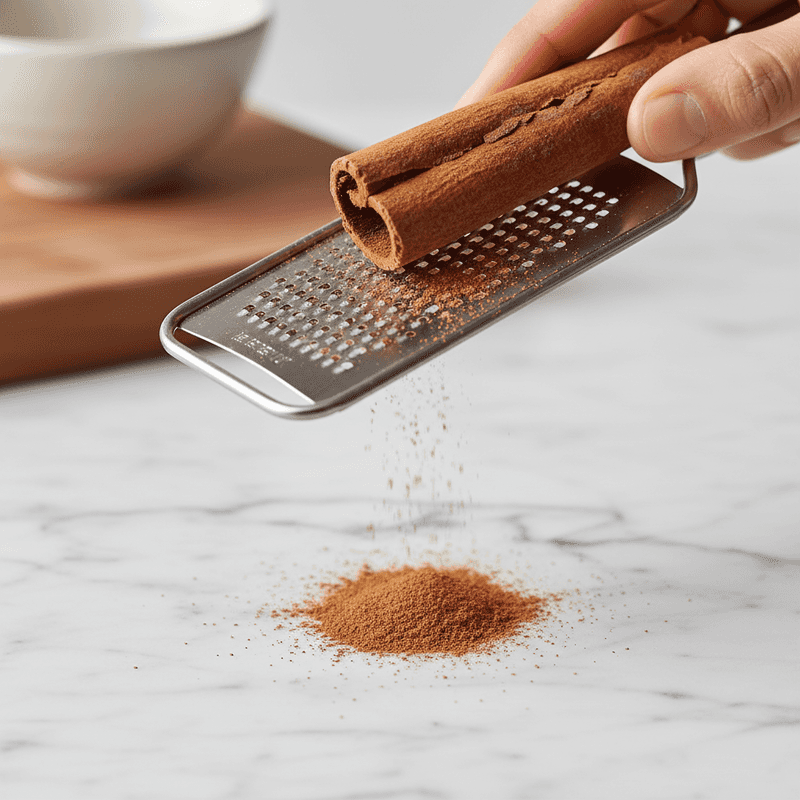
Most people never think to grate a cinnamon stick. Give it a try and you may never go back.
Ground cinnamon sitting in a cupboard slowly loses its sweet, woody oils. Grating a stick fresh releases a scent so strong it fills the room.
Look for Ceylon cinnamon, sometimes called true cinnamon. Its thin, papery layers grate easily and taste soft and floral over oatmeal or toast.
11. Orange Peel Perfume
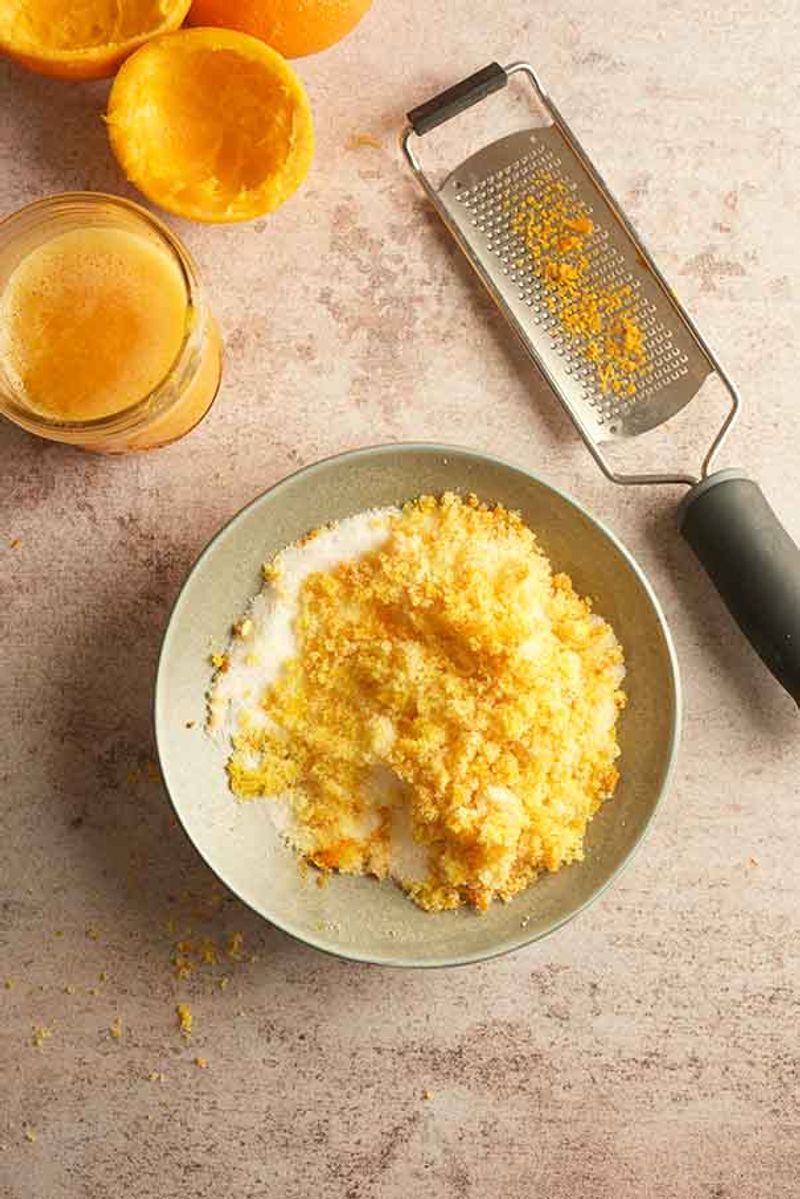
Peel an orange and notice the mist that sprays out. That mist is fragrant oil, and grating releases much more of it.
Fine orange zest adds a sweet, perfumed flavor to muffins, cranberry sauce, and chicken glazes. Juice alone cannot match that depth.
Rub fresh zest into sugar with your fingers before baking. The sugar soaks up the oils and spreads that citrus aroma everywhere.
12. Aged Pecorino Punch
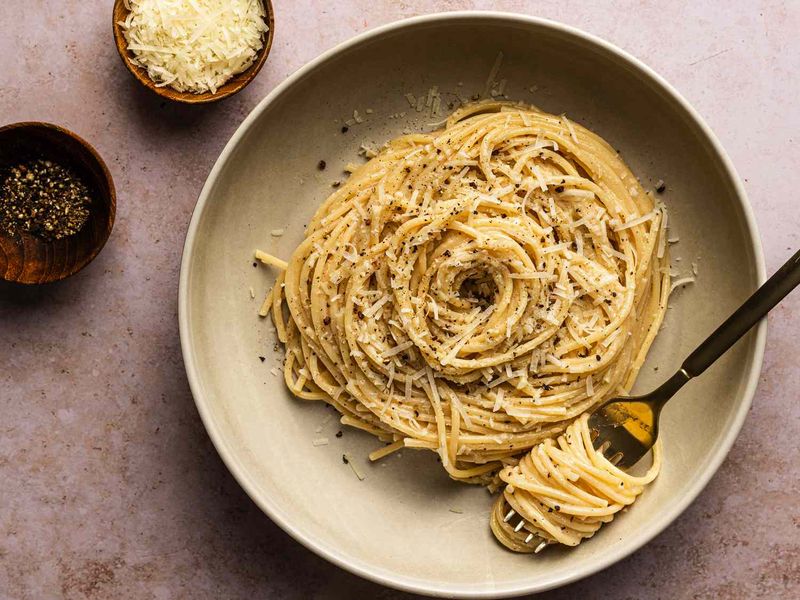
Made from sheep milk, Pecorino Romano is the bold, salty cousin of Parmesan. Romans have eaten it for over two thousand years.
Grated finely, it becomes tangy and sharp, coating every noodle. That is the secret behind classic cacio e pepe, which is just pasta, cheese, and pepper.
Go easy at first. Its saltiness is strong, so taste before adding extra salt to your dish.
13. Fresh Turmeric Glow
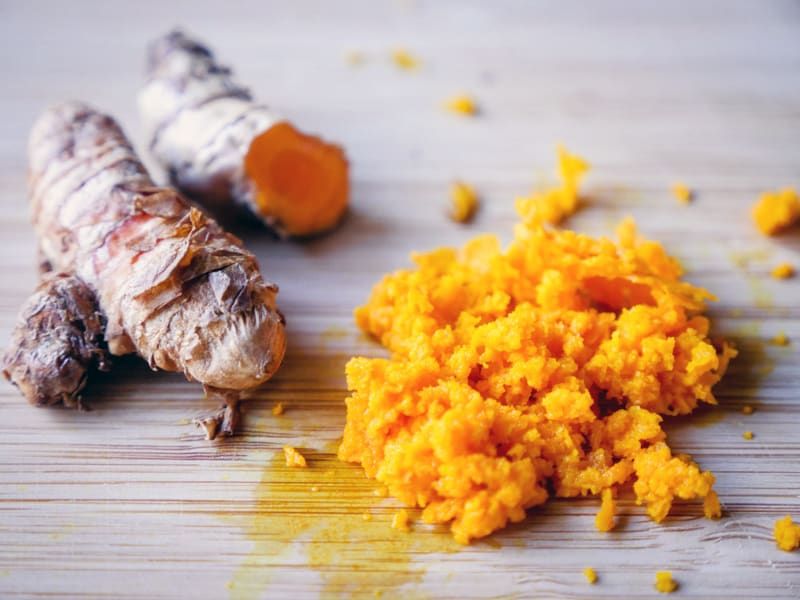
Fresh turmeric looks a lot like ginger, until you cut it and see a bright orange center.
Grated finely, the root tastes earthy, peppery, and a bit citrusy, much livelier than the dusty powder. It brightens curries, smoothies, and golden milk.
Fair warning, it stains everything orange! Wear gloves or wash your hands and cutting board quickly.
A pinch of black pepper helps your body absorb its goodness.
14. Tomato Pulp Sweetness
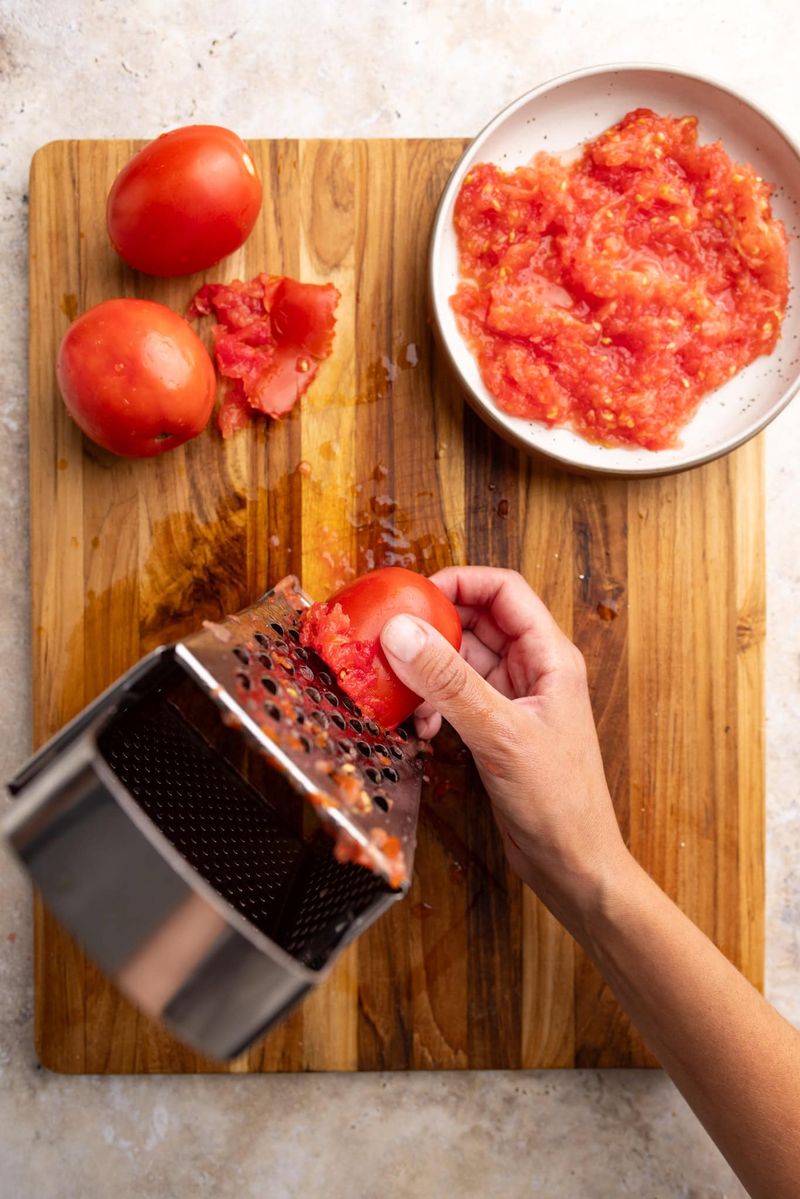
In Spain, breakfast often means pan con tomate, toasted bread rubbed with garlic and topped with grated tomato.
Cut a ripe tomato in half and grate the cut side. The pulp turns juicy and sweet while the skin stays behind in your hand.
This method releases more flavor than dicing, giving you a fresh, bright sauce in seconds. Add olive oil and salt, and you have a simple treat.
15. Daikon Radish Bite
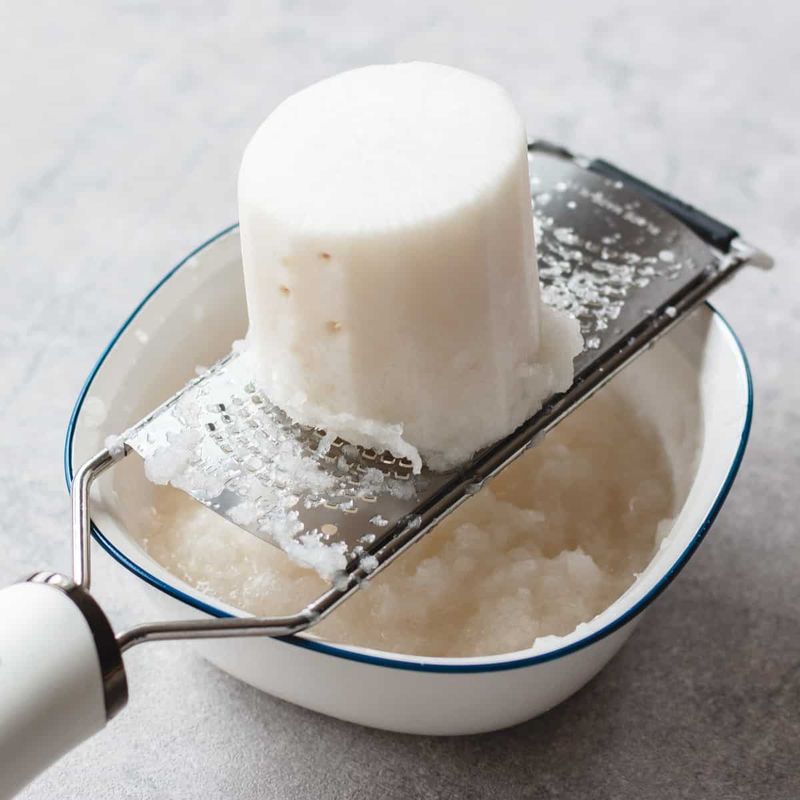
Order tempura in Japan and you may get a small mound of grated daikon on the side. It is not just decoration.
Finely grated daikon turns peppery and slightly spicy, while a whole slice tastes mild and crunchy. That sharp kick cuts through greasy fried foods nicely.
Grate it right before eating. The bite fades quickly, so freshly made daikon delivers the most flavor.
16. Lime Zest Tang
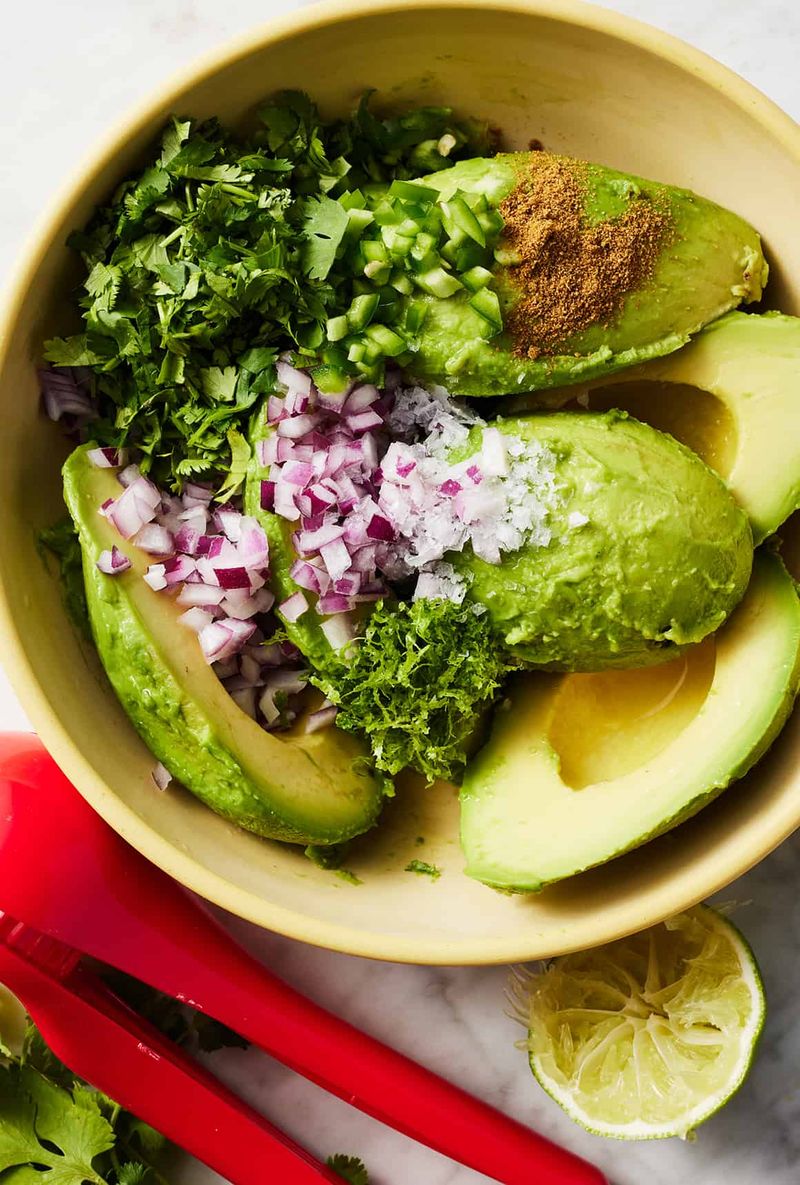
Squeeze a lime and you get sour. Zest a lime and you get something extra, a floral, tropical scent.
Finely grated lime peel adds zippy flavor to tacos, guacamole, rice, and key lime pie. Tiny flecks also look pretty and green.
Quick trick: zest the lime before you juice it. Grating a squished, empty lime is slippery and frustrating, trust me.
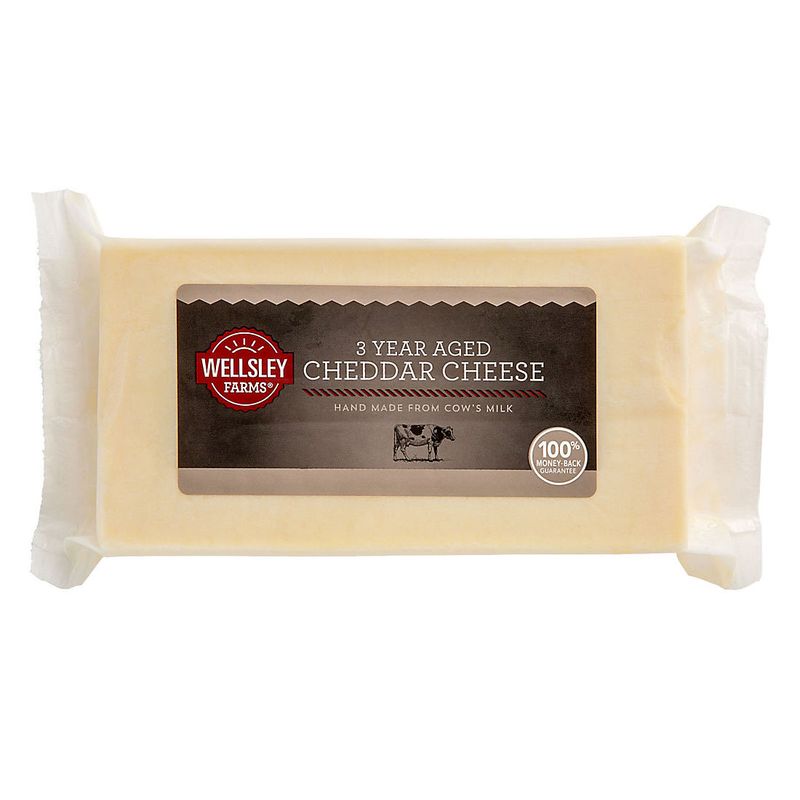
17. Aged Cheddar Boldness
Bag shredded cheese often comes coated in powder to stop clumping. Sadly, that coating mutes flavor.
Grating a block of aged sharp cheddar finely gives you pure, tangy cheese that melts quickly and smoothly. Mac and cheese, grilled cheese, and nachos all taste bolder.
Look for cheddar aged at least a year. Those little crunchy crystals inside are a sign of deep, rich flavor.