
Some of your favorite foods get their chewy, bubbly, or creamy feel from tiny living helpers like yeast and bacteria. This slow natural process is called fermentation, and people have used it for thousands of years.
Without it, bread would be flat, yogurt would be runny, and pickles would be soggy. Once you learn how it works, you will never look at your lunch the same way again.
1. Sourdough Bread
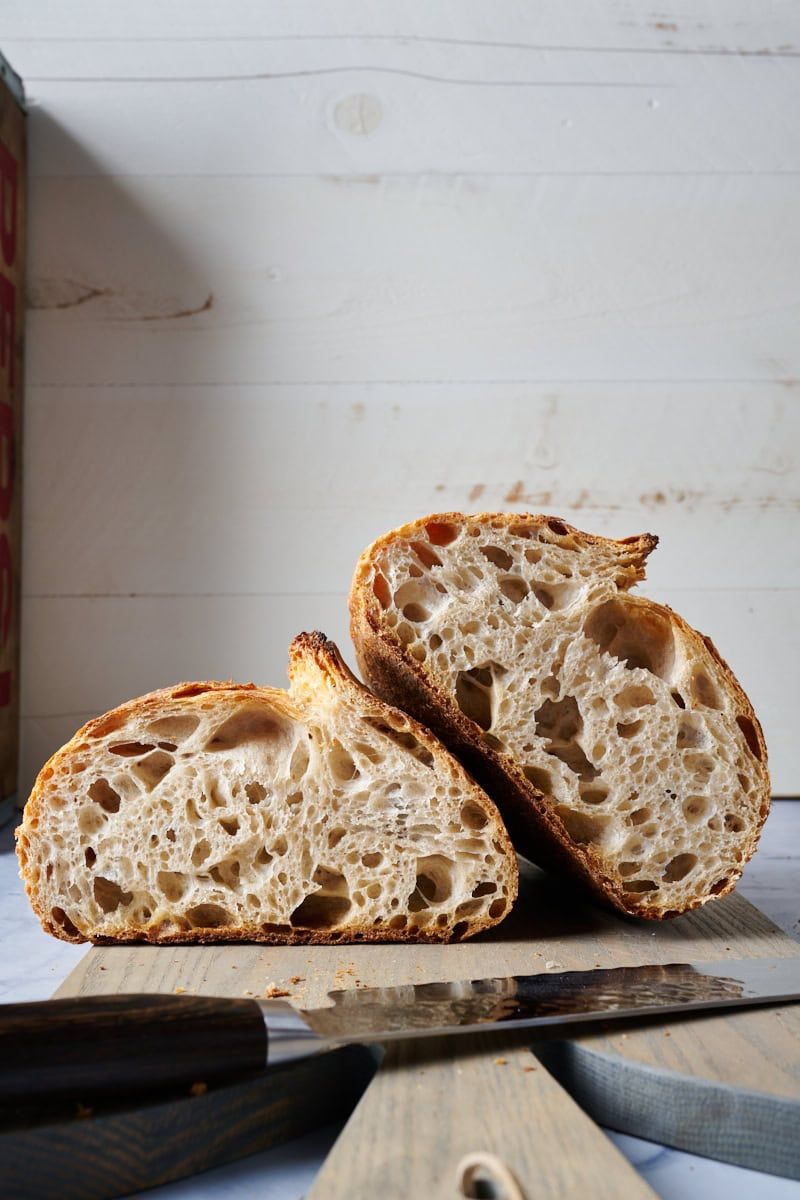
Ever wonder why a sourdough slice has those big, uneven holes? Wild yeast and friendly bacteria in the starter make gas bubbles that get trapped in the dough.
The bacteria also create acids that strengthen the gluten, giving the bread its famous chewy bite and crackly crust. A slow rise, sometimes overnight, gives the microbes time to work.
Tip: if your homemade loaf feels dense, try letting it rise a few extra hours.
2. Greek Yogurt
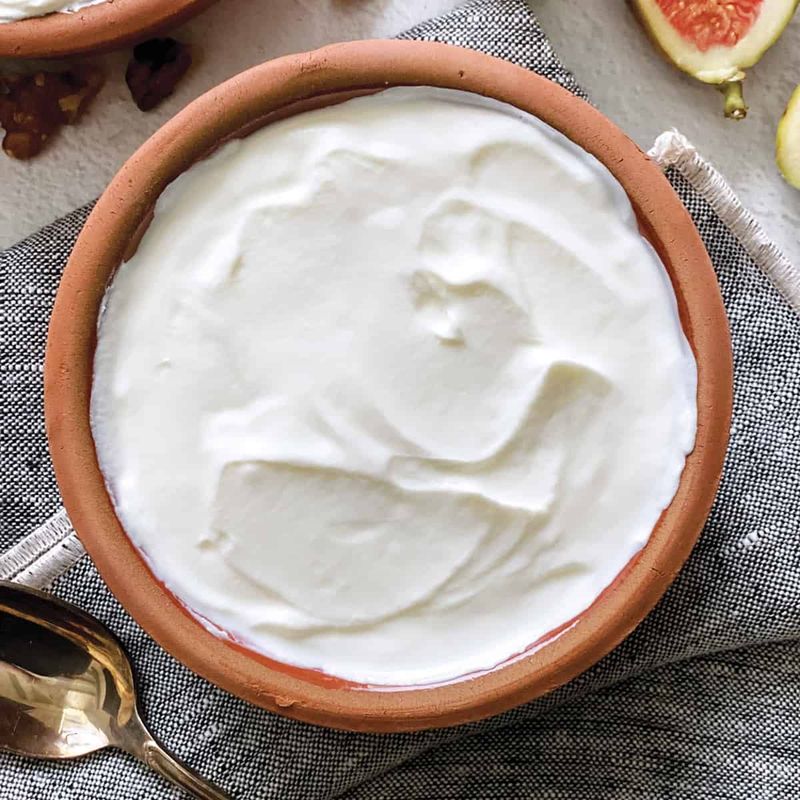
A spoon that stands straight up in a bowl is the sign of great Greek yogurt. That thickness starts when bacteria eat milk sugar and turn it into lactic acid.
The acid makes milk proteins clump together into a soft gel. Straining then removes extra liquid, called whey, leaving a rich, velvety spread.
Fun fact: making one cup of Greek yogurt can take about three cups of milk. No wonder it feels so dense and satisfying!
3. Kimchi
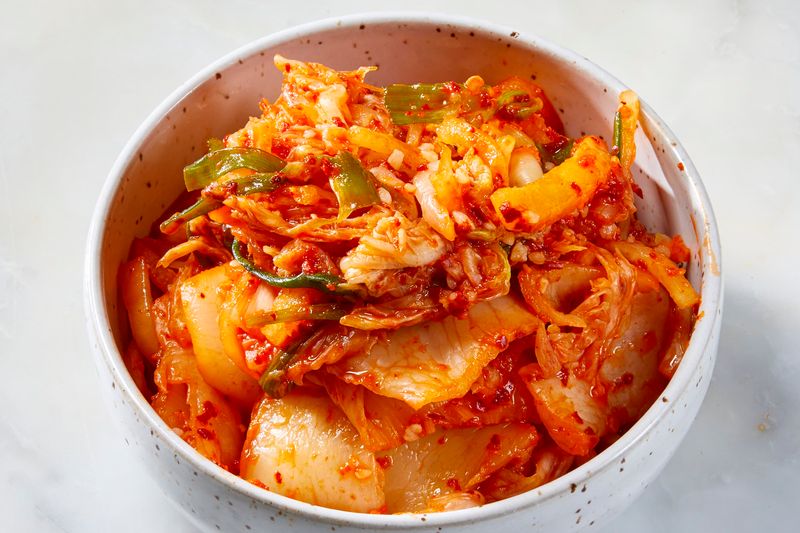
Korean grandmothers have buried clay pots of kimchi in the ground for centuries, keeping it cool through winter. Inside, salt pulls water from the cabbage while bacteria get busy.
The result is a leaf that stays crisp and snappy, with a little fizz on your tongue from natural bubbles. Older kimchi turns softer and more sour, perfect for stews.
Like it crunchy? Eat it young.
Like it mellow? Let the jar sit a week longer.
4. Dill Pickles
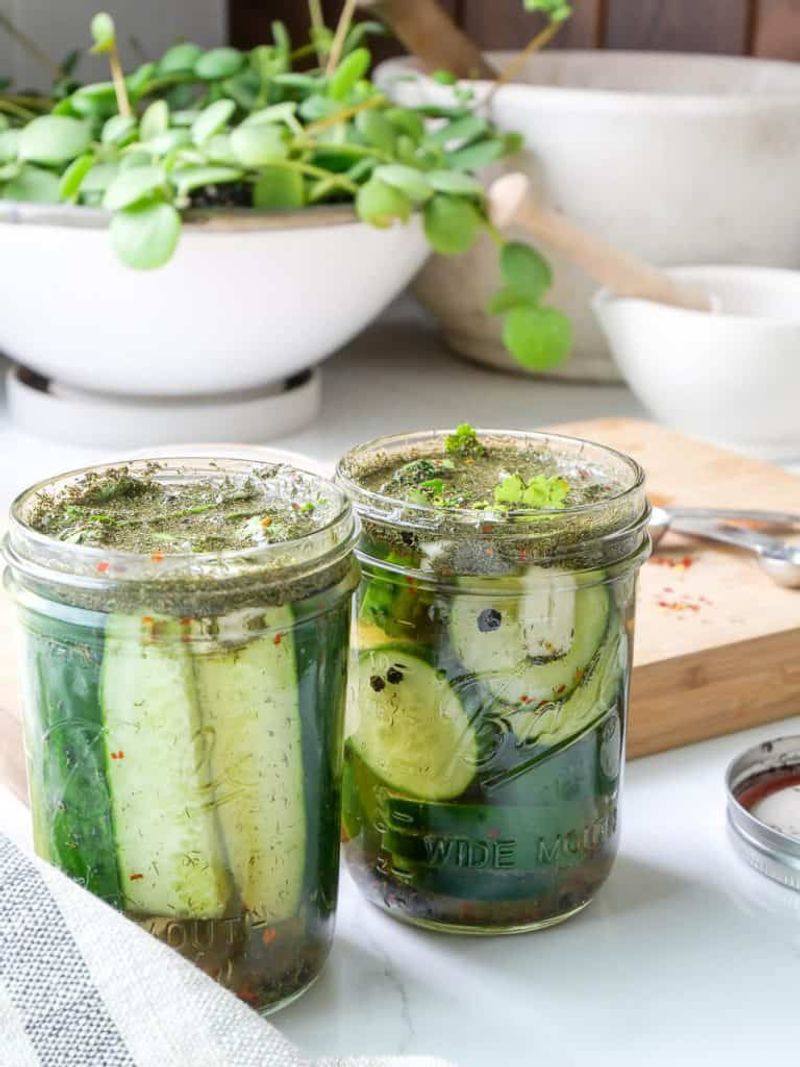
Snap! That satisfying crunch is what makes a real deli pickle so fun to eat.
Old-fashioned pickles sit in salty water, where bacteria slowly turn cucumbers sour.
The salt keeps the cucumbers firm, and natural tannins from grape or oak leaves help them stay crisp. Vinegar pickles are quicker, but fermented ones have a cloudier brine and livelier bite.
Quick trick: always trim the blossom end of cucumbers, since it holds enzymes that cause mushiness.
5. Tempeh
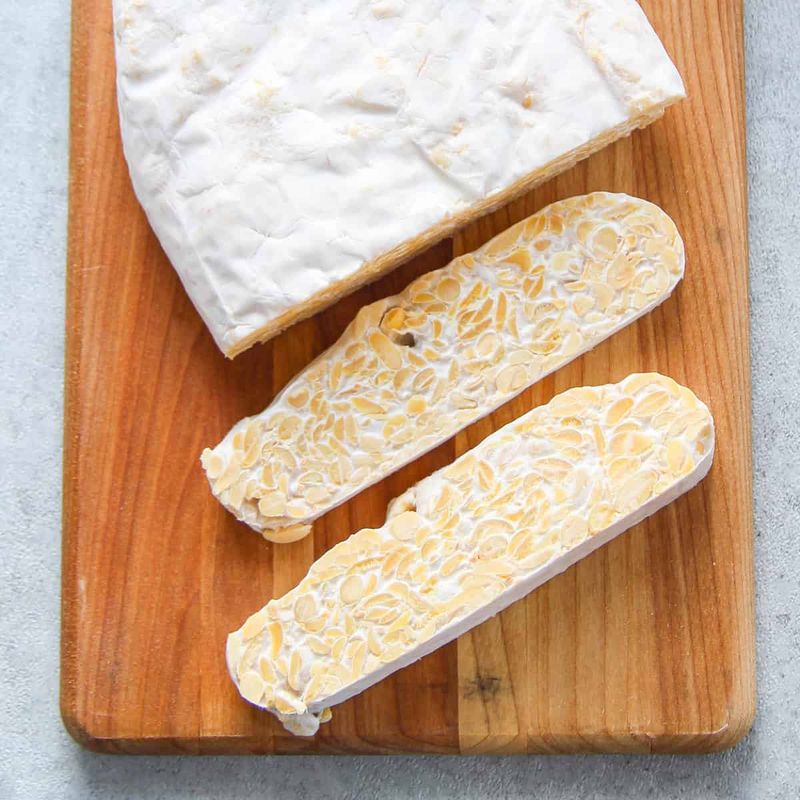
Picture a cake made of soybeans glued together by a fluffy white mold. That is tempeh, a protein-packed food from Indonesia.
A mold called Rhizopus grows thread-like roots between cooked beans, binding them into a firm, sliceable block. Its texture is hearty and slightly nutty, almost like a meaty patty.
Try it marinated and pan-fried until golden. Many vegetarians love tempeh because it holds its shape on the grill far better than tofu does.
6. Swiss Cheese
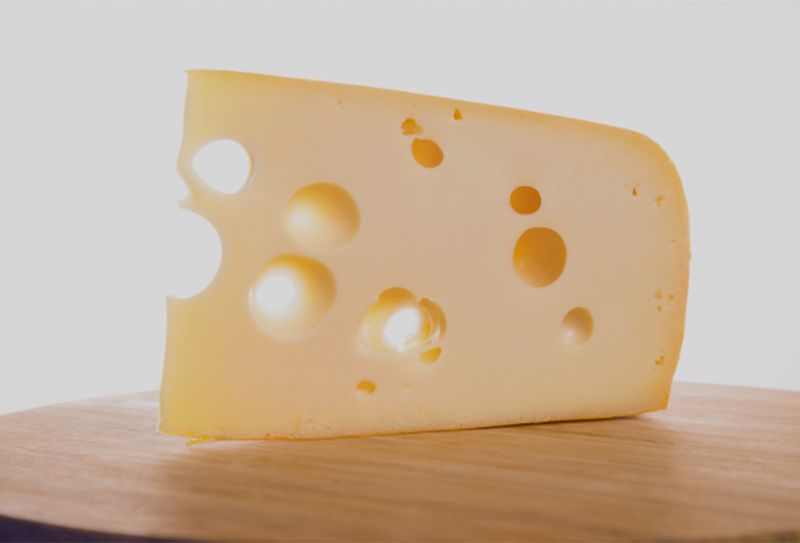
Cartoon mice would be lost without those famous holes! In Swiss cheese, a special bacteria eats lactic acid and burps out carbon dioxide gas.
The gas gets stuck in the firm cheese and forms round pockets, nicknamed eyes. Aging also gives Emmental its smooth, springy bite and sweet, nutty flavor.
Did you know? Cheesemakers once worried about cheeses with too few holes.
Super-clean modern milk had fewer tiny hay bits that help the eyes form.
7. Natto
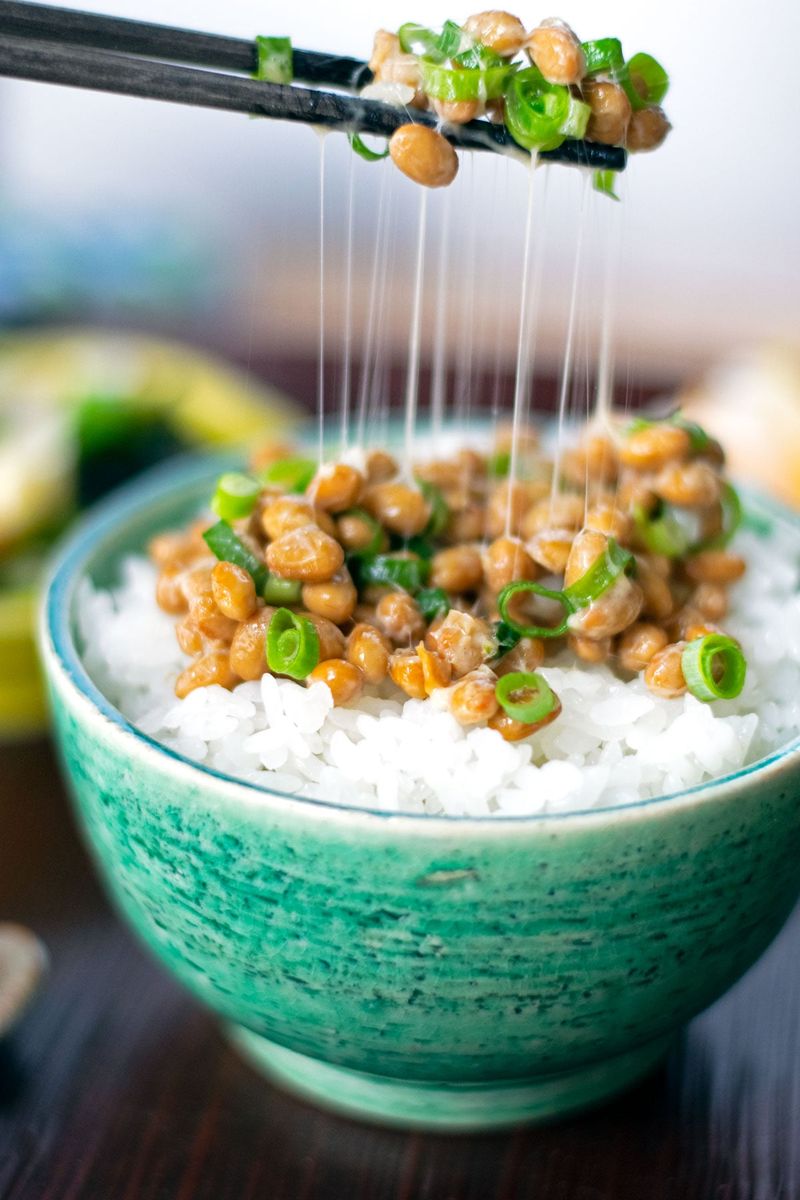
Brave eaters only! Natto is a Japanese breakfast of soybeans wrapped in long, gooey strings that stretch when you lift them.
Bacteria called Bacillus subtilis create a sticky substance as they ferment the beans. Stirring it hard actually makes even more strings.
Many people in Japan eat it over hot rice with soy sauce and mustard. The smell is strong, but fans say the slippery texture becomes oddly addictive after a few tries.
8. Injera
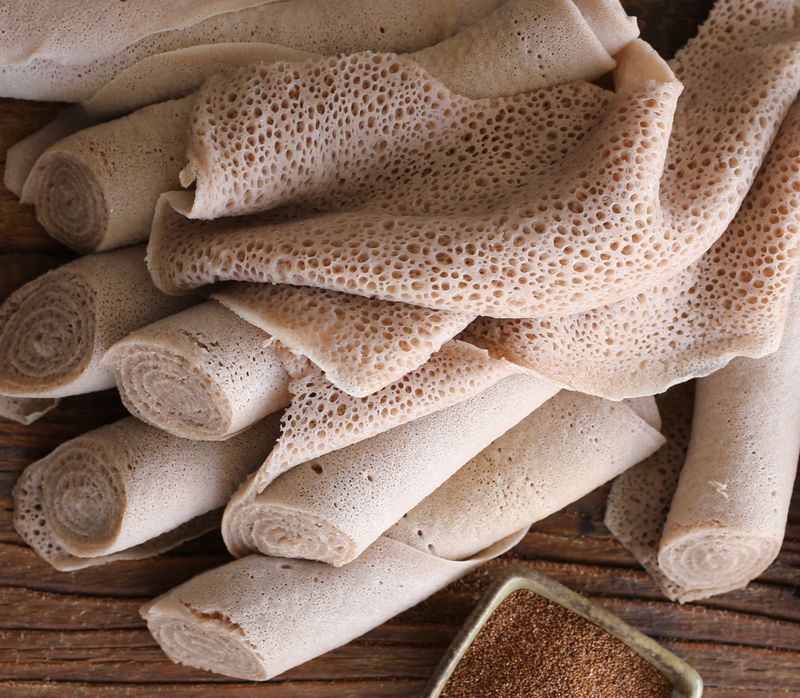
At an Ethiopian table, your plate and your spoon are the same thing: injera. This soft flatbread is made from teff flour batter left to ferment for several days.
As the batter bubbles, it develops a tangy taste. When cooked, thousands of tiny holes form on top, creating a spongy surface.
Those holes are perfect for soaking up spicy stews. Just tear off a piece, scoop, and enjoy without any forks at all.
9. Sauerkraut
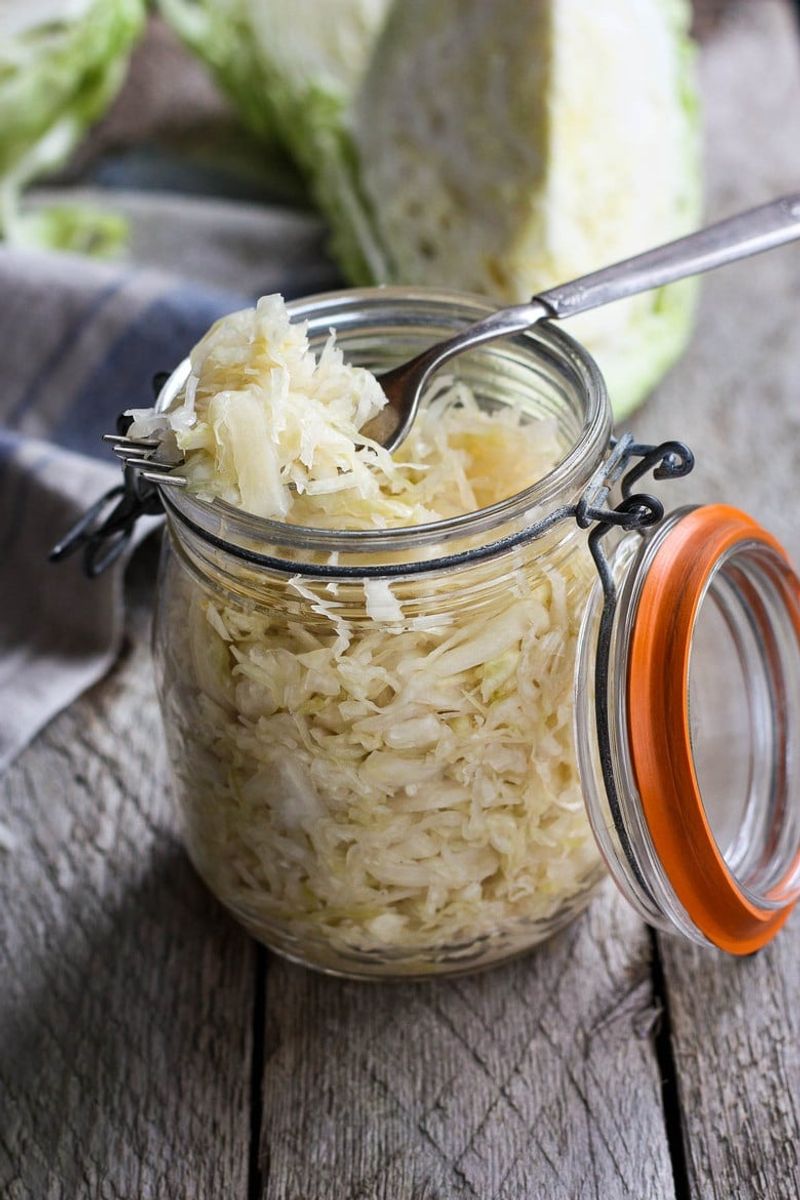
Sailors long ago packed barrels of sauerkraut on long voyages because it lasted for months. All it takes is shredded cabbage and salt.
The salt draws out juice, and bacteria turn the cabbage tangy while keeping a pleasant, tender crunch. Store-bought canned kraut is often cooked soft, so homemade versions feel far more lively.
Want to try? Pack cabbage tightly in a jar so it stays under the brine, then wait about two weeks.
10. Idli
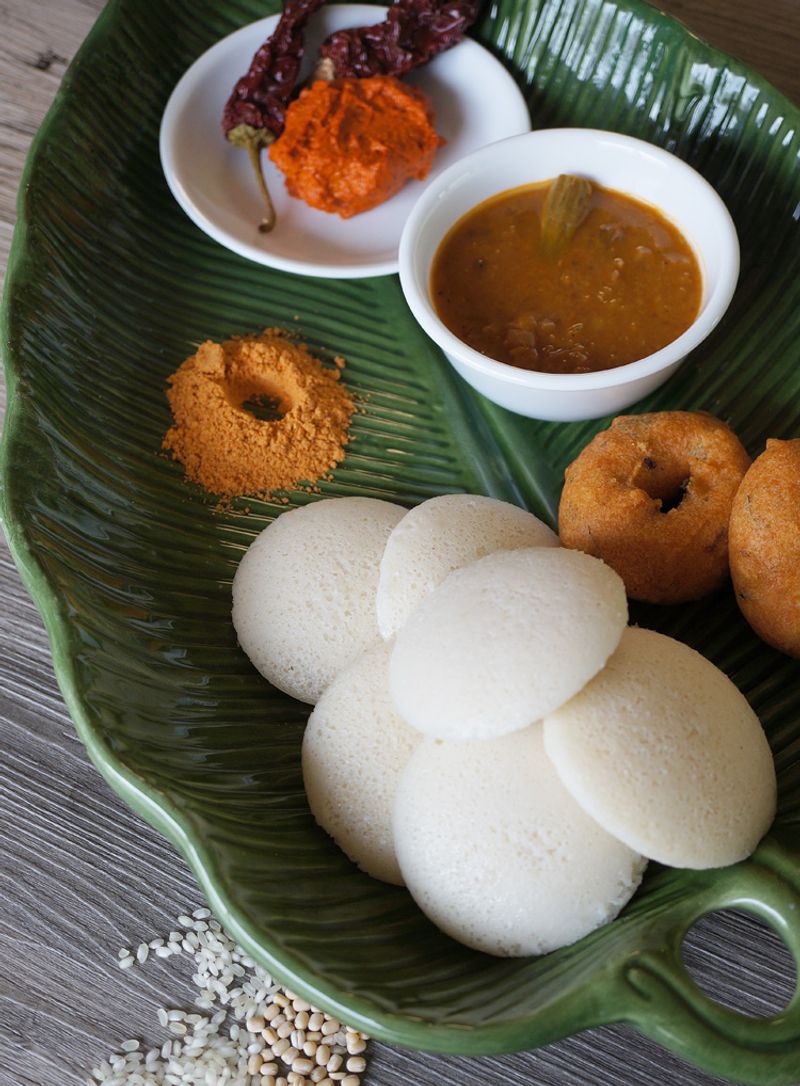
Soft as a cloud and light as a pillow, idli is a steamed cake loved across South India. Cooks soak rice and lentils, grind them, then let the batter rest overnight.
Natural microbes fill it with bubbles, so it puffs up beautifully in the steamer without any baking powder.
Warm weather helps the batter rise faster. In chilly kitchens, some families tuck the bowl inside a turned-off oven with the light on.
11. Salami
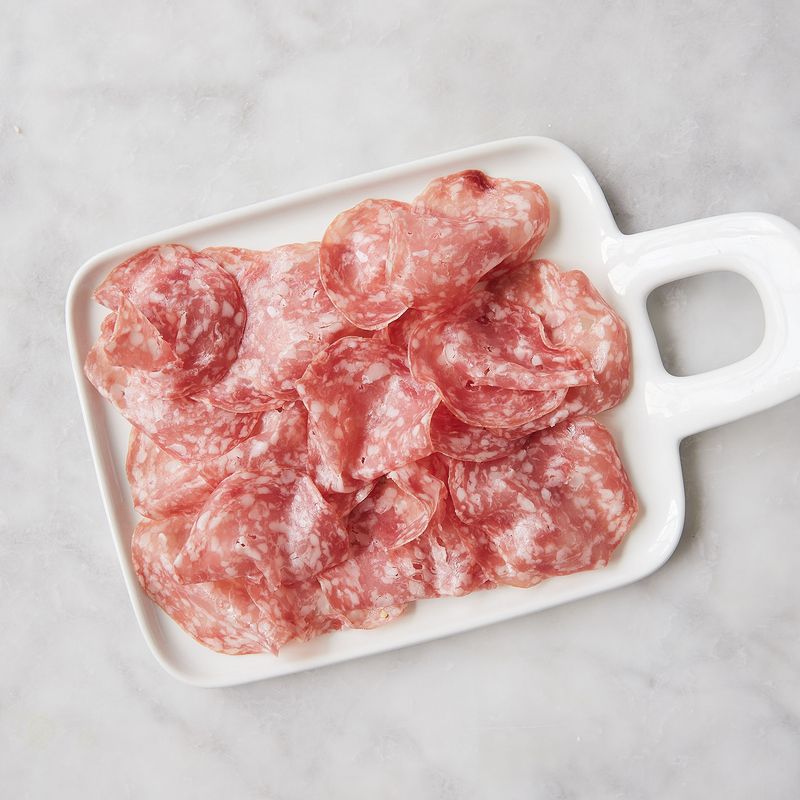
Hang a sausage in a cool cellar for weeks and something amazing happens. Good bacteria lower the meat’s pH, which helps proteins bind tightly together.
As the salami dries, it becomes firm enough to slice paper-thin, with that classic chewy texture. The white coating outside is often a helpful mold that protects it.
Italian families have made salami this way for hundreds of years. It was a clever way to save meat before refrigerators existed.
12. Brie
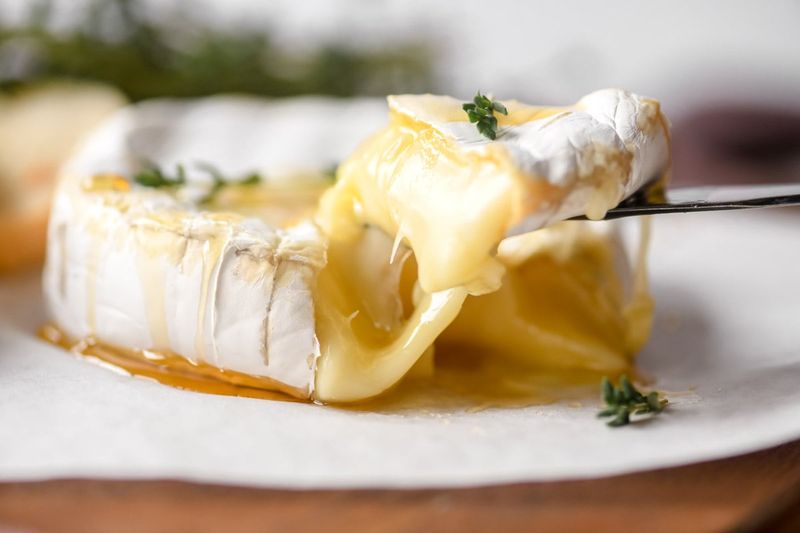
Cut into a perfectly ripe Brie and the middle slowly oozes onto the plate. That melty magic comes from a white mold growing on the rind.
The mold breaks down proteins from the outside in, turning the firm young cheese creamy over several weeks. A chalky center means it needs more time.
Serving tip: let Brie sit at room temperature for about an hour. Cold Brie feels stiff, but warm Brie spreads like butter.
13. Kombucha
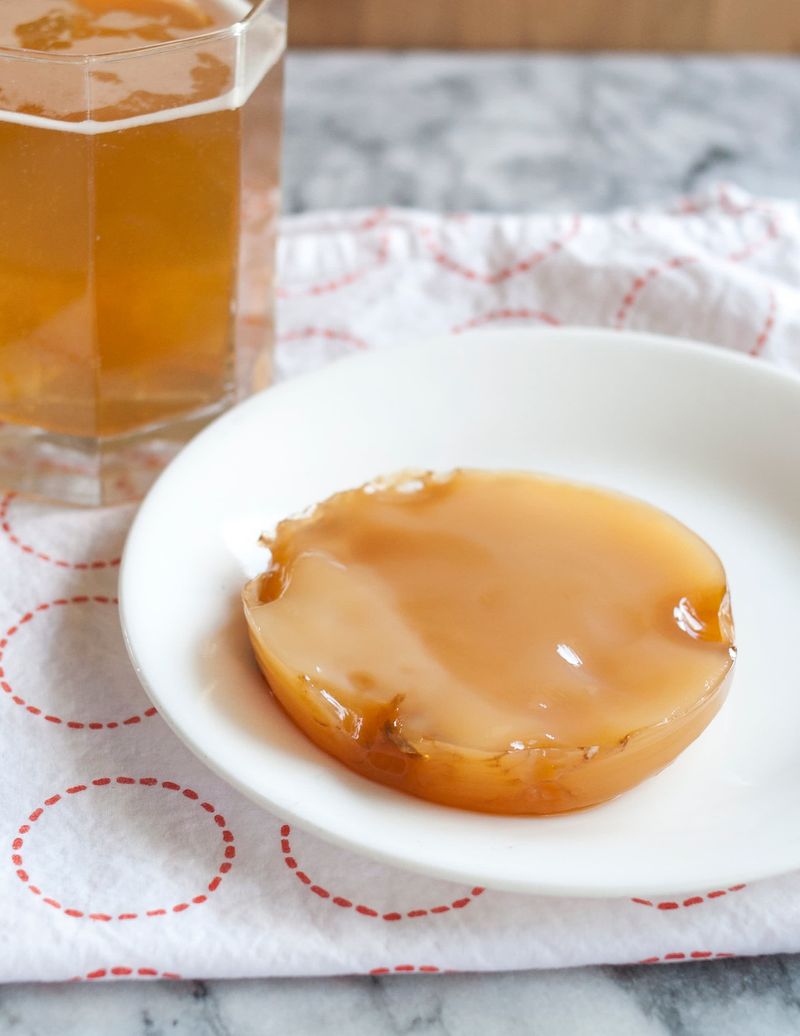
Bubbles without a soda machine? Kombucha makes its own.
This sweet tea is brewed with a rubbery disk called a SCOBY, a mix of yeast and bacteria.
The yeast creates carbon dioxide, which gives the drink its gentle fizz and slightly tingly feel. A second fermentation in sealed bottles adds even more sparkle.
Fun bit: the SCOBY grows a new layer with every batch, so brewers often share extras with friends.
14. Crumpets
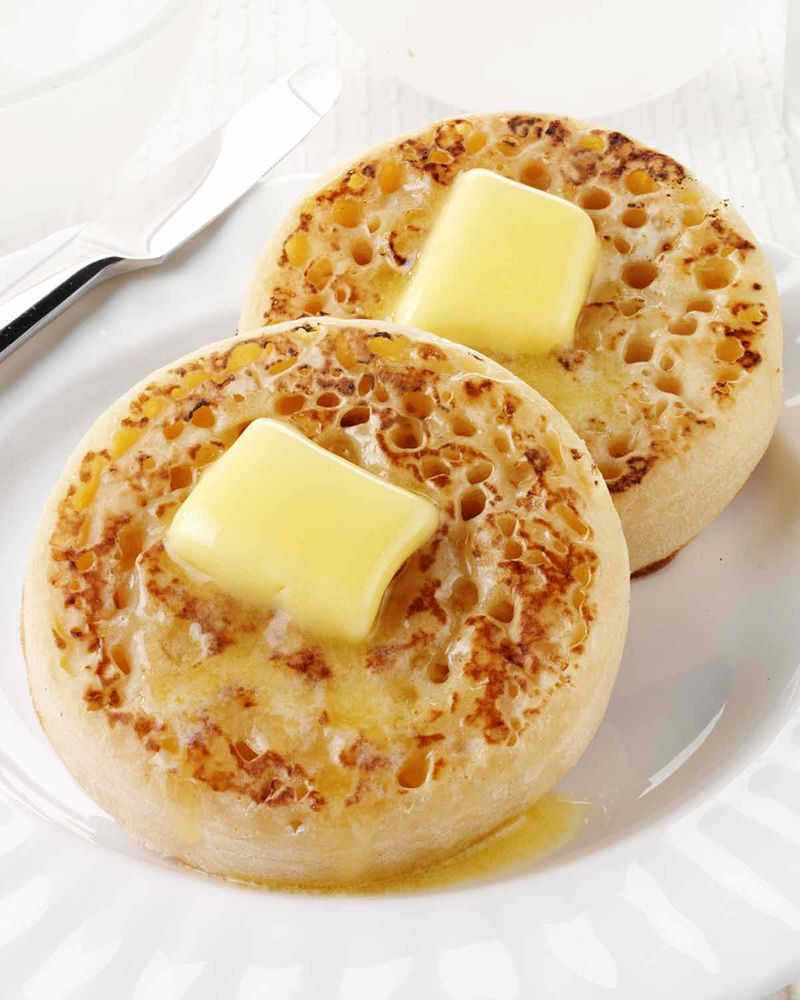
British teatime would feel empty without a buttery crumpet. Yeast in the runny batter makes plenty of gas, and baking soda adds a final boost.
Cooked in rings on a griddle, the bubbles rise and pop, leaving dozens of little tunnels on top. The bottom turns golden while the inside stays soft and springy.
Those tunnels are no accident. They are made for catching melted butter and honey in every single bite.
15. Miso
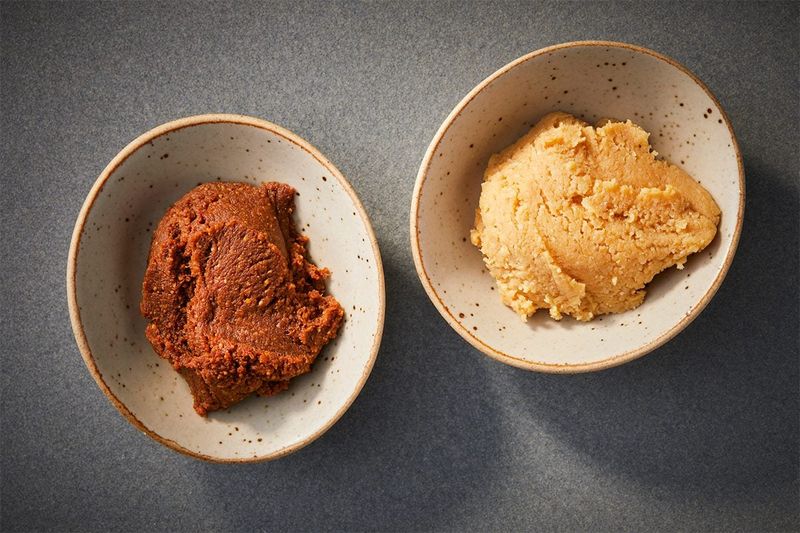
According to Japanese tradition, some miso is aged for three years in giant cedar barrels. It starts as soybeans mixed with salt and koji, a rice mold.
Over time, enzymes break the beans down into a smooth, thick paste. Young white miso is creamy and mild, while dark red miso feels denser and tastes stronger.
Stir a spoonful into warm, not boiling, water for soup. Too much heat can dull its rich flavor.