
Sometimes a movie needs only one voice to hold our full attention. A powerful speech can make us question a villain, understand a hero, or feel a stranger’s pain.
The scenes below have that kind of pull, even if every audience reacts differently. Some land like a shout, while others leave their mark with barely a whisper.
1. Colonel Jessup Defends His Truth in A Few Good Men (1992)
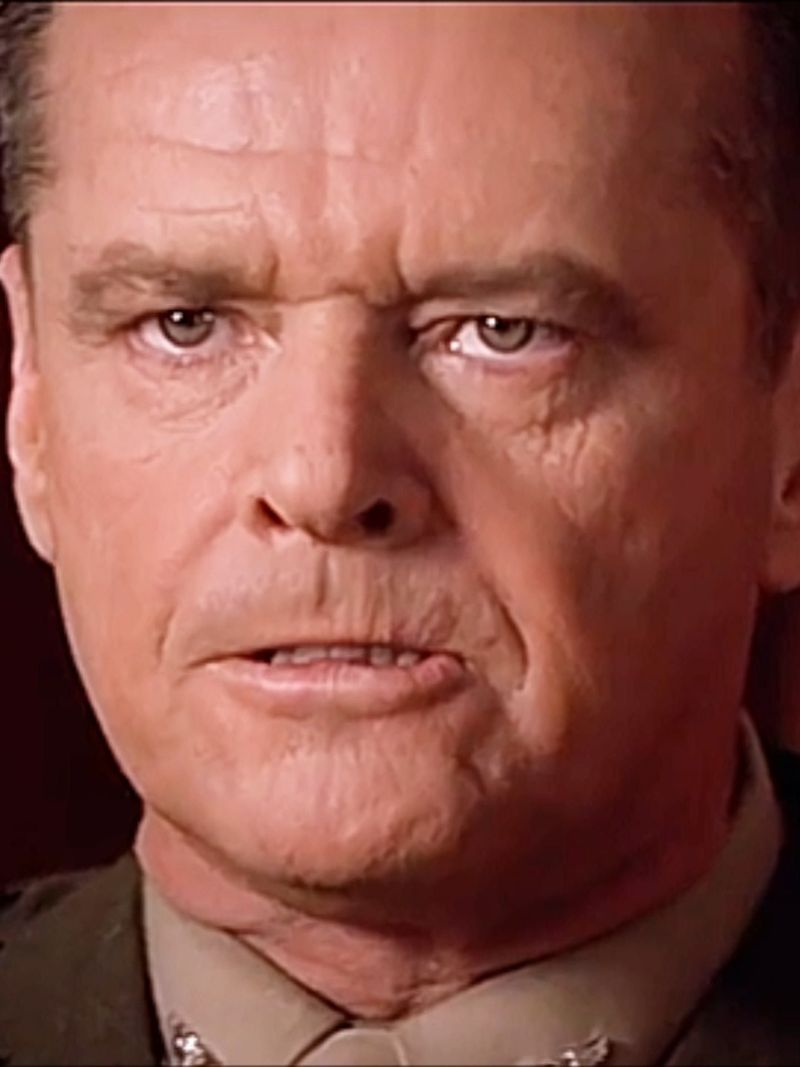
A witness stand becomes a battlefield when Jack Nicholson’s Colonel Jessup finally loses his cool. Pressed by a young lawyer, he argues that protecting the country requires choices ordinary people cannot understand.
His confidence makes the anger even more frightening.
Watch how Nicholson moves from smug control to open fury. The speech raises a question beyond the courtroom: does having a difficult job give someone the right to escape responsibility for the harm they cause?
2. Jules Reconsiders Ezekiel in Pulp Fiction (1994)
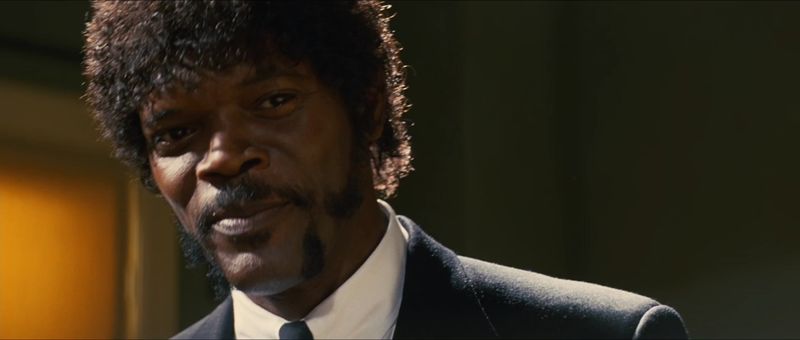
Few voices can make a room feel smaller like Samuel L. Jackson’s.
As Jules, he delivers a biblical passage before violence, turning familiar religious language into a terrifying warning. Later, the same words take on a different meaning.
The diner scene is especially revealing because Jules questions his own role in the passage. Listen for the shift from intimidation to reflection.
A speech once used to frighten others becomes his first step toward changing himself.
3. Sean Breaks Through Will’s Defenses in Good Will Hunting (1997)
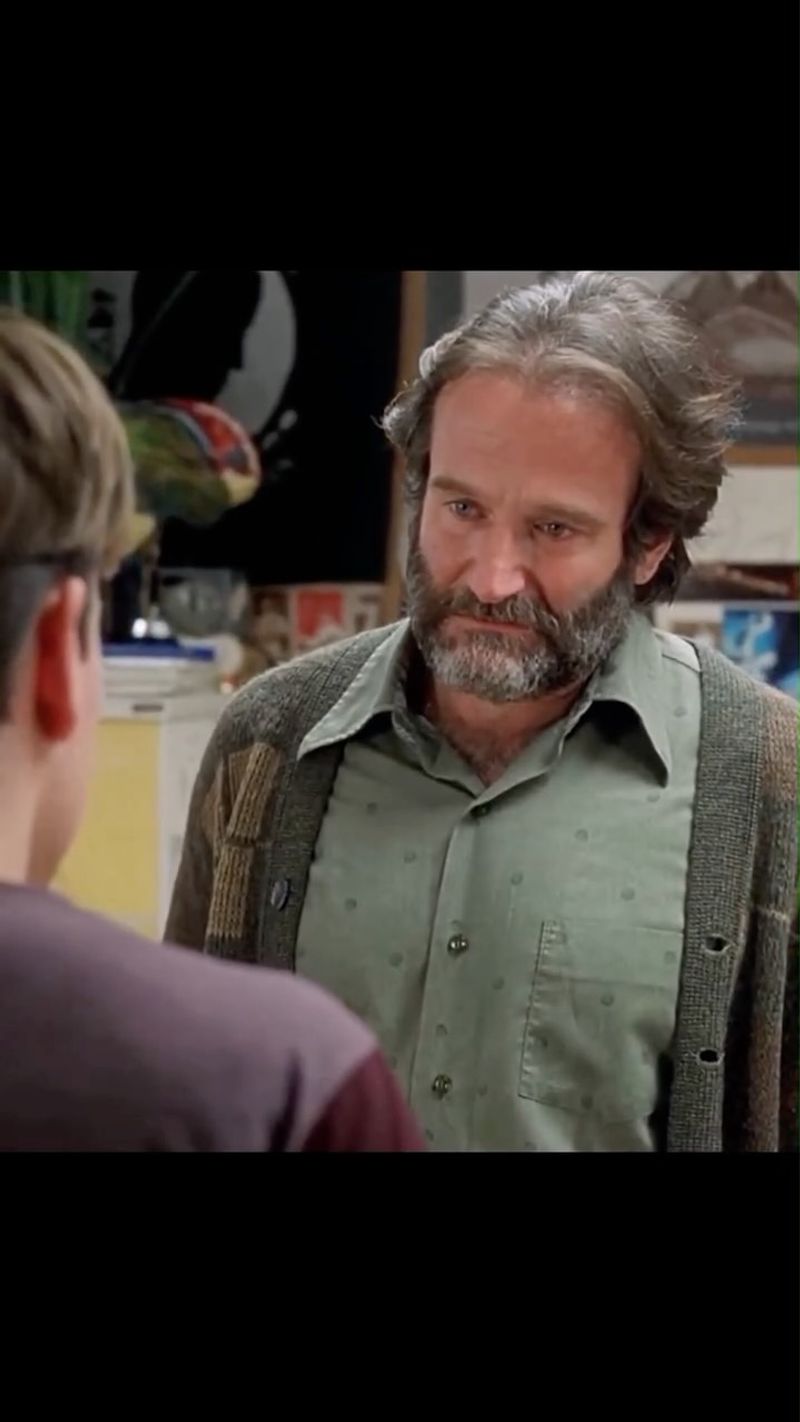
There is no grand stage here, just a therapist refusing to let a wounded young man hide. Robin Williams repeats a simple reassurance until Will’s usual defenses begin to fail.
The exchange is closer to a conversation than a traditional monologue.
That difference makes it powerful. Sean does not win through clever arguments; he stays patient when Will pushes back.
Notice the pauses and body language, which reveal how difficult accepting kindness can sometimes be.
4. Howard Beale Turns Anger Into Television in Network (1976)
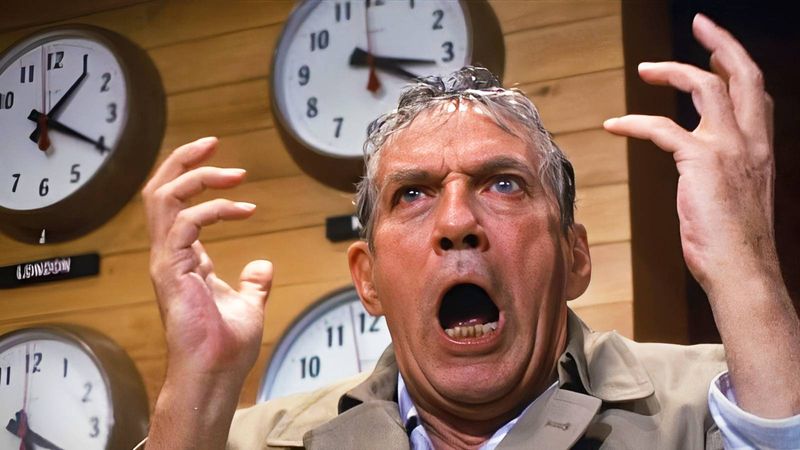
Imagine a news anchor abandoning the script and saying everything viewers are too tired to admit. Peter Finch gives Howard Beale that explosive energy, urging people to shout their anger from their windows.
His breakdown becomes a television event.
Released in 1976, Network makes the speech both thrilling and troubling. Anger can unite people, but it can also become a product.
Pay attention to how the film questions who benefits when public frustration attracts viewers.
5. Roy Batty Faces the Rain in Blade Runner (1982)
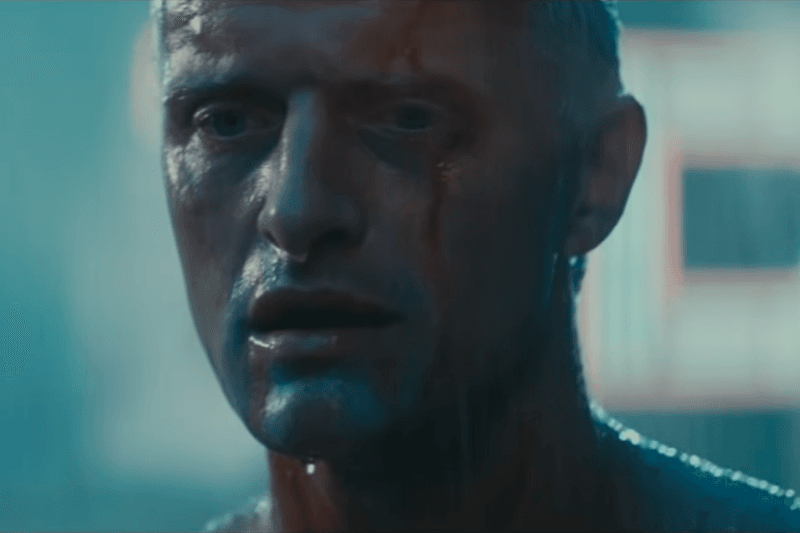
At the edge of death, a feared enemy suddenly feels deeply human. Rutger Hauer’s Roy Batty remembers extraordinary sights that nobody else will ever know.
Rain falls as he accepts that those memories will disappear with him.
The scene asks us to look past labels like human and machine. His final words matter because they reveal wonder, not just fear.
Hauer helped shape the famous closing lines, giving this brief farewell its haunting personal touch.
6. Gordon Gekko Sells Greed in Wall Street (1987)
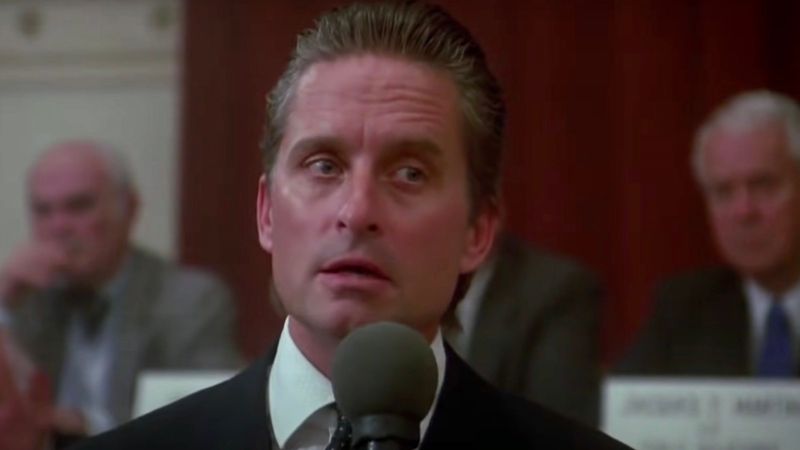
A dangerous idea sounds almost reasonable when its speaker knows how to sell it. Michael Douglas gives Gordon Gekko polished charm as he praises greed before a room of shareholders.
He presents selfish ambition as the engine of progress.
Rather than treating the speech as financial advice, watch how it works as persuasion. Gekko mixes real frustrations with a convenient excuse for taking more.
Douglas won the Best Actor Oscar for this sharply drawn performance.
7. A Barber Pleads for Humanity in The Great Dictator (1940)
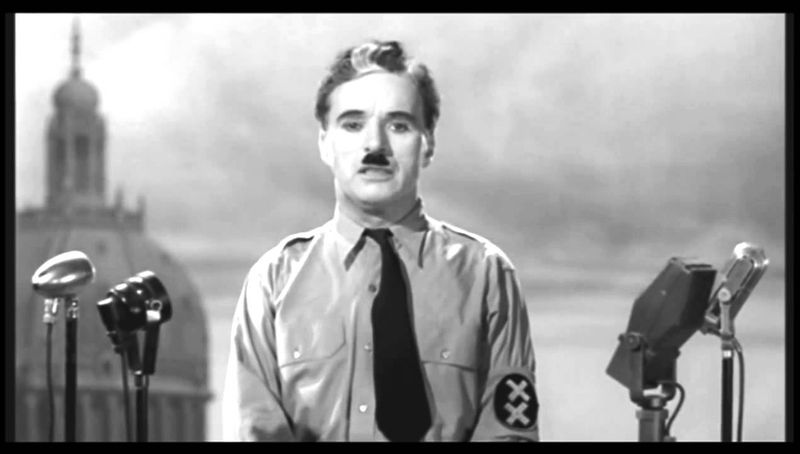
Comedy gives way to a direct appeal for kindness in Charlie Chaplin’s famous ending. Playing a barber mistaken for a dictator, he speaks against cruelty and calls for people to reject hatred.
The change in tone feels startling.
Made as war spread across Europe, the film gives this plea a heavy historical backdrop. Listen to how the speech moves from despair toward hope.
Its lasting strength comes from asking ordinary people to protect one another.
8. William Wallace Gives Fear a Rival in Braveheart (1995)
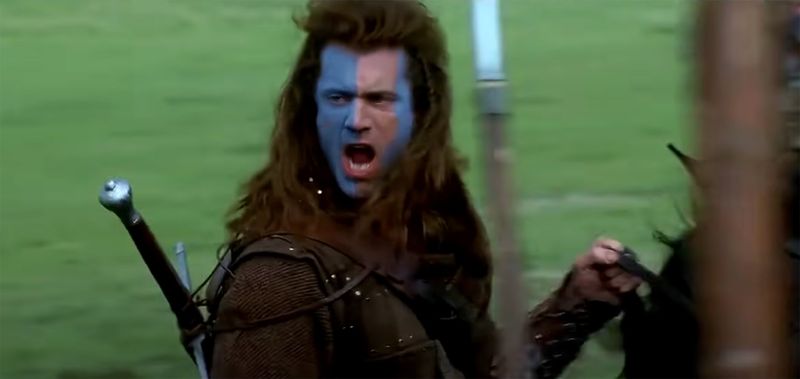
Fear is already winning when a leader rides before men who want to leave. Mel Gibson’s William Wallace answers that fear with a vision of freedom worth fighting for.
His speech turns a scattered crowd into a shared cause.
The scene works through rising rhythm, bold images, and the soldiers’ changing faces. Enjoy it as dramatic storytelling rather than a reliable history lesson.
Braveheart reshapes historical events, but the emotional choice between safety and resistance remains clear.
9. John Keating Makes Time Feel Precious in Dead Poets Society (1989)
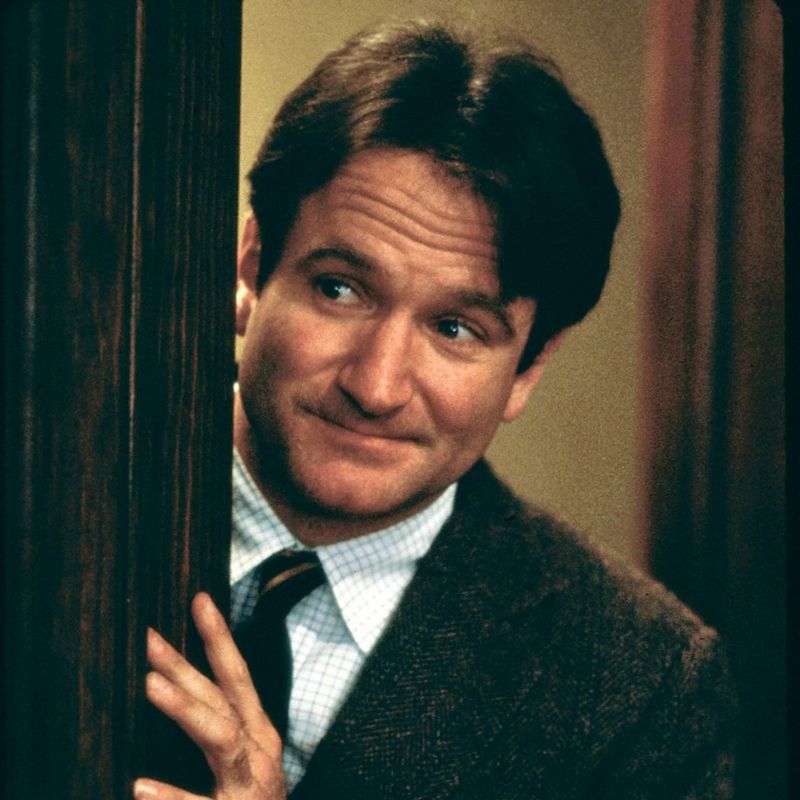
Old school photographs become a surprisingly urgent lesson in Robin Williams’s hands. His teacher, John Keating, asks students to think about the young faces of people whose lives have already ended.
Suddenly, the future does not feel endless.
Keating’s message is not simply to chase excitement. It is to make thoughtful choices before habit chooses for you.
Watch his quiet delivery: he draws the boys closer instead of shouting, making the lesson feel almost private.
10. Red Explains Life Behind Walls in The Shawshank Redemption (1994)
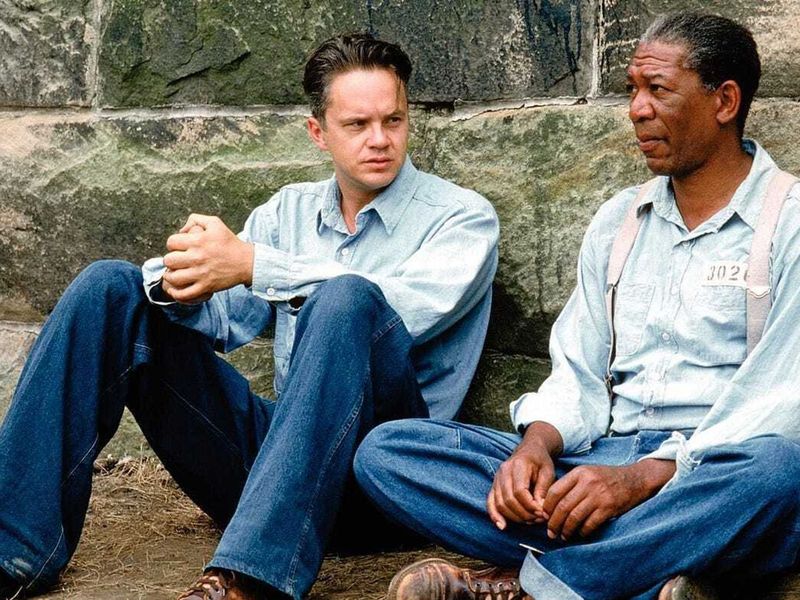
Prison walls can become familiar enough to feel like home, and that is the tragedy Red explains. Morgan Freeman gives his reflection on institutional life a calm, worn sadness.
Brooks’s struggle makes the warning painfully real.
A useful distinction: Brooks’s farewell letter is voiced by James Whitmore, not Freeman. Red provides the related reflection on becoming dependent on prison.
Together, these moments show why freedom requires more than an open gate and a fresh start.
11. Bryan Mills Turns a Phone Call Into a Threat in Taken (2008)
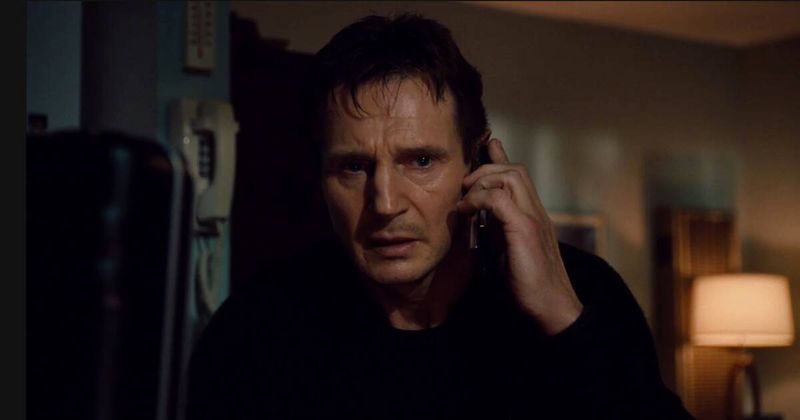
One phone call tells us almost everything about the father at the center of Taken. Liam Neeson’s Bryan Mills speaks to his daughter’s kidnapper without wasting words.
His steady voice makes the threat more chilling than a shout.
Notice how the speech builds from a lack of money to a clear promise of pursuit. It establishes his skills while keeping the focus on his daughter.
For thriller fans, it is a lesson in controlled tension.
12. Waymond Finds Meaning in an Ordinary Life in Everything Everywhere All at Once (2022)
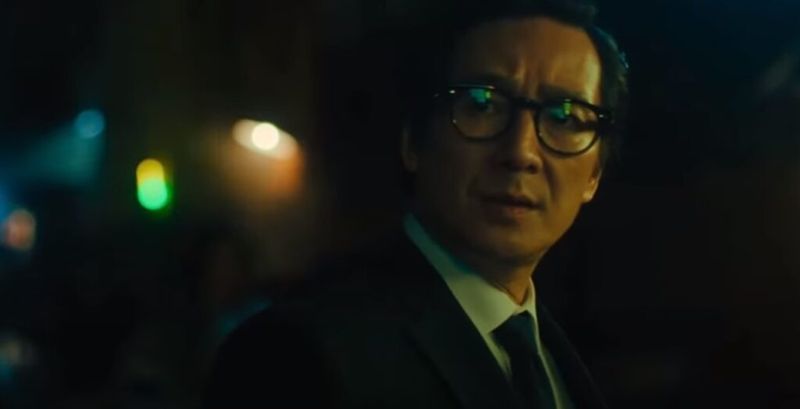
Laundry and taxes hardly sound like the stuff of a great movie speech. Yet Ke Huy Quan makes those ordinary tasks represent a whole life of love.
His alternate version of Waymond imagines happiness in the simplest shared routines.
Against the film’s wild action, this quiet moment feels especially tender. It reminds viewers that an impressive life is not always a satisfying one.
Watch Quan’s restrained expression, which lets regret and affection occupy the same space.
13. Mr. Perlman Makes Room for Heartbreak in Call Me by Your Name (2017)
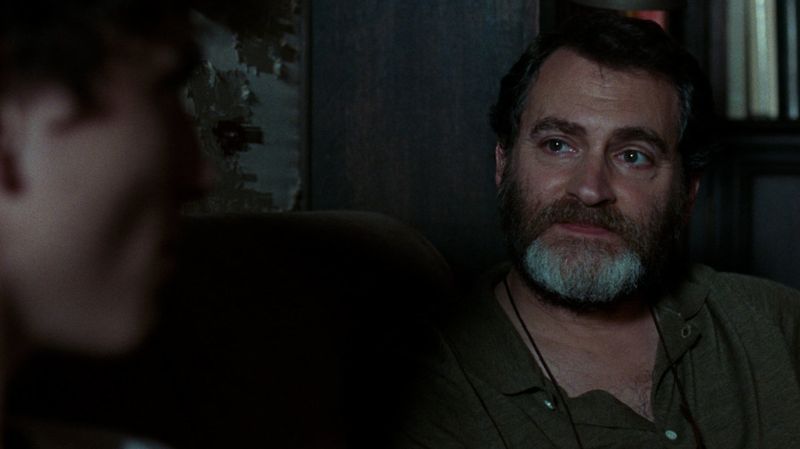
Heartbreak often brings rushed advice to forget, move on, or toughen up. Michael Stuhlbarg’s Mr. Perlman offers his son something rarer: permission to feel the loss fully.
He treats pain as part of having loved, not a mistake.
The warmth comes from a parent choosing understanding over judgment. Listen for the hesitation in his voice as he shares his own regrets.
The scene offers a reminder that helping someone does not always mean fixing them.
14. Sam Keeps Hope Alive in The Lord of the Rings: The Two Towers (2002)
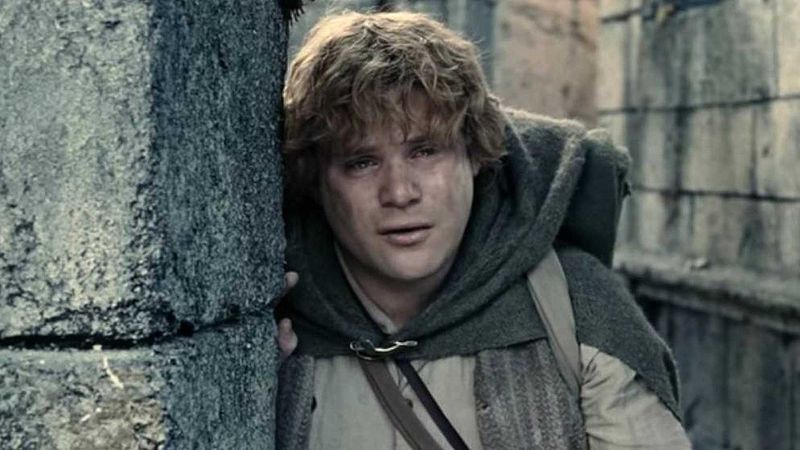
Even the bravest travelers can forget why they started. Sean Astin’s Sam reaches Frodo through stories, reminding him that heroes often face moments when giving up seems easier.
Hope becomes something they must choose, not something they automatically feel.
His speech connects their frightening journey with tales familiar to anyone who has needed encouragement. Sam does not pretend the world is safe.
He argues that its remaining goodness makes the struggle worth continuing, despite the danger.
15. Amy Dunne Pulls Apart the Cool Girl in Gone Girl (2014)
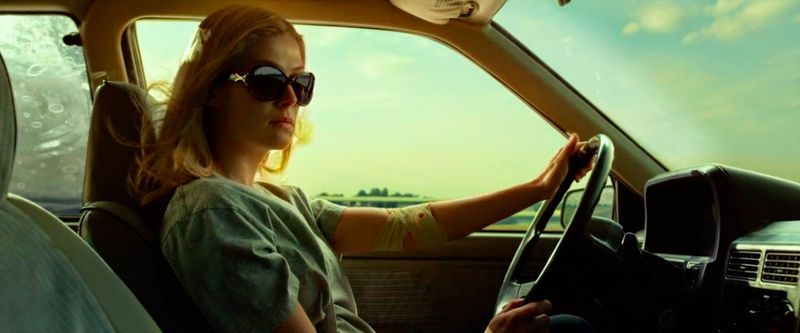
A sharp voiceover tears into the pressure to become someone else’s perfect partner. Rosamund Pike’s Amy lists the ways women may reshape themselves to appear endlessly agreeable.
Her bitterness gives the speech both bite and unsettling force.
The insight is complicated by its source. Amy can identify unfair expectations while also using people in cruel ways.
Keep both ideas in view: a character may expose a real problem without becoming a trustworthy guide to solving it.
16. Patrick Bateman Reveals an Empty Surface in American Psycho (2000)

A careful morning routine should seem harmless, but Christian Bale makes it feel strangely hollow. Patrick Bateman describes his body, grooming habits, and polished appearance as though he were listing product features.
The person underneath remains hard to find.
His calm introduction sets up the film’s dark satire of status and image. Notice the gap between perfect surfaces and emotional emptiness.
The unsettling part is not merely his vanity, but his sense that no genuine self exists.
17. Killmonger Chooses His Final Freedom in Black Panther (2018)

Victory stops feeling simple when the defeated enemy speaks about what shaped him. Michael B.
Jordan’s Killmonger faces the Wakandan sunset and links his final choice to the history of enslaved Africans. His anger gives way to wounded dignity.
The scene does not erase his violence. Instead, it asks viewers to understand the pain behind it.
Watch how the sunset fulfills a childhood dream while his words challenge T’Challa to think differently about isolation and responsibility.
18. Arthur Fleck Shatters the Talk Show in Joker (2019)
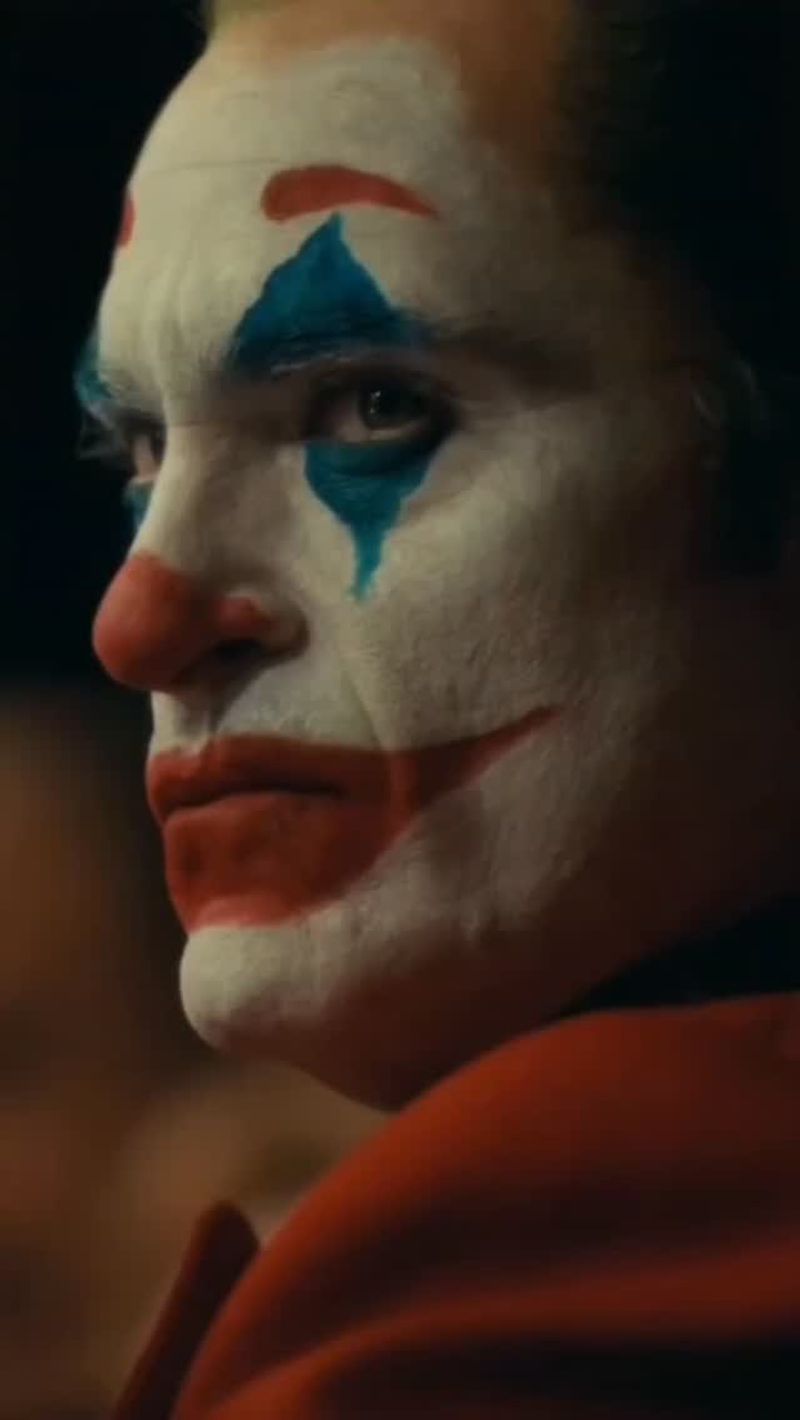
A bright television set becomes a place of dread as Joaquin Phoenix’s Arthur Fleck stops playing along. His complaints about cruelty and public humiliation turn a guest appearance into a disturbing confrontation.
The host struggles to keep control.
Resist treating the speech as a simple statement of truth. Arthur’s suffering is real within the story, but his response is destructive.
The tension comes from watching understandable pain harden into blame, while entertainment slides toward something terrifying.