
Some women carry difficult stories that rarely come up in everyday talk. What looks like quiet strength, extra caution, or a small habit may have helped them through painful times.
These patterns can have many causes, so they are not proof of trauma, and they can appear in people of any gender. Understanding them can help us respond with more kindness and less judgment.
1. Reading the Room Before Relaxing

Before choosing a seat, she may notice who looks upset, who speaks sharply, and where the exit is. Watching small changes in mood can become a habit when past situations were hard to predict.
That attention may look like sharp people skills, but it can also be tiring. Give her time to settle without calling her nervous or distant.
A steady voice, clear plans, and respectful behavior can help make a space feel safer over time.
2. Saying Sorry for Small Things

A bumped chair or a simple request might bring an apology before anyone complains. For someone who once faced harsh reactions, saying sorry quickly may have helped prevent conflict or criticism.
Rather than scolding her for apologizing, gently remind her that ordinary needs do not require an apology. She can practice replacing sorry with thank you when it fits.
Small changes matter, especially when people around her show that mistakes will not cost her their respect.
3. Letting Trust Grow Slowly

Friendly conversation may come easily, while personal details stay carefully tucked away. After broken promises or betrayal, a woman may need repeated signs of honesty before letting someone closer.
Trust grows through actions, not demands for openness. Keep plans, admit mistakes, and respect what she chooses not to share.
If this pattern feels familiar, notice who stays reliable over time. Moving slowly is allowed, and closeness does not require handing over your entire story at once.
4. Staying Practical During a Crisis
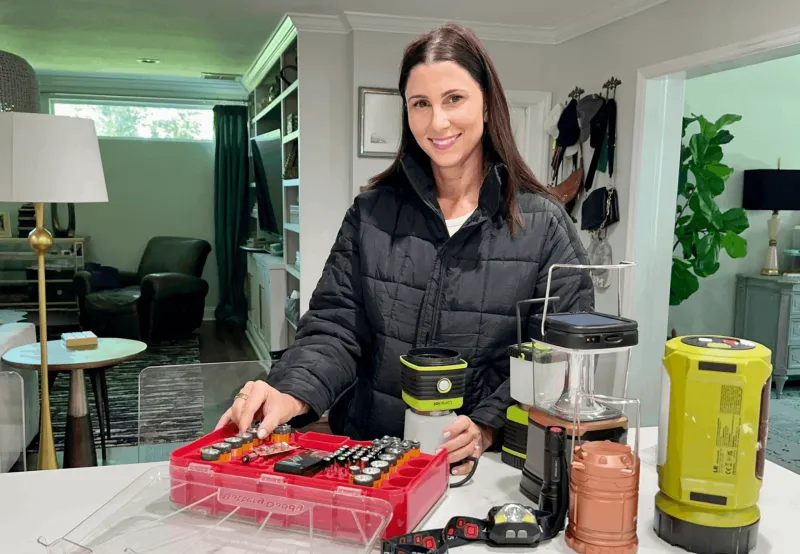
When plans fall apart, she may already be finding a phone number, gathering supplies, or helping others breathe. Familiarity with difficult moments can make practical action feel easier than showing fear.
Still, a calm face does not tell you how much stress she feels inside. Check on her after the problem passes, when feelings may finally surface.
Offer specific help instead of assuming she can handle everything. Being capable should never mean being left without support.
5. Reacting Strongly to an Ordinary Sound

A slammed door may hit harder than a busy workday. Sometimes a sound, smell, or tone reminds the body of an earlier frightening experience, even when the present situation is different.
A strong reaction is not automatically a trauma response, but it deserves patience rather than teasing. If she feels overwhelmed, offer space and ask what would help.
Grounding through the senses may ease the moment. Repeated distress is a reason to consider professional support, too.
6. Preparing for Every Possible Problem

Her bag has spare chargers, her calendar has reminders, and every outing has a backup plan. Preparation may bring comfort when life once changed suddenly or help was hard to find.
Planning is useful until it leaves no room to rest. Try separating likely problems from distant possibilities, then choose one reasonable backup.
Friends can help by sharing tasks and giving notice about changes. She deserves support with uncertainty, not praise that quietly hands her every responsibility.
7. Agreeing Before Checking Her Own Needs

The yes arrives quickly, even when her schedule is full. Keeping others happy can become a way to avoid rejection, anger, or tension, especially after relationships where disagreement felt risky.
A useful pause is simple: let me check and get back to you. That gives her room to notice her energy, time, and wishes.
When someone declines, accept the answer without pushing. Safety grows when people learn that a respectful no will not threaten a relationship.
8. Protecting Peace With Clear Limits

Leaving a draining conversation early may be a sign of progress, not coldness. Some women learn through painful experiences that protecting their time and peace is necessary, even when others disagree.
Healthy limits describe what someone will accept or do, rather than control another person. She might decline late calls or leave when shouting starts.
Respect those choices without asking her to defend her history. Clear boundaries can make room for relationships built on care instead.
9. Offering Comfort Before Asking for Any

She remembers how lonely a hard day can feel, so she notices when someone else goes quiet. Her care may show up as a meal, a thoughtful message, or patient listening.
Empathy is not proof of hardship, and suffering does not automatically make anyone more caring. Still, giving support can feel more familiar than receiving it.
Ask how she is doing and stay for the answer. Remind her that kindness can flow in both directions equally.
10. Handling Everything Alone

Even with heavy bags and a packed week, she may insist she has it covered. Depending on others might feel uncomfortable if help once came with strings attached or never arrived.
Independence can be a strength, but nobody should have to prove worth by struggling alone. Offer a clear choice, such as carrying groceries or making dinner, and accept her response.
If you recognize this habit, try asking a trusted person for one small, manageable favor first.
11. Bracing for Bad News

A delayed reply can turn into a whole story about what went wrong. After repeated setbacks, expecting trouble may seem like a way to soften the shock if something bad happens.
The trouble is that imagined outcomes can steal peace from an ordinary afternoon. Try naming the facts separately from the fears, then consider another likely explanation.
Avoid telling her to just think positive. Patient support and counseling can help when worry keeps taking over daily life.
12. Stepping Away From Needless Arguments

Not every disagreement gets her energy anymore. A woman who has lived with frequent conflict may choose a quiet exit over another long debate, especially when nobody seems willing to listen.
Choosing peace can be wise, but staying silent about real needs may build resentment. Notice the difference between a pointless argument and a necessary conversation.
Suggest a calmer time to talk, or write down the concern first. Respectful disagreement should allow both people to be heard.
13. Keeping Pain Behind a Light Answer

A cheerful fine may cover a much harder week. Some women learned that sharing pain brought judgment, unwanted advice, or no response, so they keep conversations light even when they need care.
Do not pressure her to reveal anything. Instead, make a simple offer to listen without fixing the problem, then follow through if she accepts.
Privacy is valid, and support does not require every detail. A quiet walk or shared meal can also create connection naturally.
14. Feeling Uneasy When Life Gets Quiet

An empty afternoon may feel oddly uncomfortable after years of putting out fires. When being busy once helped her cope, stillness can leave room for thoughts and feelings she usually keeps moving past.
Rest does not have to begin with a whole silent day. A short stretch, familiar music, or ten minutes outside may feel more manageable.
Avoid treating constant productivity as her greatest quality. She is allowed to enjoy quiet without earning it through exhaustion first.
15. Laughing While Telling a Difficult Story

Sometimes the hardest part of a story arrives with a joke. Humor can offer breathing room, help someone stay connected, or make a painful memory easier to speak about without feeling exposed.
Laughter does not mean the experience was harmless. Follow her lead without making light of what happened, and acknowledge the hurt beneath the joke if she welcomes that.
She can use humor and still need support. Both responses can exist in the same conversation together.
16. Staying Loyal Past Her Own Limits

She may explain away repeated disrespect because walking away feels like giving up on someone. Loyalty can become tangled with fear, hope, or old lessons about keeping relationships together at any cost.
Care does not require accepting cruelty. Look at patterns rather than promises, and consider how the relationship affects sleep, confidence, and safety.
A trusted friend or counselor can help sort through choices. If abuse is involved, seek confidential support and plan steps around personal safety.
17. Downplaying Her Own Achievements

A compliment lands, and she quickly points to luck or someone else’s effort. Harsh criticism or being overlooked may have made praise feel unfamiliar, although many other experiences can shape this habit.
You do not need to argue her into confidence. Name something specific she did well and let the words stand.
For herself, keeping a short record of completed tasks can help make progress visible. Accepting credit is not arrogance; it is an honest view of effort.
18. Guarding Sleep and Familiar Routines

The same bedtime, favorite seat, or morning walk may matter more than it seems. Predictable routines can provide comfort after unstable periods, especially when worry or poor sleep has made daily life harder.
Respect helpful habits without assuming every preference comes from hardship. If routines become so strict that ordinary changes cause major distress, extra support may help.
Persistent sleep problems also deserve medical attention. A steady schedule is useful, but it should support life rather than shrink it.
19. Going Quiet When Feelings Get Too Big

During an emotional moment, words may disappear instead of spilling out. Some people feel distant, blank, or unable to respond when overwhelmed; others simply need time to understand what they are feeling.
Silence alone cannot tell you the cause. Ask whether she wants company, space, or a pause in the conversation.
Simple grounding, like noticing her feet on the floor, may help. If numbness happens often or disrupts daily life, a mental health professional can offer support.
20. Choosing Small Steps Toward a Better Life

Progress may look ordinary: booking an appointment, joining a class, or calling a friend back. After difficult experiences, these small choices can reflect a growing belief that life can hold something different.
Healing is not a straight path, and nobody owes the world an inspiring comeback. Celebrate effort without demanding constant strength or quick results.
Support can include therapy, trusted relationships, and practical help. Her past deserves care, while her future still belongs to her to shape.