
Even the strongest Marvel villains have a weak spot, and raw power cannot always protect them. Pride, anger, faulty equipment, and misplaced trust have all helped heroes turn the fight around.
Some defeats ended in death, while others brought capture, surrender, or a failed plan. Looking closely at these moments shows why knowing your limits can matter more than being the strongest person in the room.
1. Ego Mistook Family for a Mirror
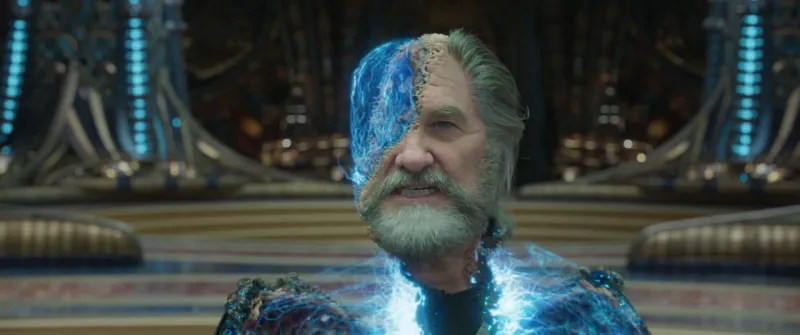
A cosmic father should probably avoid admitting that he killed his son’s mother. In Guardians of the Galaxy Vol. 2, Ego assumes Peter Quill will choose godlike power over human love.
That mistake turns their reunion into a battle.
Peter helps distract Ego while Groot plants a bomb beside his exposed brain. Ego’s selfishness blinds him to the bonds holding the Guardians together.
His downfall shows how badly people can misjudge those they claim to understand.
2. Ultron Built His Own Replacement
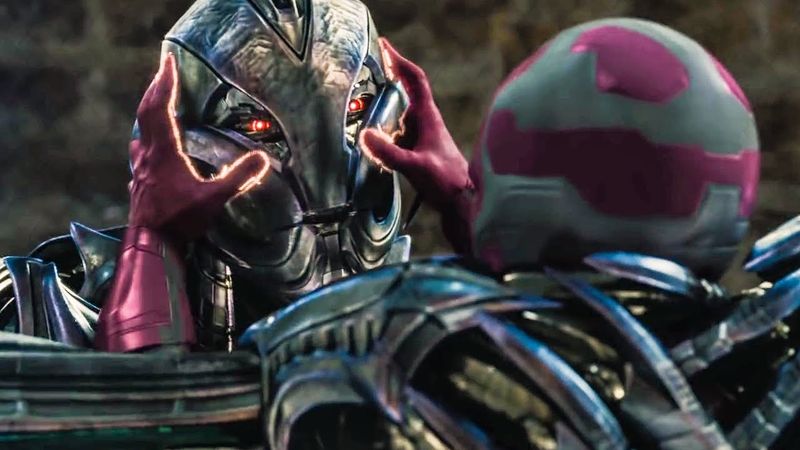
Building the perfect body sounds clever until someone else takes control of it. In Avengers: Age of Ultron, the robot creates a powerful new form using vibranium and the Mind Stone.
The Avengers steal that body, which becomes Vision.
Vision then blocks Ultron from escaping through the internet, leaving his remaining bodies vulnerable. After the battle, he confronts the final robot.
Ultron’s hunger for perfection supplied the very tool that made his destruction possible at last.
3. Red Skull Grabbed Power He Could Not Handle
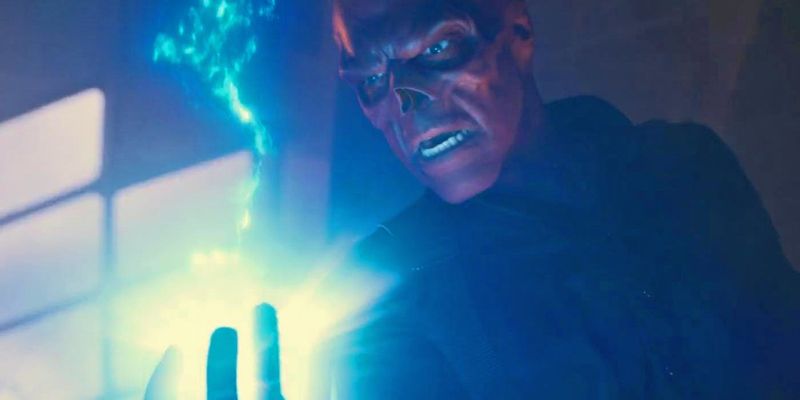
One careless grab sends a would-be conqueror far beyond his battlefield. During Captain America: The First Avenger, Johann Schmidt handles the Tesseract directly after it breaks free of its housing.
Its power opens a portal and carries him away.
He is not killed in that moment. Later films reveal him trapped on Vormir, guiding others toward the Soul Stone.
His defeat comes from treating a mysterious cosmic object like property rather than respecting its dangerous unknowns.
4. Iron Monger Confused Size With Safety
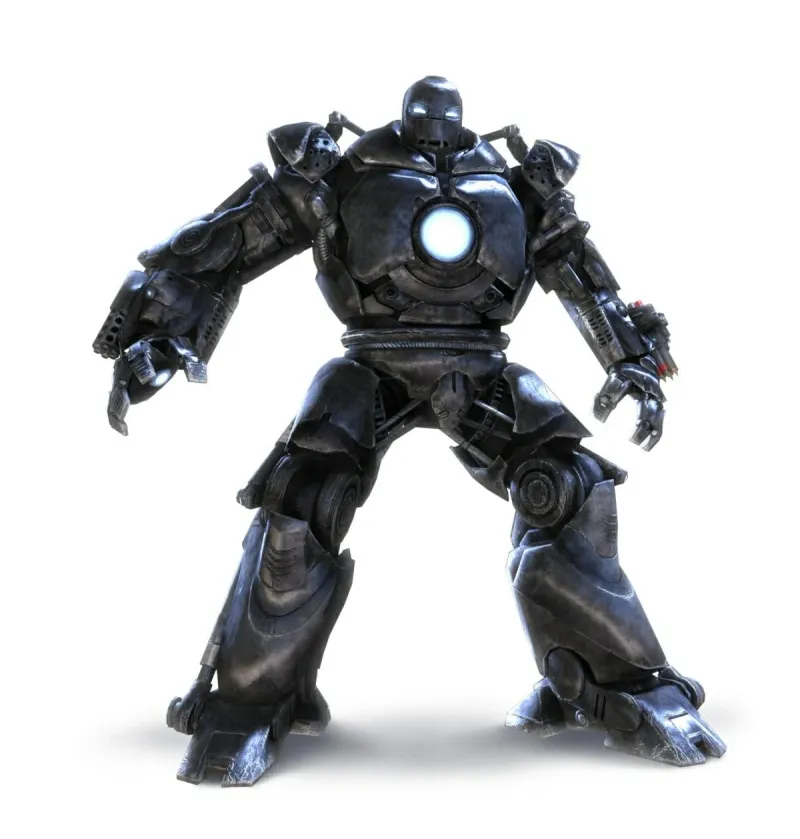
Bigger armor does not automatically mean better engineering. Obadiah Stane steals Tony Stark’s work and builds Iron Monger, but he lacks Tony’s testing experience.
During their fight, Tony exploits an icing problem that his own earlier suit had suffered.
The final blow comes when Pepper overloads the large arc reactor beneath them. Stane falls into the blast and dies.
His confidence in brute strength overlooks both technical limits and the resourcefulness of the people opposing him.
5. Hela Could Not Imagine Losing Asgard
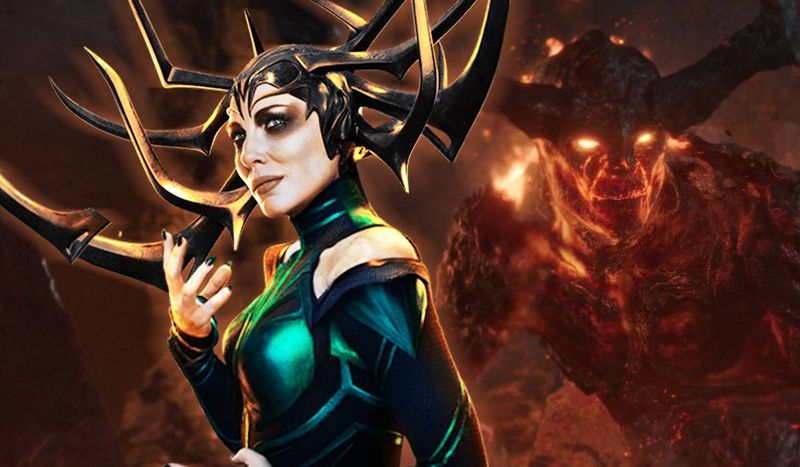
For the goddess of death, home is more than a throne. Hela draws strength from Asgard itself, making her nearly impossible for Thor to beat there.
Every attempt to overpower her leaves the heroes facing the same terrible problem.
Thor finally changes the goal: save the people, not the place. Loki awakens Surtur, whose destruction of Asgard overwhelms Hela.
Her dependence on one kingdom becomes fatal when her enemies accept a sacrifice she never seriously expects.
6. Kaecilius Trusted a Terrible Promise
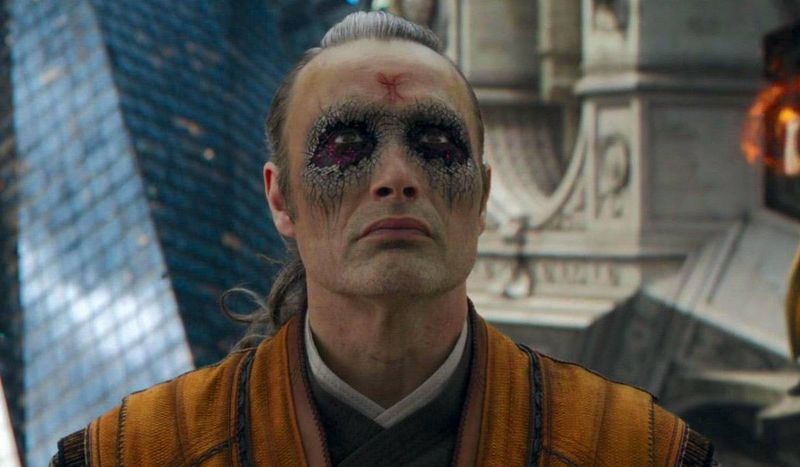
Immortality looks much less appealing when the price is your humanity. Kaecilius follows Dormammu because he believes the Dark Dimension offers freedom from death.
He ignores the danger of giving himself to a being that consumes entire worlds.
Doctor Strange traps Dormammu in a time loop and bargains for Earth’s safety. Dormammu takes Kaecilius and his followers away, transforming them as they disappear.
Their promised salvation becomes a horrifying loss of identity rather than a victory.
7. Namor Needed Water to Stay Strong
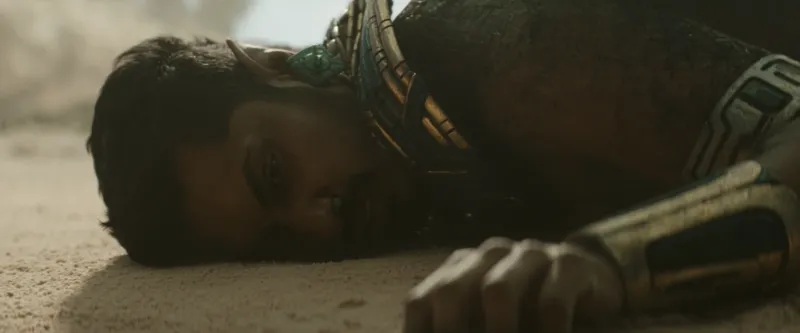
A king who commands the ocean faces trouble when the battlefield becomes an oven. Shuri discovers that Namor absorbs moisture through his skin, then traps him inside a heated aircraft.
Drying him out sharply reduces his strength and healing.
The fight moves to a beach, where Shuri eventually gains the advantage. Instead of killing him, she offers peace, and he yields.
His defeat highlights a physical limit, not proof that his entire nation was easily beaten.
8. Yellowjacket Left a Tiny Way Inside
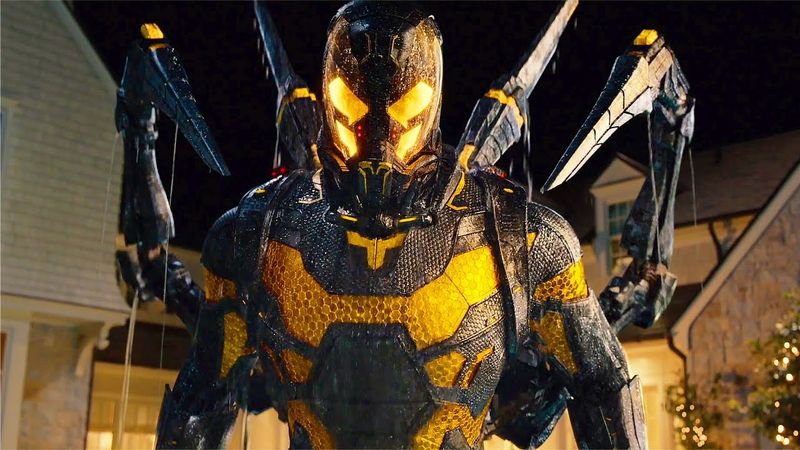
Locked armor offers little comfort when your enemy can slip between its parts. Darren Cross corners Scott Lang during Ant-Man’s finale, threatening Scott’s daughter.
Scott responds by shrinking smaller than his suit’s usual safety limit allows.
Inside the Yellowjacket armor, he damages its machinery, causing Cross to shrink uncontrollably. Later, Quantumania reveals that Cross survived as MODOK.
The original defeat still rests on a clear design weakness: impressive weapons cannot protect equipment from sabotage deep inside.
9. Vulture Pushed Damaged Gear Too Far
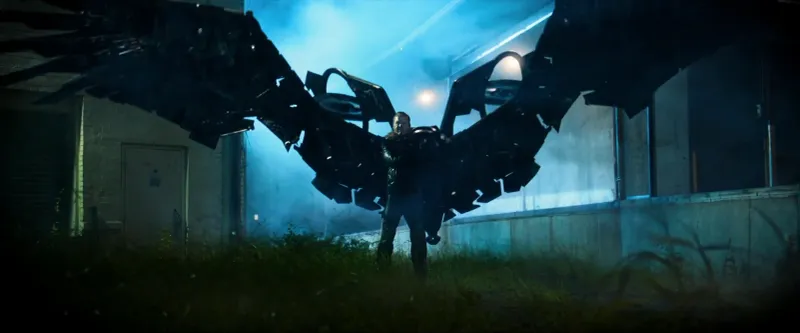
A teenager’s warning might have saved Adrian Toomes a painful landing. After the plane crash in Spider-Man: Homecoming, Peter notices that Vulture’s damaged wing equipment is about to fail.
Toomes ignores him and keeps trying to escape with stolen cargo.
The overloaded machinery explodes, and Peter pulls him from the fire. Greed and refusal to listen turn an already risky theft into disaster.
Spider-Man’s persistence matters, but the immediate weakness is equipment pushed beyond its limits.
10. Thanos Believed Victory Was Guaranteed
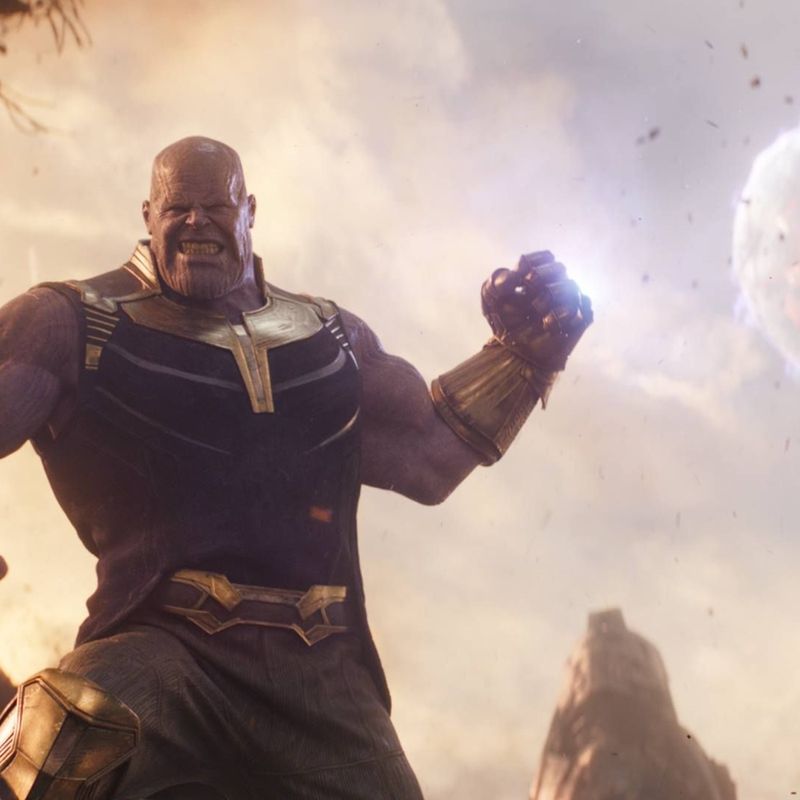
Certainty becomes dangerous when it stops you from checking your own hand. In Avengers: Endgame, the Thanos from 2014 believes he has secured the Infinity Stones.
Tony Stark secretly transfers them to his armor during their final struggle.
Thanos snaps and nothing happens. Tony then uses the Stones to erase the invading army, sacrificing himself.
The villain’s confidence leaves no room for an opponent willing to pay the ultimate price to stop him from winning again.
11. Abomination Turned Power Into a Contest
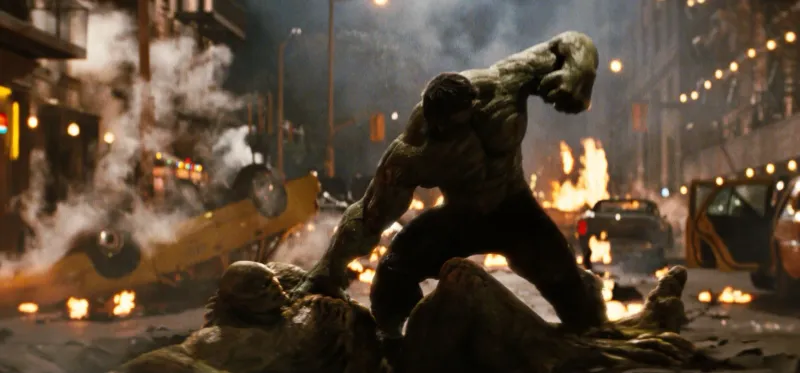
Emil Blonsky wants strength so badly that he stops asking what it might cost. In The Incredible Hulk, he pushes for further enhancement and receives Banner’s altered blood.
The result is Abomination, a monster eager to prove his superiority.
His violent challenge endangers Betty Ross and gives Hulk a powerful reason to fight harder. Hulk eventually subdues him with a chain.
Chasing greater power brings Blonsky neither control nor the unbeatable status he expected to achieve.
12. Yon-Rogg Expected Carol to Seek Approval
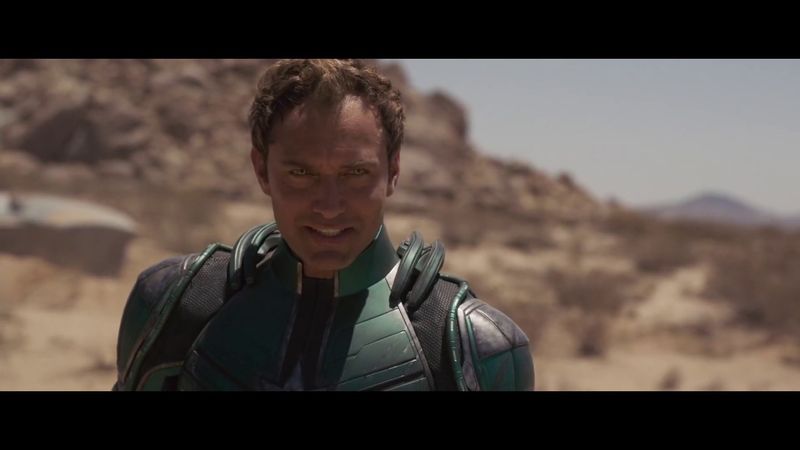
Some bullies keep control by making others feel they must prove themselves. Yon-Rogg trains Carol Danvers to doubt her emotions and limit her abilities.
Once she removes the Kree inhibitor, his advantage disappears almost immediately.
He tries one last trick, challenging her to fight without powers. Carol refuses the test and blasts him aside.
Her victory comes from rejecting his rules, a satisfying reminder that approval from a manipulative authority figure is not worth chasing forever.
13. Zemo Was Caught by Someone Who Chose Mercy
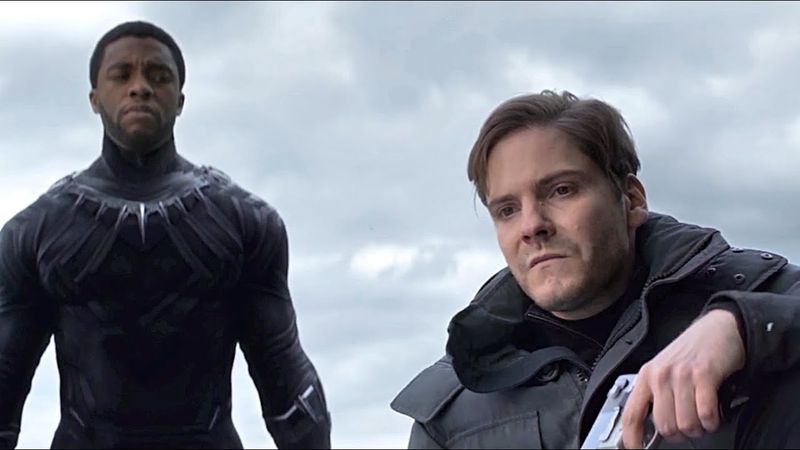
A revenge plot can succeed while its planner still loses his freedom. Zemo exposes the truth about Tony Stark’s parents, helping split the Avengers in Captain America: Civil War.
His scheme causes lasting damage, so calling it a complete failure would be misleading.
However, T’Challa recognizes how revenge has consumed them both. He prevents Zemo’s suicide and allows his arrest.
Without powers or an escape plan, the exposed manipulator cannot avoid capture once someone reaches him.
14. Grandmaster Had No Power Without Obedience
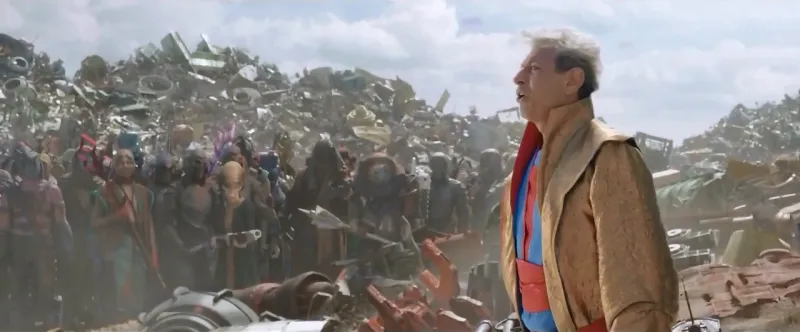
Behind the flashy games and cheerful jokes sits a ruler who needs everyone to obey. Grandmaster controls Sakaar through guards, captive fighters, and obedience devices.
His comfortable position depends on others doing the dangerous work for him.
When the prisoners revolt and Thor’s group escapes, that support falls apart. A later scene leaves him facing angry citizens without his usual protection.
His collapse reveals the weakness of borrowed authority: followers can stop following when fear loses.
15. Ghost Could Not Escape Her Own Pain
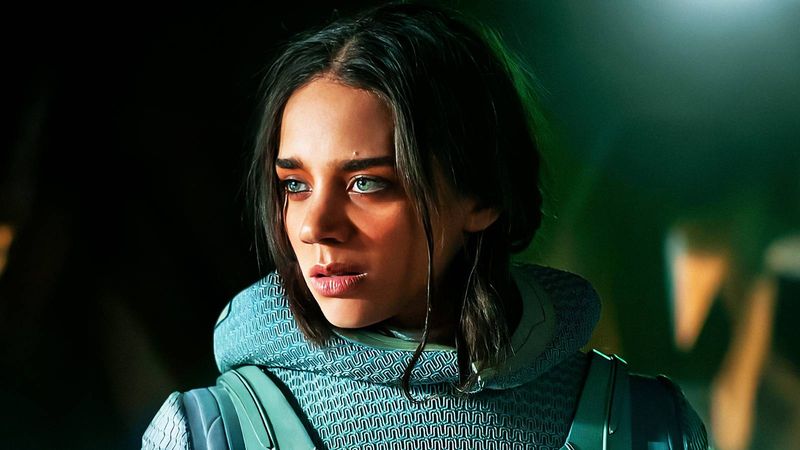
Walking through walls sounds amazing until your body cannot stay together. Ava Starr’s unstable condition causes constant pain in Ant-Man and the Wasp.
Fear of dying drives her to pursue quantum energy, even when extracting it could endanger Janet van Dyne.
Her struggle ends through help rather than a killing blow. Janet temporarily stabilizes her, opening a path toward cooperation.
Ghost’s weakness makes her desperate, but understanding that suffering offers a better solution than simply defeating her.
16. Gorr’s Weapon Was Also Killing Him
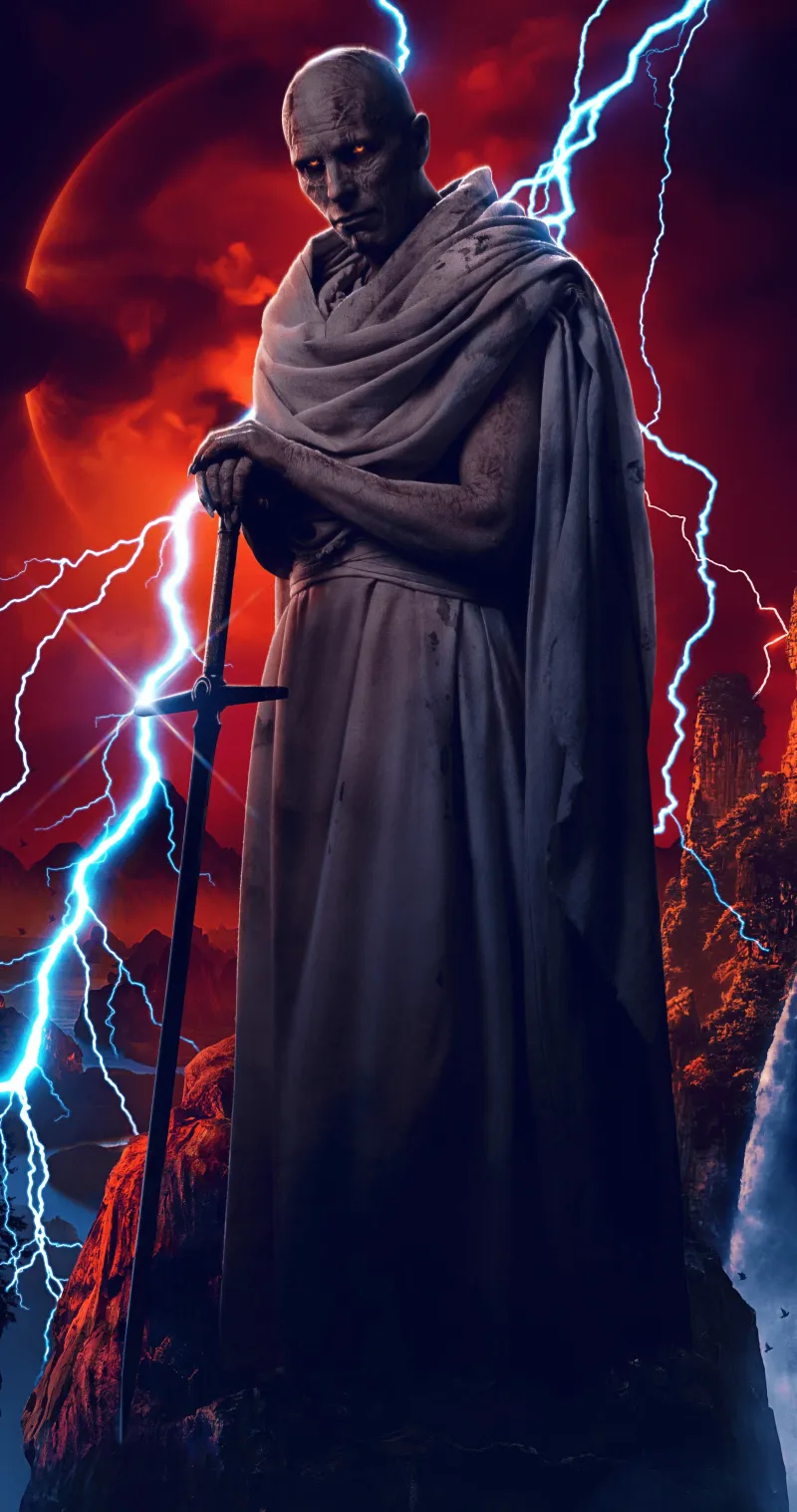
A sword that promises revenge quietly takes its owner’s life in return. The Necrosword empowers Gorr in Thor: Love and Thunder, but it also corrupts him and drains his health.
Jane Foster destroys the blade, removing his main weapon.
Gorr still reaches Eternity, where Thor urges him to choose love instead of slaughter. He wishes his daughter back to life before dying.
His ending combines the weapon’s deadly cost with compassion breaking revenge’s hold on him.
17. Kingpin Let Rage Ruin His Judgment
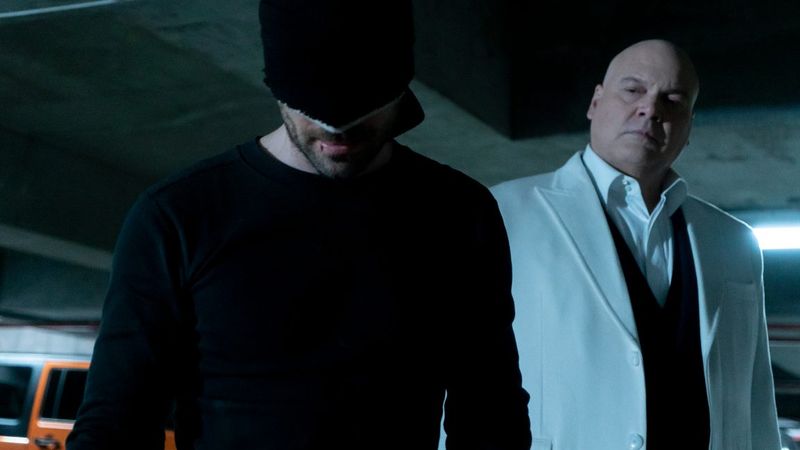
Wilson Fisk can plan patiently until someone threatens what he loves. In Daredevil’s third season, his attachment to Vanessa and explosive anger help Matt Murdock corner him.
The final confrontation strips away his carefully managed public image.
Matt defeats him physically, then threatens to expose Vanessa’s role in a murder unless Fisk accepts prison and leaves Matt’s friends alone. Fisk’s emotional vulnerability gives that bargain weight.
This is a major defeat, though his story continues afterward.
18. Killmonger Entered a Battlefield That Disabled His Armor
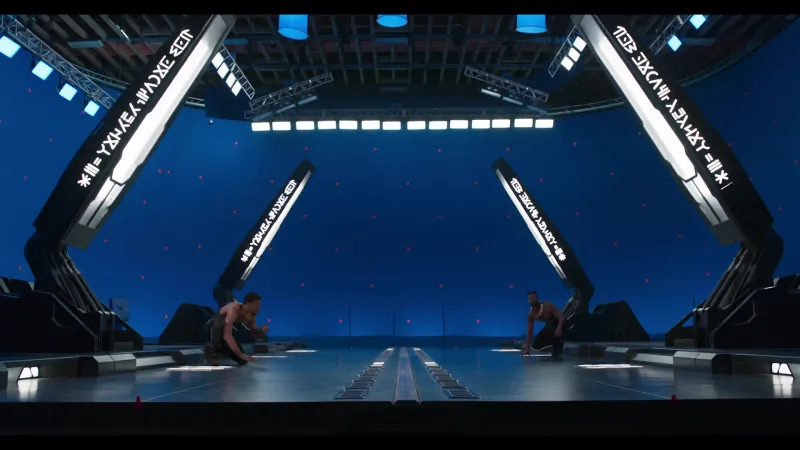
Matching your opponent’s armor does not mean you understand the ground beneath you. Killmonger battles T’Challa near Wakanda’s underground railway, where sonic stabilizers temporarily disrupt their vibranium suits.
T’Challa knows how to use that opening.
When the protection drops, he lands the decisive stab. Killmonger’s aggressive focus on winning leaves him exposed at the crucial moment.
His defeat ties advanced technology to a simple lesson: knowing your surroundings can matter as much as having powerful equipment.