
Growing up often meant following rules nobody stopped to question. Some were based on old medical advice, while others put obedience ahead of comfort, fairness, or safety.
Not every family followed these customs, and a few were extreme examples rather than everyday habits. Looking back helps us understand what changed and which lessons are better left in the past.
1. Putting Babies to Sleep on Their Stomachs

A cozy nap once came with advice that now makes doctors wince. Many parents were told to place babies on their stomachs, believing it helped them sleep comfortably.
Current guidance recommends putting infants on their backs for every sleep to reduce the risk of sudden infant death syndrome. Use a firm, flat sleep surface with no loose bedding or soft toys.
Older relatives may mean well, but updated safety advice should guide every caregiver today.
2. Leaving Crying Babies Without Comfort
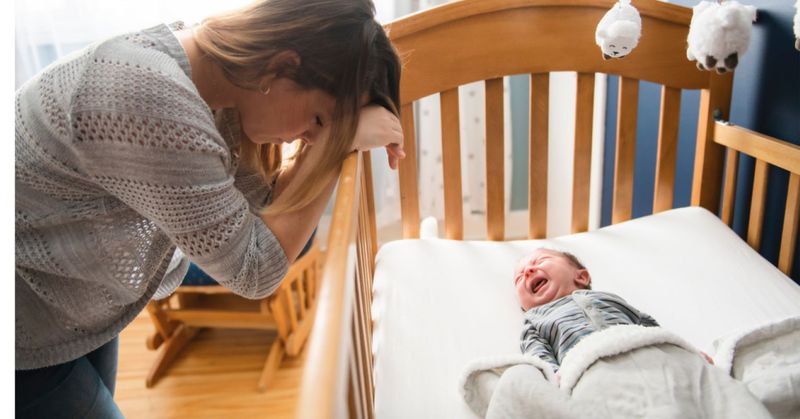
Imagine needing help and being told that comfort would spoil you. Some older parenting advice treated crying babies as tiny troublemakers who needed to learn independence through long periods without reassurance.
Babies cry to communicate hunger, discomfort, tiredness, or a need for closeness. Responding helps caregivers understand those needs.
Age appropriate sleep training is different from ignoring distress without limits. For newborns especially, feeding, checking, and comforting should come before any rigid lesson in toughness.
3. Demanding a Spotless Dinner Plate
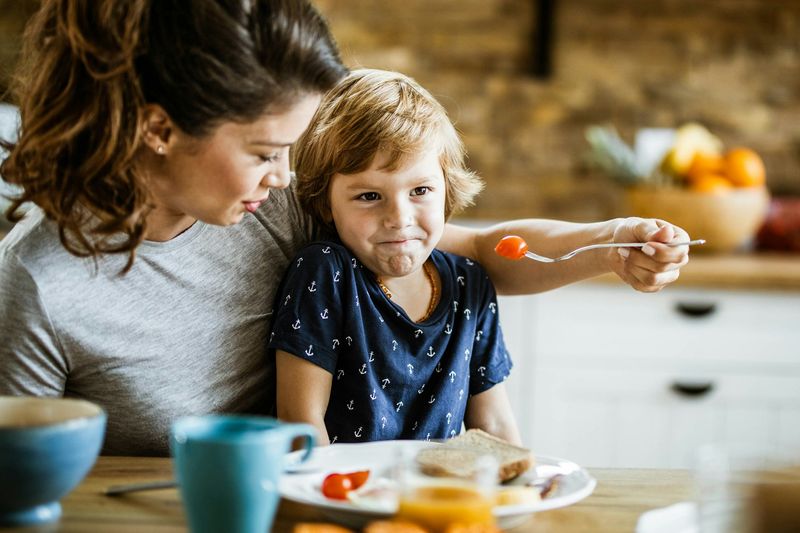
One last bite could turn dinner into a battle. The Clean Plate Club taught children that finishing everything mattered more than noticing when their stomachs felt full.
Pressure around food can make it harder to trust hunger and fullness signals. Offer reasonable portions, allow more when requested, and avoid turning dessert into a prize for overeating.
Parents can choose what foods appear and when meals happen while giving children room to decide how much they eat.
4. Keeping Children Seen but Never Heard

A child could sit at the table yet have no place in the conversation. That was the message behind the old demand to be seen but not heard.
Learning manners still matters, but silence is not the same as respect. Children need practice sharing ideas, asking questions, and disagreeing politely.
Invite their thoughts during family discussions and teach them how to take turns. A voice that gets heard at home can grow stronger elsewhere too.
5. Treating Car Restraints as Optional
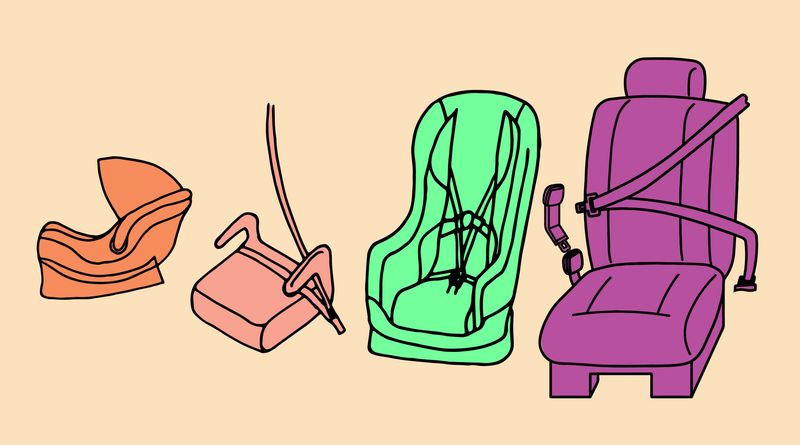
The back seat once doubled as a moving playground. Children sometimes stretched across benches, stood behind drivers, or rode on an adult’s lap without proper restraints.
Nostalgia cannot change what happens during a crash. Use a car seat or booster that fits the child’s size and follows local law and manufacturer instructions.
Keep children in the back seat, and buckle up on every trip. Even a short drive deserves the same care as a long journey.
6. Making Embarrassment Part of Discipline

Being corrected was hard enough without an audience. Public scolding, mocking nicknames, and embarrassing punishments sometimes passed as clever ways to make a lesson stick.
Humiliation can damage trust while teaching children to hide mistakes rather than repair them. Address behavior privately whenever possible, explain what needs to change, and choose consequences connected to the problem.
A spilled drink needs cleanup, not a public speech about character. Firm boundaries work better when a child’s dignity stays intact.
7. Offering Honey Before a Baby’s First Birthday

A sweet spoonful can hide a serious risk. Honey was sometimes offered to infants as a treat or home remedy before its connection to infant botulism became widely understood.
Do not give honey to babies younger than twelve months, including honey mixed into foods. It can contain spores that cause this rare but dangerous illness.
Added sugars also offer little nutritional benefit for young children. Ask a pediatrician about suitable foods rather than trusting an old family remedy.
8. Feeding Babies Only When the Clock Allowed

The clock used to outrank a baby’s stomach. Strict schedules told some parents to wait fixed hours between feeds, even when their infant showed clear signs of hunger.
Responsive feeding means noticing cues such as rooting, bringing hands toward the mouth, and growing restless. Crying can be a later hunger signal.
Some babies need a medical feeding plan, especially if growth is a concern. Otherwise, discuss flexible feeding with a clinician instead of enforcing arbitrary delays.
9. Recommending Alcohol During Pregnancy

A glass of stout once carried a surprising health claim. In some places, pregnant women were encouraged to drink it for strength or iron, advice that sounds alarming now.
No safe amount of alcohol during pregnancy has been established. Alcohol exposure can harm a developing baby, so avoiding it is the safest choice.
Iron needs are better discussed with a prenatal clinician. Anyone who drank before realizing they were pregnant deserves clear medical advice, not blame.
10. Leaving Fathers Outside the Delivery Room
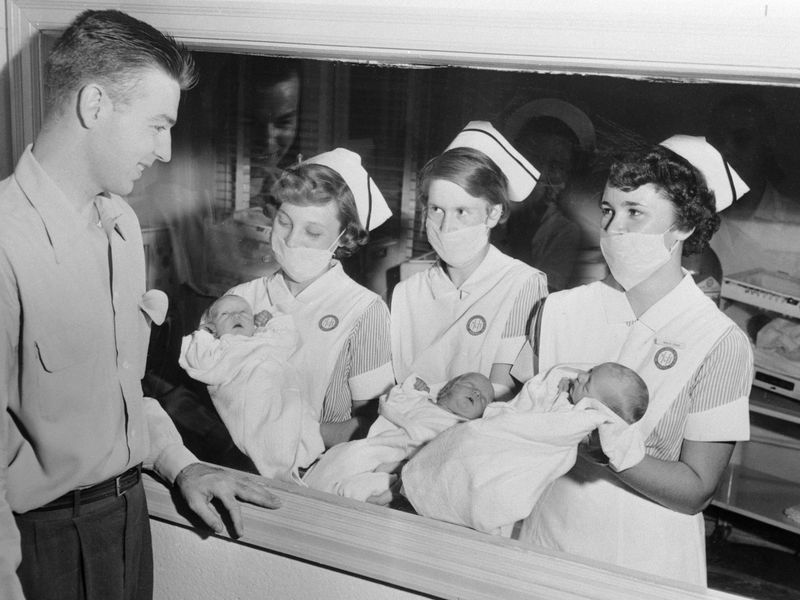
Waiting room pacing used to be part of becoming a dad. Many hospitals once kept fathers outside during childbirth, leaving the person giving birth without that familiar support.
Policies gradually changed, though practices varied by hospital and country. Today, a chosen support person can often stay, depending on medical needs and local rules.
The key is choice, not requiring a father to attend. Ask about hospital policies early and discuss who will provide calm, welcome support.
11. Brushing Off Mental Health Struggles

Just a phase could end a conversation that needed to continue. Anxiety, lasting sadness, and sudden behavior changes were sometimes dismissed as moodiness or a simple need for stricter discipline.
Not every difficult week signals a disorder, but ongoing struggles deserve attention. Listen without mocking, watch for changes in sleep or school life, and contact a qualified professional when concerns persist.
If a child mentions self harm or suicide, seek urgent help rather than waiting it out.
12. Forcing Left-Handed Children to Switch Hands
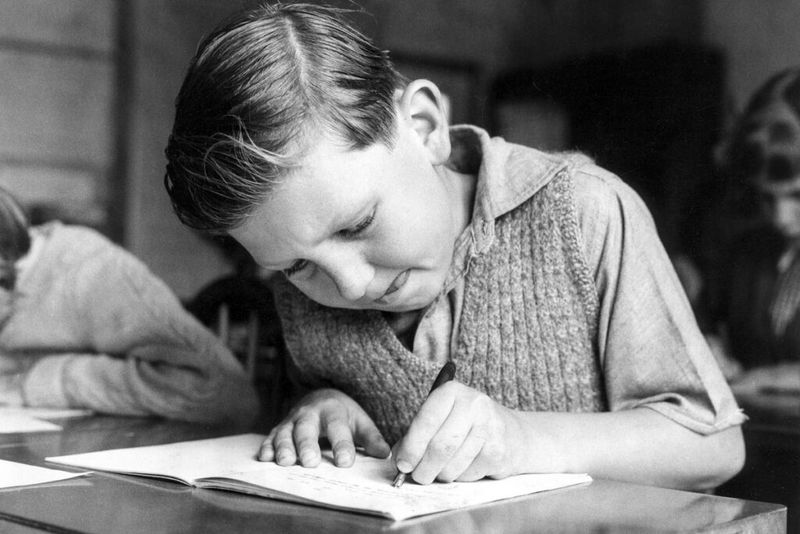
A pencil in the wrong hand could once bring a teacher’s anger. Left-handed pupils were sometimes forced to use their right hands because adults treated their natural preference as a flaw.
Handedness is a normal human difference, not bad behavior. Forced switching can cause frustration and make writing harder.
Claims about specific lasting harms need careful evidence, but the pressure itself was unnecessary. Provide suitable scissors, comfortable seating, and writing space instead of trying to change the child.
13. Assigning Schools by Race
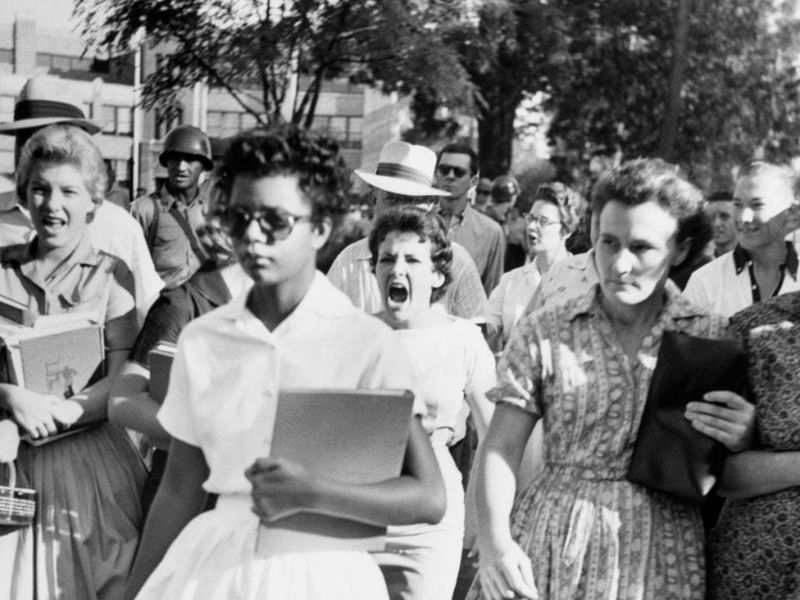
A school door could open or close based on a child’s race. In the United States, legally enforced segregation denied Black students equal access and treated racial separation as acceptable.
The Supreme Court rejected segregation in public schools in Brown v. Board of Education in 1954, but change faced fierce resistance.
This was injustice, not merely an odd household custom. Learning that history helps families recognize unequal treatment and support fair opportunities for every student today.
14. Withholding Hugs to Build Character

Some parenting manuals made a hug sound like a dangerous indulgence. They warned adults against too much cuddling, kissing, or lap time, as though affection might weaken a child’s character.
Warm, responsive relationships help children feel secure. Affection should also respect personal boundaries, so offer hugs rather than demand them.
A child who dislikes cuddling may prefer shared reading, kind words, or quiet company. Connection comes in different forms, and none requires raising children at emotional distance.
15. Banning Snacks or Allowing Only Dry Bread
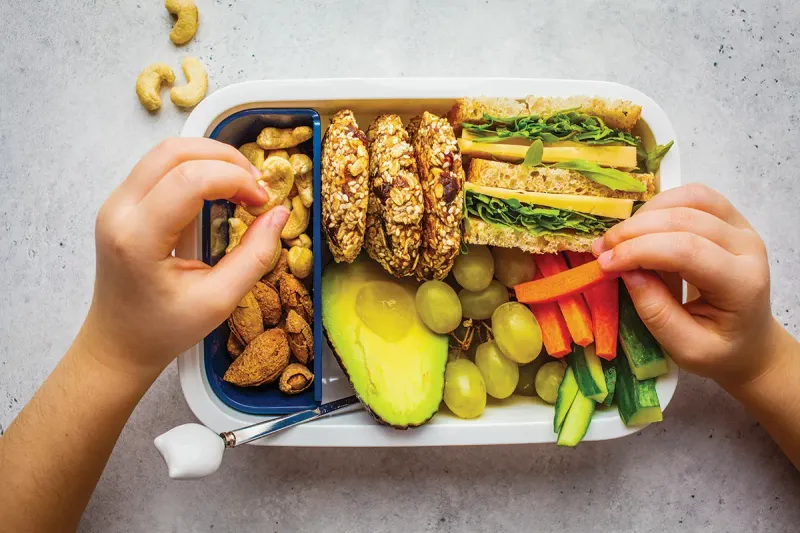
After school hunger sometimes met a surprisingly dull answer: plain dry bread or nothing. Certain strict households treated snacks as spoiled behavior rather than a normal part of a growing child’s day.
Children often need food between meals because their stomachs are small and their energy needs are high. Planned snacks can include fruit, yogurt, or whole grain options.
Consider allergies and age appropriate textures. A predictable routine makes more sense than treating every hungry request as misbehavior.
16. Staying Outside Until the Streetlights Came On
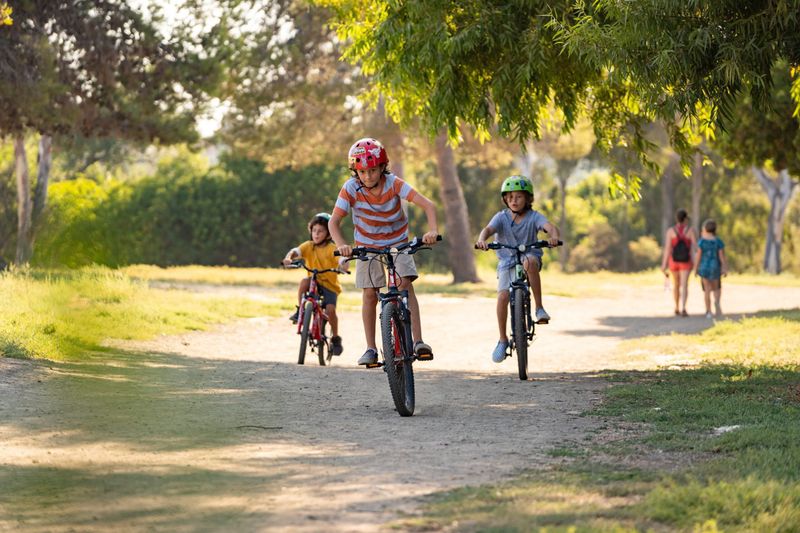
Streetlights were the neighborhood’s unofficial dinner bell. Plenty of children roamed for hours with few check ins, leaving adults unsure where they were or who was nearby.
Outdoor independence can build confidence, so the lesson is not to ban exploring. Match freedom to age, maturity, surroundings, and local laws.
Agree on boundaries, a return time, and a way to get help. Knowing a child’s plan adds protection without turning every bike ride into a supervised event.
17. Using Pain to Teach Table Manners

A dinner fork belongs beside a plate, not in a punishment. Accounts of children being poked for poor table manners describe physical abuse, not a reasonable teaching method.
Such extreme behavior should not be presented as something every family accepted. Still, it shows how demands for obedience could excuse cruelty.
Teach manners through examples, reminders, and practice. If a child reports being hurt, take the disclosure seriously and seek appropriate protection rather than defending an adult’s intentions.
18. Punishing Children With Confinement or Head Coverings

Some reported punishments cross far beyond strict parenting. Locking a child in a cage or covering their head is abusive and dangerous, not an ordinary childhood rule.
These examples deserve a clear distinction from common outdated customs. They can cause terror, injury, and lasting distress.
Children need safe, calm consequences with access to care and comfort. Anyone concerned about current abuse should contact local child protection services, or emergency services if a child faces immediate danger.
19. Refusing to Let Children Inside Before Supper
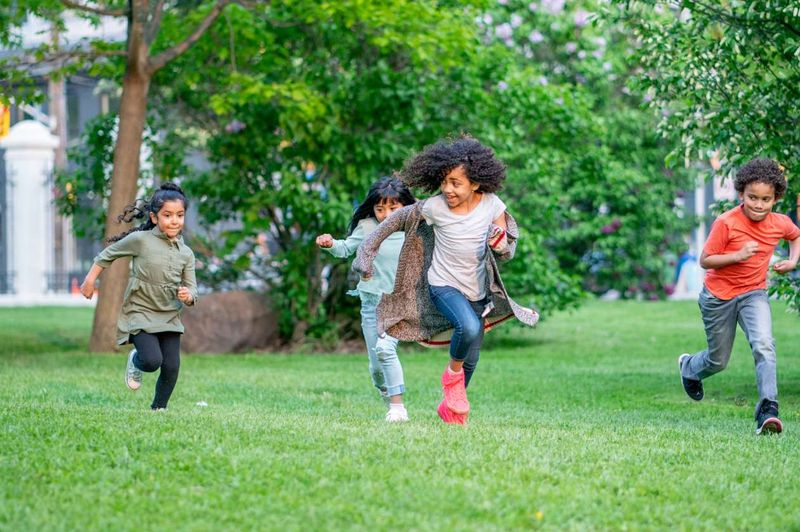
A locked door could turn free time into rejection. Some children were expected to remain outdoors after school until supper, even when they needed a bathroom, shelter, or homework supplies.
Encouraging fresh air is different from denying access to home. Children should know where they can find help, water, and protection from bad weather.
Build an afternoon routine that leaves space for play and schoolwork. Home should remain a safe base, not a reward earned by waiting outside.
20. Teaching Fear of Every Stranger

Never talk to strangers sounds simple until a lost child needs help. Blanket warnings can make unfamiliar people seem dangerous while overlooking unsafe behavior from someone a child already knows.
Teach practical safety skills instead: stay in public places, refuse requests to leave with someone, and tell a trusted adult about troubling behavior. Identify helpers, such as store staff, before outings.
Children should understand that unwanted touch and unsafe secrets are wrong regardless of who is involved.