
The ’70s gave us hair with plenty of personality, from feathered layers to bold natural curls. Those looks still inspire salon cuts today, but softer shapes and easier styling make them feel fresh.
Alongside the decade’s famous haircuts, a few favorite hairstyles deserve another turn in the spotlight. Find a look that fits your texture, your routine, and your own sense of style.
1. Feathered Layers Meet the Butterfly Cut
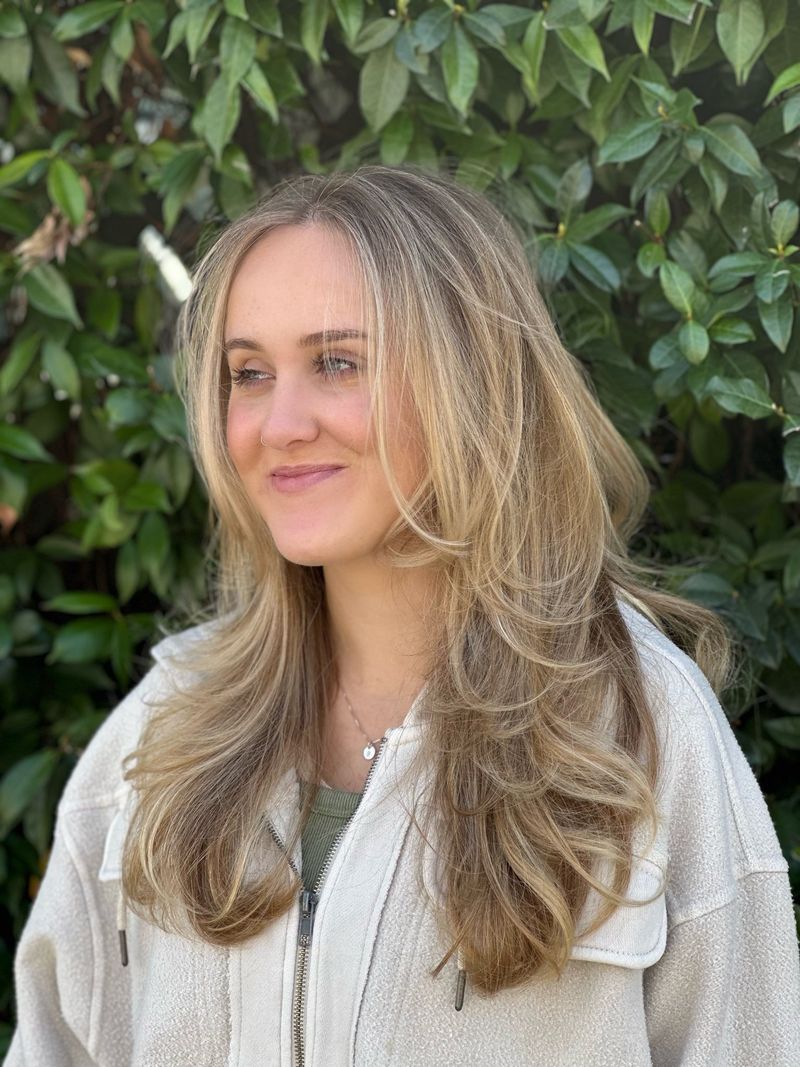
A swish of soft layers can bring instant movie star energy. Farrah Fawcett made feathered hair famous with sweeping pieces that flipped away from her face.
Today’s butterfly cut keeps that movement while trading stiff volume for a lighter finish.
Ask for shorter layers around your cheeks and longer sections underneath. Style with a round brush, directing the front outward.
Fine hair may need fewer layers so the ends still look full rather than thin.
2. A Softer Shag With Everyday Movement
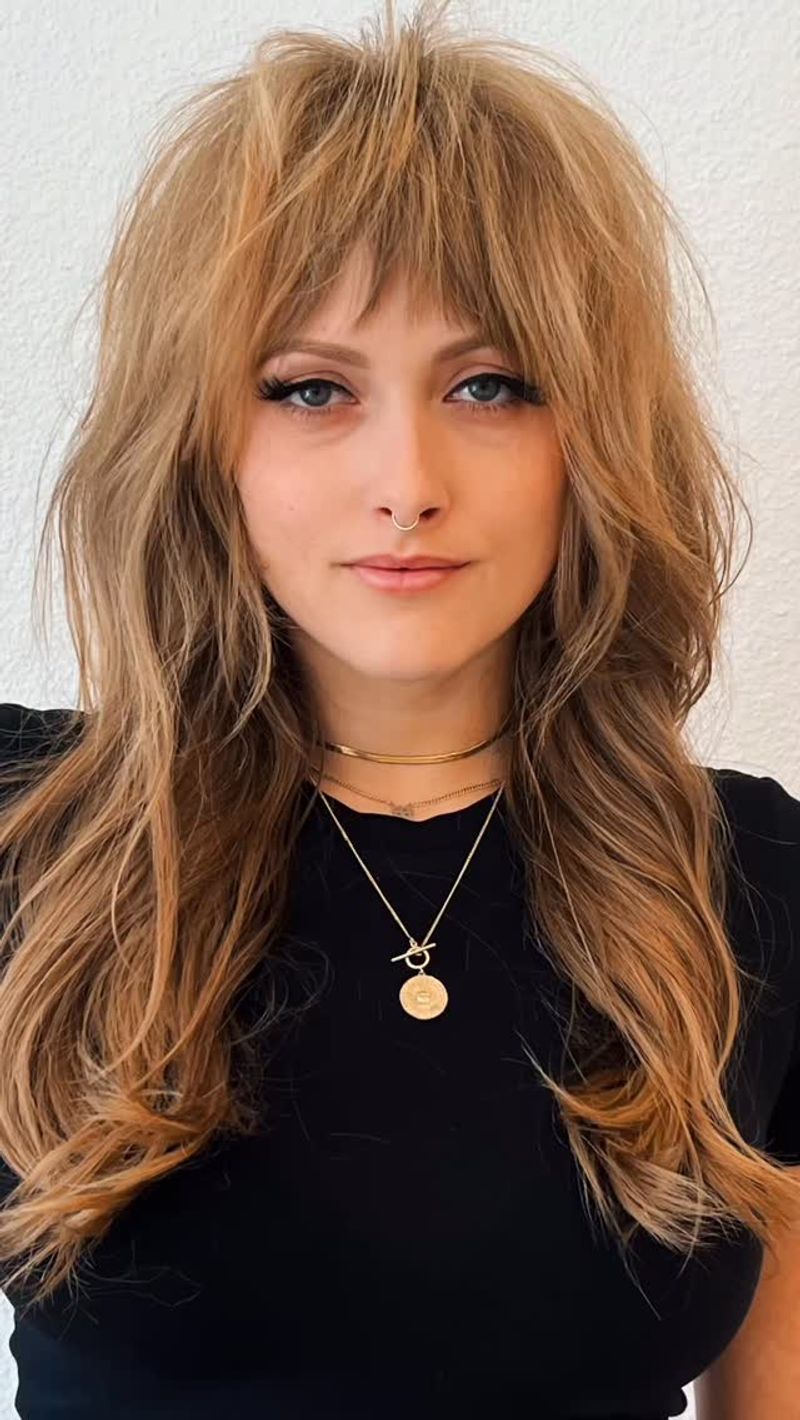
Messy hair finally gets to be the plan, not the problem. The original shag used short crown layers and choppy ends to create a carefree shape.
Jane Fonda helped make the cut a defining look of the decade.
For a current version, request blended layers that follow your natural texture. Scrunch mousse into damp waves, then air dry or diffuse.
Keep crown layers longer if your hair is fine or you prefer less daily styling.
3. Curtain Bangs That Frame Without Fuss
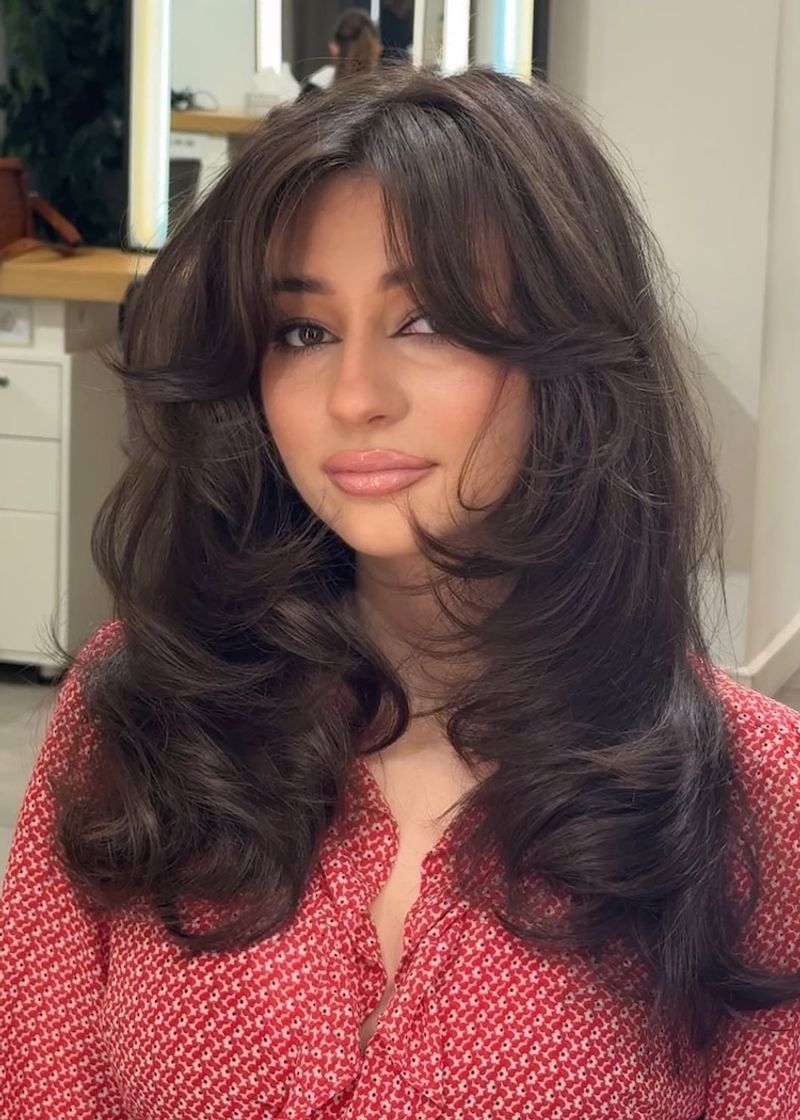
Think of a fringe that opens like curtains instead of forming a solid wall. Popular in the ’70s, parted bangs softened long hair and drew attention to the eyes.
Modern versions can be tailored to straight, wavy, or curly textures.
Have your stylist choose the shortest point around your features and growth pattern. A small round brush helps shape the front.
Leave extra length at first, especially with curls, which shrink as they dry naturally.
4. Cher’s Sleek Lengths, With Less Heat
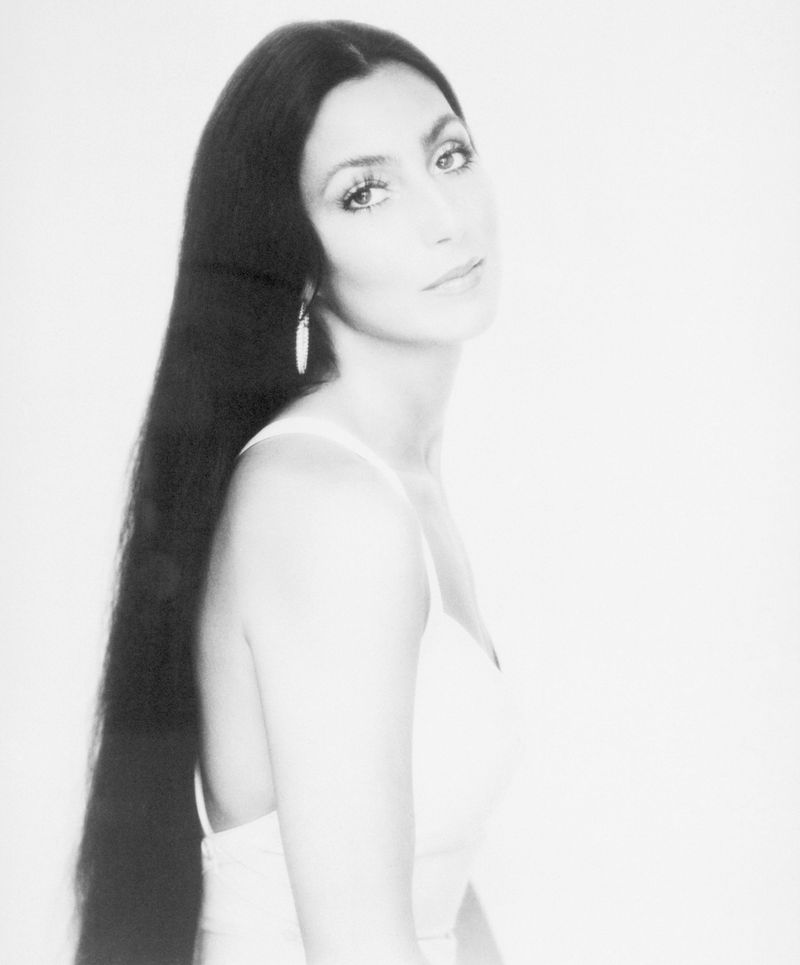
Few looks make a center part feel as dramatic as glossy, flowing hair. Cher’s famously straight lengths offered a sleek contrast to the decade’s fluffy layers.
The modern update favors healthy shine over a perfectly ironed finish.
Start with heat protectant before blow drying or straightening, and use the lowest effective temperature. Smooth a little lightweight oil over the ends afterward.
Regular trims help maintain the clean outline without letting split ends spoil the effect.
5. Disco Curls With Touchable Bounce
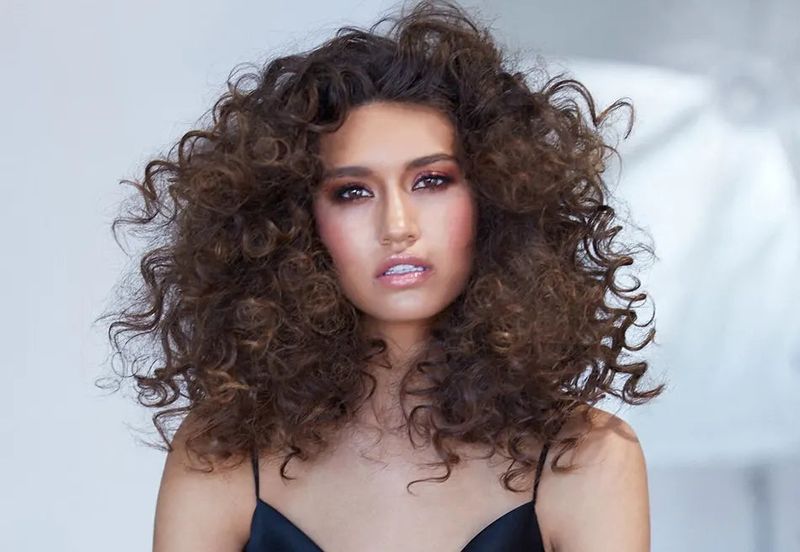
Dance floor glamour starts with curls that refuse to disappear into the background. Donna Summer and Diana Ross helped define the era’s love of big, bouncing hair.
Today, the goal is generous volume that still feels touchable.
Use rollers or a curling iron on dry, protected hair, then let each curl cool. Separate gently with your fingers rather than brushing aggressively.
Naturally curly hair can get similar lift through layered shaping and careful diffusing instead.
6. The Afro, Shaped Around Natural Texture
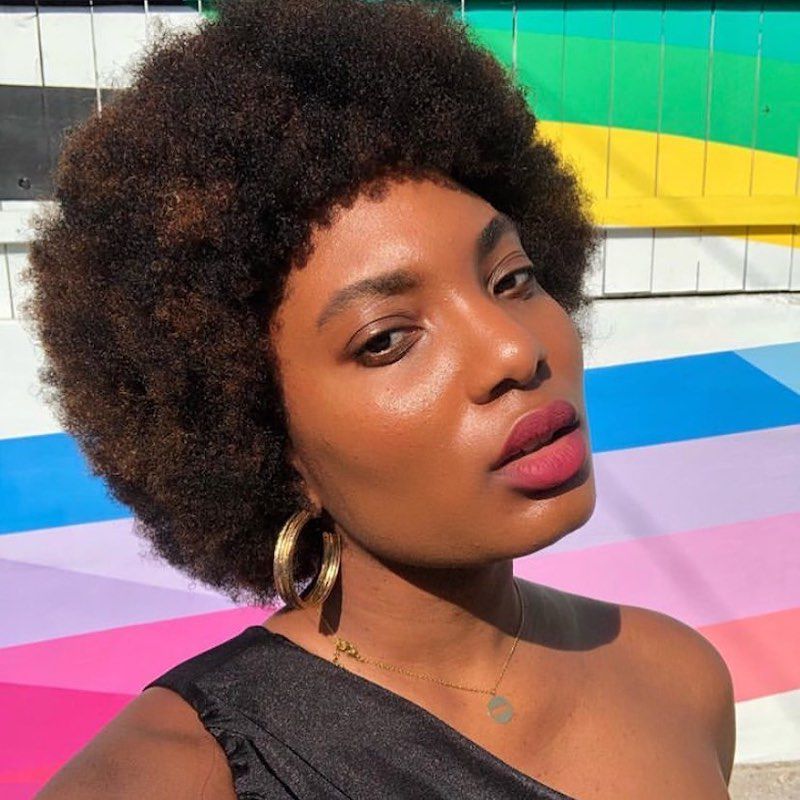
More than a silhouette, the Afro became a powerful symbol of Black pride and self-expression. Its rounded shape celebrates natural coils rather than asking them to behave like straight hair.
Modern cuts range from full crowns to tapered outlines.
Find a stylist experienced with your texture and desired shape. Moisturize as needed, detangle gently in sections, and avoid pulling through dry knots.
A pick can lift the roots without disturbing every curl across the surface.
7. A Modern Mullet With Softer Edges
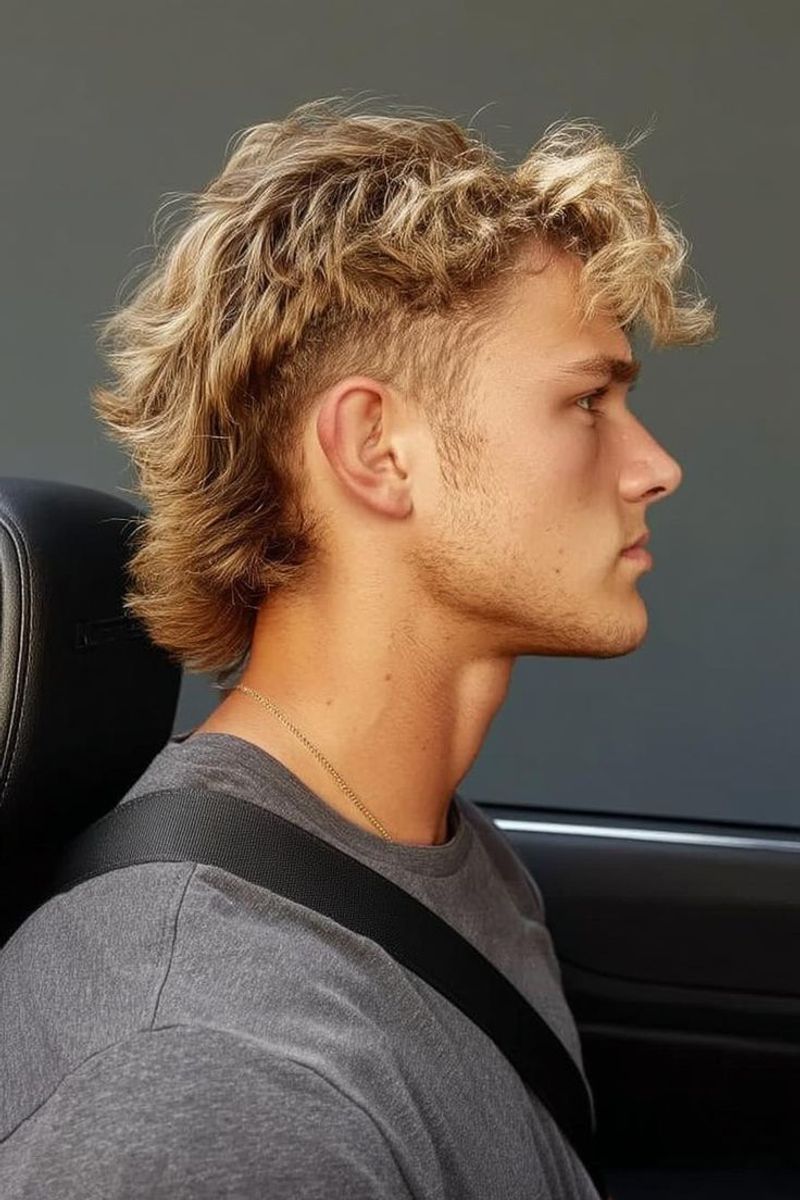
A little rule breaking can make a haircut feel truly yours. The mullet’s short front and longer back brought a bold contrast to ’70s hair.
Modern versions soften that divide with textured layers and carefully chosen side lengths.
Bring reference photos showing both the front and back, since the balance matters. Work a small amount of styling cream through the ends for separation.
Start with a modest length difference if you want an easier transition.
8. Pageboy Polish Without the Stiff Shape
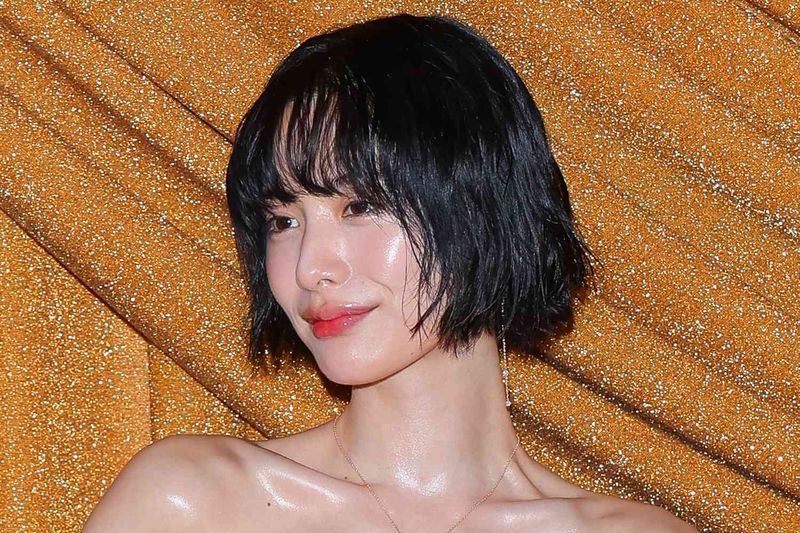
Rounded ends once gave the pageboy its neat, almost storybook charm. The classic version often sat below the ears, with straight bangs and hair curved inward.
A fresh take keeps the outline but allows more movement.
Ask for subtle shaping rather than a heavy, solid cap of hair. Wispy bangs or a loose side part can lighten the effect.
Bend the ends with a brush, or let natural waves create a less polished everyday version.
9. Blunt Ends With a Relaxed Finish
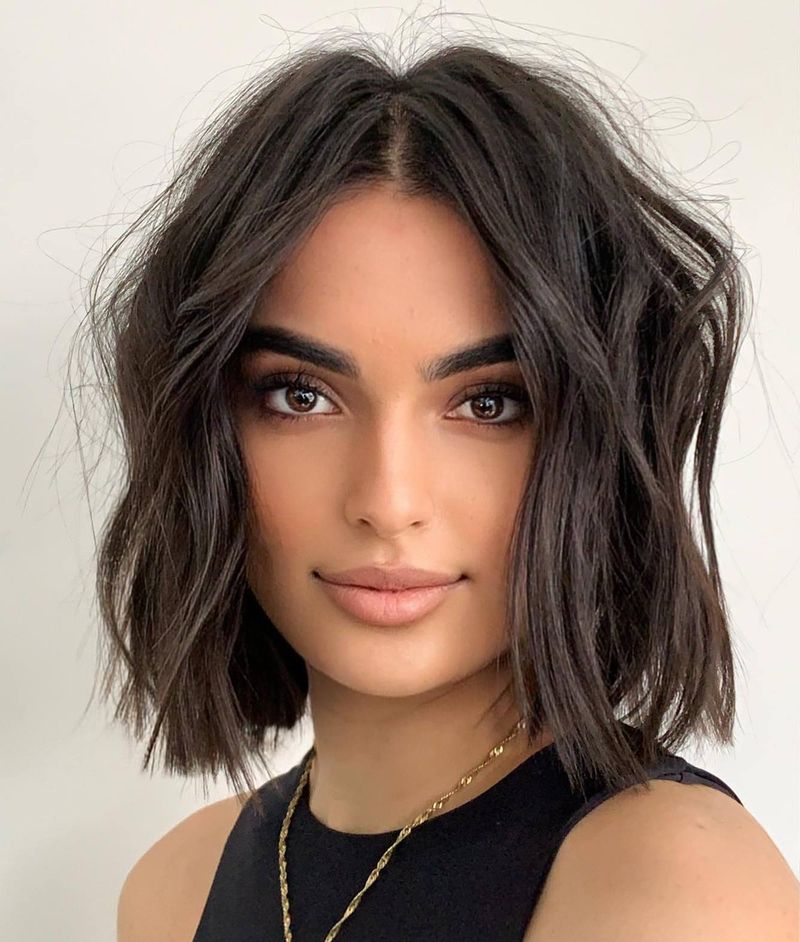
Clean lines have their own kind of confidence. While feathered cuts grabbed attention, blunt hair offered a smooth, even edge during the ’70s.
That simple outline still works beautifully, whether you wear your hair straight or naturally wavy.
Choose a length that fits your routine, from a chin bob to longer hair. Ask about hidden shaping if thick hair feels bulky.
For finer strands, preserving the solid perimeter can help the ends appear fuller overall.
10. Low Pigtails With Grown-Up Ease
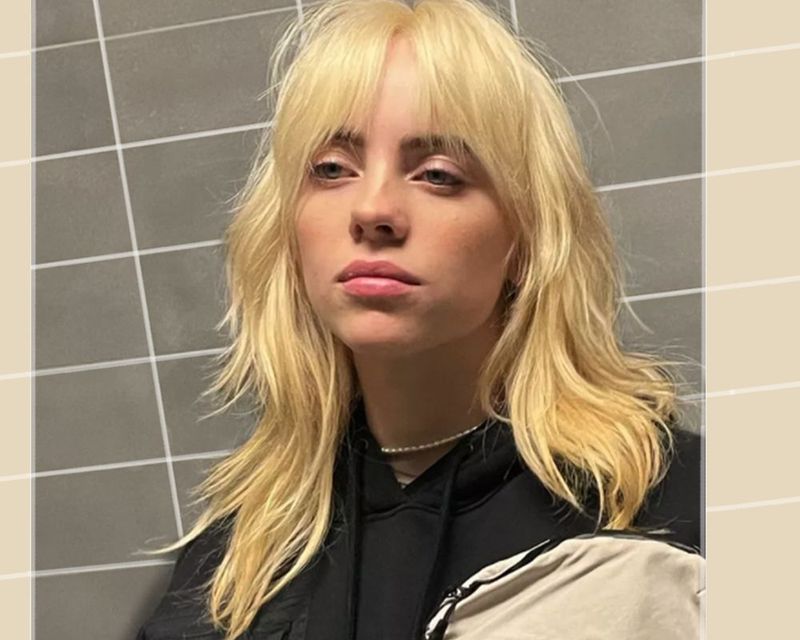
Weekend hair can be playful without feeling like a costume. Relaxed ’70s pigtails sat low, with soft parts and easy lengths instead of tight, high bunches.
The modern version looks especially good with a few loose strands around the face.
Divide your hair into two sections and secure each below the ears. Use fabric covered ties and keep tension light.
A touch of styling cream smooths flyaways, while ribbons offer an optional nod to nostalgia.
11. The Wedge Gains a Lighter Outline
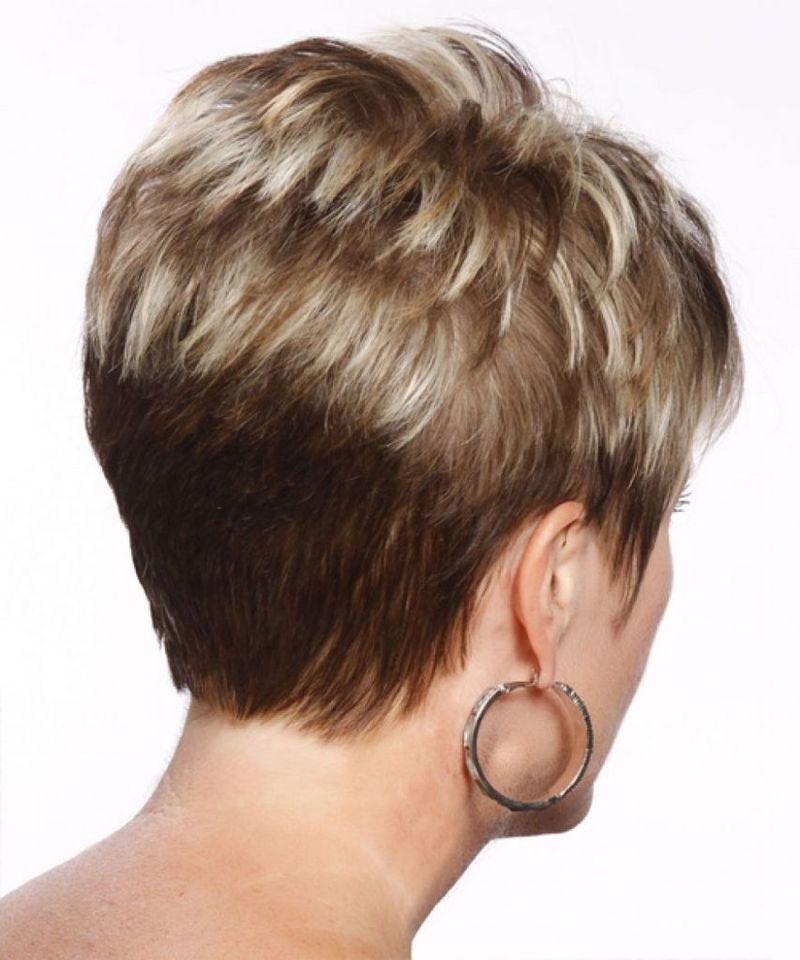
One famous skating haircut helped put the wedge on the map. Dorothy Hamill’s short style became a ’70s favorite, combining a tidy outline with movement.
Its stacked shape builds fullness at the back while keeping the neck area neat.
Today’s update can include softer edges and a longer front. Ask your stylist how your hair’s thickness affects the stack.
A quick brush through while blow drying often helps, though regular trims keep the outline sharp.
12. Baby Braids Add a Tiny Retro Accent
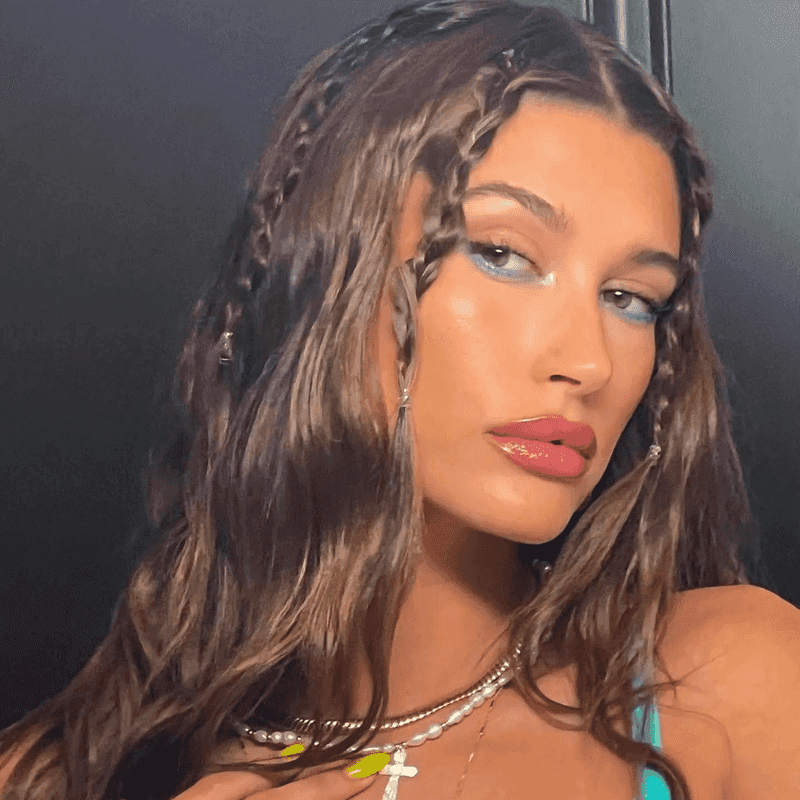
Sometimes two tiny braids are enough to change the whole mood. Small braids brought a handmade, bohemian touch to ’70s hair, often alongside loose lengths.
Their current appeal comes from being simple, quick, and easy to undo.
Take narrow sections near your part and braid loosely toward the ends. Secure with small snag free elastics, leaving some hair unbraided below.
Avoid tight pulling around the hairline, and remove the ties carefully to reduce unnecessary breakage.
13. Side-Swept Tails and Braids Stay Casual
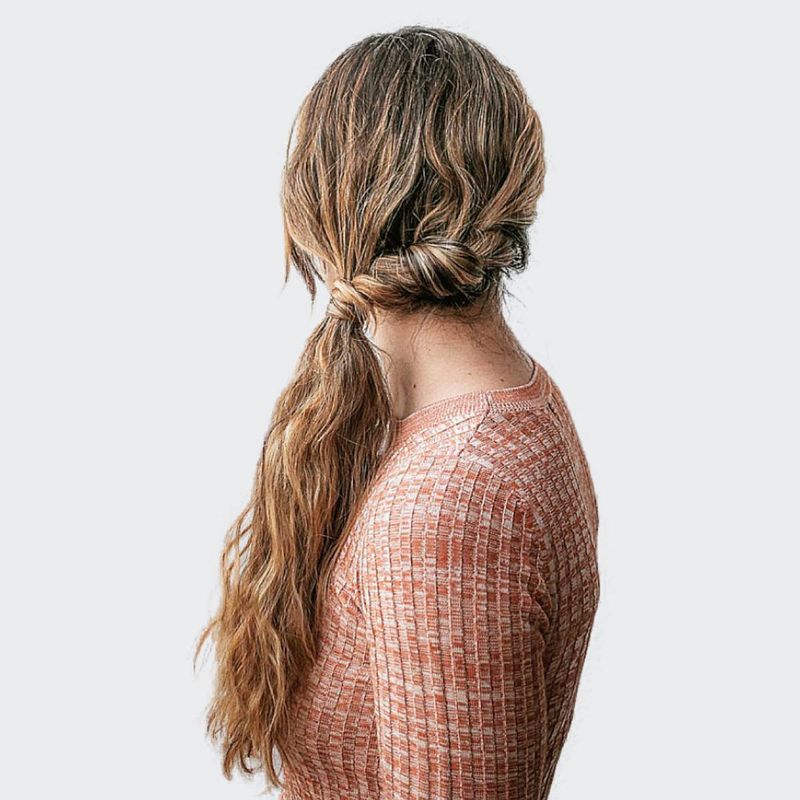
Hair draped over one shoulder has an easy, romantic feel. A low side ponytail or braid fits the relaxed styling linked with the ’70s, especially on long hair.
Today, a loose finish keeps it from looking overly arranged.
Gather your lengths near the nape before moving them to one side. Secure a ponytail or make a simple braid, leaving the roots comfortable.
Wrap a small strand around the tie for polish without adding much effort.
14. Wispy Bangs Bring an Airy Touch
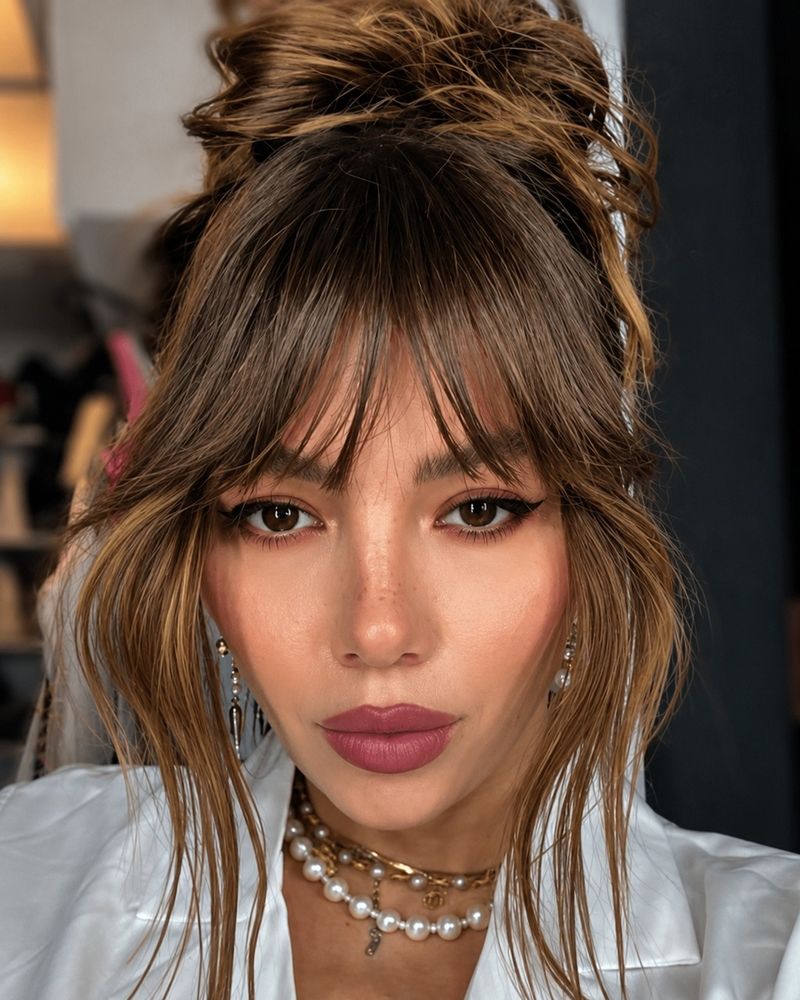
A few light strands across the forehead can soften a haircut surprisingly well. Icons including Jane Birkin helped make airy bangs memorable during the ’70s.
Unlike a dense fringe, this version leaves little gaps that reveal the forehead.
Request a light section rather than cutting too much hair forward. Your stylist should consider cowlicks before choosing the length.
Blow dry the roots gently from side to side, and expect occasional fringe trims between full haircut appointments.
15. Long Hair Finds Shape With Fringe
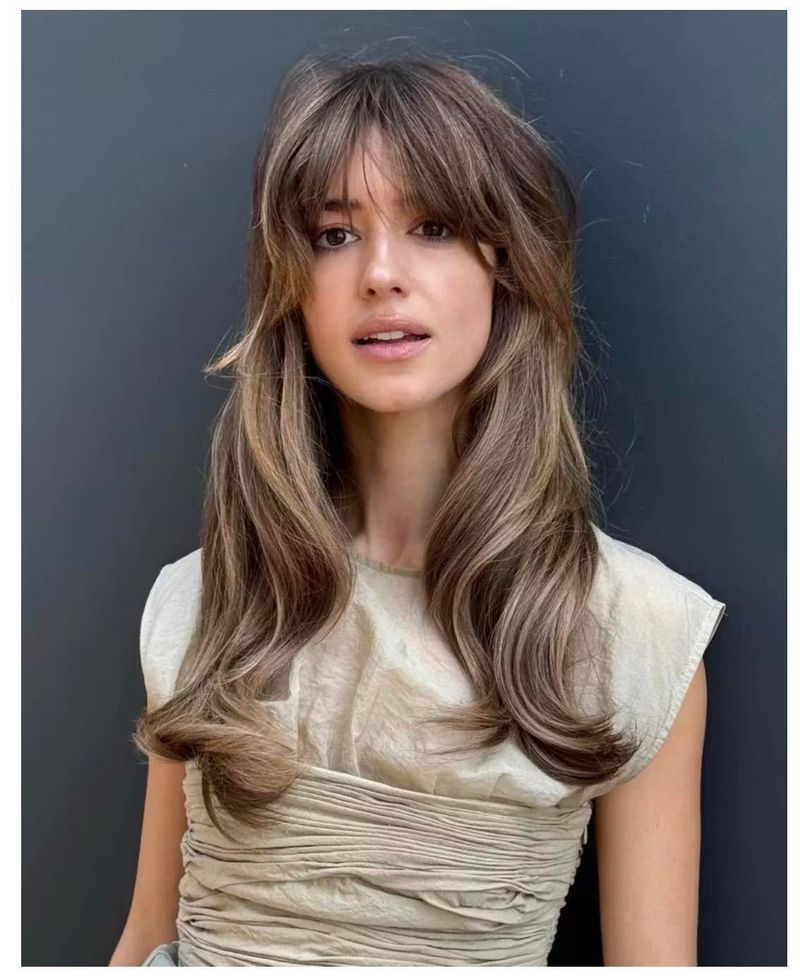
Keeping your length does not have to mean keeping the same shape. Long hair with soft bangs was a familiar ’70s pairing, balancing flowing ends with detail around the face.
Modern long shags add gentle layers without demanding a major chop.
Ask for framing that starts where you want attention, such as the cheekbones or jaw. Keep the bottom fuller if your strands are thin.
Scrunch in light mousse to encourage waves without making them stiff.
16. A Full Ponytail Channels Disco Glamour
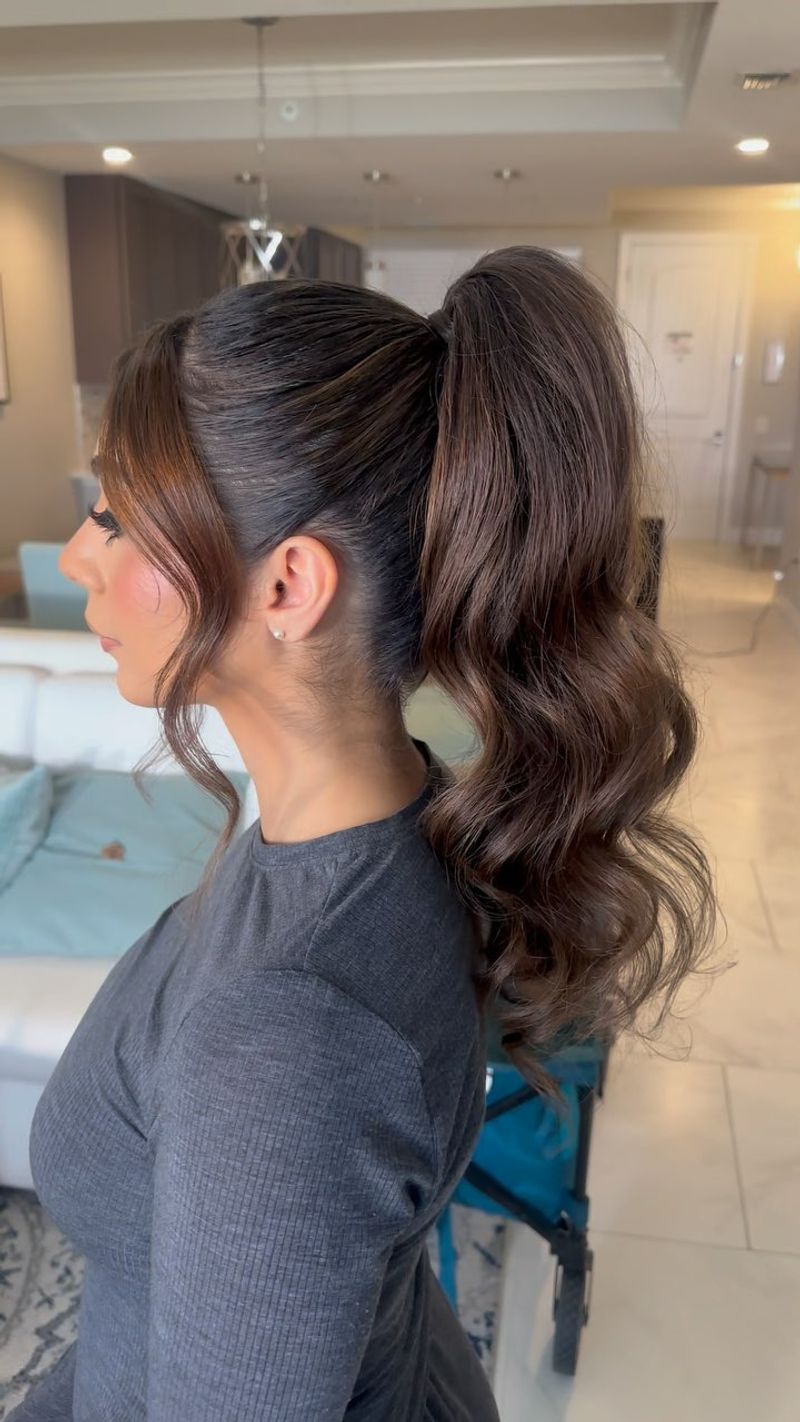
Party ready volume does not always require wearing your hair down. Although less firmly tied to one ’70s icon, a full ponytail echoes the decade’s love of height and glamour.
A modern version adds bounce while keeping the crown softer.
Gather your hair at a comfortable height and secure without pulling tightly. Curl the tail in loose sections, then separate once cool.
For extra fullness, try a lightweight ponytail piece that matches your shade and texture.