
Losing the woman you love is painful enough without learning that her will leaves you nothing. This imagined first-person story explores the grief, money worries, and legal surprises an unmarried partner might face.
The lessons offer practical ways to protect yourself and talk openly about the future. Laws vary by location, so personal legal advice matters.
1. Love Did Not Give Me Legal Rights
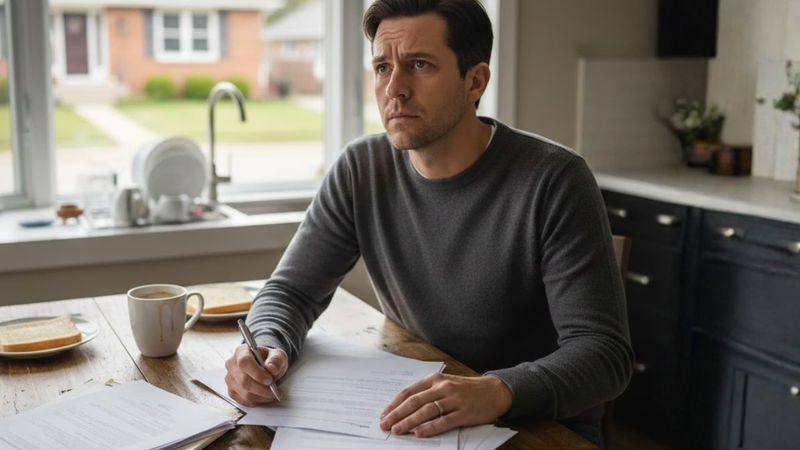
We shared meals, bills, and years of ordinary happiness. I thought that history would count when her estate was settled, but being an unmarried partner often brings no automatic inheritance rights.
Our relationship mattered deeply, yet the law asked different questions. Before assuming you are protected, learn how your location treats unmarried couples.
Ask a lawyer what documents could secure your future, rather than expecting shared memories to prove ownership or create rights after death.
2. Silence About Money Was Not Peace

Every time money came up, I changed the subject to something easier. Avoiding an awkward talk felt kind, until silence left me with questions she could no longer answer.
Couples need clear conversations about savings, debts, property, and plans after death. Choose a calm afternoon and discuss what each person expects.
Write down the next steps together. Honest planning might feel uncomfortable for an hour, but guessing can leave someone struggling for years afterward alone.
3. Spoken Promises Needed Written Protection
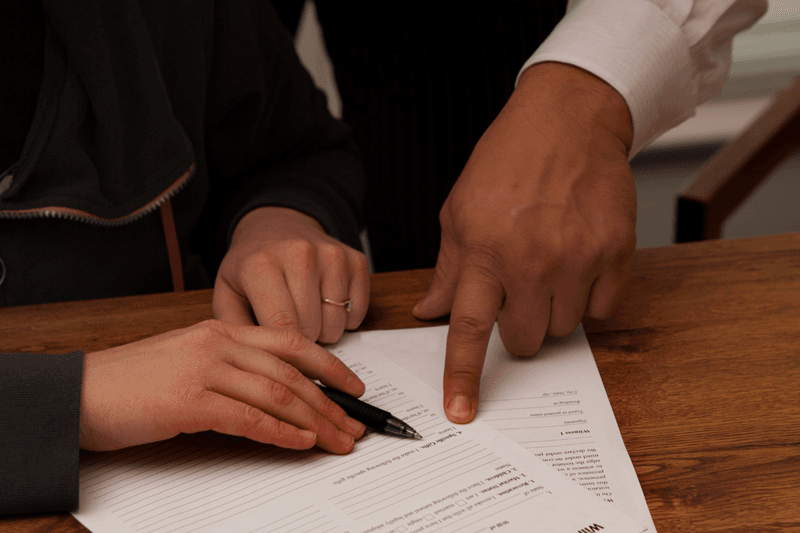
She once told me I would always have a home. Those words comforted me, but they were not the same as a valid document giving me ownership or housing rights.
Spoken promises can be hard to prove, and their legal effect varies. If you depend on a promise, ask how to record it properly.
A lawyer can explain whether a will, trust, property agreement, or another document fits your situation and protects the intended arrangement.
4. A Shared Address Was Not Shared Ownership

The house felt like ours because I knew every squeaky floorboard. Discovering that only her name appeared on the deed made that familiar place feel suddenly uncertain.
Living in a home does not automatically make you an owner. Check deeds, leases, and any written housing agreements before trouble arrives.
If your partner dies, get advice about your occupancy rights before moving out or signing anything. Local housing rules may matter alongside the estate documents themselves.
5. Paying Bills Did Not Settle the Ownership Question

My bank statements showed years of repairs and household payments. I assumed those payments proved a share in the home, but money spent and ownership gained are not always equal.
Keep receipts, transfer records, and messages explaining major contributions. Depending on local law and the facts, a lawyer may explore repayment, contract, or unjust enrichment claims.
None is guaranteed. Clear agreements made while both partners are alive are safer than arguments built from scattered receipts.
6. Being Left Out Did Not Explain Everything

One missing name made me question our whole life together. Yet a will could not tell me whether her choice came from old plans, family duties, confusion, or a deliberate decision.
I learned to separate facts from painful guesses. Request the actual documents through proper channels and ask what they legally mean.
Resist turning uncertainty into a final judgment about your worth. You can acknowledge the hurt without claiming to know everything behind her choices.
7. An Unfair Will Was Not Automatically Invalid

Anger made a court fight sound simple: surely someone would see how unfair this was. A lawyer explained that hurt feelings alone generally do not provide grounds to challenge a will.
Possible grounds include improper signing, fraud, undue influence, or lack of mental capacity when the document was made. You also usually need legal standing, meaning a recognized stake in the outcome.
Ask about evidence, costs, deadlines, and realistic chances before choosing a legal battle.
8. Waiting Could Close Legal Doors

Grief blurred the days until weeks disappeared. While I struggled to answer messages, legal deadlines kept moving, whether I felt ready or not.
Contact a local estate lawyer promptly if you believe you have a claim. Different deadlines may apply to will contests, creditor claims, or requests for support, and they vary by location.
Keep every notice and record when it arrived. Getting advice early does not force a lawsuit; it preserves informed choices later.
9. Account Forms Could Matter More Than the Will

A retirement account taught me that the will was only part of the picture. Many accounts and insurance policies pass through beneficiary forms, rather than instructions written in a will.
Review those forms with each provider and confirm who is listed. Old names can remain long after relationships change.
Also ask how account ownership and local rules affect payment. Being excluded from a will does not necessarily mean being excluded from every asset she owned.
10. Common Law Marriage Was Not a Shortcut

A friend insisted our years together meant we were already married in the eyes of the law. That sounded reassuring, but living together alone usually does not establish common law marriage.
Only some places recognize it, and specific requirements must be met. Evidence may include an agreement to be married and presenting yourselves as spouses.
Ask a qualified lawyer whether the rules apply to you. Never rely on a casual conversation or a popular myth.
11. Her Family Had Their Own Grief

Across the table, her relatives looked like opponents to me. Later, I recognized people who were also hurting, even when we disagreed about belongings and money.
Keep conversations focused on specific requests rather than accusations. Use written messages for important details, and let lawyers handle legal disputes when needed.
Courtesy does not mean giving up your rights. It can simply prevent a hard situation from becoming cruel, especially when everyone carries a different memory of her.
12. Small Keepsakes Needed Clear Agreements Too
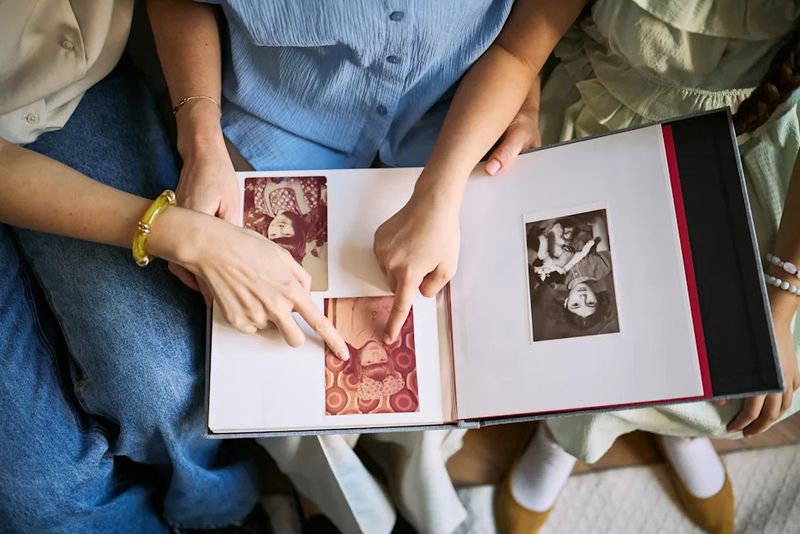
Her worn recipe book meant more to me than expensive furniture. Still, sentimental value did not decide who could legally take it from the house.
Do not remove belongings without confirming ownership or receiving permission from the person handling the estate. Make a short list of meaningful items and ask politely about them.
For future planning, discuss keepsakes alongside larger assets. A clear written gift, made through valid documents, can spare loved ones another painful disagreement.
13. Funeral Decisions Could Leave Me Outside

I knew her favorite song, yet I was not certain I could choose it for her service. Unmarried partners may lack authority over funeral arrangements, depending on local rules.
Discuss wishes before a crisis and ask how to name the person allowed to carry them out. Funeral directions and appointment forms may require specific steps.
If you are excluded, consider a separate gathering with friends. Remembering someone does not always require control over the official ceremony.
14. Emergency Savings Bought Me Breathing Room

The grocery bill arrived long before any legal answers did. Having some money in my own name would have made those first weeks less frightening.
Build an emergency fund that you can access lawfully without depending on your partner’s accounts. Start with manageable amounts and learn which expenses you would face alone.
Joint accounts have their own rules, so confirm access with the bank. Financial independence is not distrust; it gives both partners room to breathe.
15. A Will Could Not Handle Every Crisis
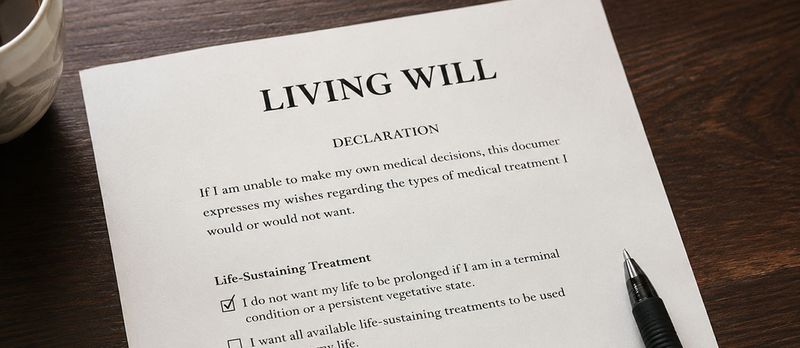
Before her death, I had already learned how hard getting information could be during illness. A will deals with death; it does not itself authorize medical or financial decisions during life.
Ask about healthcare decision documents, financial powers of attorney, and privacy releases. Their names and requirements vary by location.
Choose trusted people and explain your wishes clearly. Keep accessible copies where appropriate, because a carefully signed form helps little when nobody knows where it is.
16. Good Records Were Better Than Perfect Memory

Stress turned simple dates into a muddle. I could remember our holidays clearly, but not when I paid for the roof or what we agreed about repayment.
Save relevant contracts, receipts, account records, and messages in an organized folder. Create a dated timeline while events are still fresh.
Only access records you are legally allowed to obtain. Reliable documents help a lawyer understand your position and keep you from repeating guesses as facts during emotional conversations.
17. Written Agreements Could Protect Both Partners

Paperwork once seemed cold beside a loving relationship. Now I see that a clear agreement can be an act of care, especially when partners bring different savings or own separate property.
A cohabitation agreement may clarify ownership, expenses, and certain promises, subject to local law. It should work alongside estate documents, not replace them blindly.
Each partner may need independent legal advice. Knowing the plan reduces guesswork and gives both people a fairer chance to prepare.
18. Grief Needed Support, Not Just Legal Answers
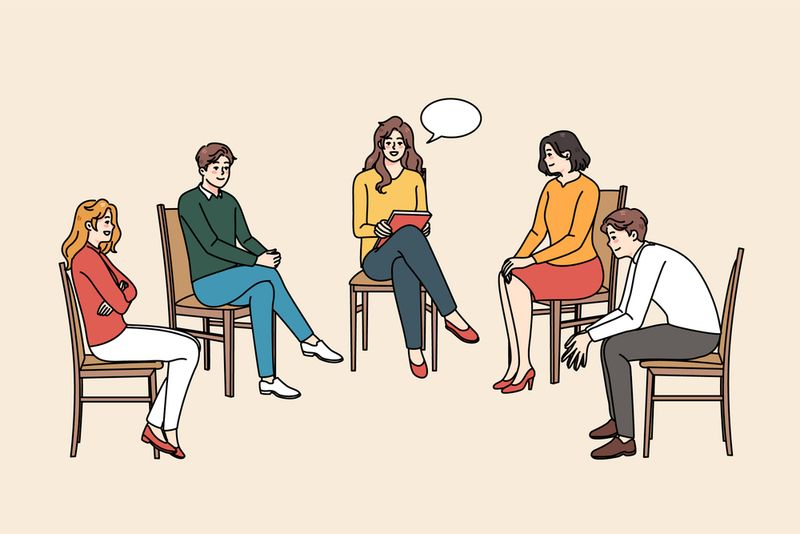
No court document could help me sleep through the night. I was mourning her death while also feeling rejected, and those feelings kept tangling together.
A grief counselor, support group, or trusted friend can help you carry both losses. Eat regularly, rest when possible, and break tasks into small steps.
Avoid making every conversation about the estate. Seeking emotional help does not weaken a legal position; it gives you support while practical questions remain unresolved nearby.
19. My Future Still Deserved a Plan

Eventually, I stopped measuring my future by what her will did not give me. The hurt remained, but I could still make choices that protected my own life.
Review your budget, housing, beneficiaries, and estate documents with suitable professional help. Revisit plans after major life changes rather than filing them away forever.
Keep room for friendship, joy, and new goals too. Being left out of one document does not mean you must leave yourself behind afterward.