
When money was tight during the Great Depression, breakfast often started with whatever was already in the pantry. Families stretched cornmeal, bread, potatoes, and eggs into meals that helped them face the day.
Many of these dishes existed long before the 1930s, and some still have loyal fans. Others have nearly vanished from breakfast tables, but their simple ideas can still help us waste less and spend wisely.
1. Cornmeal Mush
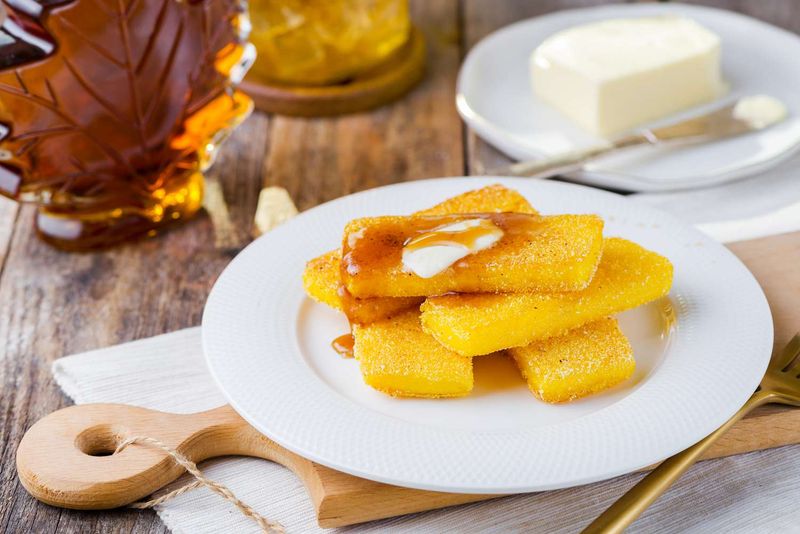
A scoop of warm cornmeal could carry a family through a lean morning. Cornmeal mush needed little more than water, salt, and patient stirring, making it useful when the pantry looked bare.
Sprinkle the meal slowly into simmering water to keep lumps from forming. Cook until the grains soften and the mixture thickens.
Serve it plain, or add milk and a little syrup if available. Any extra can become tomorrow’s crispy breakfast after chilling and frying.
2. Coffee Soup
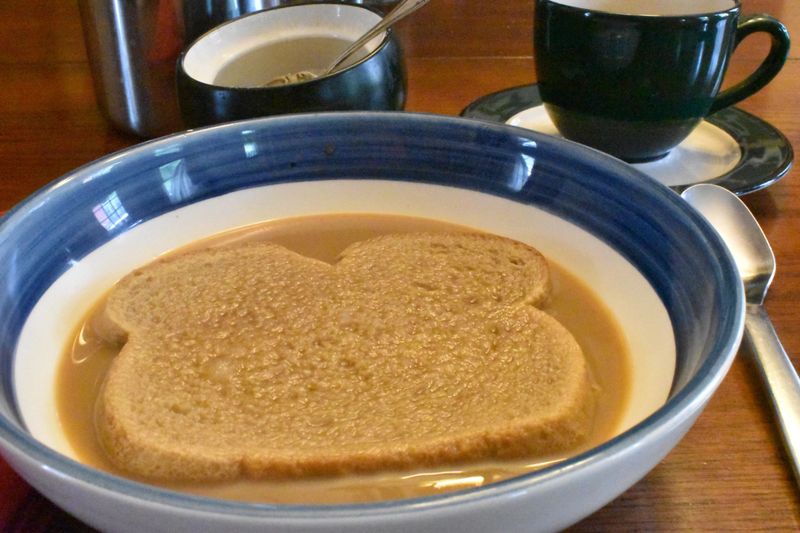
Yesterday’s bread met the morning coffee cup in this unusual breakfast. In some rural and Amish households, bread went into a bowl before coffee, milk, and sugar were poured over it.
The result was soft, warm, and easy to eat, though recipes varied by family. Use sturdy bread if you want a little texture rather than complete mush.
Freshly brewed coffee works too, so there is no need to save an old pot for this dish.
3. Creamed Eggs on Toast
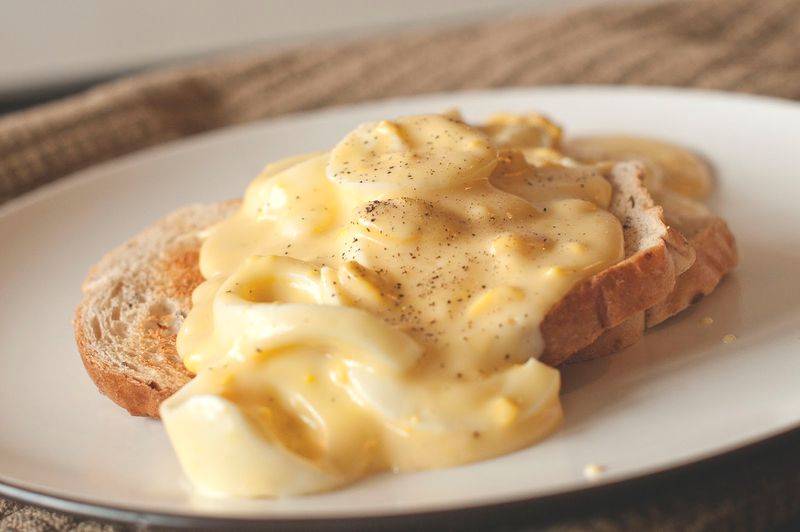
One or two eggs could go further with a little help from the saucepan. Chopped boiled eggs stirred into white sauce made a filling topping for toast, spreading protein across several servings.
Start with butter and flour, then slowly whisk in milk until smooth. Fold in the eggs near the end so they stay tender.
Pepper adds flavor without much expense. Toast the bread well, since a crisp base holds up better beneath the warm sauce.
4. Poverty Pancakes
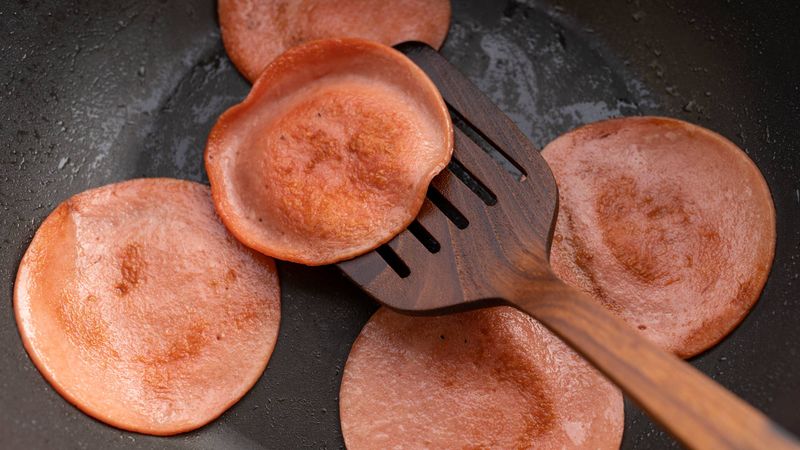
No eggs? No milk?
Breakfast could still happen with flour, water, salt, and perhaps a spoonful of sugar. Often called poverty pancakes today, these plain cakes reflect the kinds of substitutions families made during shortages.
Keep the batter pourable and make smaller pancakes for easier flipping. A lightly greased skillet helps them brown without sticking.
Expect something flatter and less rich than modern pancakes. Jam or syrup can brighten them, but those extras were not always available.
5. Milk Toast
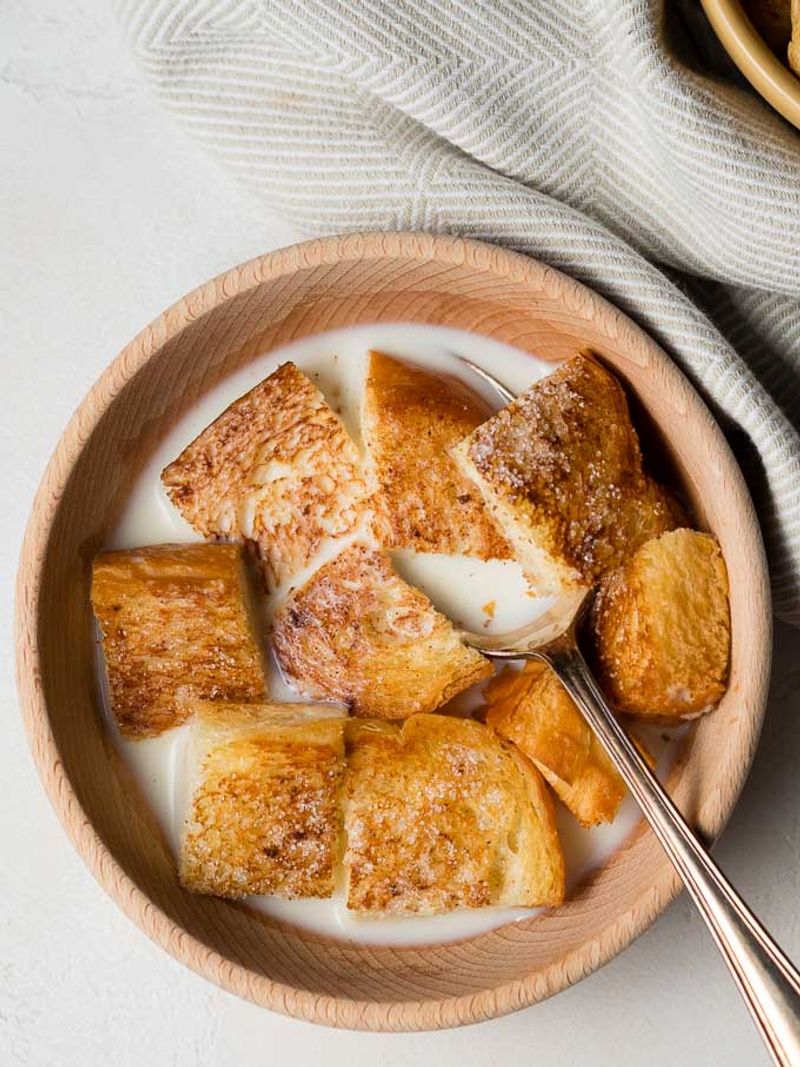
Comfort sometimes came in a bowl rather than on a plate. Warm milk poured over toast softened dry bread and created a mild breakfast that needed very little chewing.
Some families added sugar, while others preferred salt or a small bit of butter. Toasting the bread first gives it more flavor and helps it hold together briefly.
Pour on the milk just before eating. The dish is simple, but its warm softness explains its lasting appeal.
6. Breakfast Rice
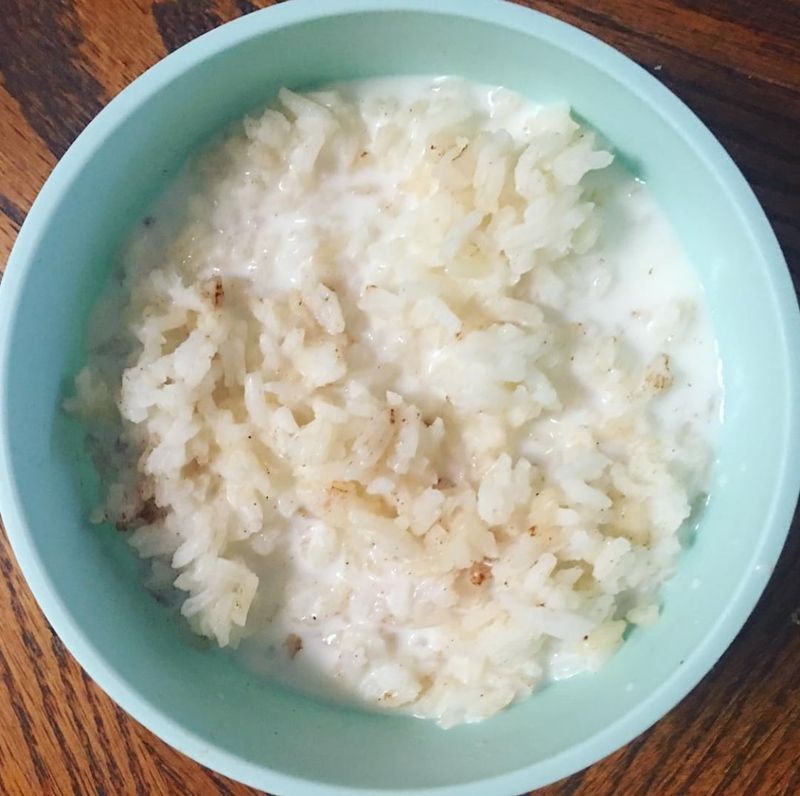
Rice did not have to wait until supper to earn its place at the table. A warm bowl with milk and sugar offered a filling start using a low cost pantry staple.
Fresh rice works, but properly refrigerated leftovers make preparation quicker. Reheat them thoroughly with a splash of water or milk, stirring often.
Raisins, cinnamon, or chopped fruit add variety when available. Keep toppings modest if you want to preserve the meal’s original budget appeal.
7. Homestead Breakfast
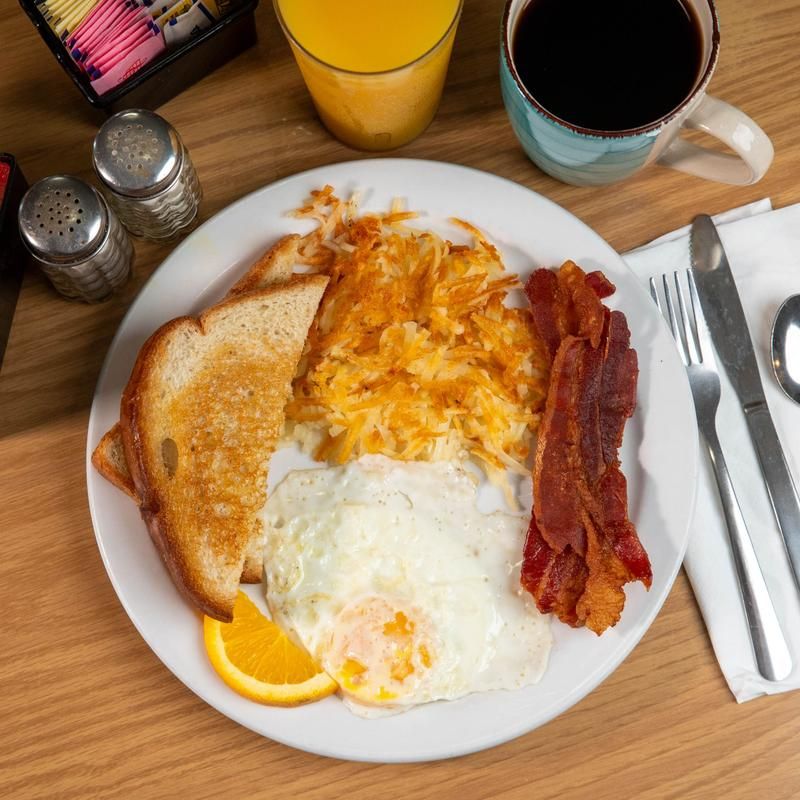
A farm kitchen sometimes had advantages that a city pantry lacked. Families with chickens and stored potatoes could build a hearty skillet meal, adding bacon or onions when supplies allowed.
Often described as a homestead breakfast, this combination was not equally affordable for everyone. Cook the potatoes first so they become tender before adding eggs.
A small amount of bacon can season the whole pan. Leftover cooked potatoes also shorten the work and reduce fuel use.
8. Egg in a Hole
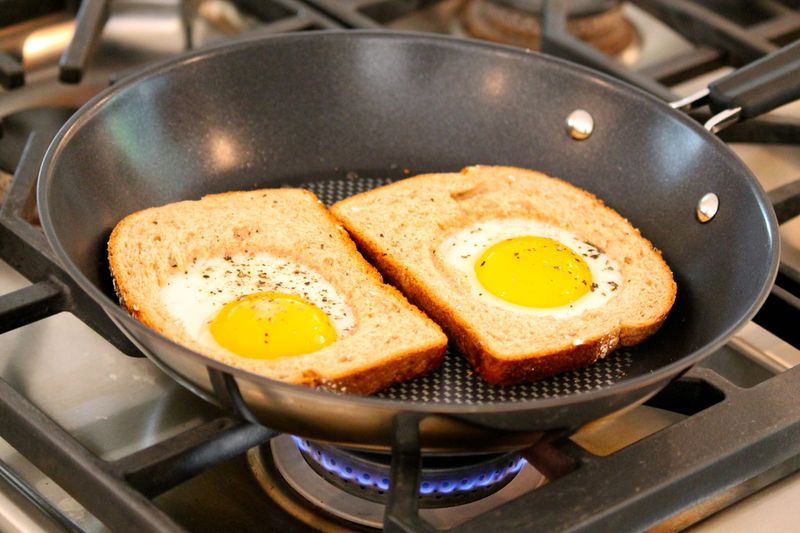
The little bread circle is half the fun. Cut an opening in a slice, place it in a greased skillet, and crack an egg into the middle for a tidy breakfast.
Names vary, including egg in a hole and one eyed Sam. Cook over moderate heat so the bread does not burn before the egg sets.
Fry the cutout alongside it instead of wasting it. For food safety, cook the white and yolk until both firm.
9. Fried Mush
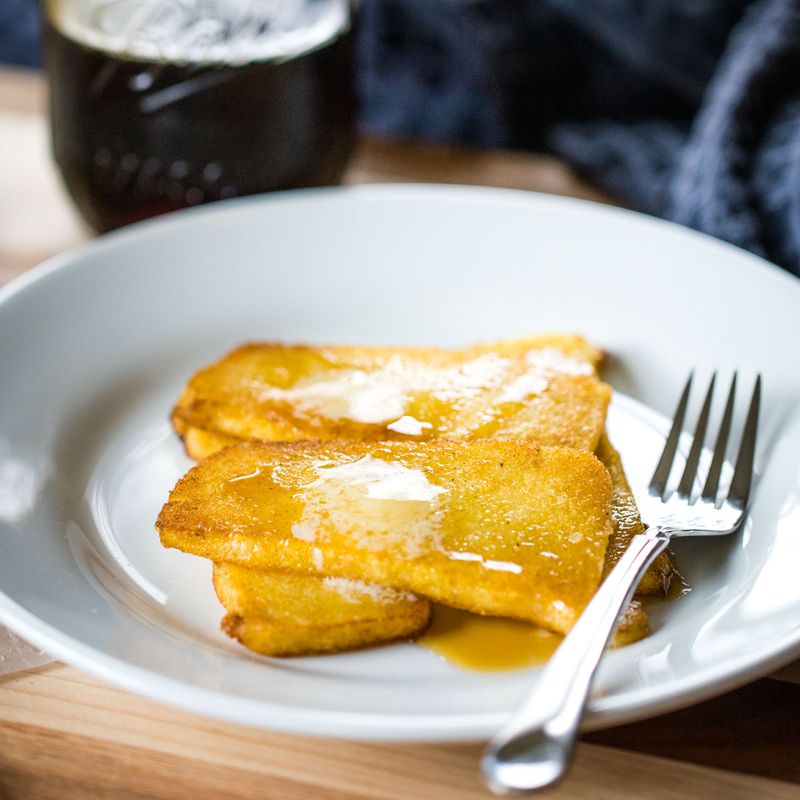
Cold leftovers gained a crisp new life in the frying pan. Thick cornmeal mush could be packed into a loaf pan, chilled until firm, and cut into slices for breakfast.
Unlike a soft bowl of mush, this version offers browned edges and a tender center. Dry the slices lightly before frying to reduce splattering.
Give them room in the skillet and turn carefully. Sorghum syrup was one possible topping, though butter or a pinch of salt works.
10. Crackers and Milk
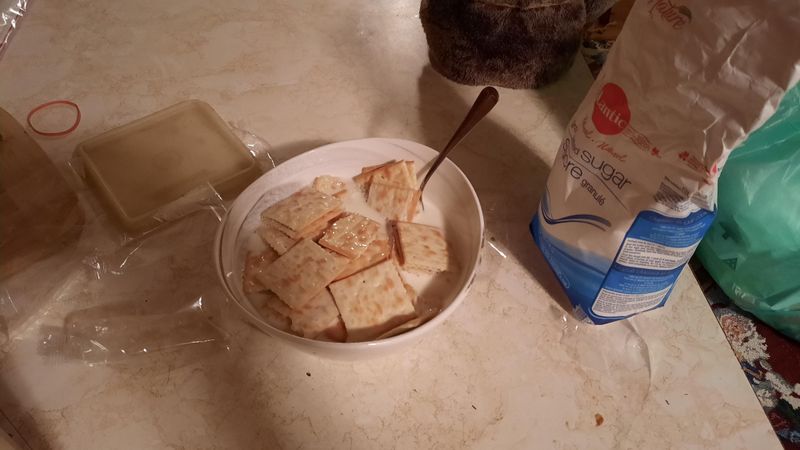
Breakfast could be ready before the stove even warmed up. Crumbled saltine crackers and milk made a quick bowl from two familiar staples, with no special cooking skills required.
The crackers softened quickly, so families could adjust the texture by eating right away or waiting briefly. Add them a handful at a time if you dislike soggy bites.
Their salt already seasons the milk. It is more a lesson in making do than a balanced meal alone.
11. Brains and Eggs
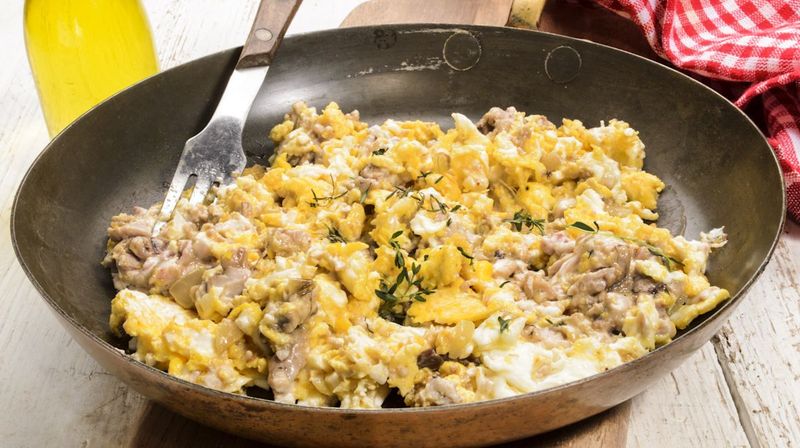
Nothing useful was supposed to go to waste, including cuts many shoppers overlook today. Animal brains scrambled with eggs appeared on some breakfast tables, especially where families used more of a butchered animal.
The texture was soft, and the eggs helped stretch a small portion. Historical mentions do not mean it was common everywhere.
Anyone considering it today should follow local health guidance and use an inspected source. Availability and safety rules differ by animal and region.
12. Beef Patty Breakfast
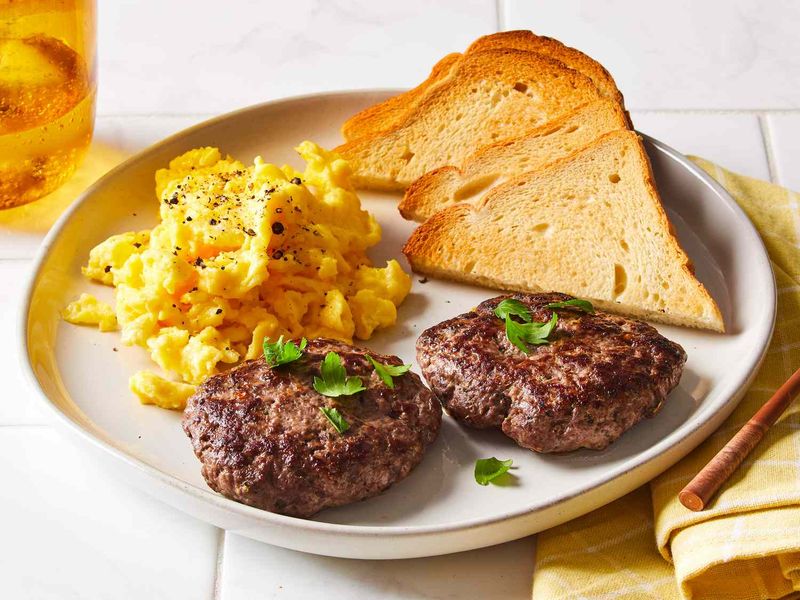
A little meat could feed more mouths when potatoes joined the mix. Versions of this hearty breakfast combined cooked ground beef, cooked potatoes, and onion, then shaped the mixture into patties.
Sometimes called a hunter’s breakfast, the name and recipe vary. Mash the potatoes enough to help everything hold together, and chill loose mixtures before frying.
Garlic adds another layer of flavor if available. Use safely stored leftovers, and heat the centers thoroughly before serving them hot.
13. Southern Johnny Cakes
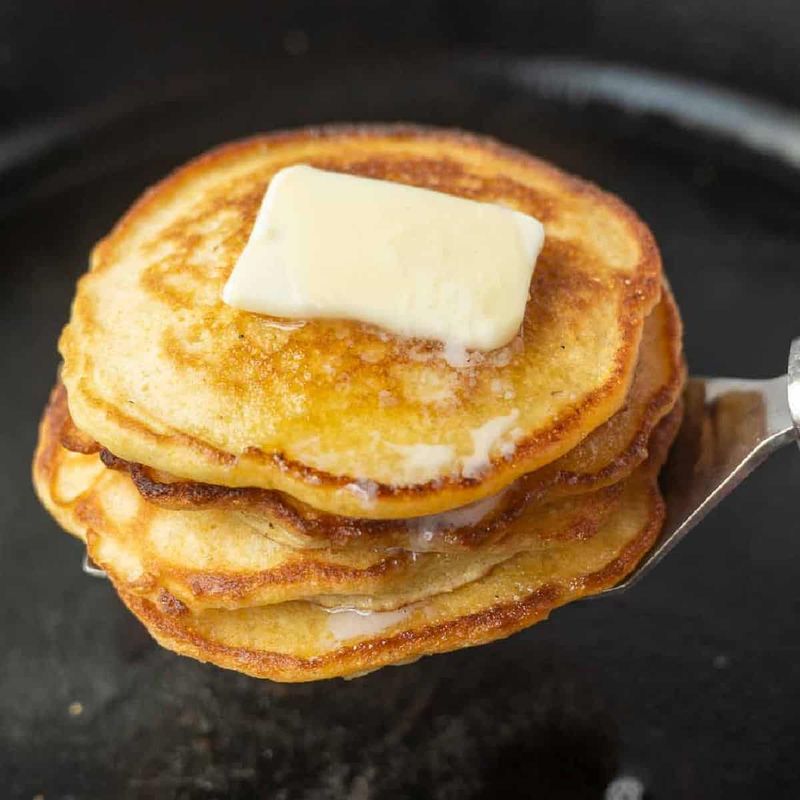
Cornmeal brought a welcome crunch to the breakfast griddle. Johnny cakes have a history much older than the Depression, with regional recipes ranging from thin cakes to thicker, softer rounds.
Southern versions often relied on cornmeal, salt, and hot water, though richer recipes added other ingredients. Let the batter rest briefly so the meal absorbs moisture.
Cook small portions in a greased skillet. Their sturdy corn flavor pairs with syrup, but savory toppings suit them just as well.
14. Creamed Chipped Beef
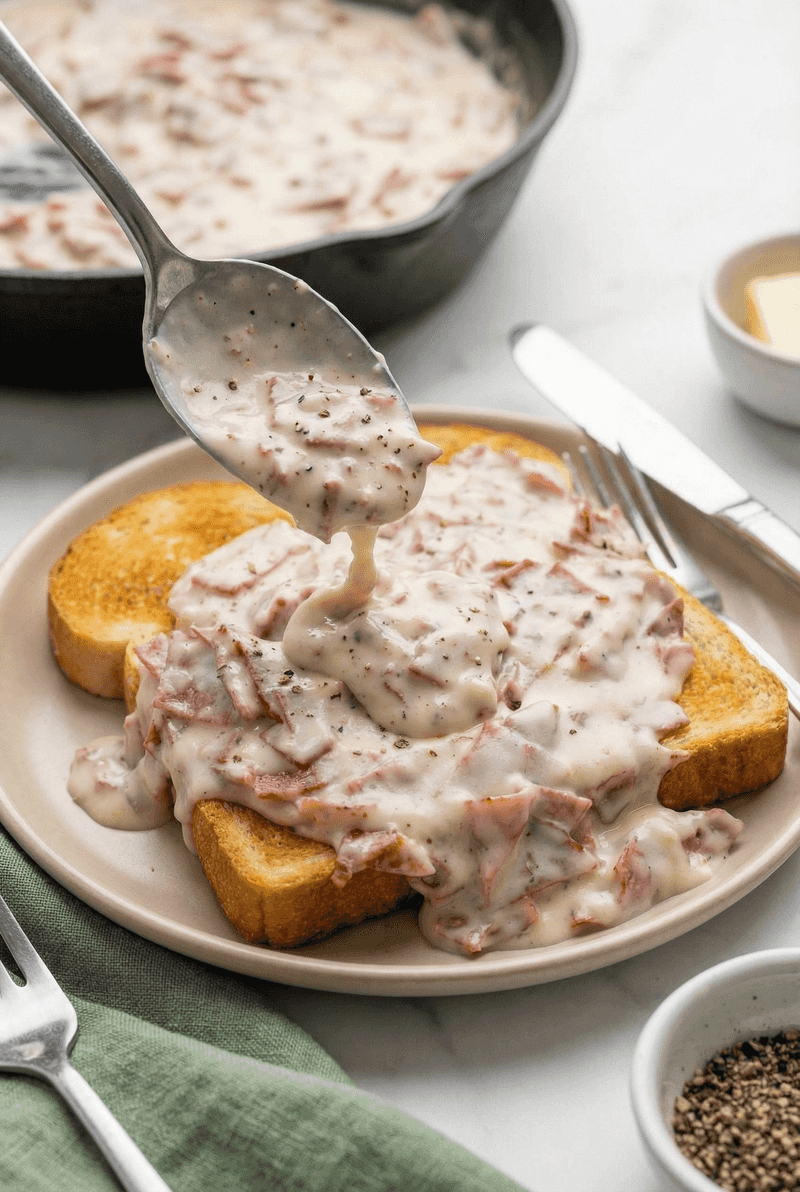
Thin strips of dried beef gave plain toast a salty, savory lift. Stirred into white sauce, a modest amount of meat could become enough topping for several breakfasts.
The dish also became closely linked with military meals, rather than belonging only to Depression kitchens. Taste the beef before adding extra salt; some brands are quite salty.
A brief rinse can mellow it. Keep the sauce gently bubbling and stir often so the milk does not scorch underneath.
15. Potato Griddle Scones
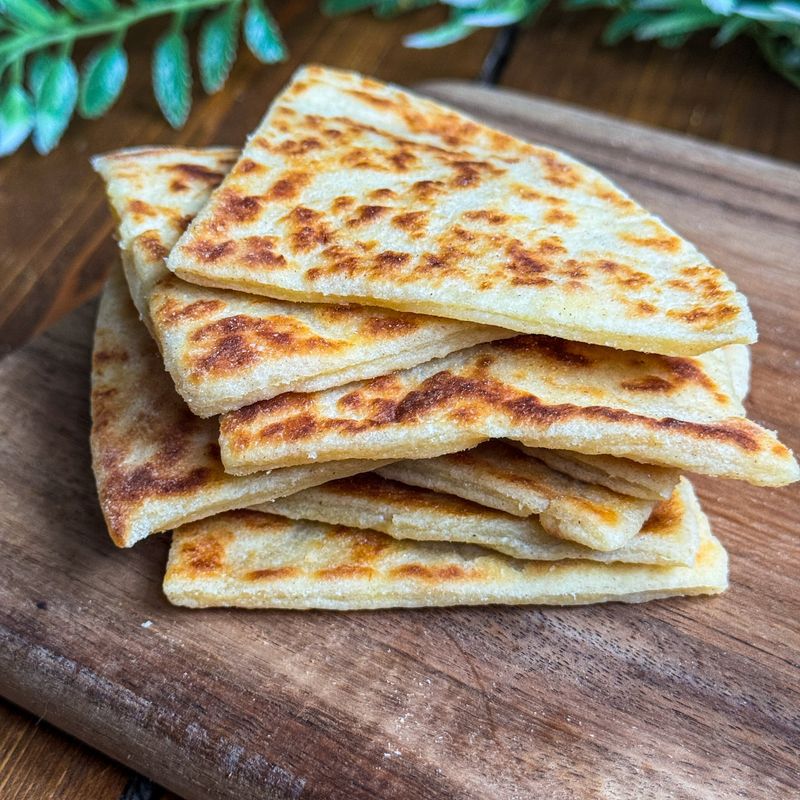
Soft potatoes could stand in for part of the flour budget. Potato griddle scones, rooted in Scottish cooking, turned mashed potatoes, flour, and a little fat into tender rounds or triangles.
They fit the thrift minded cooking associated with hard times, though they were not invented during the Depression. Mix only until the dough holds together; too much flour makes it heavy.
Roll gently and cook on a warm griddle. Serve fresh while the surfaces are lightly browned.
16. Breakfast Sugar Cookies
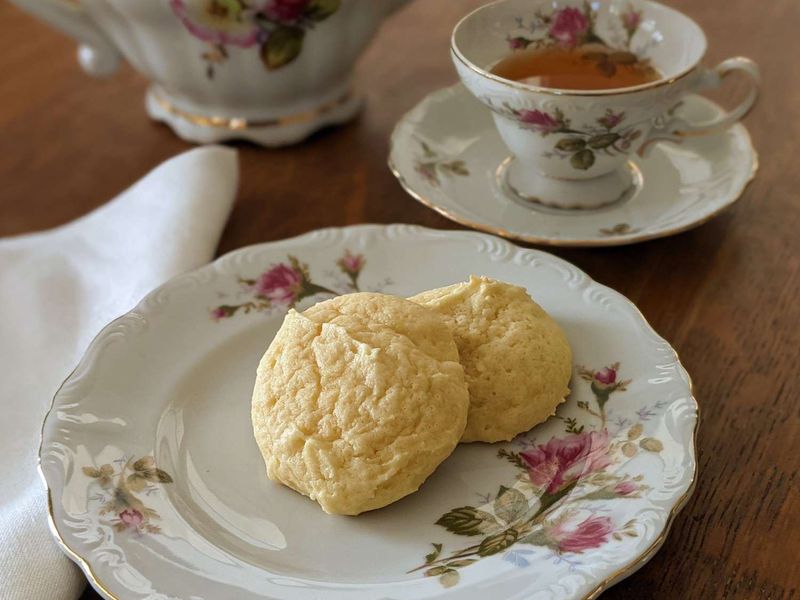
A cookie at breakfast sounds like a child’s lucky morning. Some family accounts describe plain cookies eaten with milk or coffee, although this was not a standard meal across every Depression household.
Recipes depended on what sugar, flour, and fat were available. Think simple homemade cookies rather than frosted treats from a bakery.
If trying the idea now, keep the serving small and add something more nourishing. The historical lesson is flexibility, not that cookies supplied everything needed.
17. Bread and Jam
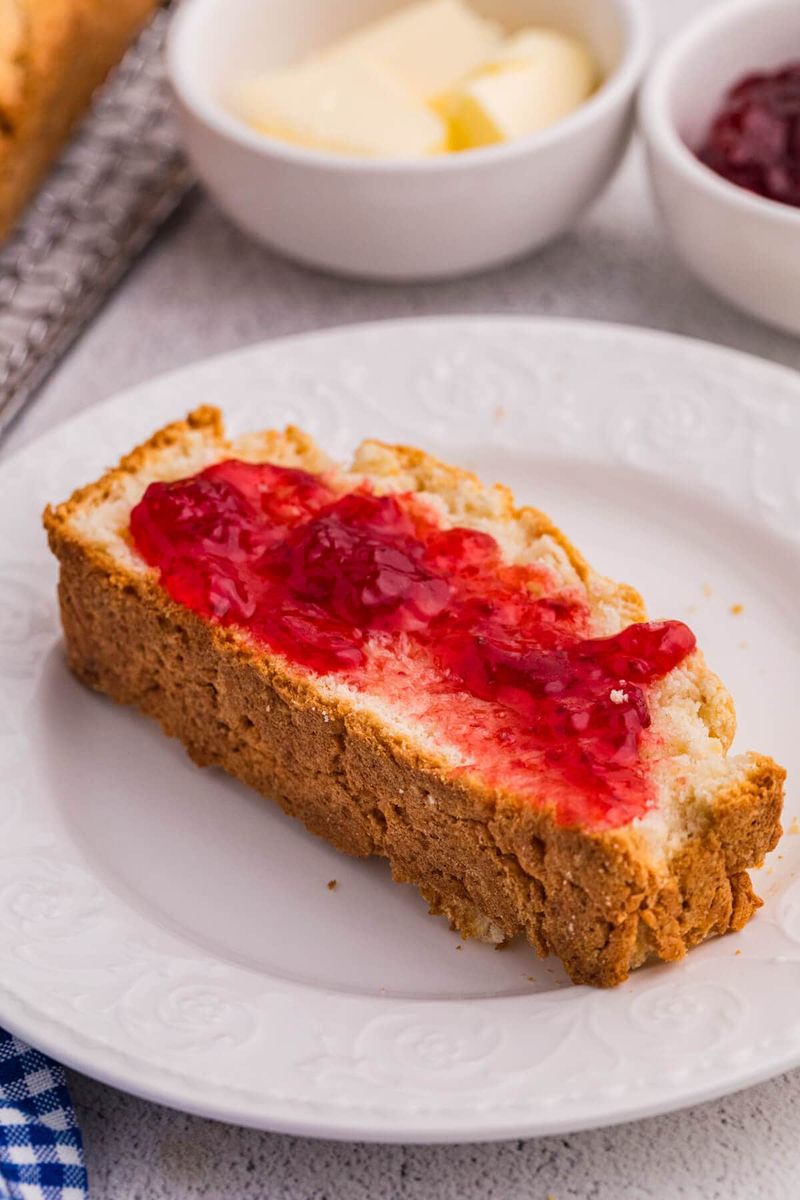
A jar of summer fruit could brighten a winter morning. Bread spread with jam needed little preparation, and homemade preserves helped families use fruit beyond its short growing season.
Butter added richness when the household could spare it, but bread and jam could stand alone. Toast slightly stale slices to improve their texture.
Use sound bread, not bread showing mold. Although this breakfast remains familiar today, its place in lean kitchens shows how much simple pantry supplies mattered.
18. Cornmeal Breakfast Pudding
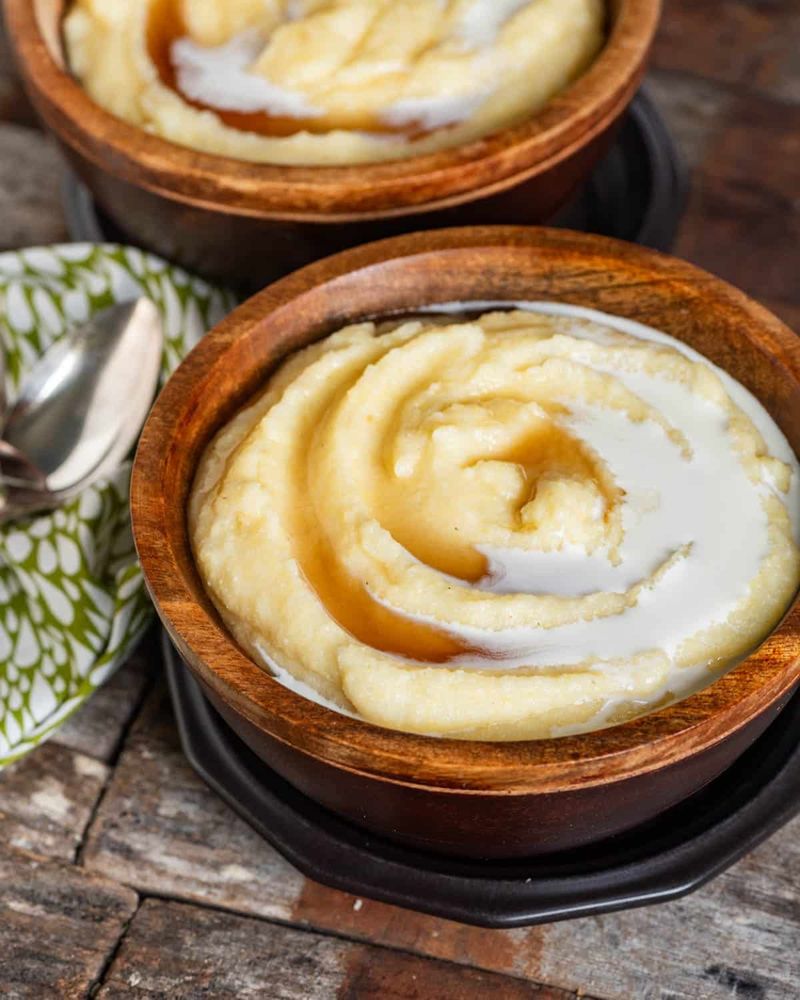
For mornings with a few extra ingredients, cornmeal could become something richer than mush. Milk, sweetener, butter, and sometimes eggs turned the grain into a soft pudding, with recipes differing between households.
Warm the mixture slowly and stir to prevent sticking. If adding eggs, blend in a little warm mixture first so they do not scramble.
This was not the barest pantry breakfast, but it could still stretch basic staples. Serve modest portions warm for a comforting change.
19. Leftover Mashed Potato Patties
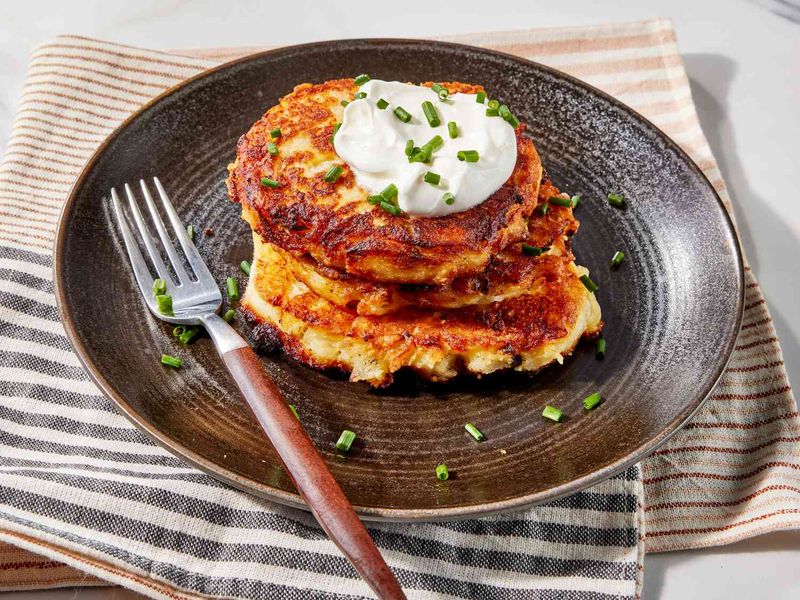
Last night’s side dish could return with a golden crust. Leftover mashed potatoes mixed with an egg and a little flour made breakfast patties that felt different from the original meal.
The amount of flour depends on how much milk or butter is already in the mash. Add only enough to help the patties hold their shape.
Fry small rounds and wait for a firm crust before turning. Refrigerate leftovers promptly, then cook the patties until hot throughout.