
The 1950s were full of new sounds, and Black women singers helped lead the way. Their voices filled jazz clubs, churches, radio stations, and movie theaters.
Some became famous around the world, while others deserve to be heard more often today. Their songs show how music can carry joy, pain, courage, and change.
1. Dinah Washington: A Voice for Every Mood
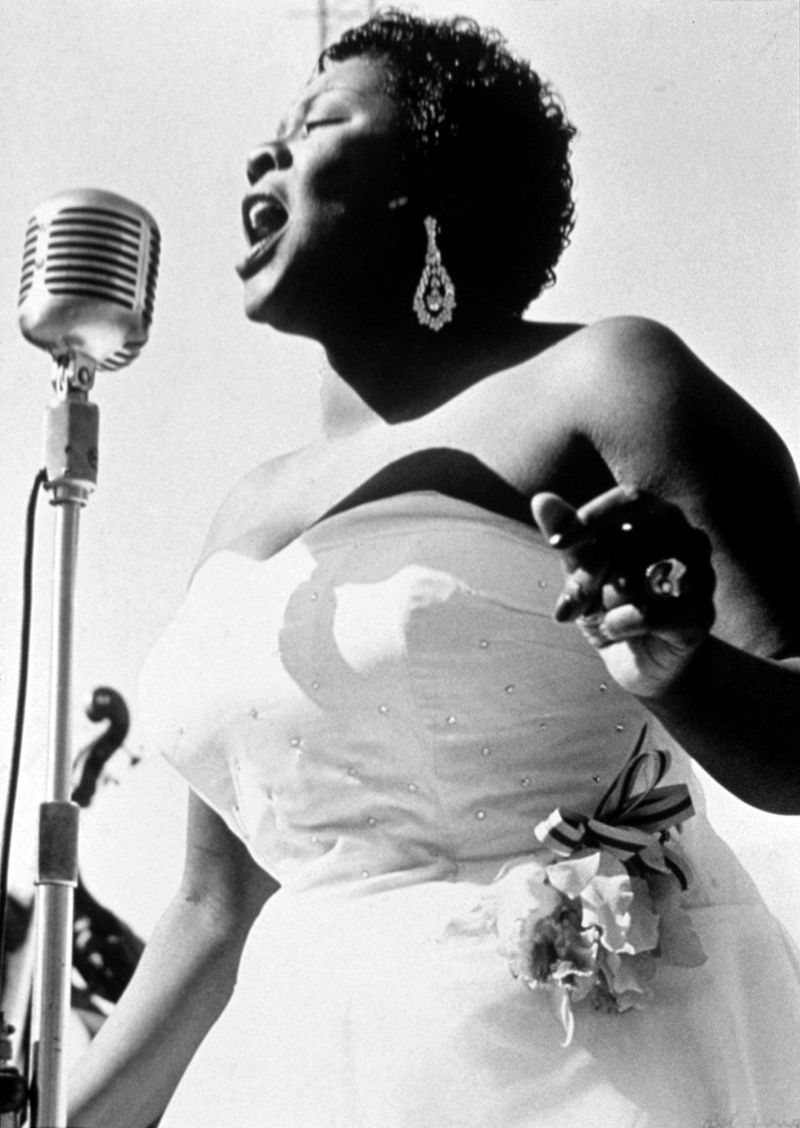
One song could sound playful, and the next could break your heart. Dinah Washington moved between blues, jazz, gospel, and R&B with remarkable ease.
Her 1954 album Dinah Jams captured the excitement of musicians playing together, while What a Diff’rence a Day Makes became a major hit in 1959.
Listen for how she shapes each word. Even when the tune changes style, her clear phrasing makes the feeling easy to understand.
That range helped earn her the nickname Queen of the Blues.
2. Ella Fitzgerald: Making Songs Sparkle
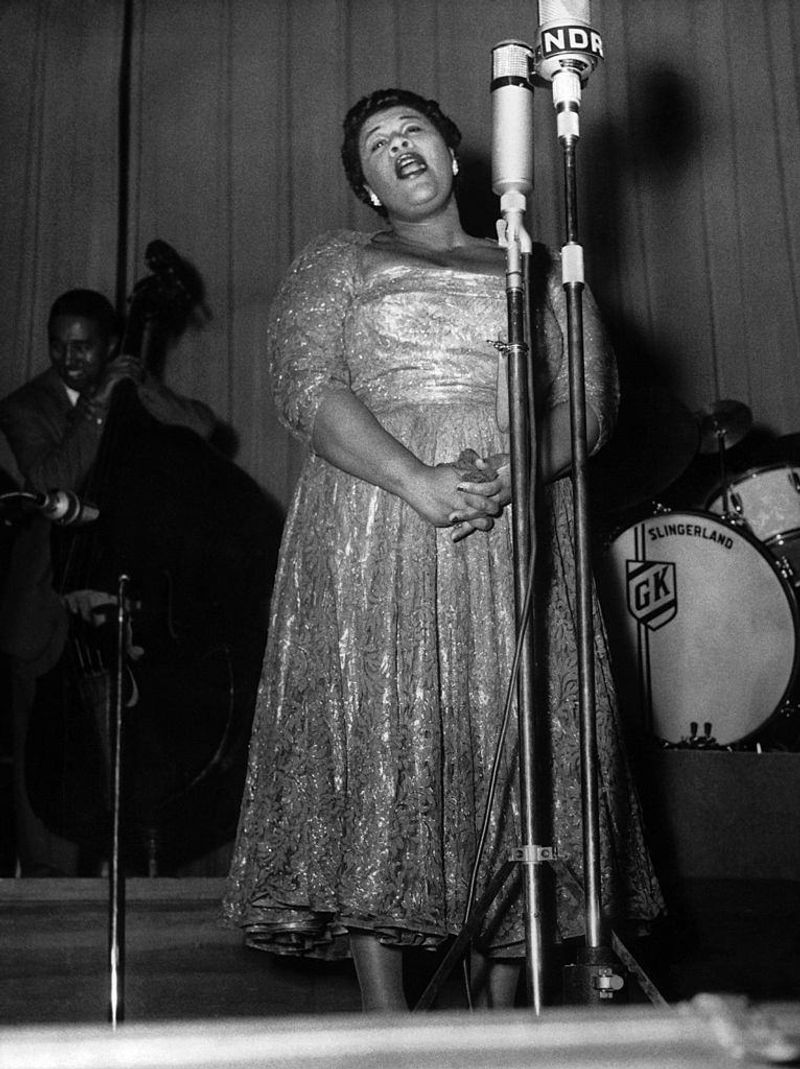
Imagine using your voice like a trumpet. Ella Fitzgerald could do just that when she sang scat, making lively sounds instead of using words.
During the 1950s, she also began recording her celebrated Song Book albums, starting with Cole Porter’s music in 1956.
Her smooth tone and crisp words made complex songs feel welcoming. Try hearing one tune twice: first follow the story, then notice her rhythm.
She showed that careful singing could still sound free and full of fun.
3. Billie Holiday: Feelings Between the Notes
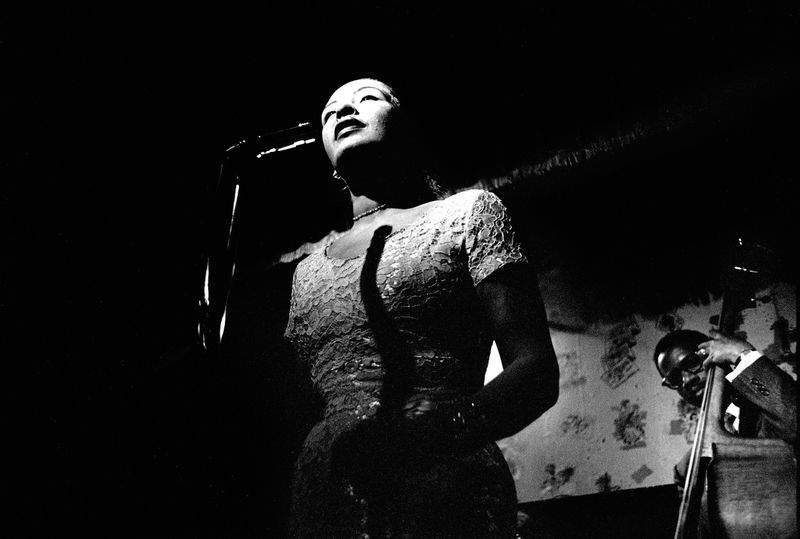
A quiet phrase could carry a whole story when Billie Holiday sang it. Rather than showing off big notes, she often shifted the timing of a line to reveal its sadness or hope.
She remained an important jazz voice in the 1950s and recorded the album Lady Sings the Blues in 1956.
Her later recordings can sound worn, which makes them especially moving to some listeners. Notice the pauses: they help explain why telling the truth in a song matters more than singing perfectly.
4. Mahalia Jackson: Gospel That Reached Millions
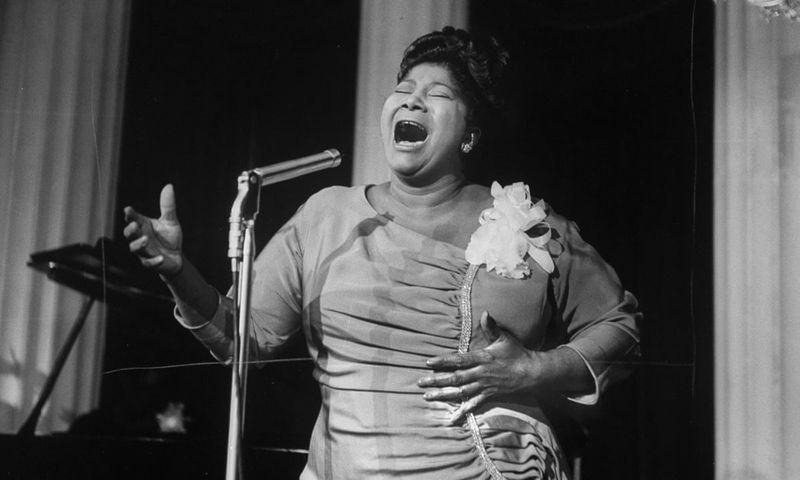
Church music found a huge audience through Mahalia Jackson’s powerful voice. Her gospel singing offered comfort and strength, whether she performed in a sanctuary or before a large concert crowd.
The 1950s album The World’s Greatest Gospel Singer helped bring her sound to more listeners.
Move On Up a Little Higher had already made her famous, and its message of hope continued to speak to people. Hear how she stretches a phrase, then lets it rise.
Her music shows how belief can become sound.
5. Ruth Brown: The Beat That Built R&B
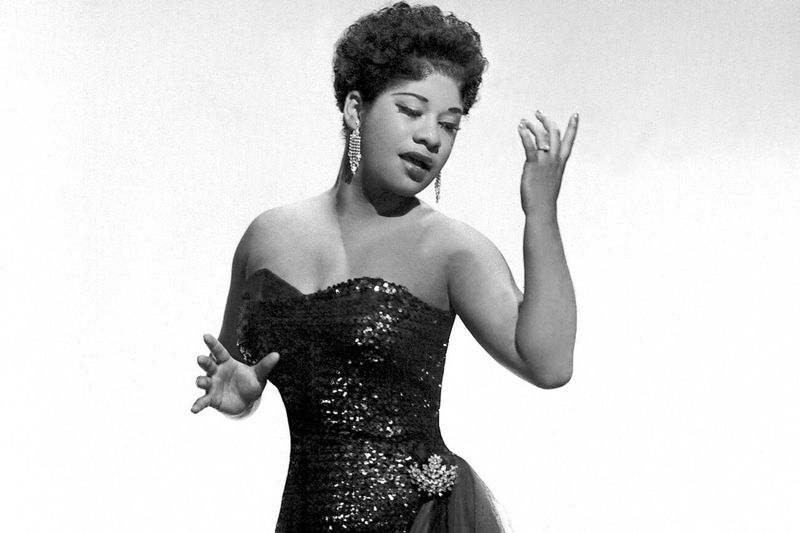
Radio listeners could hardly miss Ruth Brown’s bright, bold singing. Hits such as Teardrops from My Eyes and Mama, He Treats Your Daughter Mean helped shape the lively R&B sound of the 1950s.
Her records were so successful that Atlantic Records became closely linked with her style.
Brown could sound teasing one moment and fiercely direct the next. Put on one of her hits and listen for the strong beat beneath her voice.
It points toward the rock and roll that followed.
6. LaVern Baker: Rock and Roll Fire
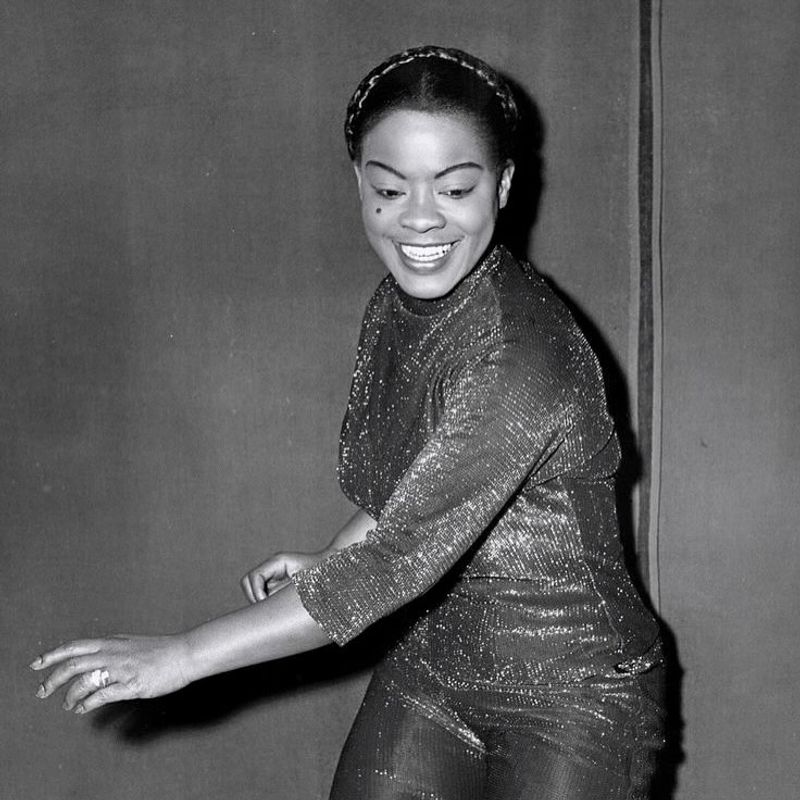
Energy seemed to leap from LaVern Baker’s records. She mixed blues feeling with R&B rhythm and the punch of early rock and roll.
Songs like Tweedle Dee and Jim Dandy made her a star during the 1950s, when dance music was changing fast.
Her strong voice stayed clear even when the band played hard. Listen to how she answers the rhythm instead of simply following it.
Baker helped prove that women belonged at the loud, exciting center of rock’s beginnings.
7. Etta James: Young Voice, Big Feeling
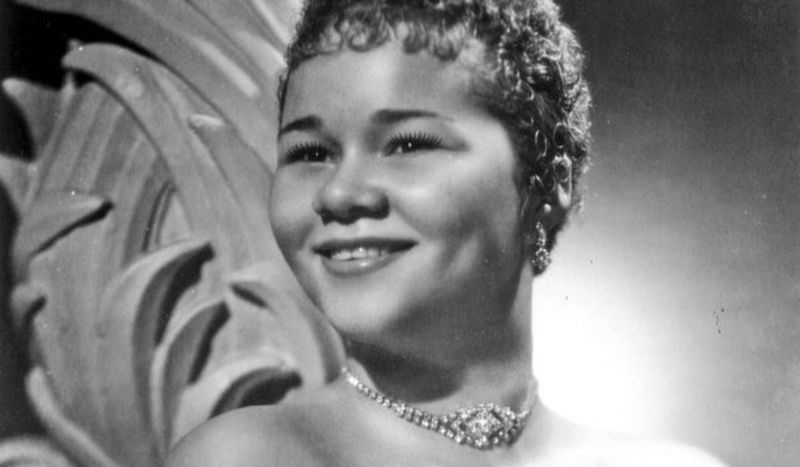
Still a teenager when she found success, Etta James sounded ready to take charge. Her 1955 hit The Wallflower, also known as Roll with Me, Henry, brought her bold voice to R&B fans.
She could make a playful song feel personal, a gift that would grow throughout her career.
The famous ballad At Last came later, so start with her early records to hear her 1950s spark. They reveal an artist finding her way through rhythm, attitude, and emotion.
8. Big Mama Thornton: The Original Hound Dog
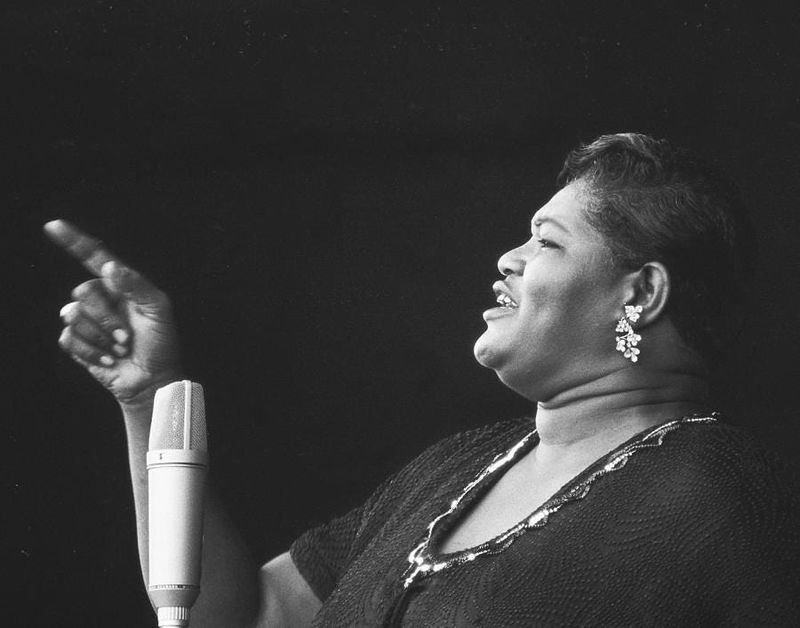
Before Hound Dog became a rock and roll landmark for Elvis Presley, Big Mama Thornton recorded it as a blues hit in 1952. Her voice carried humor, warning, and force all at once.
The record shows how Black women helped create sounds that later reached much wider audiences.
Play her version and notice its slower groove and sharp attitude. Thornton did not just sing the words; she acted them out.
Remembering her recording gives an essential artist her place in the song’s story.
9. Sarah Vaughan: A Voice Like an Instrument
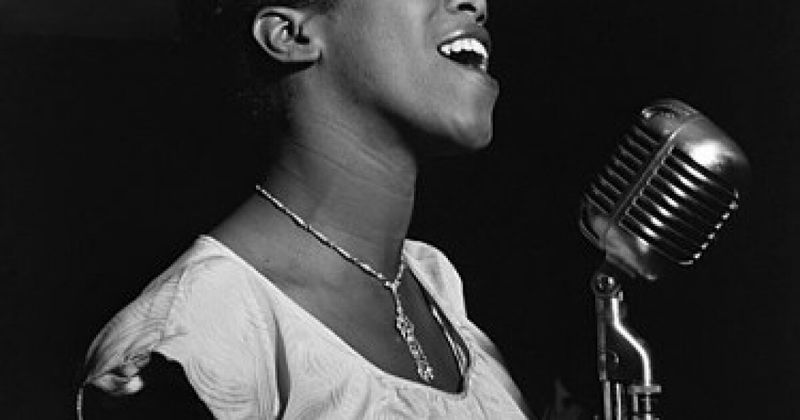
Few singers could glide through notes quite like Sarah Vaughan. Her rich voice covered a wide range, and she used it with the care of a skilled musician.
Her 1954 album Sarah Vaughan, often called Sarah Vaughan with Clifford Brown, paired her with leading jazz players.
Hear how a note may begin softly, then grow and bend. Those small changes make familiar songs feel new.
Vaughan’s work reminds listeners that jazz singing is not only about melody; it is also about daring choices.
10. Lena Horne: Grace on Screen and Stage
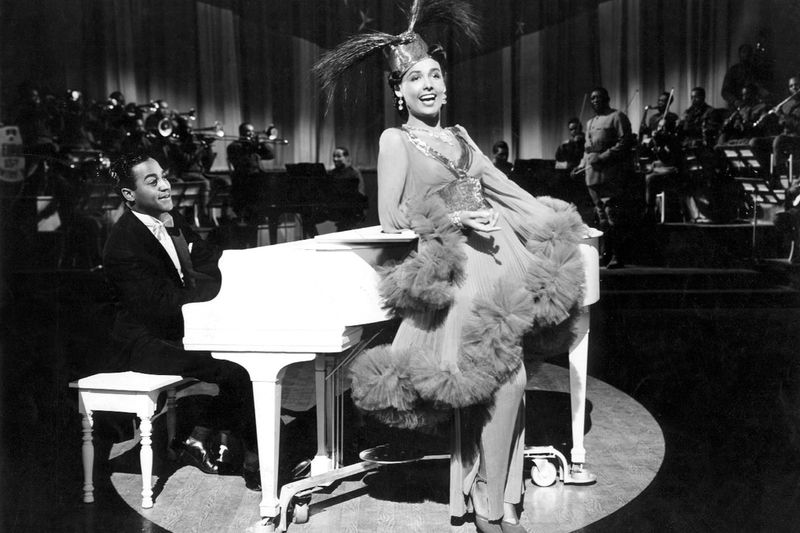
When Lena Horne appeared on screen, her calm presence held the room. A singer and actor, she performed in clubs, on television, and in films while pushing against unfair limits placed on Black performers.
Her 1957 live album Lena Horne at the Waldorf Astoria captured the polish of her stage act.
Watch a performance as well as listening to one. Her expression and timing add meaning to every line.
Horne’s career also shows why being seen fairly matters as much as being heard.
11. Dorothy Dandridge: A Star Who Sang
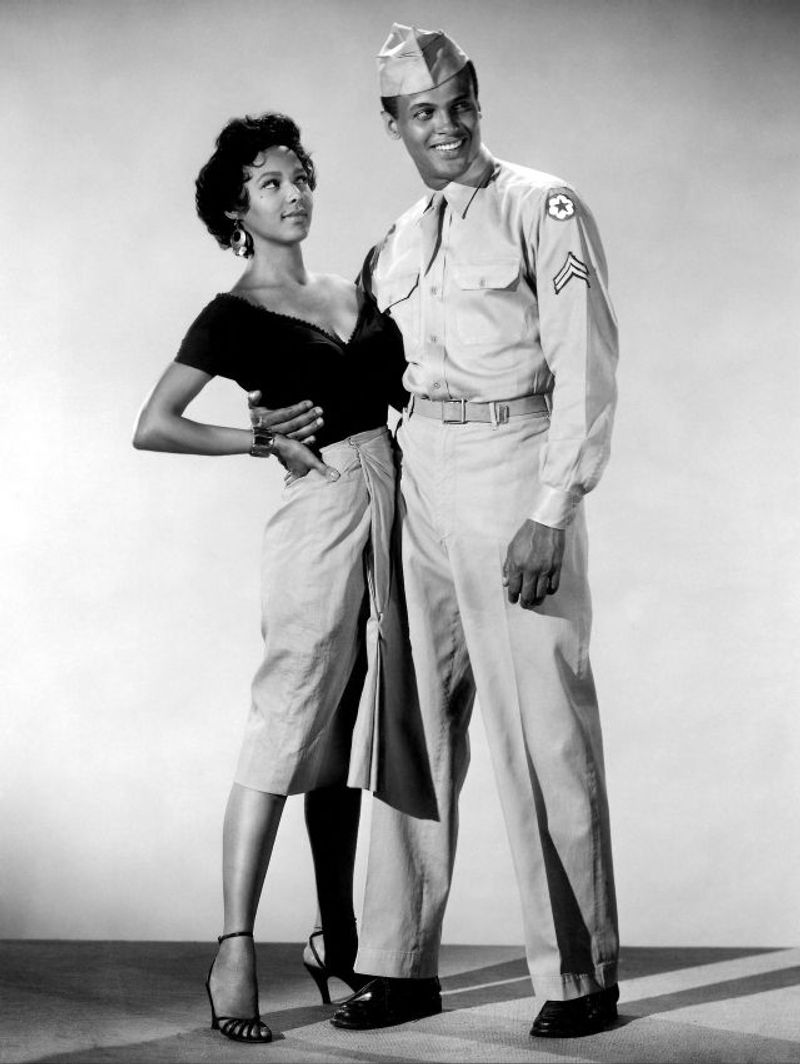
Movie fame was only part of Dorothy Dandridge’s story. She had performed as a singer before the 1950s and continued using music in her screen and nightclub work.
Her starring role in the 1954 film Carmen Jones drew wide attention and earned her a historic Best Actress Oscar nomination.
Her path was difficult because Hollywood offered Black women too few fair roles. Explore her performances with that barrier in mind.
Her talent shines, and her career reveals how much opportunity matters.
12. Miriam Makeba: A Sound Crossing Borders
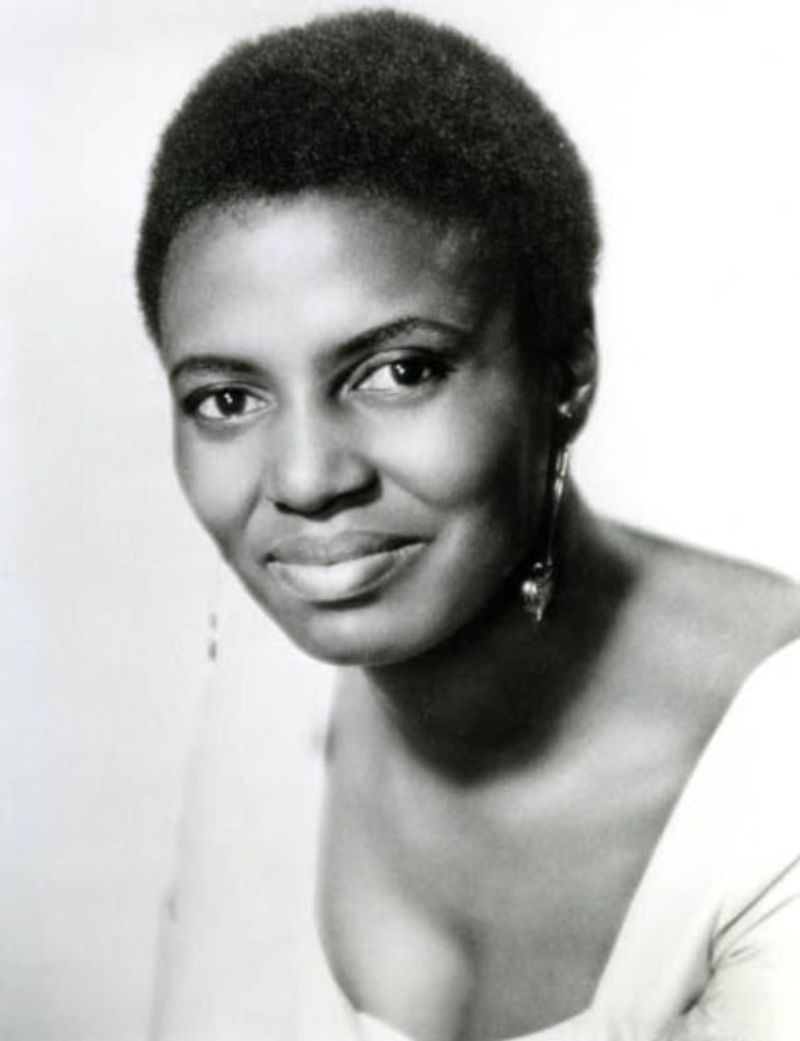
From South Africa, Miriam Makeba brought a fresh mix of vocal styles to new listeners. She sang with groups including the Manhattan Brothers during the 1950s, drawing on local musical traditions as well as jazz.
Her appearance in the 1959 film Come Back, Africa helped introduce her internationally.
Makeba’s story reaches beyond entertainment: her later career became closely tied to speaking against apartheid. Start with her early recordings and notice the group harmonies.
They show a rising star already connected to a rich musical community.
13. Shirley Caesar: Learning in Harmony
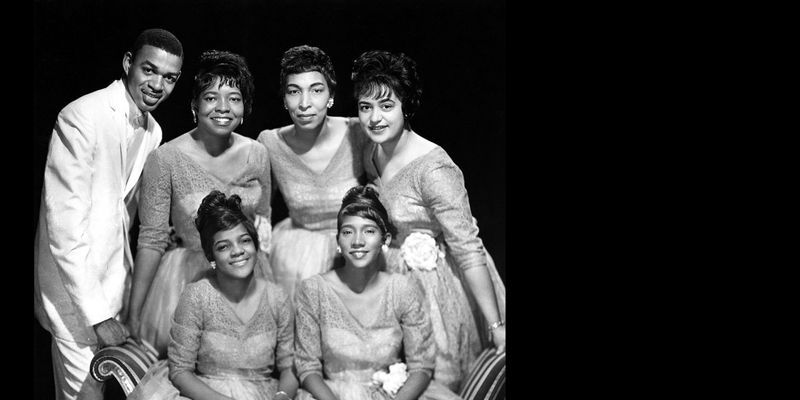
Long before her solo fame, Shirley Caesar was learning the power of singing together. She joined the gospel group the Caravans in the late 1950s, adding her voice to a remarkable team of performers.
Gospel groups depended on close harmony, strong lead singers, and words that could lift a congregation.
Listen for the exchange between a lead voice and the group behind it. That conversation gives the music its drive.
Caesar’s early years show how shared work can help a great singer grow.
14. Annie Laurie: A Voice Worth Rediscovering
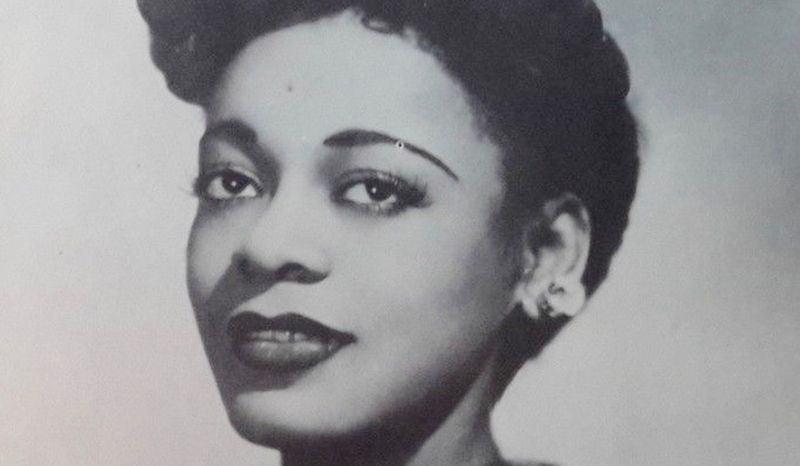
Not every important voice becomes a household name. Annie Laurie recorded blues and R&B across the 1940s and 1950s, bringing warmth and bite to songs such as Since I Fell for You.
Her recordings offer a look at the singers who kept popular music moving between major hits.
Try comparing versions of a song she recorded with later versions by other artists. Notice what she does with the words and pacing.
Rediscovering performers like Laurie makes the decade’s musical picture much fuller.
15. Varetta Dillard: Strength Behind the Beat
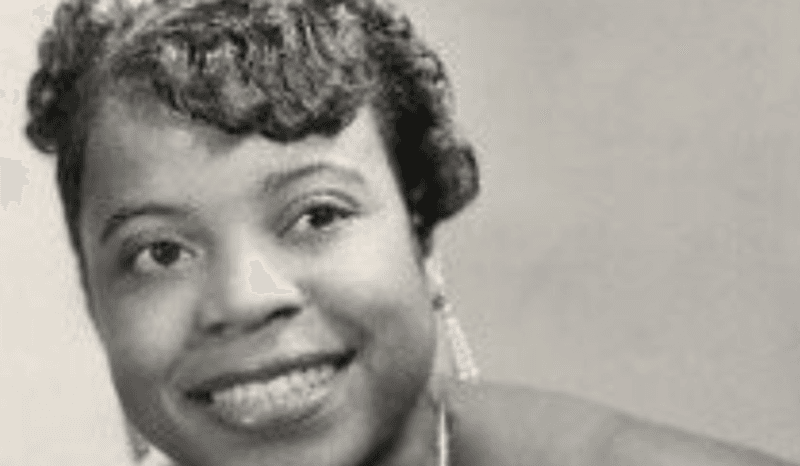
A forceful voice made Varetta Dillard stand out in the busy R&B scene. Her early 1950s recordings included Easy, Easy Baby, and she later recorded Johnny Has Gone, a tribute to singer Johnny Ace.
She brought feeling and drive to songs that deserve more attention today.
Seek out one of her records beside a better-known hit from the same years. You can hear how many talented artists shaped R&B, even when music history remembers only a few names.
Dillard belongs in that wider story.