
A movie can hide a clue in a purse, a piece of fruit, or a sound you barely notice. Behind the camera, quick fixes and unexpected problems can shape scenes that people remember for years.
Knowing these stories makes familiar films even more fun to watch. See which details you can spot the next time a favorite movie is on.
1. Marion Crane’s Changing Colors in Psycho
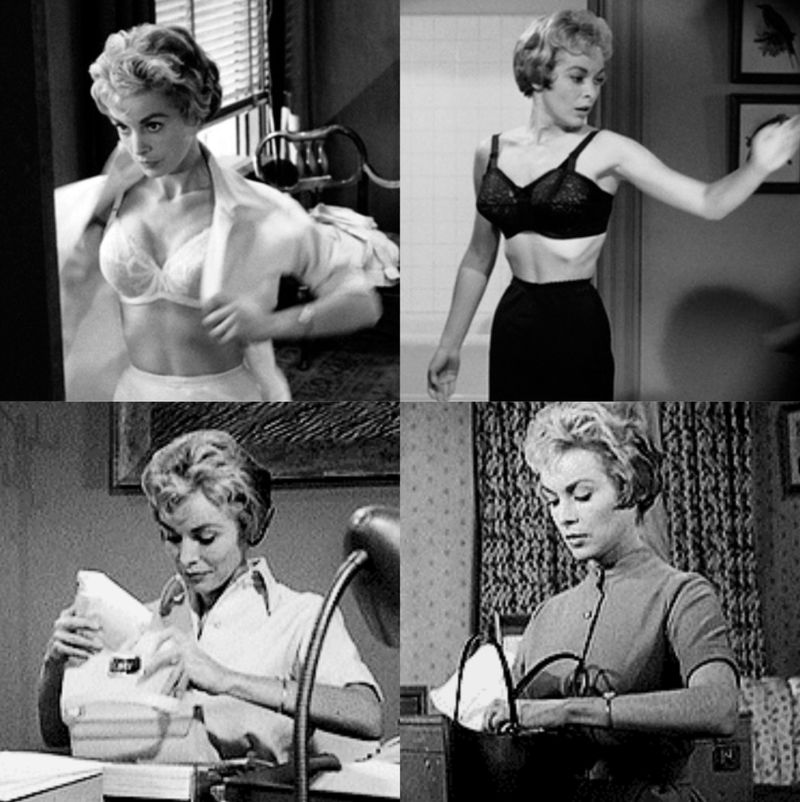
Marion Crane’s purse tells a quiet story before she says a word. Early in Psycho, she wears a white bra and carries a light purse.
After she steals money, both items appear in black.
The color shift hints at her guilty feelings, even though the movie itself is in black and white. Watch the opening scenes closely, then notice how costume choices can help tell a story without anyone explaining what a character feels.
2. The Godfather’s Ominous Oranges
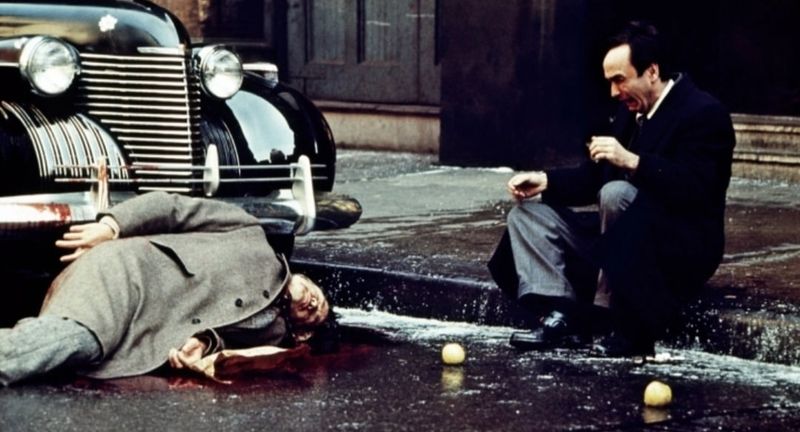
Fruit seems harmless until you spot the oranges in The Godfather. They appear near several moments of danger, including scenes involving attacks or death.
Their bright color stands out against the film’s darker rooms and clothing.
Fans often treat the oranges as a warning sign. The filmmakers may not have planned every appearance as a secret code, so keep an eye on them without expecting a perfect rule.
Small details can make a second viewing feel new.
3. A Line Bogart Made His Own in Casablanca
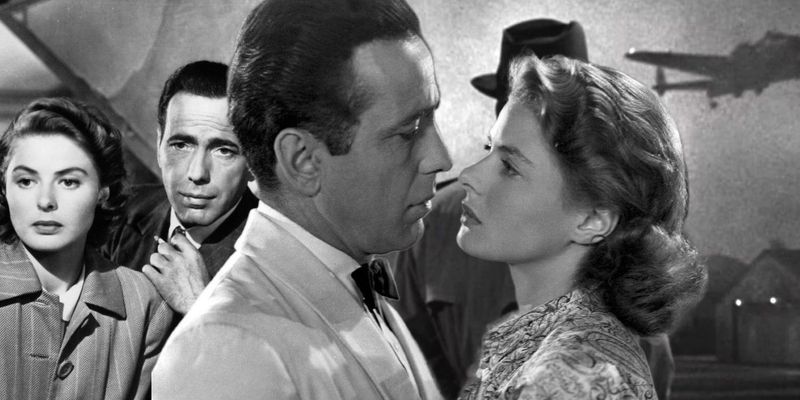
Some famous movie lines sound as if they were written in stone. Humphrey Bogart’s tender saying, Here’s looking at you, kid, has often been linked to his own way of speaking on the Casablanca set.
Accounts differ on exactly how the line reached the finished film, so calling it a pure improvisation may go too far. Either way, Bogart’s delivery helped make a simple phrase unforgettable.
Listen for how he changes its feeling each time he says it.
4. The Tin Man’s Dangerous Makeup
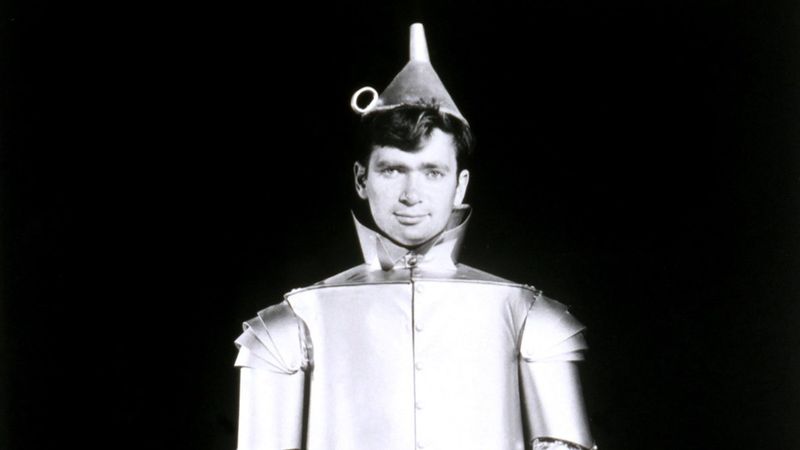
Silver paint nearly turned a cheerful fantasy into a serious medical emergency. Buddy Ebsen was first set to play the Tin Man in The Wizard of Oz, but aluminum dust in his makeup made him very ill.
Jack Haley took over the role, and the makeup was changed to a safer paste. The story shows how risky early movie effects could be.
When you watch an old film, remember that even a costume may have required difficult work behind the scenes.
5. The Word That Nearly Vanished from Gone with the Wind
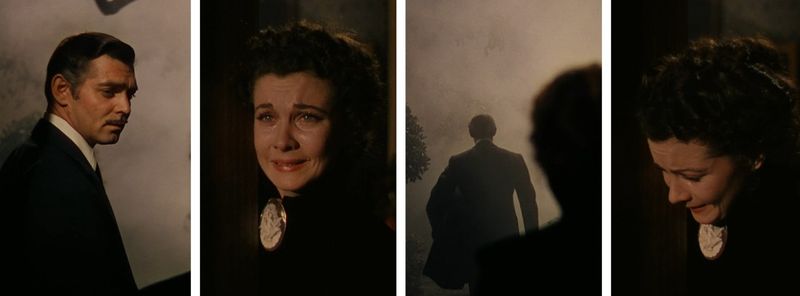
One small word caused a big worry for Gone with the Wind. Film rules of the time limited language, and Rhett Butler’s final line included a word that censors might reject: damn.
The filmmakers fought to keep the line, and it stayed in the 1939 release. Its blunt sound helps show how completely Rhett has given up on the relationship.
Movie rules change over time, but even one word can shape a scene’s power.
6. Psycho’s Unexpected Bathroom Sound
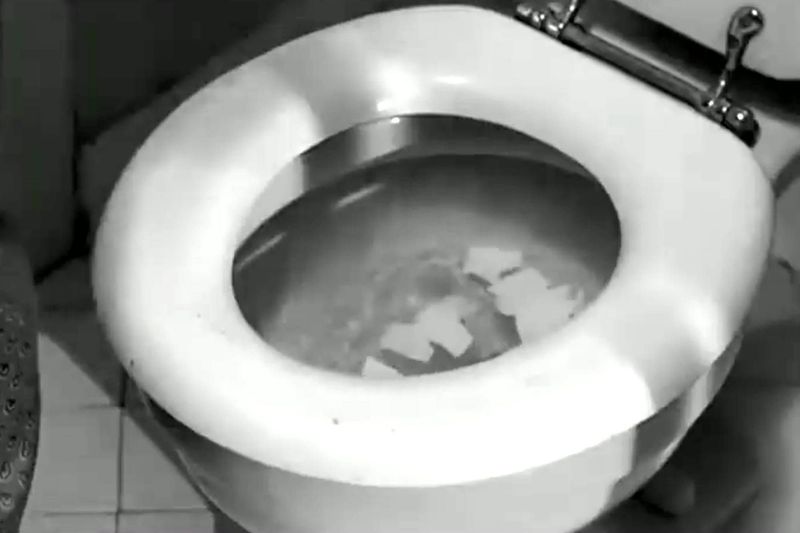
A flushing toilet sounds ordinary today, but it was startling in a major American film in 1960. Psycho included the sound and sight of one flushing when Marion Crane destroys a piece of paper.
That everyday action helped make the movie feel less polished and more real than many earlier films. It also kept attention on a clue she wanted to hide.
Notice how an ordinary noise can build tension when a story gives it a purpose.
7. The Terminator’s One-Dollar Deal
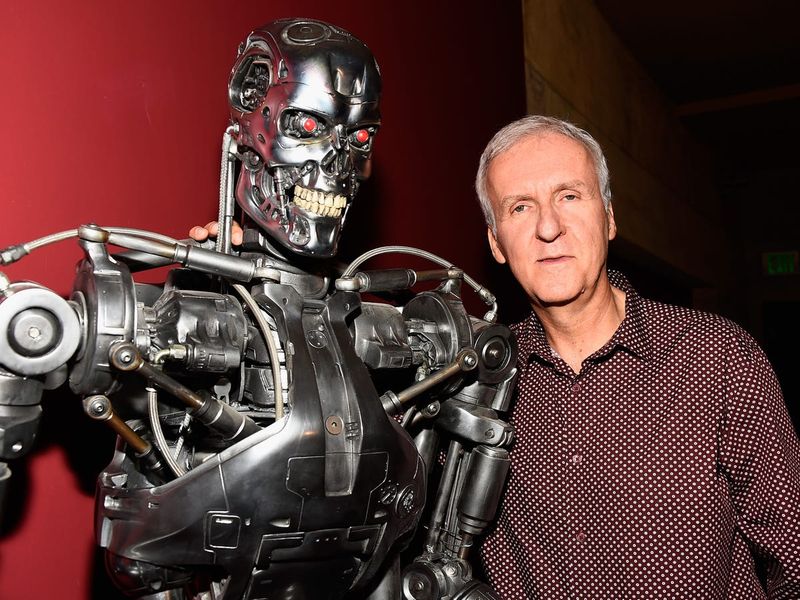
James Cameron believed in The Terminator before he had much money or power in Hollywood. Stories about the film say he sold rights to the script for one dollar so he could direct it himself.
The deal is a reminder that creative control sometimes matters more to an artist than a quick payment. Tales of Cameron living in his car are also widely repeated, though details vary.
What is clear is that his gamble helped launch a major directing career.
8. The Terminator Who Never Was
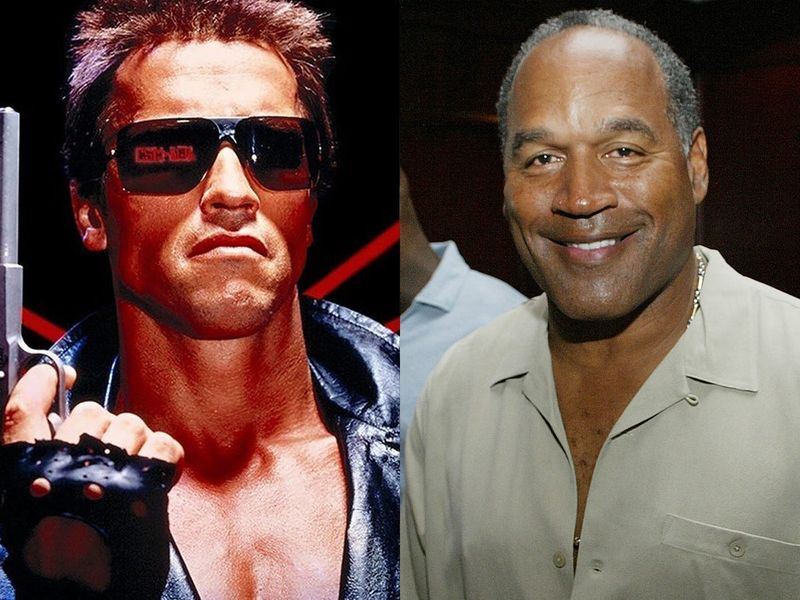
Imagine The Terminator with a very different face. O.J.
Simpson was reportedly discussed for the killer robot role before Arnold Schwarzenegger became the film’s star. One often repeated explanation says Simpson seemed too likable to frighten audiences.
Casting stories can grow simpler each time they are told, but this one shows how much an actor’s public image matters. Try picturing another performer in a familiar role.
The entire mood of the movie can change in your mind.
9. Arnold’s Price Per Word in Terminator 2
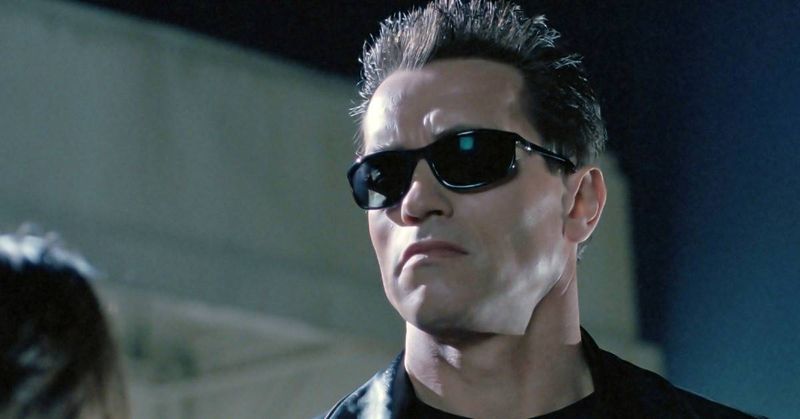
Arnold Schwarzenegger did not need long speeches to command the screen in Terminator 2. Reports about his pay and limited dialogue have produced a striking estimate: roughly $21,429 for each word he spoke.
That figure is a fun calculation, not how actors are actually paid by the word. His performance also depended on movement, timing, and expression.
Next time you watch, notice how much the character communicates by standing still or turning his head.
10. DiCaprio’s Real Injury in Django Unchained
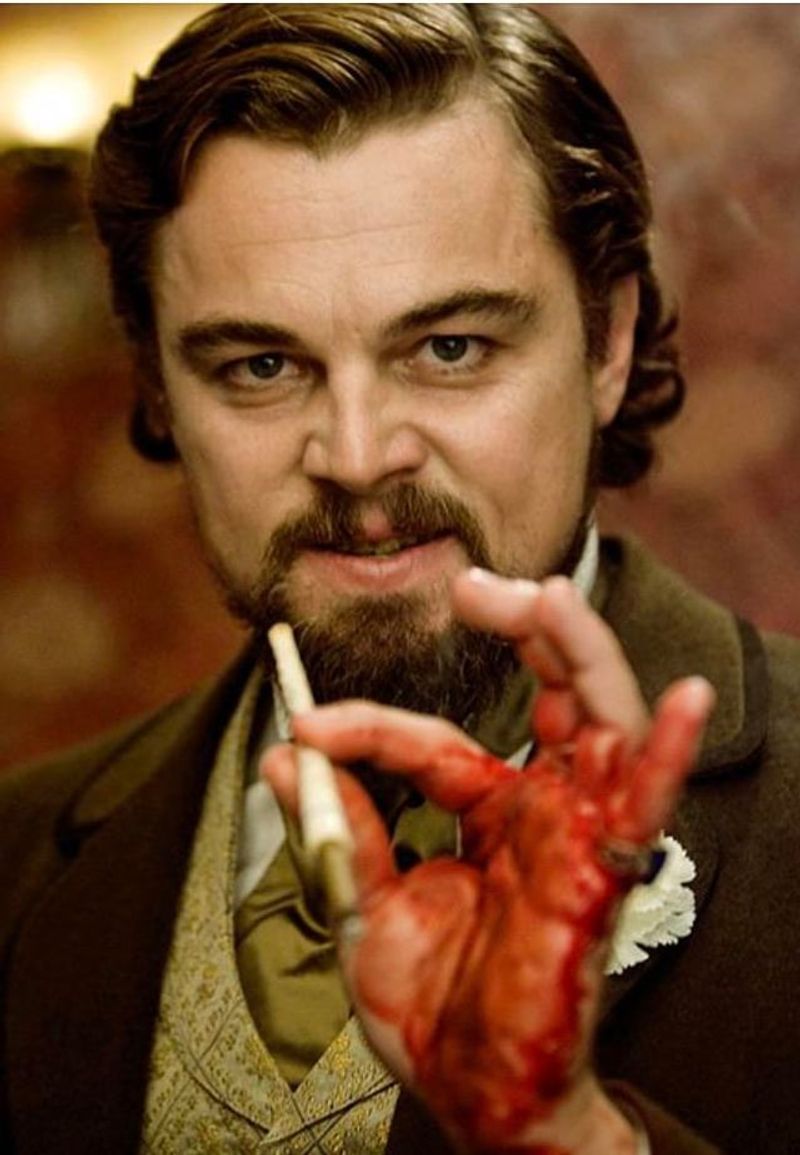
A sharp crash in Django Unchained led to a real injury. While playing Calvin Candie, Leonardo DiCaprio struck a glass during a heated scene and cut his hand.
He kept performing, and some of the blood visible afterward was real.
The moment is impressive, but it is not a reason for performers to ignore injuries. Film sets need safety checks, even when accidents make a scene memorable.
Watch how the other actors hold their focus through the sudden surprise.
11. Ed Helms’ Real Missing Tooth
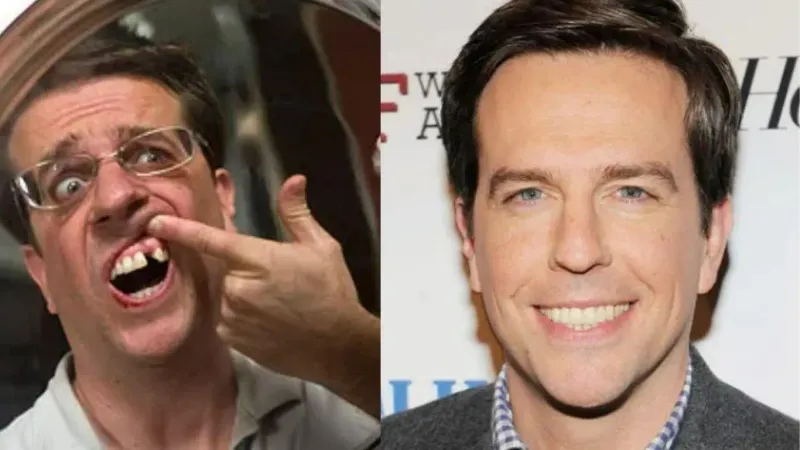
Stu’s missing tooth in The Hangover looks like a clever screen effect. The trick was simpler: actor Ed Helms already had a dental implant replacing a front tooth, and he had it removed for filming.
That real gap saved the crew from making a fake one for his close-ups. It also made the wild night feel a little more believable.
Film magic is not always digital. Sometimes the best solution is something an actor can do in real life.
12. The Happier Ending Cut from Terminator 2
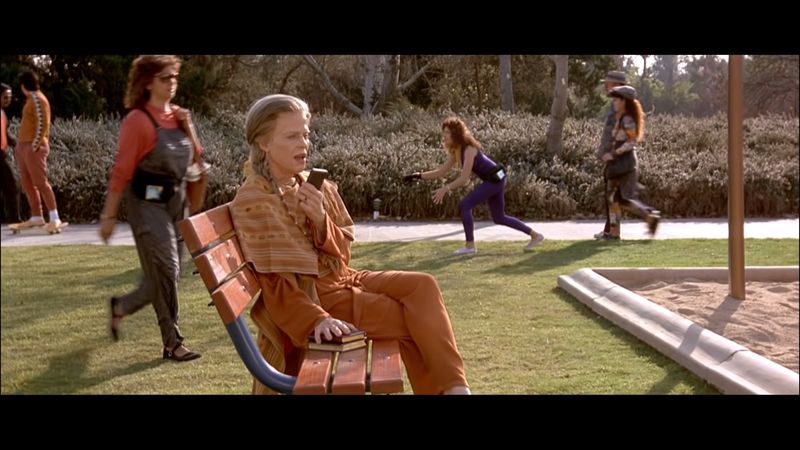
Terminator 2 almost ended with a peaceful look at the future. An alternate scene shows an older Sarah Connor watching her family in a sunny park, with John grown up and working as a senator.
The released film instead ends on a dark road, leaving tomorrow uncertain. That choice fits Sarah’s hard-won hope while keeping the future open for later stories.
Compare the two endings if you can; each leaves a very different feeling behind.
13. George Lucas’ Dog and Two Famous Characters
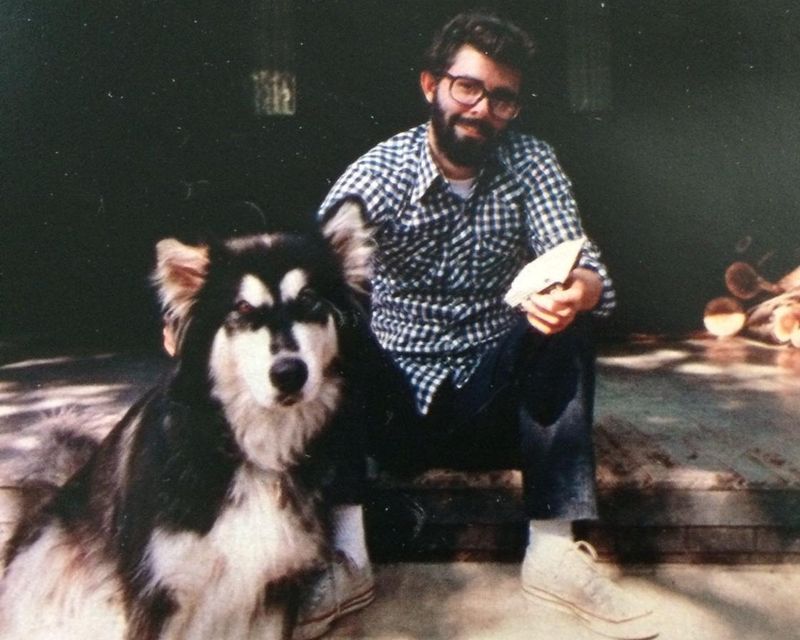
A furry passenger helped spark two lasting pieces of movie history. George Lucas had an Alaskan Malamute named Indiana, whose habit of riding in the car helped inspire Chewbacca as Han Solo’s companion.
The dog’s name also became the name of Indiana Jones. Neither character is simply a copy of a pet, but the connection shows where ideas can begin.
Keep an eye on everyday companions; a familiar habit might lead to a surprisingly big story.
14. Gene Kelly’s Feverish Rain Dance
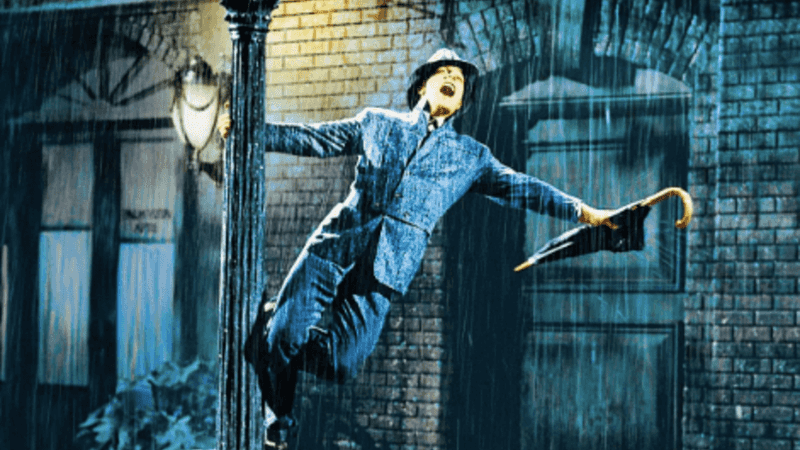
Gene Kelly makes his rainy dance look effortless in Singin’ in the Rain. Behind that bright smile, he was reportedly ill with a high fever while filming the number.
The crew also had to manage water, lighting, and camera movement.
His performance shows how much practice can hide inside a joyful scene. Still, working through a serious fever is risky, not a standard anyone should copy.
Enjoy the dance, and remember the teamwork that helped bring it to the screen.
15. Michael Myers’ Bargain-Bin Face
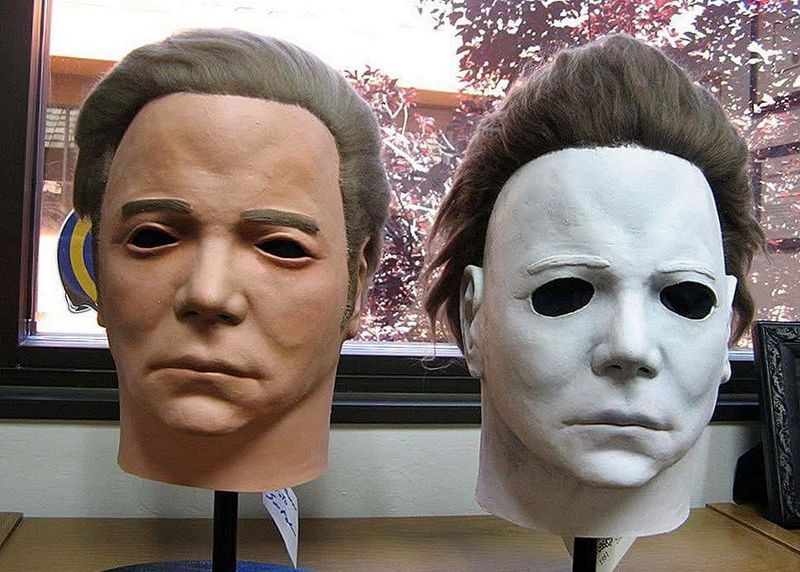
Michael Myers’ blank stare began with an ordinary store purchase. For Halloween, the crew altered a William Shatner mask, changing its hair and painting its face white.
A cheap costume item became one of horror’s best-known images.
Its lack of expression leaves viewers guessing what the character might do next. That can be scarier than an elaborate monster design.
Notice how lighting changes the mask from scene to scene, even though its face never moves.
16. The Hidden Hands Behind Labyrinth’s Crystal Ball
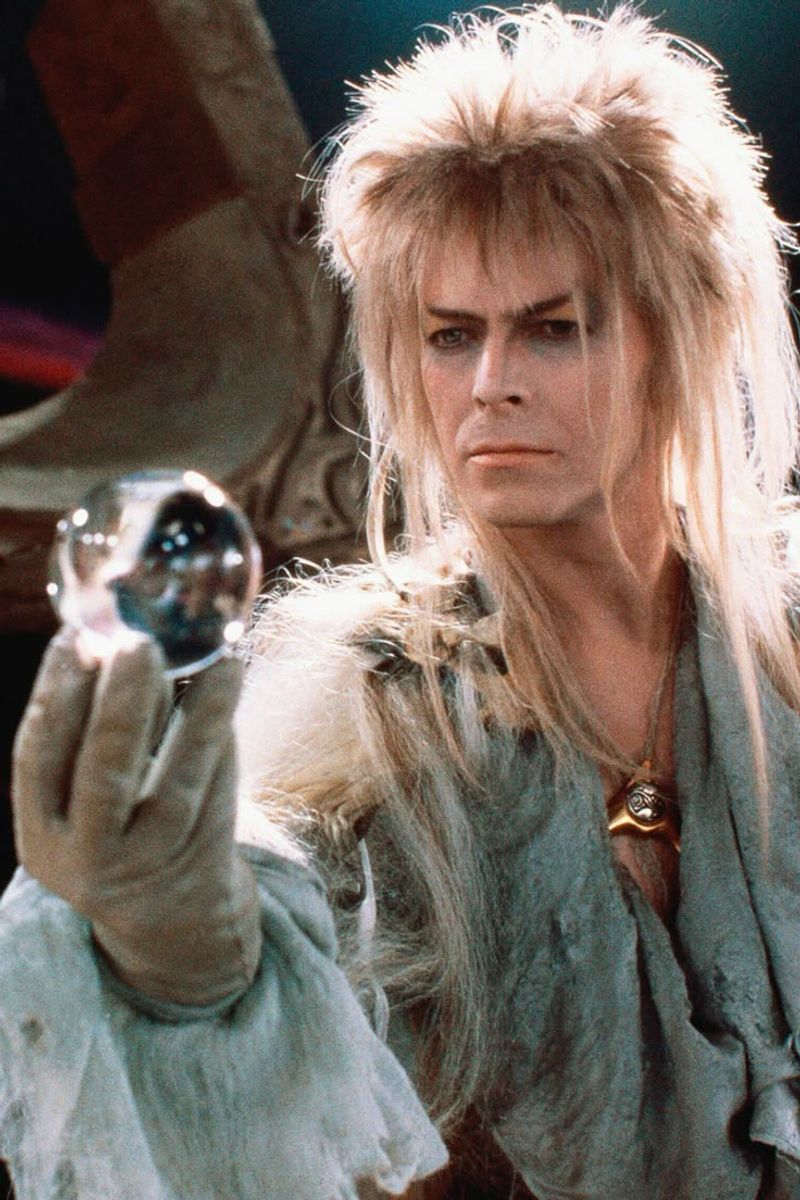
Jareth’s crystal ball seems to float across his fingers in Labyrinth. The hands doing that delicate work belonged to juggler Michael Moschen, who stayed hidden behind David Bowie and reached through the costume.
The trick is called contact juggling: the ball rolls smoothly over the hand instead of flying through the air. Knowing the secret makes the scene no less charming.
Watch the steady movement closely and think about how much patience a short illusion requires.
17. The Footsteps Added After Filming
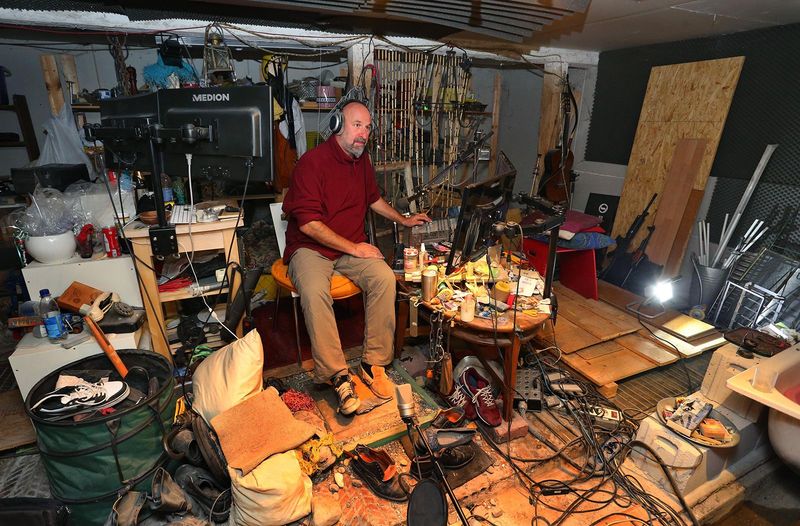
That crisp footstep on a movie staircase might have been recorded months after filming. Foley artists create everyday sounds in a studio while watching the picture, matching actions such as walking, opening doors, or setting down cups.
They might use real shoes, gravel, or surprising objects to get the right noise. Try closing your eyes during a quiet scene and listening for each sound.
You may discover that movie worlds are built as carefully for your ears as for your eyes.
18. The Small Platforms That Change Screen Height
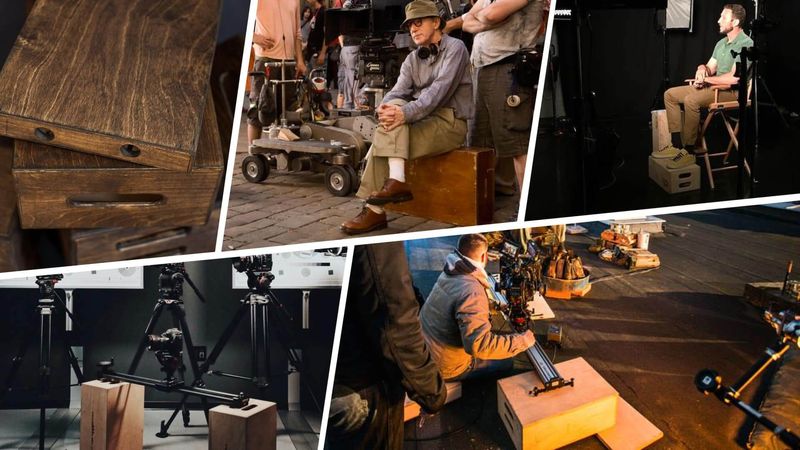
Two actors can appear the same height on screen without standing on the same floor. Crews sometimes place sturdy boxes beneath a performer or use lower ground for another.
Camera angle then helps sell the illusion.
These simple tools can improve a shot or support a story’s sense of scale. They are not always used to hide anyone’s real height; often the goal is better framing.
Look at eye lines in a scene and imagine what lies beyond the camera’s edge.