
Some old sayings still make people smile. Others can make a simple chat feel like a lecture.
The words we choose matter because they show whether we are listening to people whose lives differ from ours. Here are familiar lines that may be worth swapping for something clearer and kinder.
1. Back in my day…

Old stories can be wonderful, especially when they make everyone laugh. But opening with this line often sounds like a warning that a lecture is coming.
Younger listeners may expect to hear that their problems are not real.
Try telling one short story, then ask how things work for them now. You might learn something surprising.
Sharing a memory works best when it starts a conversation instead of ending one or turning it into a contest.
2. Why don’t you just call them?

A ringing phone can feel like an alarm when the matter is not urgent. Many people prefer a text because they can answer between work, classes, and other tasks.
Calling without warning may interrupt more than it helps.
Ask which way the other person likes to communicate. A quick message saying you would like to talk gives them room to pick a time.
Save surprise calls for emergencies, and you may get a warmer answer later.
3. Put that phone down and live a little!

That phone might be showing a family photo, a bus route, or a message from a friend. Screen time is not always time wasted.
Assuming otherwise can make a cheerful moment turn sour.
If you want someone to join you, invite them to do something specific, like taking a walk or playing a game. You can also ask what caught their attention.
Interest opens more doors than a scolding ever will, especially during shared time together.
4. Money doesn’t grow on trees!

Everyone knows cash has limits, but that reminder may sting when someone is already counting every dollar. Rent, food, and debt can leave little room for even careful savers.
A slogan will not explain where the money should come from.
Before offering advice, ask which cost is causing trouble. Share a budgeting idea only if it fits their situation.
Listening first shows that you understand the problem is bigger than one cup of coffee or takeout meal.
5. Nobody wants to work anymore!

The person serving your coffee may be working a second job. Saying nobody wants to work ignores people putting in long hours while trying to cover basic bills.
It also skips questions about pay, schedules, and benefits.
If a shop is short staffed, talk about what you actually see without blaming an entire age group. Ask workers about their experiences when they want to share.
Curiosity gives you a fuller picture than a tired complaint ever could.
6. You’re too sensitive.

Few people open up hoping to be told their feelings are wrong. Even when you disagree, calling someone too sensitive can shut down an honest talk.
The same goes for telling them to toughen up.
Try asking what bothered them and why. You do not have to agree with every reaction to take it seriously.
A simple reply like I did not realize that hurt you leaves room for both people to speak and learn from the moment.
7. When I was your age…

A story about your first apartment can be fun. A comparison meant to prove someone else has it easy is much less fun.
Jobs, housing costs, and daily life have changed, so age alone does not make two experiences alike.
Offer your memory as a story, not a scoreboard. Then ask what feels hard or exciting about their life today.
You can still share advice, but it will land better when the other person feels heard first.
8. That’s not a real job.

A laptop on the dining table may look nothing like the office you remember. Still, remote work, online design, and other newer jobs can require skill, long hours, and steady effort.
Calling them fake dismisses work you may not understand yet.
Ask what the person makes, who they help, or what a normal day looks like. Those questions show respect without pretending you know the field.
You might discover a career path you had never heard of before.
9. Respect your elders.

Age can bring wisdom, but it does not make every opinion correct. Demanding respect before hearing someone else often sounds like asking them to stay quiet.
That can turn a small disagreement into a bigger one.
Lead with the behavior you hope to receive: listen, speak calmly, and admit when you miss something. Younger people may disagree with you and still care about you.
Mutual respect leaves space for both experience and fresh ideas at the table.
10. Get your ducks in a row.
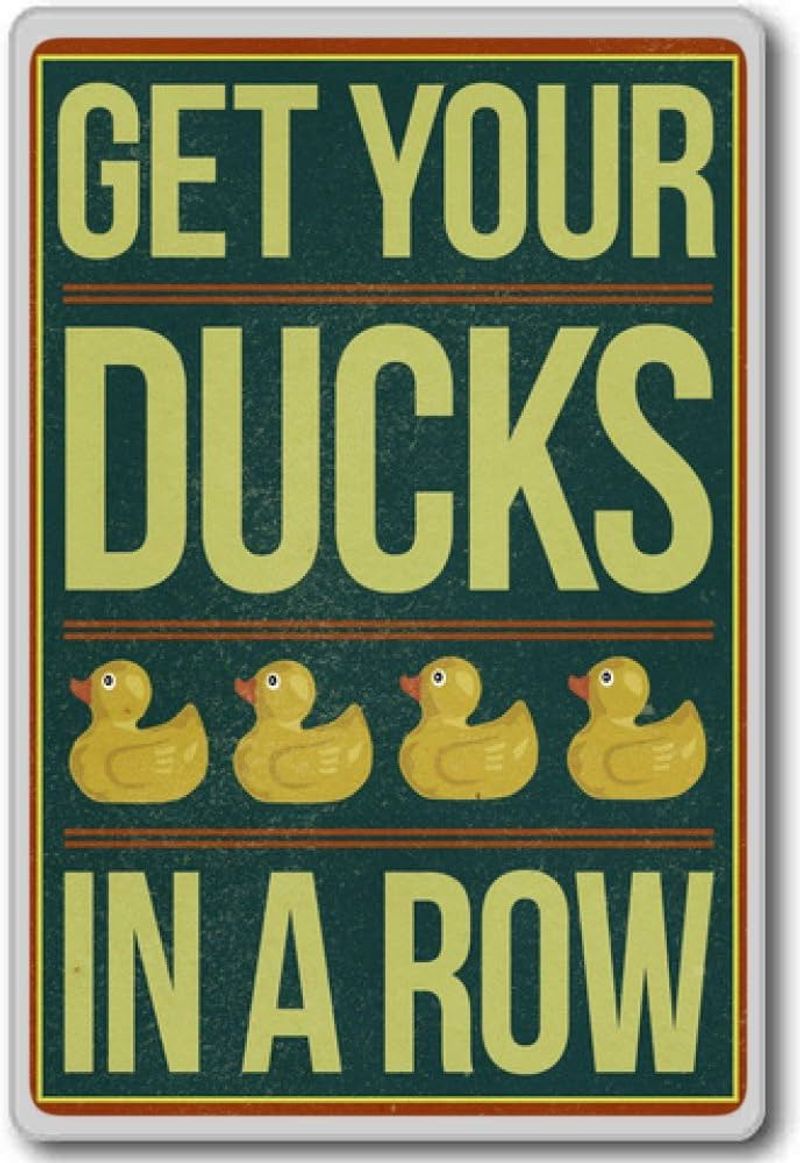
Picture a row of ducks marching neatly across the floor. It is a funny image, but someone hearing this old saying for the first time may miss your point.
Clear advice works better when a decision matters.
Say what you mean: gather the paperwork, check the dates, or make a plan. If you love the phrase, you can still use it with people who enjoy it.
Just add the useful details so nobody has to guess what comes next.
11. Just make some little sacrifices.

Skipping a treat can help a budget, but it cannot always fix a huge rent bill. When someone has already cut back, telling them to sacrifice more may sound like you are not listening.
The word little can sting.
Ask what they have tried before offering a tip. If you have a helpful idea, be specific and keep their numbers in mind.
Sometimes the kindest answer is simply to admit that the choice in front of them is hard.
12. Are we having fun yet?

Halfway through a tough chore, this old joke can get a laugh from the right crowd. In another moment, it may sound as if you are annoyed or making fun of someone who is struggling.
Tone does a lot of work here.
If you mean to help, try saying the job is harder than it looks and offering a hand. If you are joking, make sure everyone is in on it.
Shared humor beats a line that leaves people guessing.
13. I paid my dues.

You may have worked hard for years to reach your goal. That story matters.
Trouble starts when paying dues becomes a reason to expect someone else to accept low pay, poor treatment, or no path forward.
Share what helped you grow, including mistakes you wish you had avoided. Then ask what support would help them now.
Careers do not all follow one ladder anymore. Good advice helps people find a route, not copy every step of yours.
14. My dogs are barking.

After a long walk, you might drop into a chair and announce that your dogs are barking. Some listeners will laugh.
Others may look around for a pet because they have never heard feet called dogs.
There is no harm in keeping a playful saying you enjoy. If you want quick understanding, though, say your feet hurt.
You can even explain the joke and share a smile. Clear words make it easier for everyone to join in.
15. Don’t touch that dial.

Once upon a time, changing channels meant turning a knob on the television. Now a person can switch shows with a remote, a phone, or a voice command.
That makes this line sound like a tiny trip through time.
Use it if you are telling a story about old TV and want a laugh. Otherwise, say what you mean, such as stay tuned or keep watching.
An old phrase can be charming when everyone understands the joke.
16. Put a sock in it.
Imagine being excited about a story and hearing someone tell you to put a sock in it. Even if the speaker means it as a joke, the words can sound sharp.
They offer no clear reason to stop talking.
If you need quiet, ask for it kindly and explain why. You could say you need a minute to think or that someone else deserves a turn.
A direct request protects the conversation without making anyone feel small.
17. We never needed therapy.

People have faced worry and grief in every generation, even when they rarely spoke about it. Saying therapy was never needed can make someone feel ashamed for asking for help.
Keeping problems hidden does not mean they were easy to carry.
You do not need to understand every kind of treatment to support someone. Thank them for trusting you, and ask what would help.
A caring response can make a difficult conversation feel much safer for everyone involved.
18. You can’t say anything anymore.

A joke that once got laughs may land badly today. It can feel awkward to learn why, but saying nobody can speak anymore makes the conversation about your frustration instead of the person who was hurt.
Try asking what part of your words caused concern. Listen without rushing to defend yourself, then choose a clearer way to say what you meant.
People still disagree and joke every day. Paying attention to your audience helps those moments go better.