
Gunsmoke ruled the TV West for 20 seasons and 635 episodes. No other Western series beat either record, so the title needs a closer look.
Some shows did get to television first, while others tried a longer episode format. The numbers reveal different ways these Westerns stood out without taking away Gunsmoke’s crown.
1. Death Valley Days: Three Years Earlier
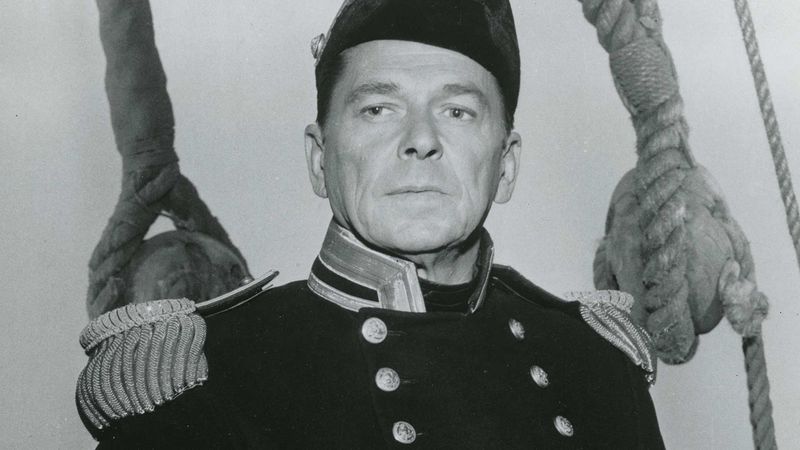
Gold mines, desert roads, and strange true stories gave Death Valley Days plenty of ground to cover. It began in 1952, three years before Gunsmoke reached television.
Its stories changed characters and places, so viewers could meet a new corner of the West each time.
That earlier start is its win here. It ran for 18 seasons, fewer than Gunsmoke’s 20, and its episode total also fell short.
If you enjoy history mixed with adventure, its changing stories offer a place to start.
2. Bonanza: A Family-Sized Rival
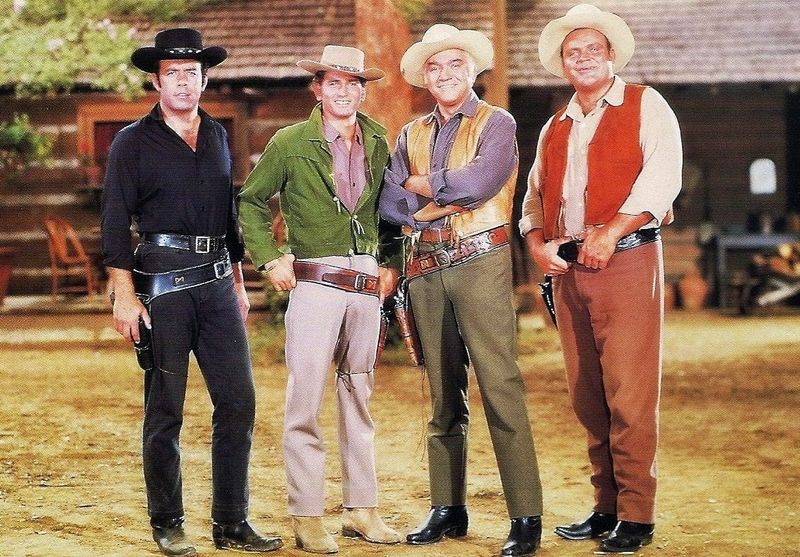
At the Ponderosa, family trouble could matter as much as a gunfight. Bonanza arrived in 1959, after Gunsmoke, and followed the Cartwright father and sons through 14 seasons.
Its wide family focus gave viewers several heroes to root for instead of just one marshal.
Bonanza did not beat Gunsmoke in seasons or episodes. Its different number was the four Cartwright men at the heart of the early cast.
Try an episode about a family disagreement to see why that setup worked.
3. Wagon Train: A New Stop Every Week
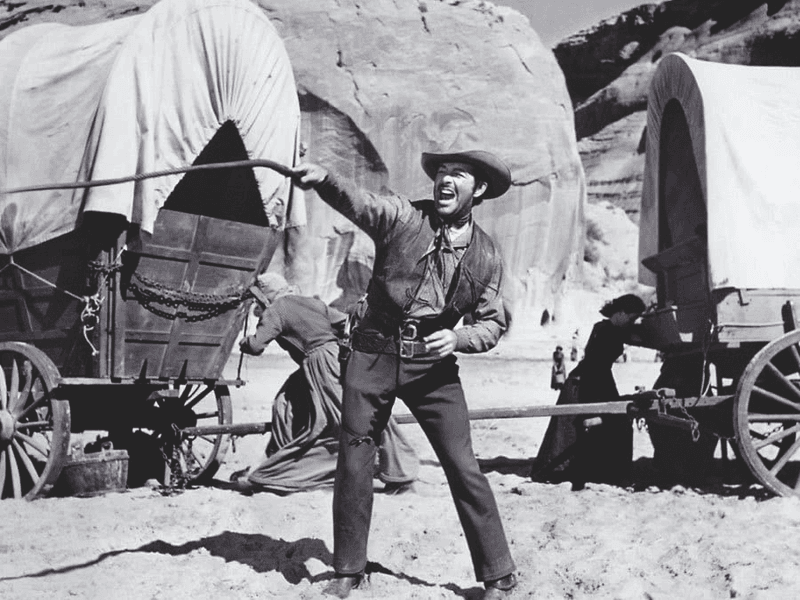
A wagon train cannot stay in one town for long. That simple idea made Wagon Train feel different from Gunsmoke’s Dodge City setting.
The series began in 1957 and lasted eight seasons, using the journey west to bring new travelers and problems into the story.
Its 284 episodes do not top Gunsmoke’s 635. What it offers is a moving viewpoint: every stop might introduce another person with a hard choice to make.
Watch for how the trail changes each week’s stakes.
4. The Virginian: Longer Nights on the Ranch
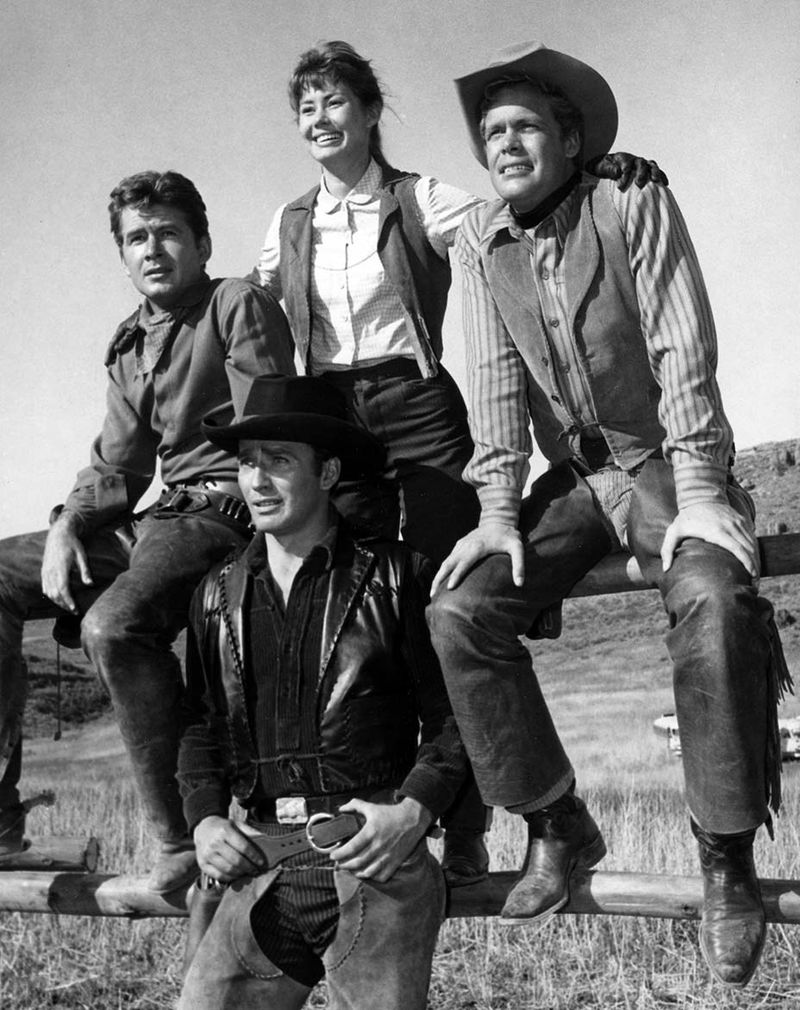
Settle in before starting an episode of The Virginian. Unlike the usual hour-long Western, this ranch drama was built for a 90-minute television slot.
That longer format gave stories more room for guests, arguments, and life at the Shiloh Ranch.
From 1962 to 1971, the show ran for nine seasons, well short of Gunsmoke’s 20. Its time slot, not its total run, is the number that stands out.
If fast endings bother you, this slower pace may appeal to you.
5. The Life and Legend of Wyatt Earp: Another 1955 Lawman
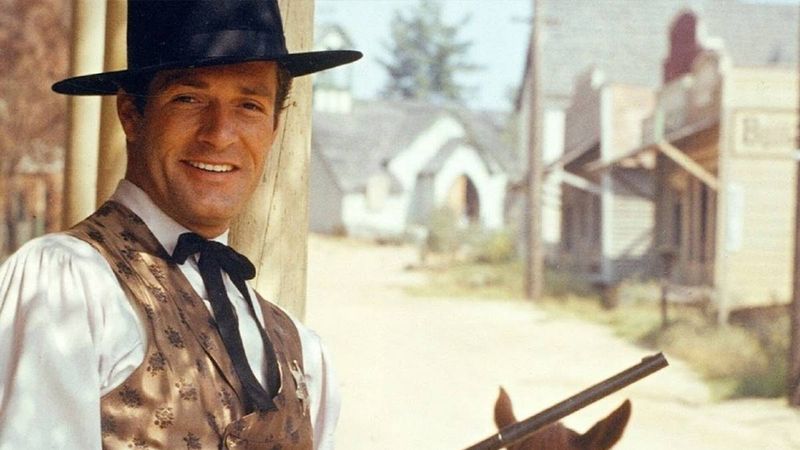
Two TV lawmen rode into living rooms in 1955. The Life and Legend of Wyatt Earp began before Gunsmoke that year, giving its famous marshal a small head start.
The stories drew on a real historical name, though viewers should not treat every scene as a history lesson.
The series ran six seasons, not 20. Its early premiere is the fair numerical win.
Compare an episode with Gunsmoke and notice how a legendary lawman changes what viewers expect from a hero.
6. The Lone Ranger: Television’s Earlier Masked Hero
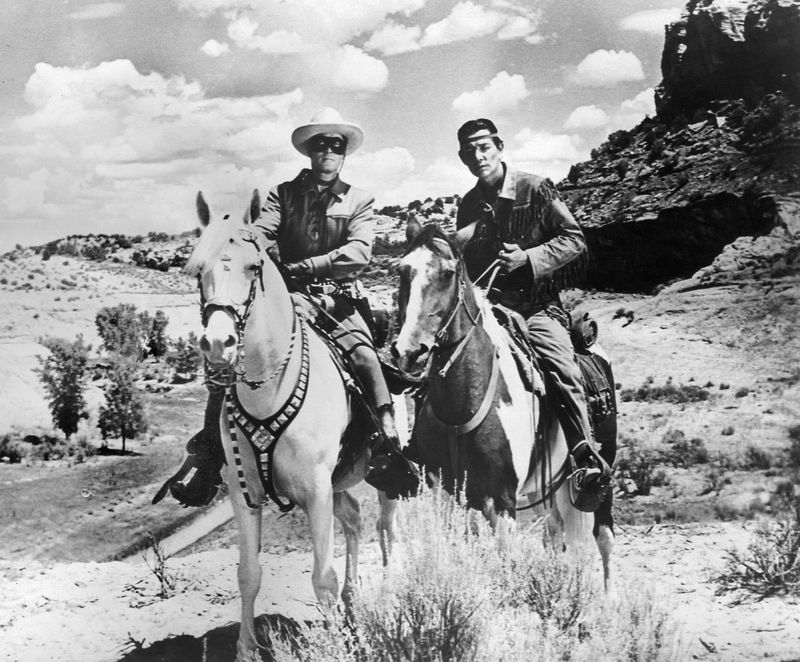
A black mask and a white horse made The Lone Ranger easy to spot. Its television run began in 1949, six years before Gunsmoke.
The hero and his companion Tonto offered a clear good-versus-evil adventure that many families could follow together.
Starting first did not mean finishing with more: The Lone Ranger had a shorter television run than Gunsmoke. Its early debut is the number to remember.
For a revealing comparison, watch how each show handles justice after the chase ends.
7. Rawhide: Eight Seasons on the Trail
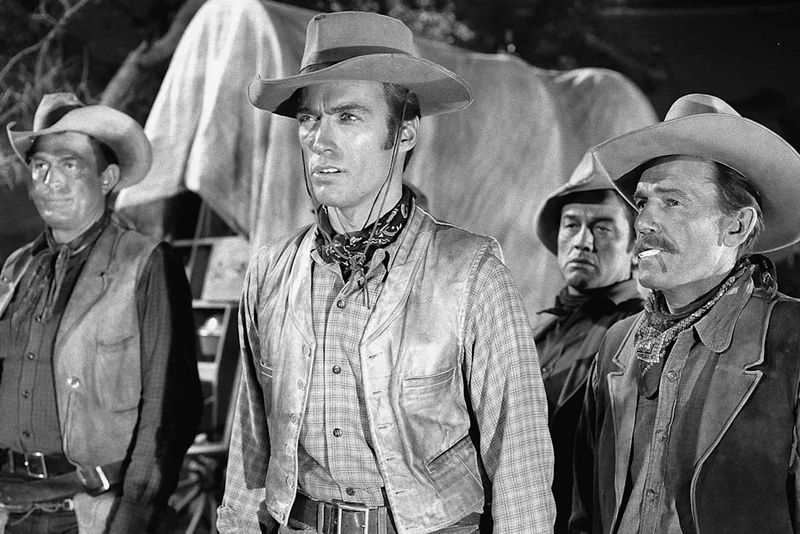
Dust, cattle, and stubborn weather kept Rawhide’s crew moving. The show started in 1959 and followed a cattle drive through eight seasons.
Its young cast included Clint Eastwood before he became a movie star, which makes early episodes especially fun to revisit.
Rawhide never approached Gunsmoke’s 20 seasons or 635 episodes. Its trail setting gives the numbers a different story: a shorter run packed with changing routes and hazards.
Pick an episode featuring a river crossing to see the job’s risks.
8. Tales of Wells Fargo: Trouble Along the Route
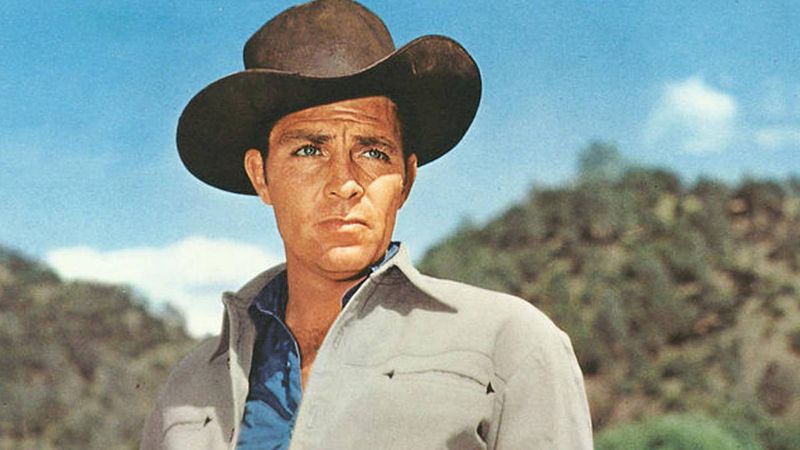
A stagecoach carrying money makes every bend in the road feel risky. Tales of Wells Fargo used that tension in stories about agent Jim Hardie.
Beginning in 1957, the series ran six seasons, while Gunsmoke kept going for 20.
Its episode count also stayed below Gunsmoke’s. The useful comparison is in the jobs: Hardie’s work took him along routes and into investigations, while Matt Dillon usually protected Dodge City.
Watch how a changing location shapes the danger in each show.
9. The Rifleman: A Father and Son at the Center
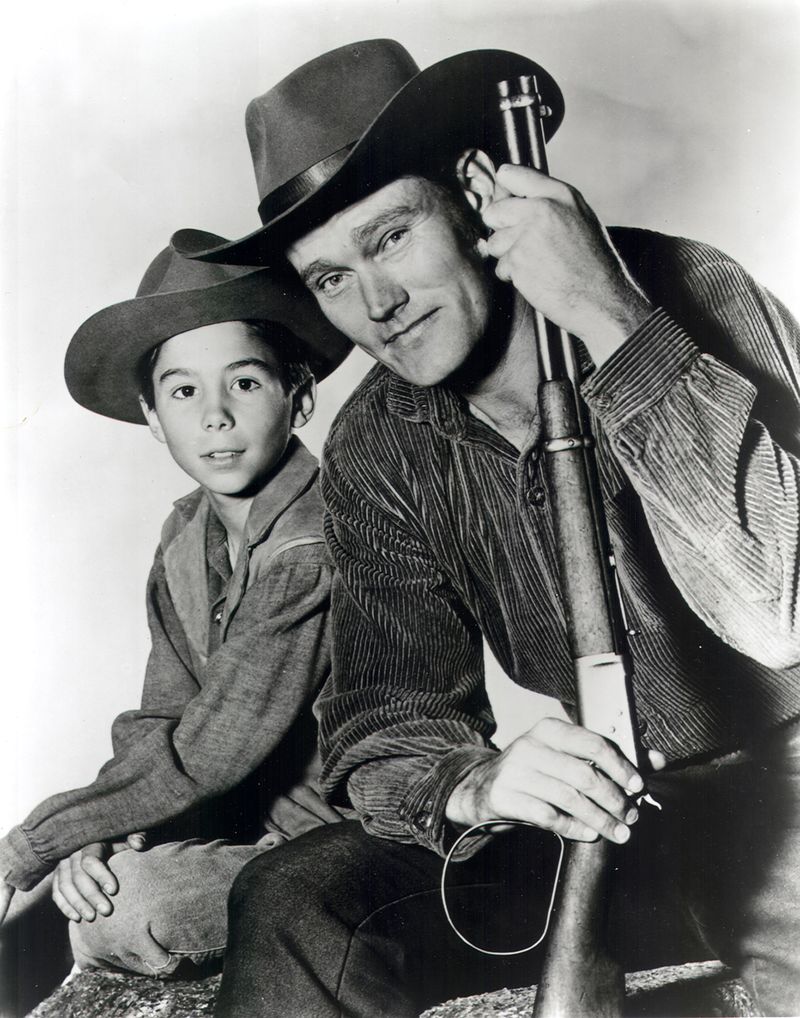
Lucas McCain had more to think about than the next outlaw. In The Rifleman, raising his son Mark was part of nearly every choice.
The series began in 1958 and ran five seasons, far fewer than Gunsmoke.
It also produced fewer episodes, so its numbers do not challenge the record. What stands out is the show’s tight focus on two family members.
Try watching for the lesson Mark takes from an episode, not just how Lucas settles a fight.
10. The Cisco Kid: Color Before Gunsmoke
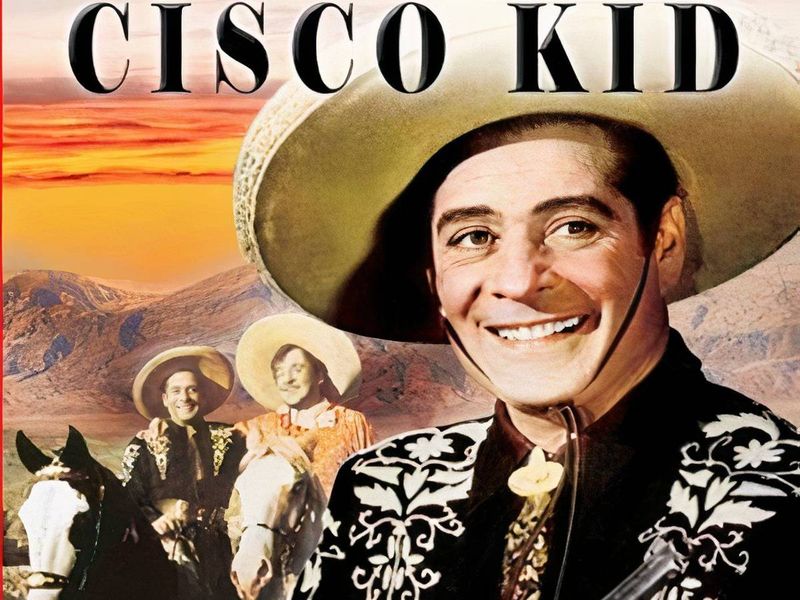
Bright costumes and a cheerful farewell made The Cisco Kid hard to mistake for a darker Western. The show premiered in 1950, five years before Gunsmoke, and was filmed in color when many television programs were still black and white.
Its six seasons and episode total did not beat Gunsmoke’s records. The earlier start and colorful look are the better points of comparison.
Find a surviving color episode and notice how the landscape and clothing shape its playful mood.
11. Hopalong Cassidy: A 1949 TV Pioneer
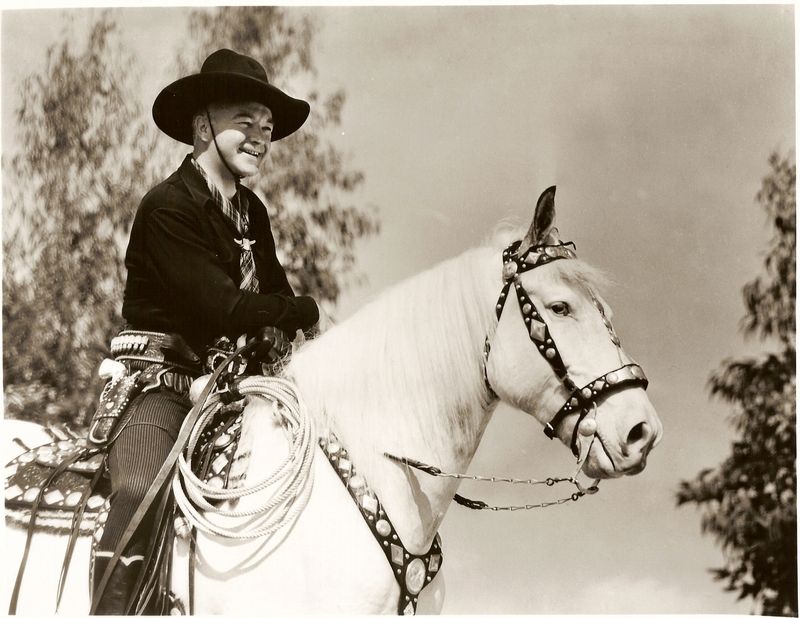
Before Matt Dillon guarded Dodge City, Hopalong Cassidy was already riding across television screens. The character’s TV presence began in 1949, helped by older Western films shown to home audiences.
New television episodes followed, giving families more adventures with a hero they knew.
That 1949 arrival beats Gunsmoke’s 1955 premiere, but not its length. Hopalong’s history is a reminder that a TV Western could grow from movies.
When exploring it, check whether an adventure began as a film or a TV episode.
12. The Gene Autry Show: Songs Before Showdowns
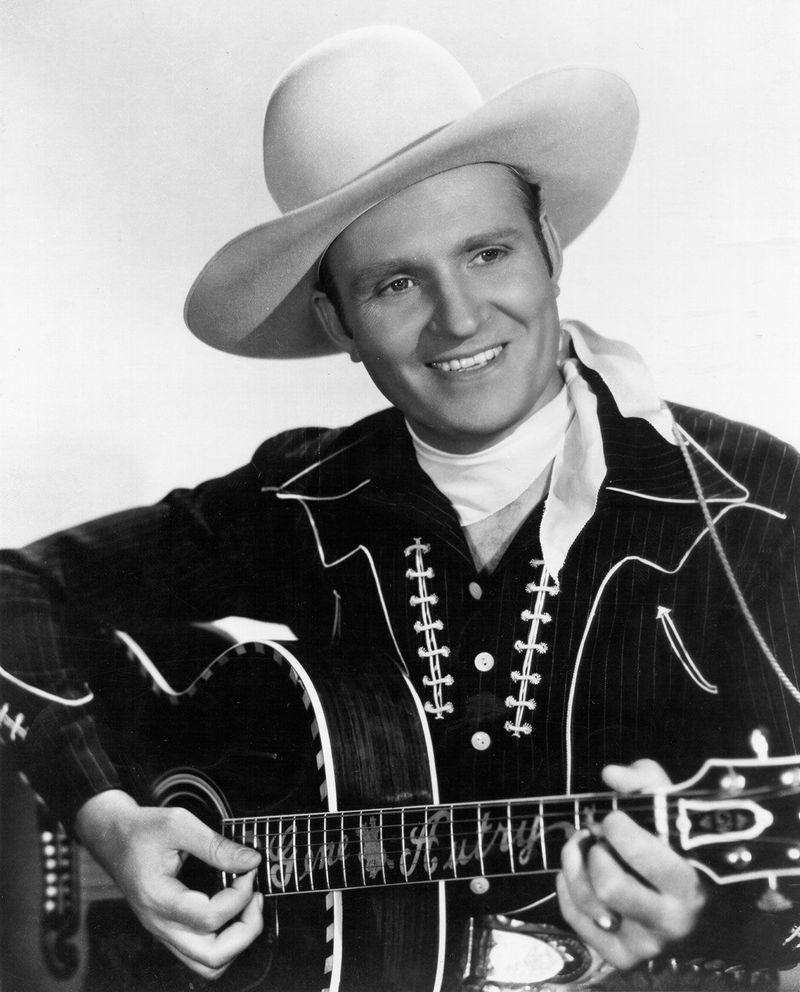
Some cowboys reached for a guitar as quickly as a saddle. The Gene Autry Show brought its singing star to television in 1950, five years before Gunsmoke debuted.
Music helped set a lighter mood, even when the story called for action.
The show ran for five seasons, nowhere near Gunsmoke’s 20. Its earlier start is the numerical edge here, while its songs offer a different reason to watch.
Listen for how a tune changes the feeling of an adventure.
13. The Roy Rogers Show: Ranch Life Arrived First
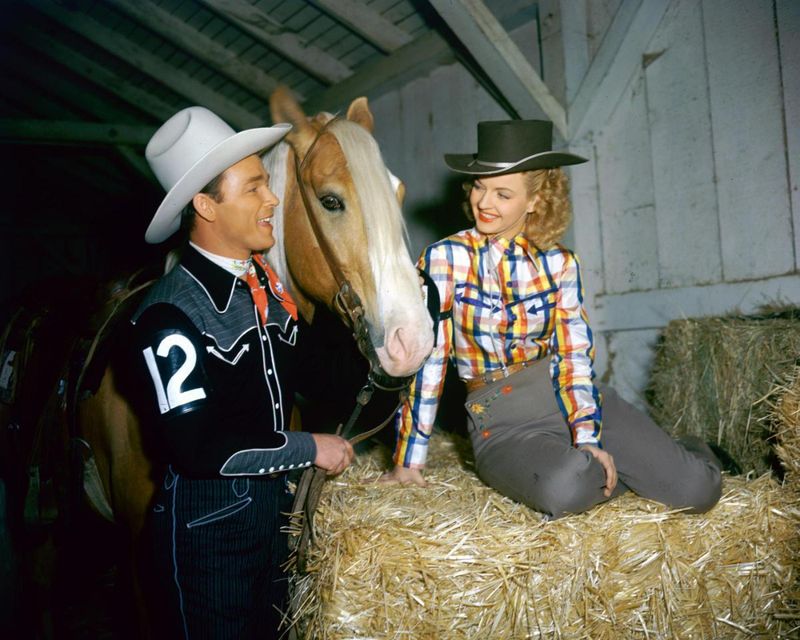
Roy Rogers brought a friendly ranch world to television in 1951. That placed The Roy Rogers Show four years ahead of Gunsmoke’s premiere.
Alongside the horses and action, viewers got a lighter style built around familiar faces and a welcoming setting.
Its six seasons did not threaten Gunsmoke’s record. The earlier date tells you when audiences could first meet Roy on this show, not which series lasted longer.
For a quick comparison, notice how each program treats everyday life between moments of trouble.
14. Annie Oakley: A 1954 Lead
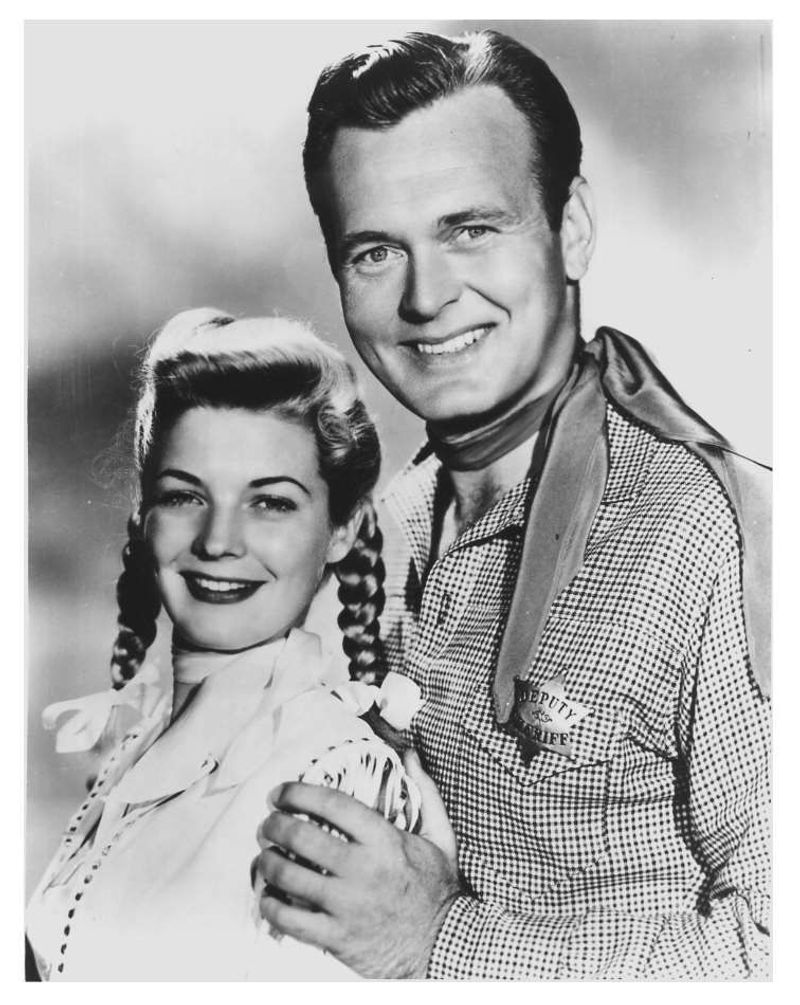
With Annie Oakley in the lead, a Western hero did not have to be a marshal or a cattle boss. Her television series premiered in 1954, one year before Gunsmoke.
Its fictional adventures drew on the name of a real sharpshooter, but the plots were made for entertainment.
Annie Oakley ran fewer seasons and episodes than Gunsmoke. The premiere date is its clear numerical advantage.
Watch an episode with that difference in mind, then look up the real Annie to separate history from fiction.
15. The Adventures of Wild Bill Hickok: An Early Trail
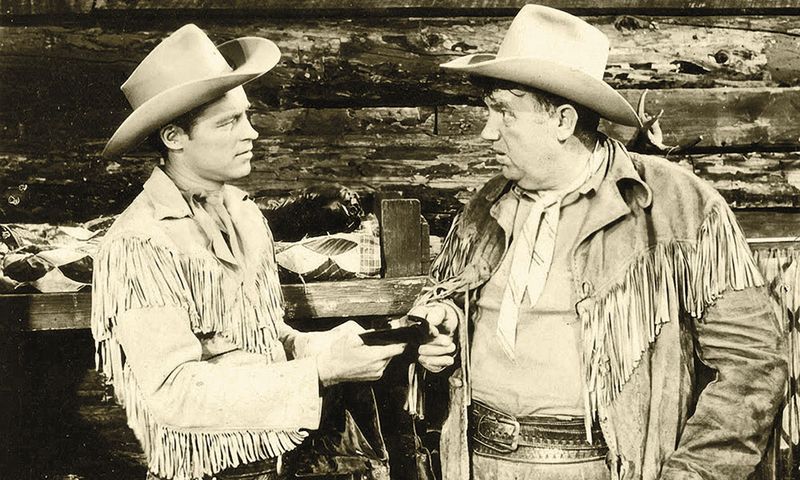
Wild Bill Hickok had a famous name long before television came along. The Adventures of Wild Bill Hickok began in 1951, giving its version of the frontier hero a four-year head start on Gunsmoke.
Its adventures paired him with sidekick Jingles for lively, easy-to-follow stories.
Being first on the schedule did not make it the longest-running Western. Gunsmoke still owns that record.
If the name sounds familiar, compare the TV character with historical accounts to see where entertainment takes a different trail.