
Have you ever looked at a menu and felt like you needed a dictionary just to order dinner? Restaurants love using fancy words because they make food sound special and worth a higher price.
The funny part is that many of these words describe everyday things you already know and love. Once you learn what they really mean, you can order with confidence and maybe even laugh at how simple some dishes are.
1. Jus
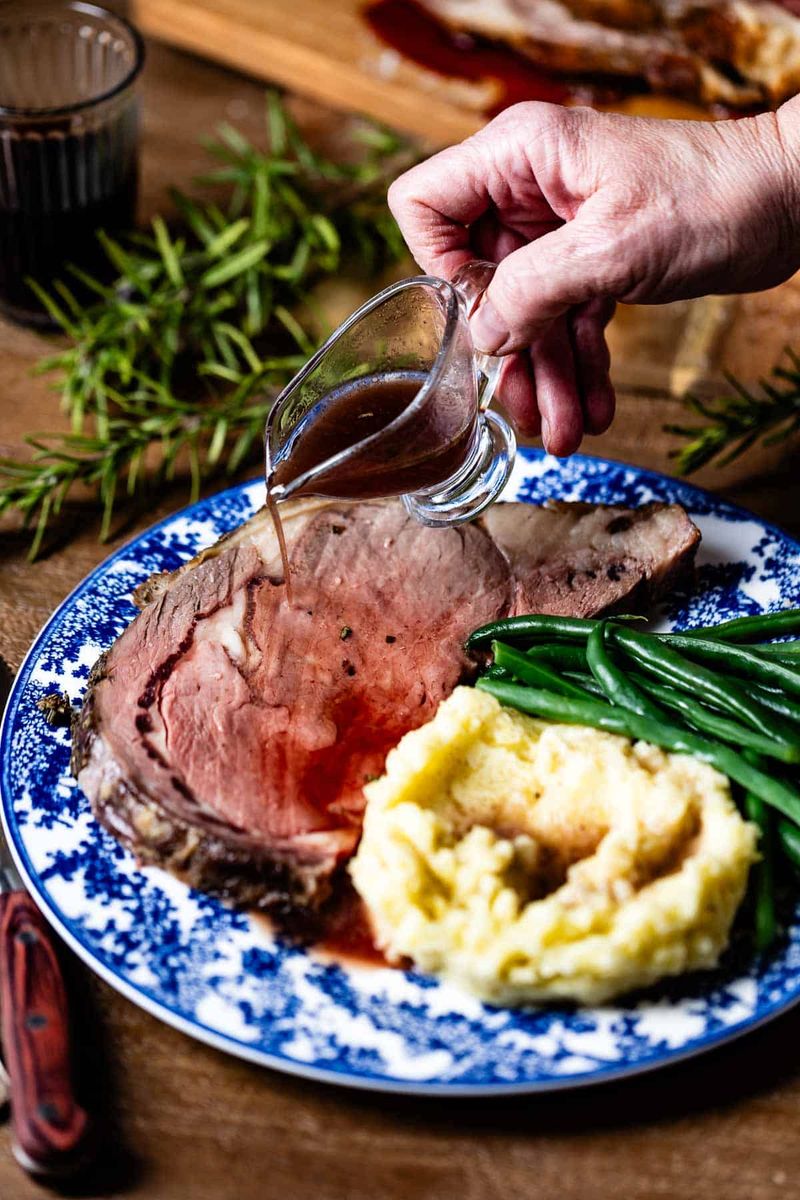
Picture a waiter proudly pouring a little brown liquid over your steak. Sounds elegant, right?
That liquid is called jus, and it is simply the natural juice that drips out of meat while it cooks.
Chefs often add a splash of broth or wine to stretch it out. It is basically thin gravy without the flour.
Next time you see beef au jus, just think roast beef with its own juice for dipping.
2. Coulis
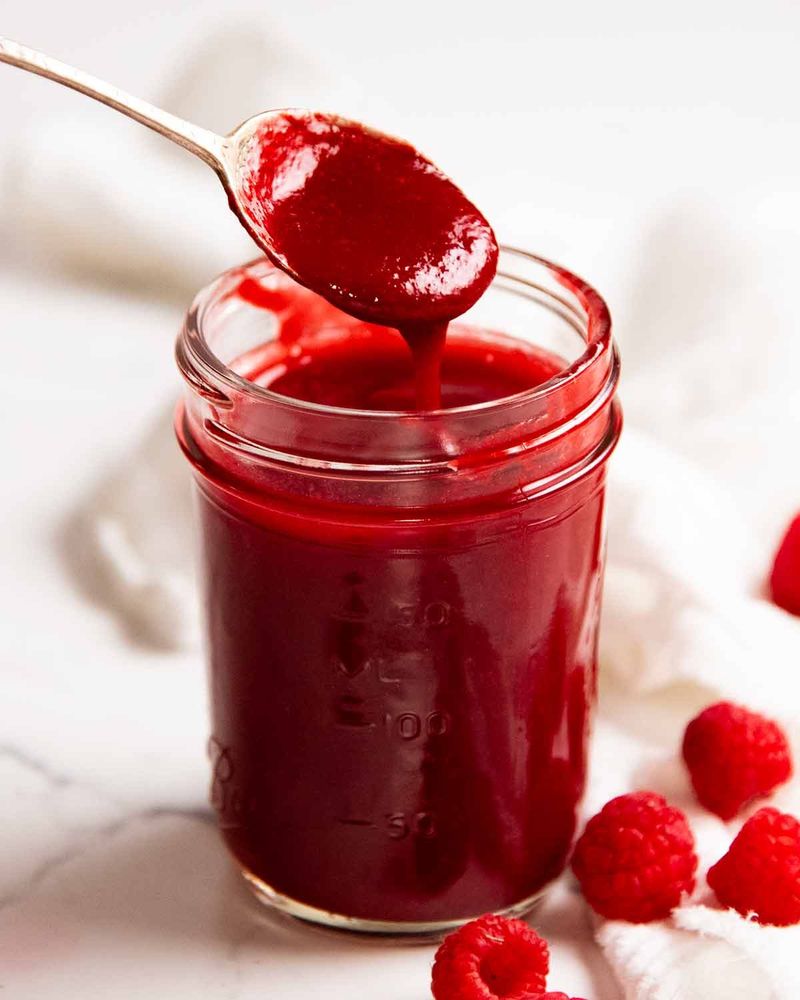
Raspberry coulis on a cheesecake looks like art. Pronounced koo-LEE, the word comes from French and means strained.
Here is the secret: it is just fruit that has been blended, sweetened a little, and pushed through a strainer to remove seeds. You could make it at home with frozen berries, sugar, and a blender in about ten minutes.
So when a dessert costs extra for coulis, you are really paying for fancy fruit sauce.
3. Amuse-Bouche
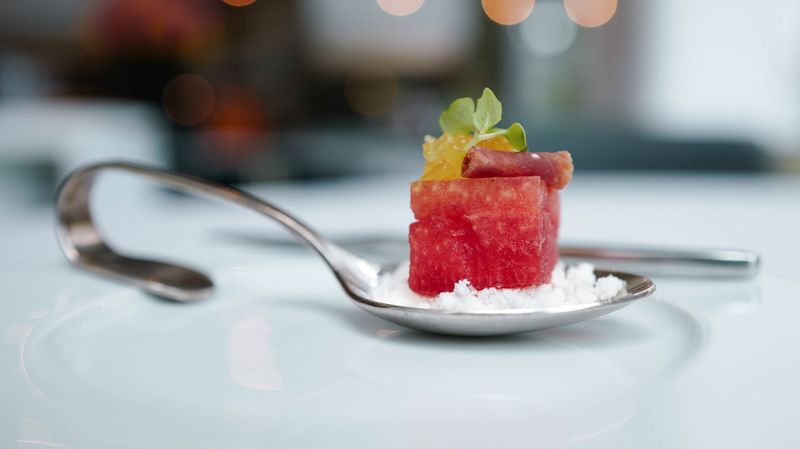
Surprise! Before you even order, a tiny snack shows up on a spoon.
That freebie is called an amuse-bouche, which means mouth amuser in French.
It is basically one bite of food the chef sends out to say hello. Think of it as a fancy free sample, like the ones at the grocery store, only served on nicer dishes.
Enjoy it, and do not worry. It will not show up on your bill.
4. Confit
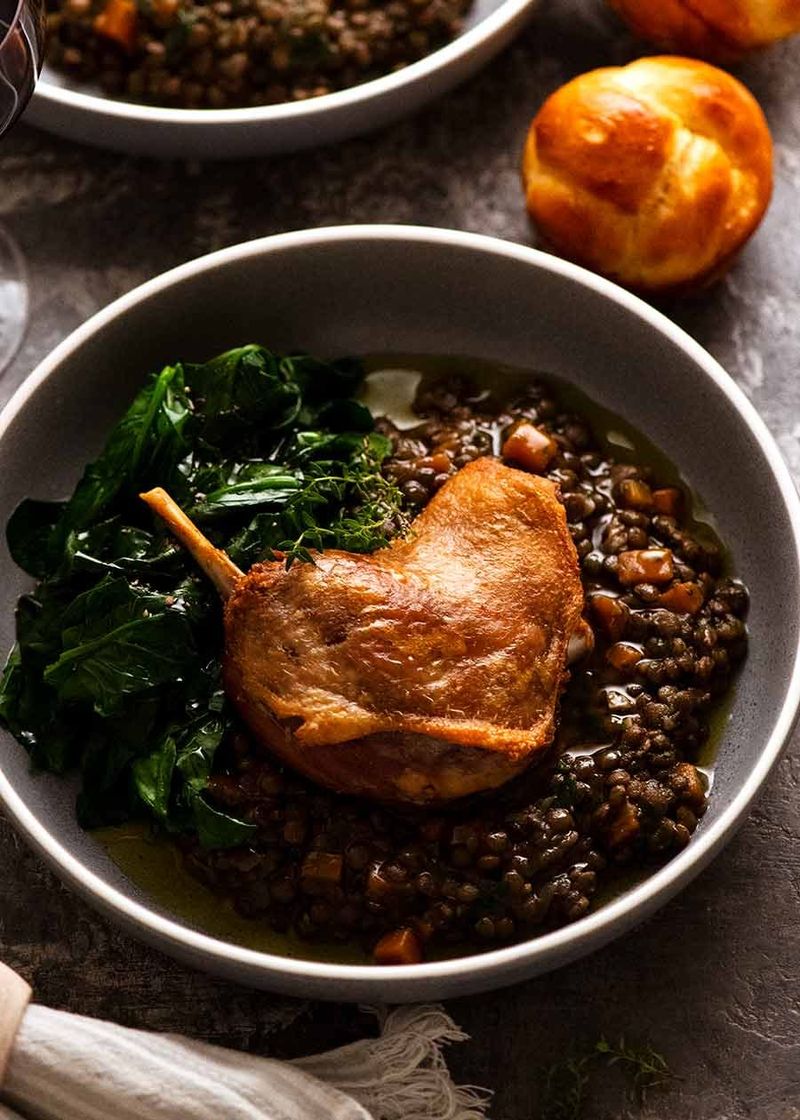
Long before refrigerators existed, French cooks needed a way to keep meat from spoiling. Their clever answer was confit.
The process is simple. Meat, usually duck, gets cooked slowly in its own fat at a low temperature until it turns super tender.
Then it can be stored right in that fat.
Today, duck confit sounds like a luxury meal. In plain words, though, it is meat cooked low and slow in grease.
5. Aioli
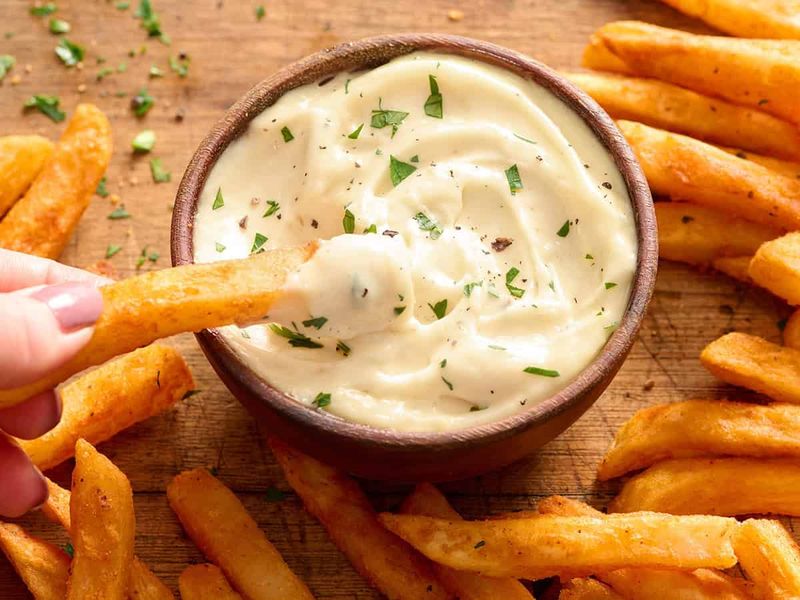
Garlic aioli with fries sounds way cooler than mayo, doesn’t it? Truthfully, many restaurants serve plain mayonnaise mixed with garlic and call it aioli.
Traditional aioli from southern France is made by smashing garlic with olive oil. Most modern versions, however, start with eggs and oil, which is exactly how mayonnaise is made.
Want to try it at home? Stir minced garlic and lemon juice into mayo.
Boom, instant restaurant dip.
6. Crudités
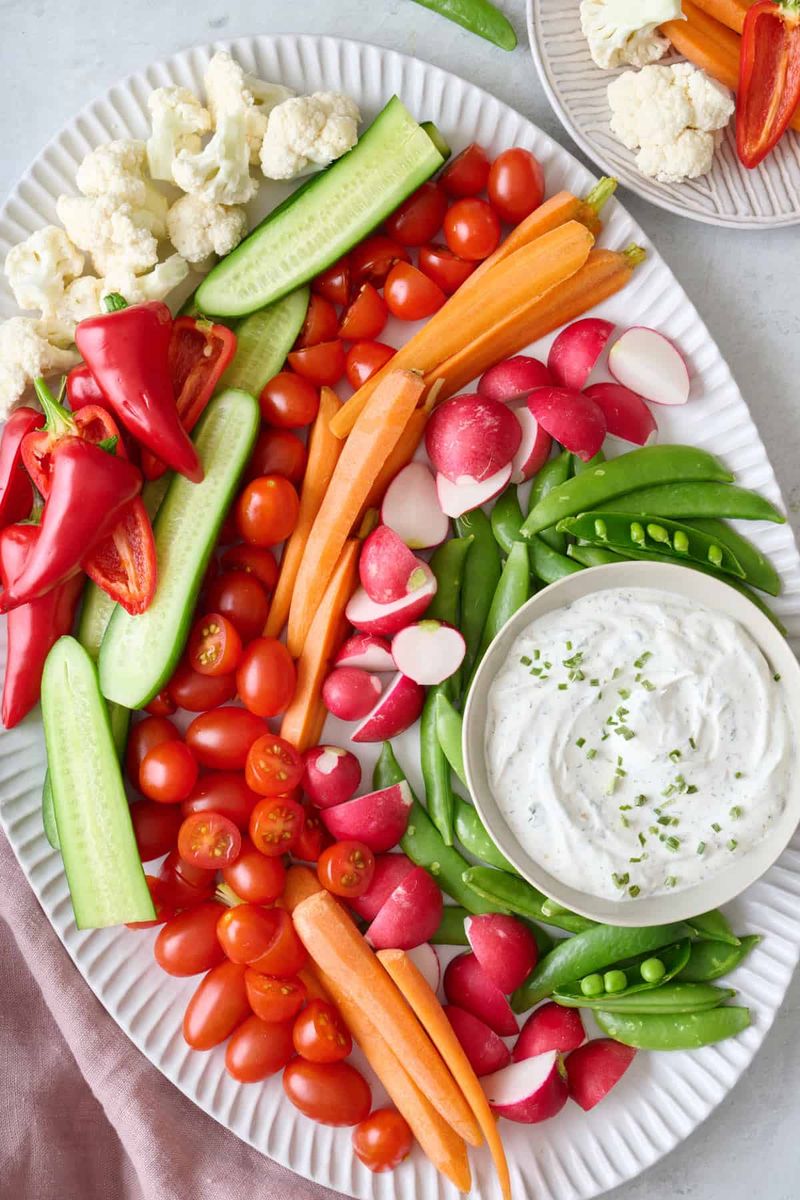
Ever been to a birthday party with a veggie tray? Congratulations, you have already eaten crudités.
The word sounds like something from a five-star hotel, yet it just means raw vegetables cut into sticks or slices. Carrots, celery, cucumbers, and peppers are the usual stars, often served with a creamy dip.
Restaurants may arrange them beautifully in a glass or on a slate board. Still, they are the same crunchy snacks from your lunchbox.
7. Reduction
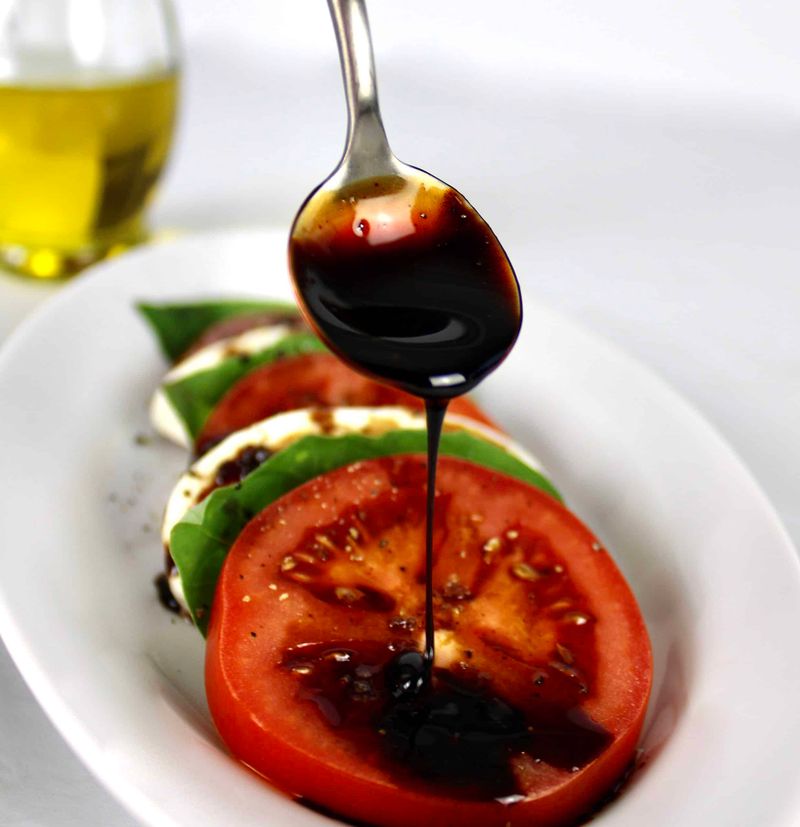
A balsamic reduction drizzled over salad looks pretty impressive. So how hard is it to make?
Not hard at all.
Reducing just means boiling a liquid until some of the water evaporates. What stays behind is thicker and tastes stronger.
Vinegar, wine, or broth are common choices.
Fun fact: you reduce things all the time without noticing, like when soup gets thicker after sitting on the stove. The fancy name simply means boiled down.
8. Medallions
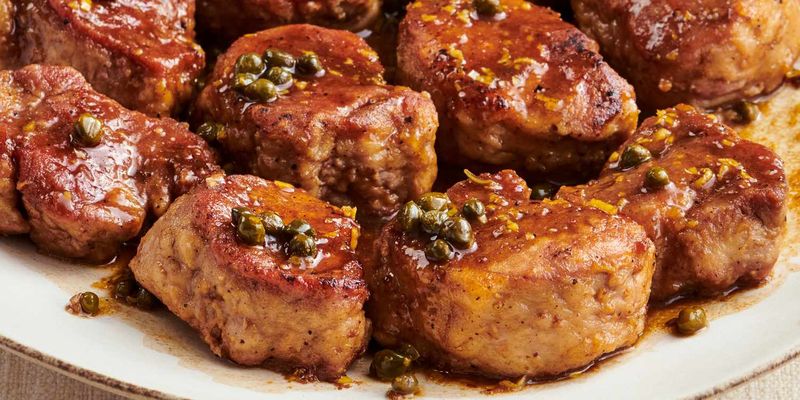
Medallions sound like something an Olympic athlete wins. On a menu, though, the word has nothing to do with gold.
Pork, beef, or lobster medallions are simply round, thick slices of meat. Chefs cut a long piece, like a tenderloin, into coins so each slice cooks evenly and looks neat on the plate.
Think of them as meat circles. They taste great, but you could cut them yourself with a sharp knife.
9. Compote
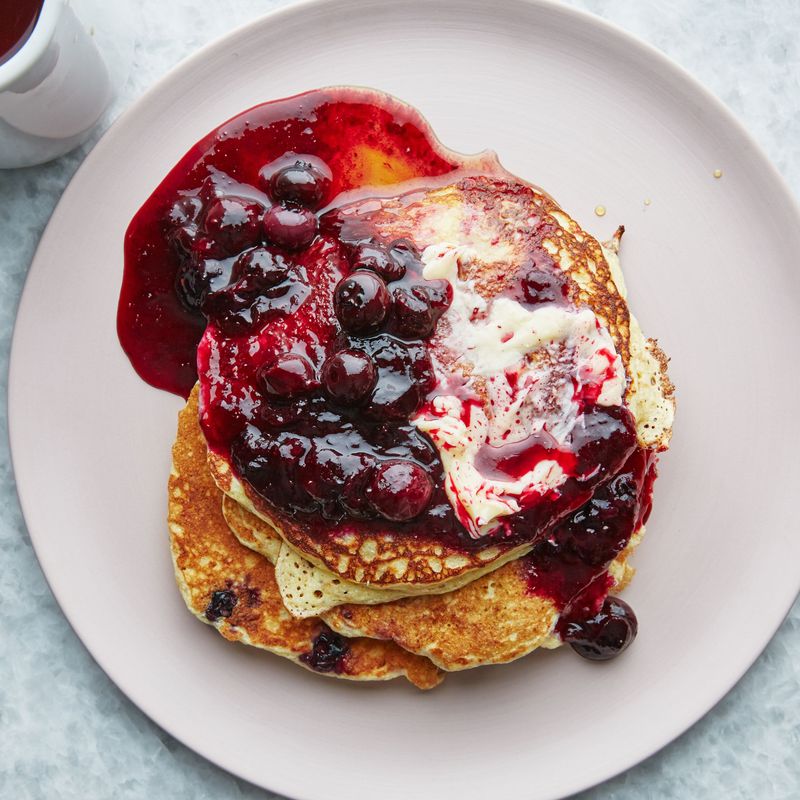
Grandma probably made compote without ever using the word. Warm, chunky, and sweet, it is just fruit cooked slowly with sugar until it softens.
Unlike jam, compote stays loose and keeps big pieces of fruit. Brunch spots love spooning it over pancakes, waffles, or yogurt and adding a few dollars to the price.
Here is a tip: toss apples or berries in a pan with sugar and a splash of water. Breakfast just got fancy.
10. Gratin
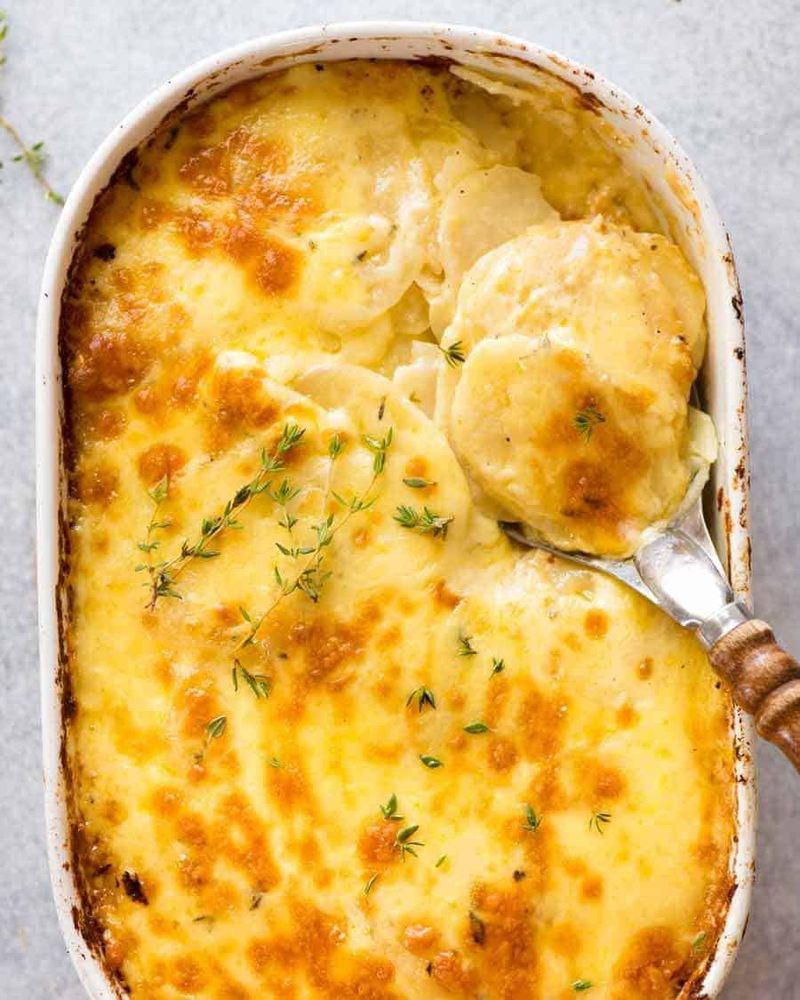
That crispy, golden, cheesy top on baked potatoes? It has a name, and the name is gratin.
In French, gratin refers to the crust that forms when food gets topped with cheese or breadcrumbs and browned in the oven. Potatoes au gratin are really just sliced potatoes baked with cream and cheese.
If you have eaten a casserole with a crunchy cheese lid, you already understand gratin. The fancy part is mostly the accent.
11. Chiffonade
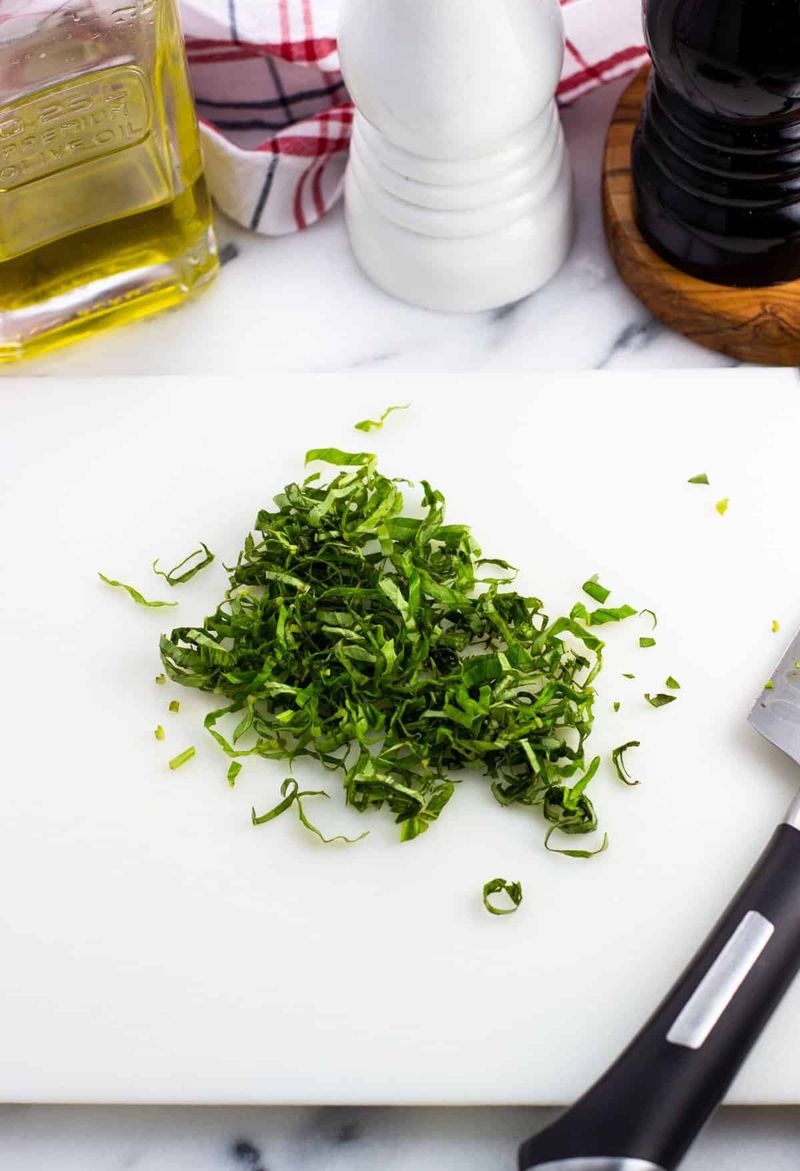
Chiffonade sounds like a ballet move. In the kitchen, it is a cutting trick that takes about thirty seconds to learn.
Stack some leafy herbs, like basil, roll them into a little cigar, and slice thin. You end up with pretty green ribbons.
The name comes from the French word for rags, since the strips look like little scraps of cloth. Now you know how restaurants make pasta look so pretty.
12. Tartare
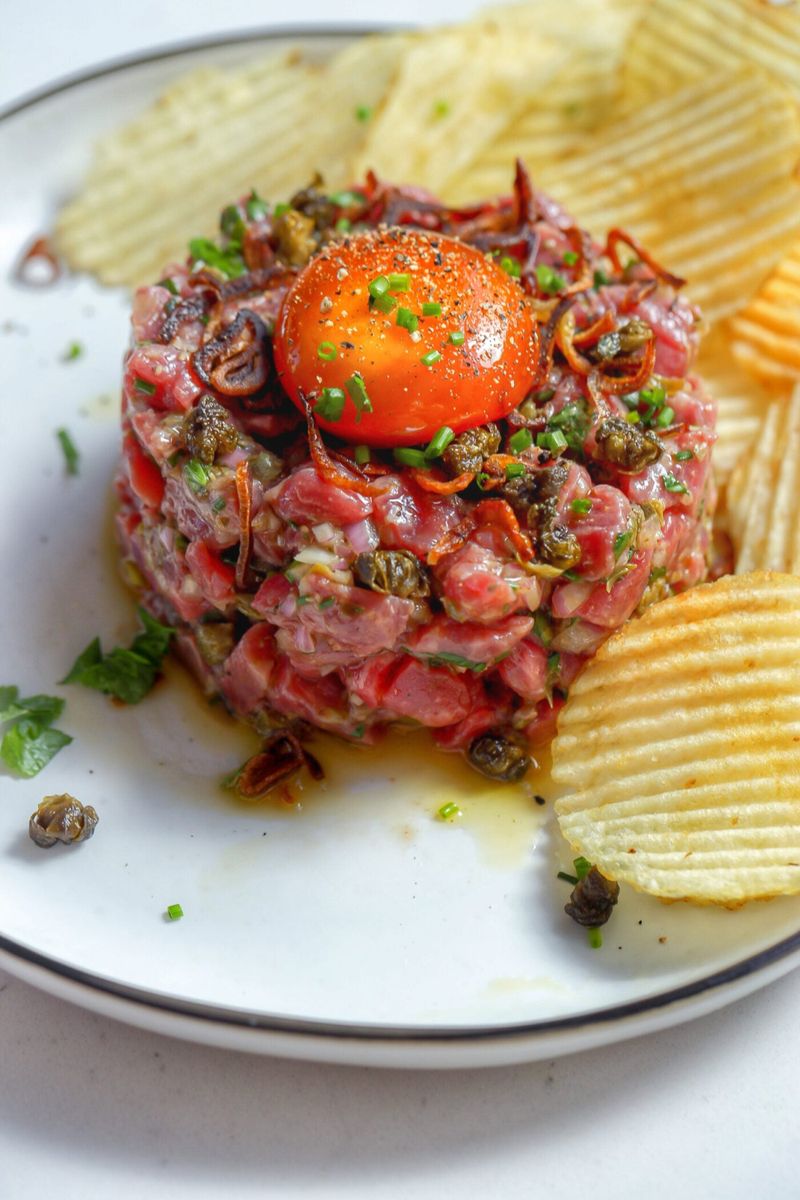
Brave eaters, this one is for you. Tartare means raw meat or fish chopped into tiny pieces and seasoned, often with onions, capers, and an egg yolk on top.
Steak tartare and tuna tartare appear on lots of upscale menus. Even so, there is no cooking involved at all.
Because it is raw, only order tartare from restaurants you trust. Freshness matters more here than anywhere else on the menu.
13. En Croûte
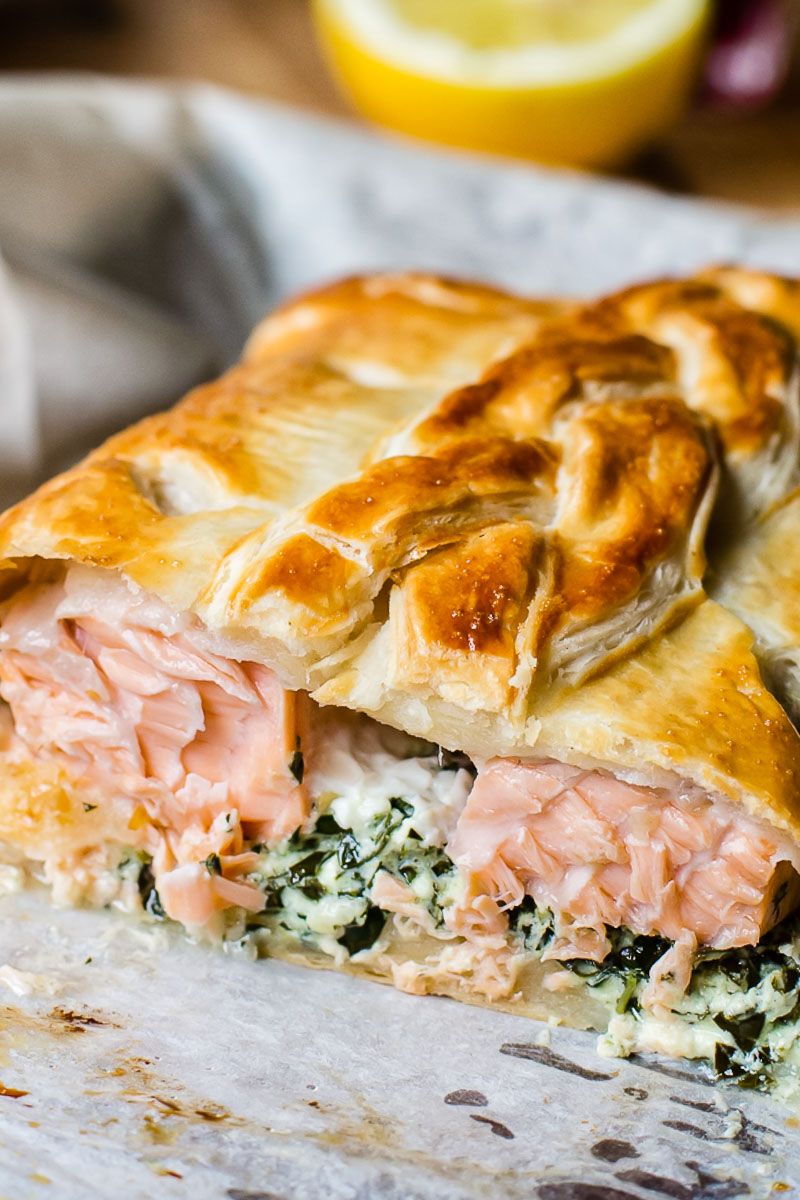
Salmon en croûte might sound like a dish for royalty. Translated, it simply means in a crust.
Chefs wrap fish, meat, or cheese in pastry dough and bake it until golden and flaky. It is basically the grown-up cousin of a pigs in a blanket snack.
Store-bought puff pastry makes this easy to try at home. Wrap, brush with egg, bake, and suddenly your family dinner feels like a fancy party.
14. Foam
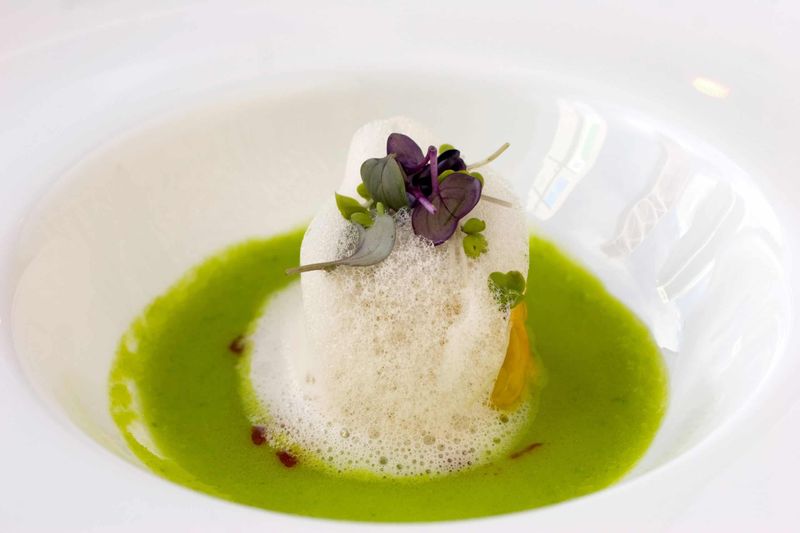
Bubbles on a plate? Yep, some trendy restaurants top dishes with foam, and diners often wonder what they are eating.
Usually, it is just a flavored liquid, like broth or juice, whipped with air until it gets frothy. Kind of like the bubbles on top of a milkshake or a latte.
Foam adds flavor without weighing food down. It mostly exists to look cool, and honestly, it does a pretty good job.
15. Deconstructed
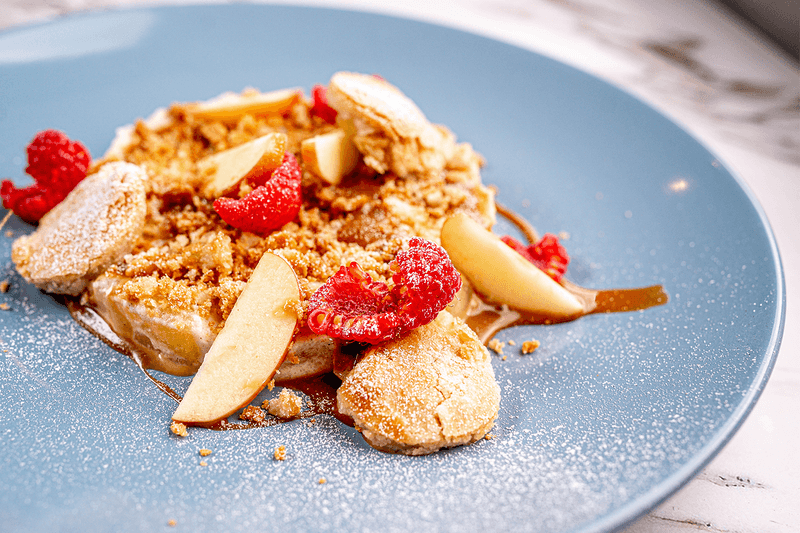
Imagine ordering apple pie and getting a pile of crumbs, a few apple slices, and a dollop of cream sitting separately. Welcome to deconstructed food.
The word means a dish has been taken apart and served in pieces instead of put together. Chefs say it lets you taste each part on its own.
Some people love it, while others joke the cook simply forgot to finish. Either way, the ingredients are wonderfully familiar.