
When money was tight during the Great Depression, families still found ways to make dessert. They used pantry staples, leftovers, and clever swaps to turn simple ingredients into treats worth sharing.
Many of those sweets remain favorites because they taste good without asking for much. Their stories offer a reminder that comfort can come from what is already in the kitchen.
1. Chocolate Mayonnaise Cake
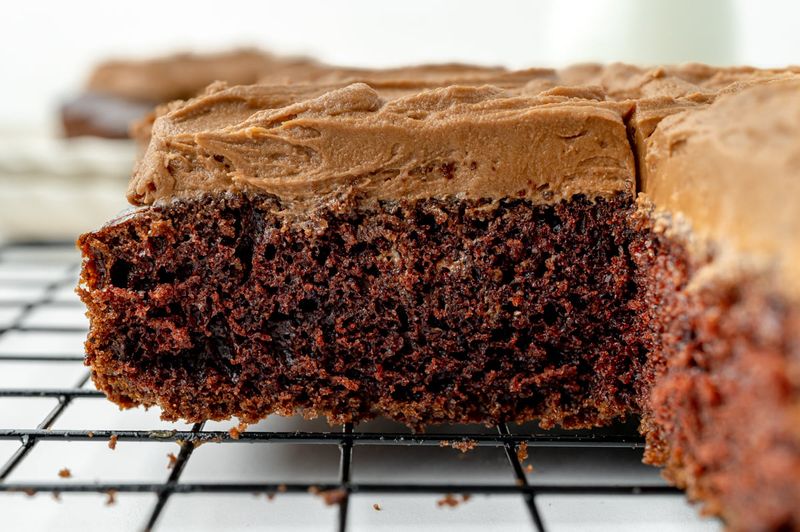
The surprise ingredient disappears after baking, leaving a soft chocolate cake. Mayonnaise brought oil and eggs to the batter when other baking supplies were costly or scarce.
Its vinegar also works with baking soda to help the cake rise.
For a deeper chocolate flavor, replace some of the water in your recipe with cooled brewed coffee. Use plain mayonnaise, not a flavored dressing, and let the cake cool before frosting.
It is an easy dessert for sharing with friends.
2. Water Pie
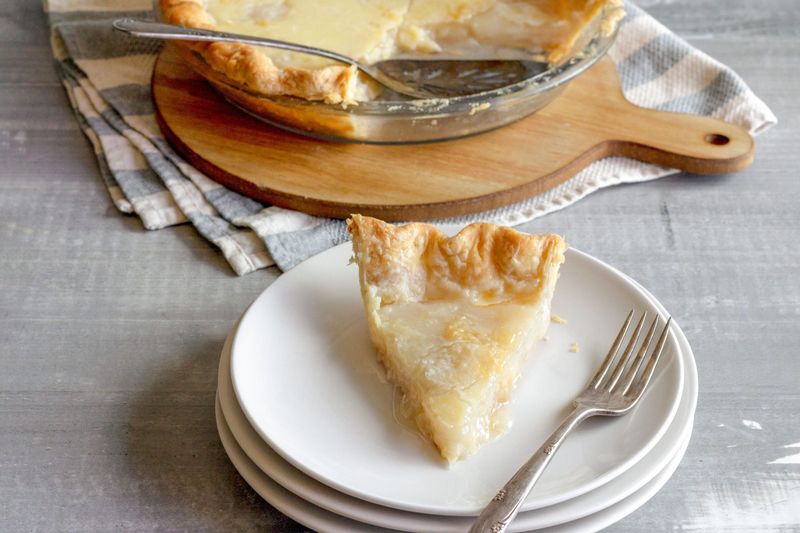
A pie filled mostly with water sounds like a kitchen joke, but it bakes into a sweet, soft filling. Families turned to water pie when milk and eggs were hard to spare.
Flour thickens the water, sugar, and butter as the pie cooks.
Start with an unbaked crust and follow the filling steps closely; the mixture looks unusually thin before baking. Let the finished pie cool completely so slices hold together.
A little vanilla gives it a familiar bakery smell.
3. Wacky Cake
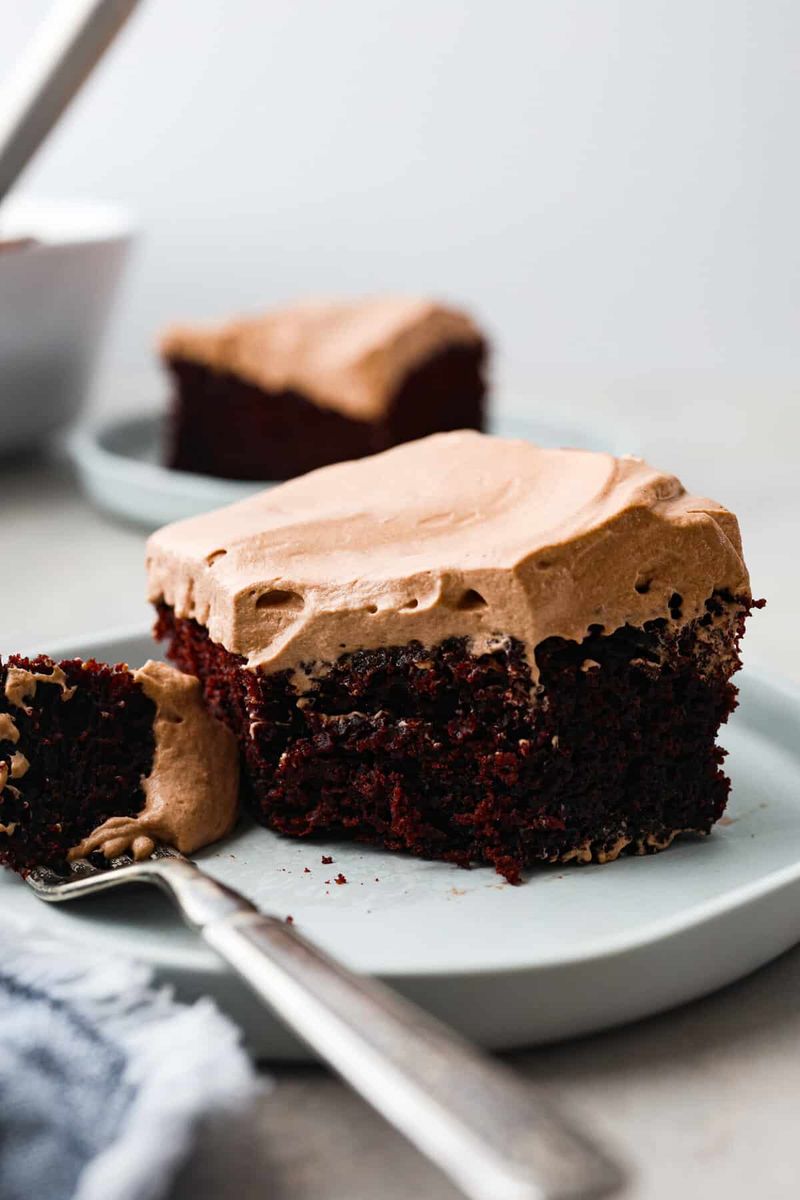
One pan, a few pantry supplies, and no eggs: wacky cake earns its odd name. Popular during hard times, it uses vinegar and baking soda for lift instead of relying on richer ingredients.
Some versions are mixed right in the baking pan.
Make small wells in the dry ingredients before adding the oil, vinegar, and water, then stir until no dry patches remain. Avoid overmixing.
A dusting of powdered sugar is plenty if frosting feels like too much work.
4. Mock Apple Pie
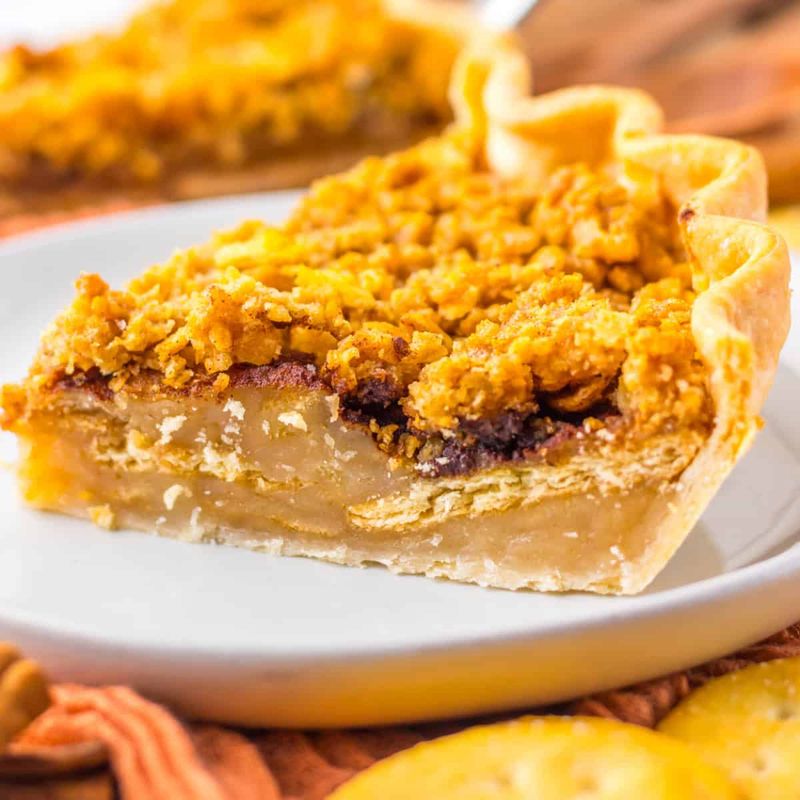
Guests might guess apples are tucked inside, but crackers do the work in this clever pie. A lemony sugar syrup softens them and brings the tart taste people expect from apple filling.
The recipe became famous after appearing on cracker boxes.
Keep the crackers in pieces rather than crushing them to dust, or the filling may lose its texture. Lemon juice and zest matter here, so do not skip them.
Serve a small slice warm and enjoy the kitchen trick.
5. Potato Candy
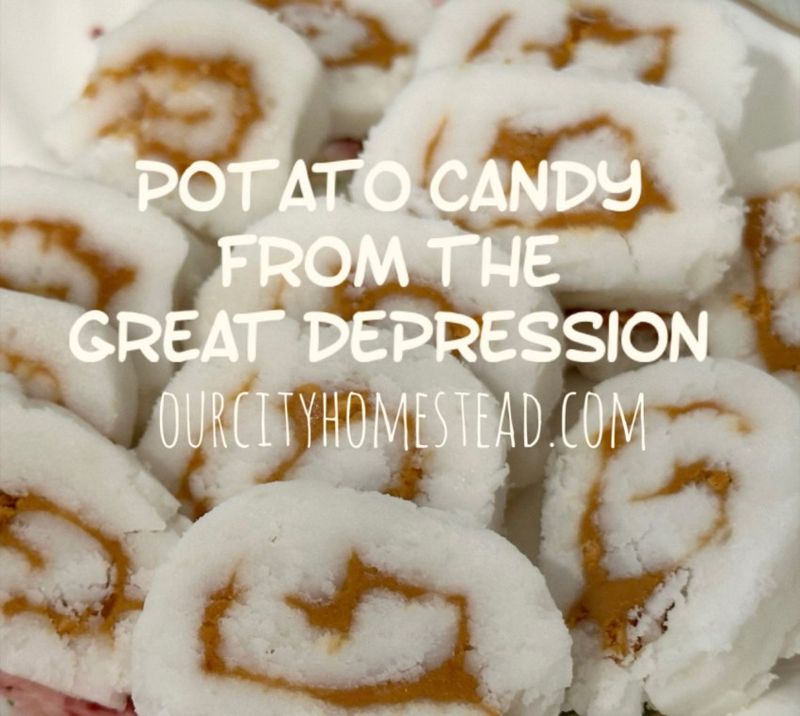
Leftover mashed potato can turn into candy, which feels a little like magic. Mixed with powdered sugar, plain potato forms a soft dough that can be spread with peanut butter and rolled into a pinwheel.
The treat became popular because its ingredients were affordable.
Use unseasoned potato that has cooled, since garlic or butter would change the flavor. Add powdered sugar slowly until the dough is easy to handle.
Chill the roll before slicing it into neat spirals.
6. Simple Fudge
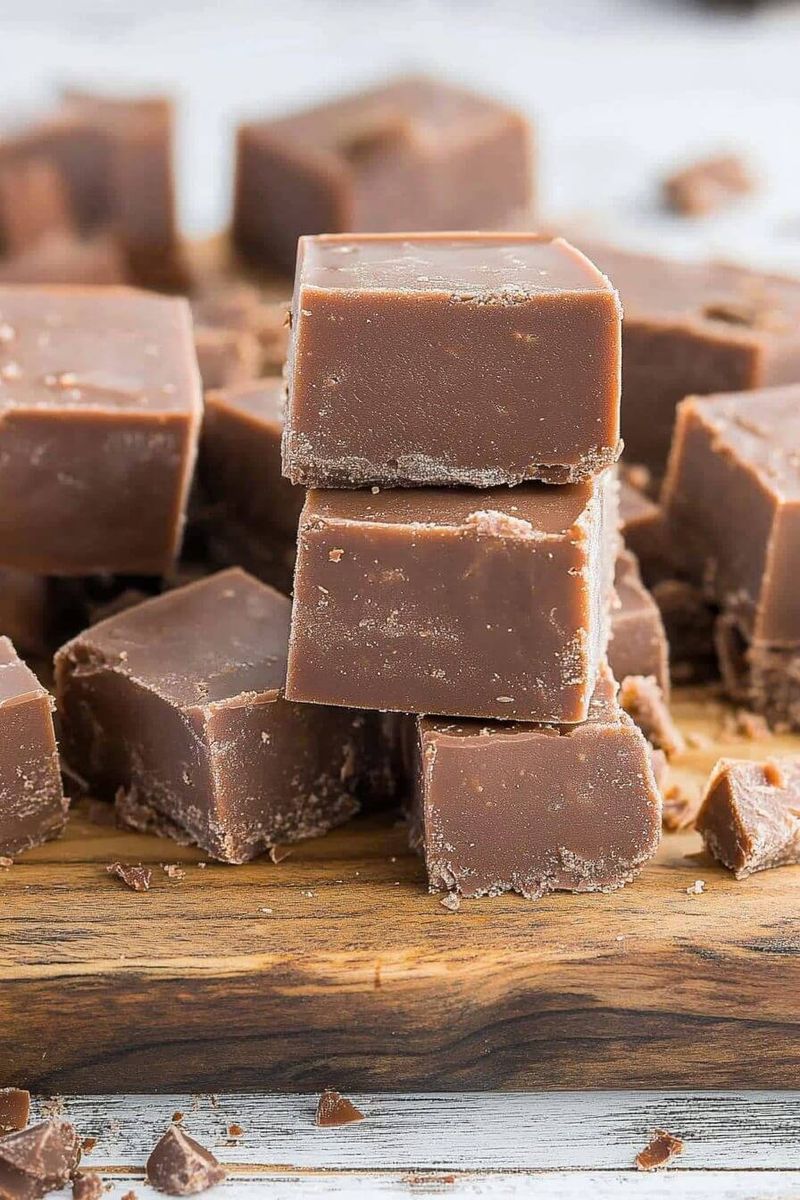
A single square of fudge can feel like a special occasion. Depression-era cooks made versions with familiar supplies such as sugar, chocolate, milk, and butter, using careful stirring instead of fancy equipment.
Getting the syrup to the soft-ball stage helped it set properly.
If you try an old-fashioned recipe, use a candy thermometer for less guesswork. Follow its cooling directions before beating the mixture, since timing affects the texture.
Cut small pieces; the rich flavor makes a little go a long way.
7. Poor Man’s Pudding
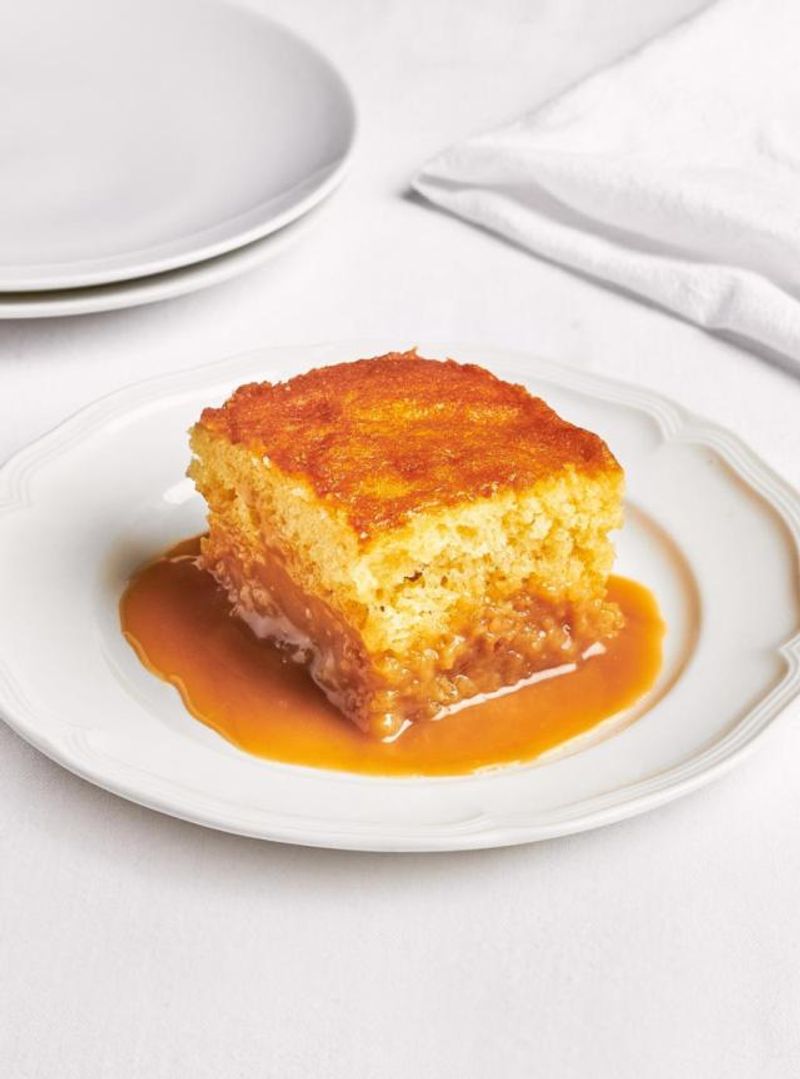
In Quebec, a plain cake batter became something memorable with syrup poured over it before baking. Called pouding chômeur, or unemployed man’s pudding, this dessert took shape during the Depression.
As it bakes, the cake rises and leaves a sweet sauce underneath.
Place the baking dish on a tray in case the syrup bubbles over. Maple syrup gives a taste of Quebec, while brown sugar versions are also common.
Spoon it into bowls while warm so everyone gets cake and sauce.
8. Oatmeal Cookies
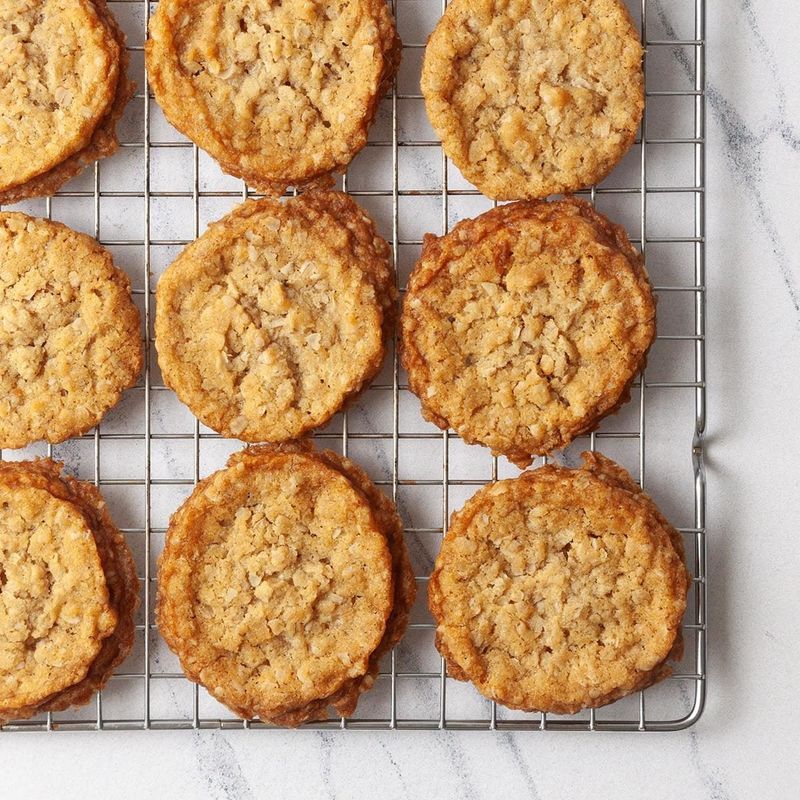
The smell of oatmeal cookies can make an ordinary afternoon feel cozy. Oats stretched a batch without costing much, and older recipes often used shortening when butter was hard to afford.
Cinnamon or nutmeg could add flavor from the spice shelf.
For cookies that bake evenly, scoop similar amounts of dough and leave space between them. Take them out when the edges look set if you like a softer middle.
Store extras in a closed tin for an easy later treat.
9. Peanut Butter Cookies
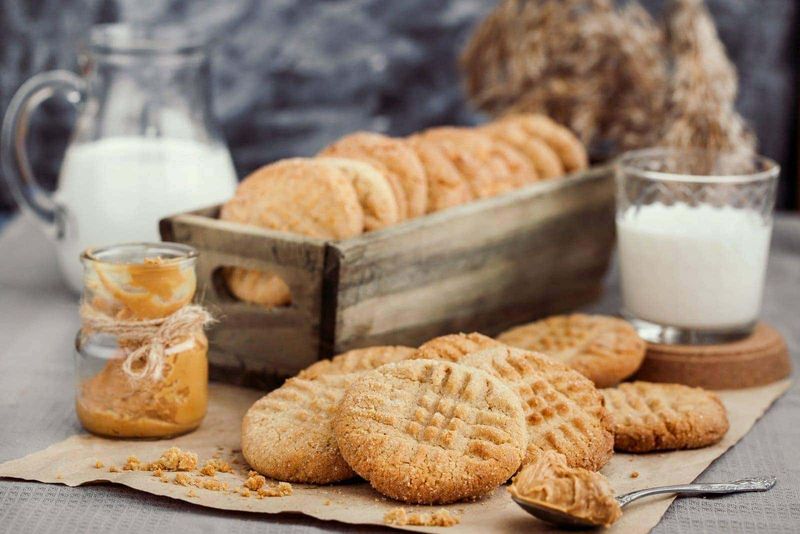
Those fork marks are more than decoration. Pressing the thick dough helps peanut butter cookies spread and bake more evenly.
Peanut butter was an affordable way to add flavor and substance to a homemade treat during the Depression.
Dip the fork in a little sugar if it sticks while making the crisscross pattern. Check the cookies early, since they can look soft when they are ready to come out.
Let them rest on the baking sheet before moving them.
10. Vinegar Pie
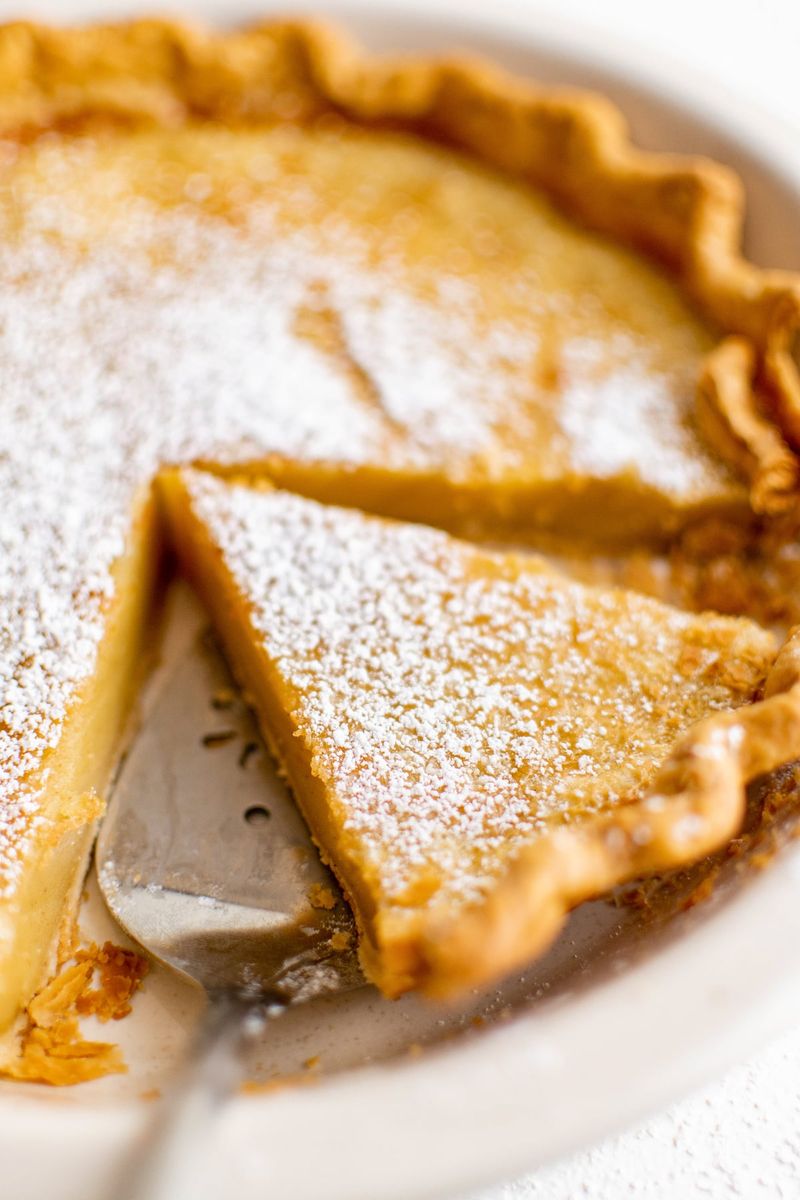
No lemons in the kitchen? Vinegar pie offered a tart answer when citrus was costly or out of reach.
A small amount of vinegar brightens a sweet custard filling made with pantry staples. The idea is older than the Depression, but it suited tight budgets.
Measure the vinegar carefully rather than pouring by eye; too much can overpower the filling. Give the baked pie time to cool and set before cutting.
Its sharp sweetness pairs nicely with plain whipped cream.
11. No-Bake Cookies
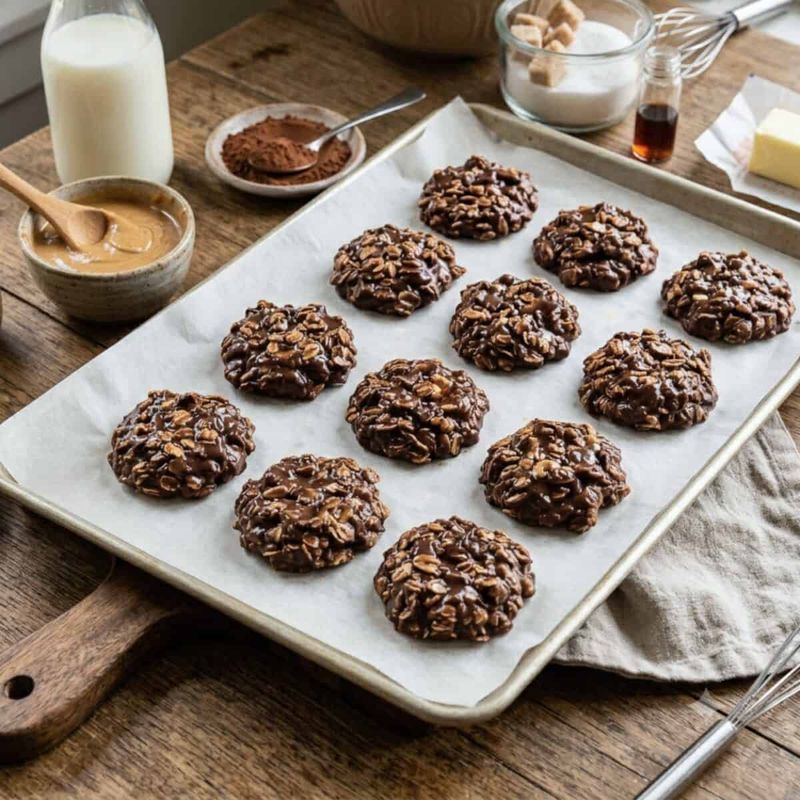
When the oven stays off, dessert can still happen. No-bake cookies bring together oats and a cooked mixture that often includes cocoa, sugar, milk, butter, and peanut butter.
Versions associated with hard times gave families another way to make a quick treat.
Lay out wax paper before you start because the mixture can firm up fast. Follow your recipe’s boiling time closely: too short may leave sticky cookies, while too long can make them crumbly.
Let them cool before stacking.
12. Bread Pudding
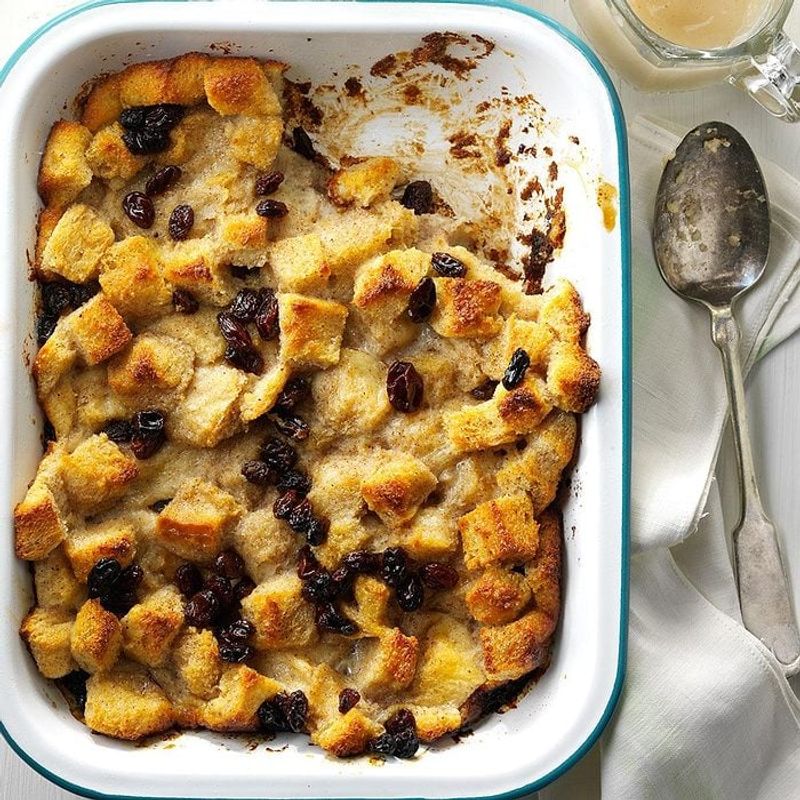
Yesterday’s dry bread gets a welcome second life in bread pudding. During the Depression, wasting food was rarely an option, so cooks soaked leftover slices with sweetened liquid and baked them until tender.
Cinnamon made the kitchen smell inviting.
Cut the bread into similar pieces so they soak at the same rate. Give the mixture a few minutes before baking, especially if the bread is very stale.
Milk makes it creamy, but older budget-minded versions sometimes used water.
13. Rice Pudding
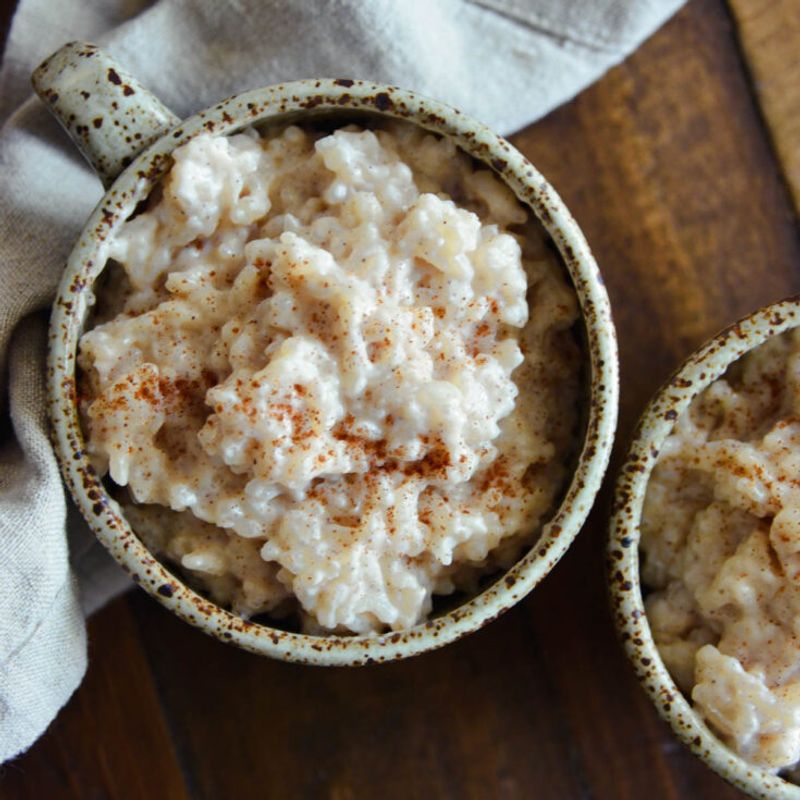
A bowl of rice pudding feels more like a warm blanket than a fancy dessert. Rice, sugar, and milk or water could make a filling sweet when the food budget was small.
Raisins and spice were welcome extras if a family had them.
Stir stovetop pudding often so rice does not catch on the bottom of the pan. Add liquid gradually if it thickens before the grains turn tender.
A little cinnamon on top makes leftovers inviting, hot or cold.
14. Molasses Cookies
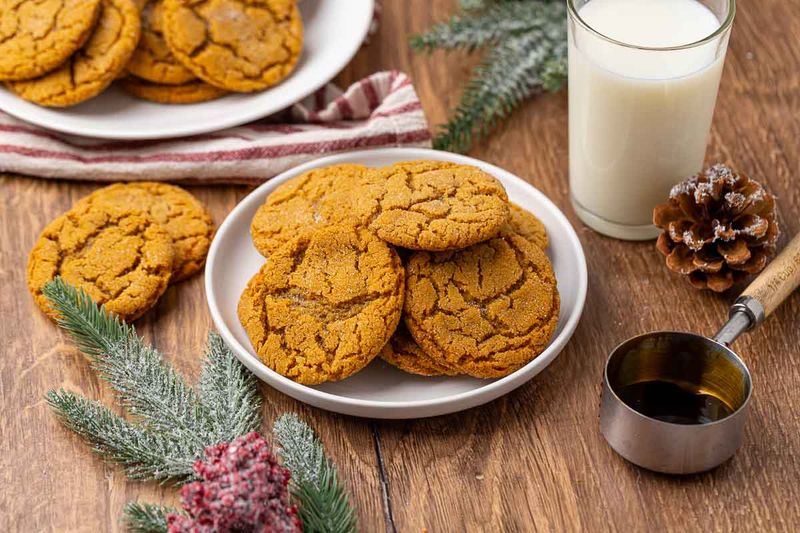
Open a jar of molasses and its deep, sweet smell hints at these cookies. When refined sugar strained a budget, molasses could help sweeten a batch.
Ginger, cinnamon, or cloves turned simple dough into something that tasted especially good on cold days.
For a chewy cookie, watch the edges and avoid baking until the centers look completely firm. Rolling the dough in sugar adds a little crunch.
Keep baked cookies covered so they stay soft enough for tomorrow’s snack.
15. Apple Crisp
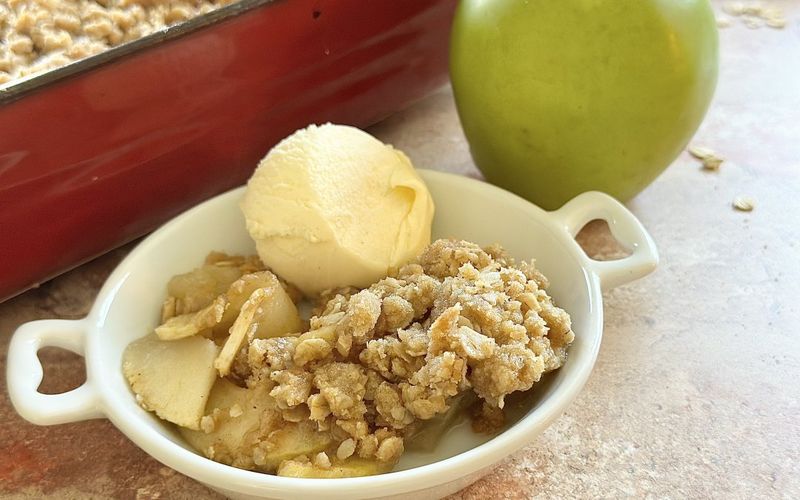
When apples were on hand, a crisp made good use of every sweet slice. Unlike a pie, it needed no rolled crust.
Cooks could scatter a simple mix of flour, sugar, oats, and fat over fruit before baking it into a golden topping.
Slice the apples to a similar thickness so they soften together. Taste the fruit before adding sugar, since some apples are sweeter than others.
Serve the crisp warm, and save any leftovers for the next day.
16. Prune Cake
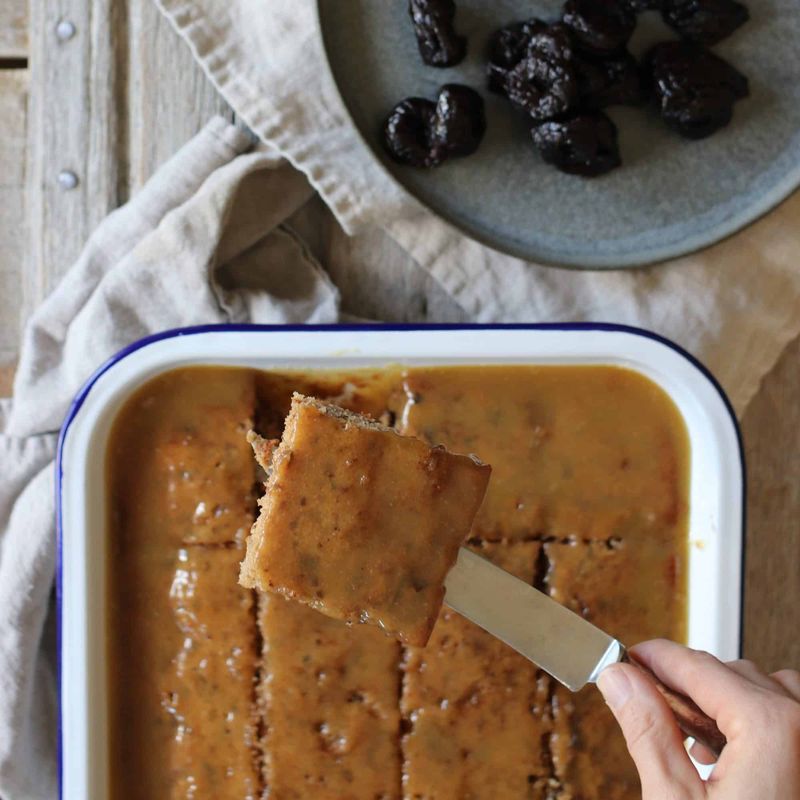
Prunes may not sound exciting, but they give cake a moist crumb and mellow fruit flavor. Their long shelf life made them useful when fresh fruit was limited.
Chopped into batter, they also brought sweetness to a dessert built from everyday supplies.
Soak firm prunes in warm water before chopping if your recipe calls for softer fruit. Save the soaking liquid when directed; it can add moisture.
Try a slice plain before adding icing, since the fruit already does plenty of work.
17. Popcorn Balls
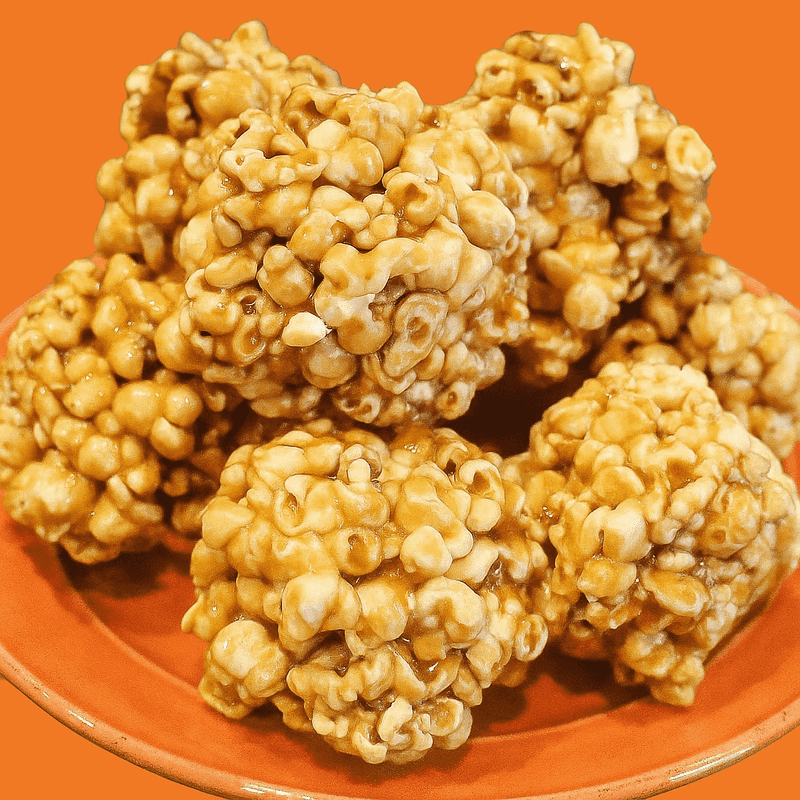
Popcorn balls turn a low-cost snack into something you can hold like a prize. Depression-era families could coat popped corn with sweet syrup, sometimes flavored with molasses, then shape it into round treats.
Making them together gave children a job at dessert time.
Remove unpopped kernels before adding syrup so no one bites down on one. Let the coating cool enough to handle, then lightly grease your hands for shaping.
Store the balls separately wrapped to help prevent sticking.