
Gen X grew up with rules that sounded sensible at the time. New tools, changing workplaces, and better health information have made some of those rules hard to defend.
Looking back can be funny, but it can also help us choose better habits today. Which old advice would you happily leave behind?
1. Stay Loyal to One Company
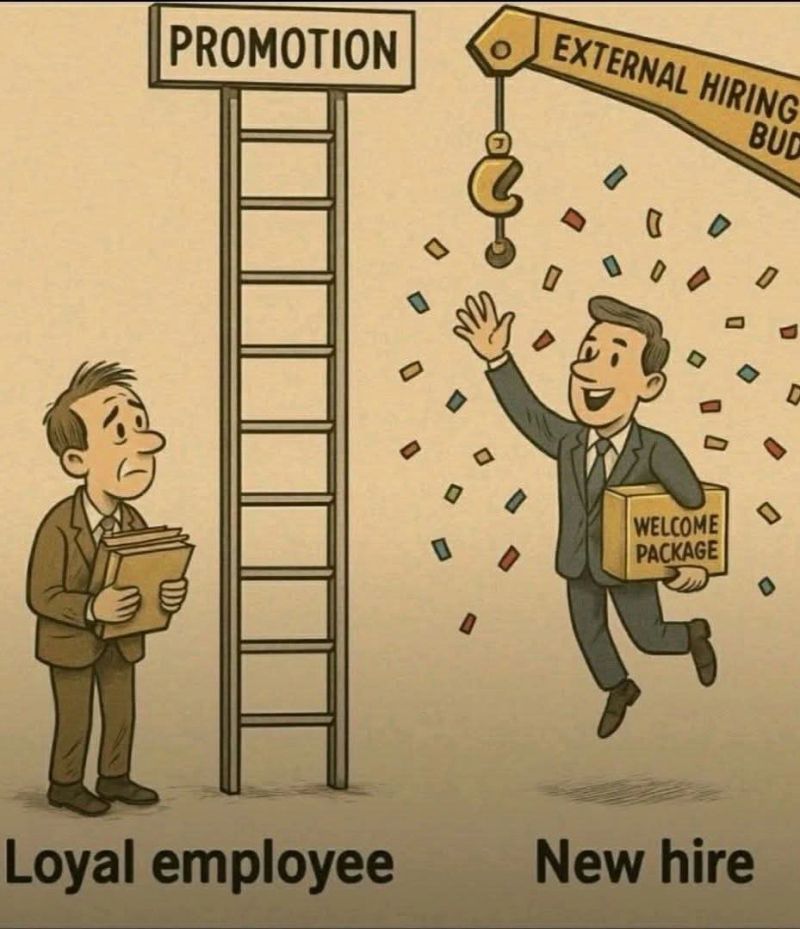
A gold watch once stood for a career well spent. Many workers were told that staying with one employer would bring steady raises and security.
Today, long service does not always lead to better pay or protection from layoffs.
Check what similar jobs pay before your next review. If your skills have grown but your wages have not, consider other openings.
Loyalty is valuable when it goes both ways, not when it keeps you stuck.
2. Technology Will Make Work Almost Disappear

Remember when computers were supposed to give everyone loads of spare time? Instead, email and phones made many workers easier to reach after hours.
Helpful tools can speed up a task without making the workday shorter.
Try setting a time to stop checking work messages, if your job allows it. Use saved time for rest rather than filling every gap with another task.
A faster machine is not the same thing as a shorter shift.
3. Keep Every Personal Problem Private

Some families treated tough feelings like secrets to lock away. Privacy still matters, but hiding every struggle can leave a person feeling alone.
Talking about stress or mental health with someone trustworthy can make it easier to find support.
You do not owe coworkers or strangers your whole story. Start with a friend, counselor, or doctor who listens well.
Choose what to share and with whom. Asking for support is a choice, not a failure.
4. Handle Everything Yourself
Forgot your key? Fixed your bike?
Many Gen X kids learned to solve problems alone. That skill can be useful, but taking on every challenge without help gets tiring fast.
When a job feels too big, ask someone who knows more or can lend a hand. Share what you know in return.
Teamwork can save time, prevent mistakes, and build friendships. Independence works best when you also know when to call for backup.
5. Because I Said No, End of Story

Every kid has heard a firm no at some point. Limits are sometimes needed, especially when safety is involved.
Yet a rule with no explanation can leave children confused instead of teaching them how to make good choices.
Parents can keep a boundary while explaining the reason in simple words. Children can ask questions without expecting every answer to change.
A short conversation teaches respect on both sides and helps kids understand the rule next time.
6. Drop By Without Calling

A knock at the door used to be a normal way to find out whether a friend was home. Now that most people can send a quick message, surprise visits may interrupt work, naps, or family plans.
Text first and ask whether it is a good time. If you miss the old feeling of easy visits, plan an open house or regular coffee hour.
Spontaneity is fun when everyone gets a say.
7. Boredom Is Yours to Fix Alone
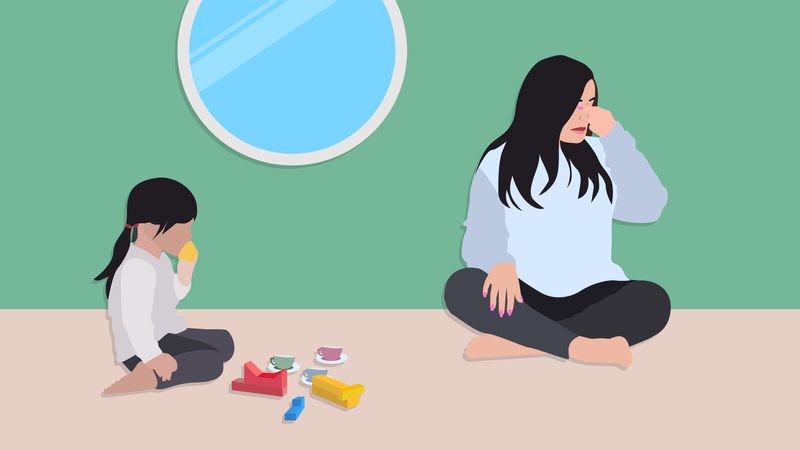
That familiar reply to boredom was often simple: go find something to do. Making your own fun can build creativity, and kids do not need a screen for every quiet minute.
Still, boredom can also be a sign that someone wants company.
Offer a few ideas, such as drawing, walking, or making up a game. Then let the child choose.
A little guidance keeps free time open without making anyone face it alone.
8. Spanking Teaches Respect

Some adults once treated a paddle or a birthday spanking as ordinary discipline. Those memories are not funny for everyone.
Hitting a child can cause harm and does not teach the skills needed to handle anger or repair a mistake.
Try clear rules, calm consequences, and praise when a child makes a better choice. If you feel ready to lose control, step away briefly when it is safe.
Respect grows through guidance, not fear.
9. Dress Codes Get to Judge Women’s Underwear

Pantyhose and strict rules about bras once shaped what many women wore to work. Some even faced comments about clothing no one else should have been checking.
A neat appearance does not require policing a person’s undergarments.
Workplaces can set fair standards for safety and job needs without making them invasive. If a dress rule seems unequal, ask for the written policy and raise your concern.
Comfort and professionalism can belong in the same room.
10. A Neighbor’s Yard Is a Shortcut

The fastest way home sometimes went straight across somebody else’s grass. A casual shortcut might have seemed harmless, but yards are private spaces.
Gardens, pets, and hidden hazards can turn a quick crossing into a problem.
Stick to sidewalks and public paths unless the owner has said you can pass. If a route is badly designed, ask your town about safer walking options.
Saving two minutes is rarely worth upsetting a neighbor or getting hurt.
11. Touching Strangers Is No Big Deal

A hand on a stranger’s shoulder may have once seemed like a friendly way to get past. Not everyone enjoys unexpected contact, though, and good intentions do not make it welcome.
Use your voice first: say excuse me and give the person space to move. Ask before touching someone’s hair, clothes, or body, even if you mean to give a compliment.
Respecting personal space is a small habit that helps more people feel comfortable.
12. Do Chores, No Questions Asked
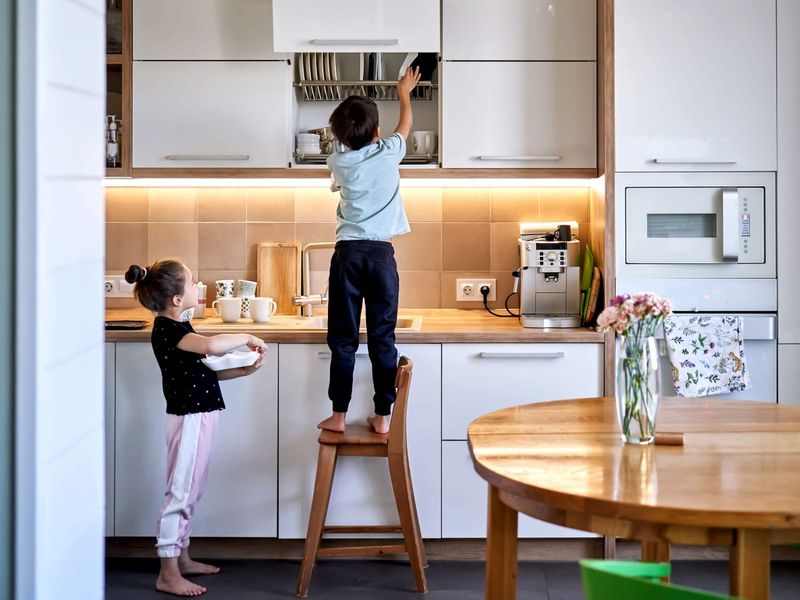
In plenty of homes, taking out the trash was simply part of living there. That idea still has value: everyone should help care for shared spaces.
But giving kids no say at all can make chores feel like orders with no purpose.
Make a clear plan that fits each child’s age and schedule. Explain why the work matters, and discuss whether an allowance is separate from basic duties.
Fair expectations beat endless arguments over every plate.
13. Saving Alone Will Buy Anything

A jar of coins could once make a new bike feel close. Saving remains a smart habit, yet telling someone to save harder will not solve every money problem.
Rent, education, and housing costs can be much bigger than a person’s spare change.
Set goals that match your real budget, and compare prices before buying. For major costs, learn about aid, benefits, or shared plans.
Good money advice should recognize the size of the bill.
14. Go Outside, Whatever the Conditions

After school, many kids heard a simple order: outside, now. Fresh air and active play are great, but a daily command without checking the weather or neighborhood may not be safe or practical.
Look at the heat, air quality, and available play spaces before making plans. A walk with an adult or time at a nearby park can work well.
On rough days, indoor games and movement still count. The goal is healthy play, not a rigid rule.
15. Follow the Old Food Pyramid
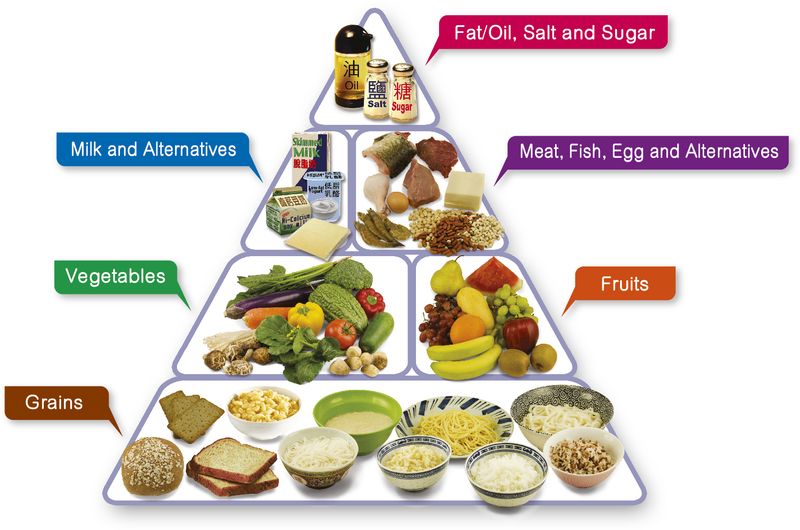
Remember the big stack of bread at the bottom of the food pyramid? That chart gave families an easy picture, but nutrition advice has changed since then.
One drawing cannot capture every person’s needs or explain the quality of different foods.
Build meals with a mix of vegetables, fruit, protein, and grains when possible. Pay attention to portions and choose foods you enjoy and can afford.
For personal health needs, ask a qualified health professional.
16. You Won’t Have a Calculator Everywhere

Teachers had a point when they wanted students to practice math. Their warning about never carrying a calculator, however, met its match in the smartphone.
Most people can check a calculation in seconds now.
Keep learning basic math anyway. It helps you spot a wrong answer, work out a tip, and judge whether a price makes sense.
Use the phone for long calculations, then use your own thinking to see if the result seems reasonable.
17. Sitting Near the TV Will Make You Blind

That shout from the couch could send a kid scooting backward in seconds. Sitting close to a modern TV does not make you blind, though it may leave your eyes tired.
A child who always needs to sit very near the screen might need an eye check.
Take breaks, adjust the brightness, and watch from a distance that feels comfortable. If headaches or blurry vision keep happening, talk with an eye care professional rather than relying on an old warning.
18. Swallowed Gum Stays for Seven Years

One swallowed piece of gum could inspire seven years of worry at the lunch table. Your body does not digest the gum base like ordinary food, but it usually moves through your digestive system and comes out in stool.
That does not mean swallowing gum is a good habit. Throw it in the trash instead, and keep gum away from very young children who could choke.
If someone has pain or trouble swallowing, seek medical advice.
19. Sugar Explains Every Hyper Kid

A lively birthday party can make cake look like the obvious cause of every wild moment. Yet research has not shown that sugar alone makes most children hyperactive.
Excitement, sleep, surroundings, and individual needs can all affect behavior.
Notice when difficult moments happen instead of blaming one snack. Offer regular meals and enough rest, and share ongoing concerns with a doctor or teacher.
A child may need understanding and support, not a quick label.