
Mothers in movies often protect their families, but some use fear, control, or cruelty instead. These characters show how care can turn harmful when a parent puts power above a child’s needs.
Their stories appear in horror films, fairy tales, and family dramas. Some may surprise you, while others are hard to forget.
1. Margaret White, Carrie
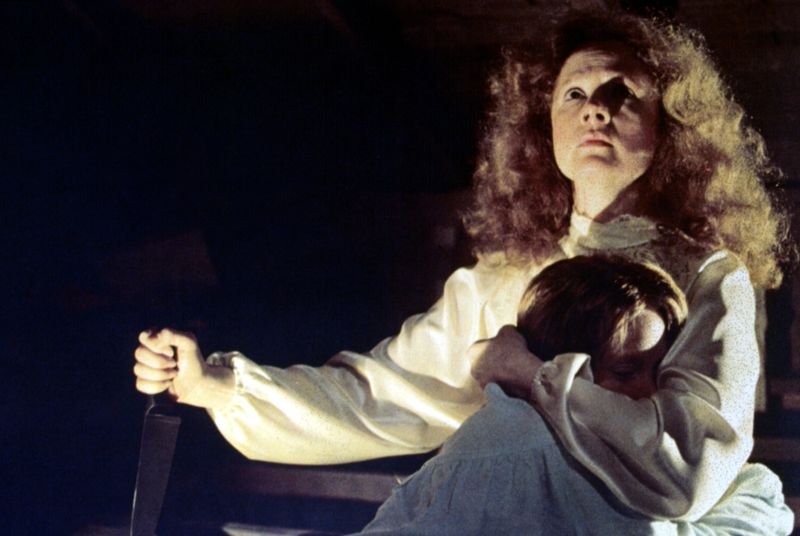
At home, Carrie fears her mother as much as the classmates who bully her. Margaret White treats ordinary growing up as a sin, using shame and punishment to keep Carrie obedient.
Her religious beliefs become a tool for control rather than comfort.
As Carrie discovers her unusual powers, Margaret’s fear grows more dangerous. Their relationship shows why children need room to ask questions and feel safe.
Strict rules cannot replace kindness, trust, or honest conversations about change.
2. Joan Crawford, Mommie Dearest
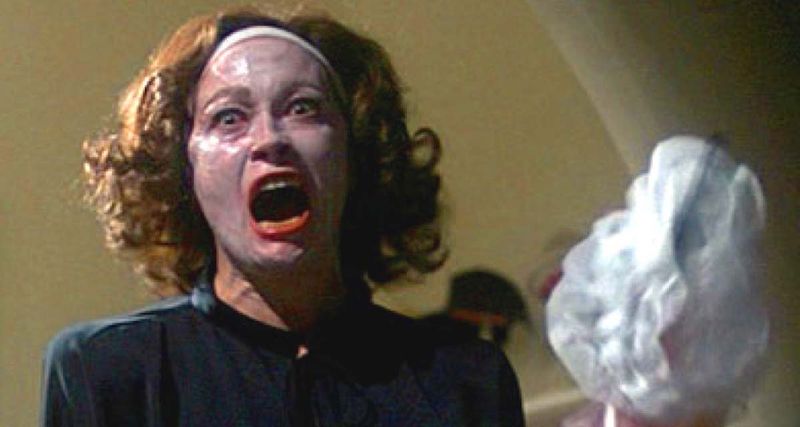
A spotless house should feel welcoming, yet Christina lives on edge inside Joan Crawford’s home. In Mommie Dearest, Joan’s public glamour hides frightening outbursts and harsh treatment of her adopted children.
Praise can disappear the moment they fail to meet her demands.
The film is based on Christina Crawford’s memoir, though its portrayal remains debated. Its central lesson is clear: a parent’s reputation tells you little about life at home.
Listen when children describe feeling unsafe.
3. Norma Bates, Psycho
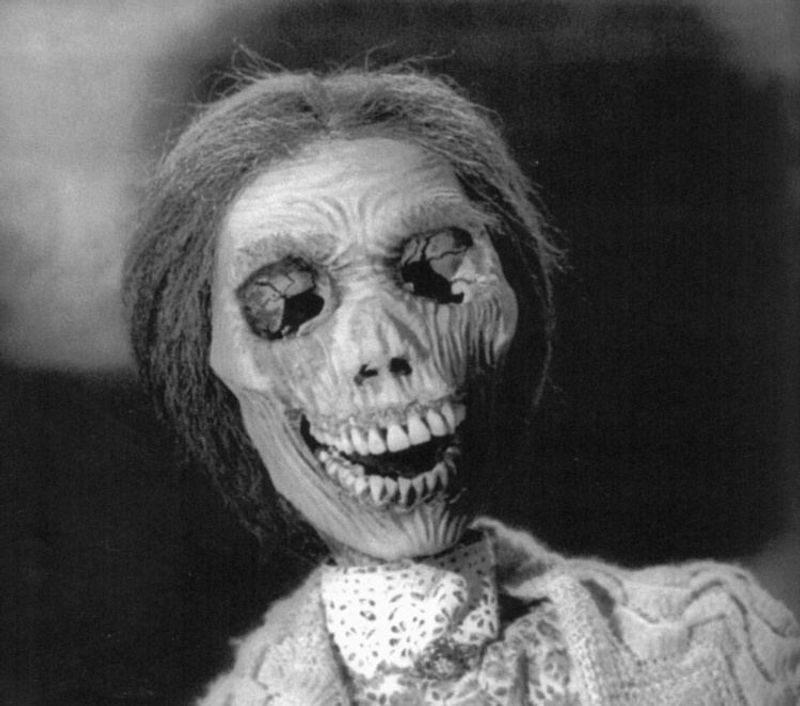
High above the Bates Motel, a dark house seems to hold Norman’s deepest fear. Norma Bates is dead during the main events of Psycho, yet her influence remains central to the story.
Norman has taken on a version of her identity, making the film’s mother figure deeply unsettling.
The twist asks viewers to look beyond what characters say about their families. It also shows how horror can use a home, a voice, and a secret to build dread.
4. Lady Tremaine, Cinderella
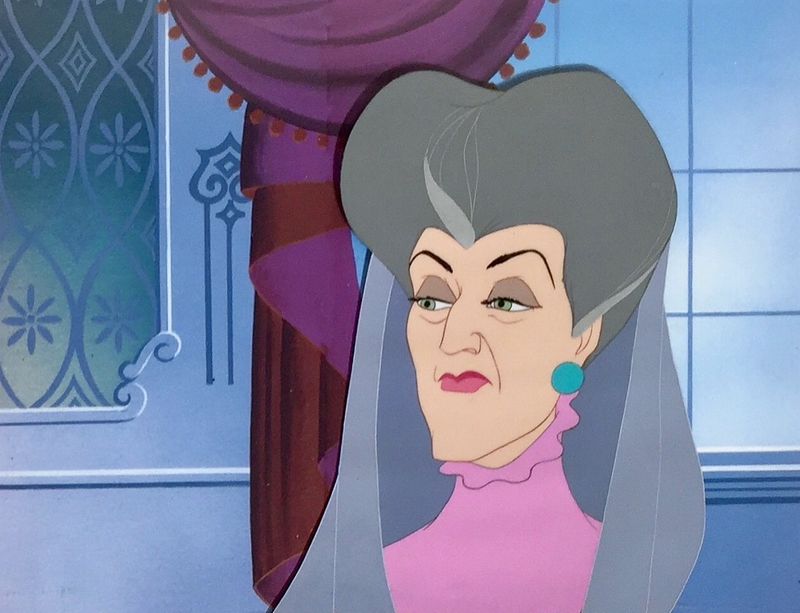
Lady Tremaine rarely needs to raise her voice to make Cinderella miserable. She gives her stepdaughter endless chores while offering her own daughters comfort and chances to succeed.
Her calm manner makes each unfair choice feel especially cold.
As a stepmother, she shows that cruelty does not always look loud or wild. Favoritism can hurt a family just as deeply.
Cinderella’s story reminds readers to notice who is left out, even when everyone claims the arrangement is fair.
5. Mother Gothel, Tangled
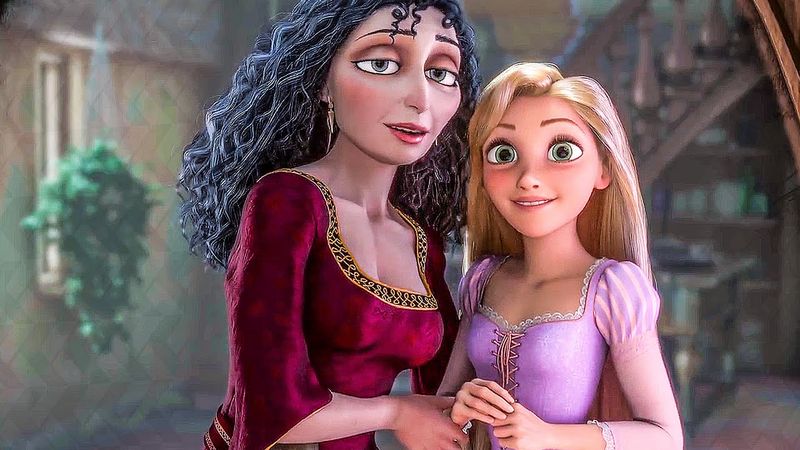
Mother Gothel calls Rapunzel her flower, but her sweet words hide a selfish plan. After kidnapping the child, she keeps her in a tower so she can use Rapunzel’s magical hair to stay young.
Whenever Rapunzel dreams of leaving, Gothel answers with fear and guilt.
Tangled makes a useful point about manipulation: someone can sound caring while taking away your choices. Real support helps a young person grow, meet others, and learn about the world safely.
6. The Other Mother, Coraline
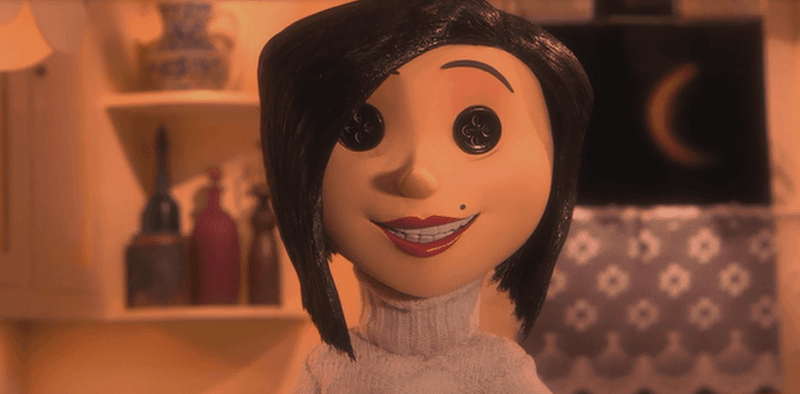
At first, Coraline’s Other Mother seems like an upgrade: better food, more attention, and a world built around her. Then the buttons appear.
The creature wants Coraline to give up her eyes and remain in that tempting world forever.
Her trap works because she notices what Coraline feels is missing at home. Coraline teaches a simple lesson about tempting offers: kindness should never demand your freedom in return.
If a gift has a frightening condition, look closer.
7. Pamela Voorhees, Friday the 13th
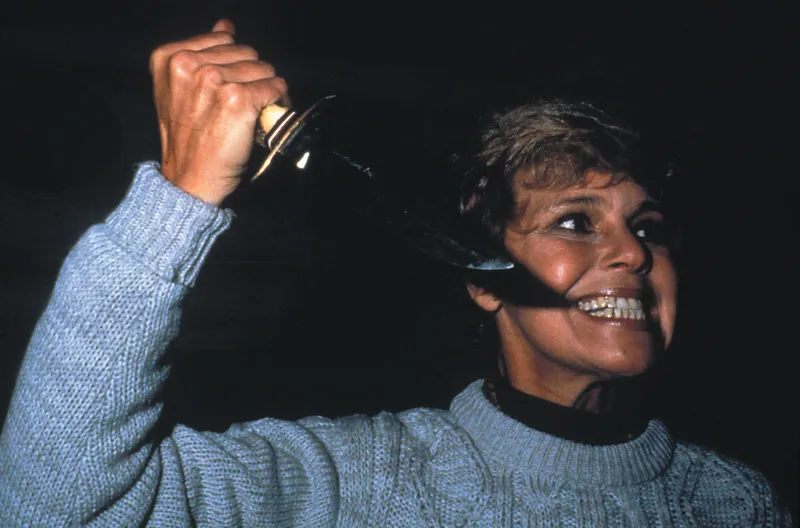
Camp Crystal Lake has a killer with a personal reason for returning. Pamela Voorhees blames camp counselors for failing to watch her son Jason when he drowned.
Her grief has turned into a drive to punish people she connects with that loss.
As the first film’s killer, Pamela surprises viewers who know the series mainly for Jason. Her story shows how a powerful feeling can become dangerous when a person chooses revenge over help, truth, or healing.
8. Mrs. Iselin, The Manchurian Candidate
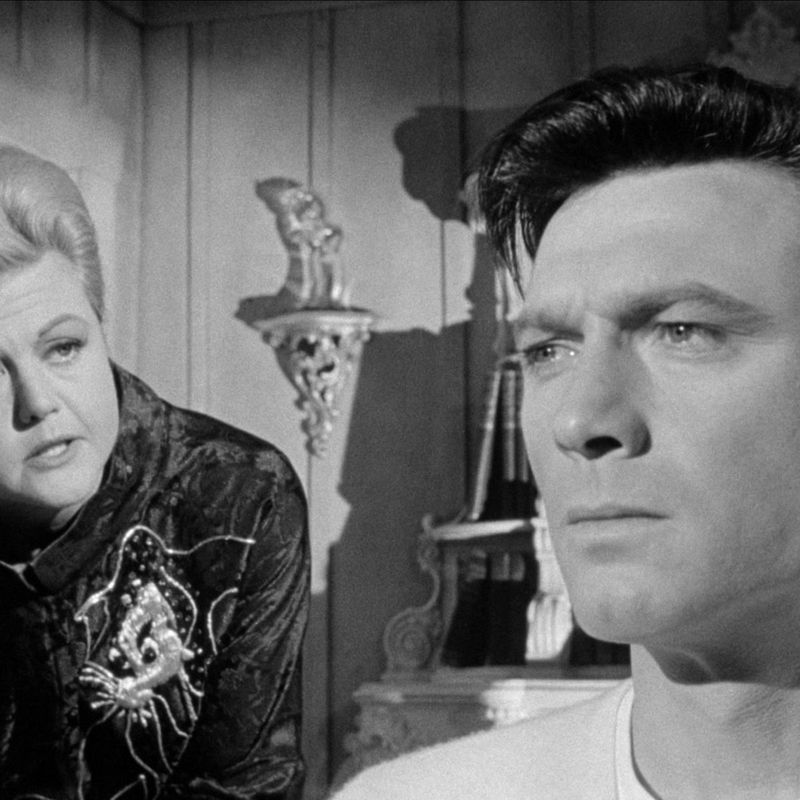
Mrs. Iselin can smile for a crowd while treating her son Raymond like a political tool. In The Manchurian Candidate, she helps direct a plot that uses his brainwashing to make him an assassin.
Her hunger for power leaves little room for his wishes or safety.
Unlike many screen villains, she operates through plans and public influence. Her story asks a sharp question: when does a parent’s ambition stop being encouragement and become control?
Raymond’s fate gives a frightening answer.
9. Mary Lee Johnston, Precious
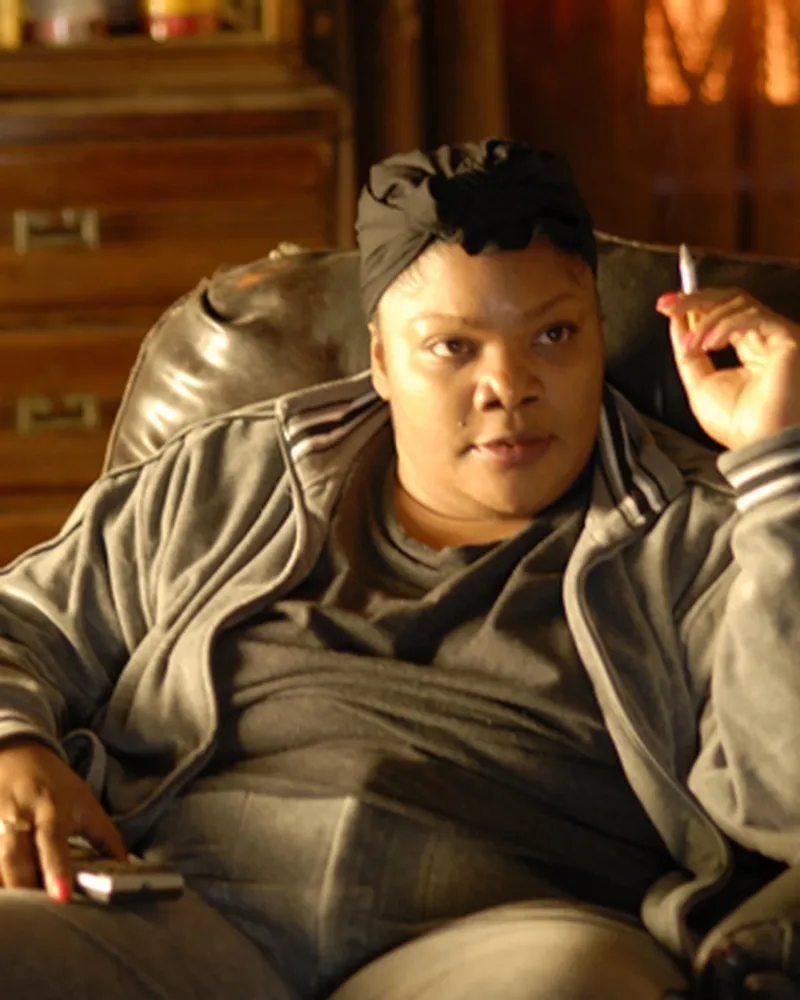
For Precious, home offers little shelter from harm. Her mother, Mary Lee Johnston, insults and physically abuses her, then blames her for suffering she did not cause.
The film treats that cruelty seriously without making Precious seem defined by it.
What stands out is Precious’s effort to find support through school and other caring adults. Her story reminds viewers that abuse is never a child’s fault.
Being believed and offered a safe place can help someone begin a different future.
10. Mama Fratelli, The Goonies
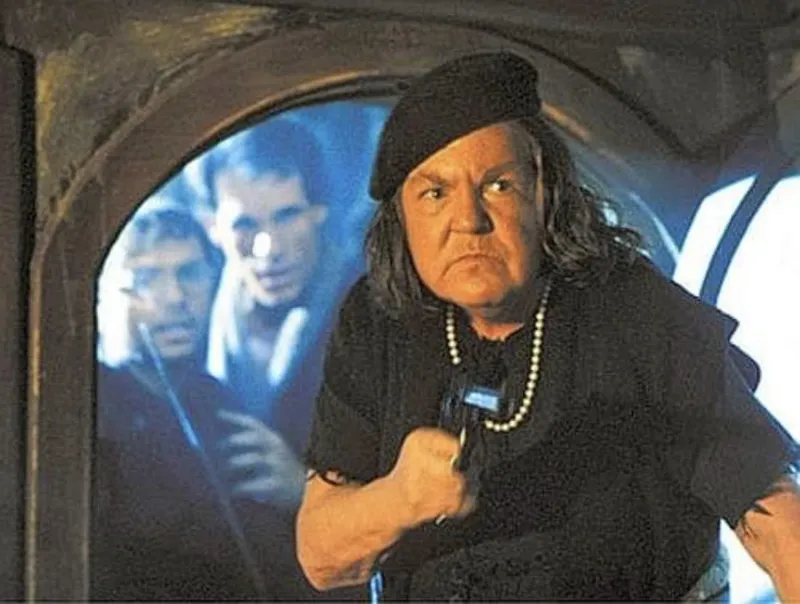
While the Goonies chase treasure, Mama Fratelli chases the Goonies. She leads her criminal sons with sharp orders and little patience, turning their family hideout into another danger the kids must escape.
Her tough manner brings dark humor to a fast adventure.
Yet the jokes do not erase how badly she treats Sloth, one of her sons. That detail gives the film heart: family members deserve respect even when others dismiss or fear them.
Sloth finds connection elsewhere.
11. Erica Sayers, Black Swan
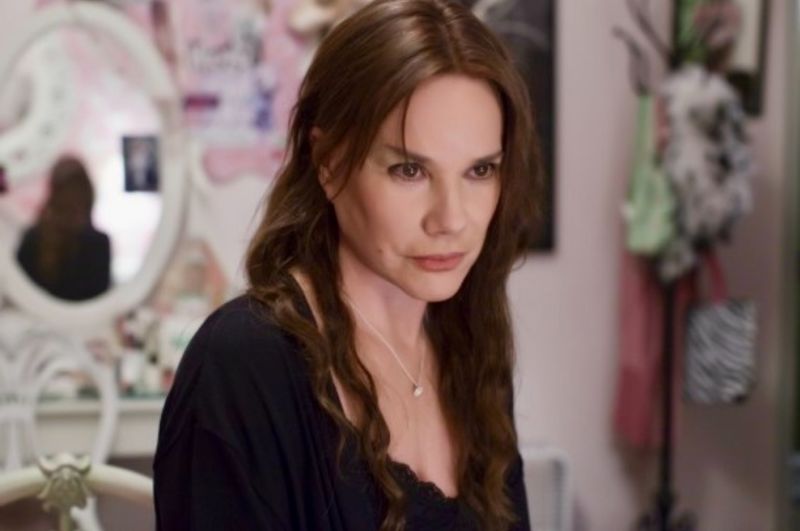
Inside Nina’s apartment, even privacy seems hard to find. Erica Sayers watches her adult daughter closely, treats her like a child, and ties her own hopes to Nina’s ballet career.
Their uneasy bond adds pressure as Nina struggles with an intense lead role.
Black Swan also follows Nina’s mental distress, so Erica alone does not explain everything that happens. Still, their relationship shows why support needs boundaries.
Caring about someone’s success should leave space for that person’s own decisions.
12. Annie Graham, Hereditary
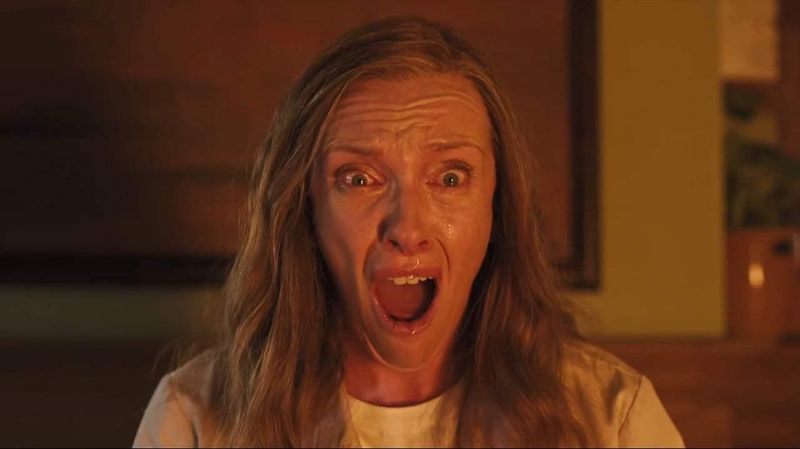
After a death in the family, Annie Graham tries to hold daily life together while grief and strange events close in. In Hereditary, her anger and fear sometimes hurt those closest to her.
The film also reveals forces far beyond one parent’s control.
Annie is more complicated than a simple villain. Watching her makes it worth asking how families speak about loss when everyone is frightened.
Honest support cannot solve every crisis, but silence and blame can deepen the pain.
13. Mother, The People Under the Stairs
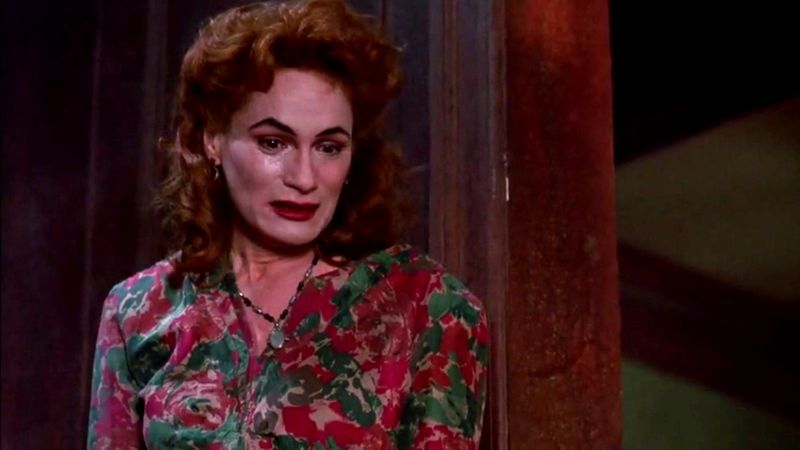
A locked house should keep danger out, but in The People Under the Stairs, danger lives inside. The woman called Mother rules the home alongside her partner, punishing children who fail to follow their cruel rules.
Their captives have to find ways to survive and escape.
The frightening house turns a familiar idea upside down: adults are supposed to protect children. The film shows why secrecy and absolute power are dangerous together.
A safe home lets people seek help outside it.
14. Violet Weston, August: Osage County
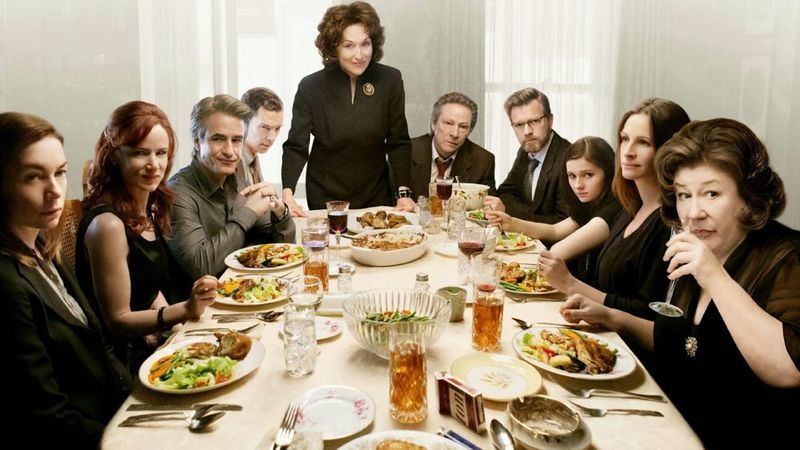
One family dinner with Violet Weston can feel like walking into a storm. In August: Osage County, she uses cruel remarks to wound her adult daughters, often striking at the things they care about most.
Her struggles with pills and alcohol add to the household’s turmoil.
Violet is sharp and sometimes funny, which makes her harder to dismiss. The film shows how words can leave lasting marks.
Being related to someone does not mean accepting every insult without a boundary.
15. LaVona Golden, I, Tonya
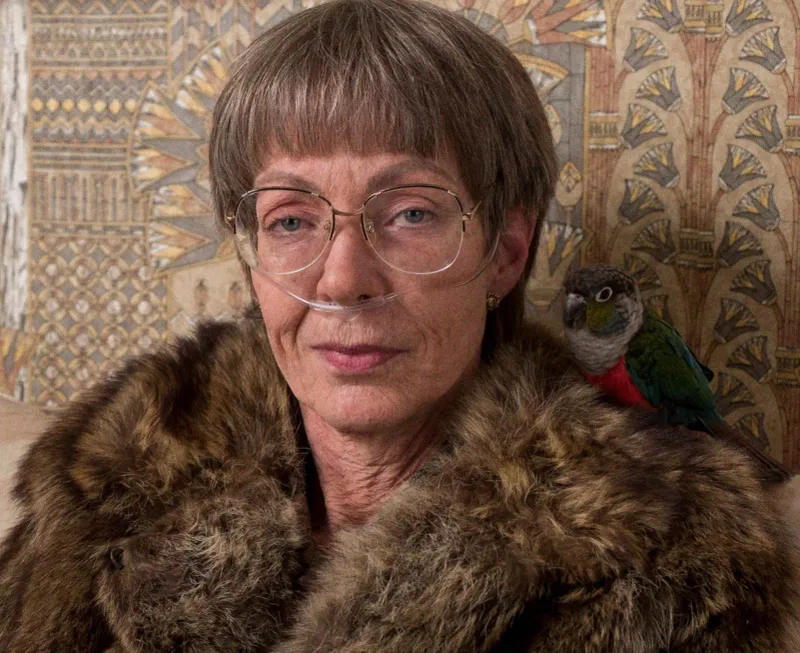
At the rink, LaVona Golden sees her daughter Tonya’s skating talent as something to push, not simply enjoy. In I, Tonya, she delivers insults and harsh treatment while claiming that toughness will help Tonya win.
Their scenes mix uncomfortable humor with real hurt.
The film presents several conflicting memories of events, so viewers should notice whose version they are hearing. Still, LaVona’s behavior raises a familiar issue: young athletes need guidance that supports their well-being, not just their results.