
Britain is famous for fish and chips, tea, and roast dinners, but its food history hides some truly strange surprises. Many towns and regions still make dishes that sound odd, look funny, or come with wild stories behind them.
Plenty of people who grew up in the UK have never tasted them at all. Get ready to meet the weird, wonderful, and sometimes stinky side of British cooking.
1. Stargazy Pie
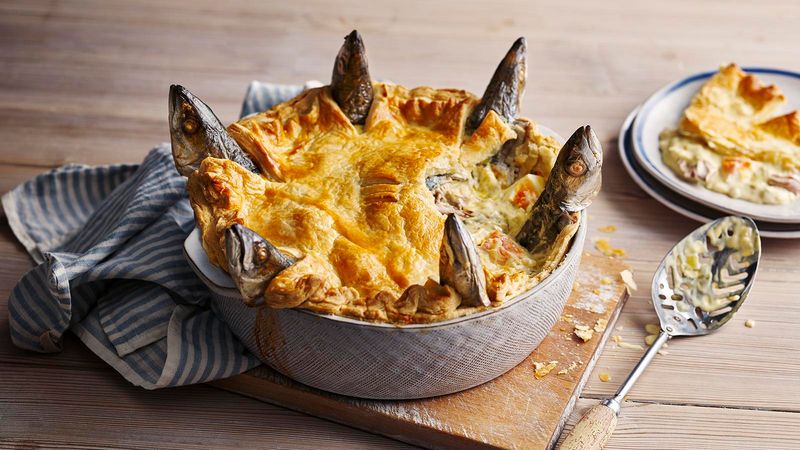
Picture a pie staring right back at you. Stargazy pie from Mousehole in Cornwall has whole pilchards poking their heads through the crust, looking up at the stars.
Locals bake it every December 23rd for Tom Bawcock’s Eve. Legend says Tom sailed out in a terrible storm and saved the village from hunger.
Inside, you’ll find eggs, potatoes, and fish in a creamy sauce. Taste it once, and the stares stop feeling so spooky.
2. Jellied Eels
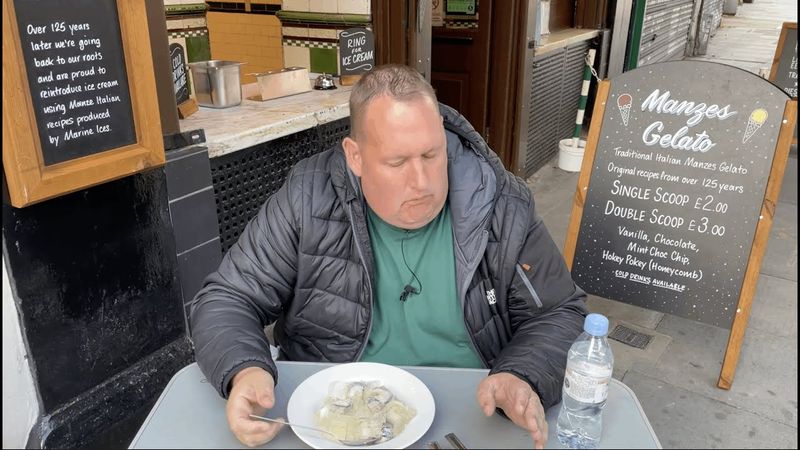
Old East London loved a cheap, filling snack. Back in the 1700s, eels swam happily in the muddy River Thames, so hungry workers boiled them up.
Chopped eel is cooked in a spicy stock that cools into a wobbly jelly. Most folks add a splash of chilli vinegar for extra zing.
You can still find them at traditional pie and mash shops. Be brave, because the texture is slippery but surprisingly mild.
3. Laverbread
Actor Richard Burton once called laverbread Welsh caviar. Funny thing is, it contains no bread at all.
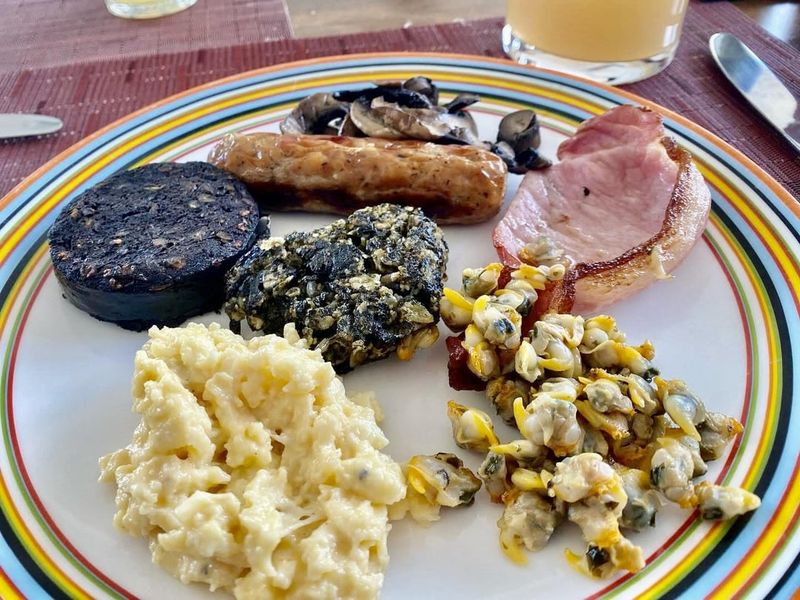
Laver is a seaweed picked from rocky Welsh beaches, then boiled for hours until it turns into a dark, glossy paste. It tastes salty, earthy, and a little like the ocean breeze.
Try it the classic way, fried with oatmeal and served alongside cockles and bacon. It makes a breakfast your friends will never forget.
4. Spotted Dick
Yes, the name makes kids giggle every single time. Still, spotted dick is one of the coziest puddings Britain has ever invented.
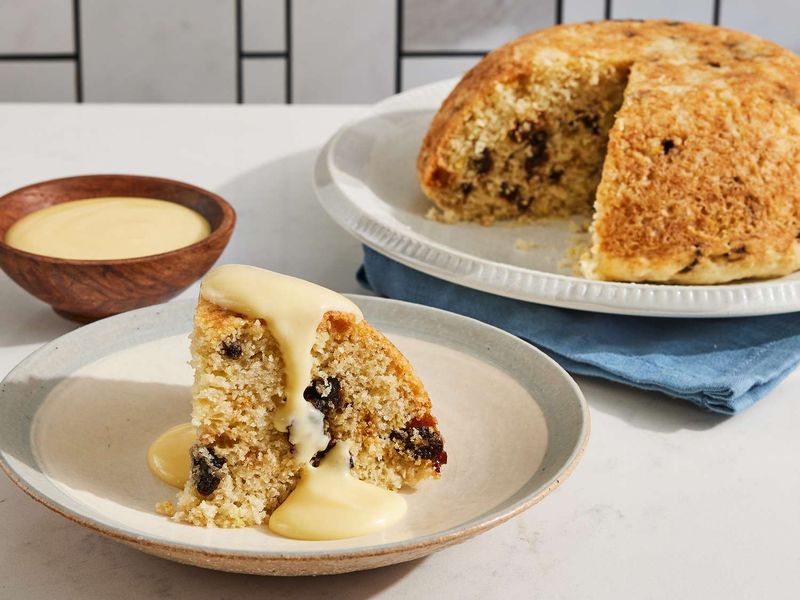
Bakers mix suet, flour, and sugar, then fold in currants for the spots. The dough is steamed for a soft, springy texture.
Pour hot custard over the top and you have pure comfort in a bowl. Some cafeterias once renamed it Spotted Richard to avoid blushing customers.
5. Haggis
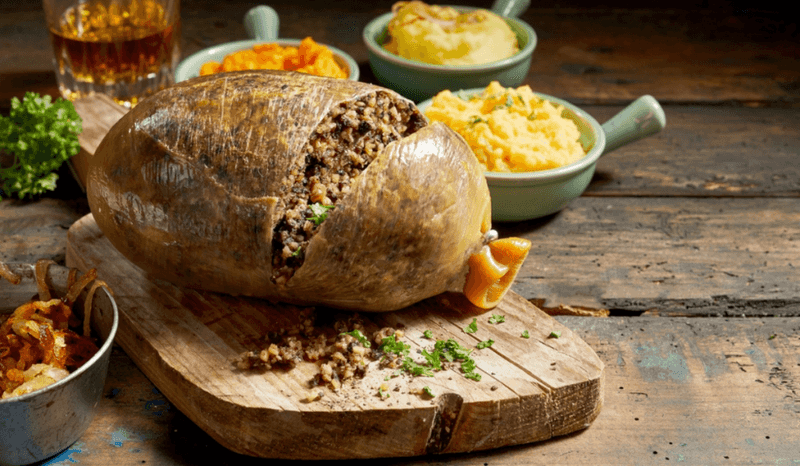
Scotland’s national dish arrives with bagpipes and a poem. Every January 25th, Burns Night celebrates poet Robert Burns, who wrote a whole ode to haggis.
Sheep heart, liver, and lungs are mixed with oats, onion, and spices, then cooked inside a casing. Sounds scary, but the flavor is peppery and rich, like a savory sausage.
Serve it with neeps and tatties, which means turnips and potatoes. Vegetarian versions exist too.
6. Black Pudding
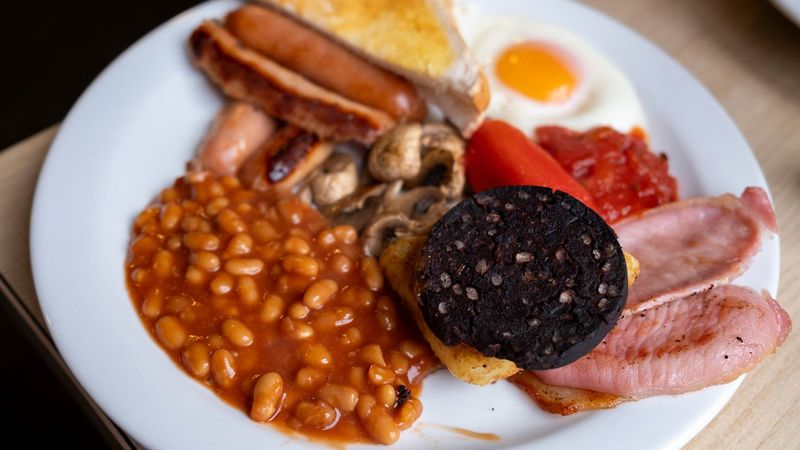
Blood sausage might not sound like breakfast, but northern England swears by it. Black pudding mixes pork blood with oats, fat, and spices.
Bury in Lancashire even hosts a championship where people throw black puddings at a stack of Yorkshire puddings. Talk about playing with your food!
Sliced and fried until crispy, it tastes smoky and crumbly. Pair it with a fried egg, and you might just become a secret fan.
7. Faggots
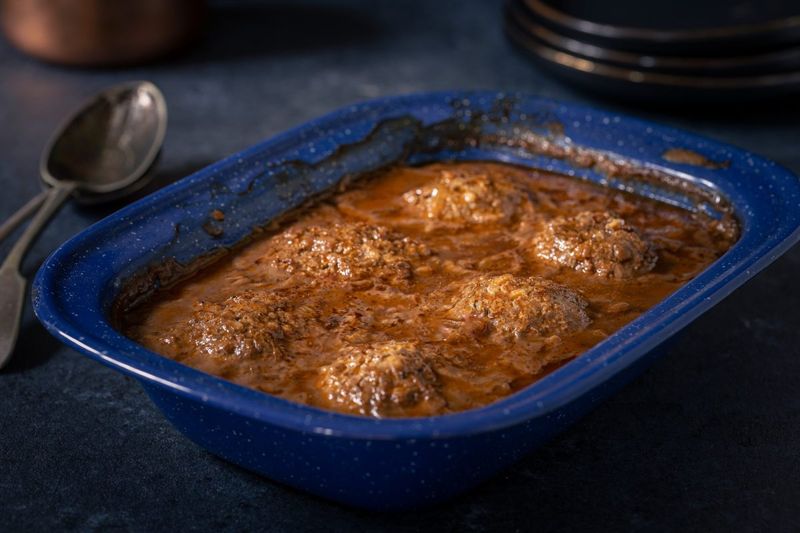
Grandparents across the Midlands often smile when this dish comes up. Faggots are hearty meatballs made from pork offal like liver and heart, mixed with breadcrumbs and herbs.
They were a thrifty meal during tough times, since nothing from the pig went to waste. Cooks traditionally wrapped them in a thin layer of fat called caul.
Smother them in onion gravy with mushy peas. It’s warming food for a chilly, rainy afternoon.
8. Chip Butty
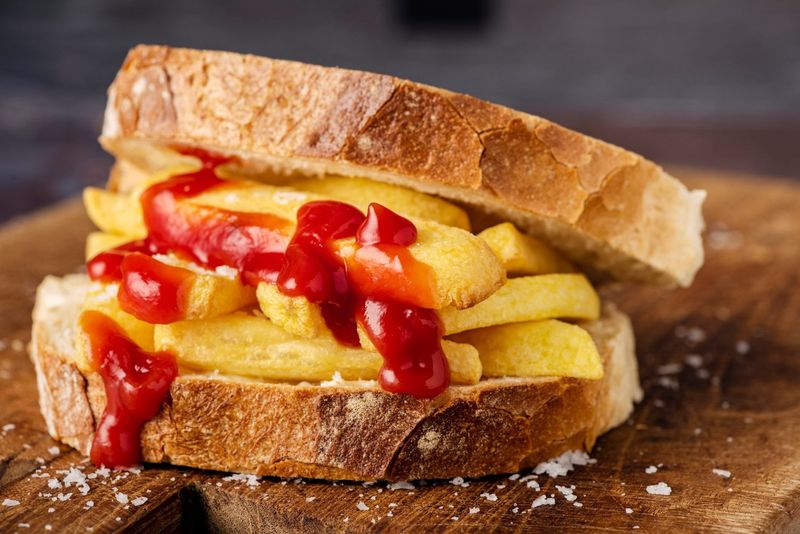
Carbs inside carbs? Absolutely.
A chip butty is just hot chips squished inside a buttered bread roll, and it’s gloriously messy.
Working families in northern England loved it because it was cheap and filling. The butter melts from the heat, soaking into the bread.
Add ketchup, brown sauce, or a dash of vinegar to finish it off. Tip: squash it flat before biting so the chips don’t escape onto your lap.
9. Pease Pudding
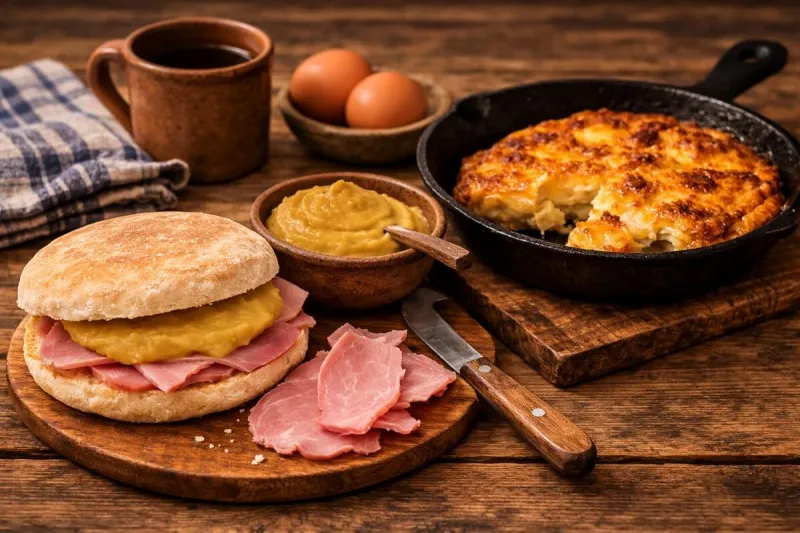
Remember the nursery rhyme Pease porridge hot, pease porridge cold? That old song describes this very dish.
Yellow split peas are boiled slowly, often with a ham bone, until they turn thick and spreadable. Up in the northeast of England, especially around Newcastle, it’s still a lunchtime favorite.
Spread it inside a stottie cake with slices of ham. The taste is mild, creamy, and a bit like a British hummus.
10. Scouse
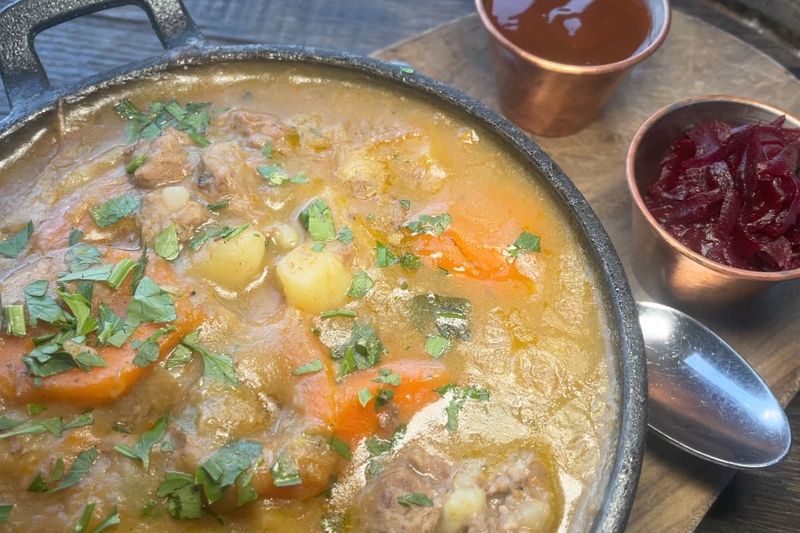
Ever wondered why people from Liverpool are called Scousers? They’re named after this stew.
Sailors brought a dish called lobscouse to the busy port centuries ago. Liverpool families made it their own with beef or lamb, potatoes, carrots, and onions, simmered for hours.
Locals eat it with pickled red cabbage and crusty bread. Blind scouse is the meatless version.
Every family claims their recipe is the best one.
11. Bedfordshire Clanger
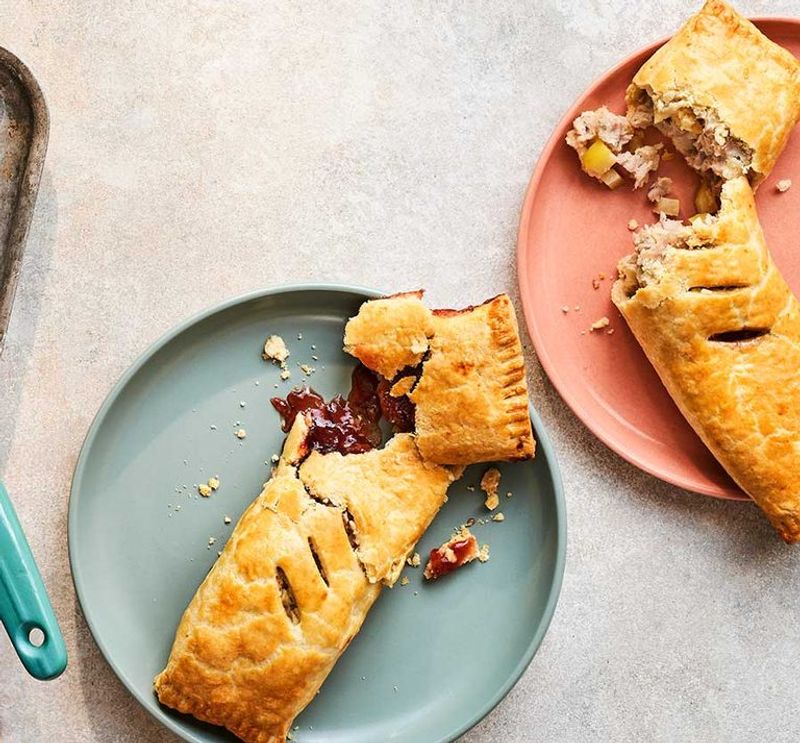
Lunch and dessert in one handy package? Farm workers in Bedfordshire thought that was genius.
A clanger is a long suet pastry with meat and vegetables at one end and sweet jam or apple at the other. Clever bakers marked the sweet side with little slits so you knew where to start.
Today, a few local bakeries still sell them. Grab one and see if you can resist eating the dessert first.
12. Stinking Bishop Cheese
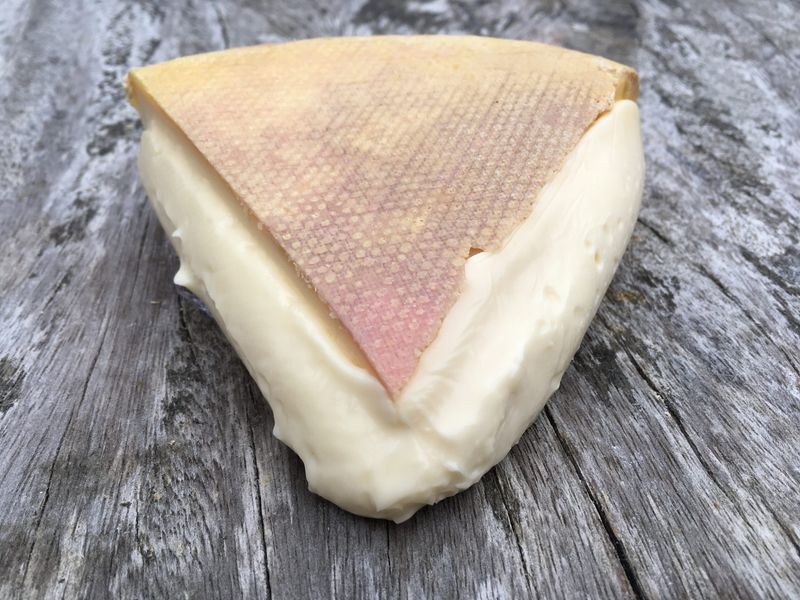
Hold your nose, because this cheese earns its name. Stinking Bishop from Gloucestershire is washed in pear cider, giving it a famously strong smell.
Fun fact: it starred in the movie Wallace and Gromit: The Curse of the Were-Rabbit, where it woke Wallace up.
The inside, though, is soft, gooey, and surprisingly gentle on the tongue. Spread it on crackers with sliced pear and let your taste buds decide.
13. Bath Chaps
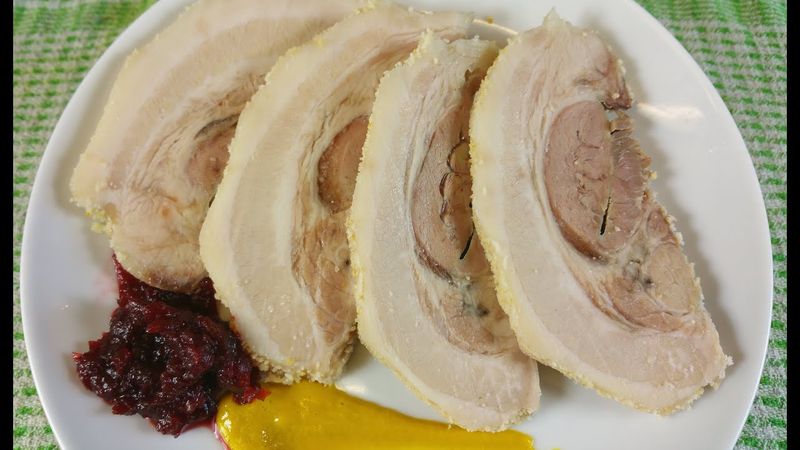
Here’s a snack from the elegant city of Bath that sounds far fancier than it is. Bath chaps are pig cheeks, cured, boiled, and rolled in breadcrumbs.
Victorian shoppers loved them as a cheap treat. The meat is tender, a little fatty, and full of bacon-like flavor.
They almost vanished, but some butchers in the West Country bring them back. Slice them thin with mustard for a tasty old-fashioned lunch.
14. Marmite on Toast
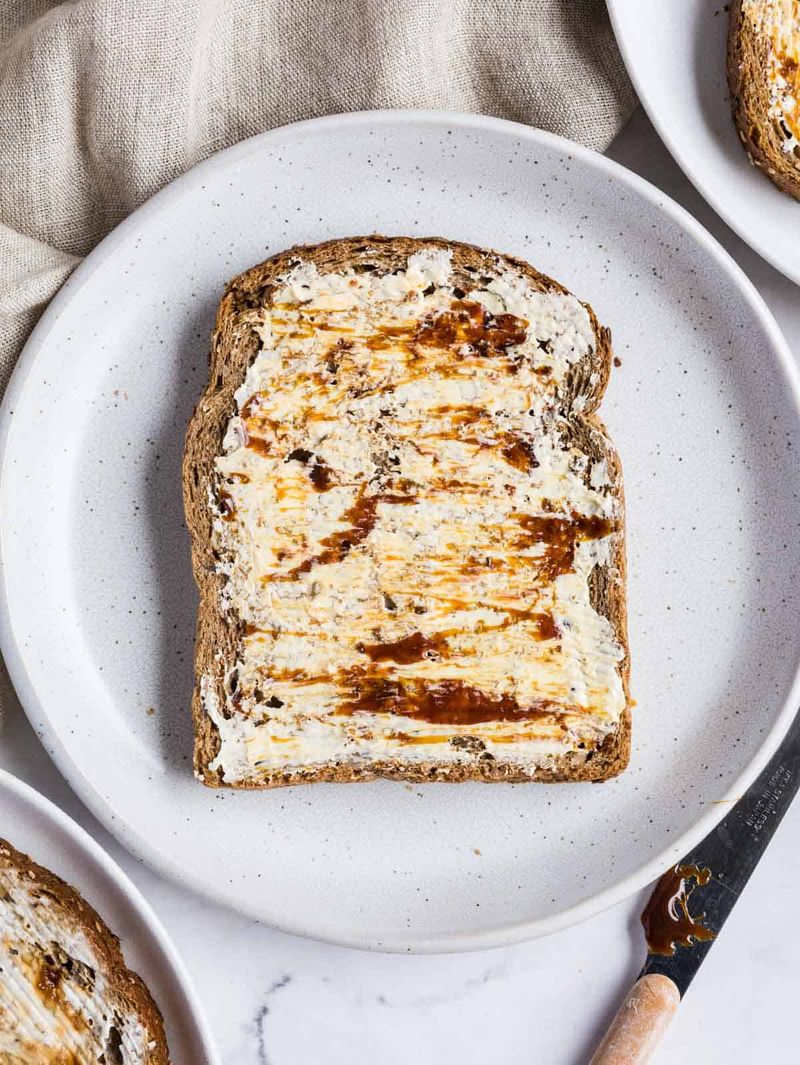
Love it or hate it, that’s the official slogan. Marmite is a sticky, salty spread made from leftover yeast from beer brewing.
Created in 1902, it’s packed with B vitamins, and British soldiers even got it in their rations. Many visitors take one bite and pull a face.
The secret is using just a thin scrape over lots of butter on warm toast. Spread it too thick, and you’ll understand the haters.
15. Potted Shrimp
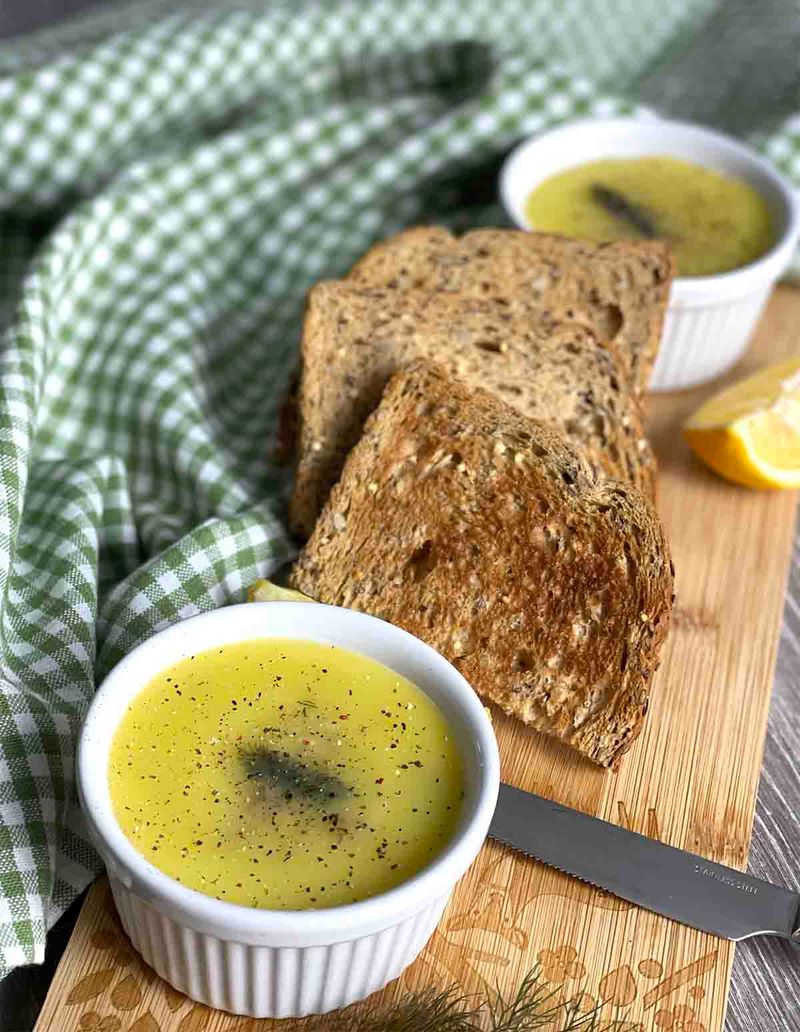
Tiny brown shrimp from Morecambe Bay in Lancashire have been a seaside delicacy for centuries. Fishermen once used horses and carts to catch them on the sandy flats.
Cooks pack the shrimp into little pots with butter, nutmeg, and mace, then seal them with more melted butter. Before fridges, that kept them fresh.
Spread them on warm toast so the butter melts. It’s rich, delicate, and totally royal, since the Queen reportedly loved them.
16. Fidget Pie
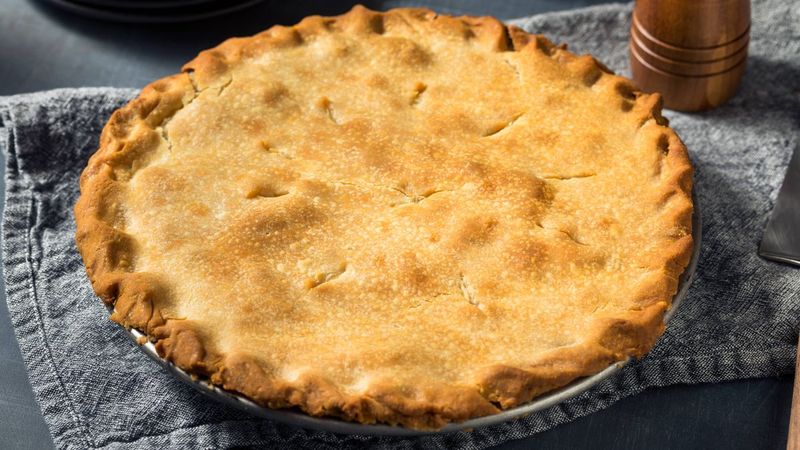
Harvest season in the English Midlands meant long days in the fields. Fidget pie kept hungry farmhands going strong.
Layers of gammon, apples, onions, and potatoes sit under a flaky crust, sometimes with a splash of cider. The sweet and salty mix works beautifully.
Nobody knows exactly where the silly name came from. Some say the pie’s odd shape was once called fitched, meaning five-sided.
Either way, it’s delicious.
17. Scotch Woodcock
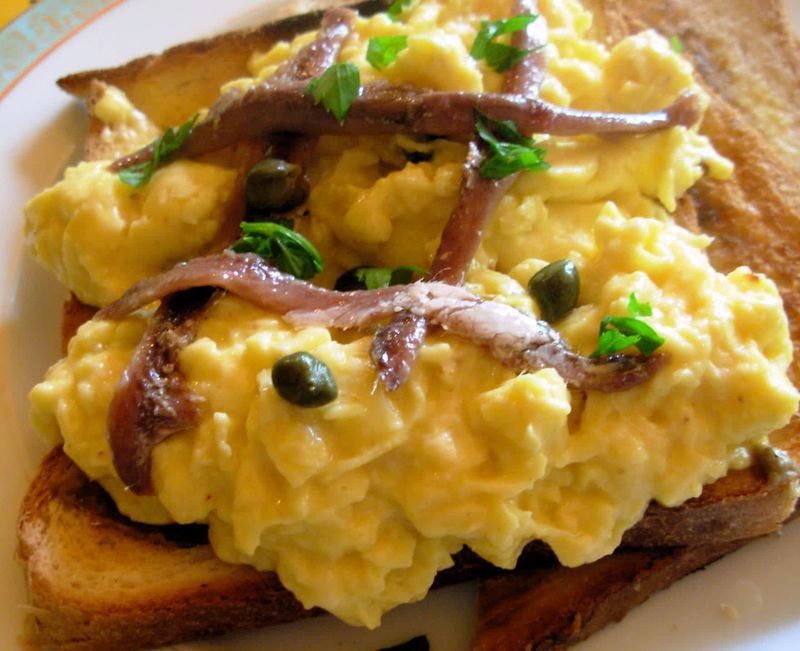
Don’t expect any bird on your plate. Scotch woodcock is actually creamy scrambled eggs on toast spread with anchovy paste.
Victorian gentlemen enjoyed it as a savory snack after big dinners, instead of sweet desserts. It even appeared on menus in the Houses of Parliament.
The salty fish and soft eggs make a bold combo. Try it for a fancy brunch and amaze your family with a dish from the 1800s.
18. Arbroath Smokie
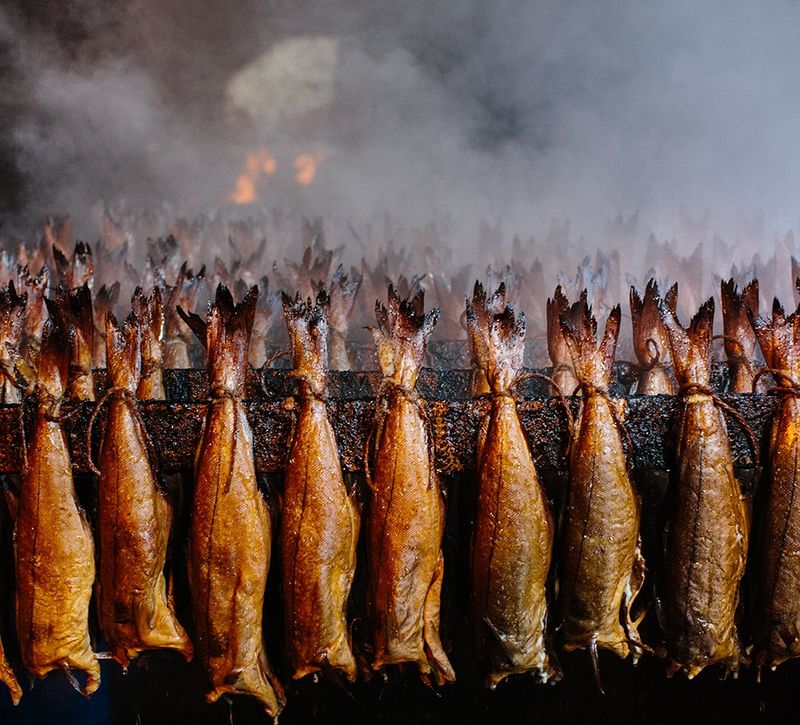
Walk through the harbor town of Arbroath in Scotland and you’ll smell woodsmoke drifting from barrels. That’s where smokies are born.
Fresh haddock are tied in pairs and hot smoked over hardwood fires until golden. The fish comes out moist, flaky, and smoky.
Arbroath smokies have special protected status, just like Champagne in France. Eat one warm straight from the barrel, or flake it into scrambled eggs.
19. Tiddy Oggy
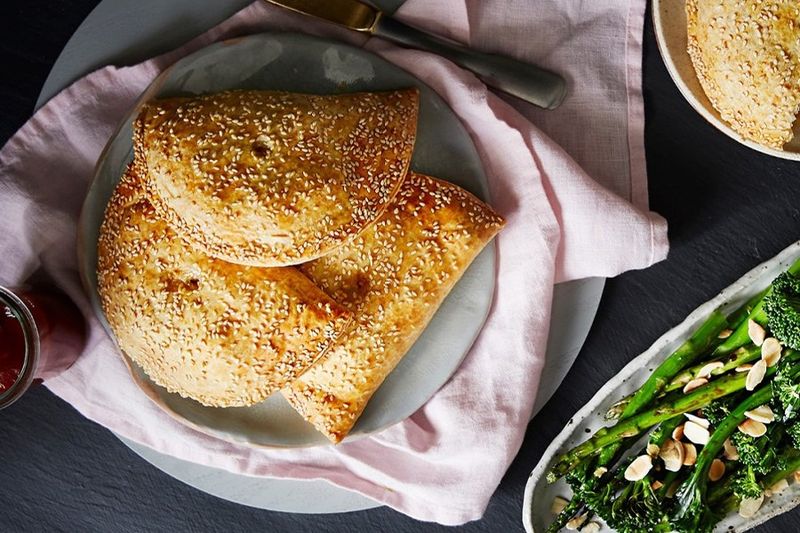
Sailors in Plymouth have a battle cry for their favorite snack. Oggy, oggy, oggy! is still shouted at rugby matches today.
A tiddy oggy is Devon’s cousin of the Cornish pasty, a folded pastry packed with meat, potato, and swede. Tiddy is an old word for potato.
Dockyard workers held the thick crust with dirty hands, then tossed it away. Grab one warm for a portable, stomach-filling lunch.
20. Lardy Cake
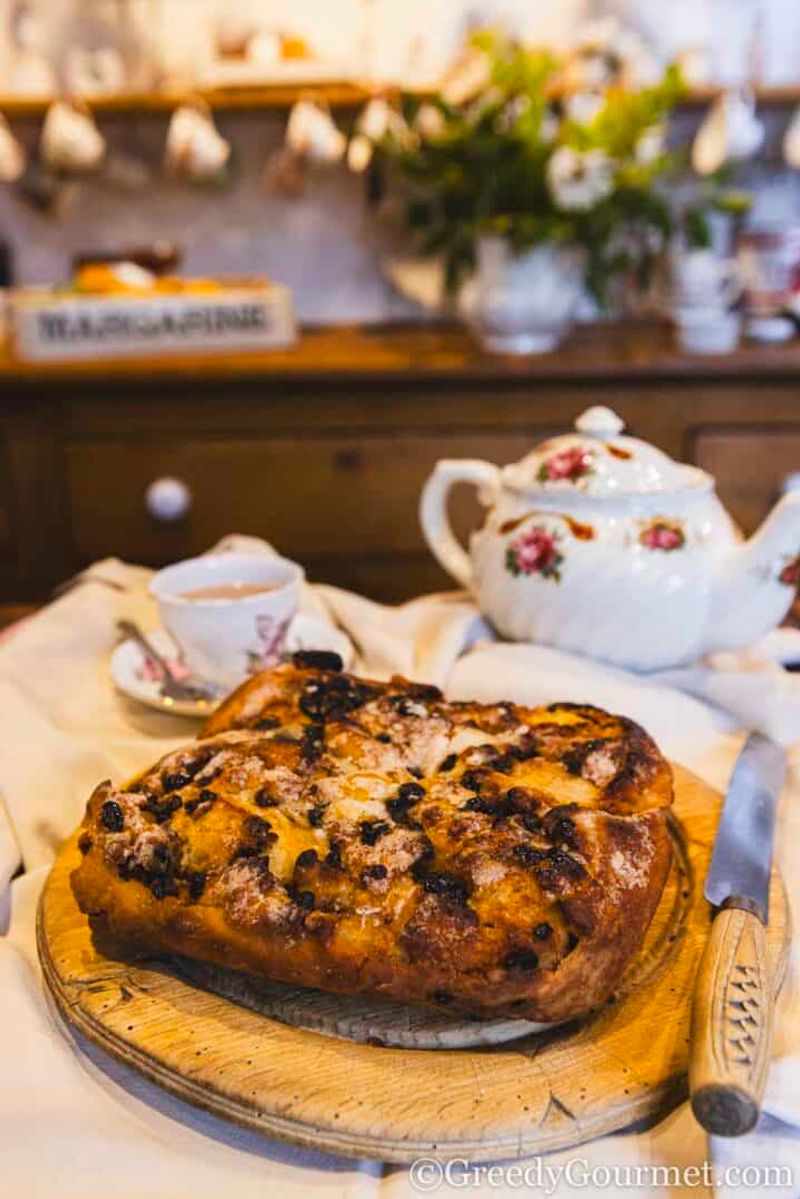
Health food it is not, and nobody pretends otherwise. Lardy cake from Wiltshire is sweet bread layered with lard, sugar, and dried fruit.
As it bakes, the sugar melts into a gooey, sticky caramel at the bottom. Farm laborers loved it for quick energy.
Flip it upside down so the syrupy side faces up, and warm it slightly. Share a slice with a friend, because it’s wonderfully rich.
21. Brawn
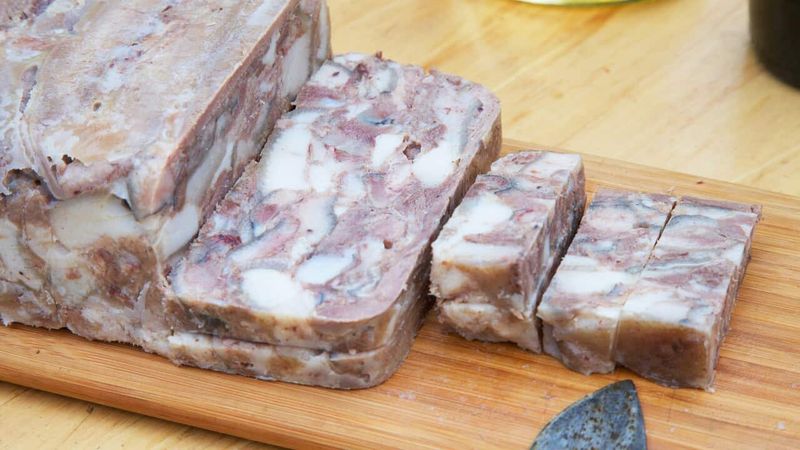
Old-time cooks never wasted a scrap. Brawn, sometimes called head cheese, is made by simmering a pig’s head until the meat falls off.
The meat is chopped, seasoned, and set in its own natural jelly, then sliced cold. Medieval feasts often featured it, especially at Christmas.
Honestly, it tastes like a tender, peppery ham terrine. Serve it with pickles and crusty bread, and skip thinking too hard about where it came from.