
Horror movies are known for their shocking twists and chilling finales, but what you see on screen is not always the original plan. Filmmakers often shoot or script multiple endings before settling on the one that makes it to theaters.
Sometimes those cut endings are darker, sadder, or even more terrifying than what audiences actually saw. Get ready to discover 16 alternate horror movie endings that almost changed everything.
1. Halloween (2018): Laurie Strode’s Tragic Exit
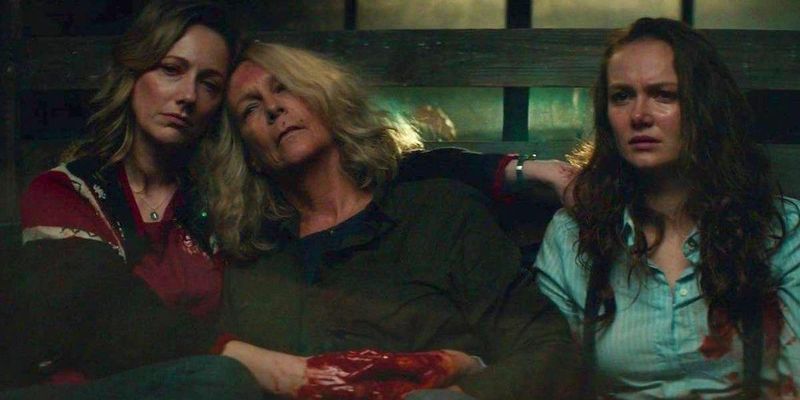
Few horror sequels stirred as much excitement as David Gordon Green’s Halloween reboot, but the ending almost broke fans’ hearts in a very different way. The original script had Michael Myers mortally wounding Laurie Strode, with her daughter Karen finishing him off using a crossbow.
Laurie would then die from her injuries.
Michael would wander into the woods to bleed out alone. Test audiences rejected this bleak conclusion, pushing filmmakers toward a more hopeful finish.
2. The Blair Witch Project (1999): Darker Fates for the Lost
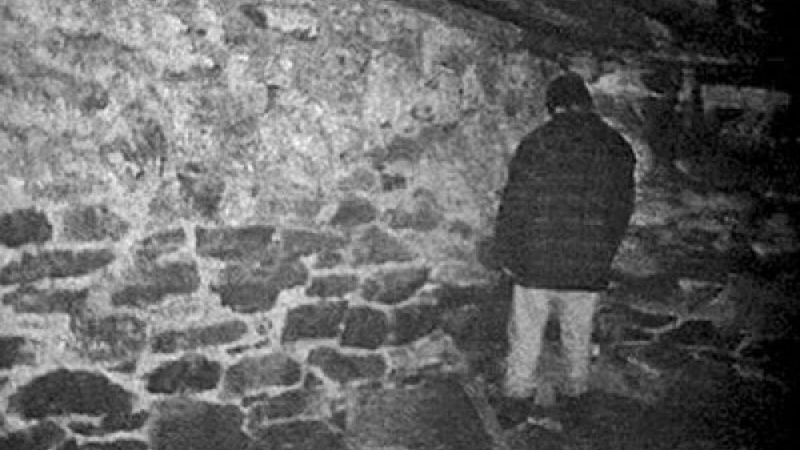
Before it became a found-footage legend, The Blair Witch Project toyed with some truly grim alternate conclusions. Several versions were considered, including one where Mike was found hanging from the ceiling surrounded by ritualistic symbols, and another implying both protagonists were sacrificed.
The theatrical release chose the now-iconic ambiguous shot of Mike standing silently in the corner. That quieter, unexplained moment turned out to be far more unsettling than any graphic alternative could have been.
3. Happy Death Day (2017): Tree Wakes Up Differently
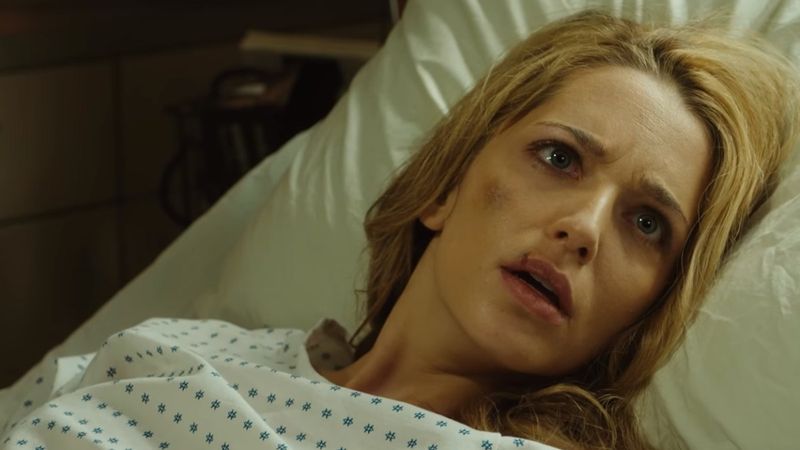
Happy Death Day gave audiences a fun, clever spin on the time-loop formula, but an alternate ending suggested a much more somber resolution. Instead of the upbeat conclusion fans loved, protagonist Tree Gelbman would have woken up in a hospital bed, leaving her fate feeling uncertain and unresolved.
It is easy to see why this version was dropped. The film’s charm came from its energy and humor, and a quiet hospital ending would have deflated all of that momentum completely.
4. The Descent: Trapped in the Dark Forever
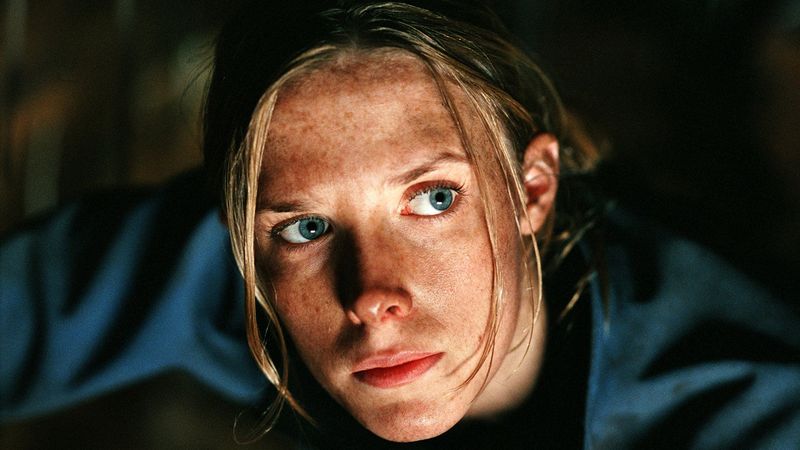
Director Neil Marshall always preferred his original, bleaker ending for The Descent, and honestly, it hits much harder. In his cut, Sarah does not escape the cave at all.
She remains trapped underground, hallucinating her dead daughter while the creatures close in around her.
American distributors forced a happier escape sequence for U.S. audiences. The international release kept Marshall’s preferred ending, and most horror fans agree it is the superior version, perfectly matching the film’s suffocating tone and emotional weight.
5. I Am Legend (2007): Neville Was the Monster All Along
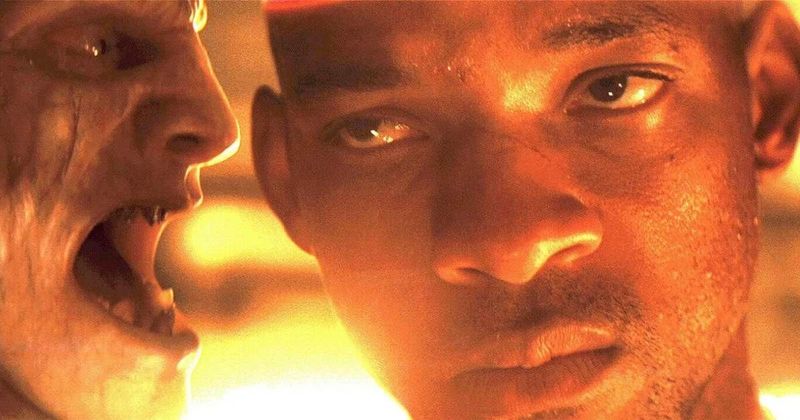
The theatrical ending of I Am Legend felt rushed to many viewers, and for good reason. The original conclusion, faithful to Richard Matheson’s novel, revealed that Robert Neville was actually the monster in this story.
The infected creatures were intelligent beings trying to rescue one of their own from his experiments.
This version reframed the entire film in a shocking, thought-provoking way. Test audiences did not respond well, so the studio swapped it for a more conventional heroic sacrifice that missed the whole point.
6. The Shining: The Hotel Manager’s Unsettling Visit
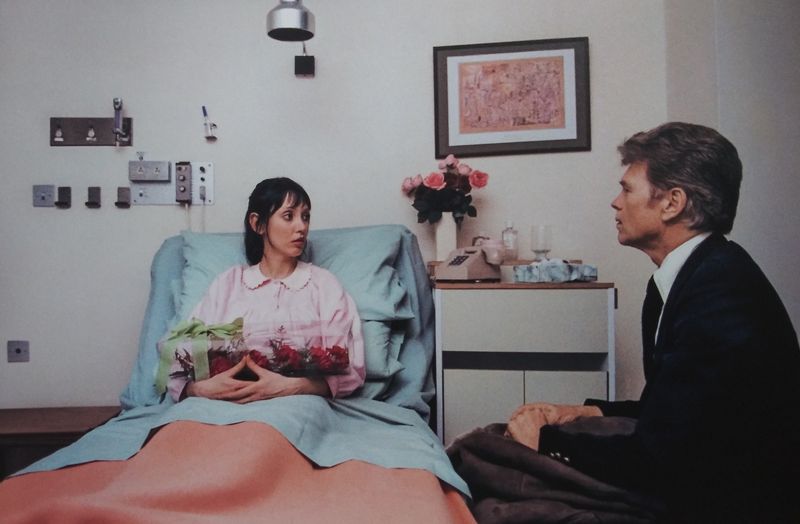
Stanley Kubrick was known for meticulous detail, so it is fascinating that a deleted scene added an extra layer of supernatural dread to The Shining. In this cut footage, the Overlook Hotel’s manager visits Wendy and Danny in the hospital.
He hands Danny the same mysterious tennis ball that appeared earlier inside the hotel.
The implication is deeply unsettling. It suggests the hotel’s evil had a personal connection to Danny long before the Torrance family ever arrived.
Kubrick ultimately removed it, keeping the film’s ending more ambiguous.
7. 28 Days Later: Jim Dies, Not Just Once
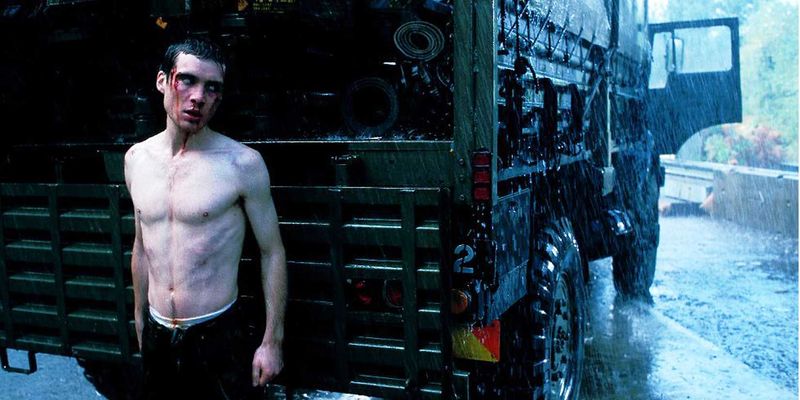
Danny Boyle’s 28 Days Later is remembered for its raw intensity, but the film almost ended very differently for its hero. Four alternate endings were developed, and three of them killed off Jim.
Two filmed versions showed him dying from gunshot wounds, leaving Selena and Hannah to survive without him.
A third, unfilmed concept involved Jim attempting a risky blood transfusion with an infected character. The theatrical ending, where Jim survives and hope flickers, was ultimately chosen because audiences needed something to hold onto.
8. Army of Darkness: Ash Wakes Up 30 Years Too Late
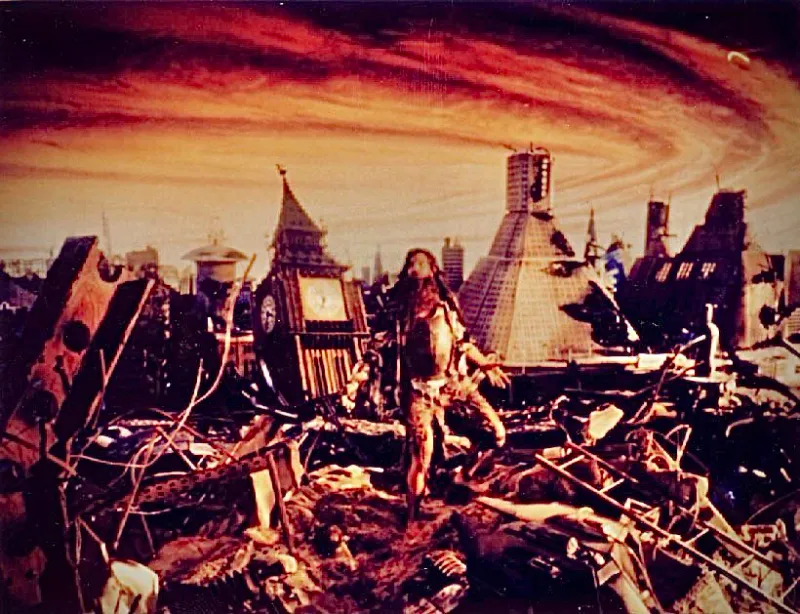
Army of Darkness is a cult classic partly because of how it ends, but that ending depended entirely on where you watched it. In the alternate version, Ash takes one too many sleeping potion drops and oversleeps, waking up in a bleak, post-apocalyptic future instead of his own time.
American theaters got the triumphant version where Ash returns home successfully. The darker alternate cut is beloved by fans for its darkly comedic twist, proving sometimes oversleeping really does ruin everything.
9. April Fool’s Day (1986): A Sadder, Longer Goodbye
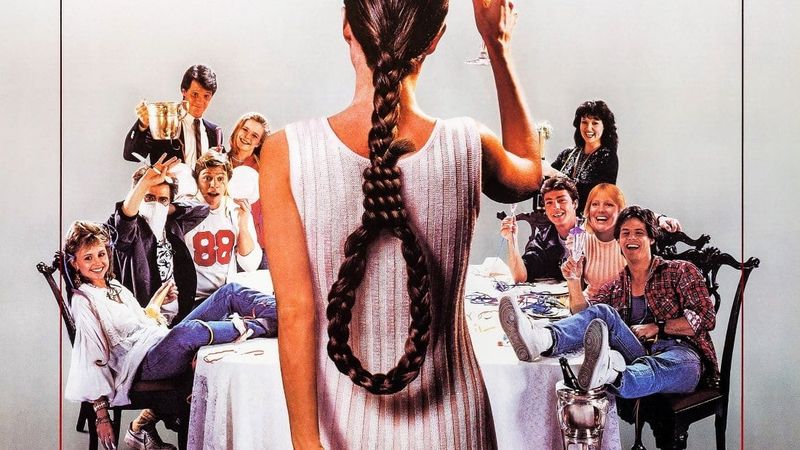
April Fool’s Day is a slasher that leans heavily on its playful twist, but the original ending pushed the story in a far more melancholic direction. The planned conclusion was longer, stretched into the following day, and included more violent scenes that gave the story a genuinely sad emotional weight.
The crew ultimately preferred a lighter finish, partly because they had grown fond of the cast and did not want to leave viewers on such a heavy note. Sometimes affection for your actors shapes the story more than the script does.
10. Paranormal Activity (2007): Katie’s Chilling Final Act
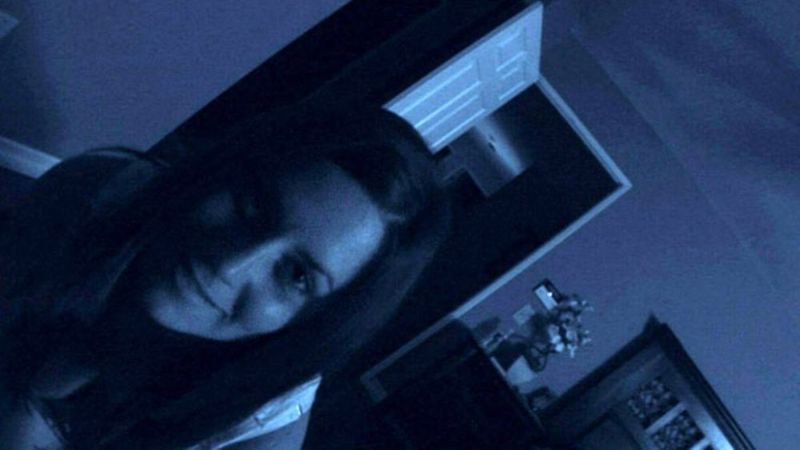
Paranormal Activity terrified audiences on a shoestring budget, and its alternate endings prove the filmmakers had no shortage of dark ideas. One version had Katie return to the bedroom covered in blood after killing Micah, then silently slit her own throat on camera.
Another, suggested by Steven Spielberg, showed her lunging at the camera in full possession mode.
The theatrical release used a variation of Spielberg’s idea. It is wild to think this micro-budget film had a Hollywood legend helping shape its scariest moment.
11. Get Out (2017): Chris Goes to Prison
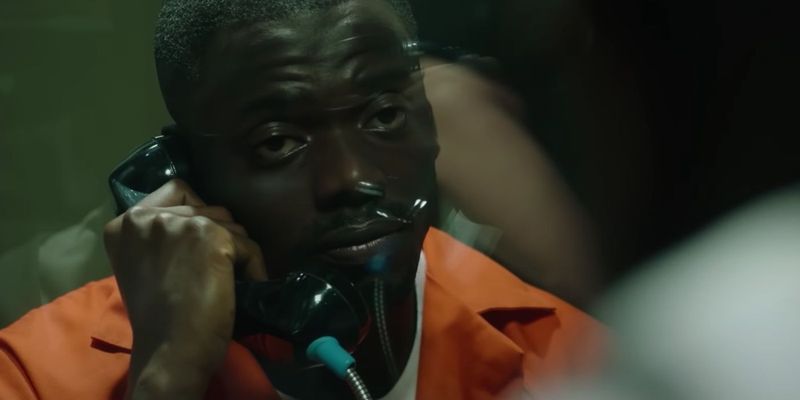
Jordan Peele’s Get Out earned massive praise for its sharp social commentary, but the original ending was far less cathartic. In the filmed alternate conclusion, police arrive and arrest Chris for the murders of the Armitage family.
His friend Rod visits him in prison, and Chris accepts his fate with quiet resignation.
Peele changed the ending after the 2016 election, feeling audiences needed a moment of justice. That decision transformed the film’s emotional impact and made it one of the most celebrated horror finales in recent memory.
12. Alien (1979): The Xenomorph Takes Ripley’s Voice
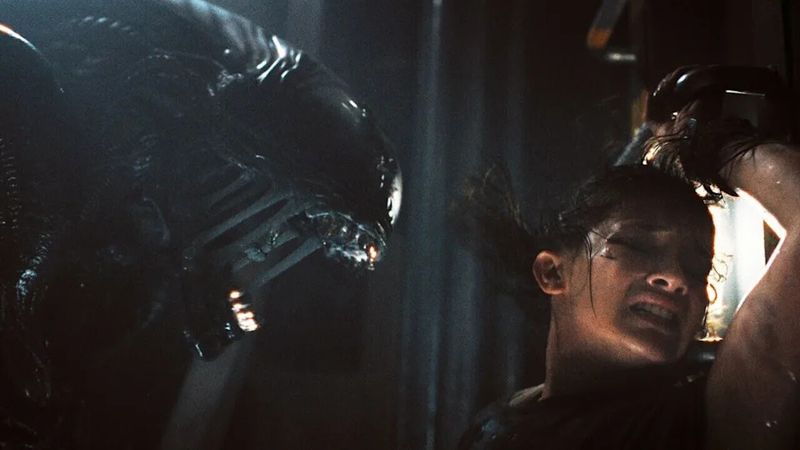
Ridley Scott’s original vision for Alien ended in the most disturbing way imaginable. After killing Ripley, the Xenomorph would settle into the escape pod seat and mimic her voice to send a distress signal back to Earth.
The creature would essentially be steering itself toward a new hunting ground with billions of potential victims.
Producers rejected this ending because killing off Ripley felt like a mistake. That decision launched one of cinema’s greatest heroines and a franchise that is still running decades later.
13. World War Z (2013): A Darker Road Through Moscow
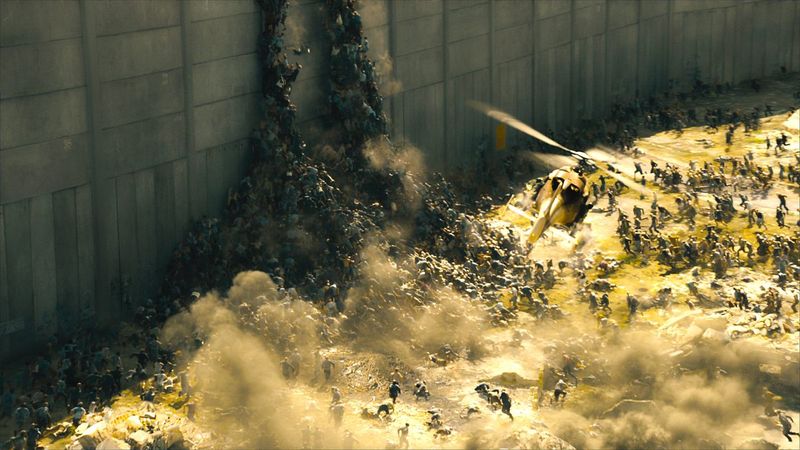
World War Z’s theatrical third act was completely rewritten after the original version tested poorly. In the scrapped storyline, Gerry Lane ends up stranded in Moscow for a year, gradually becoming a hardened zombie killer.
He also discovers that zombies are vulnerable to cold temperatures, a key survival advantage.
Even grimmer, he learns his wife was forced into desperate circumstances to survive in a refugee camp. This version was far more brutal and complex, but studios opted for a cleaner, action-focused resolution instead.
14. Scream 4 (2011): Jill Roberts Survives to Kill Again
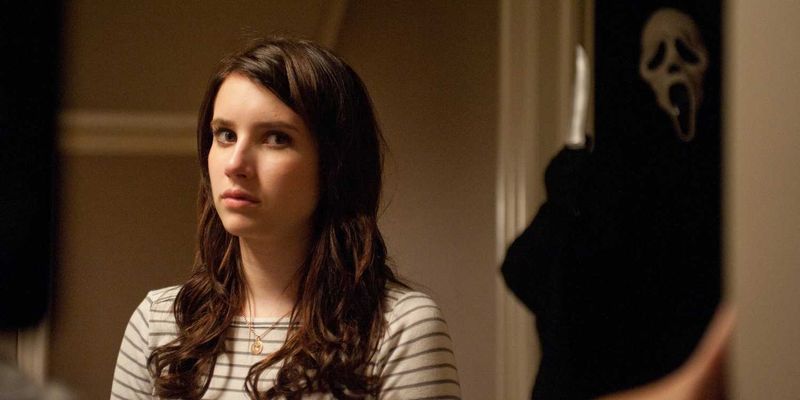
Scream 4 took a bold swing by making its villain the person audiences least expected, but an early screenplay draft pushed that idea even further. Originally, Jill Roberts was supposed to survive the events of the film, positioning herself as a new kind of final girl for a fresh trilogy.
She would have continued fooling everyone while new Ghostface killers emerged around her. It is a genuinely clever concept, but the decision to kill her off gave the film a more satisfying and definitive conclusion that wrapped up her twisted arc cleanly.
15. Lights Out (2016): Diana Was Never Really Gone
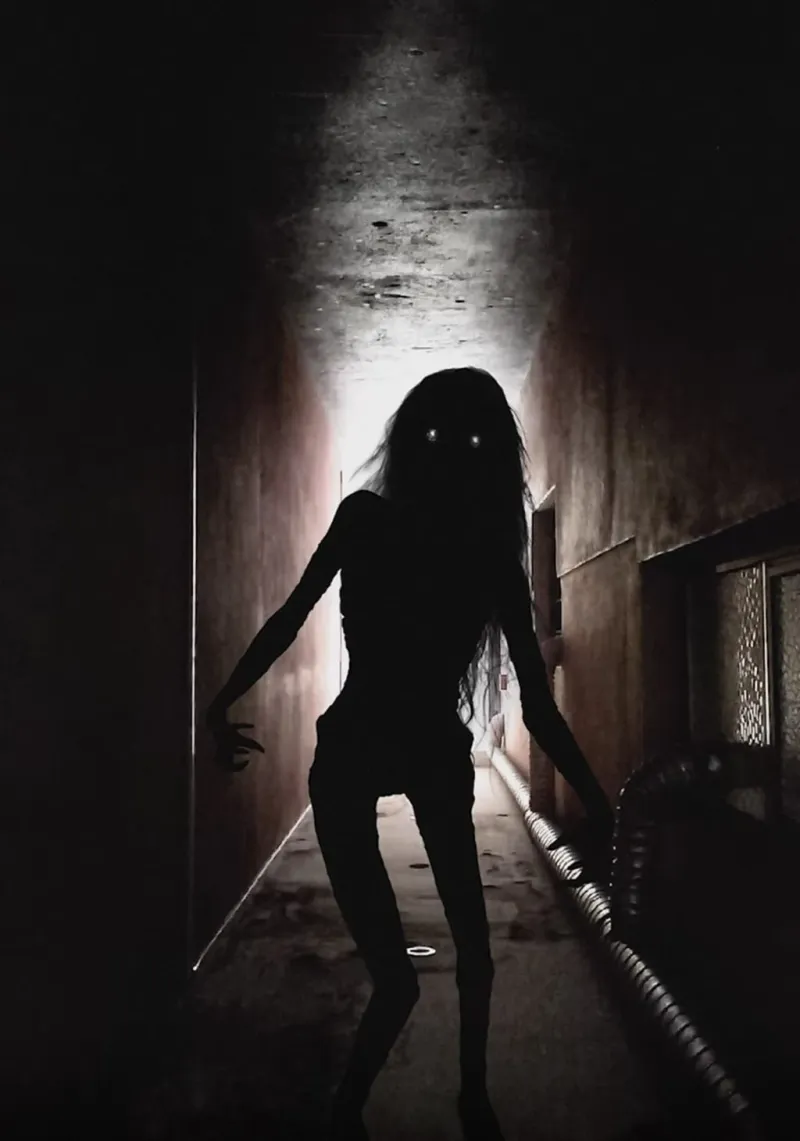
Lights Out packed a surprisingly emotional punch alongside its jump scares, but a filmed alternate ending pushed the story into even heavier territory. This extended cut added nearly ten minutes to the film, revealing that the entity Diana had not actually been destroyed.
Worse, young Martin was now sinking into severe depression following his mother’s suicide.
Test audiences found this version too bleak and uncomfortable. Considering the film already tackled mental illness in a fairly raw way, adding more darkness felt like too much for mainstream viewers to process.
16. Orphan (2009): Esther’s Chilling Mask Stays On
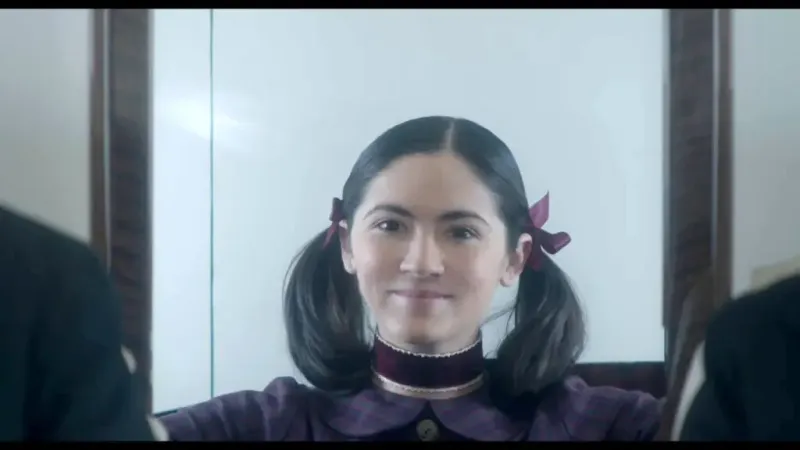
Orphan built its reputation on one of the most jaw-dropping reveals in modern horror, but the alternate ending skipped the frozen lake confrontation entirely. Instead of the dramatic physical showdown, Esther would simply return to her room and slip back into her innocent little-girl act as the police arrived at the house.
Her true identity and fate would have remained completely ambiguous. While that version is genuinely creepy in its own quiet way, the theatrical ending delivered the explosive payoff audiences had been waiting for throughout the entire film.