
Some of the snacks and sauces in your kitchen have been around longer than cars, airplanes, or even light bulbs. Many famous food brands started over a hundred years ago, often in tiny shops or home kitchens.
Learning their stories shows how everyday foods connect us to history. You might never look at your pantry the same way again.
1. Heinz Ketchup, Born in 1876
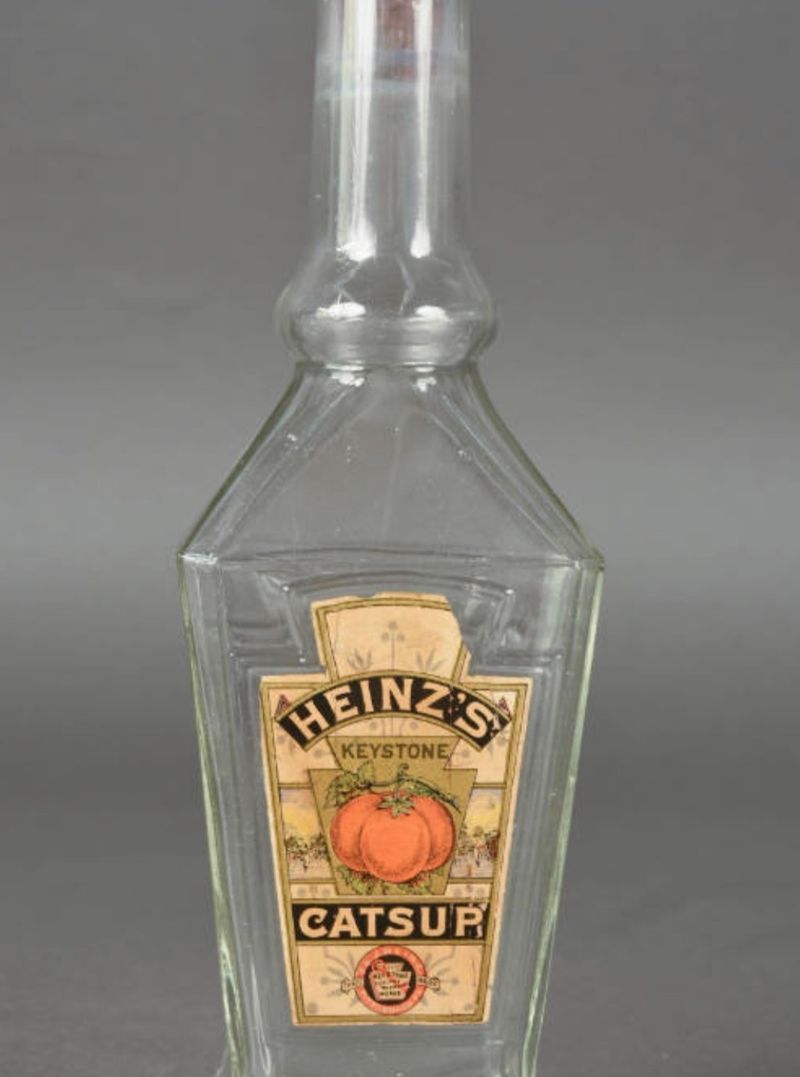
Picture a young man selling horseradish in clear glass jars so shoppers could see it was pure. Henry J.
Heinz did exactly that before launching his famous ketchup in 1876.
Back then, many sauces were filled with sawdust or fake coloring. Heinz won people over by being honest about ingredients.
Fun tip: tap the 57 on the neck of a glass bottle, and the ketchup flows out much faster.
2. Cadbury Started as a Tea Shop
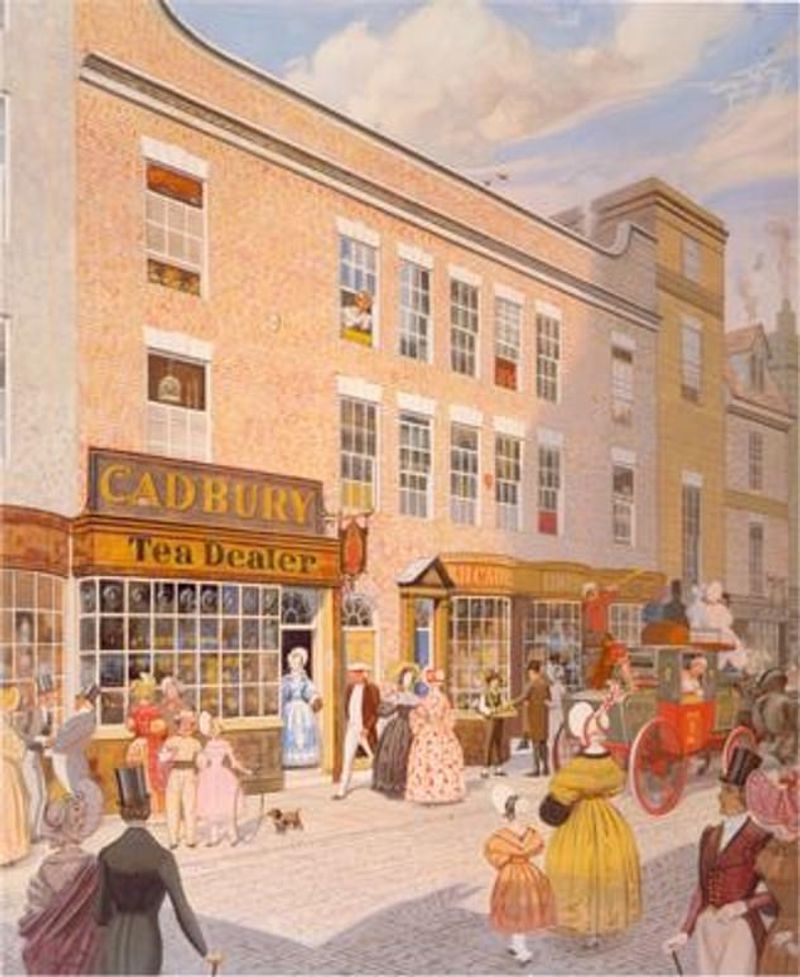
Chocolate bars were not even on the menu when John Cadbury opened his Birmingham shop in 1824. He sold tea, coffee, and drinking chocolate instead.
Solid chocolate came later, and Dairy Milk arrived in 1905. The company believed chocolate was a healthier choice than alcohol, which was a big problem in cities then.
So your favorite candy bar actually has roots in a caring, community-minded family business.
3. Kellogg’s Cereal and the 1894 Accident
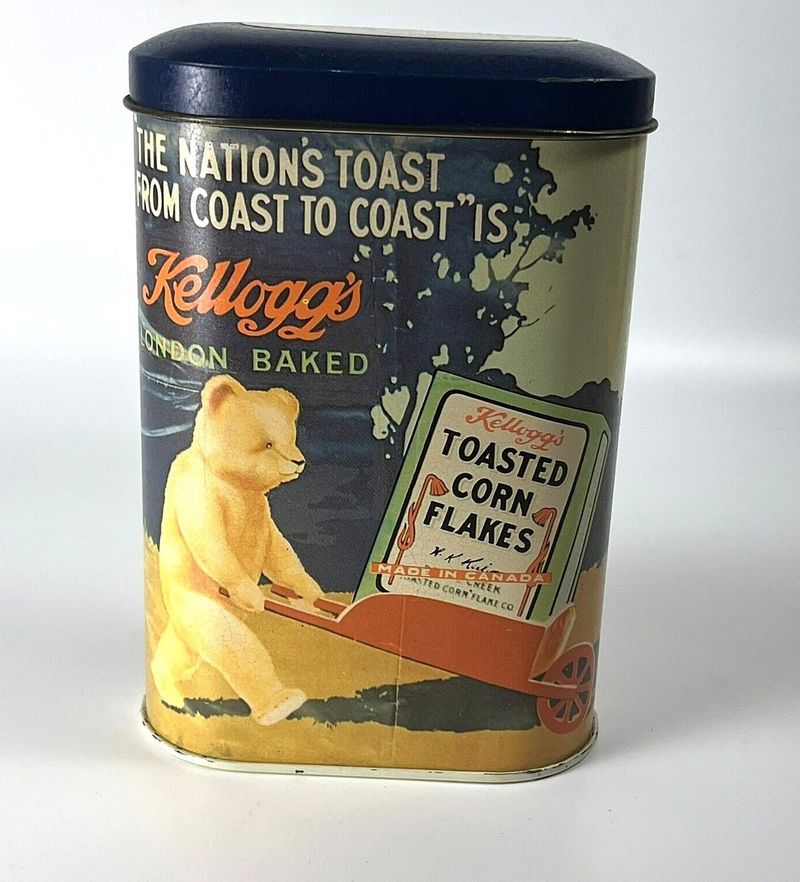
Mistakes can lead to magic. In 1894, brothers John and Will Kellogg accidentally left cooked wheat sitting out too long, then rolled it into flakes anyway.
Patients at their health center loved the crunchy result. Corn Flakes followed soon after, and the company officially formed in 1906.
Next time a recipe goes wrong, remember that breakfast history began with a forgotten pot of grain.
4. Coca-Cola, a Pharmacy Creation
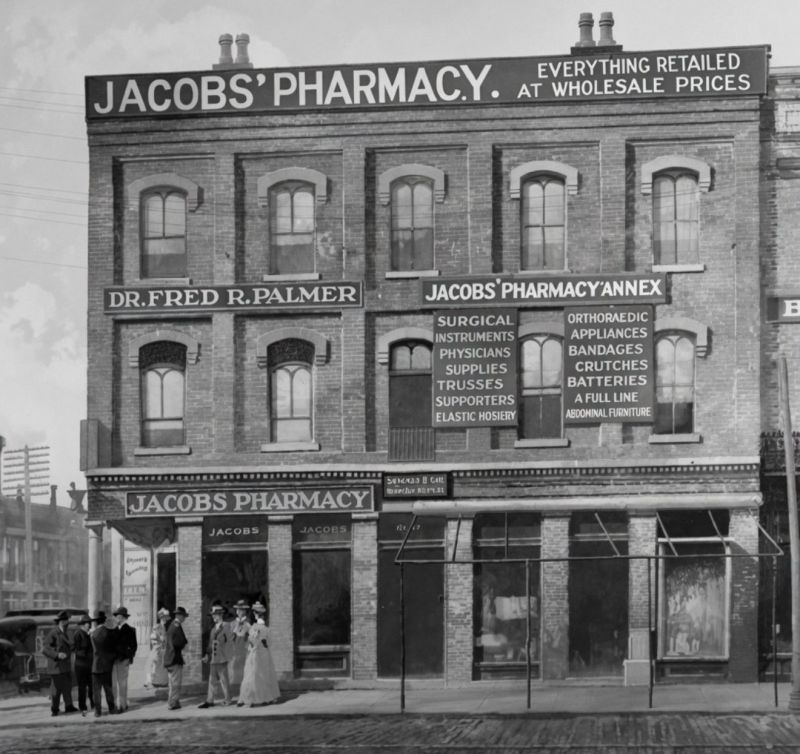
Believe it or not, the world’s most famous soda was first sold as a medicine. Pharmacist John Pemberton mixed it in Atlanta in 1886.
Glasses cost just five cents at a local soda fountain. Only about nine drinks sold per day during that first year.
Today, people drink it in over 200 countries. Not bad for something that began as a headache tonic in a small drugstore.
5. Lea and Perrins Worcestershire Sauce
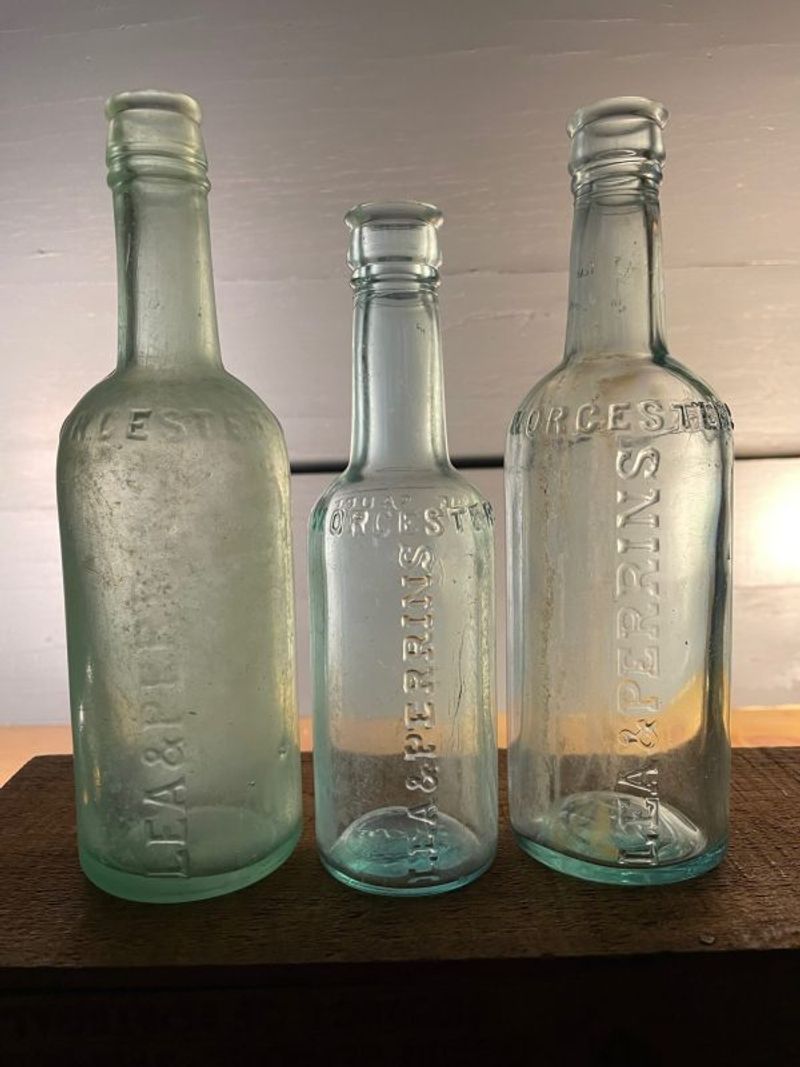
Legend says the first batch tasted so awful that two chemists hid the barrels in their cellar. Years later, John Lea and William Perrins tried it again and found it delicious.
Aging had worked wonders. Sales began in 1837 in Worcester, England.
Patience pays off in cooking too. Try a splash in burgers or chili, and you will taste why it survived nearly two centuries.
6. Tabasco Hot Sauce Heats Up 1868
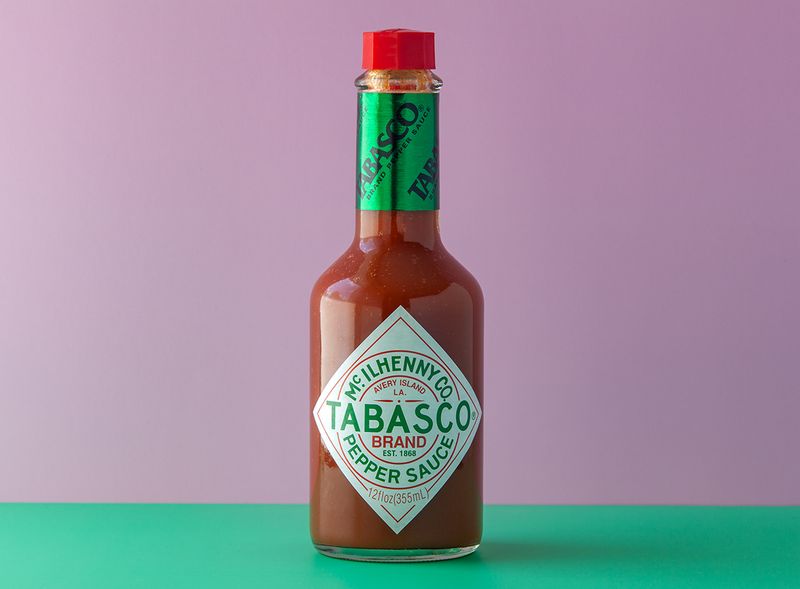
Hot sauce fans owe a lot to Edmund McIlhenny. On Avery Island, Louisiana, he grew peppers and bottled his first Tabasco sauce in 1868.
He used old cologne bottles to hold it. That tiny bottle shape is still used today.
Here is something cool: the peppers are still aged in oak barrels for up to three years. Just a few drops add plenty of kick to eggs or soup.
7. Hershey’s Chocolate Town
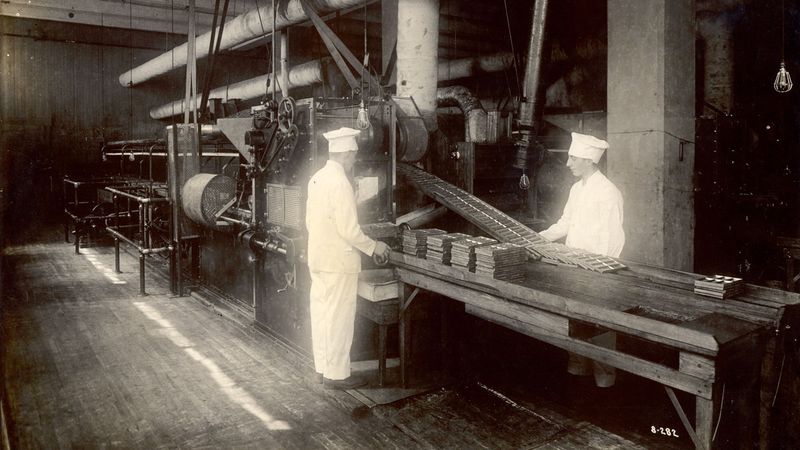
Milton Hershey failed at candy making several times before striking gold. His caramel business eventually funded a chocolate dream, and the first Hershey bar appeared in 1900.
He even built a whole town for his workers, complete with schools and parks.
Streetlights in Hershey, Pennsylvania, are shaped like Kisses candies. His story proves that giving up too early might mean missing something sweet.
8. Quaker Oats and a Famous Face
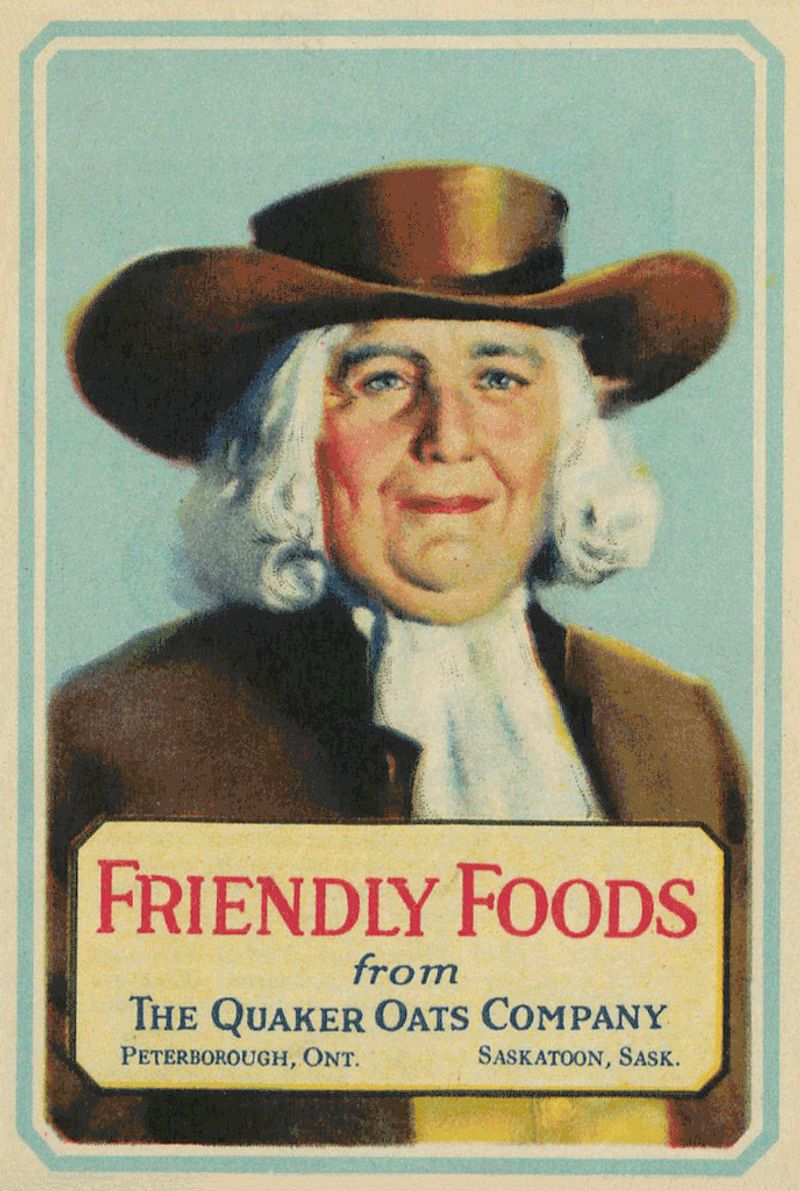
Few logos are as recognizable as that smiling man in a hat. Quaker Oats registered him as a trademark in 1877, making him one of the first cereal mascots ever.
Oats back then were mostly horse food. Clever ads convinced families to eat them too.
Warm oatmeal is still a cheap, filling breakfast. Toss in bananas or cinnamon for extra flavor.
9. Campbell’s Soup Since 1869
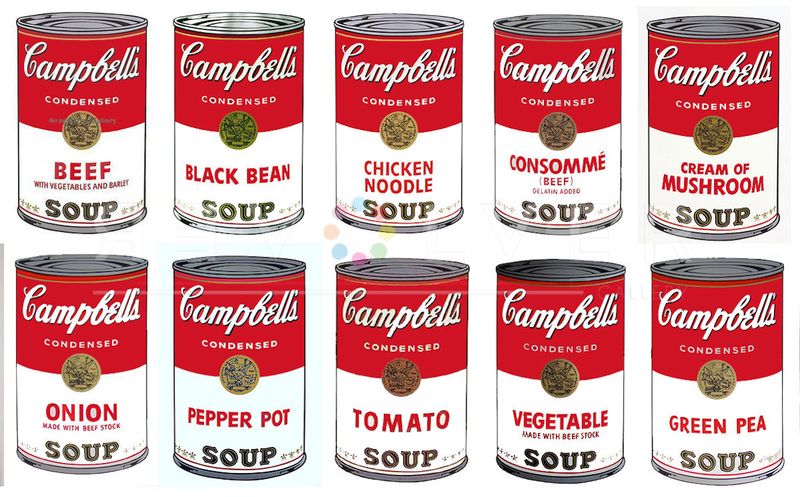
That red and white can started with a fruit merchant and an icebox maker teaming up in 1869. Condensed soup came in 1897, thanks to a chemist named John Dorrance.
Removing water made cans smaller and cheaper to ship.
Artist Andy Warhol later made the cans famous in paintings. On chilly days, a bowl of tomato soup with grilled cheese still feels like a warm hug.
10. Dr Pepper Beats Coke
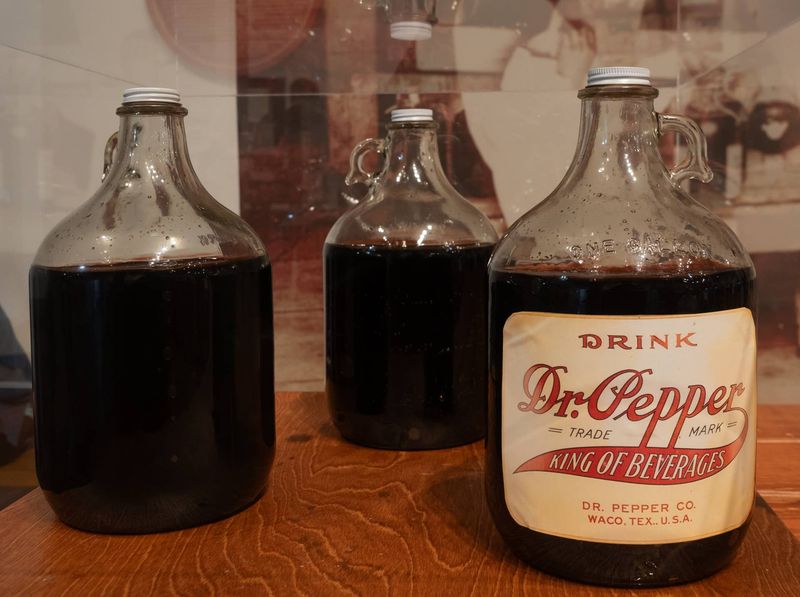
Here is a trivia winner: Dr Pepper is actually older than Coca-Cola. A pharmacist in Waco, Texas, created it in 1885.
Nobody knows for sure where the name came from. Theories range from a real doctor to a friend’s father.
The secret recipe mixes 23 flavors. Try guessing some next time you take a sip, maybe cherry, vanilla, or licorice.
11. Colman’s Mustard, 1814 Heat
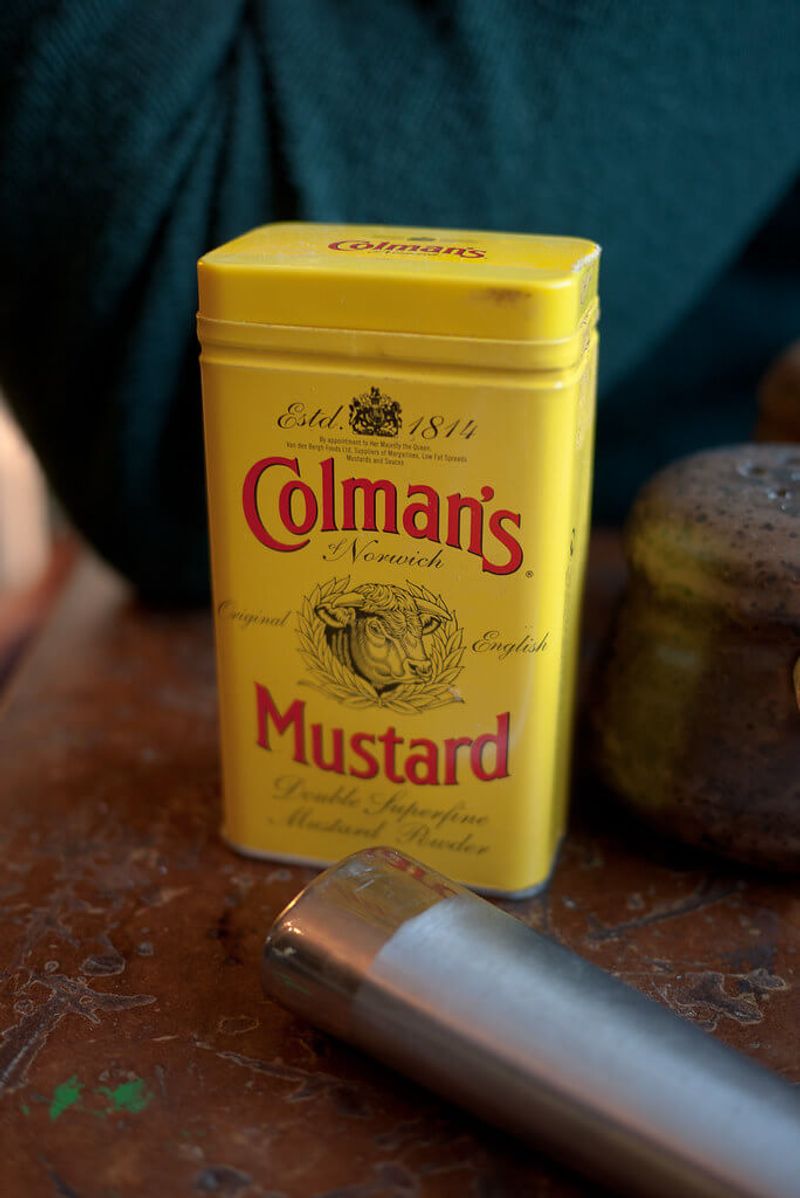
Bright yellow and bold, Colman’s has been spicing up British dinners since 1814. Jeremiah Colman started grinding mustard seeds at a mill near Norwich.
His family treated workers kindly, offering schools and meals, which was rare then.
A little goes a long way. Mix the powder with cold water, wait ten minutes, and the flavor becomes extra strong.
12. Pepsi’s Stomach-Friendly Beginnings
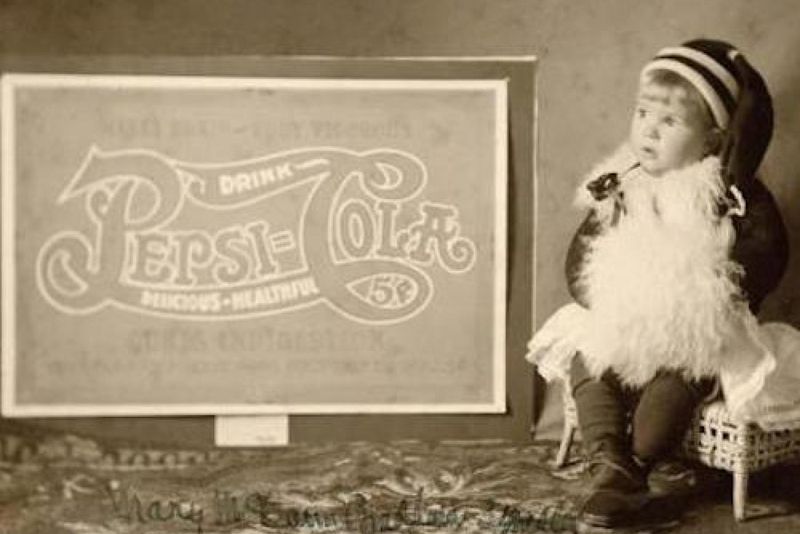
Caleb Bradham wanted to help people with upset stomachs. In 1893, the North Carolina pharmacist mixed a drink he called Brad’s Drink.
Five years later, he renamed it Pepsi-Cola. The name likely came from dyspepsia, a fancy word for indigestion.
So the fizzy rival to Coke began as a tummy helper. Funny how drinks change over time, right?
13. Jell-O Wiggles Into 1897
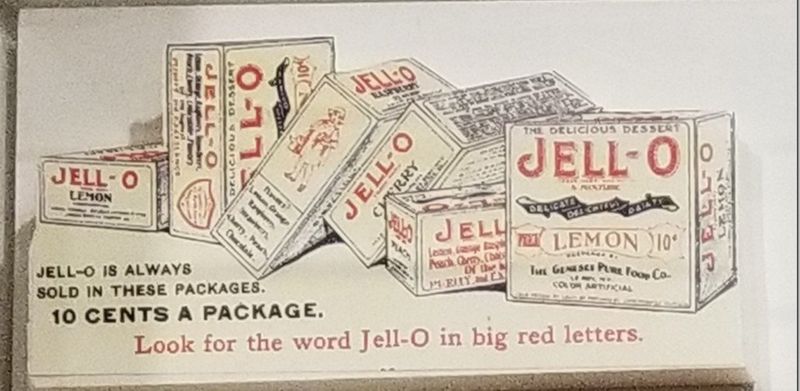
Wiggly and bright, Jell-O was invented in 1897 by Pearle Wait in New York. Sadly, he sold the idea for just 450 dollars.
The buyer turned it into a giant success with clever recipe books.
Kids today still love it. Make layered cups with different flavors, chilling each layer before adding the next, for a rainbow dessert that looks impressive but takes little skill.
14. Tootsie Roll’s Chewy Past
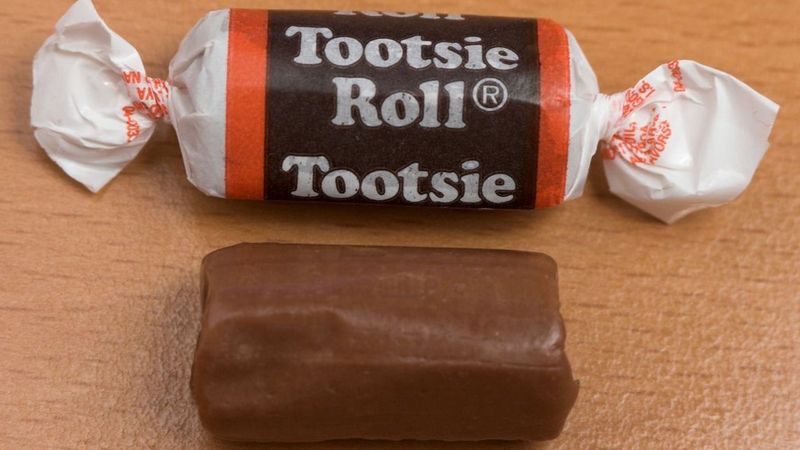
Leo Hirshfield named his chewy chocolate candy after his daughter, nicknamed Tootsie. He started selling it in New York in 1896.
It was one of the first candies wrapped one at a time, which kept it clean.
During World War II, soldiers got Tootsie Rolls in their supplies because they lasted in any weather. Pretty tough for a tiny sweet!
15. Guinness Pours Since 1759
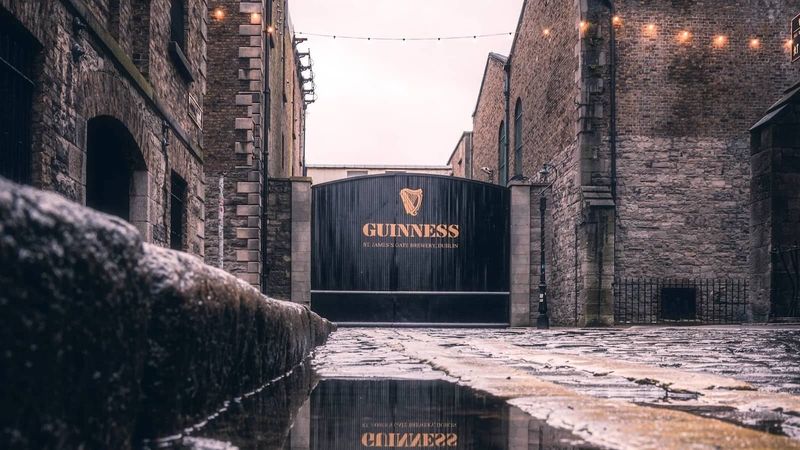
Arthur Guinness signed a 9,000-year lease on a Dublin brewery in 1759. Yes, nine thousand years, for just 45 pounds a year.
That bold move shows how much he believed in his business.
Guinness also sponsors a world records book, first printed in 1955 to settle bar arguments. Grown-ups enjoy the drink, while families can tour the Storehouse and learn plenty of Irish history.
16. Baker’s Chocolate, America’s Oldest
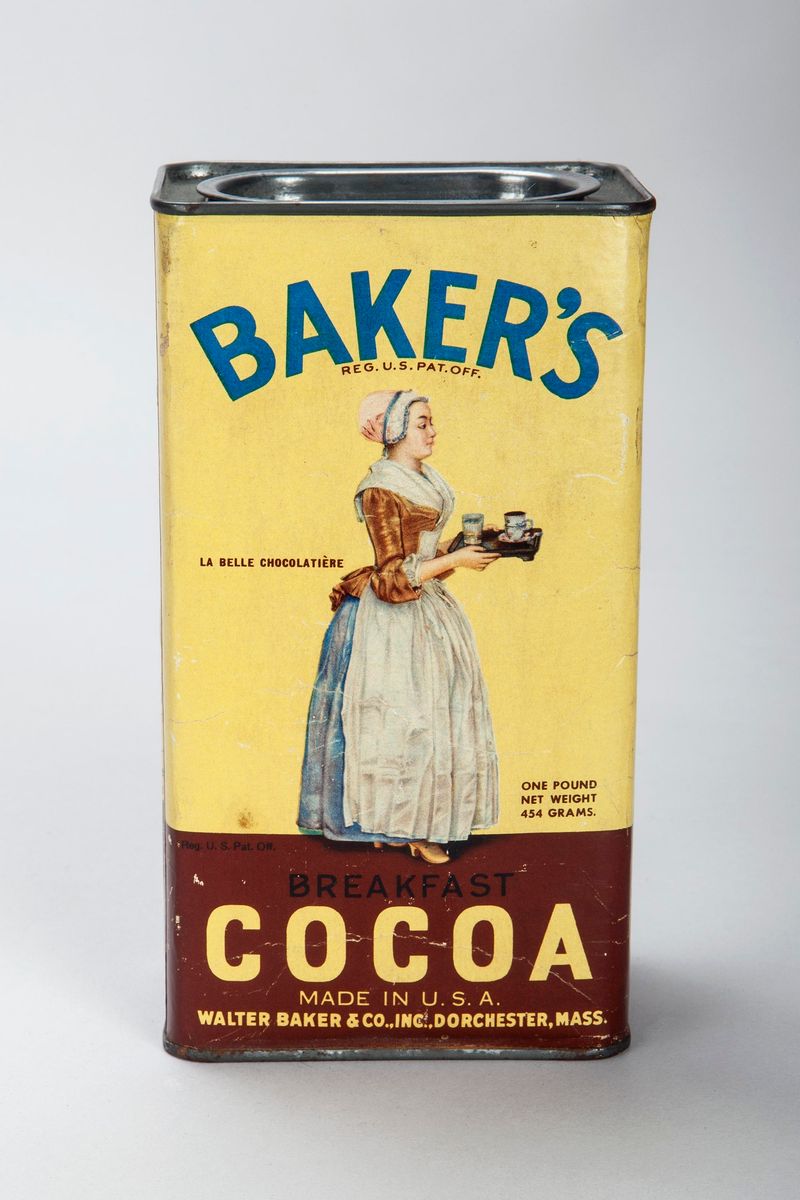
Long before the United States had a president, chocolate was being ground in Massachusetts. Baker’s Chocolate dates back to 1764.
Surprisingly, the name is not about baking. It honors Dr. James Baker, who helped fund the mill.
Bakers still use it for brownies and cakes. For richer desserts, try its unsweetened bars and add sugar yourself to control sweetness.
17. Twinings Tea, a London Legend
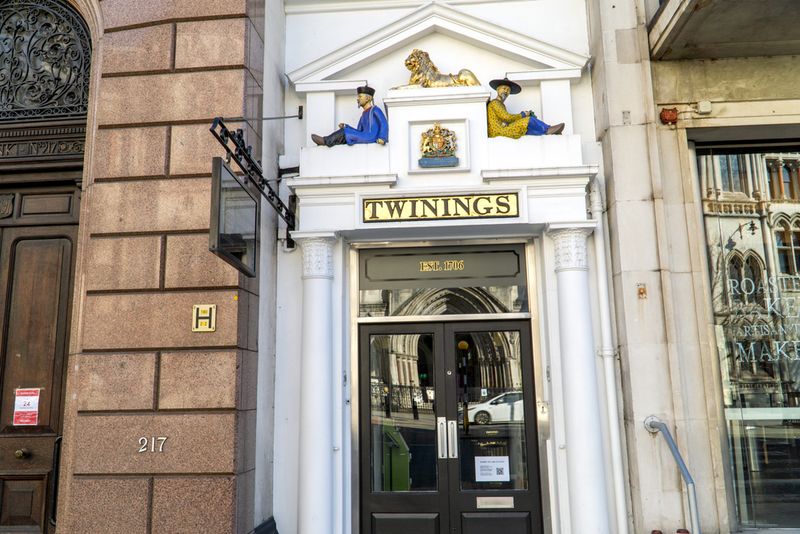
Tucked on a busy London street, a narrow shop has sold tea since 1706. Thomas Twining opened it, and the store still stands today.
Its logo, created in 1787, is one of the oldest company logos still used anywhere.
Visitors can sample teas inside. At home, brew black tea for three to five minutes to avoid a bitter taste.
18. King Arthur Baking Company, 1790
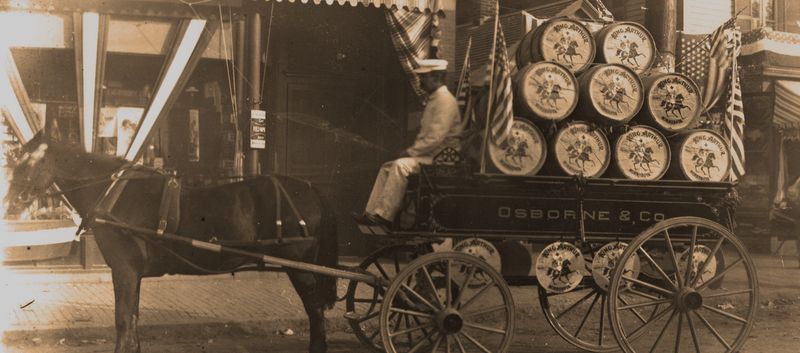
George Washington was president when this flour company started in Boston in 1790. Back then, it imported flour from England.
The King Arthur name came later, in 1896, inspired by a musical about knights.
Today, workers actually own the company. Their free baking hotline helps home cooks fix recipe problems, so give it a try if your bread keeps coming out flat.
19. Planters Peanuts and Mr. Peanut
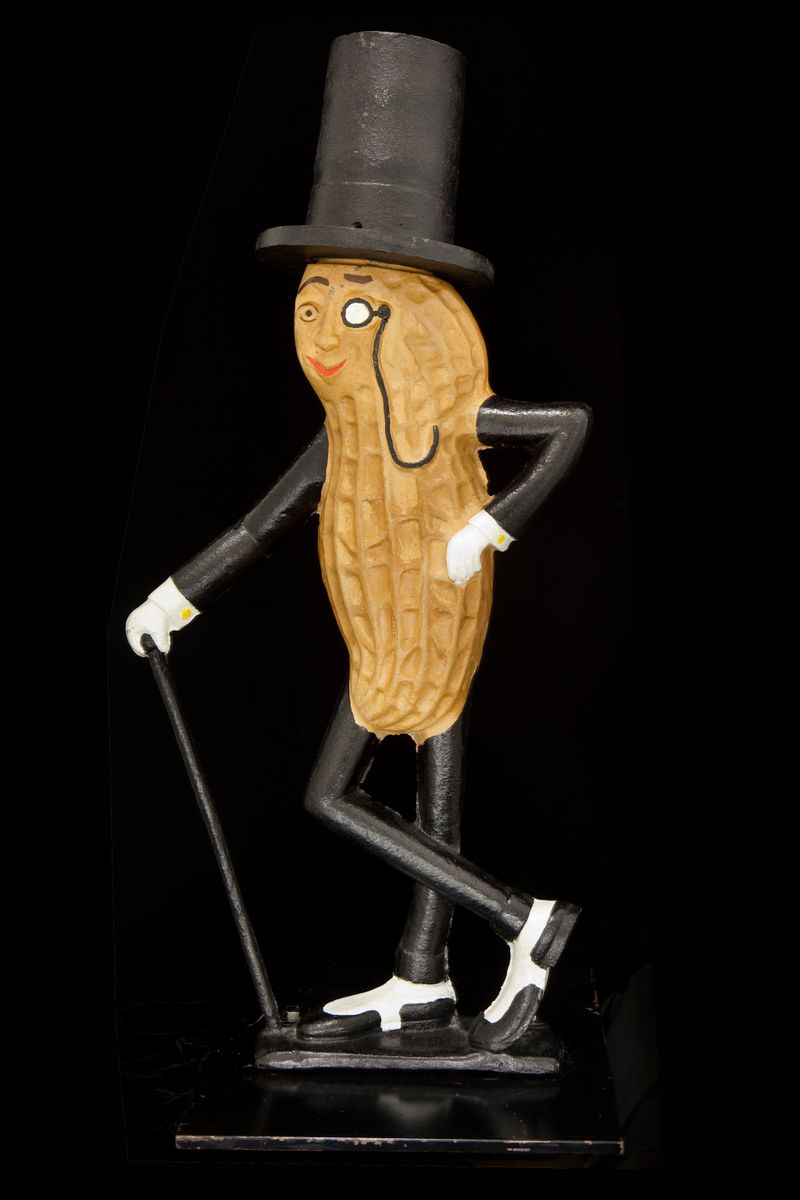
A schoolboy drew the very first Mr. Peanut sketch. Antonio Gentile, age 13, won a contest in 1916 with his design.
Planters itself started in 1906 when Amedeo Obici began roasting peanuts in Pennsylvania.
The monocle and top hat were added later by an artist. Peanuts make a great protein snack, just skip them if anyone nearby has allergies.