
Bavaria is a region in southern Germany where the food is just as warm and welcoming as the people. From hearty roasted meats to sweet steamed dumplings, Bavarian cooking has a way of making you feel right at home.
Nestled among rolling hills and snowy Alps, these dishes have been passed down through generations, bringing families together around the table. Get ready to explore 15 classic Bavarian comfort foods that are full of cozy, mountain-inspired flavor.
1. Schweinshaxe (Pork Knuckle)
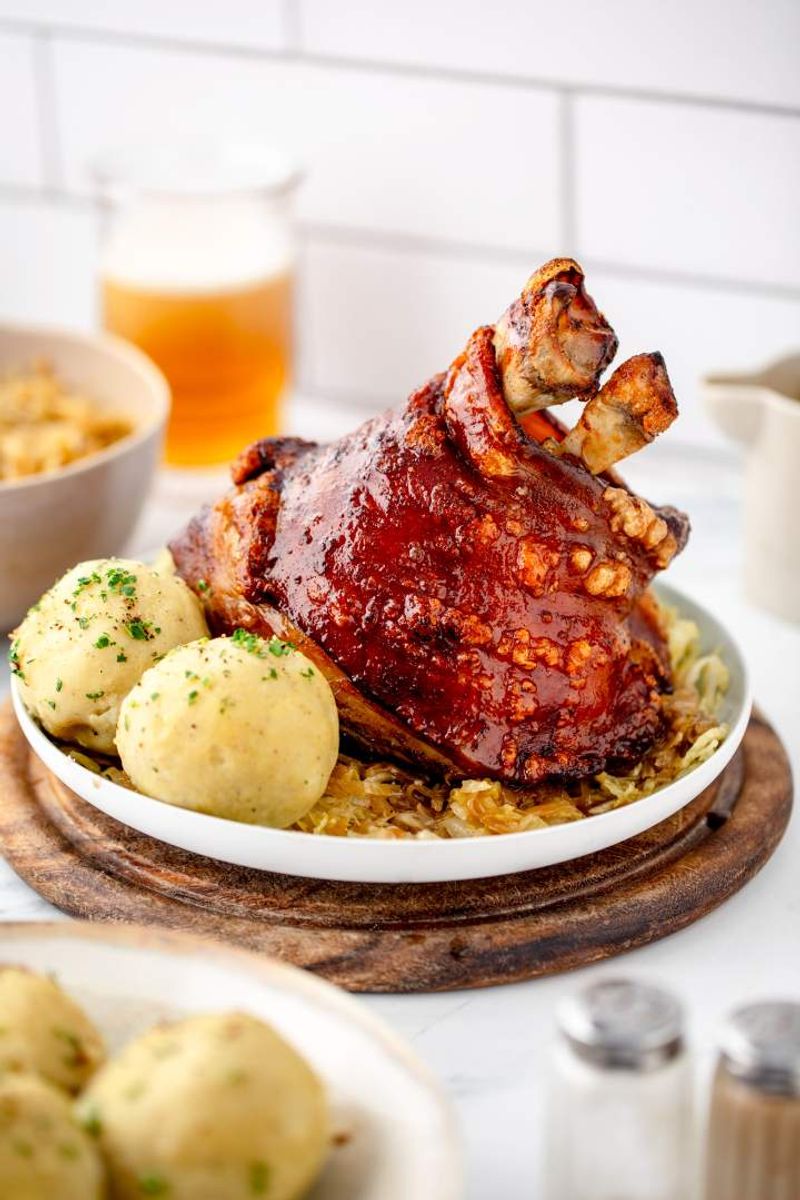
Walk into any Bavarian beer hall and you will almost certainly spot a Schweinshaxe on the table. This slow-roasted pork knuckle is marinated in beer and spices, then roasted until the skin crackles and the meat falls apart with a fork.
Served alongside Kartoffelknödel and sauerkraut, it is a showstopper of a meal. During Oktoberfest, it is practically everywhere.
The crispy skin alone is worth the trip to Bavaria.
2. Schweinebraten (Roast Pork)
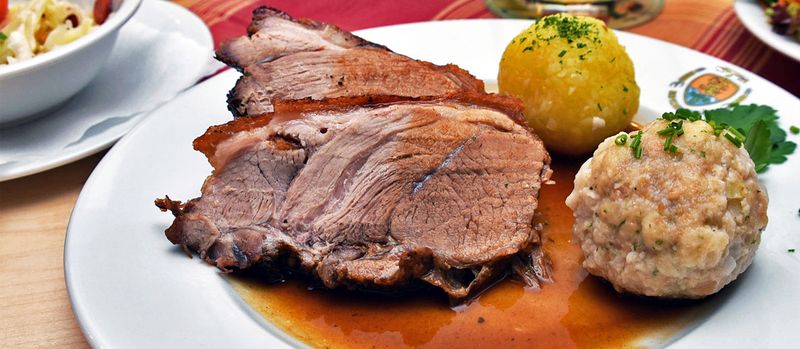
Few dishes capture the soul of Bavarian cooking quite like Schweinebraten. Braised low and slow with dark beer, this classic pork roast develops a crunchy, caramelized crust that is seriously hard to resist.
Rich, dark sauce poured over bread or potato dumplings makes every bite feel like a warm blanket on a cold Alpine evening. Red cabbage or a tangy kraut salad rounds out the plate beautifully.
No wonder it tops the list of best-known Bavarian dishes.
3. Weisswurst (White Sausage)
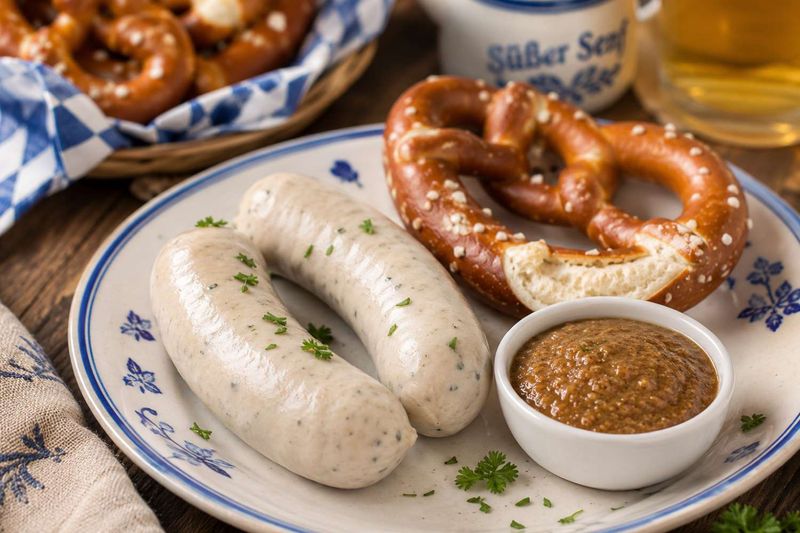
Weisswurst has a quirky rule that true Bavarians take seriously: eat it before noon or not at all. Made from a delicate blend of pork and veal, mildly seasoned and never smoked, these pale sausages are a breakfast tradition unlike any other.
Locals peel back the casing and dip each bite into sweet mustard, paired with a fresh Bretzel. Rumor has it this sausage is also a legendary hangover cure.
Whether that is true or not, it is absolutely delicious.
4. Bretzel (Bavarian Pretzel)

Salty on the outside, pillowy soft on the inside, the Bavarian Bretzel is one of those snacks that seems simple but is surprisingly hard to perfect. Bakers dip the dough in a lye solution before baking, which gives it that deep brown color and signature chew.
No beer garden experience is complete without one in hand. It pairs perfectly with Weisswurst, Obatzda, or simply on its own with a cold Maß of lager.
A true Bavarian icon.
5. Obatzda (Bavarian Cheese Spread)
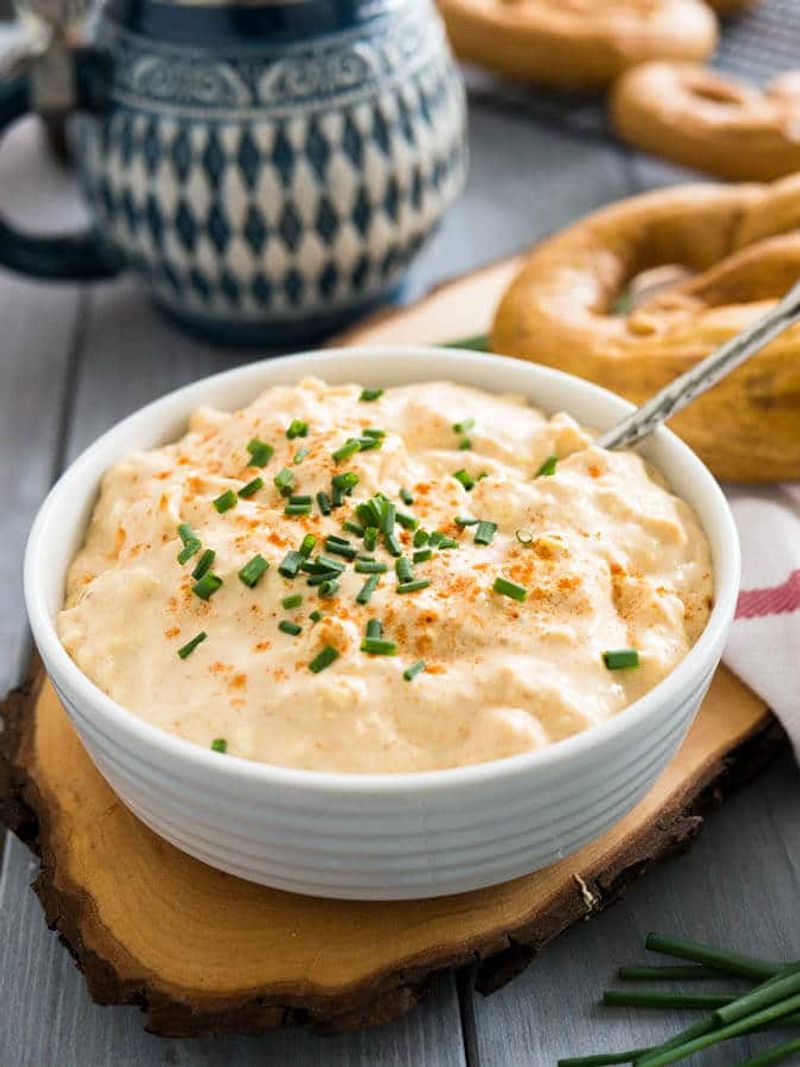
Obatzda is the life of every Bavarian beer garden gathering. Made from ripe Camembert, butter, and a splash of beer, this tangy, creamy spread is seasoned with paprika, caraway seeds, and finely chopped onion for a bold, complex flavor.
Scoop it onto a pretzel slice or pair it with crisp radishes for the full experience. The texture is rich and spreadable, almost like a flavored cream cheese.
Once you try it, plain cheese spreads will never quite measure up again.
6. Käsespätzle (Cheese Spaetzle)
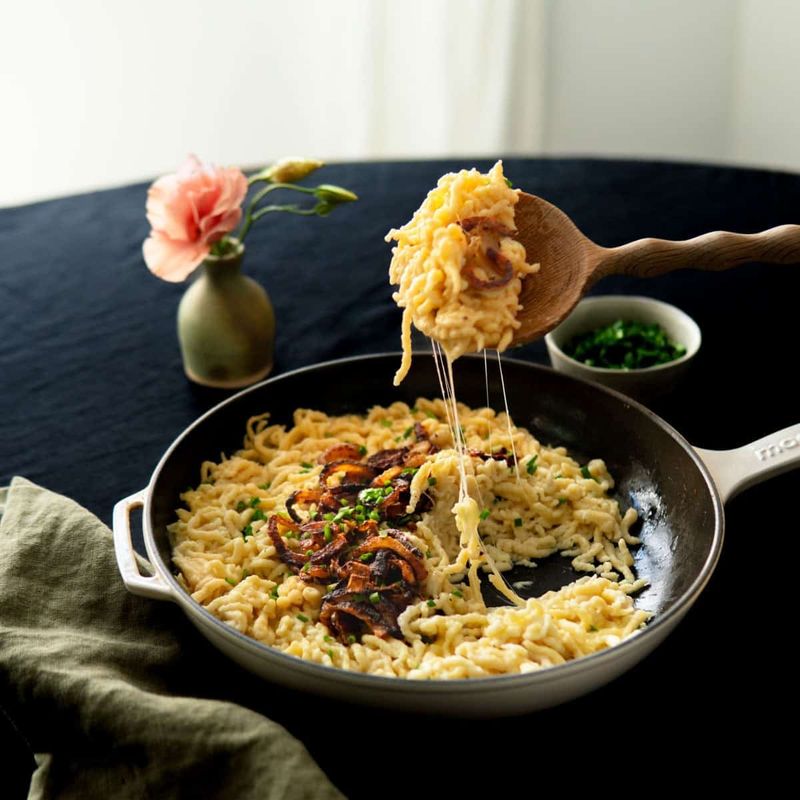
People often call Käsespätzle the Bavarian version of mac and cheese, and honestly, that comparison is spot on. Soft, chewy egg noodles are layered with generous amounts of melted Gruyere or Emmentaler, then topped with a heap of golden caramelized onions.
The result is creamy, savory, and deeply satisfying. Food writers have described it as tasting like a hug in a bowl, and it is hard to argue with that.
Alpine hikers and city locals alike swear by this dish on chilly evenings.
7. Leberkäse (Bavarian Meatloaf)
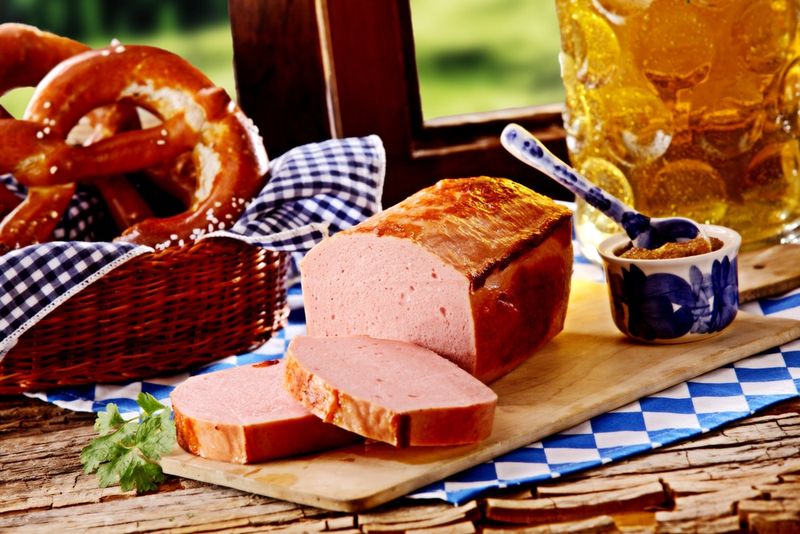
Despite the name meaning liver cheese, Leberkäse contains neither liver nor cheese, which makes it one of Bavaria’s most delightfully confusing dishes. Finely ground beef, pork, bacon, and onions are blended together and baked until the crust turns a gorgeous golden brown.
Warm slices served on a fresh Semmel roll with sweet mustard make for an unbeatable lunch. Cold leftovers work brilliantly as sandwich filling with Kartoffelsalat on the side.
Street vendors across Munich sell it daily, and the lines are always worth joining.
8. Kartoffelknödel (Potato Dumplings)
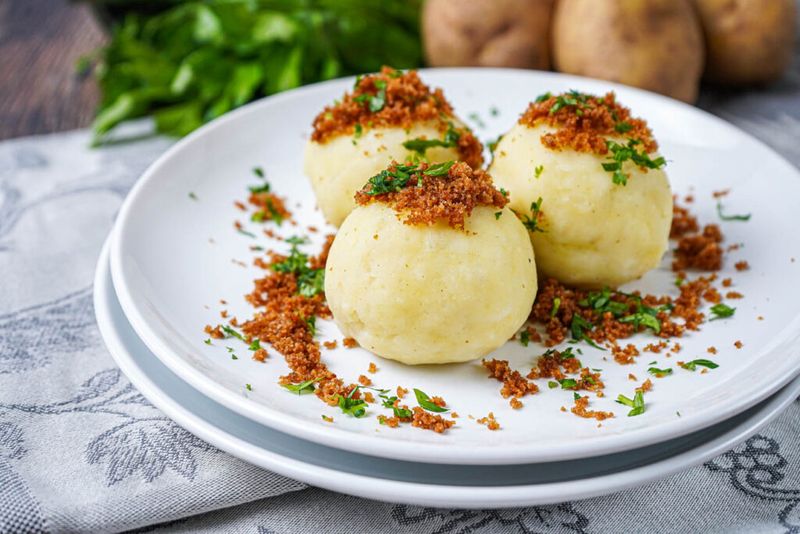
Round, fluffy, and wonderfully starchy, Kartoffelknödel are the unsung heroes of Bavarian cooking. These potato dumplings became a staple in Bavaria around the 18th century as potatoes spread through the region and cooks found creative ways to use them.
Their main superpower is soaking up rich gravies and sauces from dishes like Schweinshaxe or Bratente without falling apart. Each dumpling has a satisfying heft that makes every plate feel complete.
Making them from scratch is a labor of love that Bavarian grandmothers still take great pride in.
9. Leberknödelsuppe (Liver Dumpling Soup)
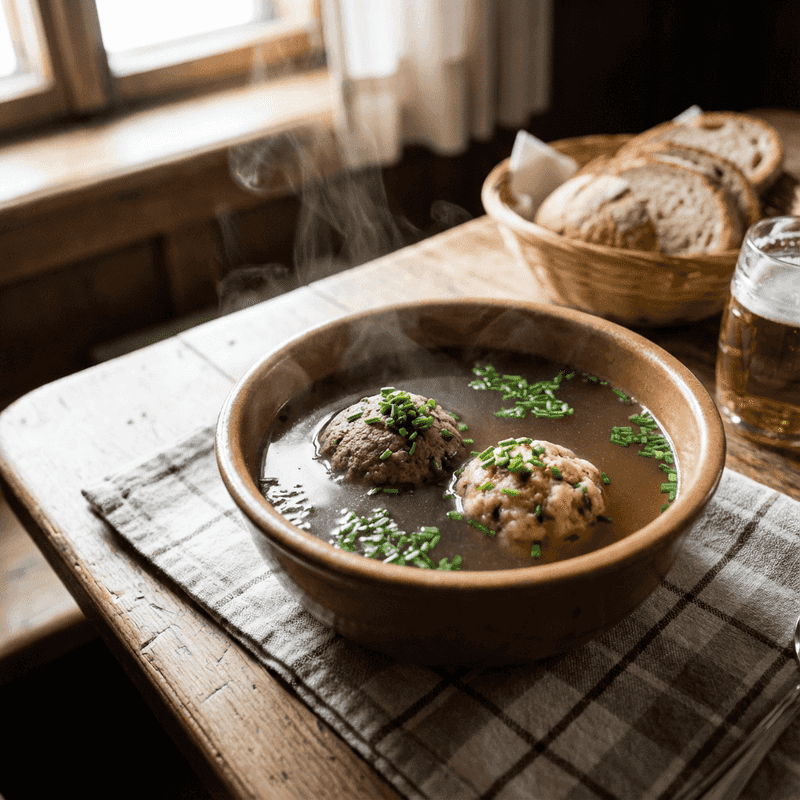
On a cold mountain day, few things warm you up faster than a bowl of Leberknödelsuppe. Savory dumplings made from beef liver, flour, eggs, and spices float in a beautifully clear beef broth, creating a starter that is both humble and deeply satisfying.
The dumplings have a slightly earthy, rich flavor that pairs wonderfully with the clean, golden broth. Many Bavarian restaurants serve this as the first course before heavier mains.
First-timers are often surprised by how comforting liver can taste when prepared this way.
10. Kaiserschmarrn (Torn Pancakes)
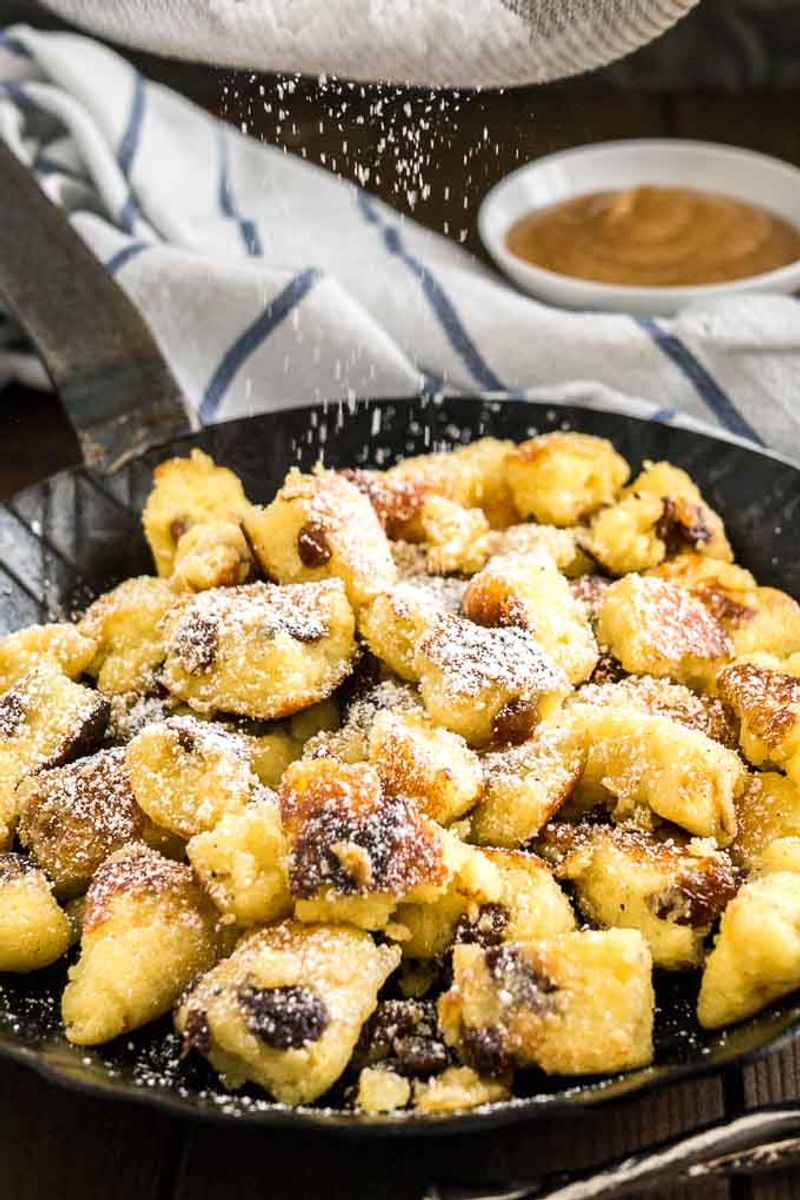
Legend has it that Emperor Franz Joseph I of Austria loved this dessert so much that it became named in his honor. Kaiserschmarrn starts as a thick, fluffy pancake that gets torn into golden, caramelized pieces and dusted generously with powdered sugar.
Raisins are often mixed in, and a side of fruit compote adds a bright, tangy contrast. Alpine huts across Bavaria serve it as the perfect reward after a long mountain hike.
Sweet, pillowy, and a little bit royal.
11. Apfelstrudel (Apple Strudel)
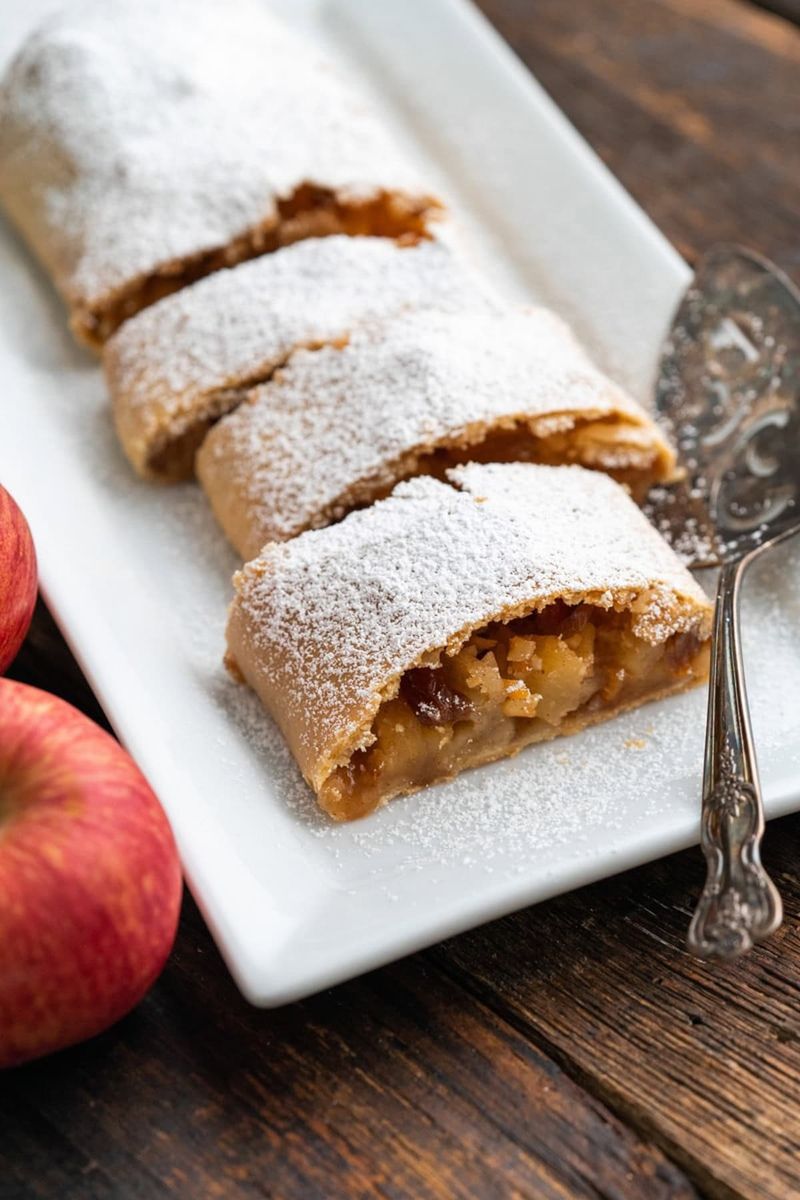
Crispy, paper-thin pastry wrapped around a warm, spiced apple filling is a combination that has stood the test of centuries. Apfelstrudel is beloved across Bavaria and the wider Alpine region, enjoyed in cozy cafes and family kitchens alike.
Cinnamon, sugar, and sometimes raisins or breadcrumbs fill the interior, creating layers of flavor in every bite. Served warm with a dollop of vanilla cream or a scoop of ice cream, it transforms a simple dessert into something truly memorable.
Bakers stretch the dough so thin you can read a newspaper through it.
12. Dampfnudeln (Steamed Yeast Dumplings)
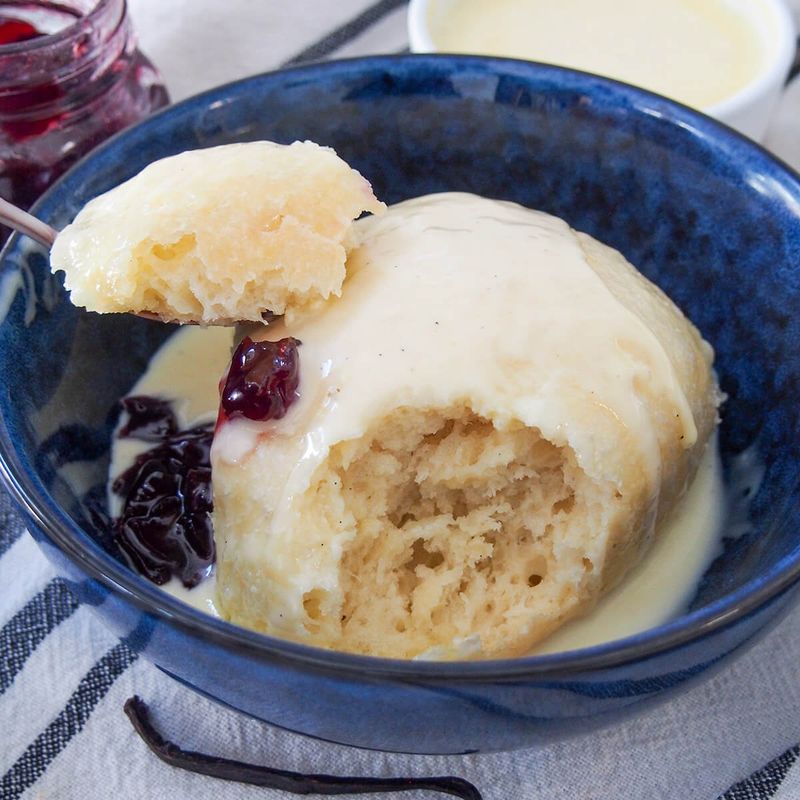
Dampfnudeln are proof that the simplest ingredients can create something magical. Soft, pillowy yeast dumplings are steamed in a covered pot until they puff up beautifully, developing a lightly crispy base where they touch the pan.
Vanilla sauce is the classic pairing, though fruit compote works just as well for a brighter flavor. Bavaria has a long history of baking with yeast, and Dampfnudeln showcase that tradition perfectly.
Kids and adults both reach for seconds, and the kitchen always smells incredible while they cook.
13. Flädlesuppe (Pancake Strip Soup)
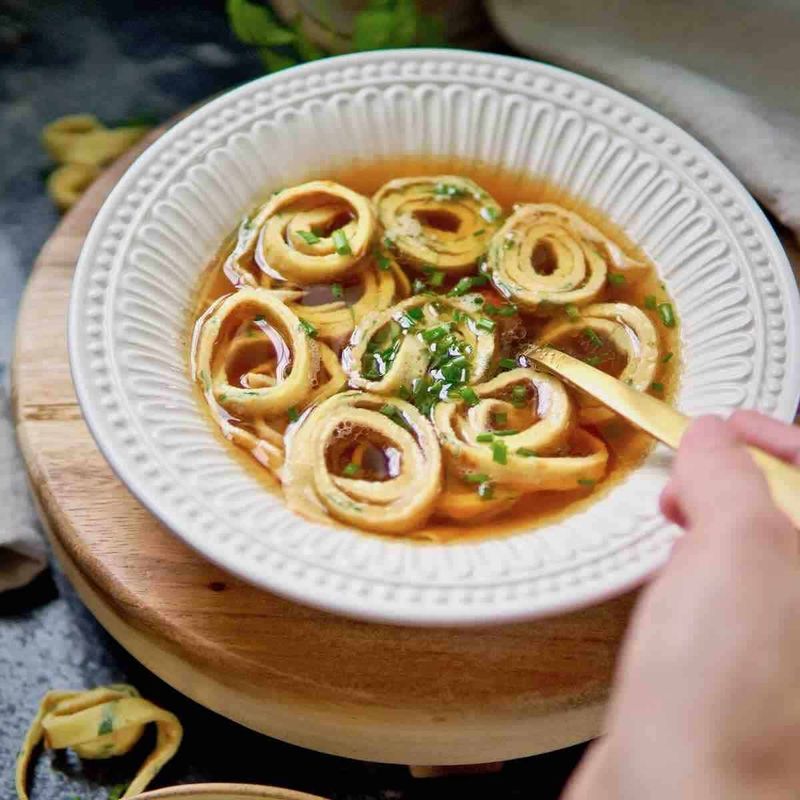
Old-fashioned, warming, and quietly brilliant, Flädlesuppe is the kind of soup your grandmother might have made on a frosty winter afternoon. Thin, savory crepe-like pancakes are rolled up and sliced into delicate ribbons, then floated in a clear, fragrant beef broth.
A sprinkle of fresh chopped herbs on top adds color and a light herbal note. The result is elegant in its simplicity.
Many Bavarian families consider it a restorative dish, perfect for chilly evenings or whenever comfort is the priority.
14. Gebratene Ente (Roast Duck)
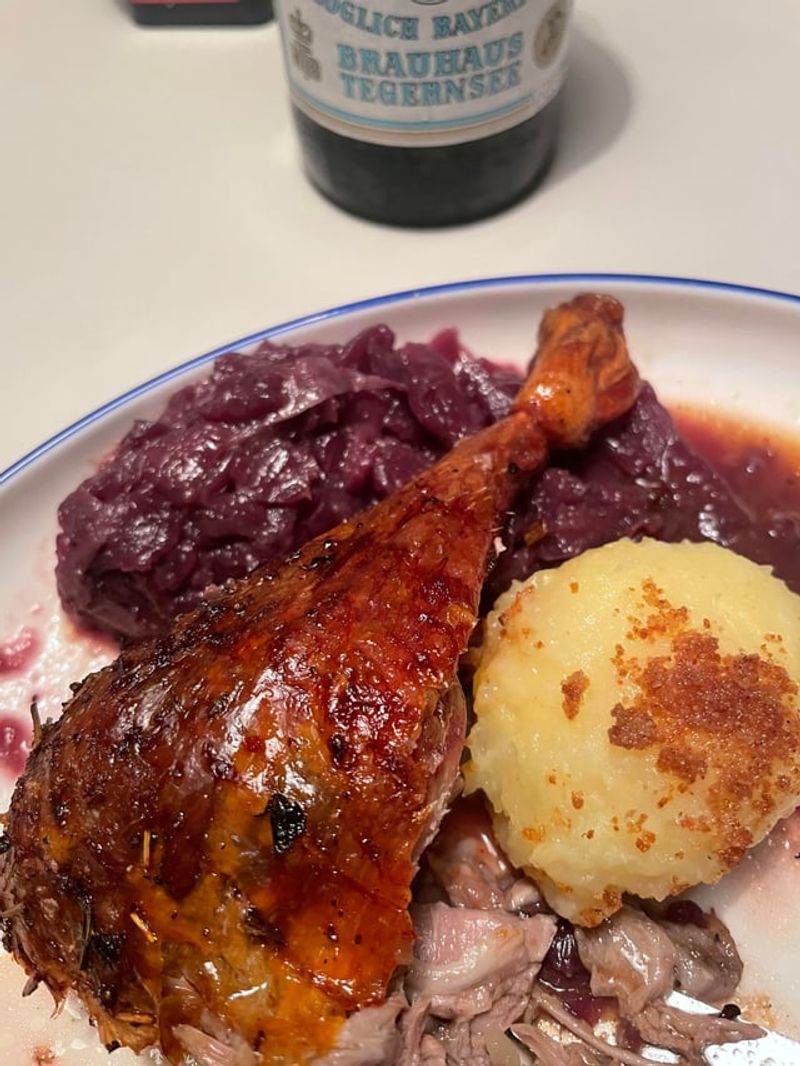
Roasting a proper Bratente is a true labor of love, often requiring several hours in the oven so the fat slowly renders and the skin crisps to perfection. The result is a bird with mahogany-colored skin and juicy, deeply flavorful meat that pulls away from the bone effortlessly.
Red cabbage braised with apples and Kartoffelknödel are the traditional companions, soaking up every drop of the rich roasting jus. Bavarian families often save this dish for Sunday dinners or special celebrations.
15. Brotzeitplatte (Bavarian Snack Platter)
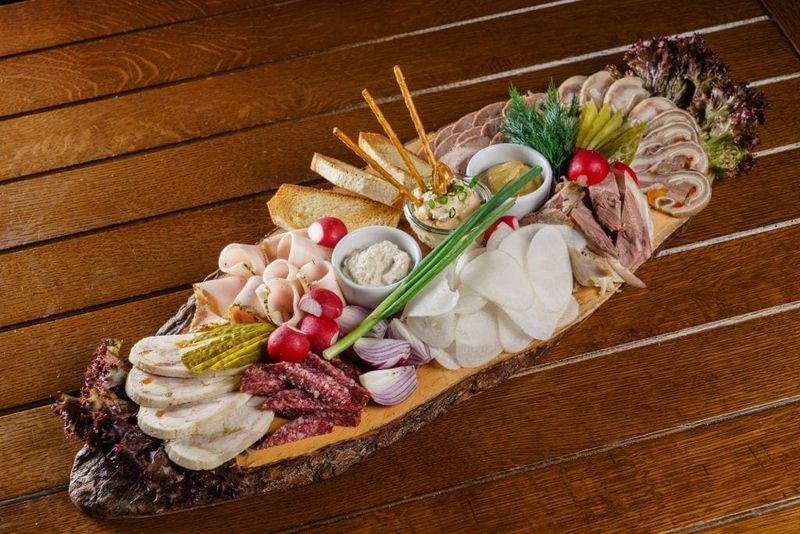
Brotzeit literally translates to bread time, and in Bavaria, it is a cherished afternoon ritual. A Brotzeitplatte brings together a generous spread of local ingredients: Bayerischer Bergkäse mountain cheese, sliced sausages, tangy radish salad, pickles, and thick slices of fresh bread.
Sharing one of these platters over a cold beer embodies Gemütlichkeit, the Bavarian idea of warmth, coziness, and togetherness. No cooking skills required, just good ingredients and good company.
It is casual, communal, and completely irresistible.