
Some foods are more than just something you eat. Around the world, certain dishes and drinks come with their own set of rules, traditions, and habits that people follow every single time.
Whether it’s the way you crack open a shell, the order you eat things, or a special toast before the first sip, these rituals make the experience feel complete. Get ready to discover 21 foods that come with their very own eating ceremony.
1. Oreo Cookies
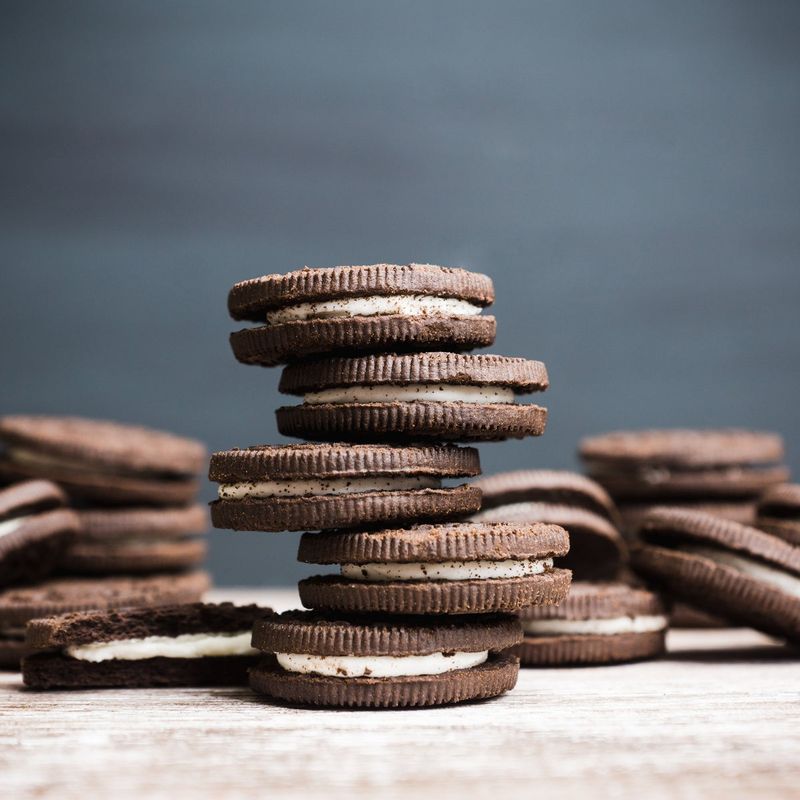
Ask anyone how they eat an Oreo and you’ll get a very passionate answer. The classic ritual is simple: twist, lick, dunk.
You separate the two chocolate wafers, lick off the cream, and then dunk the whole thing in cold milk.
Nabisco has even run commercials celebrating this exact routine. Some people dunk for three seconds, others go longer.
However you do it, skipping the ritual just feels wrong.
2. Ramen Noodles
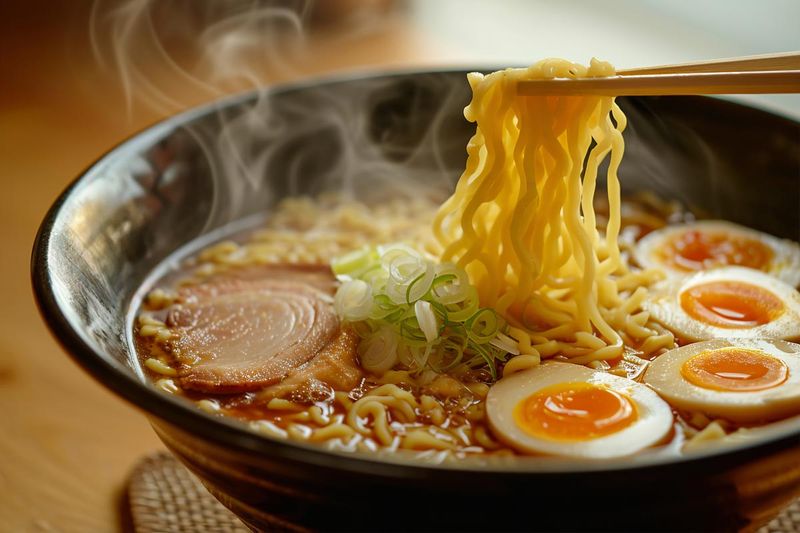
Slurping is not rude when you’re eating ramen. In Japan, slurping your noodles is actually a sign that you’re enjoying the meal, and it helps cool down the hot broth as it enters your mouth.
The proper approach is to lift the noodles with chopsticks, slurp loudly, and sip the broth directly from the bowl at the end. Eating ramen quietly might even be considered a little disrespectful to the chef.
3. Peking Duck
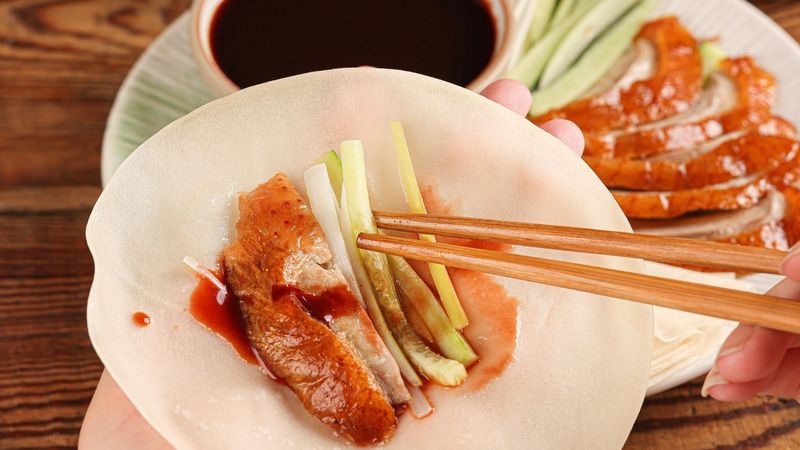
Peking duck is one of China’s most celebrated dishes, and eating it properly is almost a performance. The chef traditionally carves the duck tableside, slicing the crispy skin separately from the meat.
Guests then build small wraps using thin pancakes, layering in the duck, cucumber, scallions, and a smear of hoisin sauce. The skin is always eaten first, before it loses its crunch.
Rushing through this process would miss the whole point.
4. Lobster
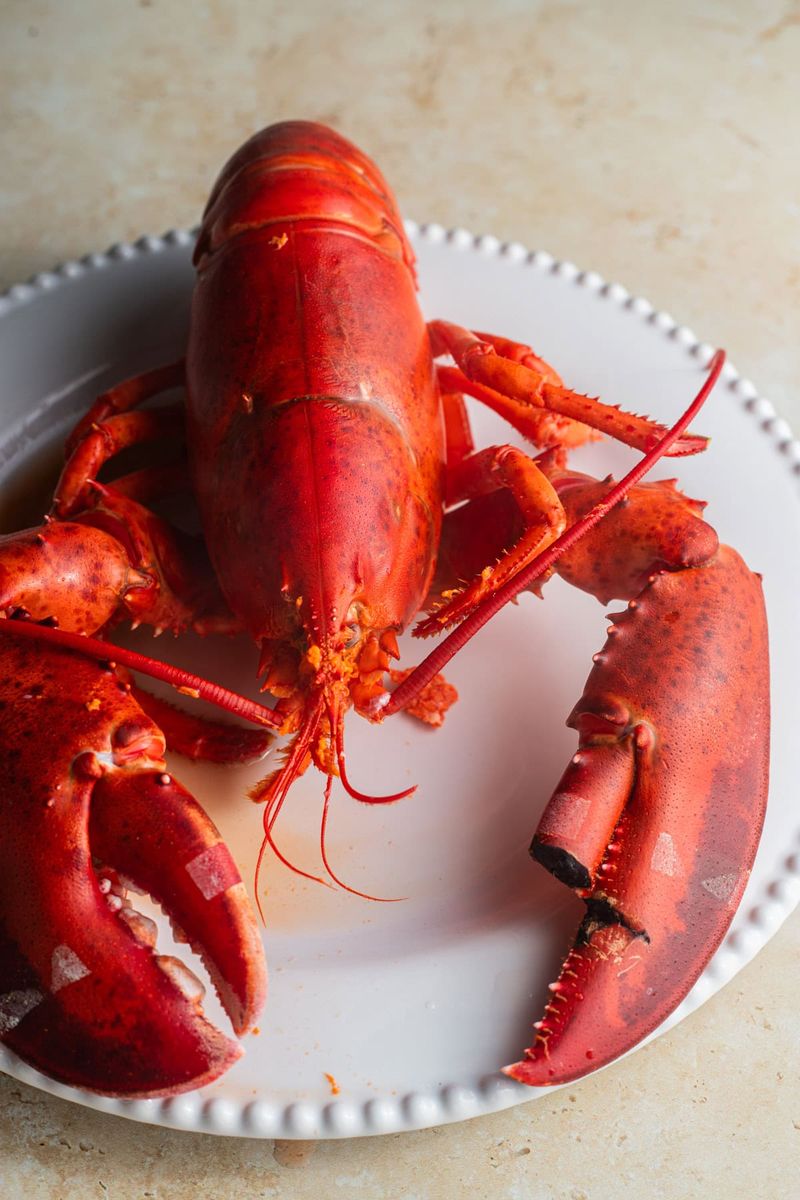
Eating a whole lobster is basically a workout with a reward at the end. You twist off the claws, crack them with a special tool, pull out the tail meat, and dig through every little leg for hidden bites.
Most restaurants hand you a bib and a set of tools before you even start. The melted butter dip at the end of each bite ties the whole ritual together.
It’s messy, slow, and completely worth it.
5. Tea Ceremony Matcha
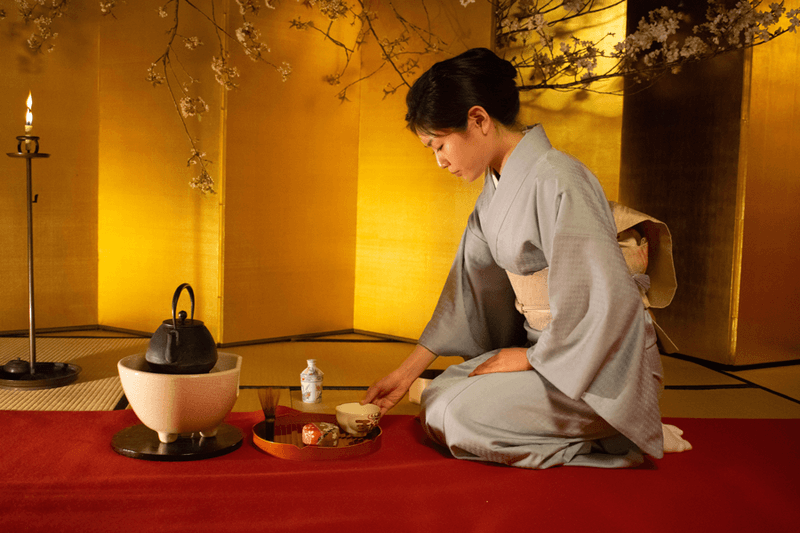
The Japanese tea ceremony, called Chado, turns a simple cup of matcha into a meditative experience that can last for hours. Every movement is deliberate, from the way you hold the bowl to the direction you turn it before drinking.
Guests receive a small sweet before the tea to balance the bitterness. You rotate the bowl clockwise twice before sipping, so your lips don’t touch the front.
Few drinks carry this much intention with every single cup.
6. Tequila Shots
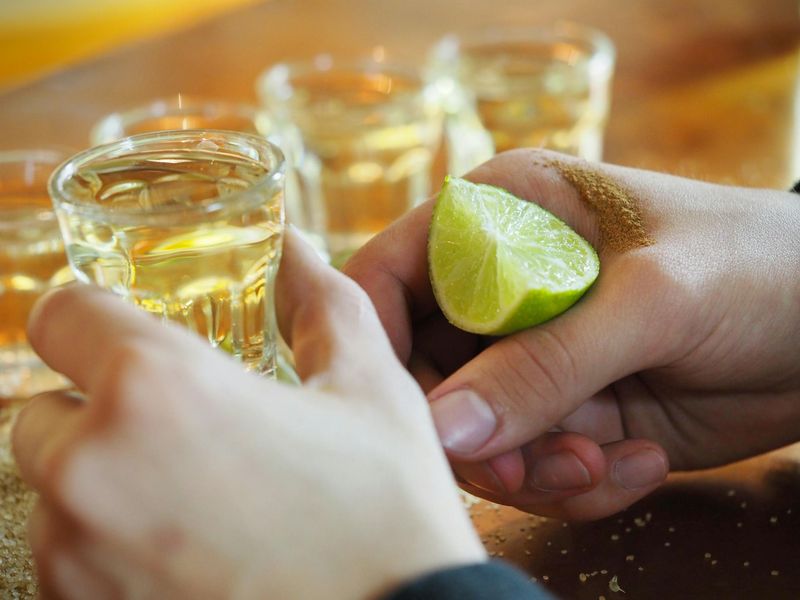
The salt-shot-lime sequence is one of the most well-known food rituals on the planet. You lick the salt off your hand, throw back the tequila, and immediately bite into a lime wedge to chase the burn.
This tradition is thought to have started in Mexico as a way to make lower-quality tequila more enjoyable. Today, premium tequila drinkers often skip the extras entirely.
But for a group celebration, the full ritual is hard to beat.
7. Sushi
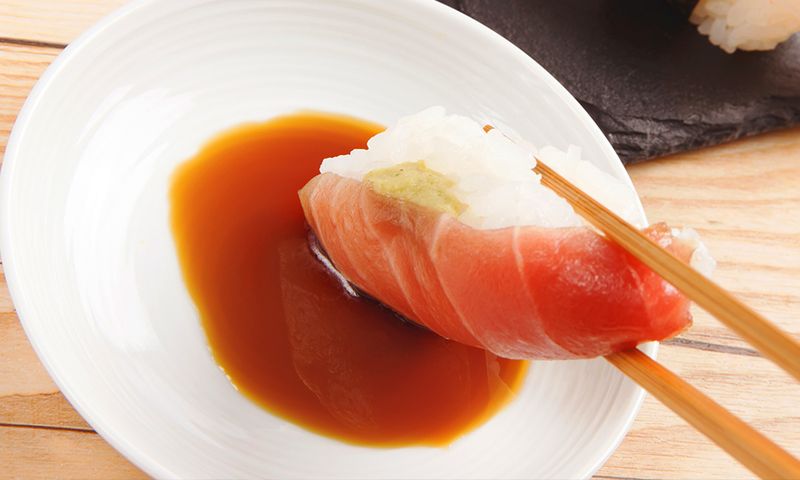
Sushi etiquette has a few firm rules that many casual diners don’t know about. The correct way to eat nigiri is to pick it up with your fingers, not chopsticks, and dip the fish side into soy sauce, never the rice.
Mixing wasabi directly into your soy sauce is considered a bit of a faux pas at traditional sushi bars. The ginger between pieces is a palate cleanser, not a topping.
Each detail is part of respecting the craft.
8. Birthday Cake
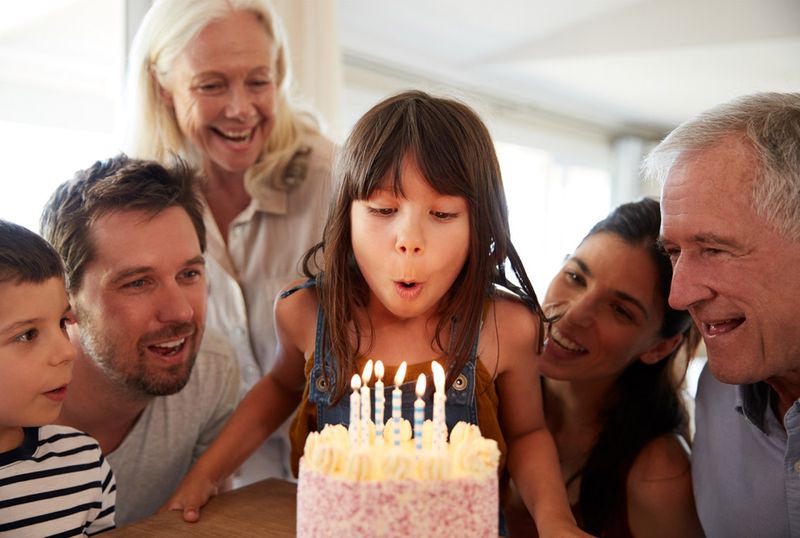
Almost every culture that celebrates birthdays includes some version of the candle-blowing ritual. The birthday person makes a silent wish, then tries to blow out all the candles in one breath to make the wish come true.
This tradition traces back to ancient Greece, where people brought round honey cakes lit with candles to the temple of Artemis. Today the cake might be chocolate or funfetti, but the wish-and-blow moment remains completely unchanged across generations.
9. Dim Sum
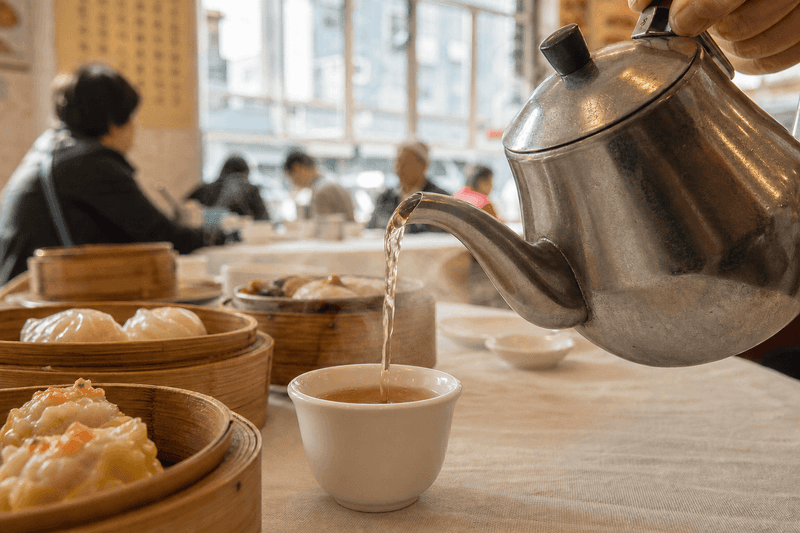
Dim sum is a social meal built around small shared plates, and it comes with its own set of unspoken rules. One of the most charming is the finger-tap thank you: when someone pours your tea, you tap two bent fingers on the table to say thanks without interrupting conversation.
This gesture supposedly dates back to a Qing Dynasty emperor who traveled in disguise and didn’t want to reveal his identity. The tradition stuck, and it’s still used widely today.
10. Ethiopian Injera Meal
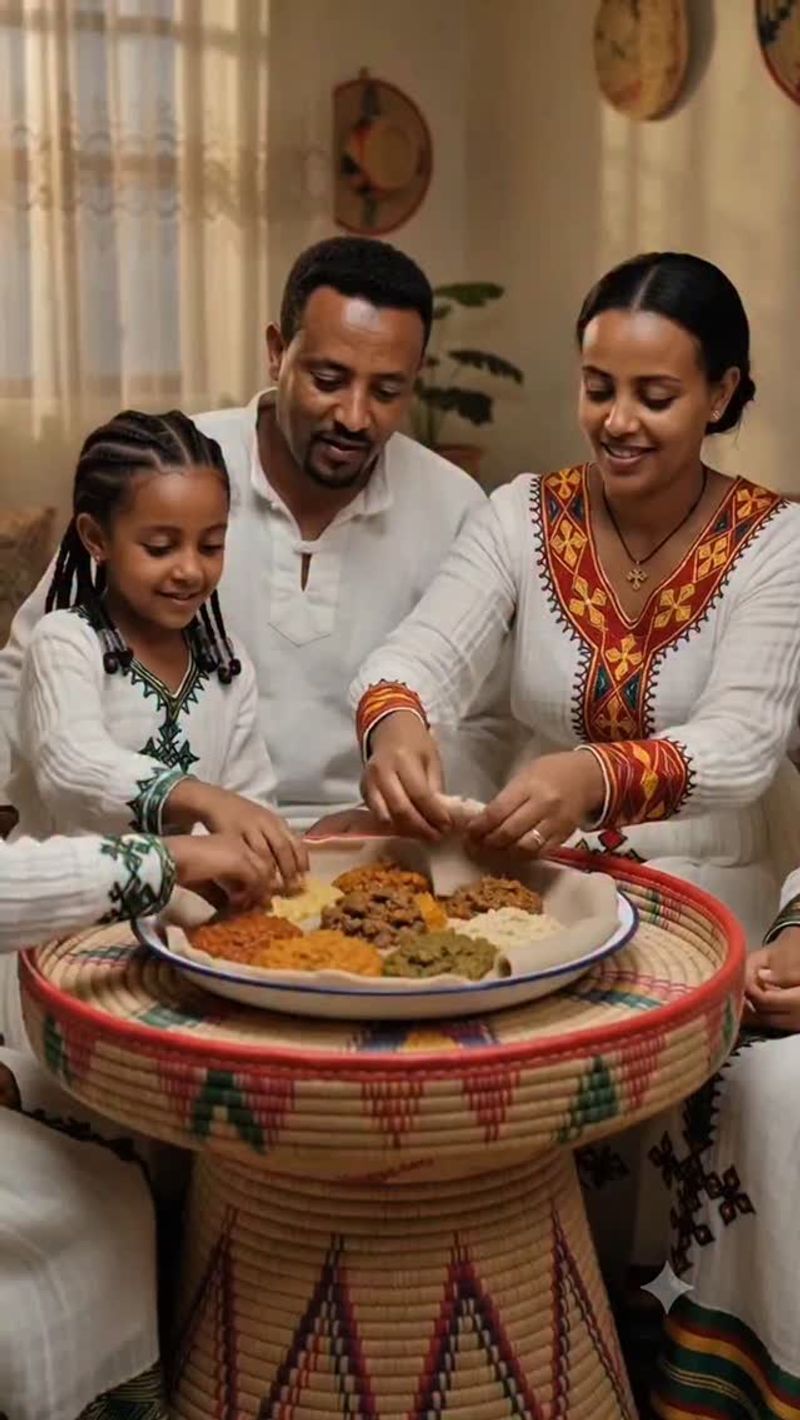
In Ethiopian dining culture, the meal is eaten communally from one large platter lined with spongy injera flatbread. You never use utensils.
Instead, you tear off pieces of injera with your right hand and use them to scoop up the stews on top.
Sharing food from the same plate is a sign of trust and friendship. A beautiful gesture called gursha involves feeding a piece of food directly to someone else’s mouth as a sign of affection and respect.
11. Champagne Toast
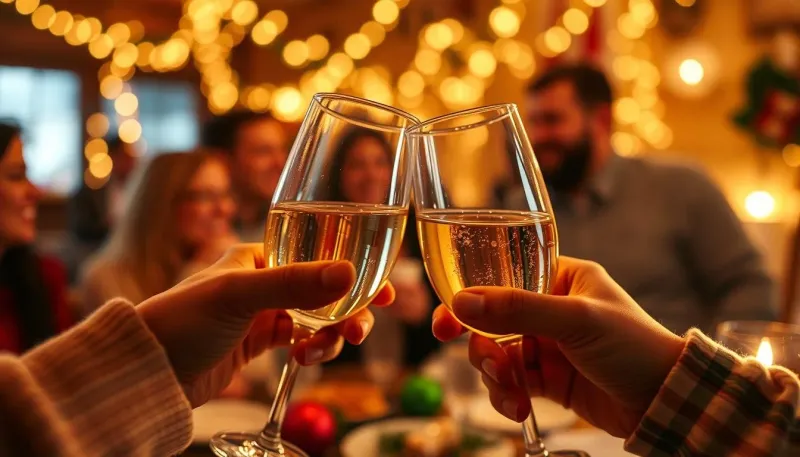
Raising a glass of champagne and clinking it with others before drinking is one of the oldest social rituals around food and drink. In many European traditions, you must make eye contact with every person you clink glasses with, or risk seven years of bad luck.
The clinking itself is said to engage all five senses during a toast. Some historians believe the sound was meant to ward off evil spirits.
Today it’s mostly about connection, but the superstitions make it more fun.
12. Hot Cross Buns
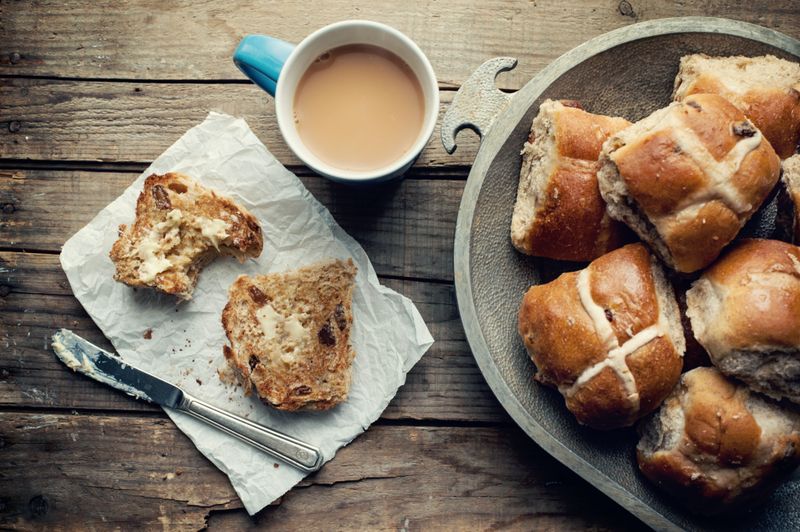
Hot cross buns are traditionally eaten on Good Friday in many Christian communities, and the ritual around them is surprisingly specific. They’re supposed to be eaten warm, split open, and spread with butter right out of the oven.
Old English folklore claimed that hot cross buns baked on Good Friday would never go moldy and could even protect a home from fire. Some families still hang one from the kitchen ceiling for a year before replacing it with a fresh one.
13. Pomegranate on New Year
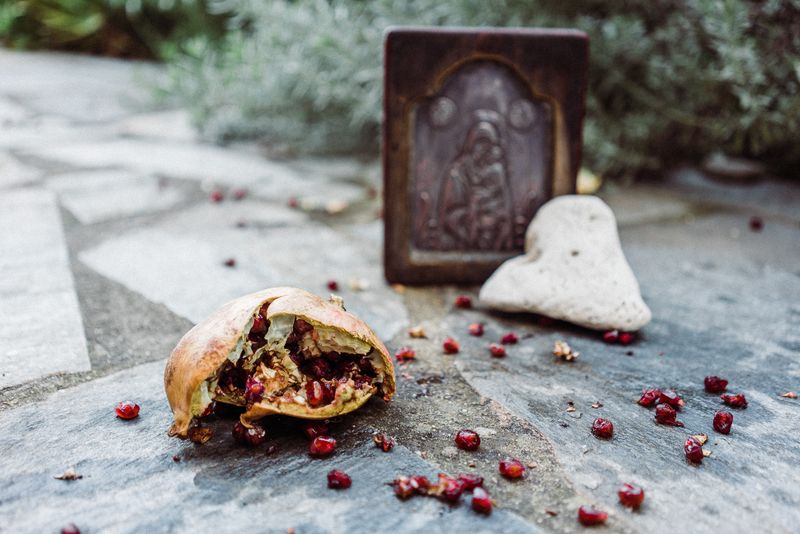
In Greece, smashing a pomegranate on your doorstep at midnight on New Year’s Day is a beloved tradition meant to bring good luck for the year ahead. The more seeds that scatter, the more prosperity your household will enjoy.
Pomegranates have symbolized abundance and fertility in Mediterranean cultures for thousands of years. Some families also roll the fruit through the door first before smashing it.
It’s loud, colorful, and one of the most joyful food rituals in the world.
14. Fondue
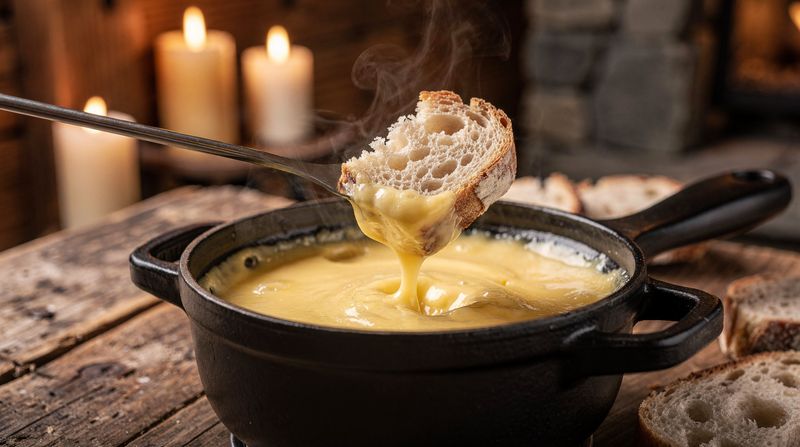
Swiss cheese fondue comes with a surprisingly strict set of social rules. If you drop your bread into the pot, you owe everyone at the table a penalty, usually a drink or a song, depending on the group.
The fondue pot stays in the center and everyone shares it, so double-dipping is a major foul. Stirring in a figure-eight pattern keeps the cheese smooth.
Fondue is less about the food and more about the playful, rule-bound experience around the table.
15. King Cake at Mardi Gras
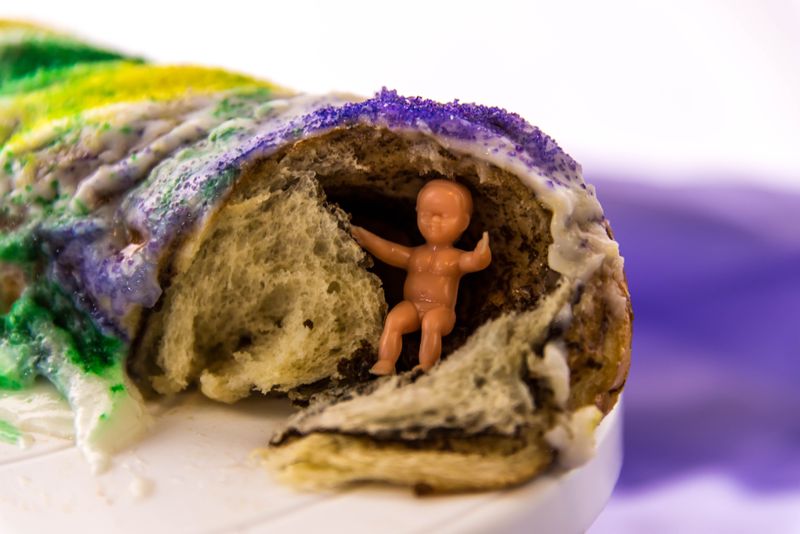
King cake is a Mardi Gras staple in New Orleans, and the tiny plastic baby baked inside it is the whole point of the ritual. Whoever finds the baby in their slice is crowned the king or queen of the party and must buy the next king cake.
The tradition has roots in the Feast of the Epiphany, when a bean was hidden in bread to choose a mock king. Today the cakes are covered in purple, gold, and green sugar, and finding the baby is always a surprise.
16. Mooncakes at Mid-Autumn Festival
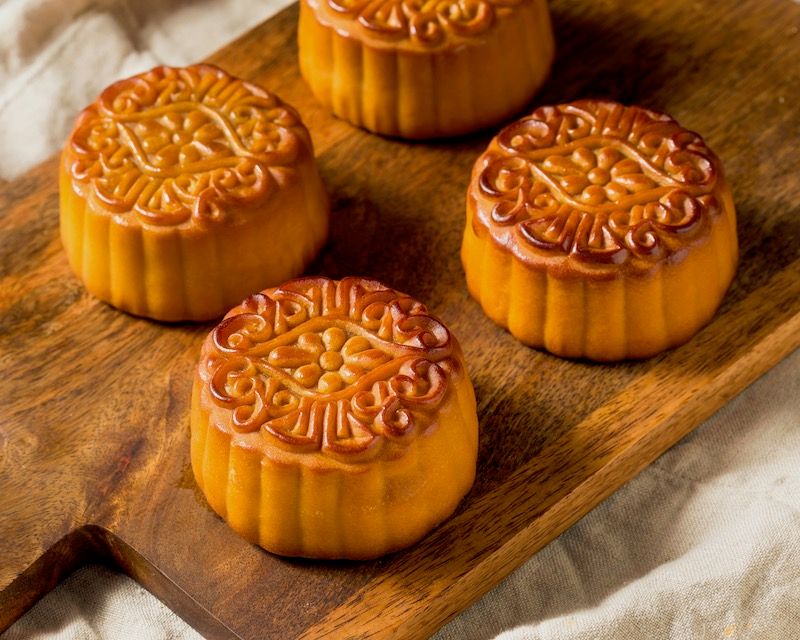
Mooncakes are dense, round pastries eaten during the Chinese Mid-Autumn Festival, and the way you share them is part of the tradition. The cake is cut into equal slices, one for every family member, as a symbol of unity and togetherness.
The round shape mirrors the full moon, which represents reunion in Chinese culture. Some mooncakes are filled with lotus paste and salted egg yolks that look like tiny moons when sliced open.
Sharing one under the moonlight is the whole point.
17. Thanksgiving Turkey
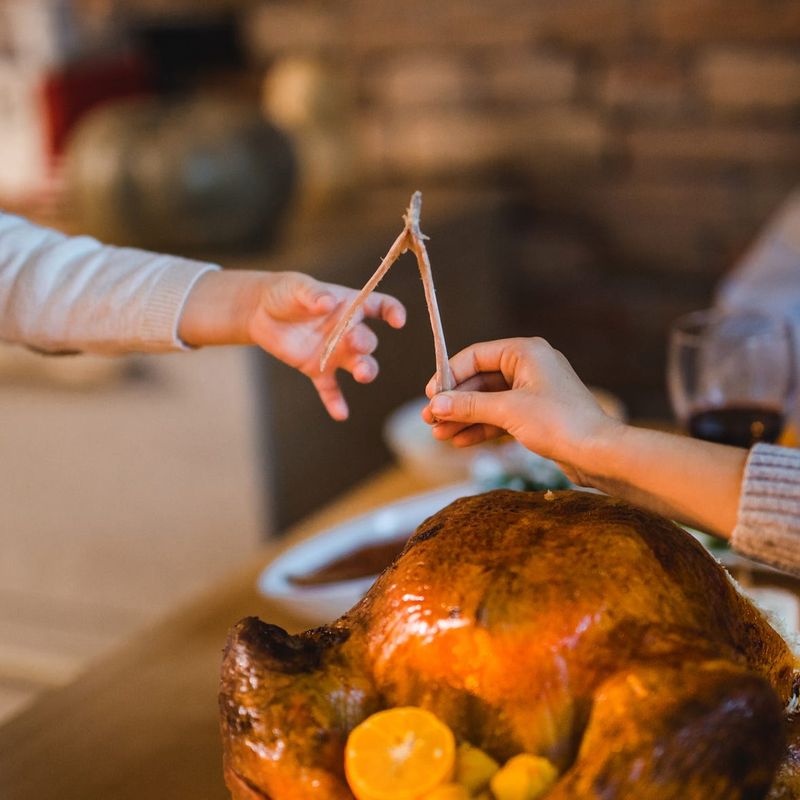
Carving the Thanksgiving turkey is a ceremony in itself, usually reserved for the head of the household and done at the table in front of everyone. But the real ritual comes after: the wishbone pull.
Two people each grab one end of the dried wishbone, make a secret wish, and pull until it snaps. Whoever gets the bigger piece gets their wish.
This tradition goes back to the ancient Etruscans, who believed birds held the power of prophecy.
18. Bread and Salt Welcome
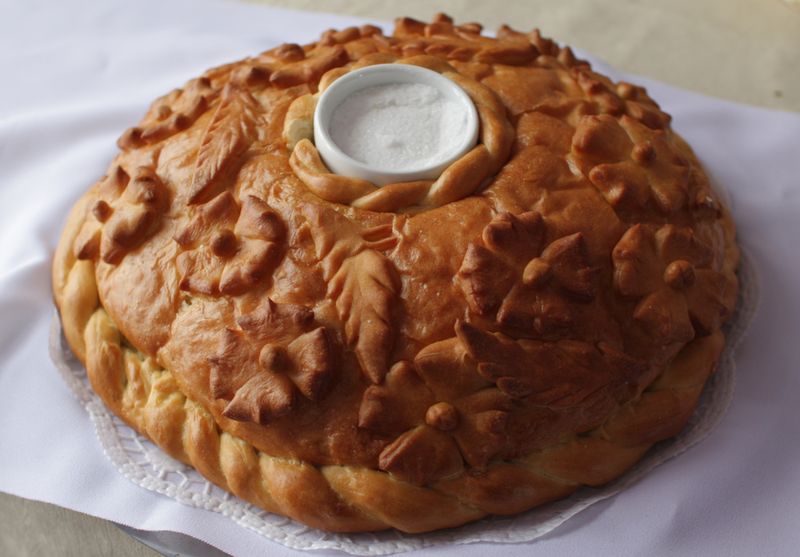
Across Eastern Europe and Russia, welcoming guests with bread and salt is one of the oldest hospitality rituals still practiced today. The host presents a round loaf on an embroidered cloth, and guests tear off a piece and dip it in salt before eating.
Salt was once so valuable it was used as currency, making it a powerful symbol of honor and respect. Refusing the bread and salt is considered a serious insult.
The gesture says: you are welcome here, and we value your presence.
19. Passover Seder Plate
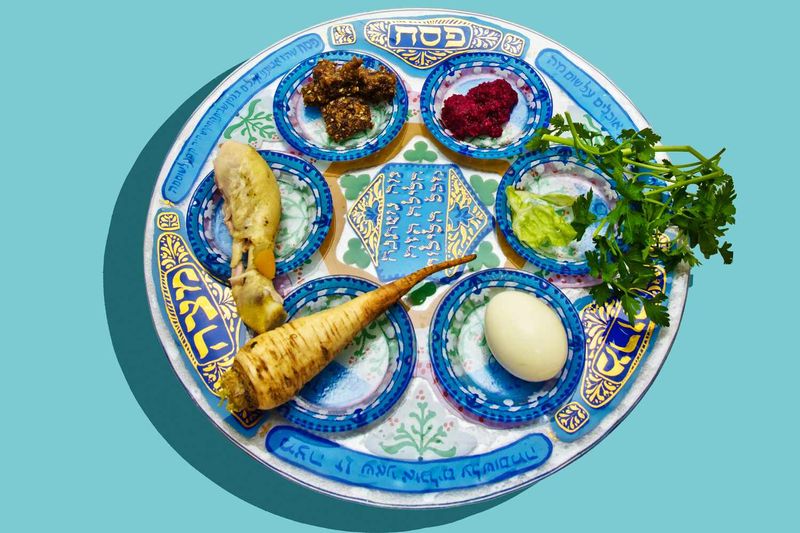
The Passover seder is one of the most structured food rituals in any culture. Every item on the seder plate has a specific meaning tied to the Jewish exodus from Egypt, and the meal follows a set order called the Haggadah.
You dip parsley in saltwater to represent tears. You eat bitter herbs to remember hardship.
You drink four cups of wine at specific moments throughout the evening. Even the matzah has rules about when and how it’s broken and hidden for children to find.
20. Neapolitan Pizza
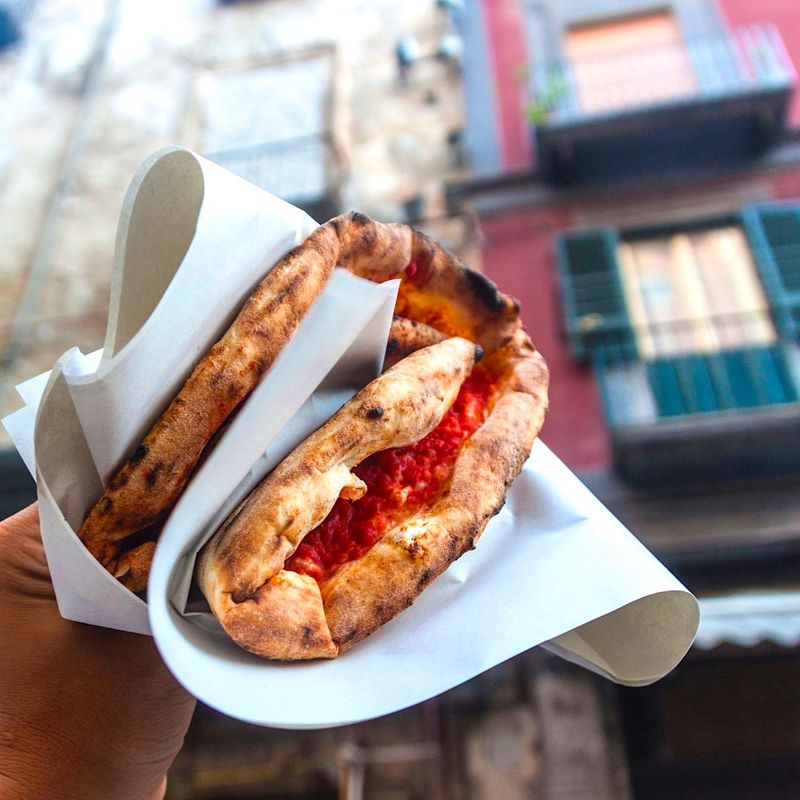
In Naples, where pizza was born, there’s a right way and a wrong way to eat it. Locals fold their slice in half and then in half again, creating a pocket called a libretto, and eat it standing up on the street.
Using a fork and knife on street pizza marks you immediately as a tourist. The soft, wet center of a true Neapolitan pizza is meant to be eaten this way, since cutting it flat would make a mess.
The fold is both practical and a point of local pride.
21. Kava Ceremony
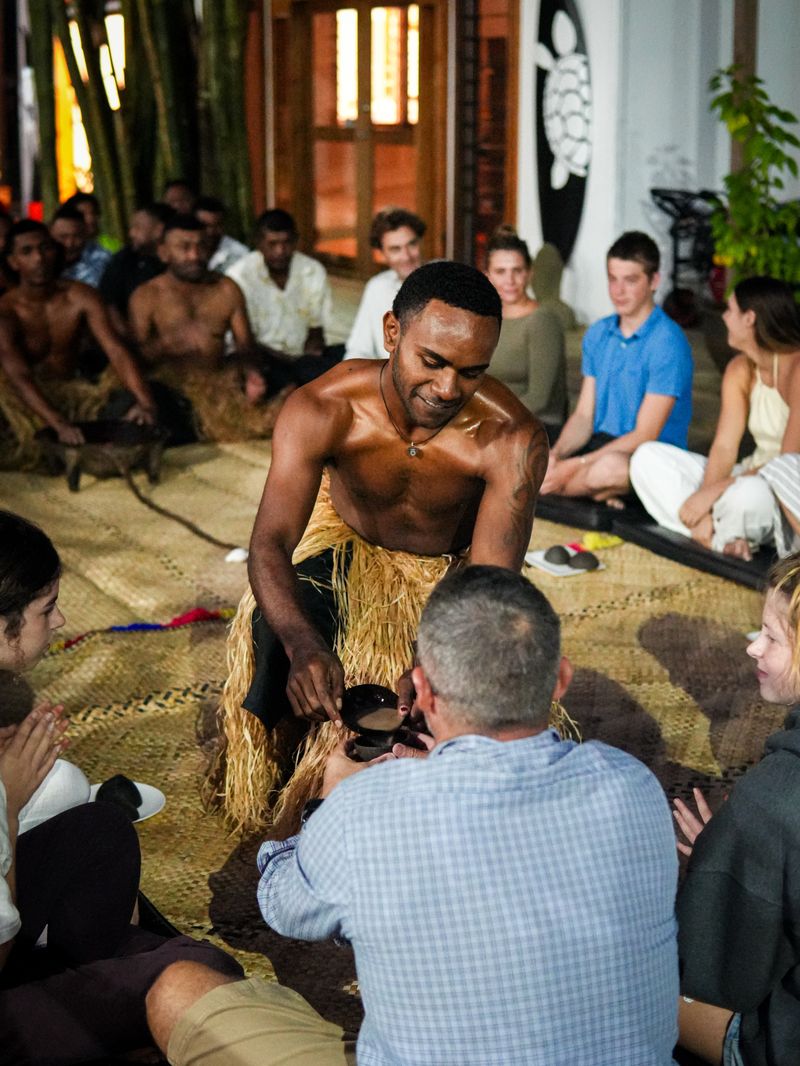
Kava is a traditional drink made from the root of the pepper plant, and in Pacific Island nations like Fiji, Tonga, and Vanuatu, drinking it is a deeply ceremonial act. The drink is prepared communally and served in a shared coconut shell bowl called a tanoa.
Before you drink, you clap once with cupped hands, accept the bowl with both hands, drain it in one go, and clap three times after. Skipping any step is considered disrespectful.
The ceremony is used to mark important gatherings, agreements, and welcomes.