
Some foods are so special that entire laws exist just to protect them. From creamy cheeses to sparkling wines, certain iconic foods carry legal protections that guarantee their quality, origin, and traditional production methods.
These rules make sure that when you buy a product with a famous name, you are getting the real thing. Read on to discover 15 remarkable foods that have earned their very own legal protection.
1. Champagne

Not every bubbly drink earns the right to call itself Champagne. By law, this sparkling wine can only come from the Champagne region of France, produced using a special method called methode champenoise, where the second fermentation happens inside the bottle itself.
This strict rule protects both the name and the quality consumers expect. Producers elsewhere must use different names like “sparkling wine” or “cava.” The law has been in place for over a century, making Champagne one of the world’s most legally guarded beverages.
2. Parmigiano Reggiano
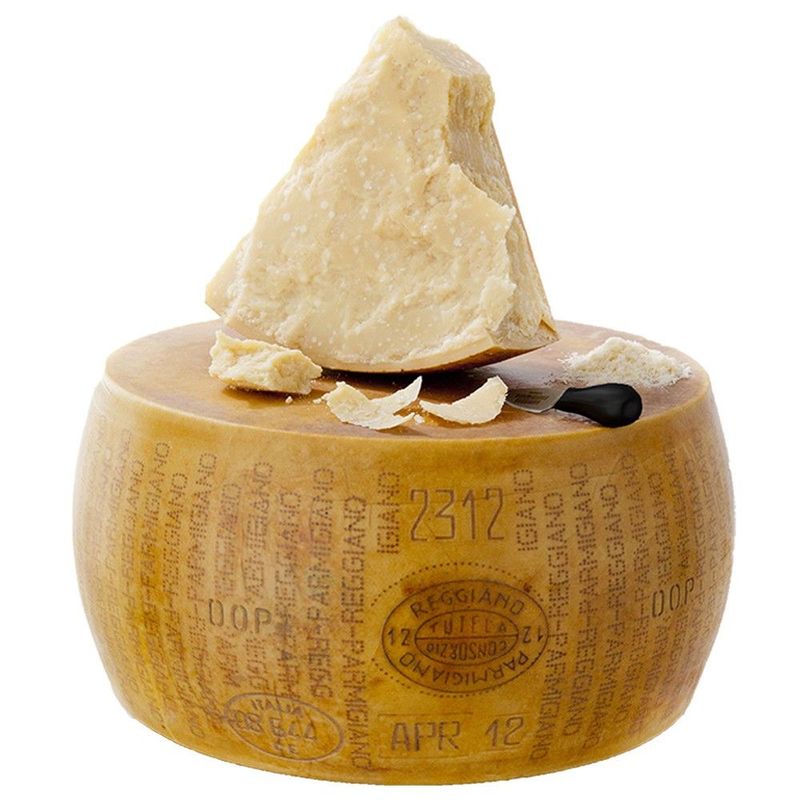
Often called the “King of Cheeses,” Parmigiano Reggiano has a reputation so legendary that the European Union gave it full legal protection. Only cheese made in specific Italian provinces, including Parma, Reggio Emilia, and Modena, can legally carry this famous name.
Producers must follow centuries-old methods, using raw cow’s milk and no additives. Each wheel is inspected and fire-branded to confirm authenticity.
Imitation products sold as “Parmesan” in other countries have caused major legal battles over the years.
3. Roquefort Cheese
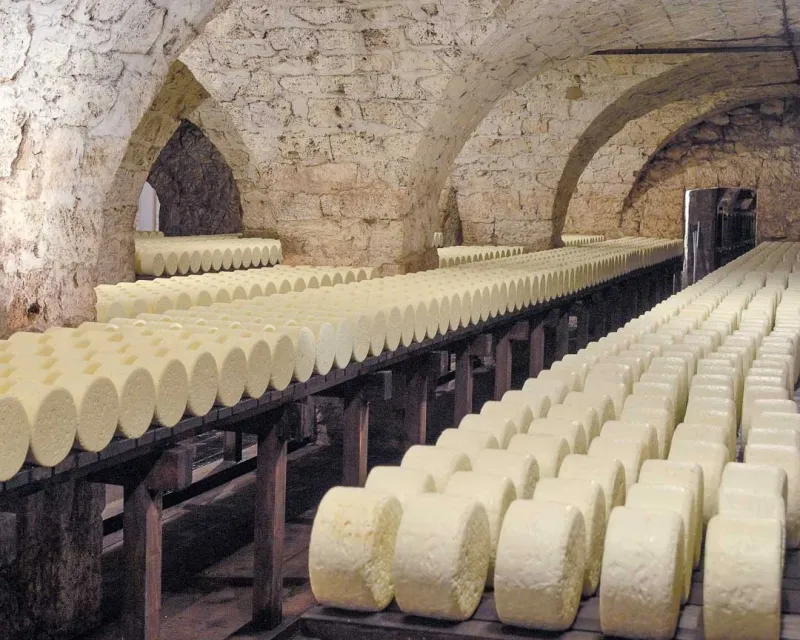
Roquefort is not just any blue cheese. Made from the raw milk of Lacaune sheep, this iconic French cheese must be aged in the natural limestone caves of Roquefort-sur-Soulzon to legally carry its name.
The caves provide a unique humidity and airflow that no factory can replicate.
Its mold, Penicillium roqueforti, comes from traditional strains found only in those cellars. France granted Roquefort its first appellation protection back in 1925, making it one of the earliest legally protected foods in history.
4. Prosciutto di Parma
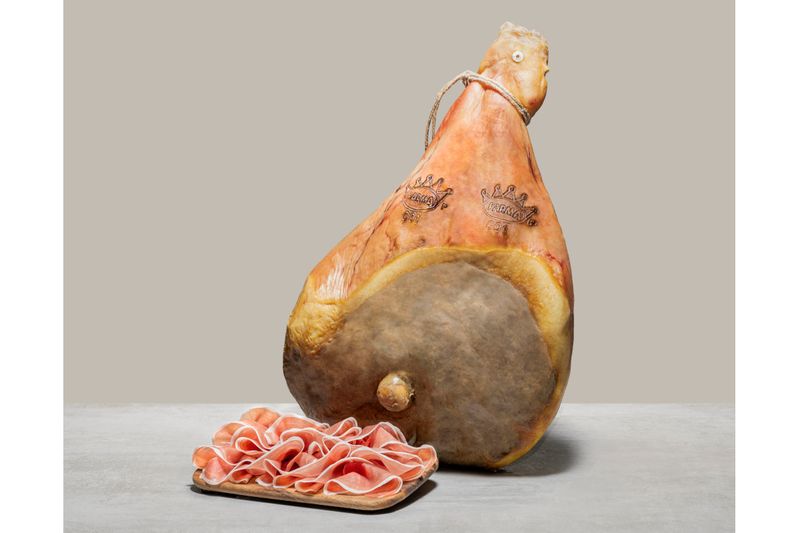
Prosciutto di Parma is the kind of ham that makes you stop mid-bite and appreciate centuries of tradition. Produced exclusively in the hills around Parma, Italy, this aged raw ham carries Protected Designation of Origin status, meaning every slice must meet strict standards.
The pigs must be born and raised in specific Italian regions and fed a controlled diet. After curing, each leg is inspected and branded with the iconic five-pointed Ducal Crown.
No crown, no Parma label.
5. Feta Cheese
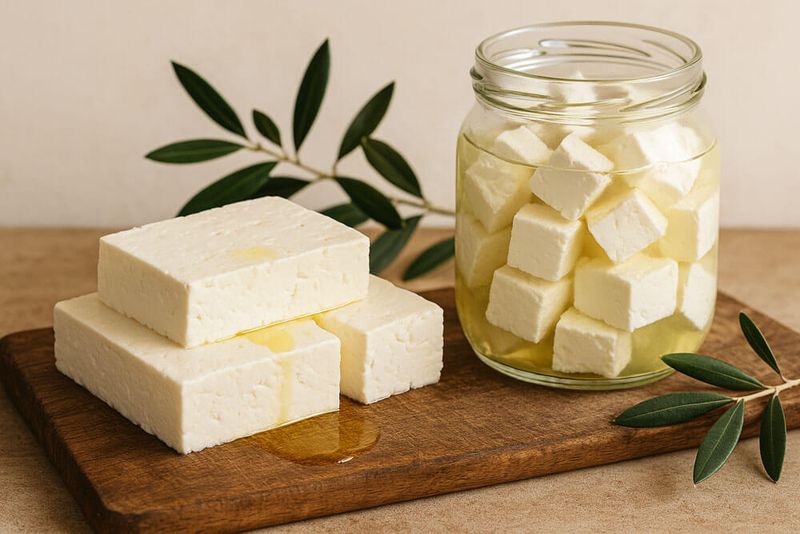
Greece fought hard for this one. After years of legal battles with Denmark and other European countries, Feta cheese was officially granted Protected Designation of Origin status by the EU in 2002.
Only cheese made in specific Greek regions using traditional methods can legally be called Feta.
Made from sheep’s milk or a mix of sheep and goat milk, authentic Feta has a salty, tangy flavor that comes directly from Greece’s unique climate and grazing conditions. It is one of the world’s oldest cheeses, with roots going back thousands of years.
6. Gorgonzola
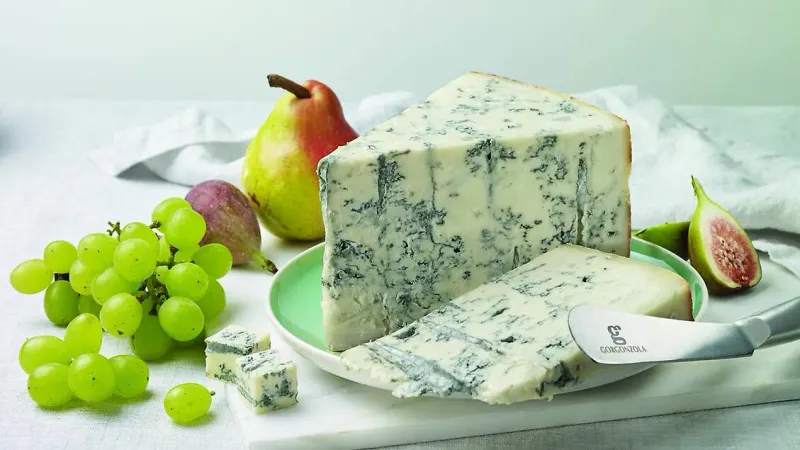
Gorgonzola has been made in northern Italy for over a thousand years, and the law makes sure that legacy stays intact. This creamy, veined cheese holds PDO status, which means only producers in Piedmont and Lombardy can legally use the Gorgonzola name.
There are two main styles: Gorgonzola Dolce, which is softer and milder, and Gorgonzola Piccante, which is firmer and sharper in flavor. A special consortium oversees production and wraps each certified wheel in foil stamped with the letter “g” to confirm its authenticity.
7. Stilton Cheese
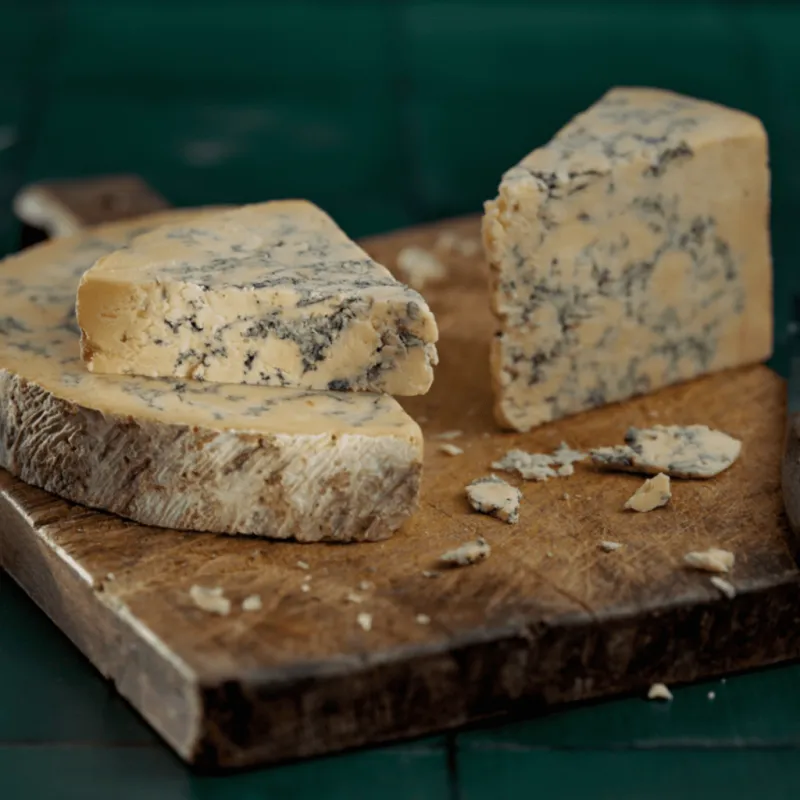
Stilton is England’s most famous cheese, and it comes with a surprisingly strict rulebook. Both blue and white Stilton hold PDO status, and production is limited to just three English counties: Leicestershire, Lincolnshire, and Nottinghamshire.
Interestingly, the village of Stilton itself is not in any of those counties.
Each wheel must be made from locally sourced pasteurized milk and allowed to form its own natural crust. The cheese must also be cylindrical and never pressed, giving it that signature crumbly, rich texture that cheese lovers around the world adore.
8. Cornish Clotted Cream
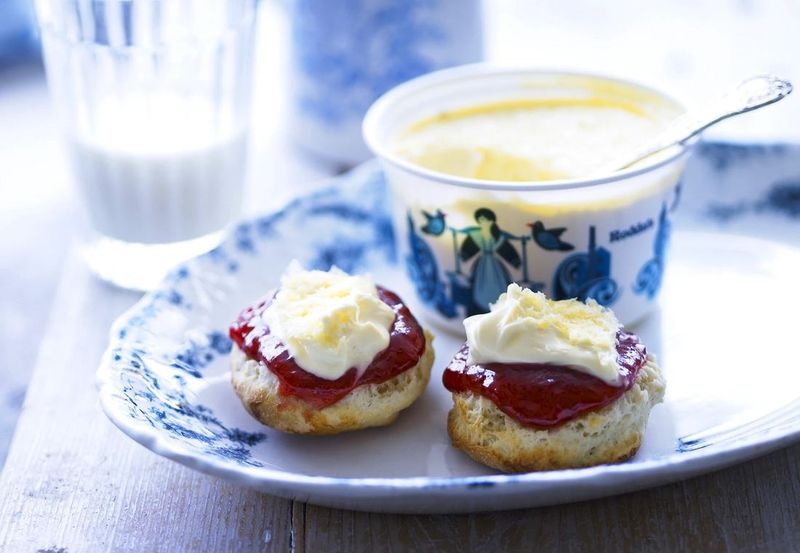
Thick, golden, and gloriously rich, Cornish Clotted Cream is a staple of the traditional British cream tea. Its PDO status means it can only be made using milk from cows in Cornwall, and it must contain at least 55 percent butterfat to qualify.
The slow heating process gives it that distinctive golden crust on top, which true fans consider the best part. Producers outside Cornwall simply cannot legally call their product Cornish Clotted Cream, protecting both the regional dairy industry and a beloved British tradition.
9. Jersey Royal Potatoes
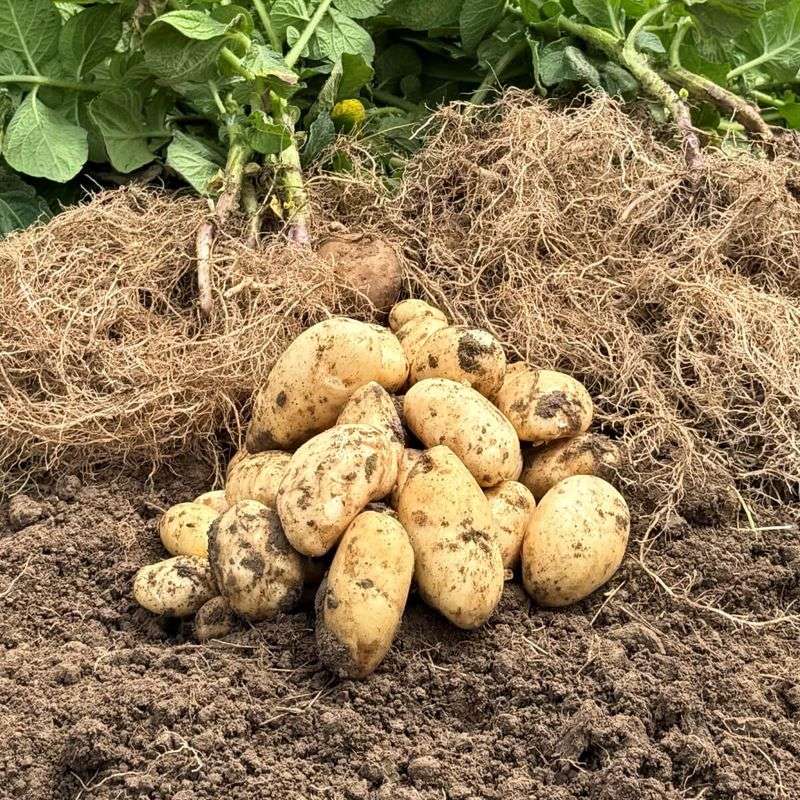
Jersey Royal Potatoes might look like an ordinary spud, but they carry a legal status that sets them apart from every other potato on the market. Grown exclusively on the island of Jersey using the original Royal Jersey fluke stock, these small, kidney-shaped potatoes have PDO protection.
The island’s mild climate, unique soil, and traditional farming methods using seaweed as fertilizer give them a sweet, buttery flavor unlike anything grown elsewhere. Harvesting typically runs from April through July, making them a beloved seasonal treat across the UK.
10. Yorkshire Forced Rhubarb
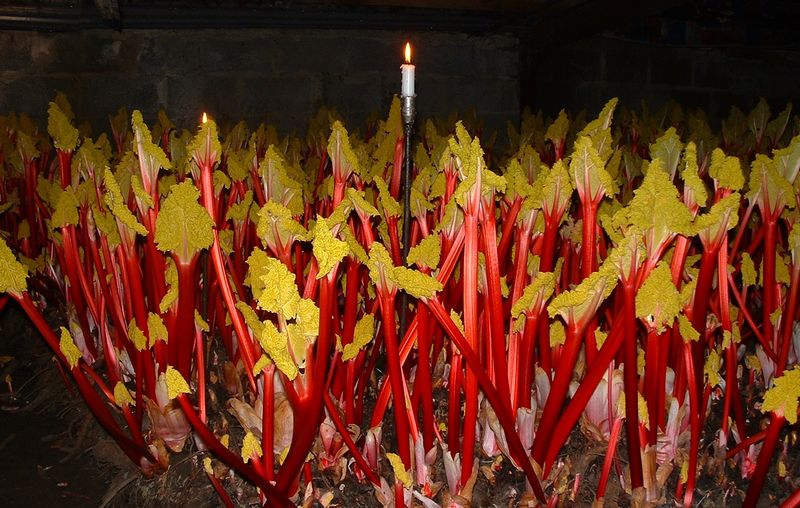
Harvested by candlelight in pitch-dark sheds, Yorkshire Forced Rhubarb is one of the most dramatic foods in the world. Grown in the so-called Rhubarb Triangle between Wakefield, Bradford, and Leeds, this tender pink rhubarb has PDO protection and a flavor far sweeter than field-grown varieties.
The forcing process involves moving roots indoors after a frost, where warmth causes rapid growth in darkness. Workers harvest by hand in near silence to avoid stressing the plants.
This quirky, centuries-old tradition earned its legal protection in 2010.
11. Balsamic Vinegar of Modena
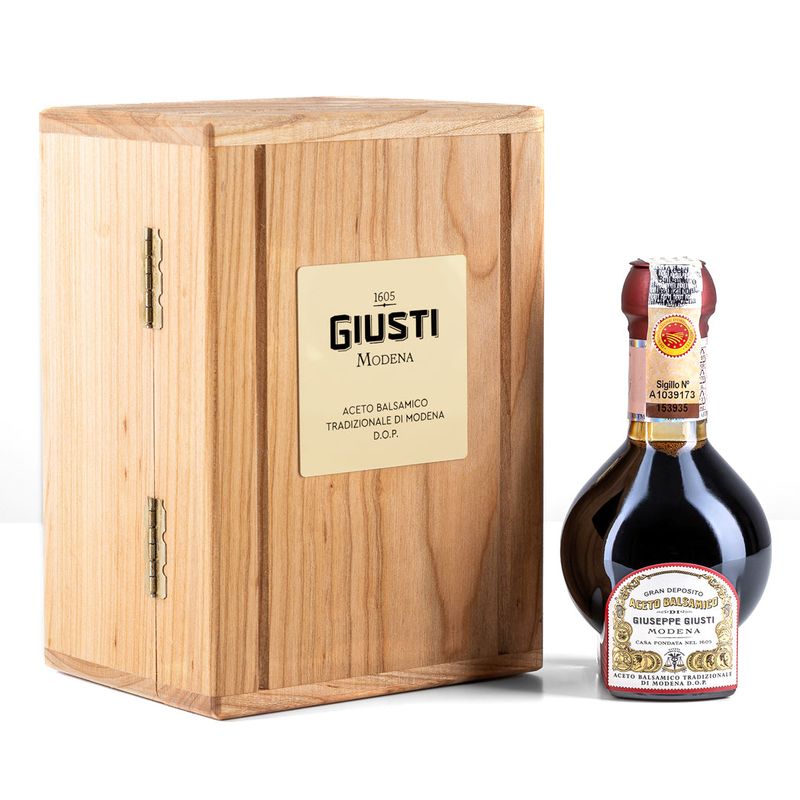
A single drop of authentic Balsamic Vinegar of Modena can transform a dish completely. This rich, dark vinegar from the Emilia-Romagna region of Italy carries Protected Geographical Indication status, meaning it must be produced and bottled within the province of Modena or Reggio Emilia.
Traditional versions are aged for years, sometimes decades, in a series of wooden barrels made from different woods like oak, cherry, and chestnut. Each barrel type adds a distinct layer of flavor.
Cheaper imitations exist, but real Modena balsamic is in a class of its own.
12. Irish Whiskey

With distillation traditions dating back to the 6th century, Irish Whiskey is one of the oldest spirits on Earth. Its Geographical Indication status means only whiskey distilled, aged, and bottled on the island of Ireland can legally carry the Irish Whiskey name.
The rules require aging in wooden casks for a minimum of three years and a minimum alcohol strength of 40 percent. Known for its smooth, triple-distilled character, Irish Whiskey has seen a massive global comeback, with dozens of new distilleries opening across Ireland in recent years.
13. Comte Cheese
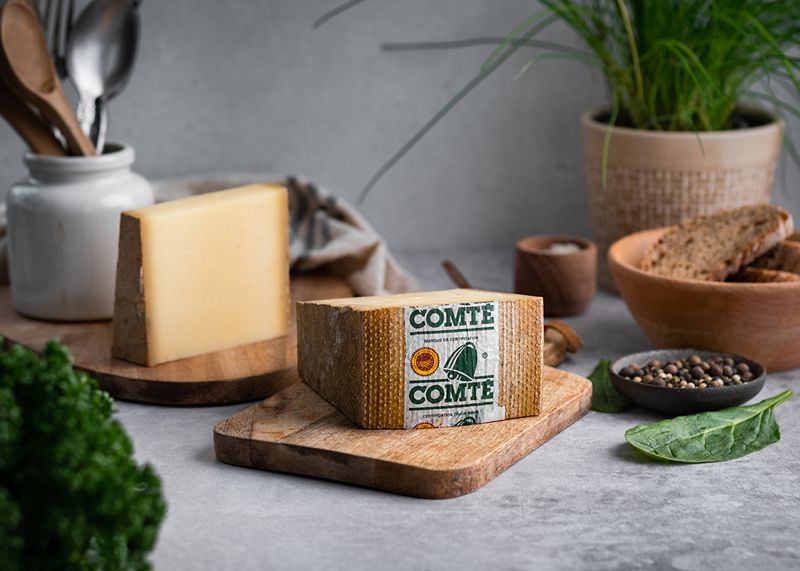
Made high in the Jura mountains of eastern France, Comte is one of the country’s most beloved cheeses, and its PDO status ensures every wheel tells the same authentic story. Produced from unpasteurized milk of Montbeliarde or French Simmental cows, its flavor changes with the seasons.
Summer Comte, made from cows grazing on mountain flowers, tends to be fruitier and more complex than winter versions. Each wheel weighs around 40 kilograms and takes about 450 liters of milk to produce, making it a truly impressive feat of traditional cheesemaking.
14. Camembert de Normandie
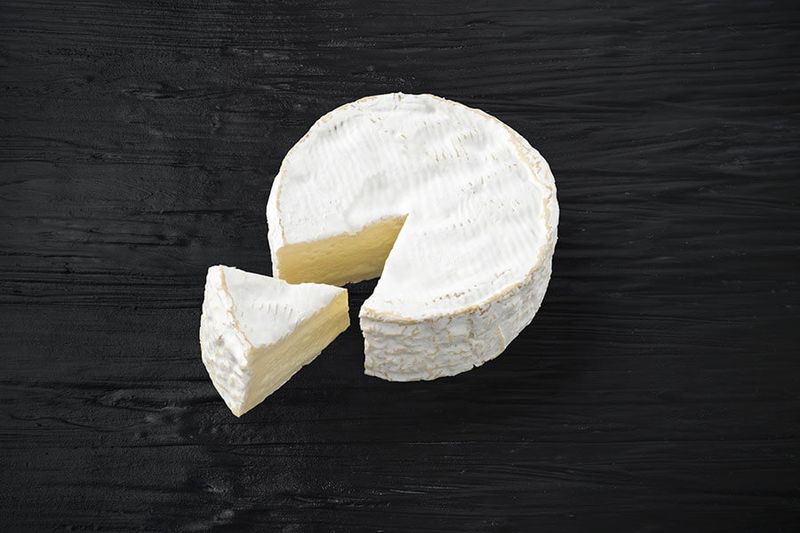
Few cheeses are as romantically tied to a region as Camembert de Normandie is to the rolling green pastures of northern France. Under its strict PDO rules, this cheese must be made from raw, unpasteurized milk from Normande cows and hand-ladled into molds using traditional techniques.
The result is a soft, bloomy-rind cheese with a rich, earthy aroma and a creamy center that practically melts at room temperature. Mass-produced versions exist, but only Camembert de Normandie with the AOP label guarantees the genuine, old-world experience.
15. Dresdner Christstollen
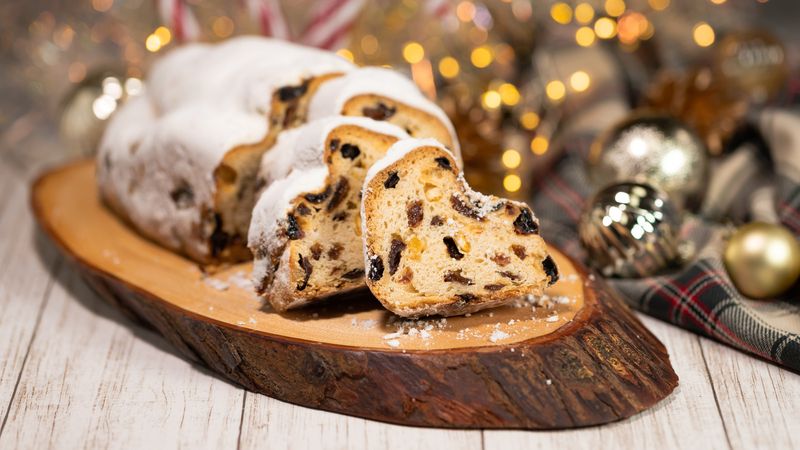
Every December, the city of Dresden fills with the warm scent of spiced bread that has been baked there for over 500 years. Dresdner Christstollen holds Protected Geographical Indication status, meaning only bakers within the greater Dresden area can legally produce and sell this iconic holiday loaf.
Packed with dried fruits, nuts, marzipan, and warming spices, then coated in butter and dusted with powdered sugar, each loaf must weigh at least two kilograms. An annual Stollen Festival in Dresden even crowns a giant ceremonial loaf, celebrating this beloved German Christmas tradition.