
Every year, the Library of Congress picks a special group of movies to preserve forever because of their cultural, historic, or artistic importance to American life. These films become part of the National Film Registry, a collection meant to protect the stories and memories that movies carry for future generations.
This year, 25 incredible films earned that honor, spanning over a century of filmmaking history. Here are 16 of the most beloved titles now officially part of this prestigious list.
1. White Christmas (1954)
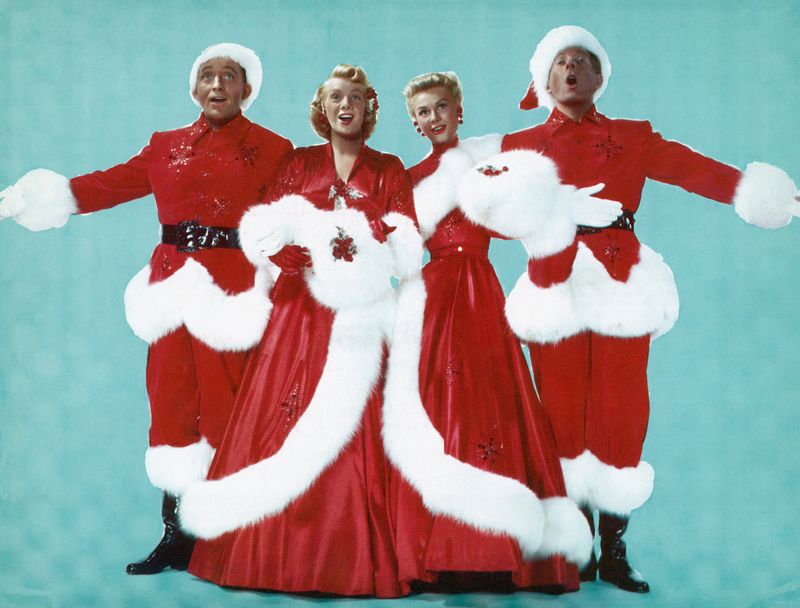
Few holiday movies have warmed hearts quite like White Christmas. Starring Bing Crosby and Danny Kaye, this 1954 musical follows two entertainers who fall for a pair of sisters while helping their old army general save his Vermont inn.
The film features one of the most iconic songs in American music history.
Bing Crosby’s recording of “White Christmas” remains one of the best-selling singles ever made. Its inclusion in the Registry honors its lasting place in American holiday tradition.
2. The Karate Kid (1984)
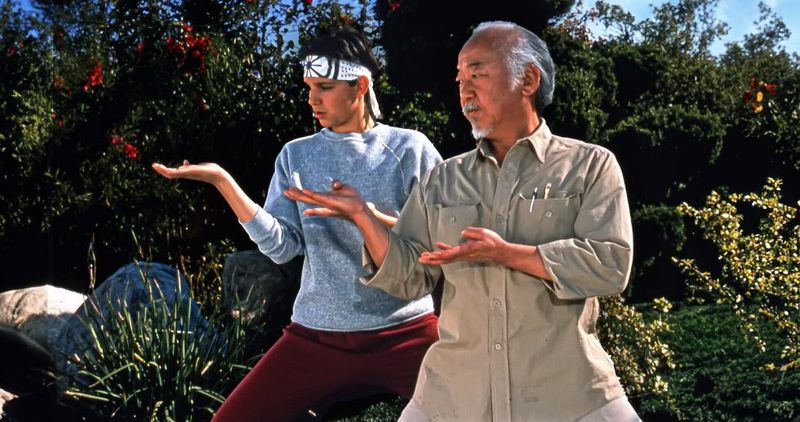
Wax on, wax off. Those three words became part of pop culture history thanks to this 1984 underdog classic.
Daniel LaRusso moves to a new town, gets bullied, and finds an unlikely mentor in Mr. Miyagi, who teaches him that karate is about much more than fighting.
The Karate Kid earned over $90 million at the box office and launched a beloved franchise still going strong today. Its message about patience, respect, and perseverance still connects with audiences of all ages.
3. Glory (1989)
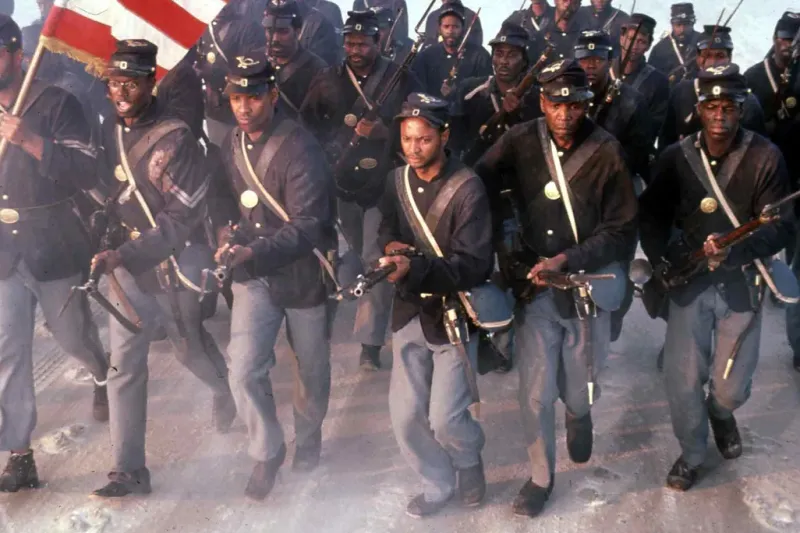
Glory tells the true story of the 54th Massachusetts Infantry Regiment, one of the first African American military units to fight in the Civil War. Directed by Edward Zwick and starring Denzel Washington, Matthew Broderick, and Morgan Freeman, the film is both heartbreaking and triumphant.
Denzel Washington won his first Oscar for this role, delivering one of the most powerful performances in American cinema. The film’s Registry inclusion recognizes its importance in telling a long-overlooked chapter of U.S. history.
4. Philadelphia (1993)
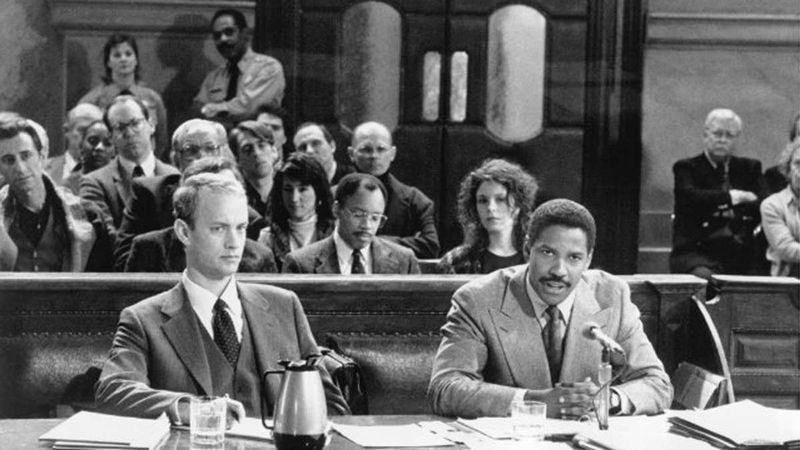
Philadelphia was a groundbreaking film when it arrived in 1993, becoming one of Hollywood’s first major studio movies to tackle the AIDS crisis and LGBTQ+ discrimination head-on. Tom Hanks plays a lawyer wrongfully fired after his employer discovers he has AIDS, and Denzel Washington plays the attorney who reluctantly takes his case.
Tom Hanks won the Academy Award for Best Actor for this performance. The film opened important conversations about fairness, dignity, and compassion that the country needed to hear.
5. Clueless (1995)
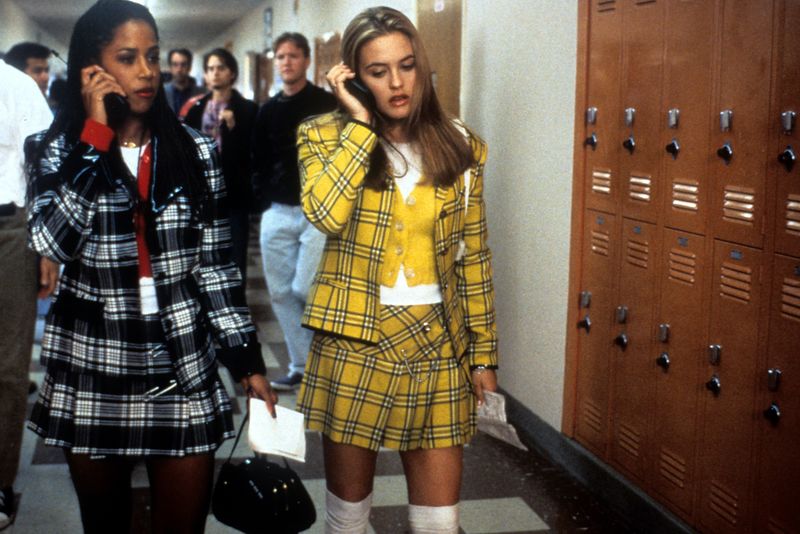
Loosely based on Jane Austen’s novel Emma, Clueless follows Cher Horowitz, a well-meaning but hilariously out-of-touch Beverly Hills teenager navigating high school social life. Writer-director Amy Heckerling created a film that was funny on the surface but surprisingly sharp underneath.
Clueless gave the world phrases like “As if!” and “Whatever” that people still quote today. Beyond the fashion and laughs, the film cleverly explored themes of identity, friendship, and growing up that resonate with every generation.
6. Before Sunrise (1995)
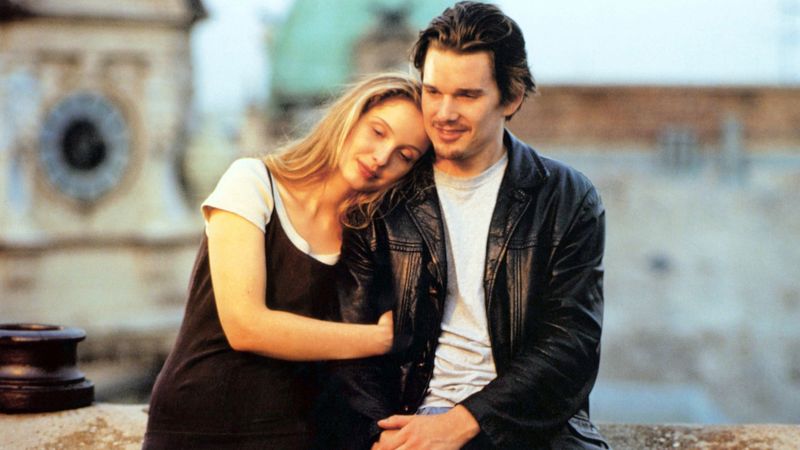
Imagine meeting a stranger on a train and spending one magical night exploring a beautiful city together. That is the entire premise of Before Sunrise, and director Richard Linklater makes it feel like the most important night in the world.
Ethan Hawke and Julie Delpy star as Jesse and Celine, two young travelers whose conversation-filled evening in Vienna became one of cinema’s most romantic stories. The film launched a beloved trilogy and proved that a great story needs only two people and honest dialogue.
7. The Truman Show (1998)
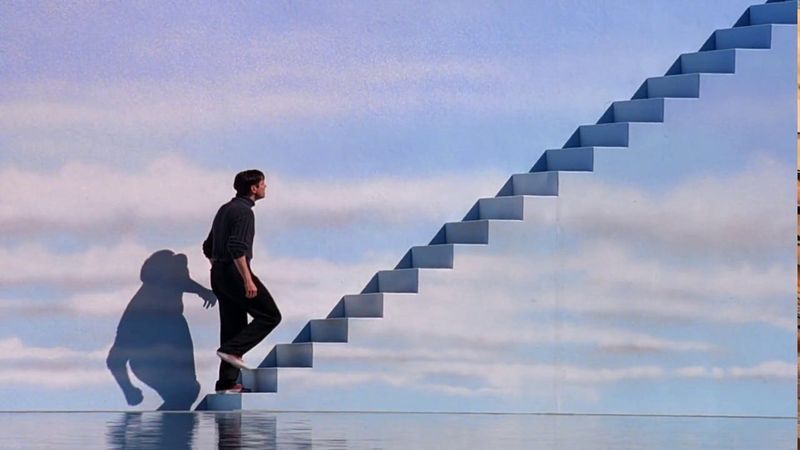
What if your entire life was a TV show and everyone around you was an actor? That terrifying idea sits at the center of The Truman Show, a 1998 film starring Jim Carrey in one of his most serious and moving performances.
Truman Burbank has lived his whole life inside a massive TV set without knowing it. The film was ahead of its time, predicting today’s reality TV obsession and raising big questions about privacy, free will, and authenticity that feel even more relevant now.
8. The Incredibles (2004)
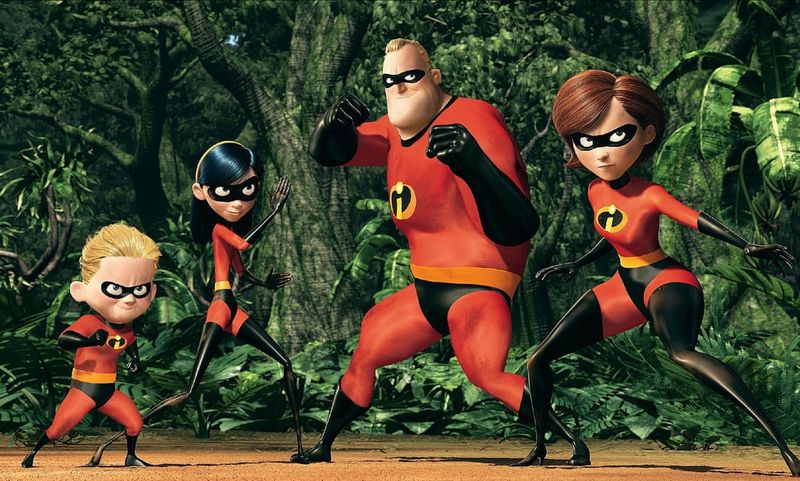
Pixar knocked it out of the park with The Incredibles, a superhero family comedy that works just as well for adults as it does for kids. Bob Parr, a former superhero forced into suburban life, secretly misses saving the world while struggling to connect with his family.
Director Brad Bird packed the film with action, humor, and surprisingly real emotions about identity and purpose. Winning two Academy Awards, The Incredibles proved that animated films could tackle grown-up themes without losing their sense of fun.
9. Inception (2010)
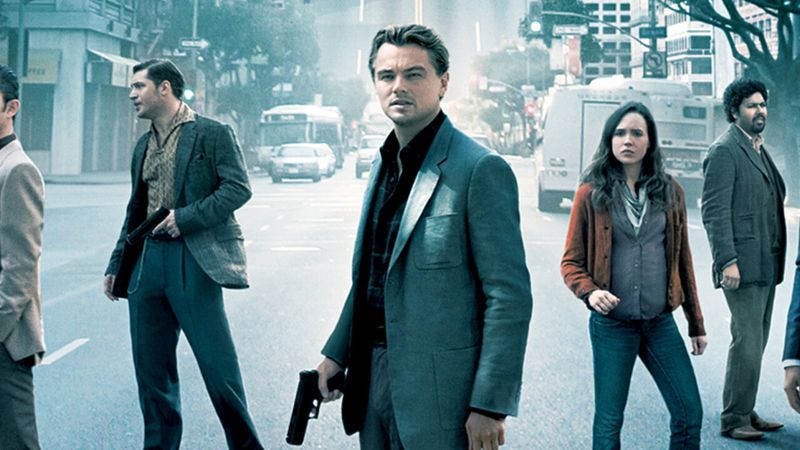
Christopher Nolan built one of cinema’s most mind-bending experiences with Inception, a film about a thief who enters people’s dreams to steal their secrets. Leonardo DiCaprio leads an all-star cast through layers of dreams within dreams that kept audiences talking long after the credits rolled.
The film earned over $800 million worldwide and won four Academy Awards. That spinning top at the end became one of the most debated movie moments in recent memory, which is exactly why it belongs in the Registry.
10. The Grand Budapest Hotel (2014)
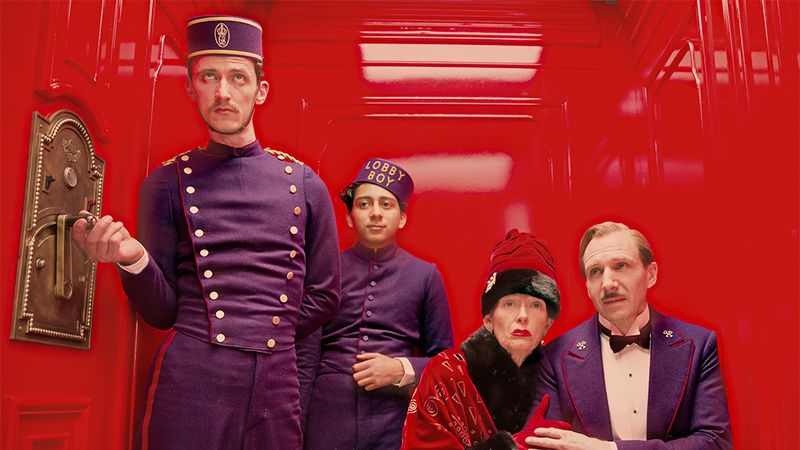
Wes Anderson’s signature quirky style reached new heights with The Grand Budapest Hotel, a comedic mystery set in a fictional European resort between the two World Wars. Ralph Fiennes delivers a hilariously charming performance as the legendary concierge Monsieur Gustave H.
The film won four Academy Awards and became Anderson’s highest-grossing movie. Every frame looks like a painting, and the fast-talking, madcap story underneath that beauty is both funny and surprisingly touching about friendship and a fading world.
11. Frida (2002)
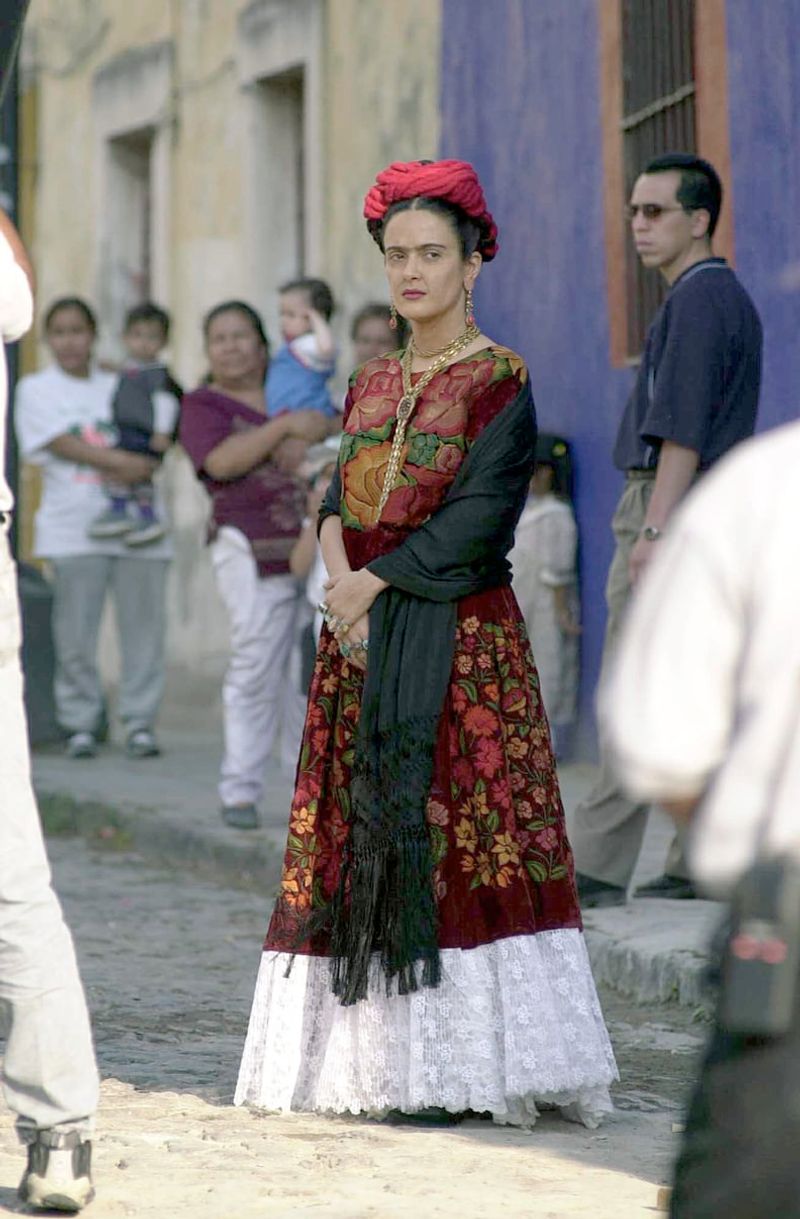
Salma Hayek poured her heart into bringing Mexican artist Frida Kahlo to life on screen, even producing the film herself after years of fighting to get it made. The biopic traces Kahlo’s remarkable life, from a devastating bus accident to her passionate and complicated marriage to Diego Rivera.
Frida won two Academy Awards and introduced millions of viewers to one of art history’s most fearless creative voices. The film celebrates Mexican culture and the raw power of turning personal pain into extraordinary art.
12. The Hours (2002)
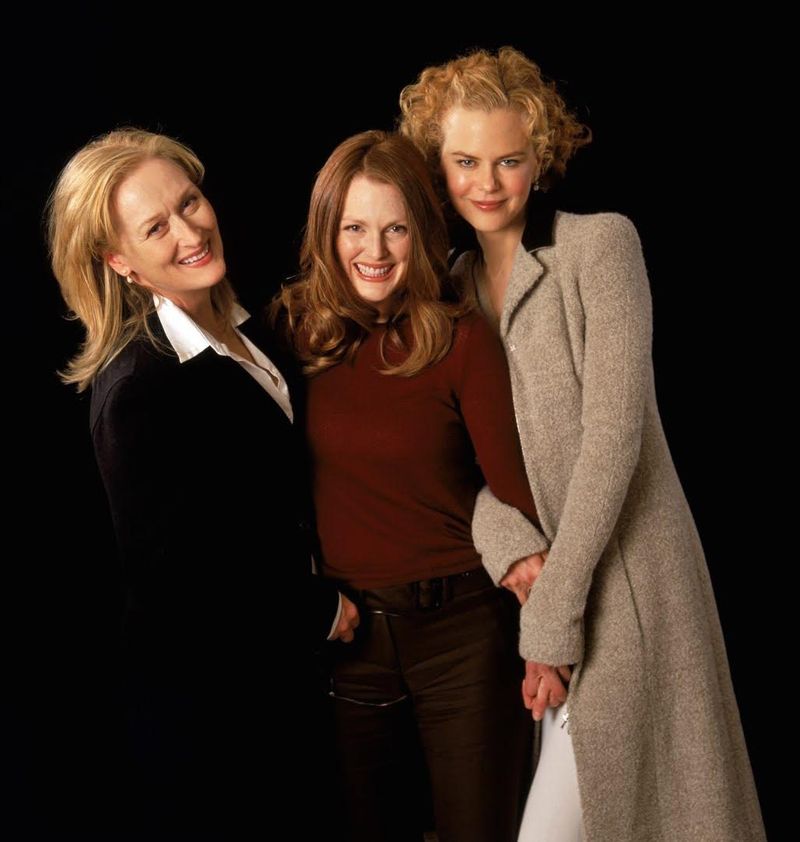
Three women. Three different time periods.
One shared emotional thread. The Hours weaves together the stories of Virginia Woolf in 1920s England, a 1950s housewife in Los Angeles, and a modern New York woman, all connected by the novel Mrs. Dalloway.
Nicole Kidman won the Academy Award for Best Actress wearing a prosthetic nose to transform into Virginia Woolf. The film is quiet, intense, and deeply moving, making a strong case for why stories about women’s inner lives deserve to be preserved forever.
13. Say Amen, Somebody (1982)
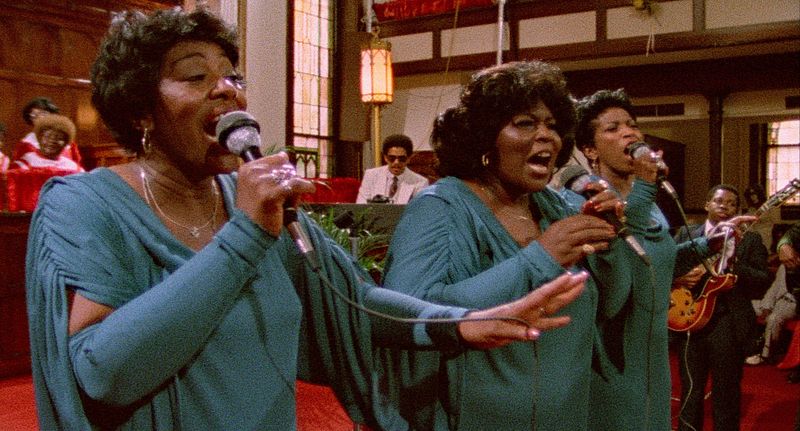
Gospel music has never been captured on film quite as joyfully as it was in Say Amen, Somebody. This 1982 documentary profiles Thomas A.
Dorsey and Willie Mae Ford Smith, two pioneers who helped create the gospel music genre that influenced soul, R&B, and rock and roll.
Director George T. Nierenberg filmed performances so full of life and spirit that audiences felt like they were right there in the church.
Critics called it one of the best music documentaries ever made, and the Registry selection proves they were right.
14. The Thing (1982)
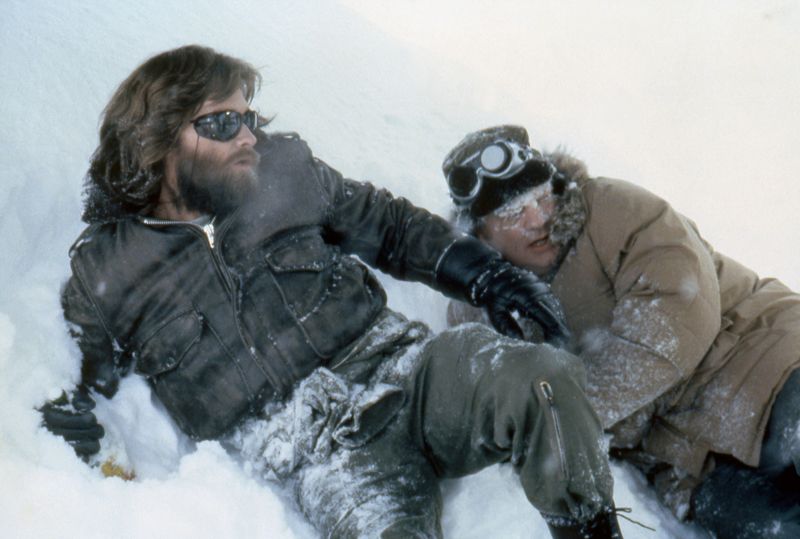
John Carpenter’s The Thing is one of the most terrifying and technically impressive horror films ever made. Set in an Antarctic research station, it follows a group of scientists who discover a shape-shifting alien creature that can perfectly copy any living being, making trust impossible.
When it first came out, critics were divided, but audiences eventually recognized it as a masterpiece of paranoia and special effects. Rob Bottin’s practical creature effects still hold up today and remind us what filmmakers can do with pure creativity.
15. Brooklyn Bridge (1981)
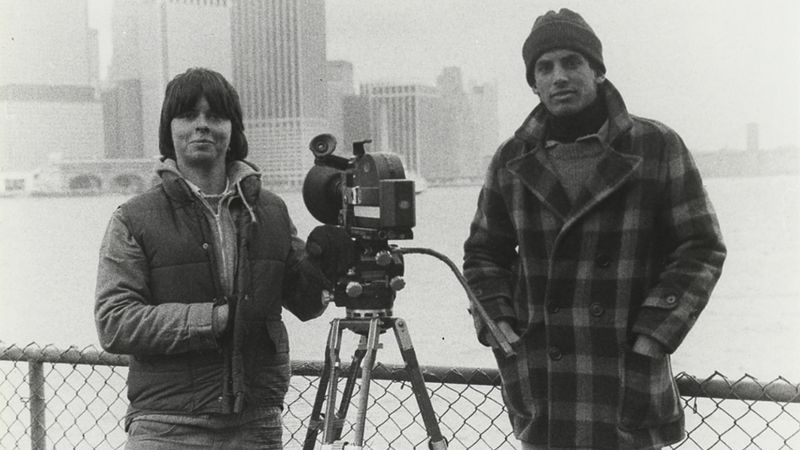
Ken Burns made his filmmaking debut with Brooklyn Bridge, a documentary that tells the remarkable story of how one of America’s most iconic structures was built. Completed in 1883 after 14 years of dangerous construction, the bridge was an engineering wonder that connected Manhattan and Brooklyn for the first time.
Burns used his now-famous technique of panning across still photographs to bring history alive. The film set the foundation for his legendary career and showed how documentary filmmaking could be just as gripping as any Hollywood blockbuster.
16. The Big Chill (1983)
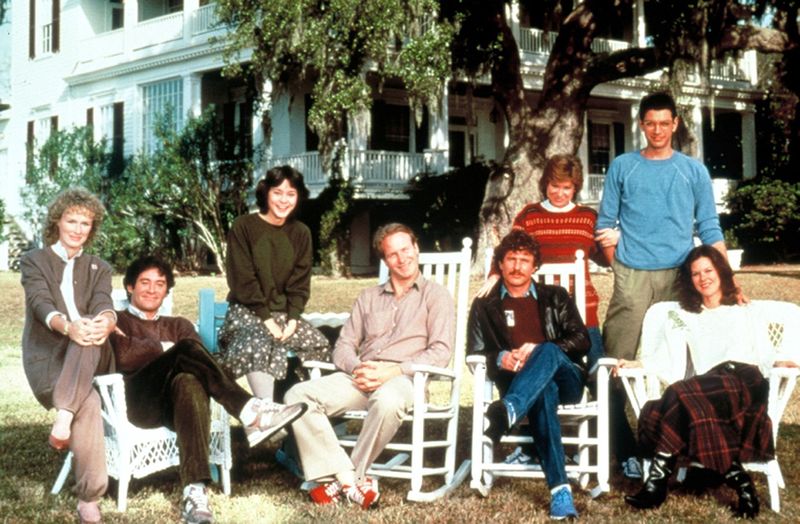
A group of college friends reunites after the sudden death of a mutual friend, and over one weekend, they remember who they used to be while facing who they have become. The Big Chill captured the feelings of an entire generation of baby boomers in a way few films ever have.
Its soundtrack of 1960s Motown and rock classics became one of the best-selling movie soundtracks of the decade. Director Lawrence Kasdan created a film about grief, nostalgia, and friendship that still feels honest and emotionally real today.