
Most people keep their cleaning supplies in a cabinet far away from the kitchen, but what if your pantry could do double duty? Many common foods have natural properties that make them surprisingly effective at tackling dirt, grease, and odors around the house.
From fruits to condiments, these kitchen staples can save you money and reduce your use of harsh chemicals. You might never look at your grocery list the same way again.
1. Lemons
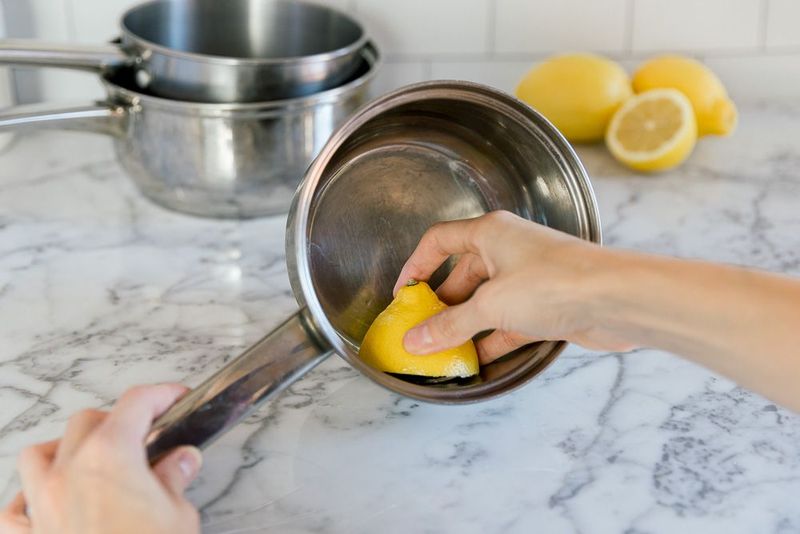
That leftover lemon half sitting on your counter is more powerful than you think. The citric acid in lemons cuts through grease, removes rust stains, and even whitens grout.
Just rub a cut lemon directly on a stained surface and let it sit for a few minutes before wiping clean.
Lemon juice also works wonders on wooden cutting boards. Sprinkle some salt, scrub with the lemon, and rinse.
Your board will smell fresh and look brand new.
2. White Vinegar
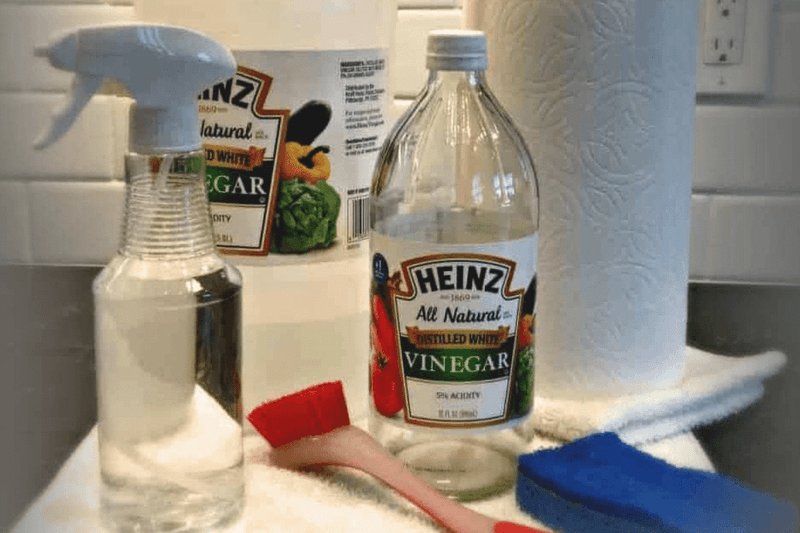
White vinegar has been a cleaning secret for generations, and for good reason. Its acetic acid content breaks down mineral deposits, soap scum, and even mold without leaving behind toxic residue.
Mix equal parts water and vinegar in a spray bottle for an all-purpose cleaner that works on countertops, glass, and tiles.
It also works as a natural fabric softener. Add half a cup to your washing machine during the rinse cycle and your clothes will come out soft and odor-free.
3. Baking Soda
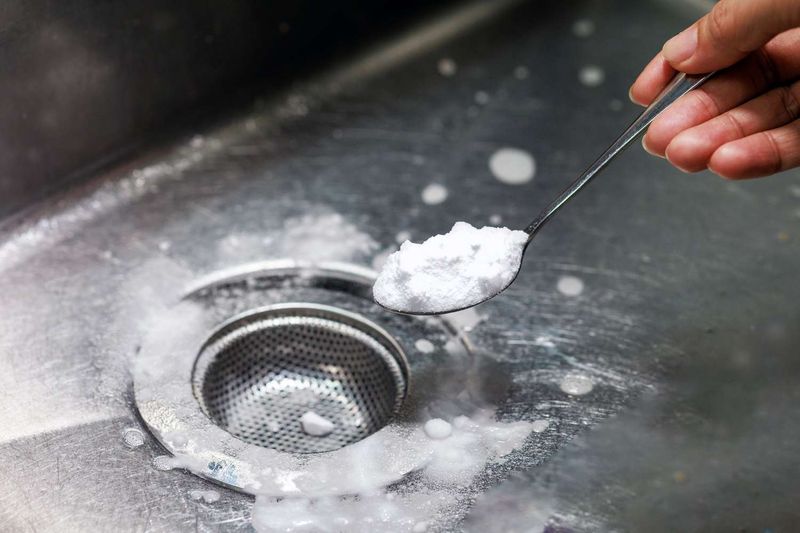
Baking soda is the quiet overachiever of your pantry. Its mild abrasive texture makes it perfect for scrubbing away stubborn stains without scratching surfaces.
Sprinkle it on a damp sponge and use it to clean sinks, bathtubs, and tile grout with minimal effort.
It also absorbs odors like a champ. Place an open box in the fridge or sprinkle it on carpets before vacuuming to neutralize smells that just won’t quit.
4. Salt
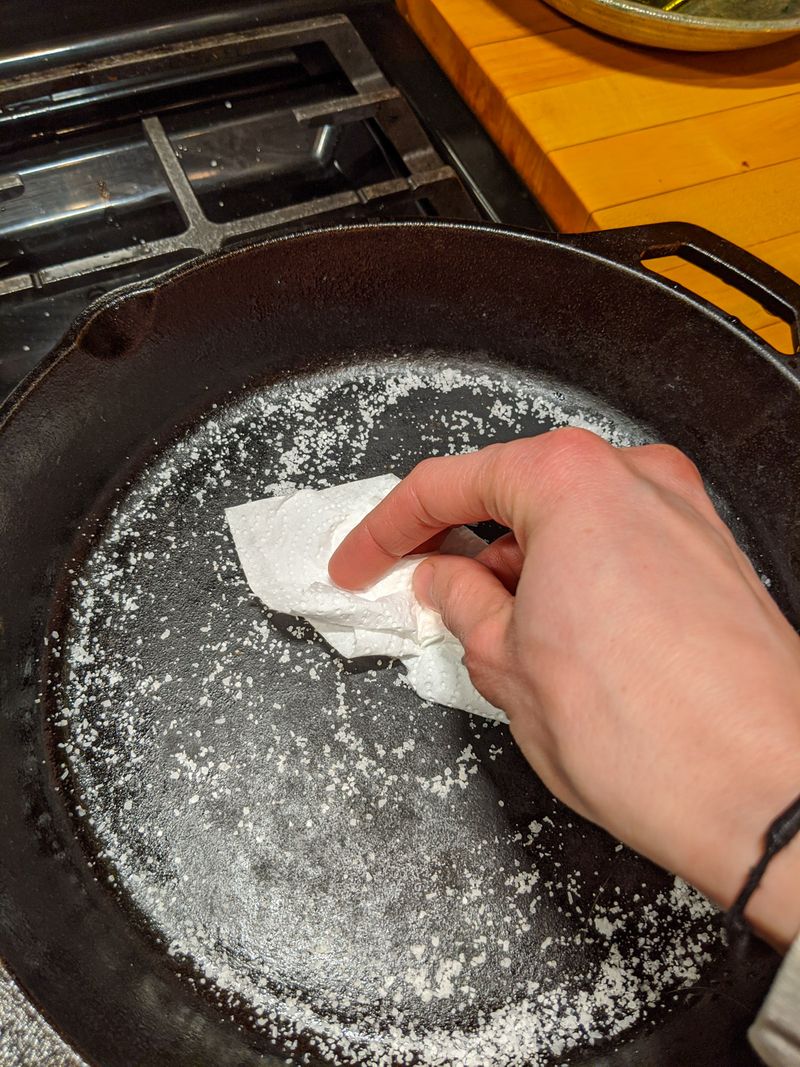
Salt has been used as a preservative for centuries, but its gritty texture makes it a surprisingly handy scrubbing agent too. Coarse salt works especially well on cast iron pans, which should never be washed with soap.
Just pour in some salt, scrub with a paper towel, and wipe clean.
Salt can also soak up a spilled liquid before it becomes a stain. Pour it on the spill immediately, let it absorb, and then sweep or vacuum it up.
5. Ketchup
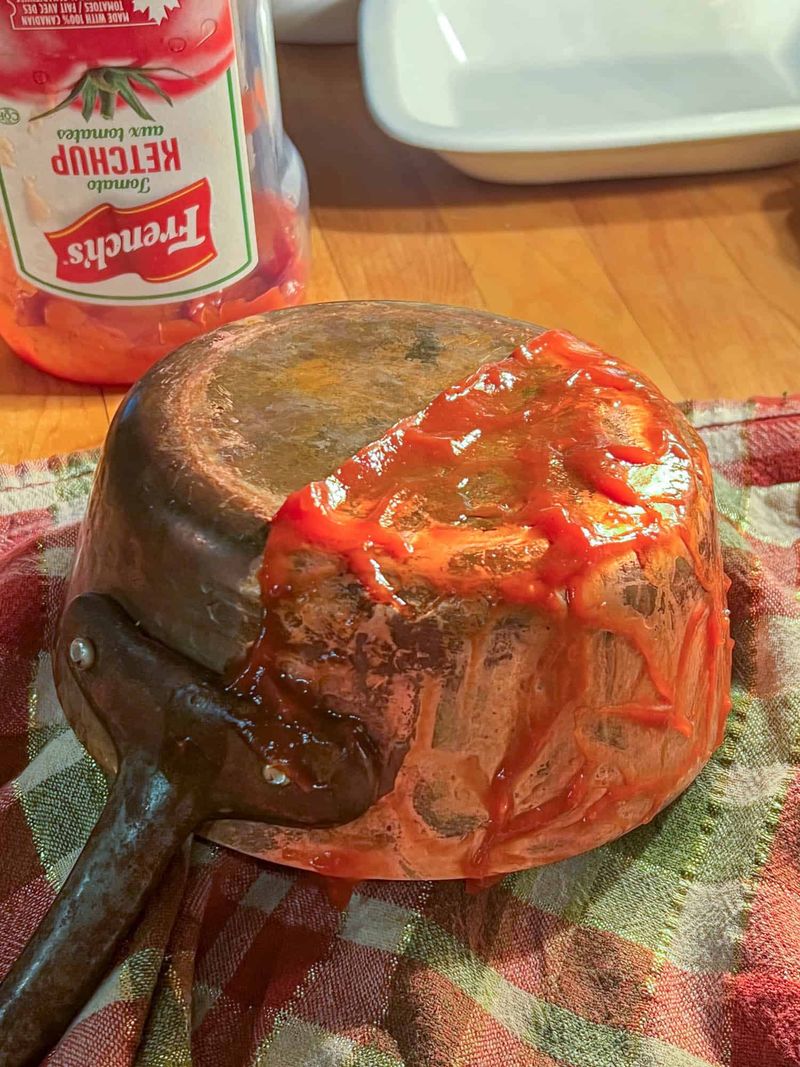
Ketchup on copper sounds like a cooking mistake, but it is actually a clever cleaning trick. The mild acids in tomatoes and vinegar found in ketchup react with tarnish on copper and brass, restoring their natural shine.
Apply a thin layer, let it sit for about 30 minutes, then rinse and buff dry.
It works on silverware too. Soak silver pieces in ketchup for a few minutes, scrub gently with a soft toothbrush, and watch the tarnish disappear like magic.
6. Olive Oil
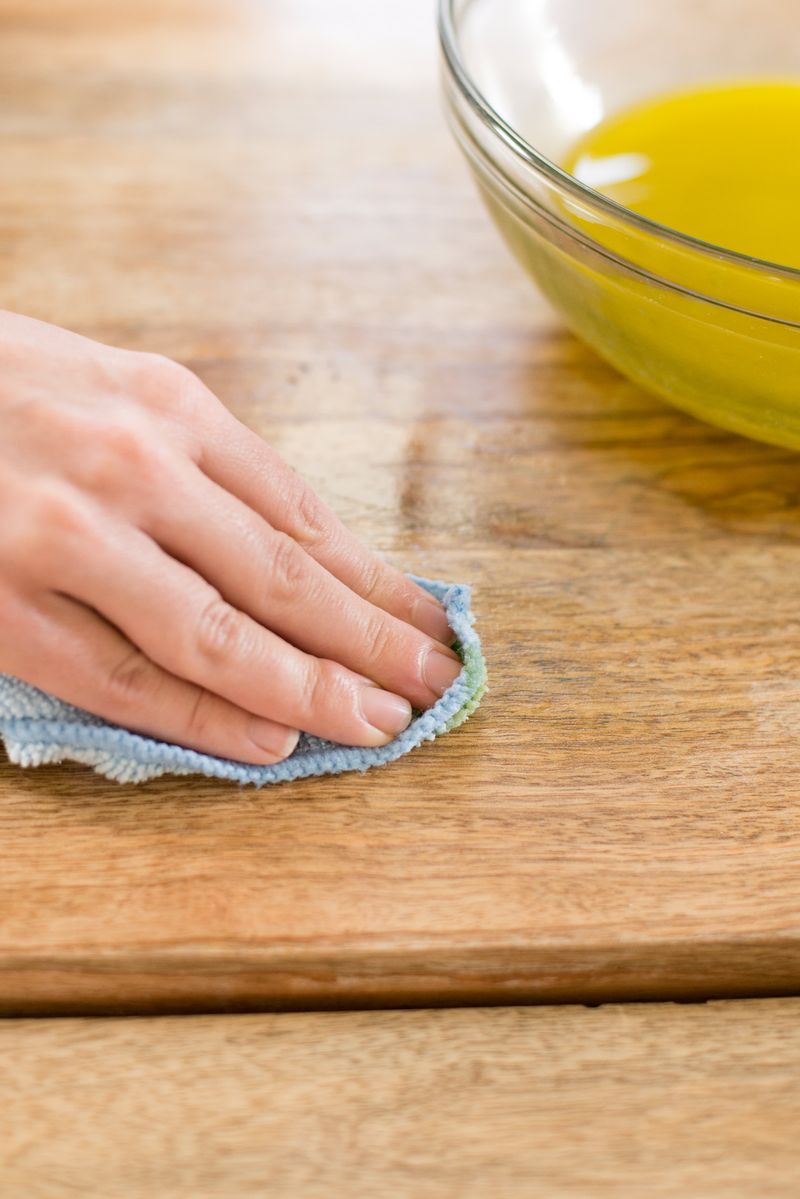
Olive oil is not just for cooking. A small amount rubbed onto wooden furniture can condition the wood, fill in minor scratches, and restore a beautiful natural shine.
Mix a few drops with a little lemon juice and you have a homemade wood polish that smells amazing.
It also removes sticky labels and residue from glass or plastic containers. Just rub a bit on the sticky spot, let it soak in, and peel or wipe away the residue with ease.
7. Bananas

Before you toss that banana peel in the compost, think twice. The inside of a banana peel contains natural oils and potassium that can polish leather shoes to a soft shine.
Rub the inside of the peel across your shoes, let it sit for a minute, then buff with a dry cloth.
Banana peels can also soothe and clean silverware. Blend a peel with a little water, rub the paste onto silver, and rinse for a surprisingly polished result.
8. Coca-Cola
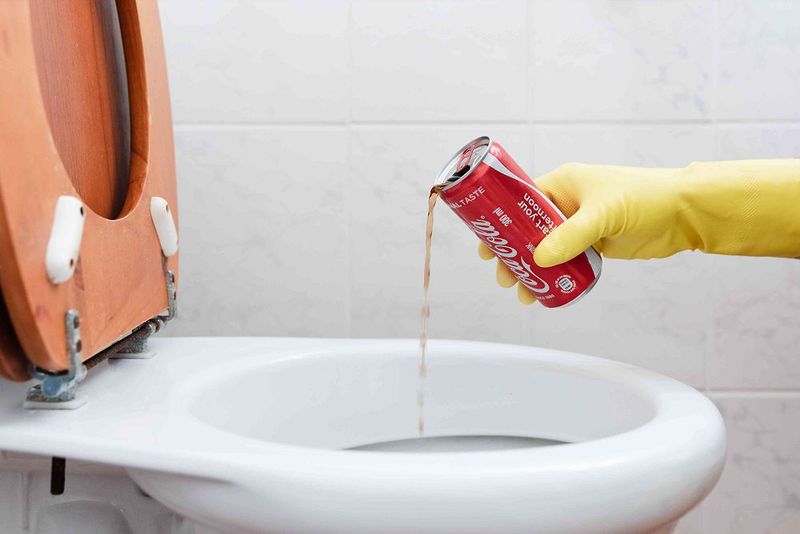
Coca-Cola is famous for its fizzy taste, but the phosphoric acid it contains makes it a surprisingly effective cleaner. Pour a can into a toilet bowl, let it sit for an hour, then scrub and flush.
Rust stains and mineral deposits will loosen up much more easily.
It can also clean corroded battery terminals on cars. Pour a little cola on the terminals, let it fizz, then wipe away the corrosion with a cloth.
Just rinse with water afterward.
9. Potatoes
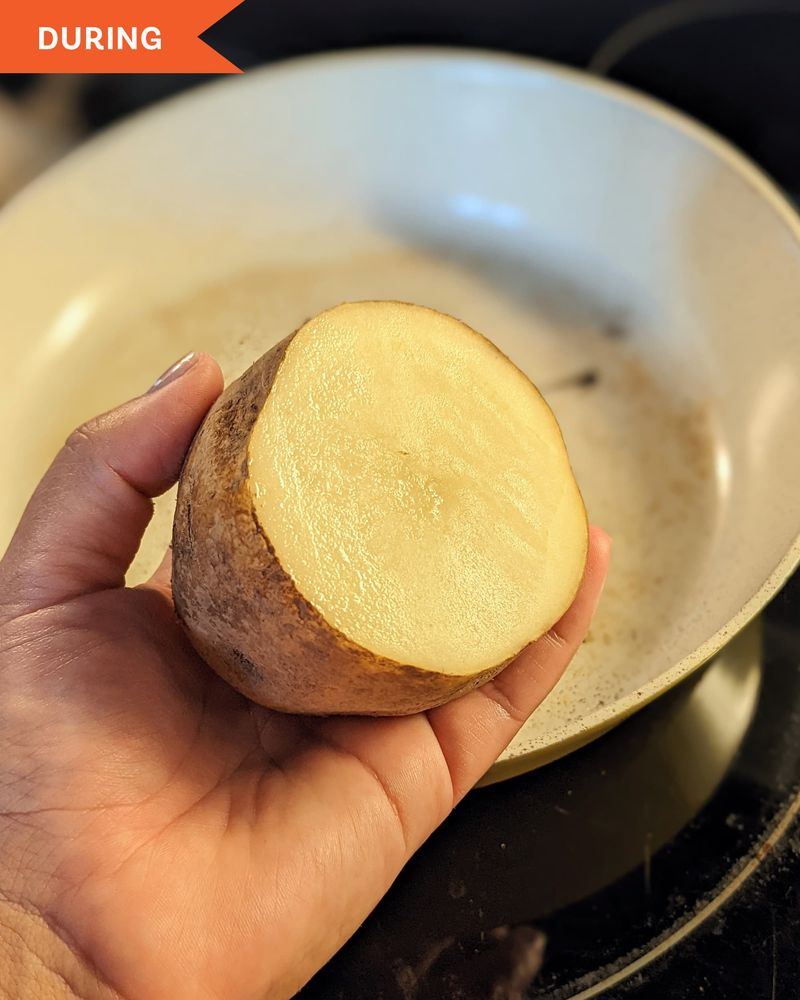
Raw potatoes contain oxalic acid, a compound that naturally breaks down rust. Cut a potato in half, dip the cut side in dish soap or baking soda, and rub it on a rusty knife, pan, or tool.
The rust will start to lift off within minutes of scrubbing.
Potatoes also work for cleaning foggy eyeglasses. Rub a slice of raw potato on the lenses, rinse with water, and buff dry.
The starch helps reduce the fog that builds up over time.
10. Coffee Grounds
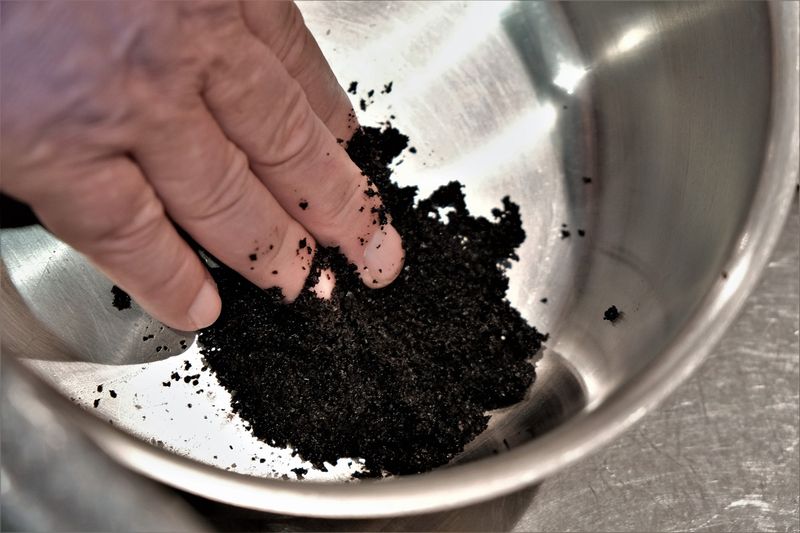
Used coffee grounds are gritty enough to scrub away grease and food residue from pots and pans without scratching them. Scoop some into a damp cloth or sponge and use it to scrub cookware or even a dirty grill grate.
They rinse off easily and leave surfaces surprisingly clean.
Coffee grounds also neutralize strong odors. Place a bowl of dry used grounds in the fridge or freezer overnight to absorb smells, similar to how baking soda works but with a rich, earthy scent.
11. Cream of Tartar
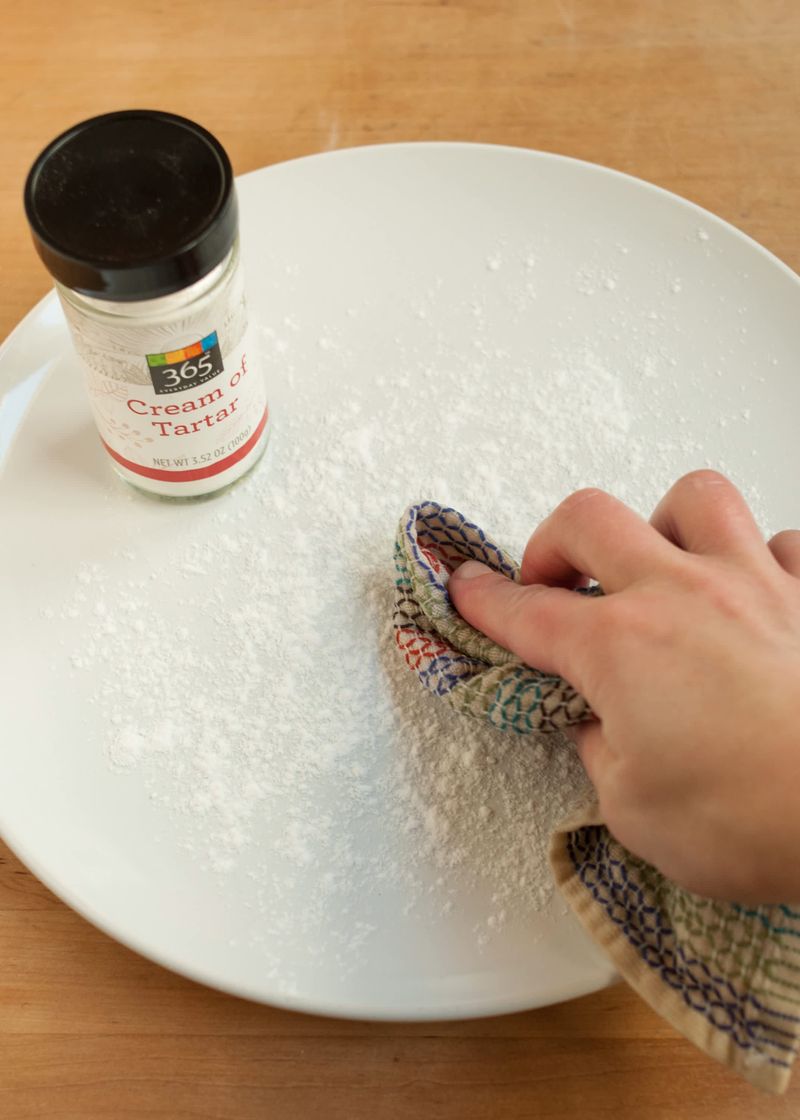
Cream of tartar sounds fancy, but it is actually a byproduct of winemaking and a pantry staple in many homes. Mixed with a little hydrogen peroxide or water, it forms a paste that removes stains from aluminum cookware, porcelain sinks, and even fabric.
Apply the paste, let it sit, then scrub and rinse.
It also cleans copper with impressive results. The mild acidity in cream of tartar lifts tarnish quickly, leaving copper pots and decorative pieces looking bright and refreshed.
12. Cornstarch
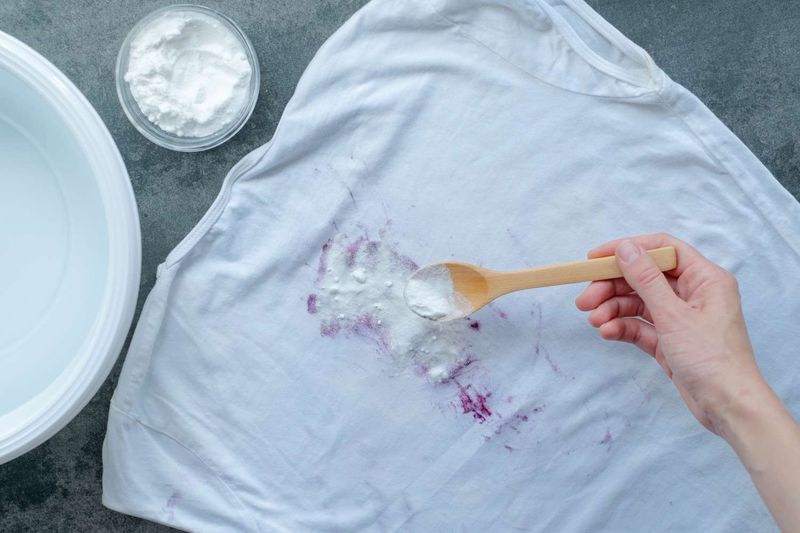
Cornstarch is the unsung hero of the cleaning world. Its fine, powdery texture makes it excellent at absorbing grease and oil from fabric, carpet, and even leather.
Sprinkle it generously on a fresh grease stain, let it sit for at least 20 minutes, and then brush or vacuum it away before treating the spot further.
It can also clean windows and mirrors. Mix a tablespoon of cornstarch with water and white vinegar to create a streak-free window cleaning solution that rivals any store-bought spray.
13. Toothpaste
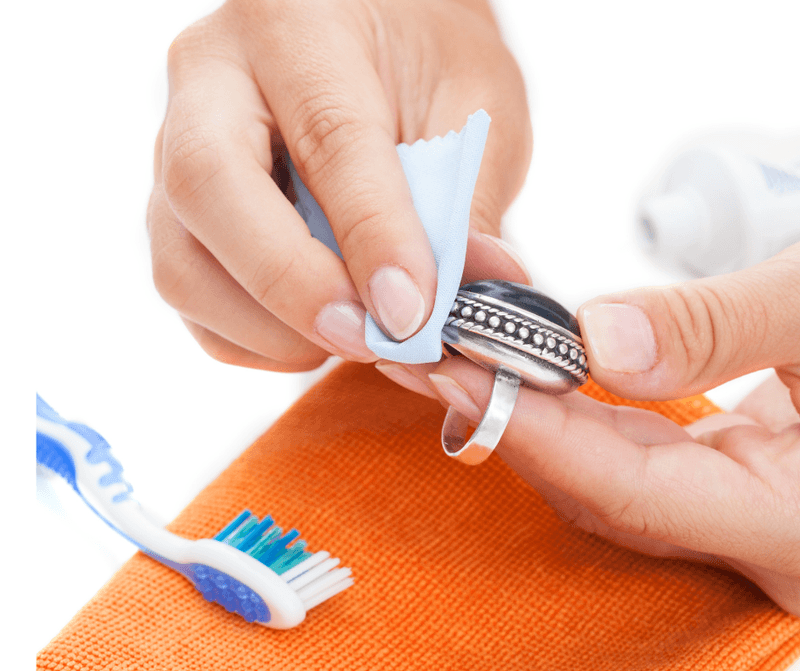
Plain white toothpaste – not the gel kind – is a mild abrasive that can polish away tarnish, scuffs, and even small scratches. Rub a little onto silver jewelry with a soft cloth, let it sit briefly, then rinse and buff.
The result is a noticeably shinier piece of jewelry without a trip to the jeweler.
Toothpaste can also remove crayon marks from painted walls. Dab a small amount on the mark, scrub gently with an old toothbrush, and wipe clean with a damp cloth.
14. Mayonnaise
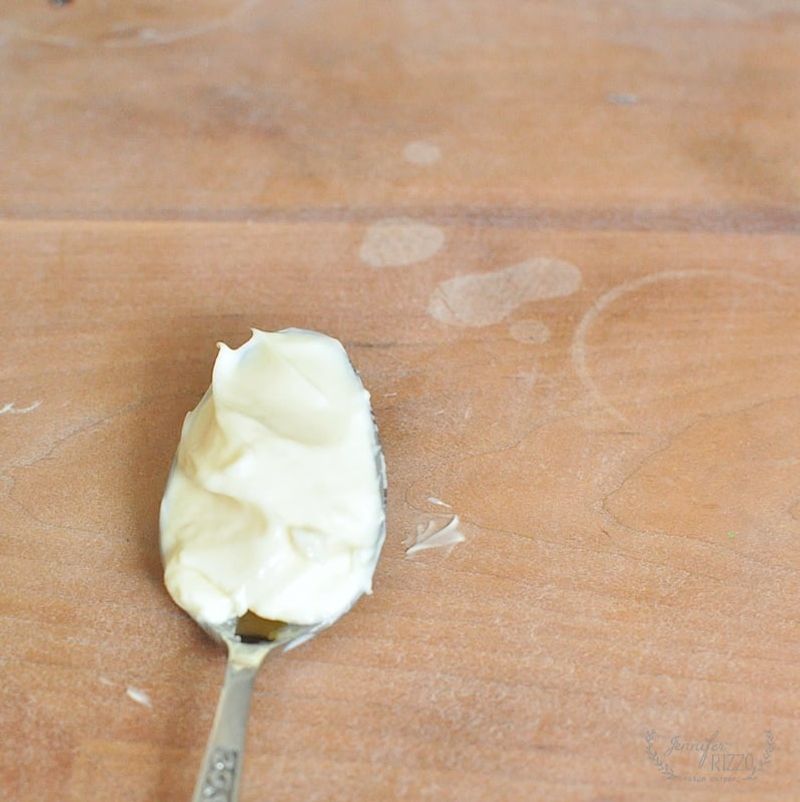
Water rings on wooden furniture are frustrating, but mayonnaise can actually fix them. The oils in mayo penetrate the wood and push out the moisture that causes those ghostly white rings.
Apply a generous dollop directly on the ring, leave it overnight, and wipe it clean in the morning.
Mayonnaise also removes sticky tree sap and price tag residue from surfaces. Its thick consistency keeps it in place while the oils break down the stickiness, making cleanup much easier than expected.
15. Apple Cider Vinegar
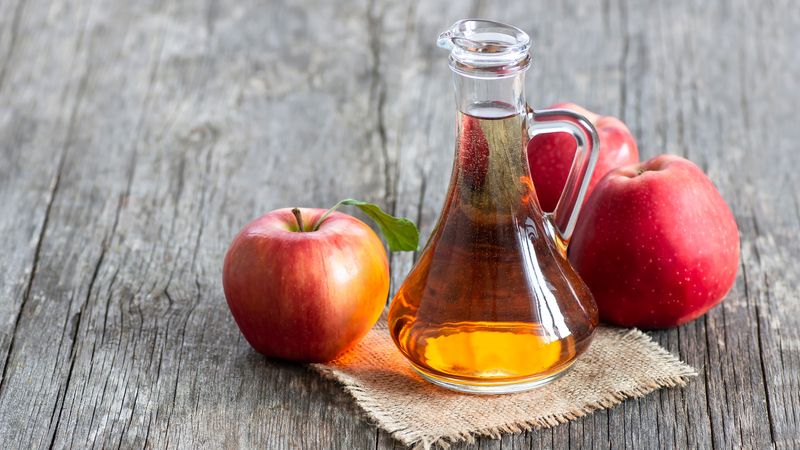
Apple cider vinegar shares many cleaning properties with white vinegar but has a slightly fruity scent that some people find more pleasant. It works well as a natural disinfectant on kitchen counters and bathroom surfaces.
Dilute it with water in a spray bottle and wipe surfaces down for a clean that feels genuinely fresh.
It also helps remove hard water stains from faucets and showerheads. Soak a cloth in diluted apple cider vinegar, wrap it around the fixture, leave it for an hour, then scrub and rinse.
16. Onions
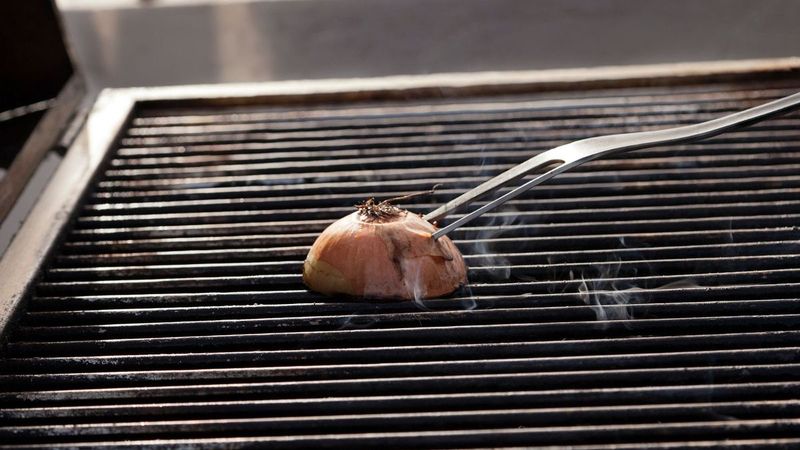
Onions might make you cry in the kitchen, but they earn their keep when it comes to cleaning a barbecue grill. The natural sulfuric compounds in onions break down grease and residue on hot grill grates.
Heat the grill first, then stab a halved onion on a fork and scrub the grates while they are hot.
The steam released from the onion helps loosen stuck-on food particles too. It is a chemical-free way to prep your grill before cooking without any scrubbing tools required.
17. Bread
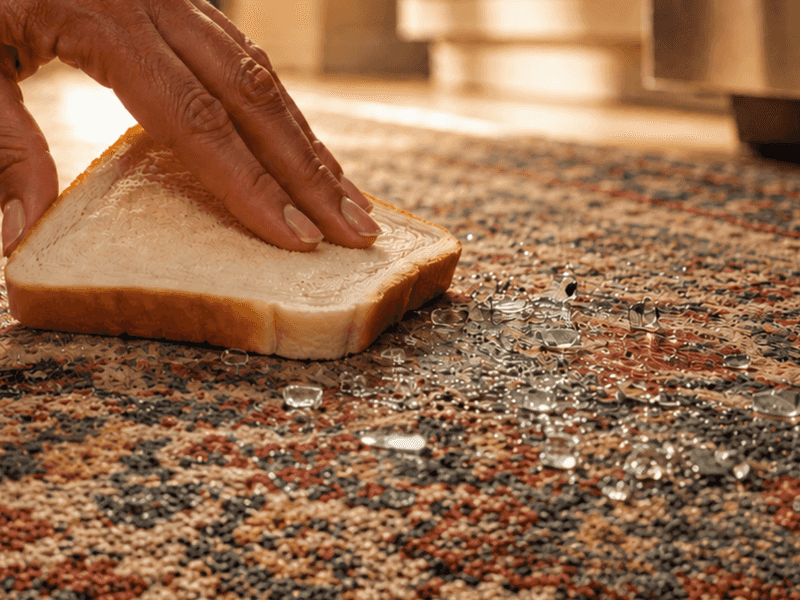
A soft slice of white bread is one of the most underrated safety tools in the kitchen. When a glass breaks and leaves tiny, nearly invisible shards on the floor, pressing a slice of bread over the area picks up the smallest pieces that a broom might miss.
It is gentle, effective, and keeps your fingers safe.
Bread also works for cleaning oil paintings and photographs. Gently dab a crustless piece over the surface to lift dust and light grime without damaging delicate materials underneath.