
Universal Pictures built one of the most beloved horror empires in film history, and its classic monster movies are still talked about nearly a century later. From the shadowy labs of Frankenstein to the fog-covered castles of Dracula, these films shaped what horror looks like today.
They introduced us to creatures that were scary, yes, but also surprisingly human. Get ready to explore the films that started it all and never stopped leaving a mark.
1. Frankenstein (1931)
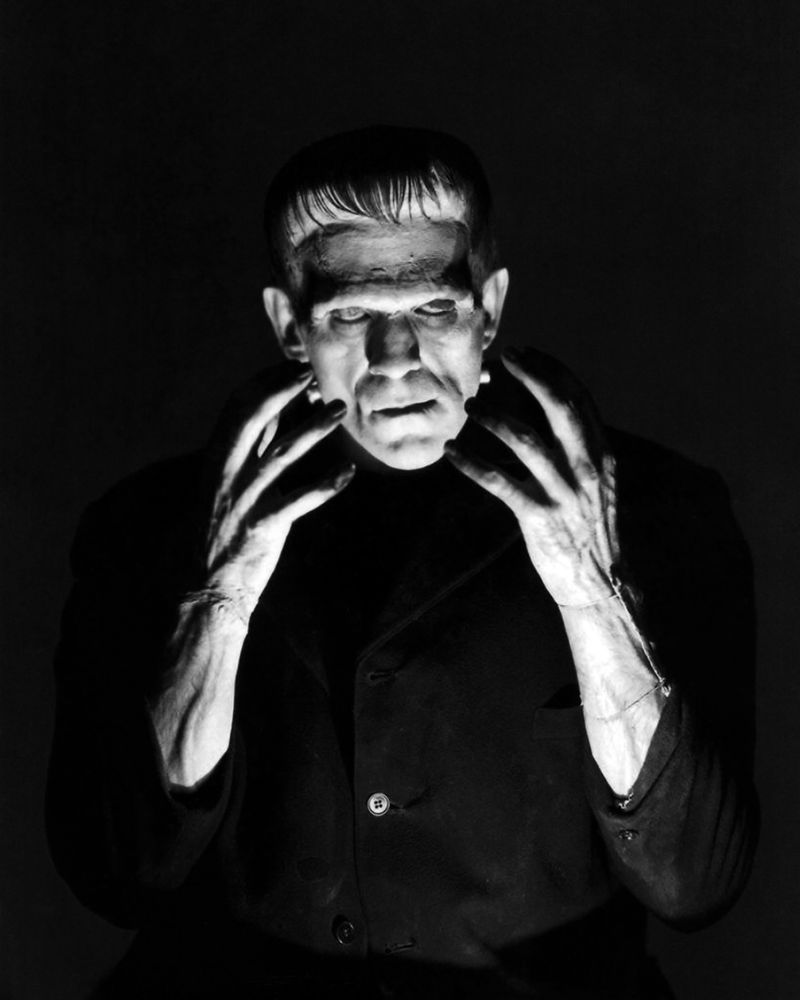
Boris Karloff barely spoke a word, yet his performance as the Monster in Frankenstein became one of the most iconic in cinema history. The flat-topped head, the bolts, the lumbering walk – every detail became permanently etched into pop culture forever.
The film asks a bold question: who is the real monster, the creature or the scientist who made him? That idea still sparks debate in classrooms and film circles alike.
Frankenstein set the standard for horror storytelling in ways few films have matched since.
2. Dracula (1931)
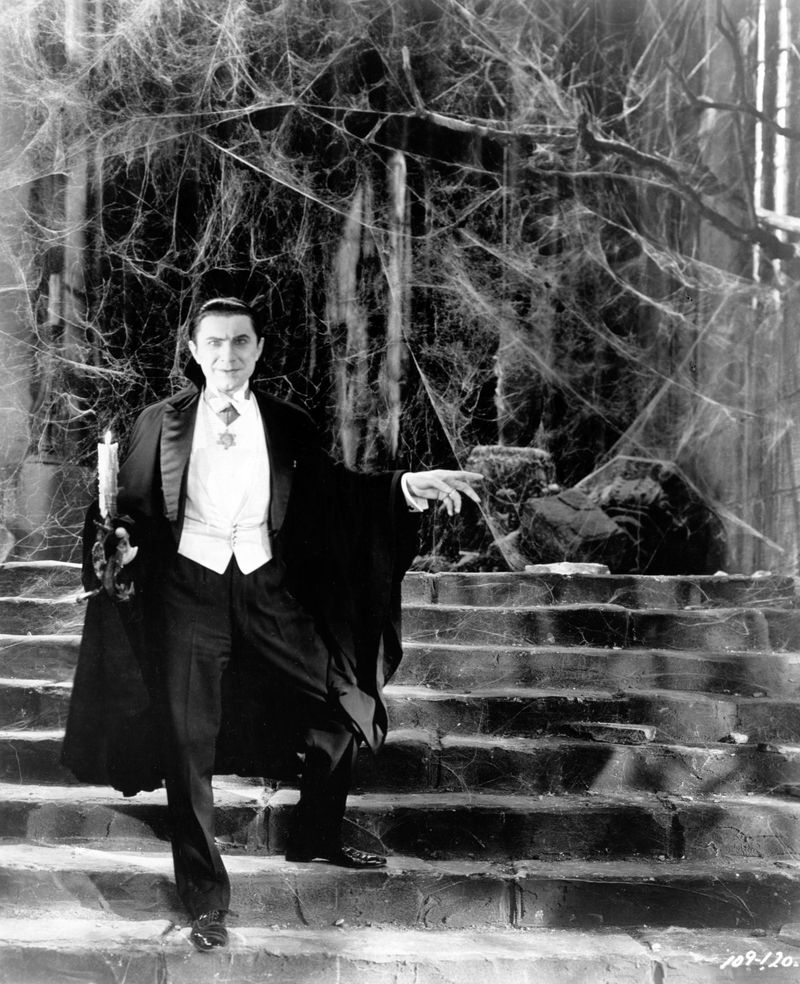
Bela Lugosi’s piercing stare and slow, deliberate accent turned Dracula into the blueprint for every vampire that came after him. Released the same year as Frankenstein, this film helped launch Universal’s golden age of horror in spectacular fashion.
Audiences in 1931 were reportedly so scared that some ran out of theaters mid-screening. The film’s atmosphere of creeping dread, built mostly through shadow and silence, still holds up remarkably well.
Lugosi’s Dracula remains the measuring stick for vampire performances everywhere.
3. Bride of Frankenstein (1935)
Few sequels have ever outshined their originals, but Bride of Frankenstein comes awfully close. Director James Whale brought dark humor and unexpected emotion to the story, making the Monster feel more sympathetic than ever before.
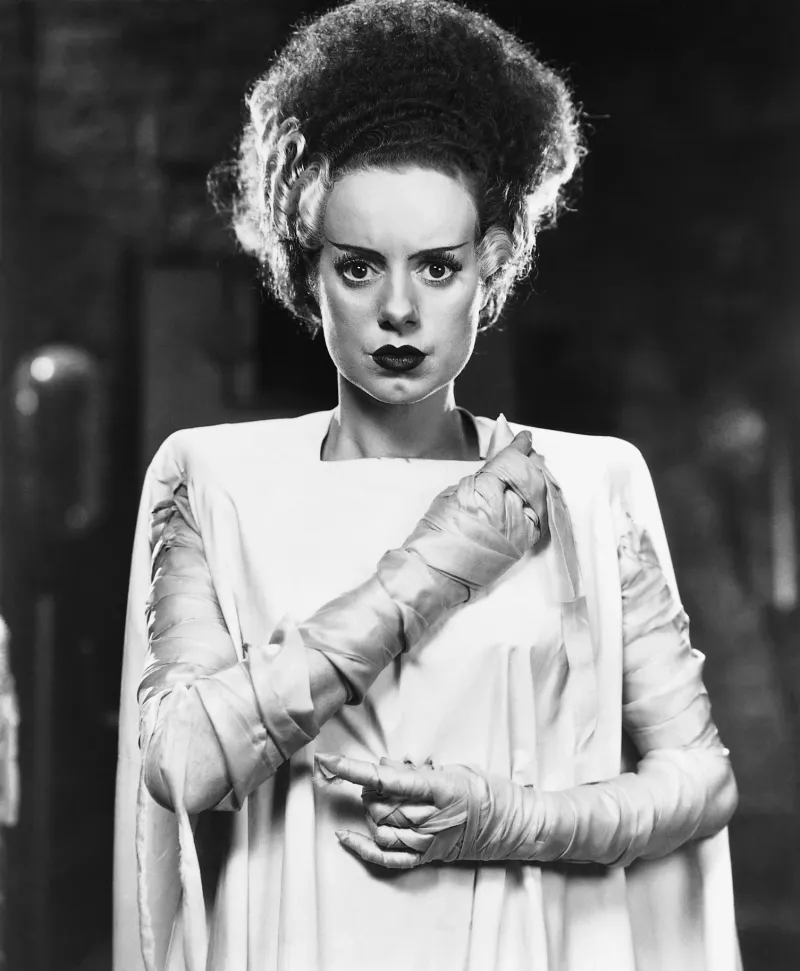
The Bride herself appears for only a few minutes, yet her look became one of the most recognizable images in horror history. Her streaked hair and wide, startled eyes have inspired Halloween costumes for generations.
Critics regularly rank this as not just Universal’s best sequel, but one of the finest horror films ever made.
4. The Invisible Man (1933)
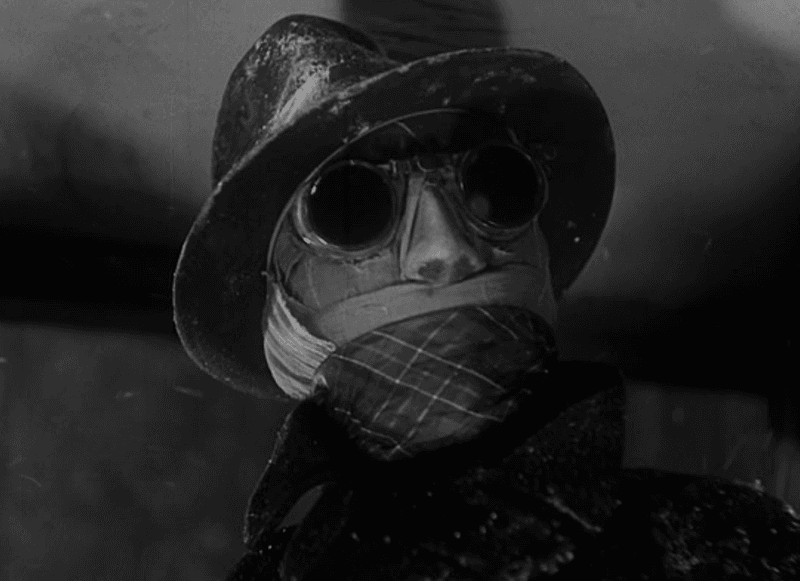
Claude Rains never shows his face in this film – and that is exactly what makes his performance so extraordinary. Playing a scientist driven mad by his own invisibility serum, Rains delivers every line with chilling intensity using only his voice.
The special effects were groundbreaking for 1933, with floating objects and mysteriously moving clothes baffling audiences who had no idea how it was done. The Invisible Man also added a sharp dose of dark comedy to the Universal monster lineup, making it a genuinely unique entry in the franchise.
5. The Mummy (1932)
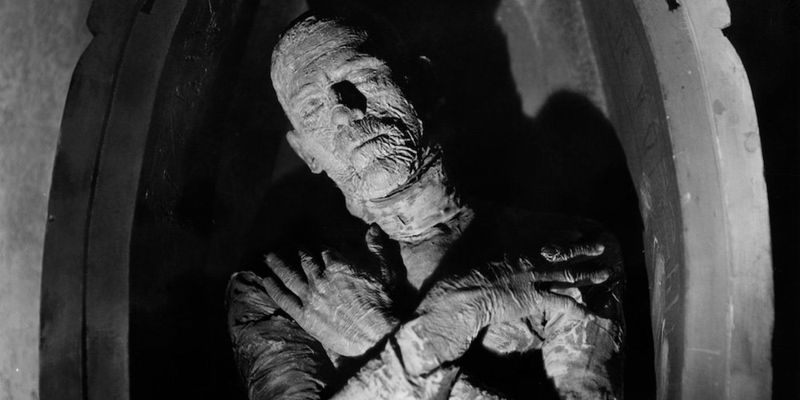
Long before blockbuster remakes, the original Mummy gave audiences a genuinely unsettling tale rooted in real archaeological fascination. The discovery of Tutankhamun’s tomb in 1922 had gripped the world, and Universal tapped straight into that excitement.
Boris Karloff plays the ancient priest Imhotep with a slow, hypnotic menace that feels completely different from his Frankenstein role. The film is less about jump scares and more about creeping dread and forbidden obsession.
It stands as Universal’s first truly original horror story, built on legend rather than existing literature.
6. The Wolf Man (1941)
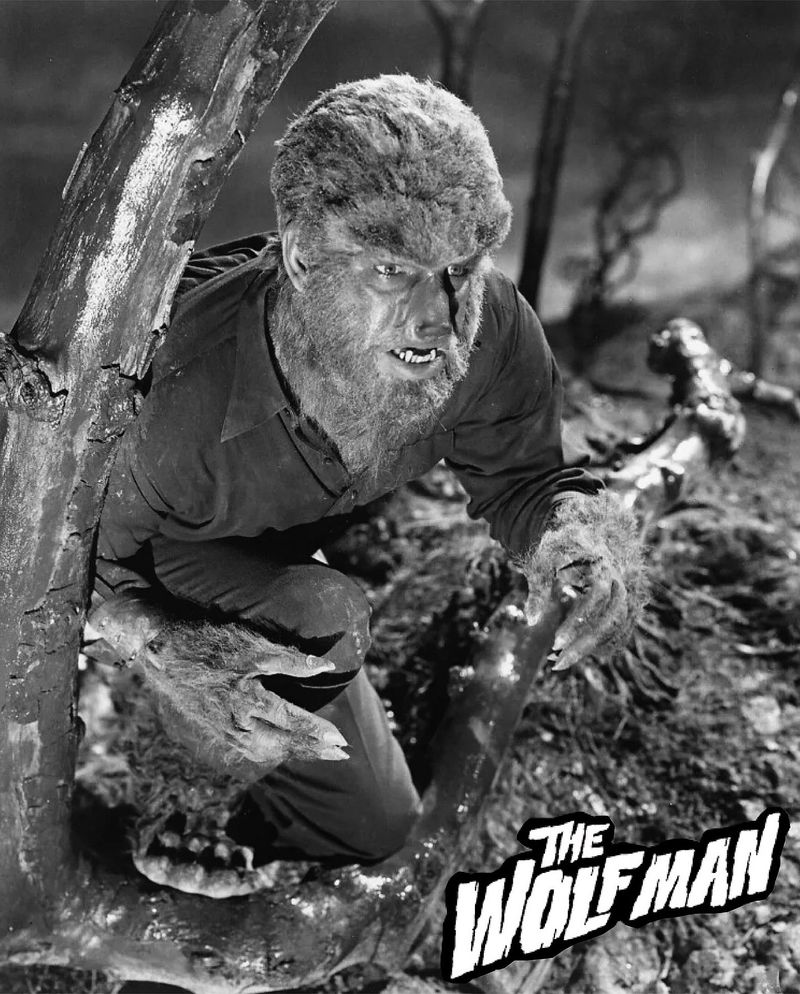
Poor Larry Talbot never asked to become a monster – and that tragic quality is what made The Wolf Man so different from other horror films of its era. Lon Chaney Jr. brought genuine sadness to the role, making audiences feel sorry for the creature they feared.
Jack Pierce’s legendary makeup transformed Chaney into a werewolf in stages that took hours to apply each day. The film also popularized the idea that a silver bullet kills werewolves, a detail now considered universal werewolf lore.
Chaney would return to the role multiple times throughout the 1940s.
7. Creature from the Black Lagoon (1954)
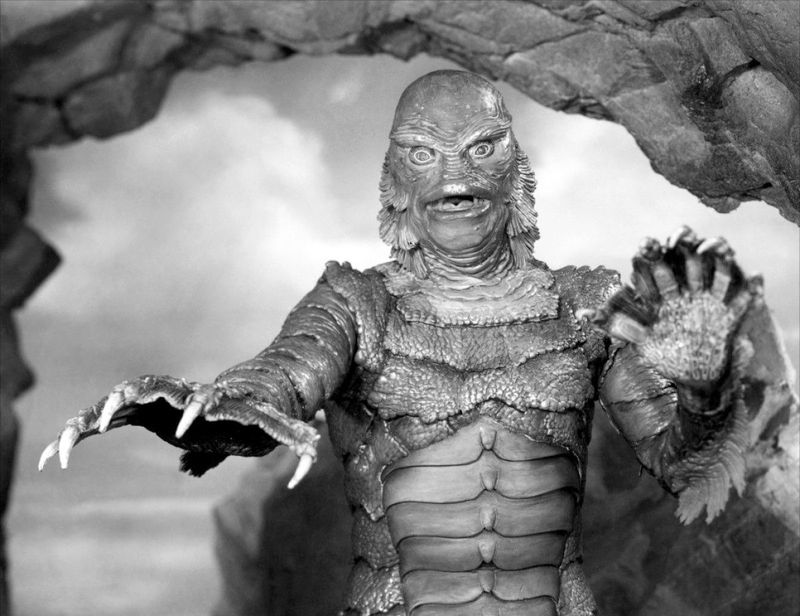
By the 1950s, atomic age anxieties were replacing supernatural fears, and Creature from the Black Lagoon perfectly bridges those two worlds. The Gill Man is not a supernatural beast but a prehistoric creature discovered by scientists in the Amazon, making him feel eerily plausible.
The underwater photography sequences are genuinely breathtaking, especially the haunting scene where the creature swims silently beneath an unknowing swimmer. Many film scholars also note the Gill Man’s surprisingly sympathetic portrayal.
He is territorial and misunderstood, not simply evil, cementing his place as Universal’s final great original monster.
8. The Phantom of the Opera (1925)
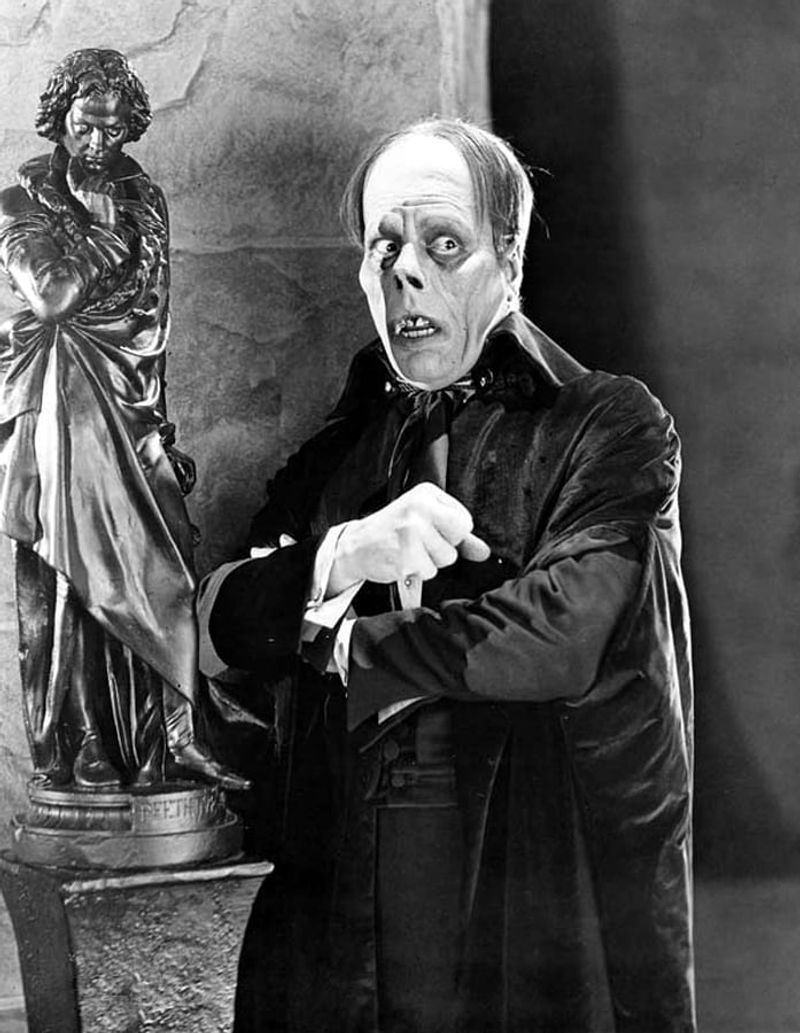
Lon Chaney Sr. was known as the Man of a Thousand Faces, and nowhere was that talent more terrifying than in his portrayal of the disfigured Erik lurking beneath the Paris Opera House. He designed his own horrifying makeup using wire and putty to reshape his features.
When Christine tears away his mask in the unmasking scene, audiences in 1925 reportedly screamed and fainted in theaters. The Phantom of the Opera laid the emotional groundwork for Universal’s entire monster tradition – creatures defined as much by longing as by terror.
9. The Hunchback of Notre Dame (1923)
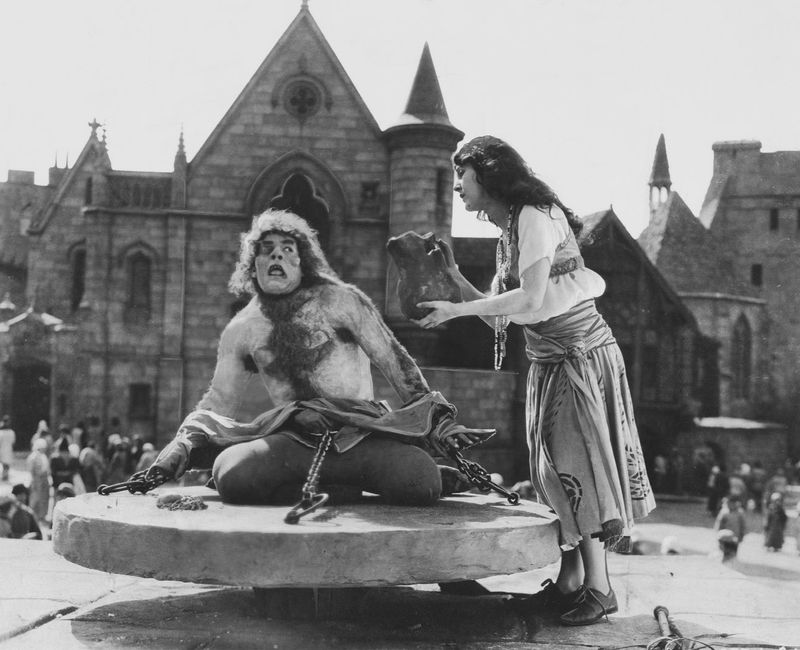
Before Universal had a formal monster franchise, Lon Chaney Sr. was already perfecting the art of the tragic outsider. His Quasimodo in The Hunchback of Notre Dame is a masterclass in physical transformation and emotional storytelling, all without a single spoken word.
Chaney wore a 70-pound rubber hump and a painful harness for the role, refusing a stunt double for even the most demanding scenes. The film’s massive cathedral sets were among the most expensive ever built in Hollywood at that time.
It kicked off an era of Universal monster storytelling built on sympathy as much as shock.
10. Son of Frankenstein (1939)
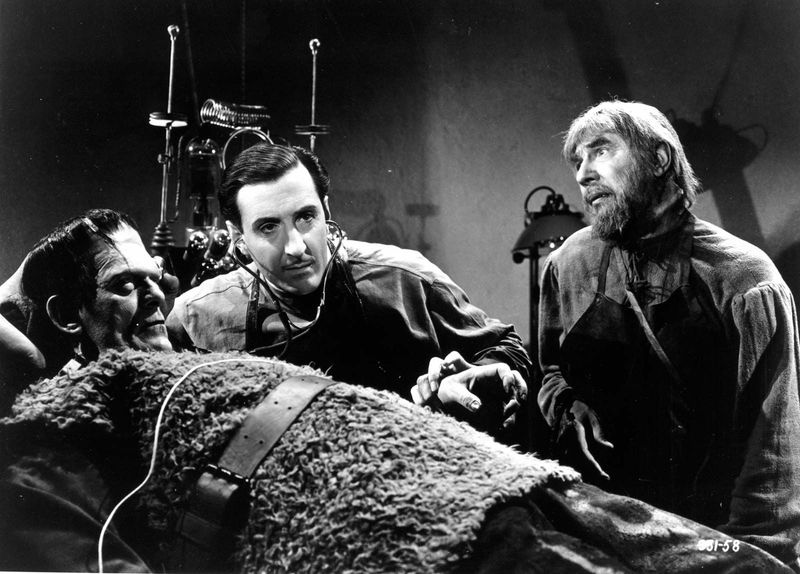
Critics often call Son of Frankenstein the last truly great film in the Frankenstein series, and it is hard to argue with that assessment. Boris Karloff returned for his third and final time as the Monster, and his performance carries a weary, hollow sadness that feels entirely fresh.
Bela Lugosi nearly steals the whole film as the scheming, broken-necked Ygor, delivering one of his most underrated performances. Basil Rathbone rounds out a powerhouse cast as the conflicted Baron Wolf von Frankenstein.
The production design is staggeringly grand, full of expressionist angles and towering sets that feel genuinely nightmarish.
11. Werewolf of London (1935)
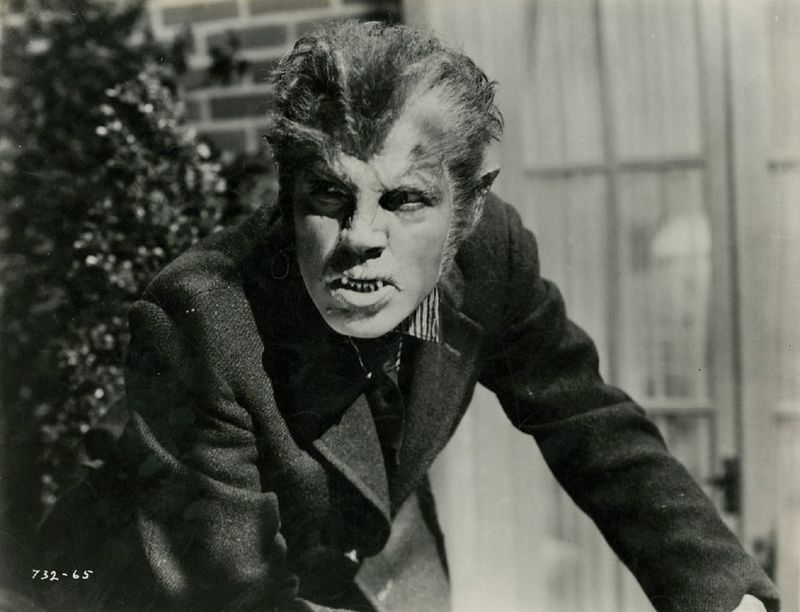
Before Lon Chaney Jr. became the definitive werewolf, Henry Hull brought the first lycanthrope to Universal screens in Werewolf of London. Unlike the tragic Larry Talbot, Dr. Glendon is an arrogant botanist who meets his curse while searching for a rare Himalayan flower.
Hull’s makeup was intentionally less extreme than what Chaney would later wear, allowing more of his face to remain recognizable during transformation. The film introduced several werewolf traditions, including the moonlight trigger, that later movies would borrow and expand.
It remains a fascinating and often overlooked chapter in monster movie history.
12. The Black Cat (1934)
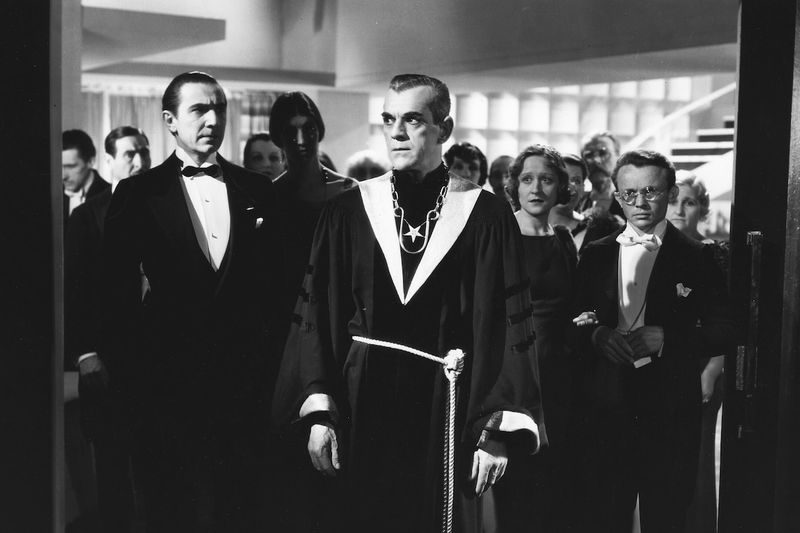
Put Boris Karloff and Bela Lugosi in the same film and you already have something special. The Black Cat delivers on that promise by pitting them against each other in a psychological battle inside a sleek, Art Deco mansion built on top of a WWI mass grave.
The film is far darker and stranger than most Universal productions, touching on Satanism, revenge, and trauma in ways that pushed the limits of 1930s censorship. Loosely inspired by the Edgar Allan Poe story, it barely resembles its source material.
Karloff plays the villain here, which is a delightful and unsettling twist.
13. The Raven (1935)
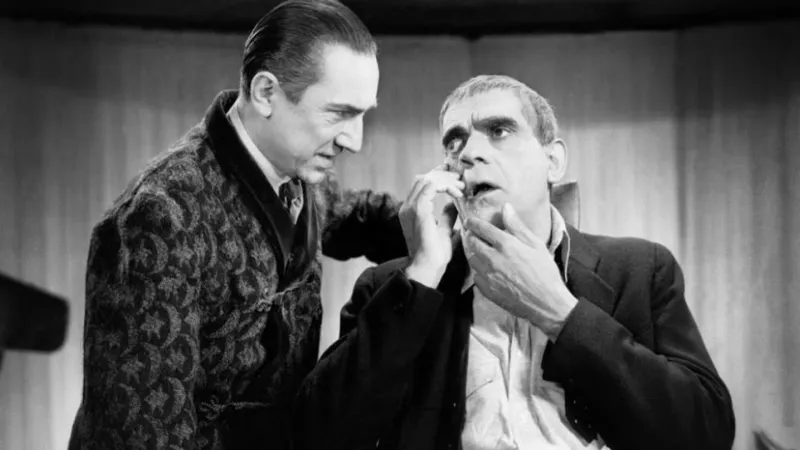
Universal reunited Karloff and Lugosi just one year after The Black Cat, and The Raven doubles down on the macabre. Lugosi plays a surgeon obsessed with Edgar Allan Poe who builds actual torture devices inspired by Poe’s stories in his basement.
Yes, really.
Karloff plays a criminal the surgeon disfigures to ensure his loyalty, giving him a role that mixes menace with unexpected pathos. The film is gleefully over-the-top and wildly entertaining for exactly that reason.
It may not be Universal’s deepest horror film, but it is one of the most purely fun entries in the entire catalog.
14. Frankenstein Meets the Wolf Man (1943)
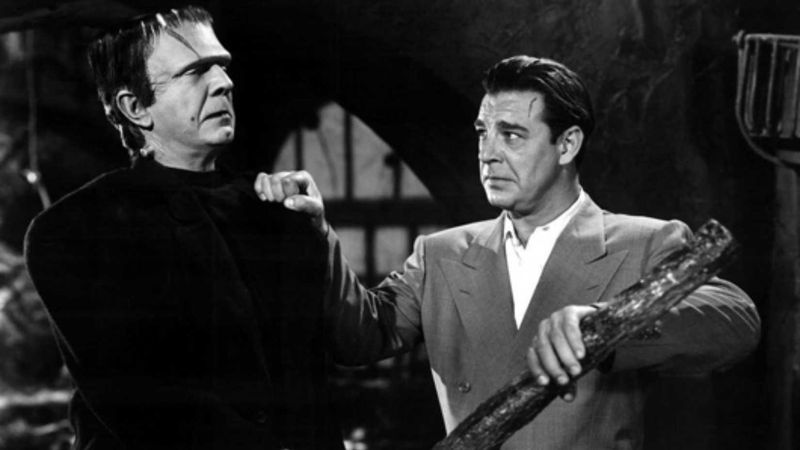
Long before Marvel made crossover events a mainstream phenomenon, Universal was already doing it. Frankenstein Meets the Wolf Man brought together two of the studio’s biggest monsters in a single film, and audiences loved every thrilling minute of it.
Lon Chaney Jr. reprises his role as the tragic Larry Talbot, who seeks death to escape his werewolf curse and instead wakes up Frankenstein’s Monster. The film is pulpy and fast-paced, more action-driven than atmospheric.
It opened the door for Universal’s later monster rally pictures and proved that monster mashups were a genuinely winning formula.
15. The Old Dark House (1932)
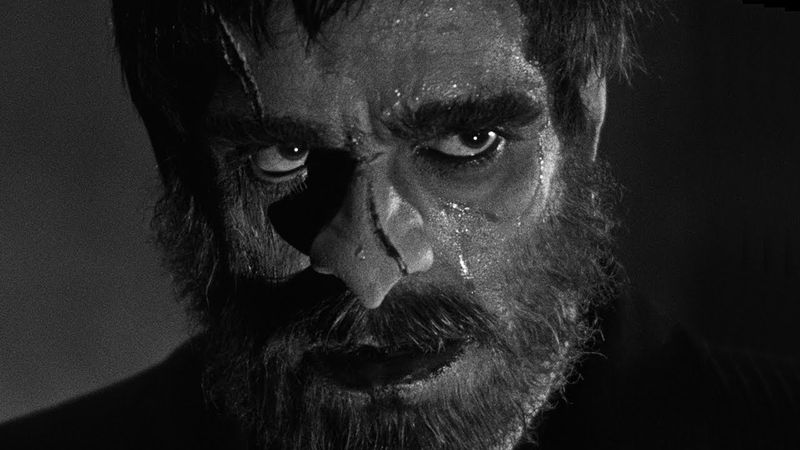
Director James Whale made this one the same year as The Mummy, and it is a completely different beast. The Old Dark House is a wickedly funny and deeply unsettling film about travelers stranded in a remote mansion filled with an absolutely bizarre family of eccentrics.
Boris Karloff appears as the mute, scarred butler Morgan, but the real horror comes from the house’s unpredictable, unstable inhabitants. The film blends comedy, suspense, and genuine dread in a way that feels surprisingly modern.
Whale’s sharp eye for atmosphere makes every shadowy corridor feel genuinely threatening and alive.
16. Dracula’s Daughter (1936)
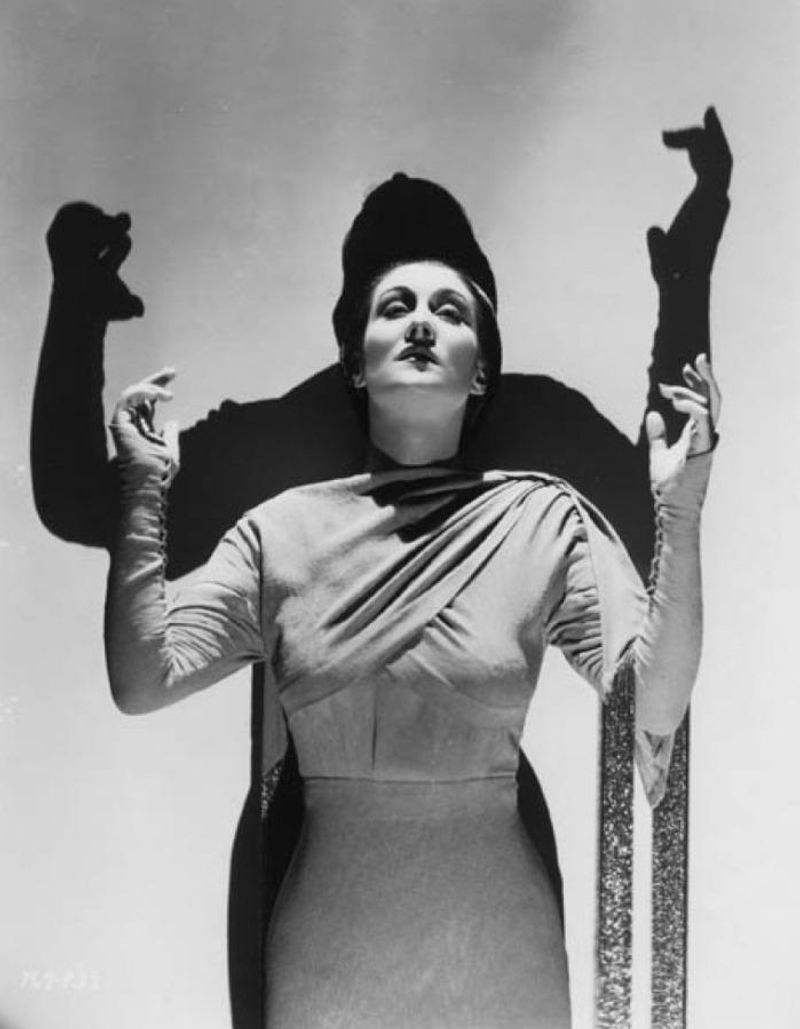
Universal took a bold creative step with Dracula’s Daughter by shifting focus from the Count himself to his mysterious offspring. Countess Marya Zaleska is one of the franchise’s most complex characters, a vampire who desperately wants to be free of her curse but cannot resist the darkness within her.
Gloria Holden plays the role with a haunted elegance that is genuinely compelling. The film also carries a subtly coded subtext about identity and forbidden desire that film scholars still analyze today.
It stands as a thoughtful and underrated chapter in Universal’s vampire mythology, deserving far more attention than it typically receives.
17. The Ghost of Frankenstein (1942)
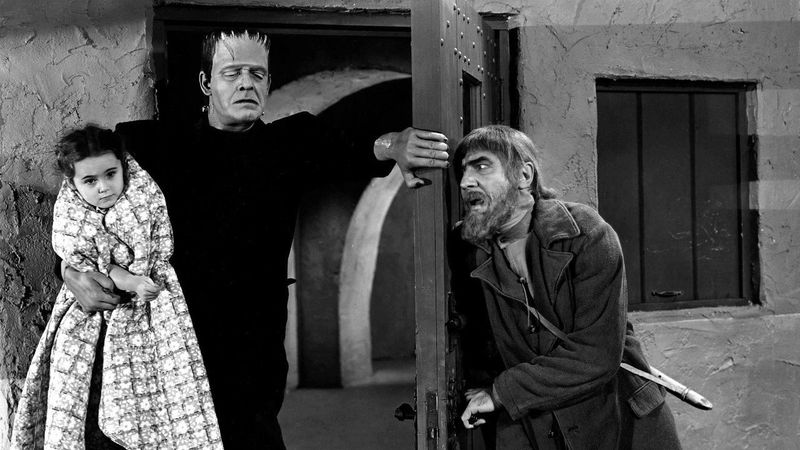
When Boris Karloff stepped away from the Monster role, Universal handed the bolts to Lon Chaney Jr., and the results are more interesting than most people give credit for. The Ghost of Frankenstein keeps the series moving with a story about transplanting the Monster’s brain to give him a new mind.
The plot twist involving whose brain actually ends up inside the Monster is genuinely clever and darkly funny. Bela Lugosi returns as Ygor, scheming as brilliantly as ever.
While not as polished as earlier entries, the film has real energy and keeps the Frankenstein mythology growing in unexpected directions.
18. House of Frankenstein (1944)
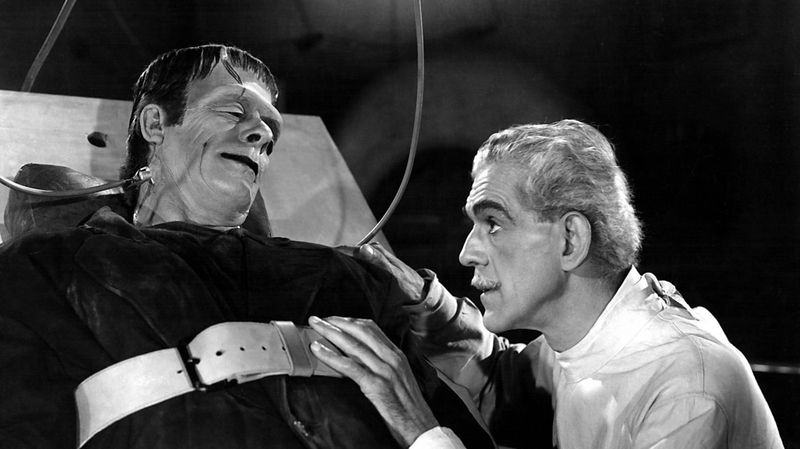
House of Frankenstein is the ultimate monster rally, cramming Dracula, the Wolf Man, Frankenstein’s Monster, and a mad scientist all into one gloriously chaotic film. Boris Karloff returns – not as the Monster this time, but as the scheming Dr. Gustav Niemann.
The film moves at breakneck speed, which means character development sometimes takes a backseat to spectacle. But as pure monster fan service, it absolutely delivers.
Lon Chaney Jr. brings his trademark sadness back to Larry Talbot, grounding the film emotionally even when the plot gets wonderfully outlandish. Few films pack this much monster energy into 71 minutes.
19. Abbott and Costello Meet Frankenstein (1948)
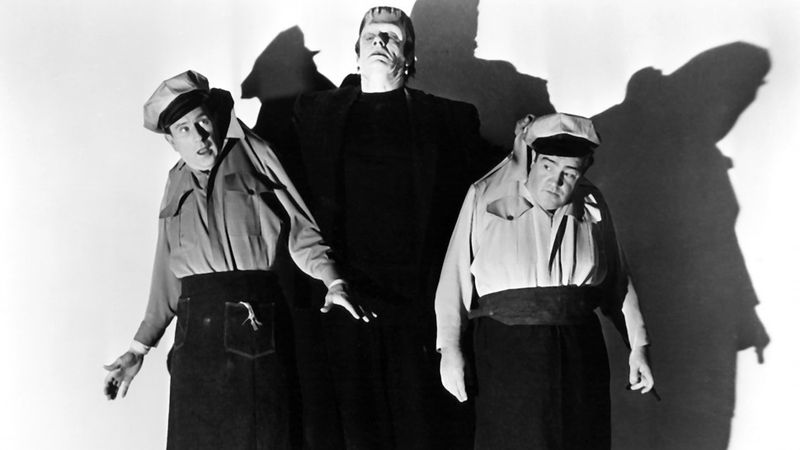
By 1948, Universal knew its monster era was winding down, and Abbott and Costello Meet Frankenstein is the studio’s brilliant, self-aware farewell. Bela Lugosi returned as Dracula for the first time since 1931, and Lon Chaney Jr. reprised the Wolf Man, lending the comedy real monster credibility.
What could have been a cheap cash-grab turned out to be genuinely funny and surprisingly well-crafted. Abbott and Costello’s physical comedy meshes perfectly with the horror elements, never completely deflating the monsters’ menace.
Film historians often cite this as the moment Universal officially closed the book on its classic monster era with style.
20. The Invisible Man Returns (1940)
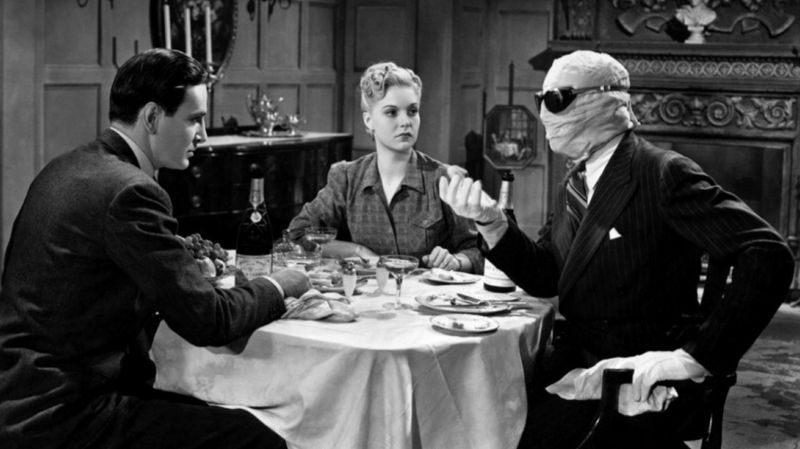
Vincent Price had one of his earliest major film roles in The Invisible Man Returns, and even at this early stage of his career, his commanding voice makes every scene crackle with personality. He plays Geoffrey Radcliffe, a wrongly convicted man who uses the invisibility serum to prove his innocence.
The film cleverly adds a ticking clock element – the serum slowly drives its user to murderous madness, so Radcliffe must clear his name before losing his mind entirely. It is a tighter, more thriller-focused story than the original.
The Invisible Man Returns helped cement the character’s lasting place in Universal’s monster universe.