
Some of your all-time favourite foods might not be around forever. Climate change, disease, overfishing, and habitat loss are putting many beloved ingredients and dishes at serious risk.
From the chocolate in your candy bar to the fish in your tacos, the threats are very real. Here are 18 foods that scientists and food experts worry could one day vanish from our plates.
1. Chocolate
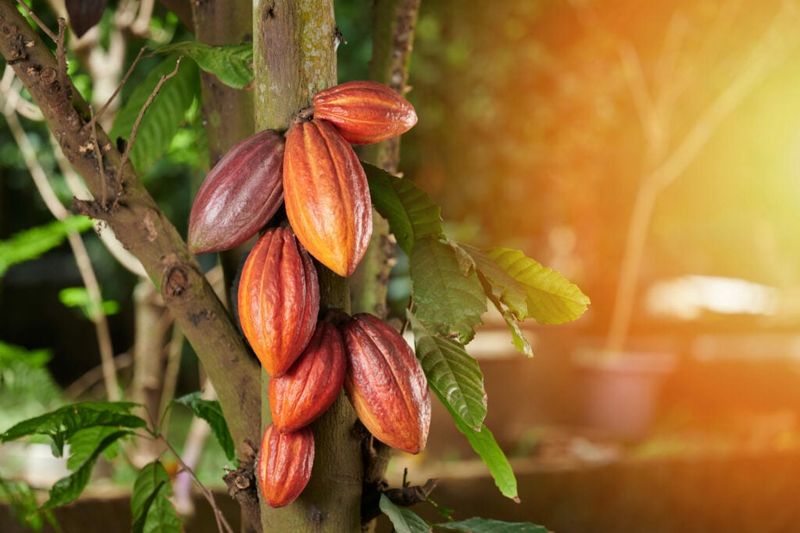
Cocoa trees are picky plants. They only grow within a narrow band around the equator, and rising temperatures are shrinking that zone fast.
By 2050, scientists warn that suitable land for growing cocoa could drop dramatically.
West Africa, which produces about 70% of the world’s cocoa, is already feeling the heat. Farmers are struggling with drought and disease.
Without major changes, your favourite chocolate bar could become a rare luxury.
2. Coffee
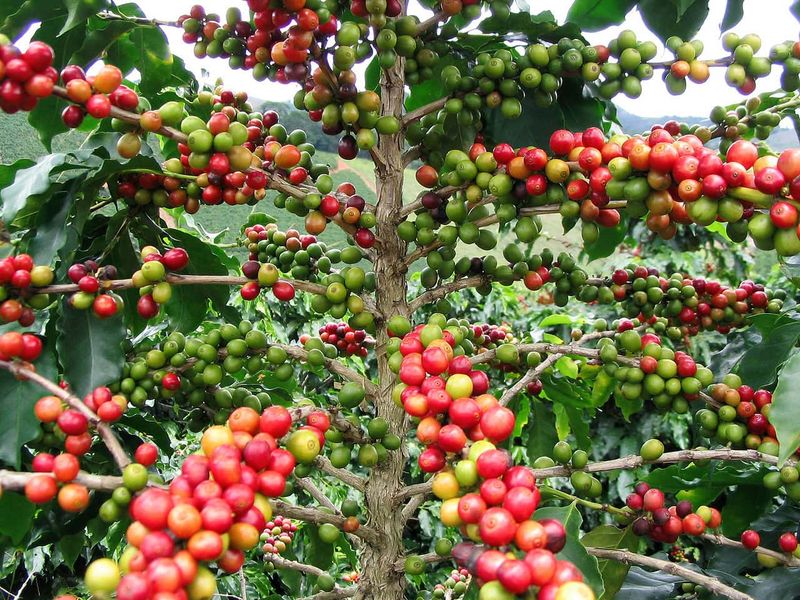
Coffee lovers, take note. Wild coffee species are disappearing at an alarming rate, with researchers finding that over 60% of wild coffee plants are threatened with extinction.
That matters because wild varieties hold the genetic keys to keeping farmed coffee healthy and disease-resistant.
Higher temperatures and unpredictable rainfall are making traditional coffee-growing regions less reliable. Ethiopia, the birthplace of coffee, could lose most of its suitable growing land by the end of this century.
3. Bananas
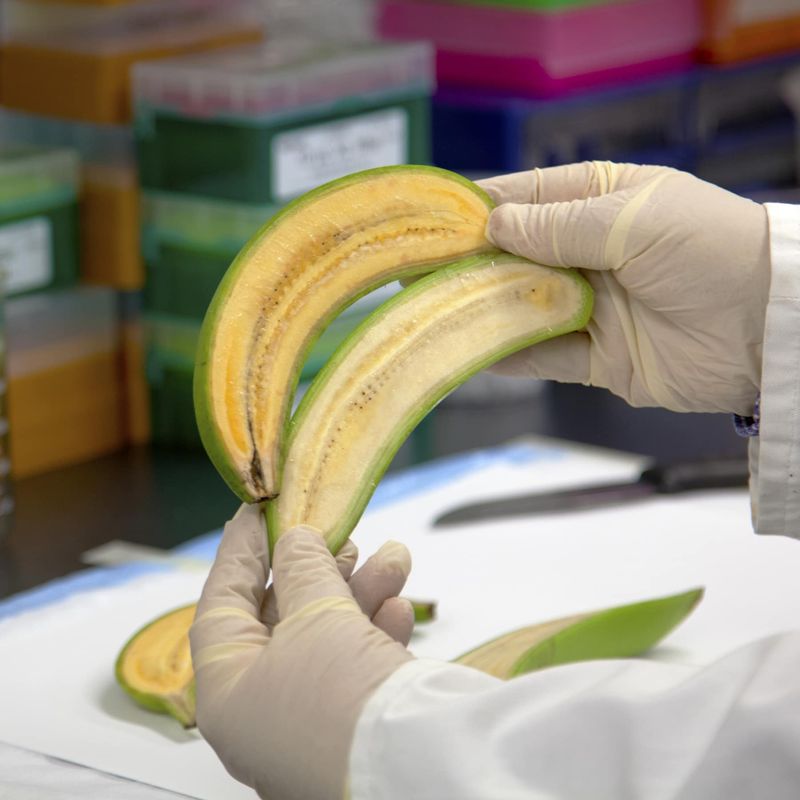
The banana you eat today is almost certainly a Cavendish, and it has a serious problem. A fungal disease called Tropical Race 4 is spreading across banana plantations worldwide, and there is currently no cure.
Farmers are watching entire crops get wiped out.
This has happened before. The Gros Michel banana, once the world’s favourite variety, was wiped out in the 1950s.
History could easily repeat itself if scientists do not find a solution soon.
4. Avocados
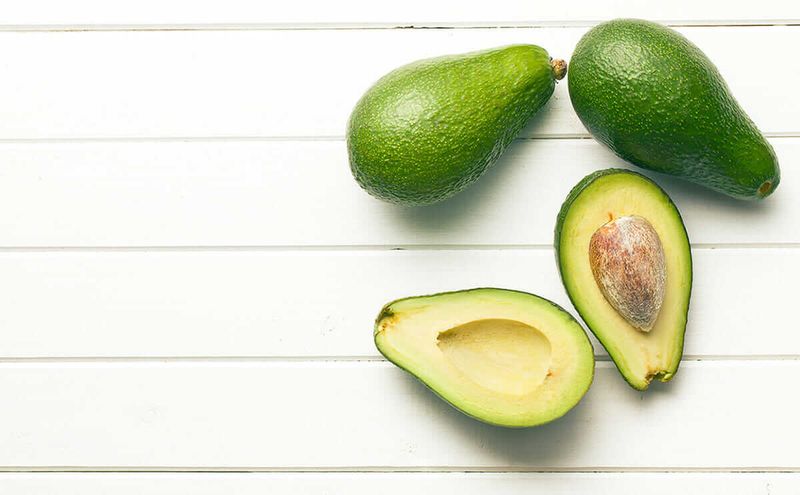
Avocados need a shocking amount of water to grow. One single avocado requires around 70 litres of water to produce, making it one of the thirstiest crops on the planet.
As droughts become more common in key growing regions like California and Mexico, water supplies are under enormous pressure.
Add to that the spread of avocado root rot disease and increasing pest problems, and the future of your favourite toast topping looks genuinely uncertain.
5. Honey
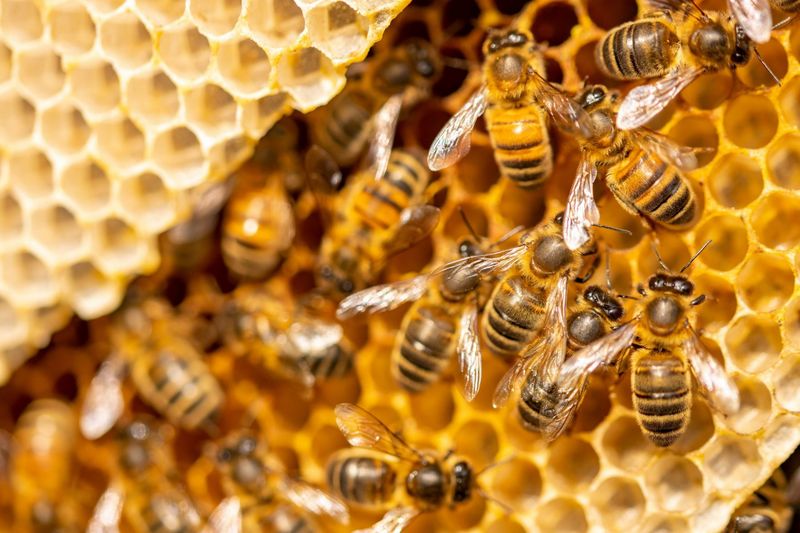
No bees means no honey – it really is that simple. Bee populations around the world are crashing due to pesticide use, habitat loss, disease, and climate change.
Colony collapse disorder has devastated hives across North America and Europe, leaving beekeepers heartbroken and shelves lighter.
Honey has been used by humans for at least 8,000 years, making it one of the oldest foods we know. Losing it would mean losing a piece of human history along with a natural sweetener.
6. Salmon
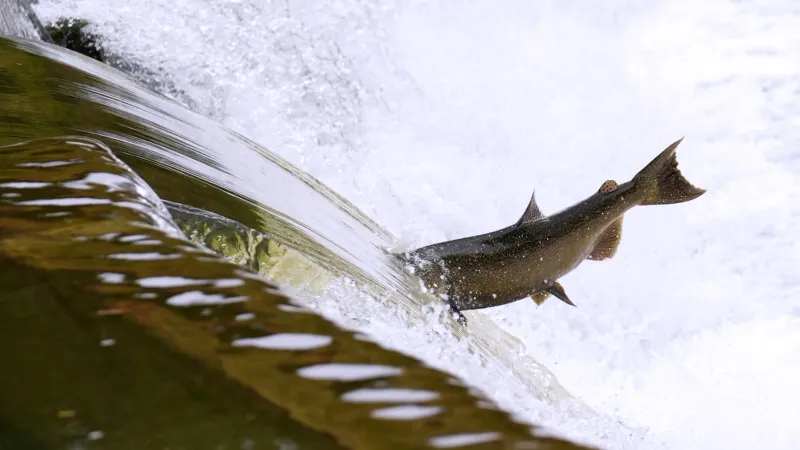
Wild salmon populations have been declining for decades, and the situation is getting worse. Warming ocean temperatures, dam construction blocking migration routes, and overfishing have all taken a heavy toll on salmon numbers worldwide.
Pacific salmon runs in the western United States have collapsed so severely that some Indigenous communities have lost a food source central to their culture for thousands of years. Farmed salmon exists, but it comes with its own environmental concerns that make it far from a perfect fix.
7. Maple Syrup
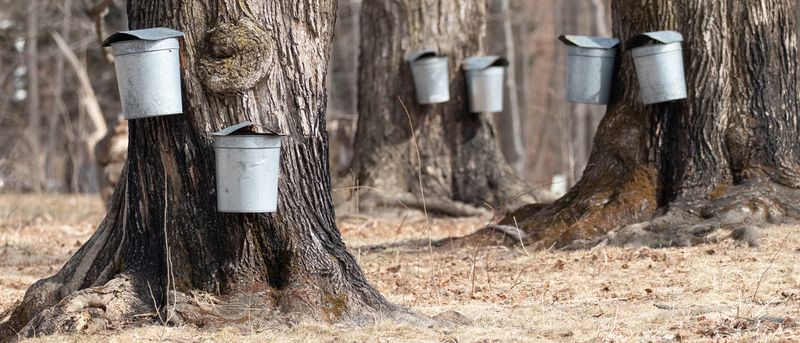
That golden syrup drizzled over your pancakes depends entirely on cold winters and warm spring days – a very specific weather window that is narrowing as climate change progresses. Sugar maple trees need freezing nights and thawing days to produce the sap that becomes syrup.
In New England and Canada, maple syrup seasons are already getting shorter and starting earlier. Some experts predict that by 2100, suitable conditions for sugar maple trees could shift hundreds of miles northward, making production far harder.
8. Vanilla
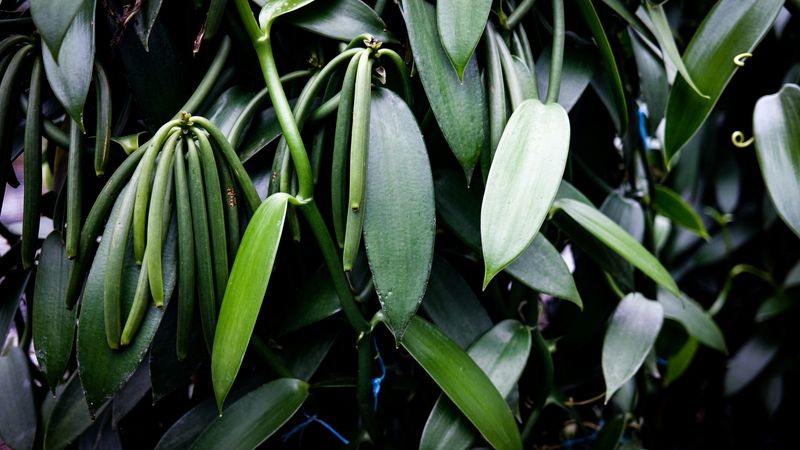
Real vanilla is one of the most labour-intensive crops in the world. Each flower must be hand-pollinated within a 12-hour window, making production incredibly fragile.
Madagascar produces about 80% of the world’s vanilla, but cyclones and political instability have caused massive supply disruptions in recent years.
Climate change is making extreme weather events more frequent in the region. Combined with the fact that vanilla orchids take three to five years to produce beans, any disruption can send prices skyrocketing and supplies crashing.
9. Peanut Butter
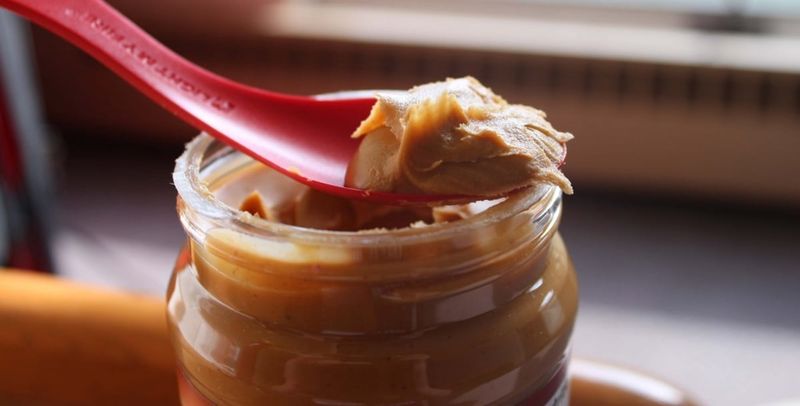
Peanuts are surprisingly sensitive to heat and drought, two things the world is getting more of every year. Peanut crops in the southern United States and parts of Africa have already suffered significant losses during recent drought years, pushing prices up and supplies down.
A fungus called aflatoxin, which thrives in hot and dry conditions, also poses a growing threat to peanut crops worldwide. If growing conditions keep shifting, the beloved staple in school lunchboxes everywhere could become much harder to find.
10. Oysters
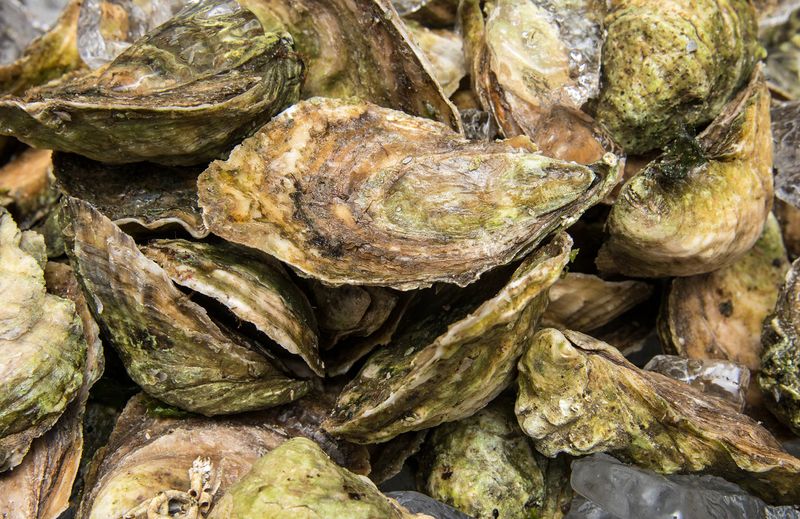
Ocean acidification is quietly dissolving the future of oysters. As the ocean absorbs more carbon dioxide from the atmosphere, the water becomes more acidic, making it harder for oysters to build their shells.
Entire hatcheries on the US West Coast have already reported massive die-offs linked directly to acidic seawater.
Oysters also act as natural water filters, cleaning enormous volumes of ocean water every day. Losing them would hurt both seafood lovers and ocean ecosystems at the same time.
11. Wine Grapes
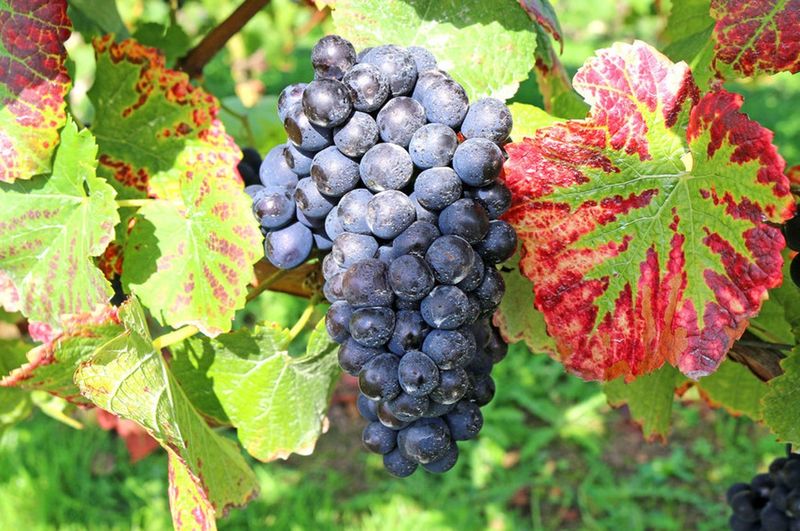
Wine regions that have been producing celebrated bottles for centuries are facing an identity crisis. Warmer temperatures are changing the chemistry of grapes, pushing harvests earlier and altering the flavours that make famous wines unique.
Regions in France, Italy, and Spain are already adapting with new grape varieties.
Some classic wine-growing areas could become too hot for traditional grapes within decades. Meanwhile, new regions in unexpected places like England and Scandinavia are starting to thrive, completely rewriting the global wine map.
12. Shrimp
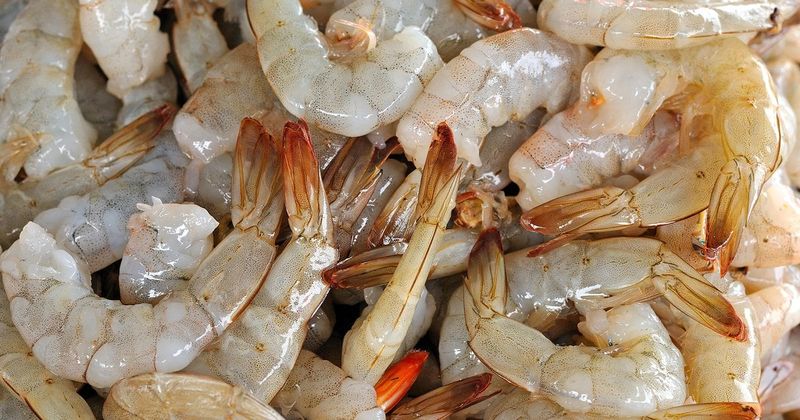
Shrimp is one of the most popular seafood choices in the world, but it faces threats from multiple directions. Warming oceans, disease outbreaks in shrimp farms, and the destruction of mangrove forests – which serve as critical nurseries for wild shrimp – are all reducing populations significantly.
Aquaculture has stepped in to fill some of the gap, but farmed shrimp operations have their own environmental costs. Pollution, antibiotic overuse, and habitat destruction linked to shrimp farming create a complicated picture for the future of this favourite food.
13. Wheat
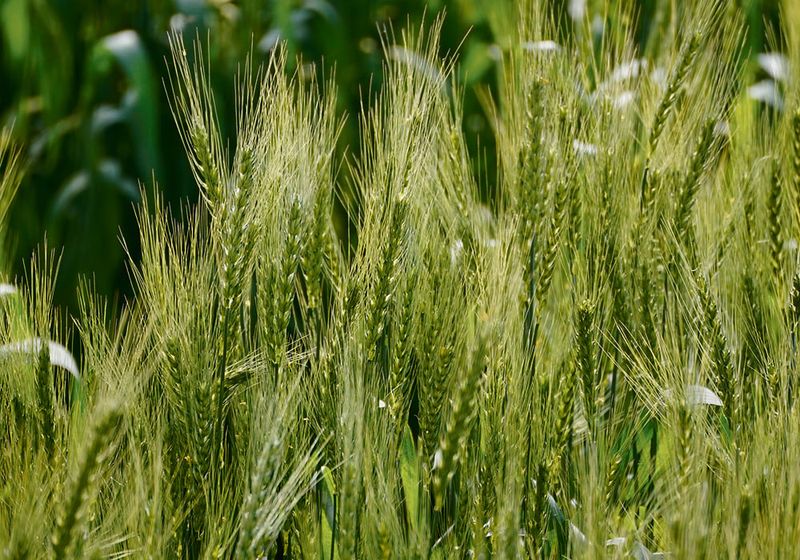
Wheat feeds billions of people and forms the base of bread, pasta, and countless other staples. But extreme heat waves are increasingly damaging wheat crops at critical growth stages, and new strains of a fungal disease called wheat rust are spreading across major growing regions in Africa and Asia.
Researchers are racing to develop heat-tolerant and disease-resistant wheat varieties, but the clock is ticking. A serious disruption to global wheat supplies would send food prices soaring and push millions of people toward hunger.
14. Cheese
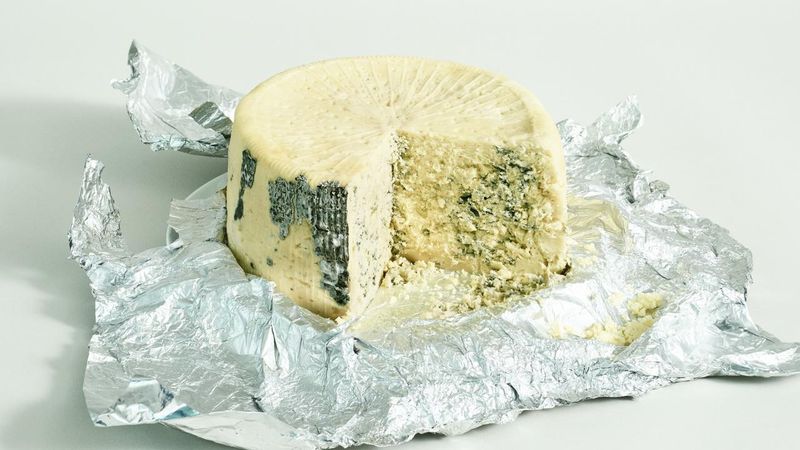
Cheese might seem like a food that will always be around, but the specific microbes and moulds that give famous cheeses their unique flavours are under threat. Overuse of antibiotics and changing agricultural practices are reducing microbial diversity in ways scientists are only beginning to understand.
Traditional cheeses like Roquefort and Camembert depend on very specific fungi that are becoming harder to cultivate reliably. Some French cheesemakers have already raised the alarm that their most celebrated varieties could taste noticeably different within a generation.
15. Chickpeas
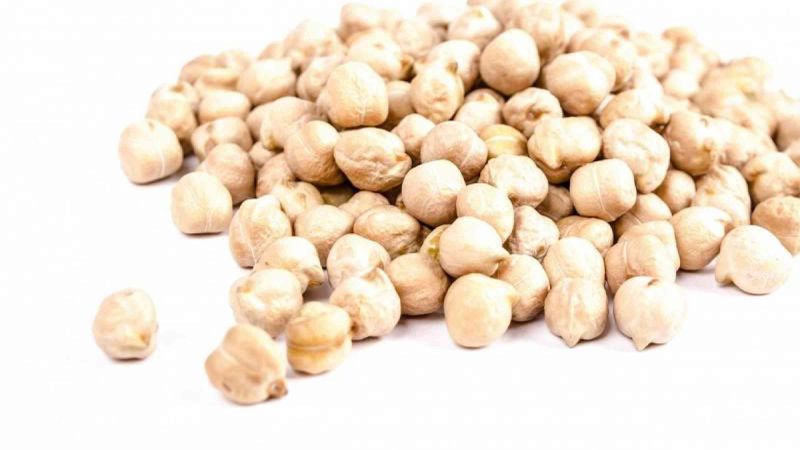
Chickpeas are a nutritional powerhouse and a key ingredient in hummus, curries, and countless dishes across the Middle East and South Asia. They are also extremely sensitive to heat during flowering, meaning even a brief spike in temperature at the wrong moment can destroy an entire harvest.
Drought is another major problem in key growing regions like India, which produces 70% of the world’s chickpeas. With climate projections pointing toward hotter and drier conditions, food security experts are genuinely worried about long-term chickpea availability.
16. Strawberries
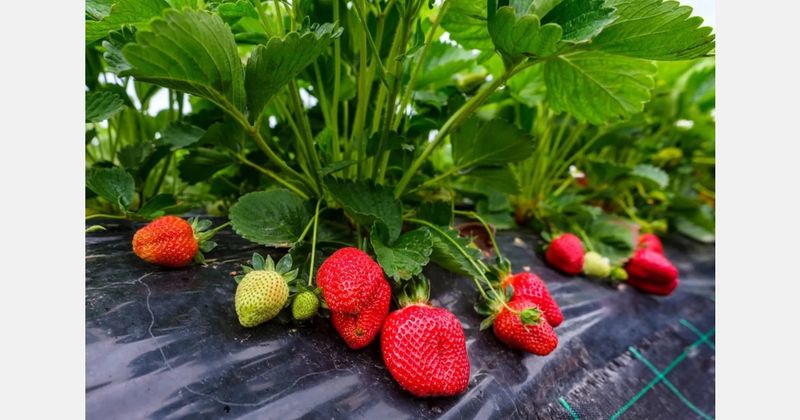
Few things say summer quite like a bowl of fresh strawberries, but these beloved berries are surprisingly fragile. They need precise temperature conditions and are highly vulnerable to both late frosts and intense heat waves, both of which are becoming more common and unpredictable with climate change.
Strawberries also rely heavily on pollinators, which are declining globally. California produces about 90% of US strawberries, and the state faces increasing water restrictions that make large-scale strawberry farming harder and more expensive every growing season.
17. Tuna
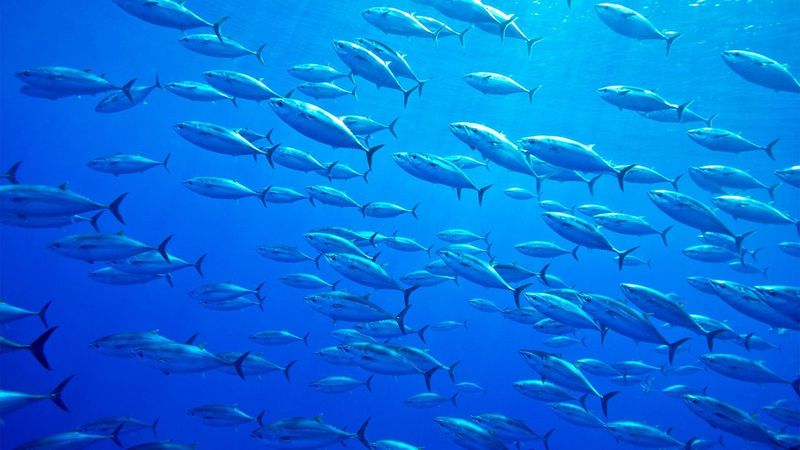
Bluefin tuna is one of the most prized fish in the world, and it is also one of the most overfished. Despite international agreements meant to protect populations, illegal fishing and high demand – especially in Japan where a single fish can sell for hundreds of thousands of dollars – continue to push numbers dangerously low.
Warming oceans are also shifting tuna migration patterns in unpredictable ways. Smaller tuna species face similar pressures, meaning the entire family of fish that fills cans and sushi plates worldwide is under serious strain.
18. Olive Oil
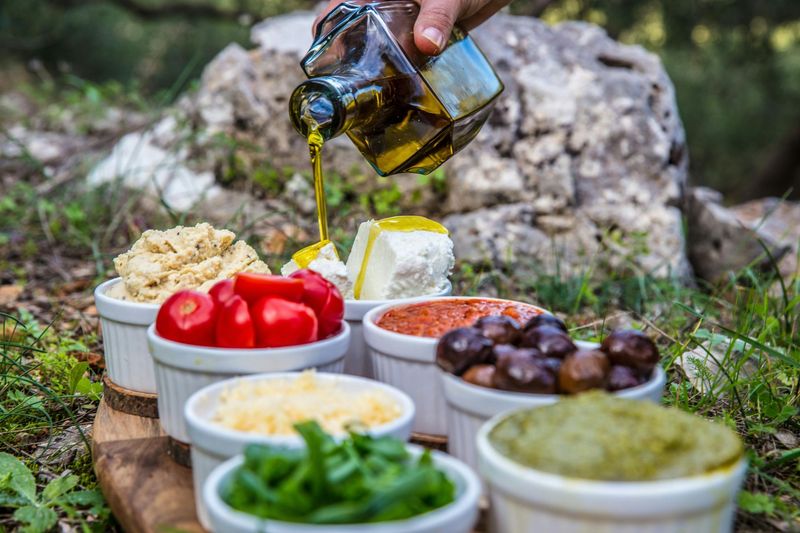
Olive trees have been part of Mediterranean culture for thousands of years, but a tiny bacterium called Xylella fastidiosa is tearing through olive groves at devastating speed. First detected in Italy in 2013, the disease has since killed millions of ancient olive trees, some of which were over a thousand years old.
Drought and extreme heat are also stressing olive crops across Spain, Greece, and Italy. Global olive oil prices have already hit record highs, hinting at a future where this kitchen staple becomes far less affordable.