
Food trends come and go, and some dishes that were once the stars of every dinner table have quietly faded into the background. From retro snacks to once-popular restaurant staples, these foods had their moment in the spotlight but are now mostly forgotten.
It’s kind of surprising to think about how much tastes can change over time. Take a walk down memory lane as we revisit 21 foods that used to be everywhere but have almost disappeared from our plates.
1. Jell-O Molds
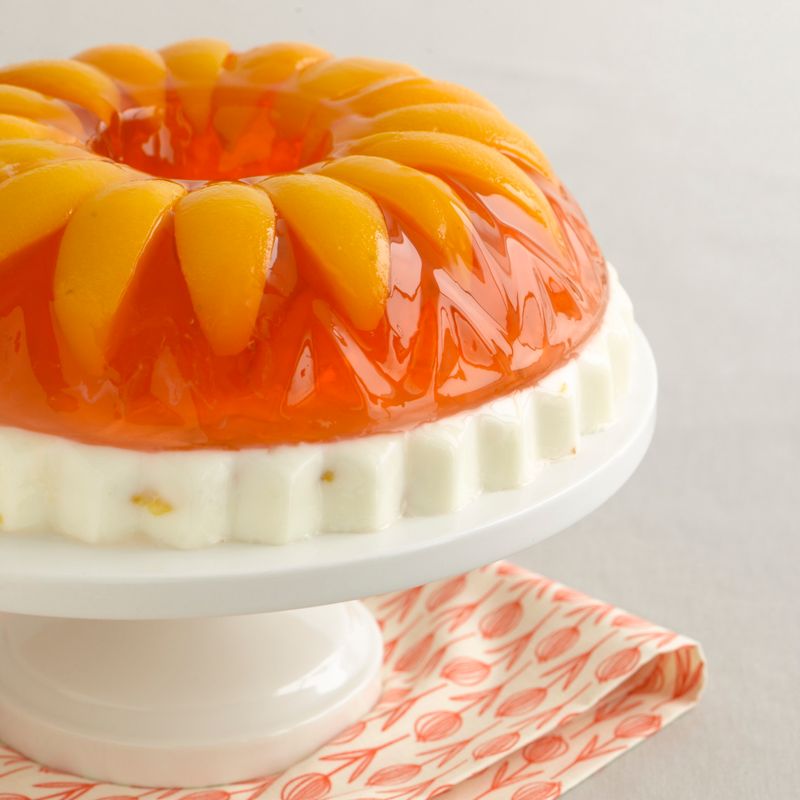
Back in the 1950s and 60s, a Jell-O mold at the dinner table was basically a sign that the host really cared. These jiggly, fruit-filled creations came in every color imaginable and were treated like works of art.
Today, most people wouldn’t know what to do with a Jell-O mold if it showed up at a potluck. The trend faded as fresher, lighter desserts took over.
Still, there’s something oddly charming about this wiggly relic from the past.
2. TV Dinners
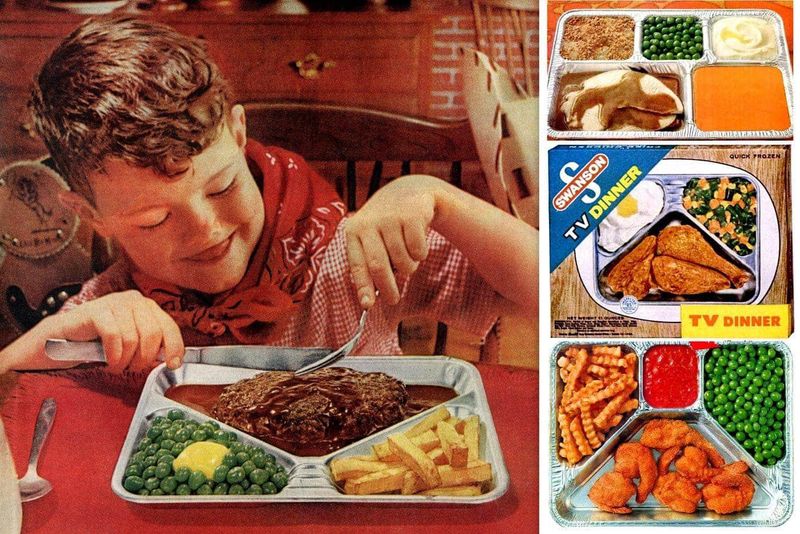
When TV dinners first hit store shelves in the 1950s, they felt like something from the future. The idea of a full meal in a tray that you could eat while watching your favorite show was genuinely exciting for families across America.
Frozen meals are still around, but the original TV dinner magic is long gone. Modern options are fancier and more varied, leaving the old-school aluminum tray version as a quirky piece of food history most kids today have never even seen.
3. Fondue
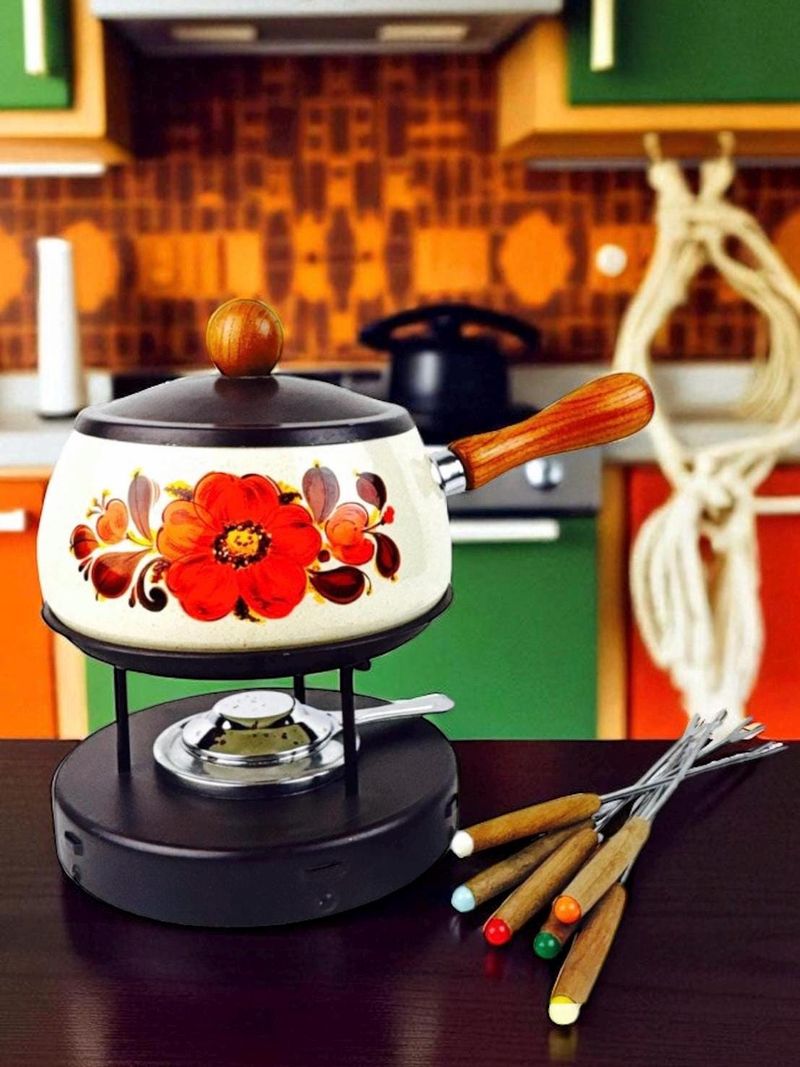
Fondue was the life of every 1970s dinner party. Melted cheese in a pot with long forks for dipping bread?
That was peak sophistication back then, and no stylish kitchen was complete without a fondue set.
The fondue craze cooled off pretty fast once the decade ended. A few specialty restaurants still serve it, but it no longer has that must-try energy it once carried.
Somewhere in a dusty cabinet, there’s probably a fondue set that hasn’t been touched in decades.
4. Ambrosia Salad
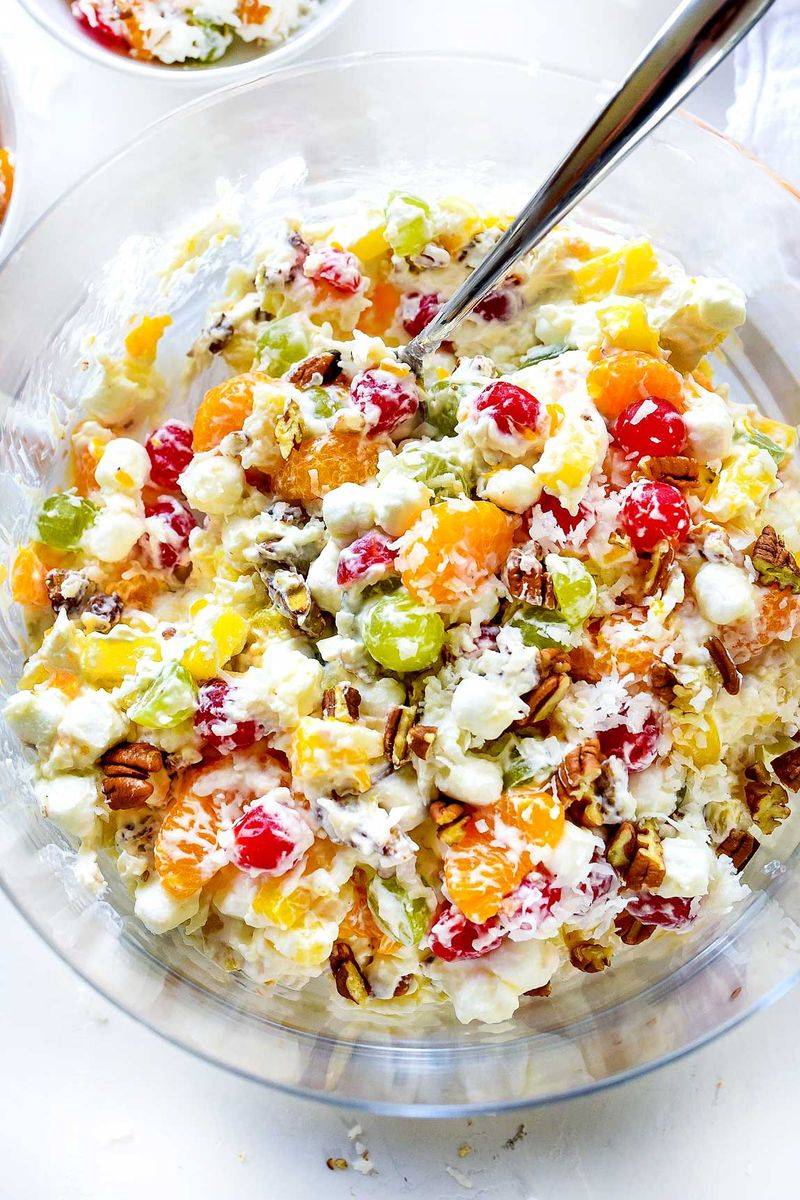
Ambrosia salad was once considered the crown jewel of Southern potlucks and holiday gatherings. A fluffy mix of marshmallows, canned fruit, coconut, and whipped cream, it felt indulgent and festive at the same time.
Somewhere along the way, people started questioning whether a bowl of marshmallows and fruit cocktail really counted as a salad. Fresher fruit dishes and cleaner eating trends slowly pushed ambrosia off the table.
It still shows up occasionally at family reunions, but its golden days are clearly behind it.
5. Spam
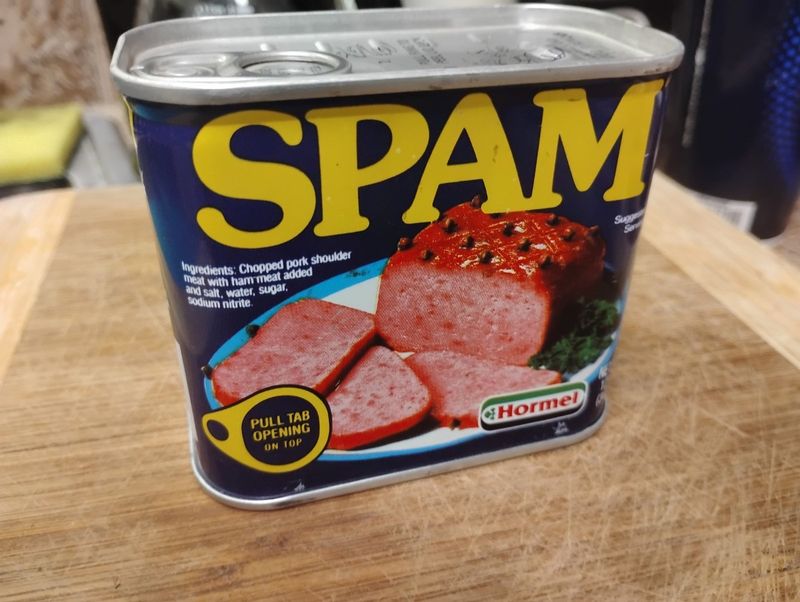
During World War II, Spam was practically a hero in a can. Canned meat that lasted forever and could be fried, baked, or eaten straight up made it a wartime staple in homes across the country and around the world.
Once grocery stores filled up with fresh options again, Spam lost its star power fast. It still has loyal fans in places like Hawaii and South Korea, but for most American households, Spam is more of a punchline now than a pantry essential.
6. Creamed Corn
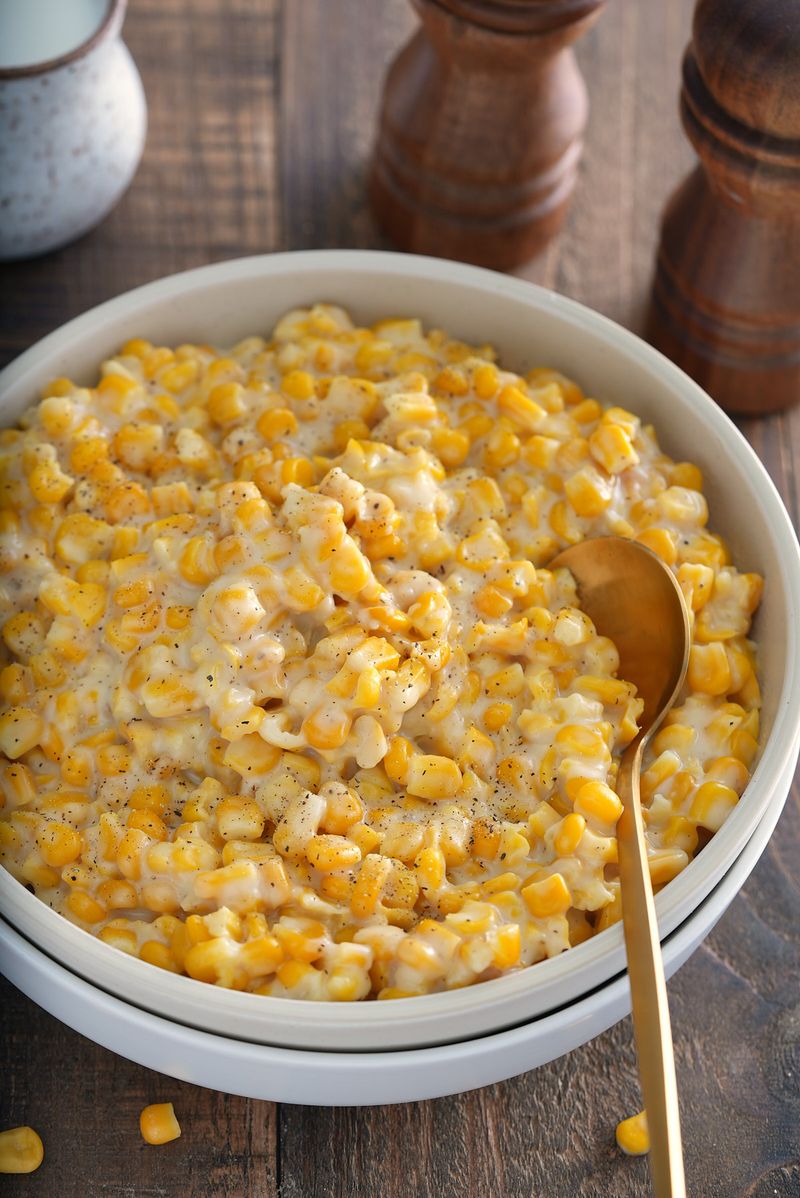
Creamed corn used to show up at almost every family dinner table as a reliable, comforting side dish. It was simple, sweet, and required almost no effort to prepare, which made it a weeknight favorite for busy parents everywhere.
Today’s dinner tables look very different. Roasted vegetables, grain bowls, and fresh salads have taken over the side dish spotlight.
Creamed corn hasn’t vanished completely, but it rarely gets the enthusiastic welcome it once did. Most kids today probably wouldn’t even recognize it.
7. Liver and Onions
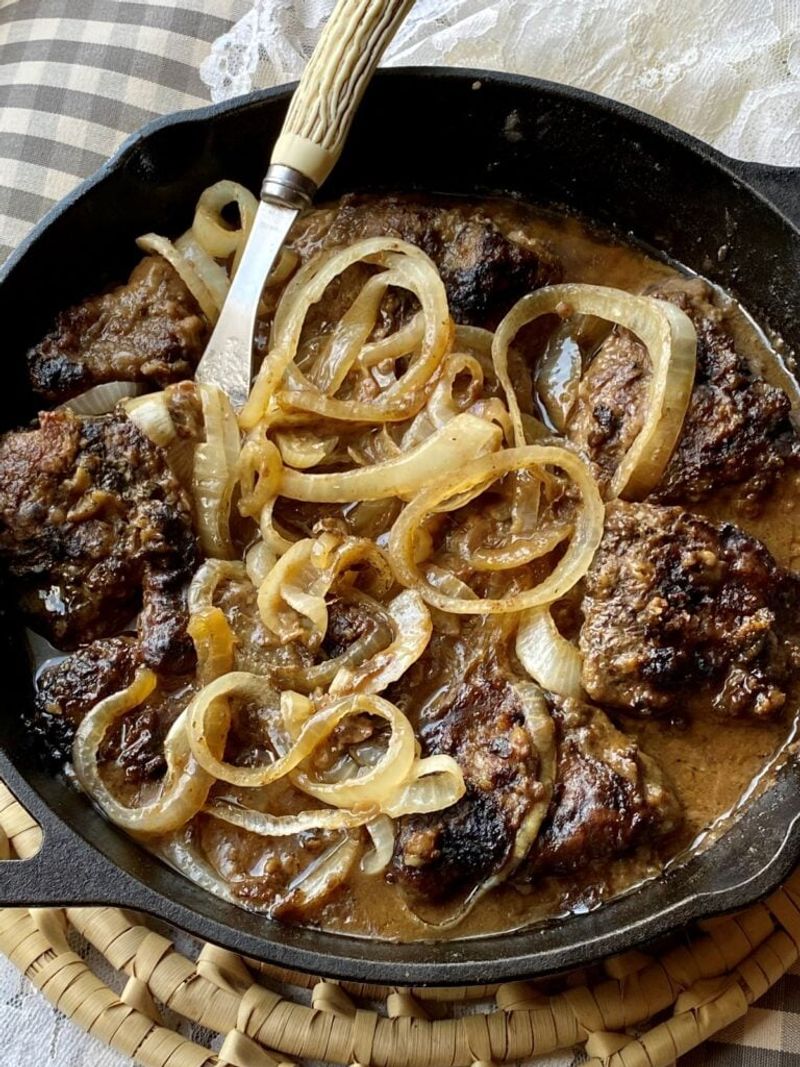
There was a time when liver and onions was considered a proper, nutritious dinner that every respectable cook knew how to make. Rich in iron and protein, it was the kind of meal grandparents served with pride and kids ate without complaint – or at least without too much of it.
Modern palates have moved on in a big way. The strong flavor and unusual texture of liver don’t exactly scream crowd-pleaser anymore.
Most younger generations have never tasted it and probably aren’t rushing to change that anytime soon.
8. Waldorf Salad
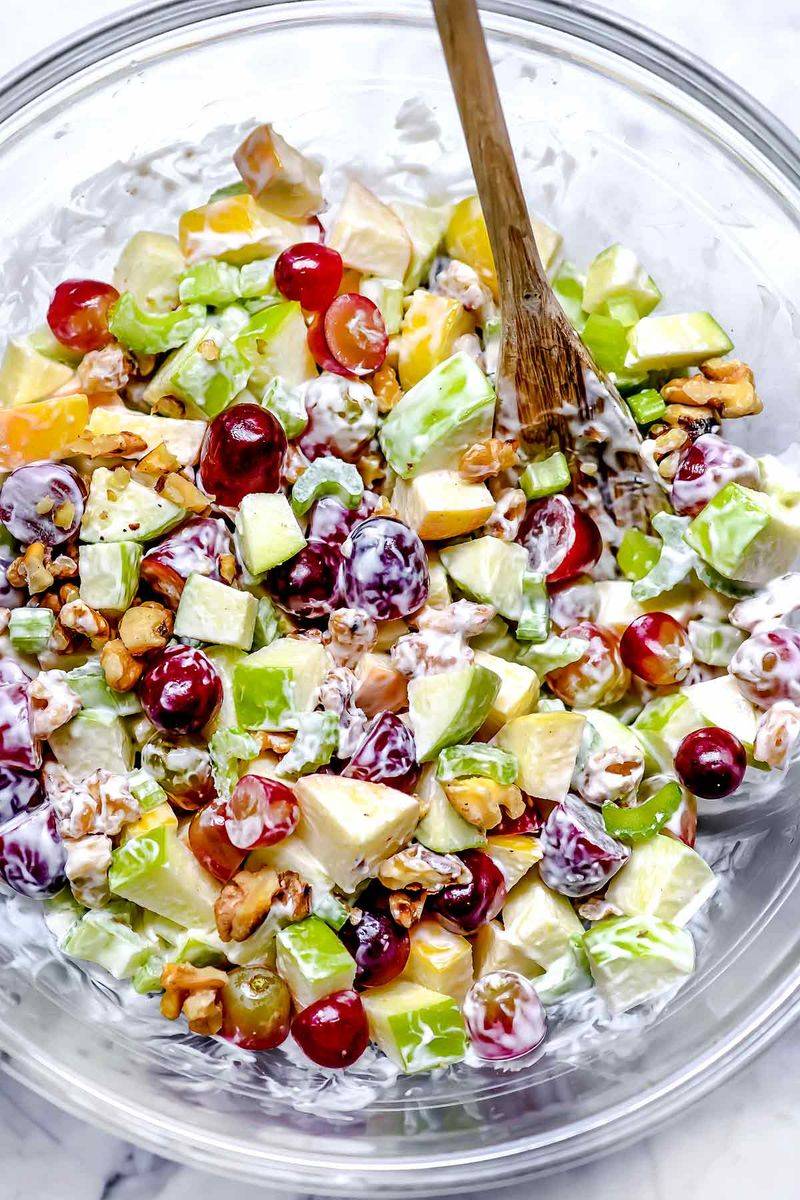
The Waldorf salad was born at New York’s Waldorf-Astoria Hotel in the 1890s and quickly became a symbol of refined taste. Crisp apples, celery, walnuts, and creamy mayo dressing made it feel both fancy and approachable at the same time.
For decades it graced the menus of upscale restaurants and holiday tables, but today it’s mostly a forgotten footnote. Trendy salads packed with superfoods and bold dressings have completely overshadowed this old-school classic.
It deserves more credit than it currently gets.
9. Deviled Eggs
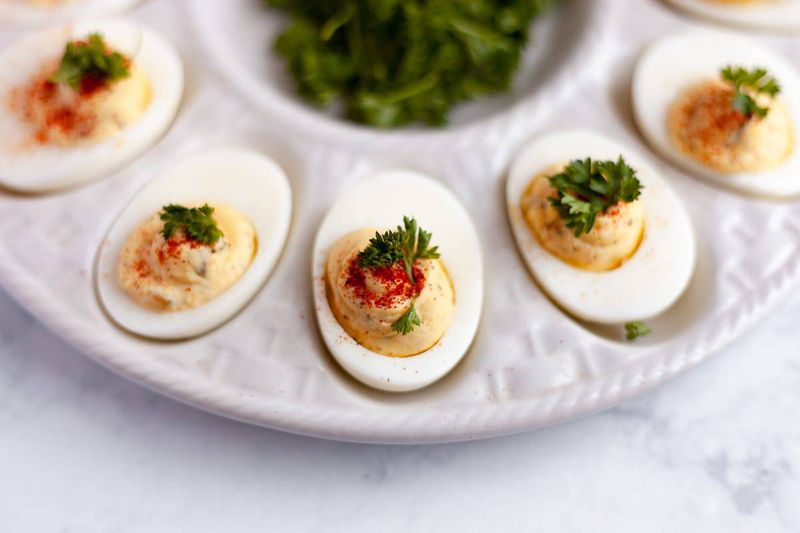
Deviled eggs were once the undisputed champion of party appetizers. Every gathering from Easter brunch to summer cookouts had a platter of them, and they always disappeared faster than anything else on the table.
Interestingly, deviled eggs are still around, but they’ve lost a lot of their former glory. They feel more like an obligation than an excitement at most modern gatherings.
Trendy apps like charcuterie boards and fancy dips have stolen the spotlight, leaving deviled eggs to coast on nostalgia alone.
10. Bologna Sandwiches

Bologna sandwiches were the lunchbox staple of an entire generation. Slap some bologna on white bread with a smear of yellow mustard, and you had a lunch that millions of kids ate every single day without a second thought.
Lunch culture has changed dramatically since then. Artisan meats, wraps, and grain bowls have replaced the humble bologna sandwich in most households.
The processed meat doesn’t exactly fit today’s focus on cleaner eating, which is probably why it’s been quietly phased out of most fridges.
11. Pineapple Upside-Down Cake
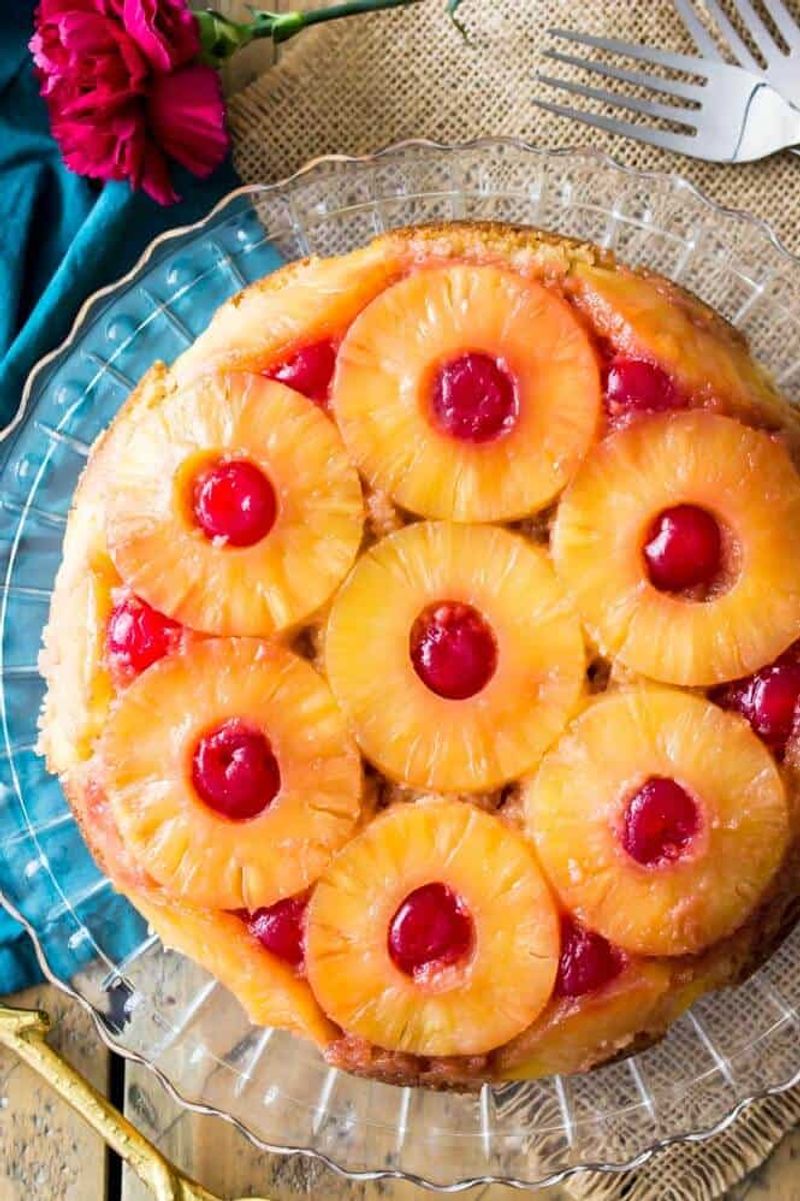
Few desserts had the visual drama of a pineapple upside-down cake fresh out of the oven. That moment when you flipped the pan and revealed those perfectly caramelized pineapple rings was genuinely exciting for anyone watching from the kitchen doorway.
It was a beloved recipe from the mid-20th century, often clipped from magazines and passed between neighbors. Now it mostly lives in old recipe boxes and the occasional retro-themed bakery.
Younger bakers tend to reach for trendier options, leaving this classic to gather some well-deserved dust.
12. Fruitcake
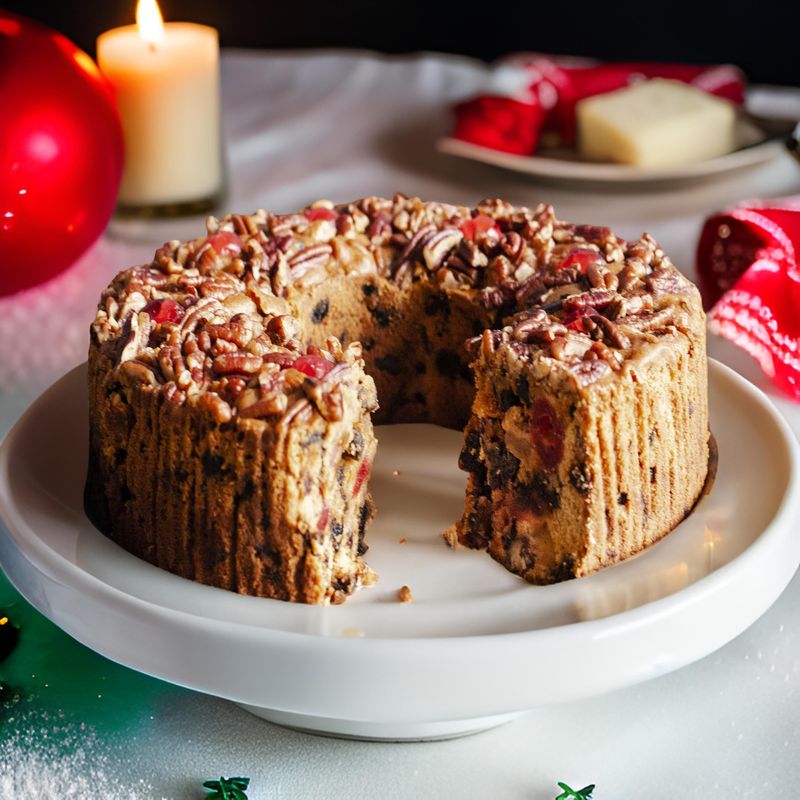
Fruitcake jokes practically write themselves at this point. Once a prized holiday gift and festive centerpiece, fruitcake was taken seriously for centuries before it became the butt of every Christmas joke imaginable.
The dense, boozy loaf packed with candied fruits and nuts was a labor of love that bakers prepared weeks in advance. Today, most people would rather regift one than eat it.
A few devoted fans keep the tradition alive, but fruitcake’s reputation is probably too far gone to make a real comeback.
13. Oysters Rockefeller
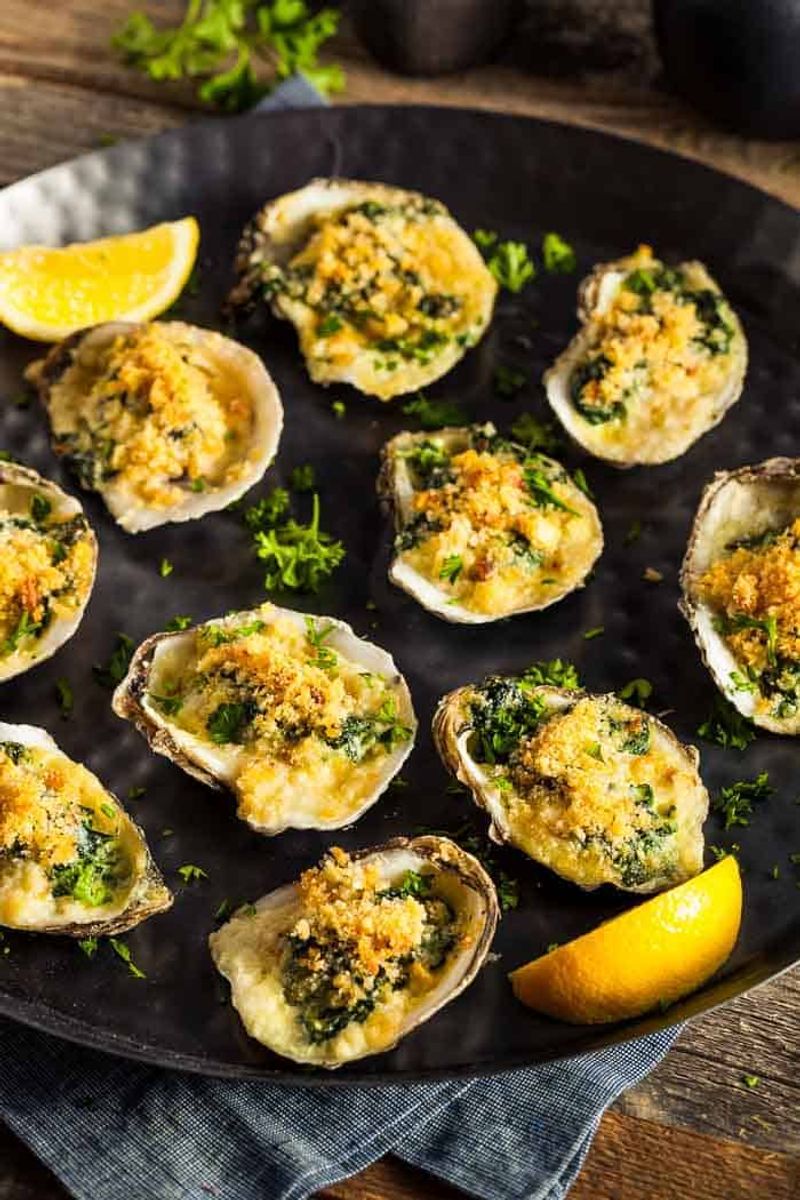
Oysters Rockefeller was once the kind of dish that made you feel genuinely fancy. Created in New Orleans in 1899, these baked oysters topped with a rich, herby sauce were named after John D.
Rockefeller because the dish was so luxuriously rich.
They still appear on menus at classic seafood restaurants, but the dish no longer commands the same level of excitement it once did. Newer seafood preparations and raw bar trends have pushed Oysters Rockefeller into a quieter corner of the menu.
14. Cottage Cheese
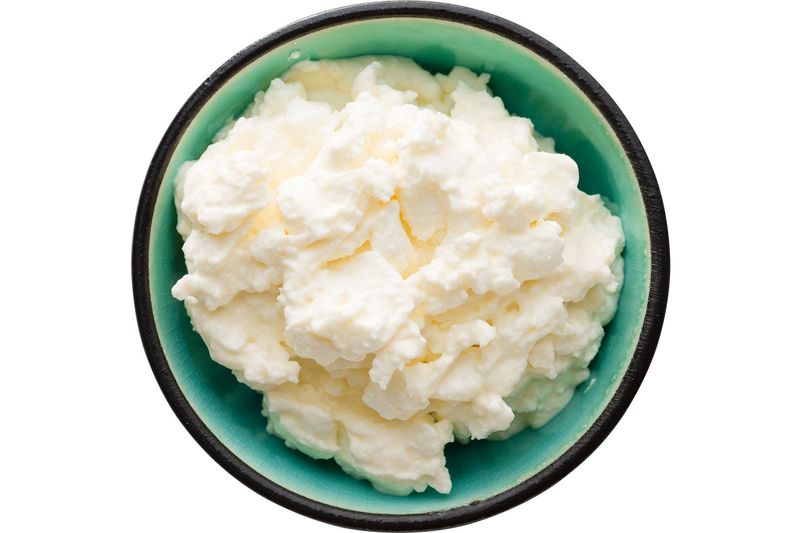
Cottage cheese had its moment as the ultimate health food of the 1970s and 80s. Diet culture back then practically required it, and you could find it paired with canned peaches on nearly every restaurant menu that offered a lighter option.
Greek yogurt and other protein-rich alternatives eventually knocked cottage cheese off its health food throne. It’s been making a small comeback recently thanks to social media recipes, but it still hasn’t regained the widespread love it once enjoyed.
Progress, but slowly.
15. Beef Stroganoff
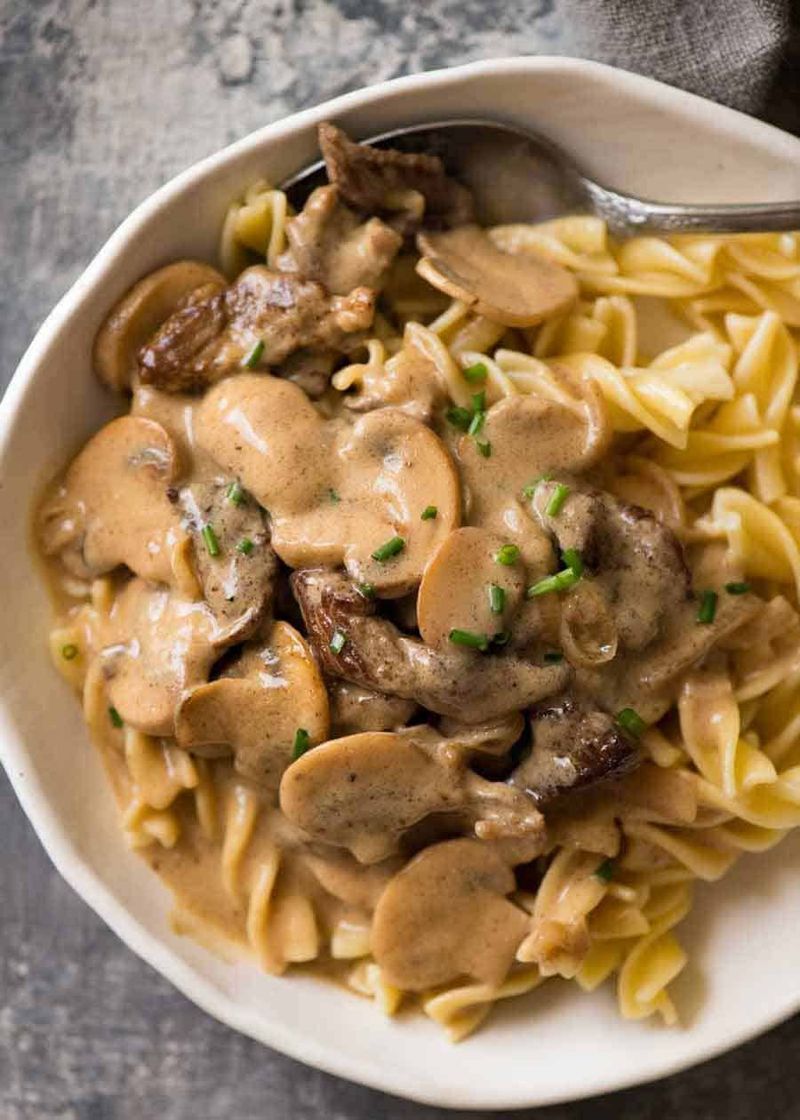
Beef stroganoff was a weeknight hero for decades. Tender beef strips in a creamy mushroom sauce over egg noodles felt both comforting and a little bit elegant, which made it a dinner party favorite as much as a family meal.
The dish originated in Russia but became wildly popular in American homes during the 1950s and 60s. Over time, simpler and faster meals pushed it aside.
It still shows up in slow cooker recipes online, but it no longer holds the prestigious spot it once had on the weekly dinner rotation.
16. Vienna Sausages

Vienna sausages were a pantry staple that needed no refrigeration, no cooking, and almost no effort to enjoy. Kids loved them straight from the can, and adults packed them in lunches and camping bags without a second thought.
The rise of fresh, high-quality snacks and growing concerns about processed foods gradually made Vienna sausages feel like a relic. They’re still sold at grocery stores, but they’ve gone from a beloved snack to something most people walk right past without even noticing on the shelf.
17. Chicken a la King
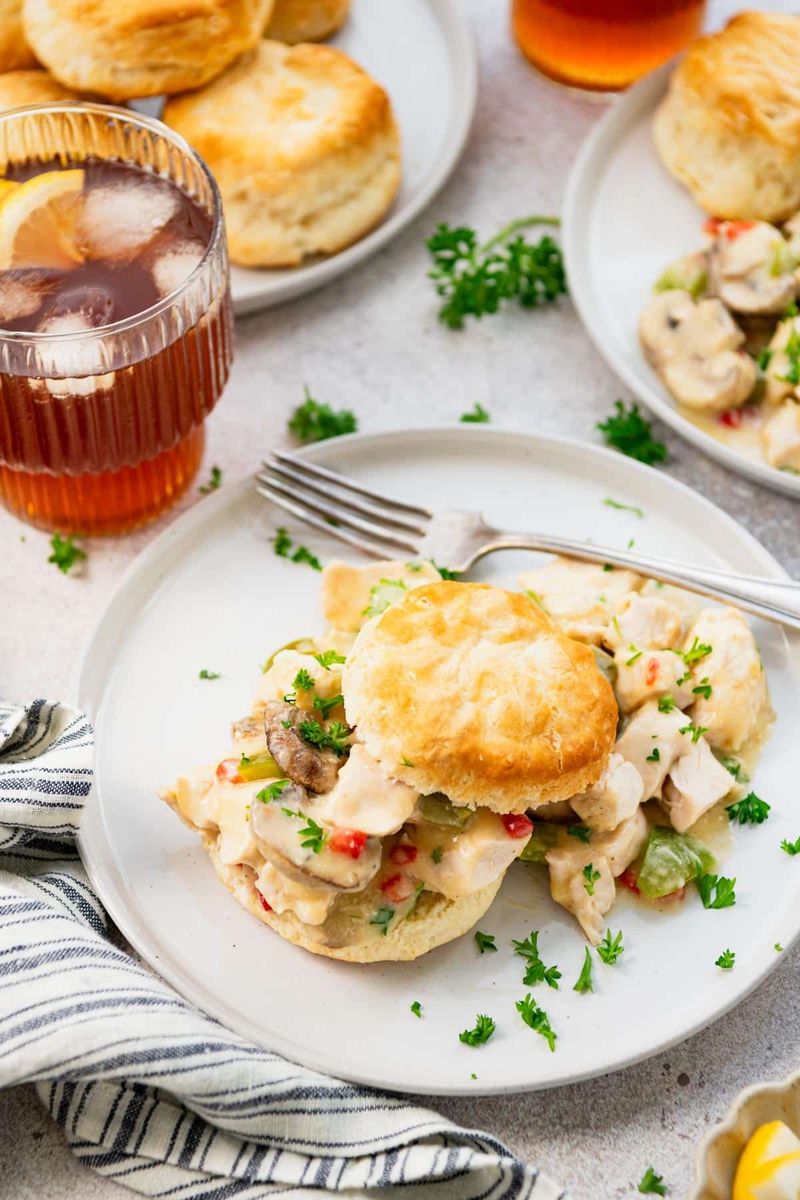
Chicken a la King was the definition of fancy comfort food in its heyday. Chunks of chicken swimming in a creamy, pimento-dotted sauce served over toast or in a pastry shell felt like something you’d order at a nice restaurant, not make at home.
By the late 20th century, it had quietly slipped from menus and cookbooks alike. Lighter chicken dishes and international flavors took over, and Chicken a la King became a dish that mostly lives in old church cookbooks now.
A true comfort food casualty.
18. Tomato Aspic
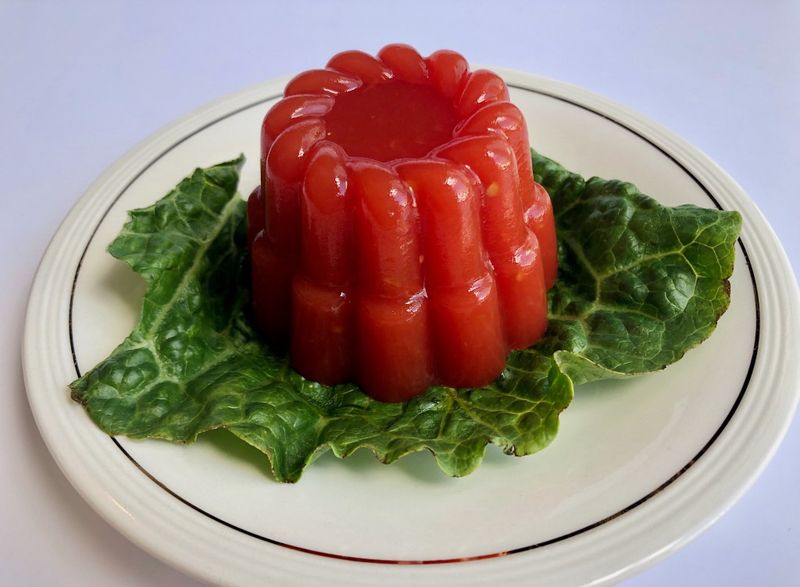
Tomato aspic was a dish that required real commitment, both to make and to eat. A savory, jiggly mold of seasoned tomato juice gelatin served on a bed of lettuce was once considered an elegant luncheon staple in mid-century America.
It sounds bizarre by today’s standards, and honestly, most people react to it with pure confusion when they hear about it. The aspic trend faded hard once food culture moved away from gelatin-based savory dishes.
Finding someone who has actually tasted tomato aspic is increasingly rare.
19. Chipped Beef on Toast
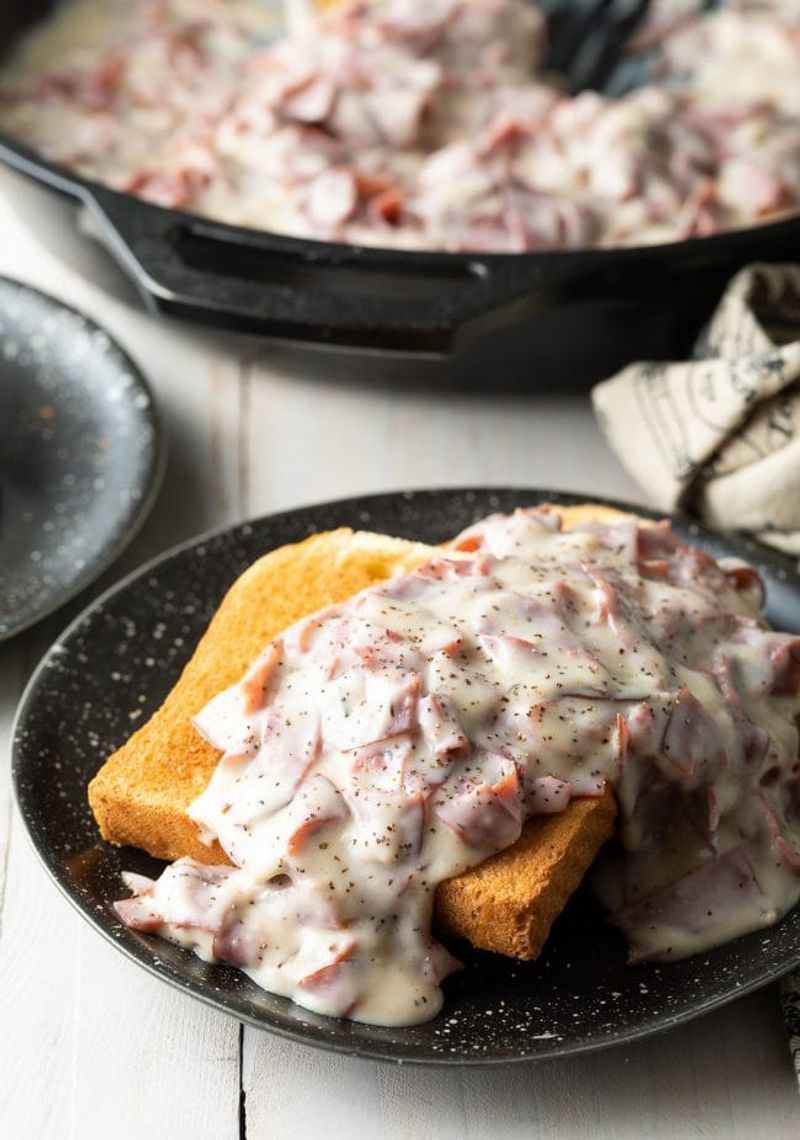
Affectionately nicknamed SOS by military personnel, chipped beef on toast was a fixture in armed forces mess halls for generations. Thin slices of dried beef in a thick white cream sauce poured over toast was filling, cheap, and fast to make in large quantities.
Outside of military circles, it was also a common home-cooked meal during leaner economic times. Today it’s mostly a nostalgic curiosity, occasionally recreated by veterans who remember it fondly.
For everyone else, it sounds more like a dare than a dinner.
20. Succotash
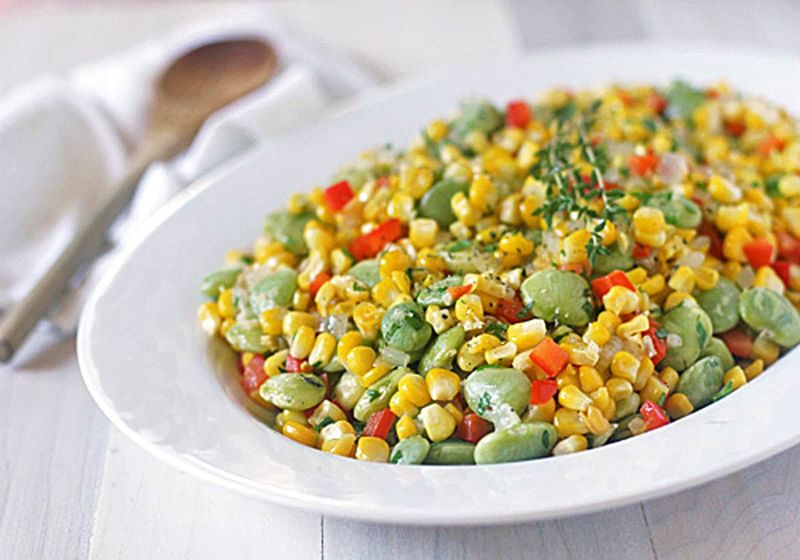
Succotash has one of the best names in all of food history, and yet somehow it still couldn’t hold on to its popularity. A simple mix of corn and lima beans with other vegetables, it was a staple Native American dish that became widely popular in American cooking for centuries.
Lima beans have a bit of a reputation problem, and that might be partly to blame for succotash’s decline. Most people associate it more with the cartoon phrase than the actual dish.
It’s nutritious and tasty, but convincing modern eaters to try it is an uphill battle.
21. Bread Pudding
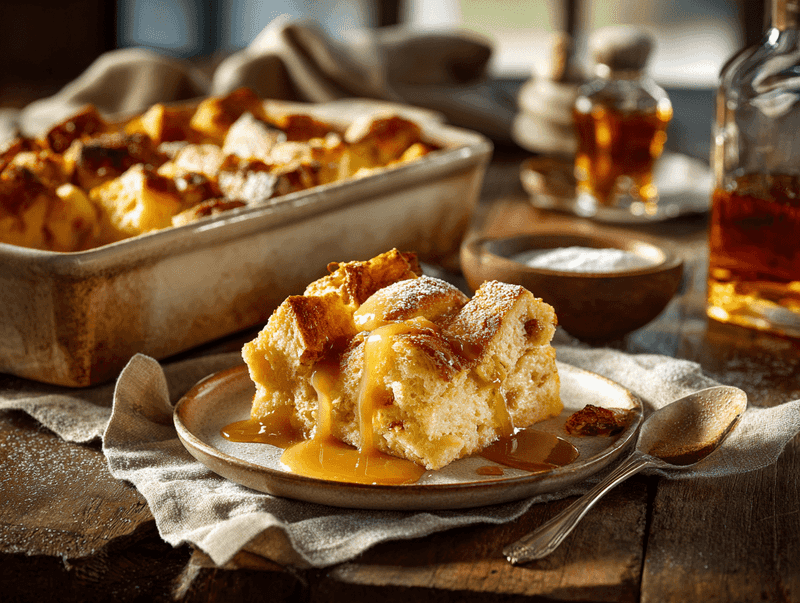
Bread pudding was born out of necessity, a clever way to use up stale bread by soaking it in a sweet custard and baking it until golden. For generations, it was the kind of humble dessert that showed up at church suppers and family gatherings without fail.
Modern dessert menus are packed with flashier options like lava cakes, cronuts, and elaborate cheesecakes that have nudged bread pudding toward the background. It still appears in Southern restaurants and cozy diners, but it no longer gets the enthusiastic reception it once did from most diners.