
Spending a little extra on organic food can feel hard to justify when prices are already high. But some items really do make a difference when you go organic, whether for your health, taste, or reducing pesticide exposure.
Knowing which ones are worth the upgrade helps you shop smarter without blowing your budget. Here are 21 grocery staples that are genuinely worth buying organic.
1. Strawberries
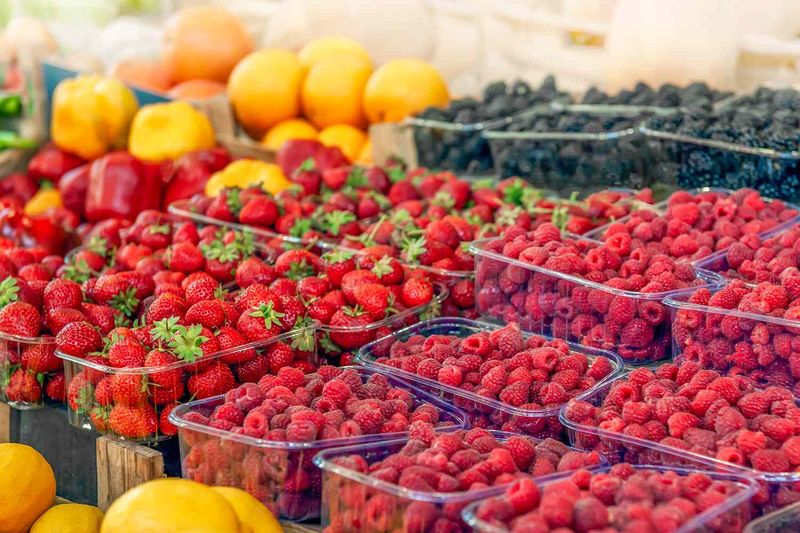
Year after year, strawberries top the Environmental Working Group’s “Dirty Dozen” list, meaning they carry some of the highest pesticide residues of any fruit. A single strawberry can have residues from more than 20 different pesticides.
That is a lot of chemical exposure for such a small fruit.
Organic strawberries are grown without synthetic pesticides, making them a much cleaner choice. They also tend to have a richer, sweeter flavour that store-bought conventional ones often lack.
2. Spinach
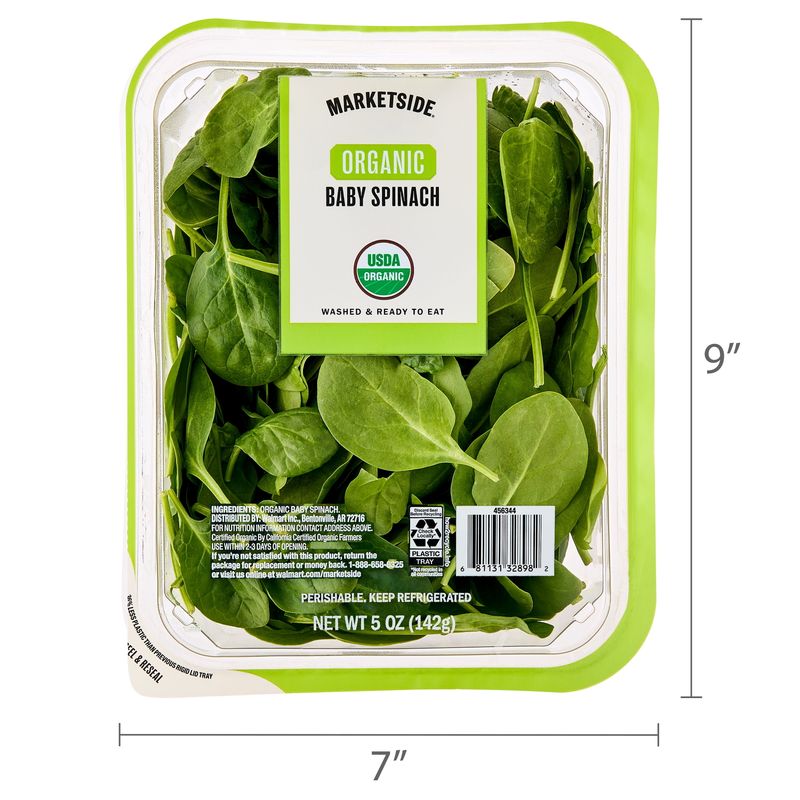
Spinach is one of the most nutrient-packed leafy greens you can eat, loaded with iron, folate, and vitamins. The problem is that conventional spinach is also consistently found to carry heavy pesticide loads, including some residues linked to nervous system effects.
Swapping to organic spinach is a smart move, especially if you eat it raw in salads or smoothies. Cooking reduces some pesticides, but raw consumption means you get the full exposure from whatever is on those leaves.
3. Apples
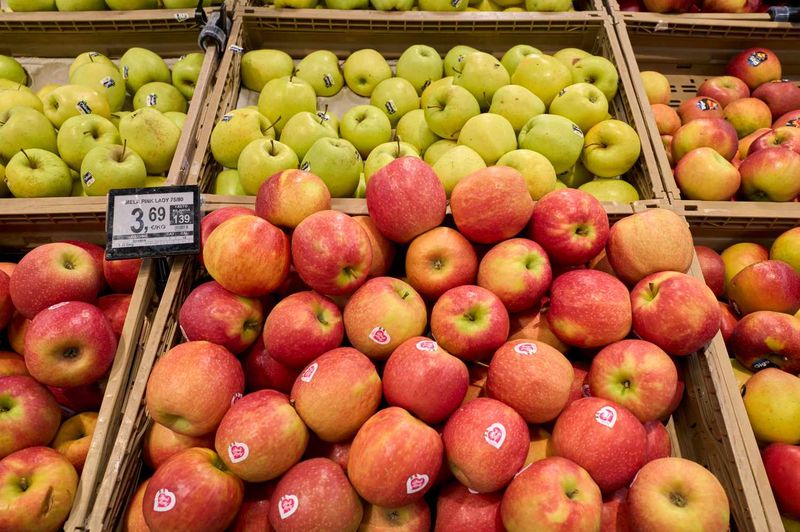
Apples are a lunchbox staple and a daily snack for millions of people, which makes pesticide residues on their skin a real concern. Conventional apples are frequently treated with diphenylamine, a chemical banned in the European Union but still used in North America.
Since most people eat the skin, going organic makes a lot of sense here. Organic apples taste just as crisp and sweet, and you can bite into them without worrying about what is coating the outside.
4. Grapes
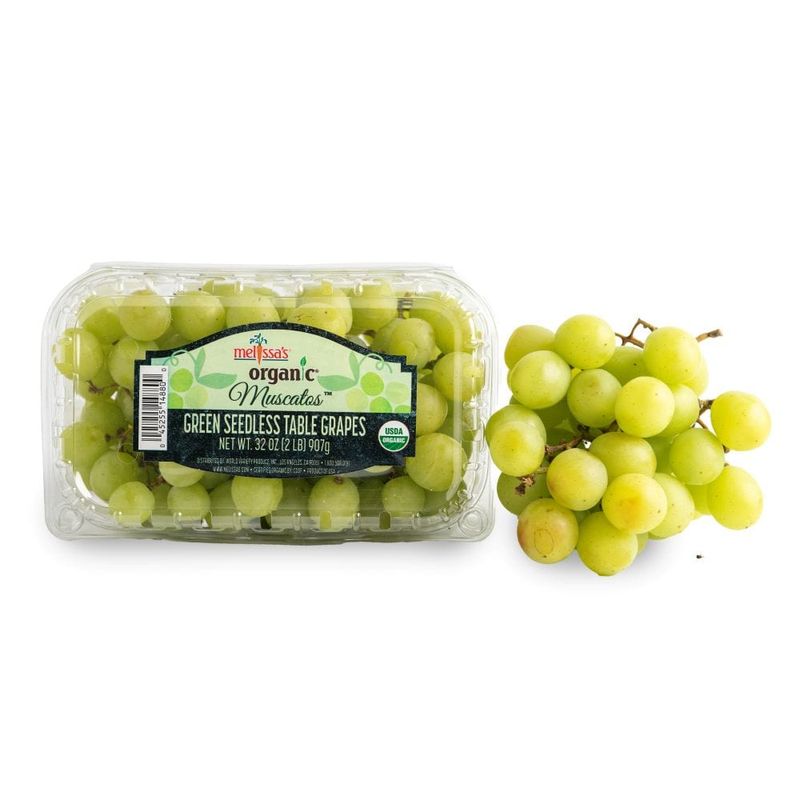
Grapes are tricky because their thin skin offers almost no barrier against pesticide absorption. Conventional grapes, especially imported ones, frequently test positive for multiple pesticide residues in government food safety checks around the world.
Kids love grapes as a snack, which makes this upgrade especially worthwhile for families. Organic grapes are now widely available in most major supermarkets and are often sold in convenient resealable bags, making the switch easy and practical.
5. Peaches
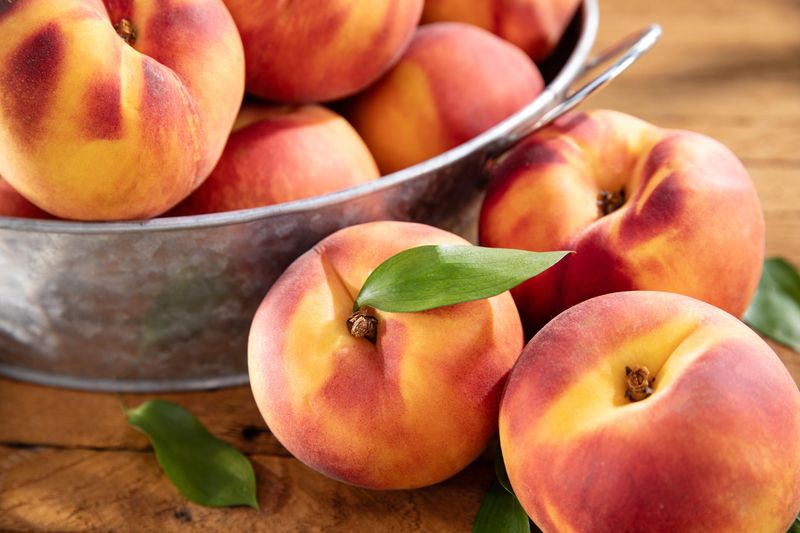
That soft, fuzzy skin on a peach might feel charming, but it also absorbs pesticides very efficiently. Peaches are among the fruits most likely to carry multiple pesticide residues, and because you eat the skin, those residues go straight into your body.
Organic peaches tend to ripen more naturally, which often means better flavour and juiciness. During peak summer season, you can find them at great prices, making it one of the easiest organic swaps to justify.
6. Bell Peppers
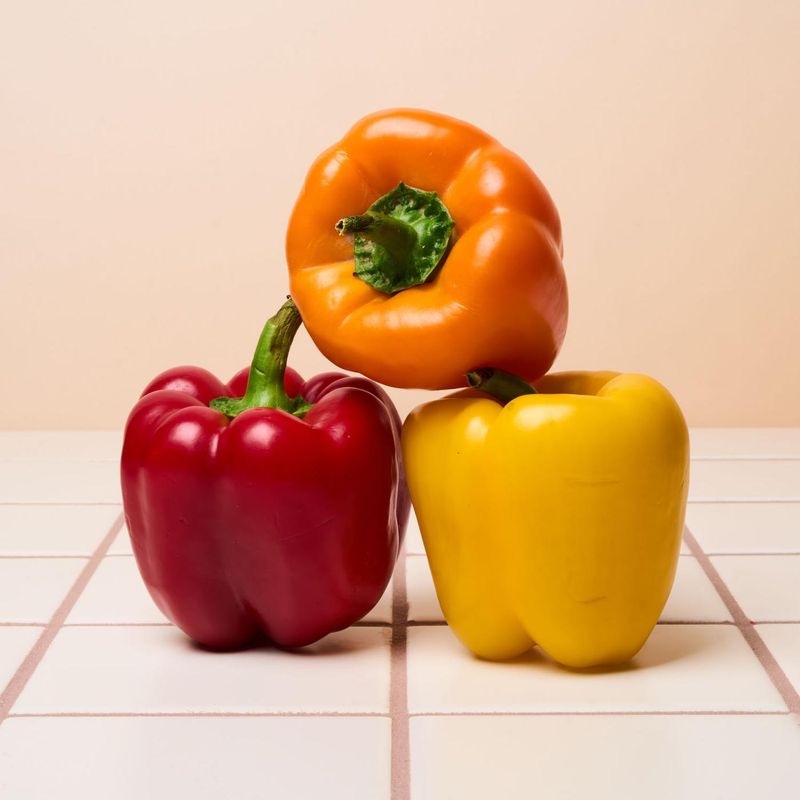
Bell peppers are colourful, crunchy, and packed with vitamin C, but conventional ones are routinely found with high levels of pesticide residues. Hot peppers and bell peppers together often rank among the most contaminated vegetables tested by food safety organizations.
Because peppers have thin, edible skin that you rarely peel, every bite includes whatever was sprayed on the outside. Organic bell peppers are a worthy upgrade, especially when you use them raw in salads, dips, or lunchboxes.
7. Celery
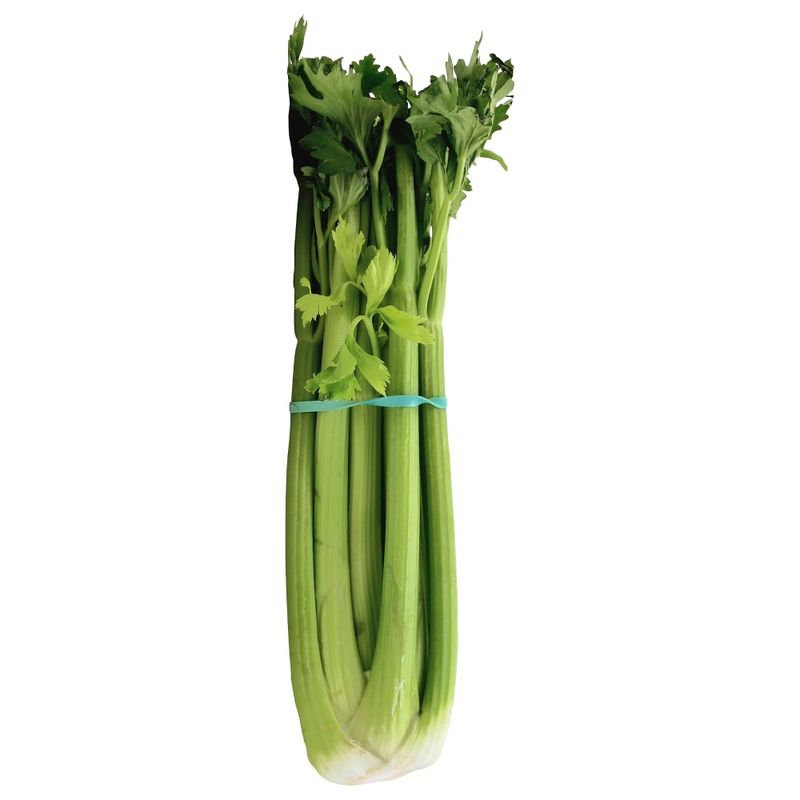
Celery has almost no protective outer layer to shield it from pesticides, and it absorbs water, and whatever is dissolved in it, very readily. This makes it one of the more concerning vegetables to buy conventional, as residues can penetrate deep into the stalks.
Organic celery is widely available and usually not much more expensive than the conventional version. Given how often celery shows up in soups, salads, and snack plates, making this swap is a practical and healthy decision for your household.
8. Milk
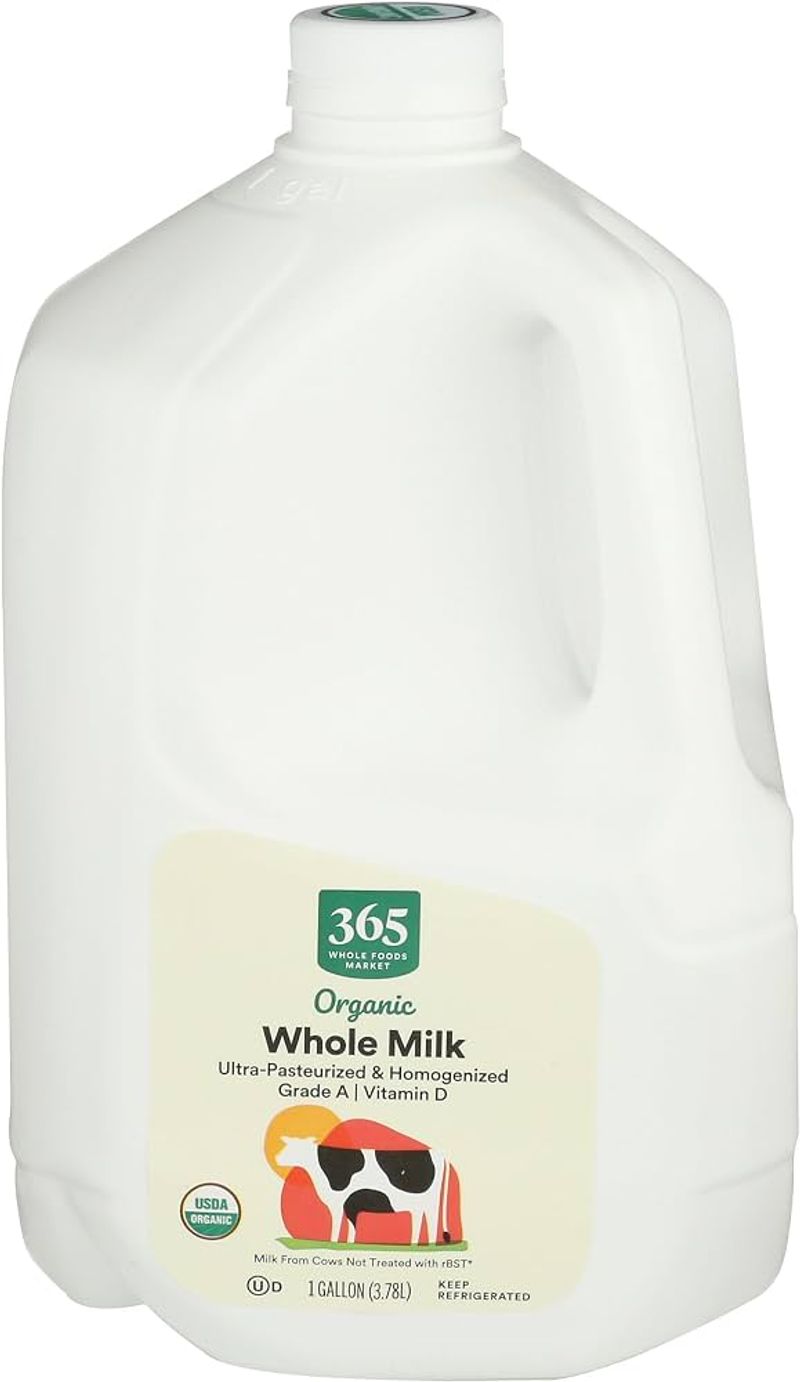
Organic milk comes from cows that are not given synthetic hormones or antibiotics, and the cows must have access to pasture for a significant part of the year. Studies have found that organic milk tends to have higher levels of beneficial omega-3 fatty acids compared to conventional milk.
For families with young children who drink milk daily, the organic version offers meaningful health benefits. It also tends to last longer in the fridge due to the pasteurization methods commonly used by organic dairy producers.
9. Eggs
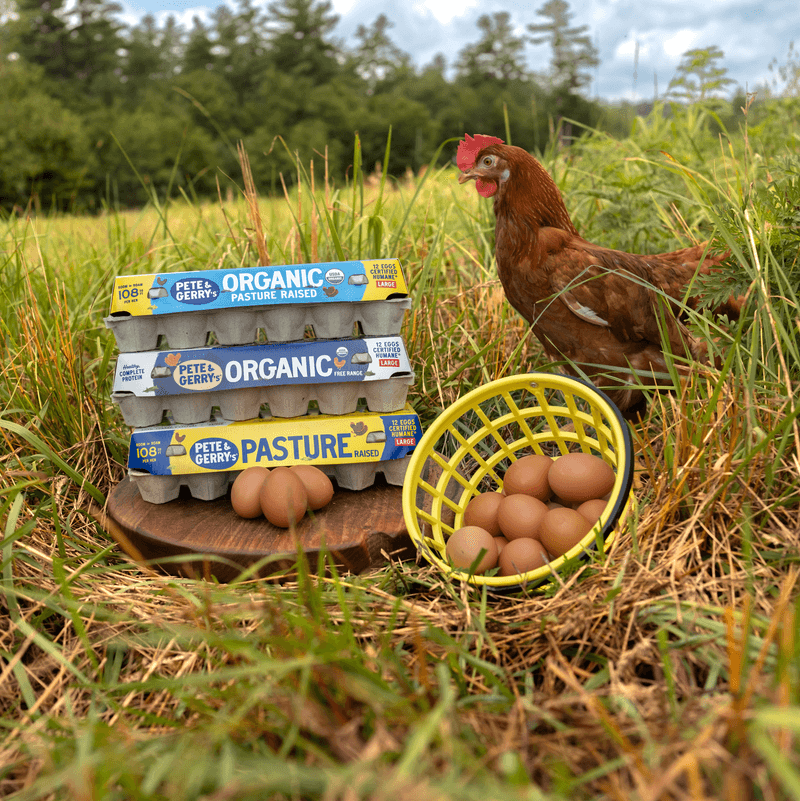
Not all eggs are created equal, and the label on the carton really does matter. Organic eggs come from hens that are fed certified organic feed free from synthetic pesticides and are not given antibiotics or hormones.
The hens also have outdoor access, which improves their welfare.
Research suggests organic eggs may have slightly better nutritional profiles, including higher vitamin D content. Beyond the health benefits, supporting farms with better animal welfare standards is a reason many shoppers choose organic eggs.
10. Potatoes
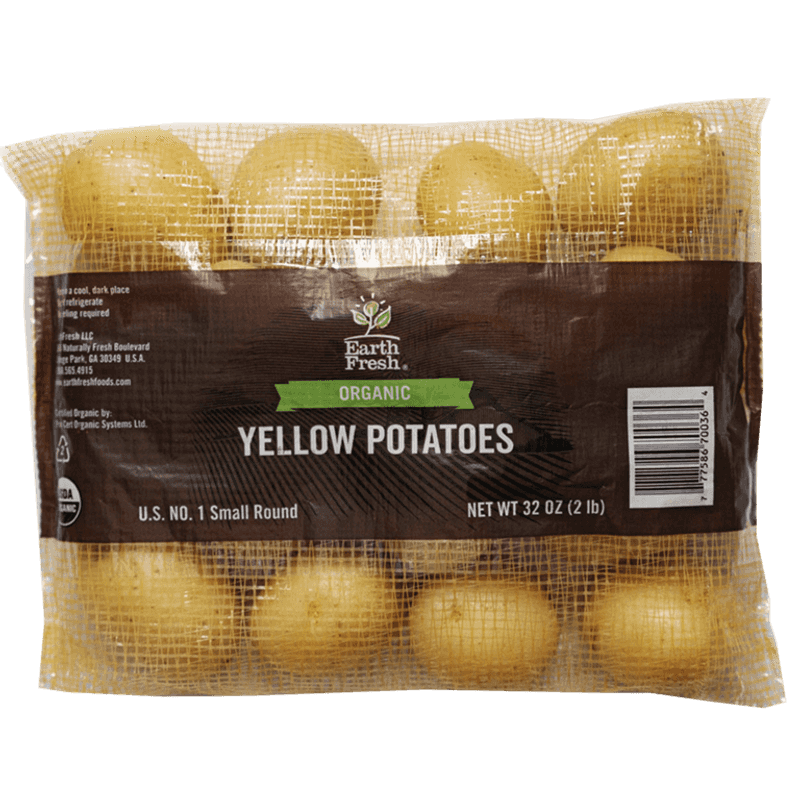
Potatoes grow underground, which means they absorb pesticides and fungicides directly from the soil throughout the growing season. Conventional potatoes are also often treated with sprout inhibitors after harvest to extend shelf life, adding yet another layer of chemical exposure.
Because potato skin is edible and nutritious, peeling away pesticides also means losing fibre and vitamins. Buying organic lets you enjoy the full potato, skin and all, without worrying about what came along with it from the field.
11. Blueberries
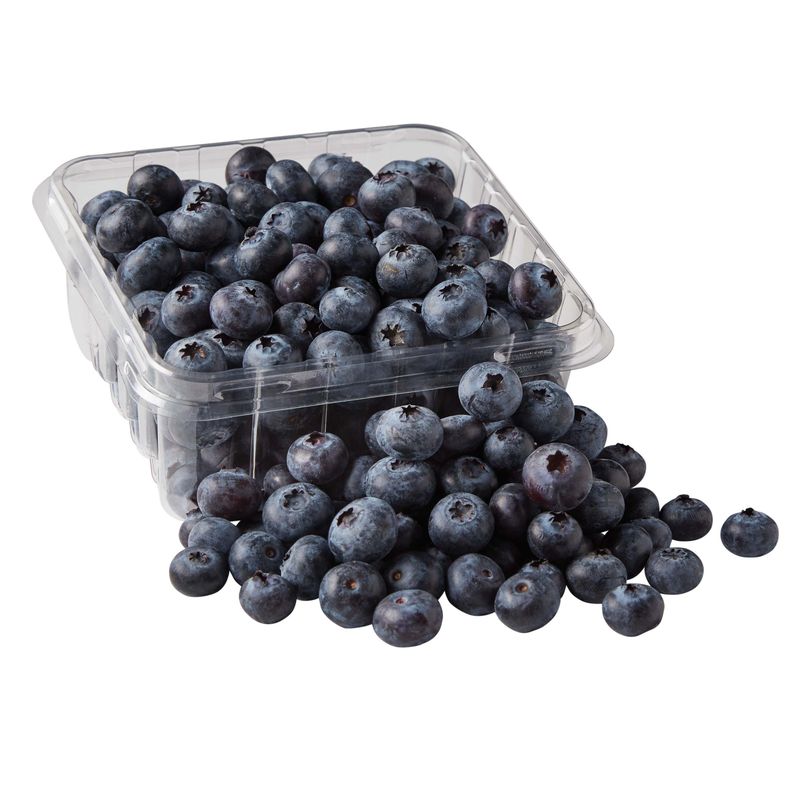
Blueberries are celebrated as a superfood for good reason, packed with antioxidants, fibre, and vitamins. But domestic blueberries frequently appear on pesticide residue watchlists, with some samples testing positive for concerning chemicals at higher levels than many other fruits.
Since you pop blueberries straight into your mouth without peeling or washing much, what is on the skin goes directly into your body. Organic blueberries are increasingly easy to find fresh or frozen, and the frozen version is just as nutritious for smoothies and baking.
12. Oats
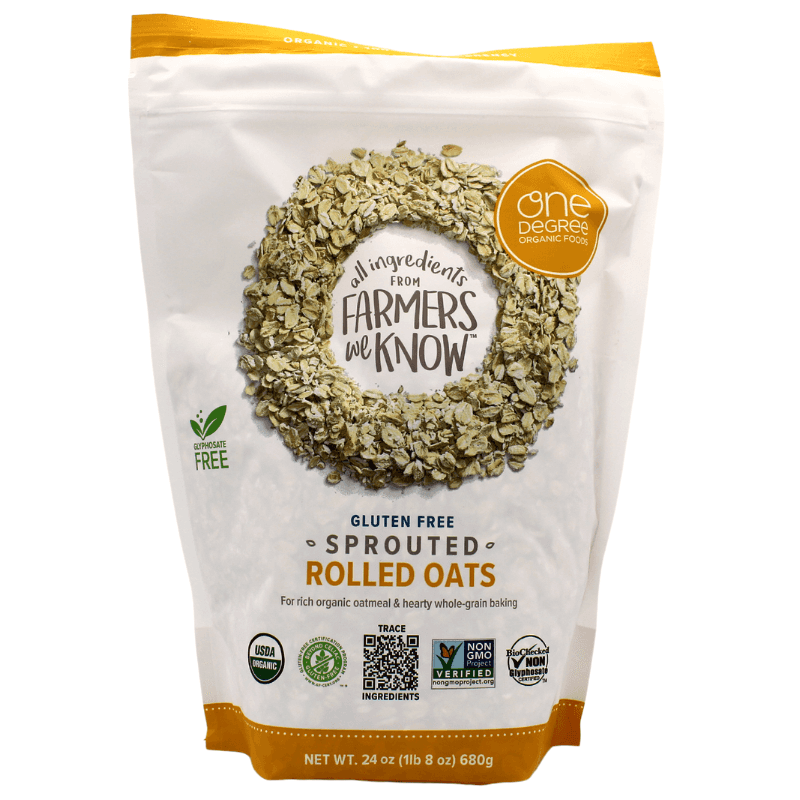
Oats are a breakfast staple for millions of people, eaten daily in porridge, granola, and overnight oats. The issue is that conventional oats are commonly sprayed with glyphosate, a herbicide used as a drying agent before harvest, and residues frequently turn up in finished oat products.
Choosing organic oats eliminates that concern entirely. Organic oats are certified to be free from synthetic herbicides, which matters a lot when oats are something you or your kids eat every single morning of the week.
13. Peanut Butter
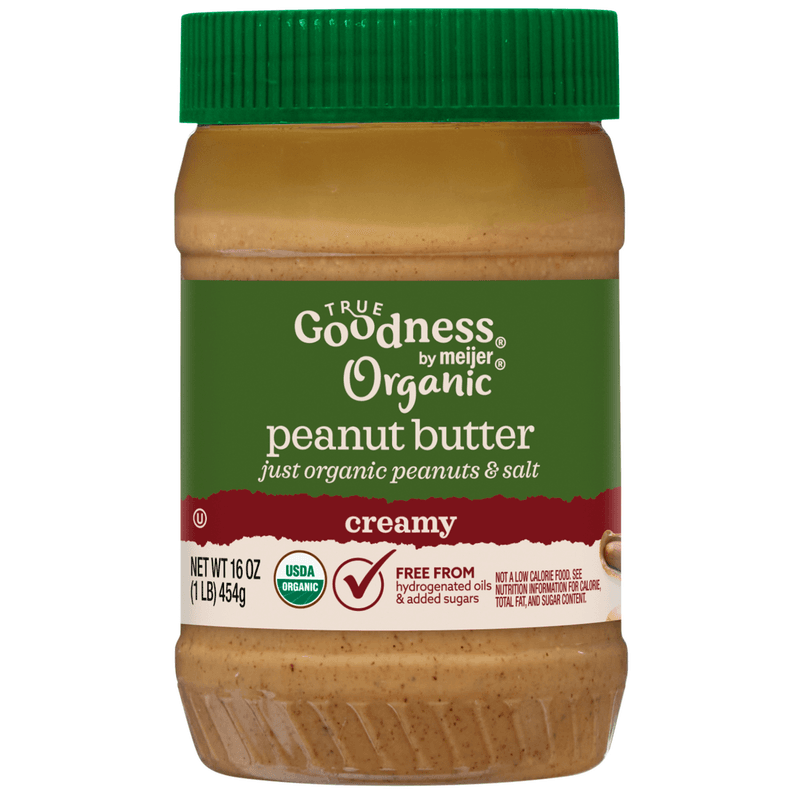
Peanuts grow underground and are prone to a mould called aflatoxin, which is why they are heavily treated with fungicides in conventional farming. The peanut butter you spread on toast or pack in a lunchbox could contain residues from those treatments.
Organic peanut butter is made from peanuts grown without synthetic pesticides and is usually free from added hydrogenated oils and excess sugar. Many people also find the flavour of organic peanut butter more natural and nutty, with just peanuts and maybe a pinch of salt.
14. Coffee
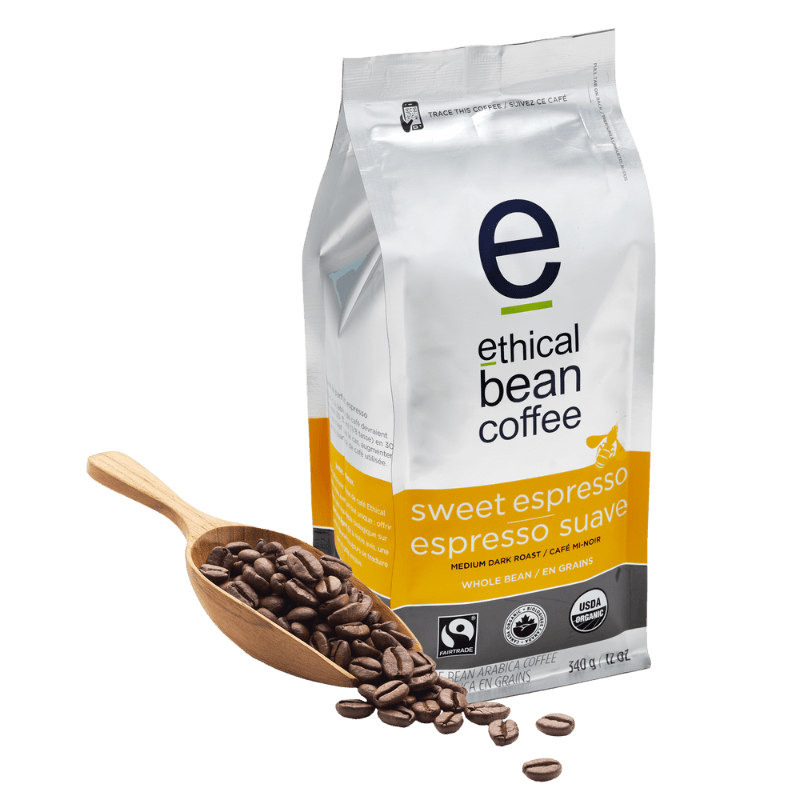
Coffee is one of the most heavily chemically treated crops in the world. Conventional coffee farms use large amounts of synthetic pesticides and fertilizers, and many of those chemicals remain in the growing environment and can affect the health of farm workers significantly.
Organic coffee is grown without those synthetic inputs, which is better for the environment, the farmers, and potentially for you. Many coffee lovers also swear that organic beans have a cleaner, more complex flavour, making this one upgrade that improves both ethics and taste.
15. Tomatoes
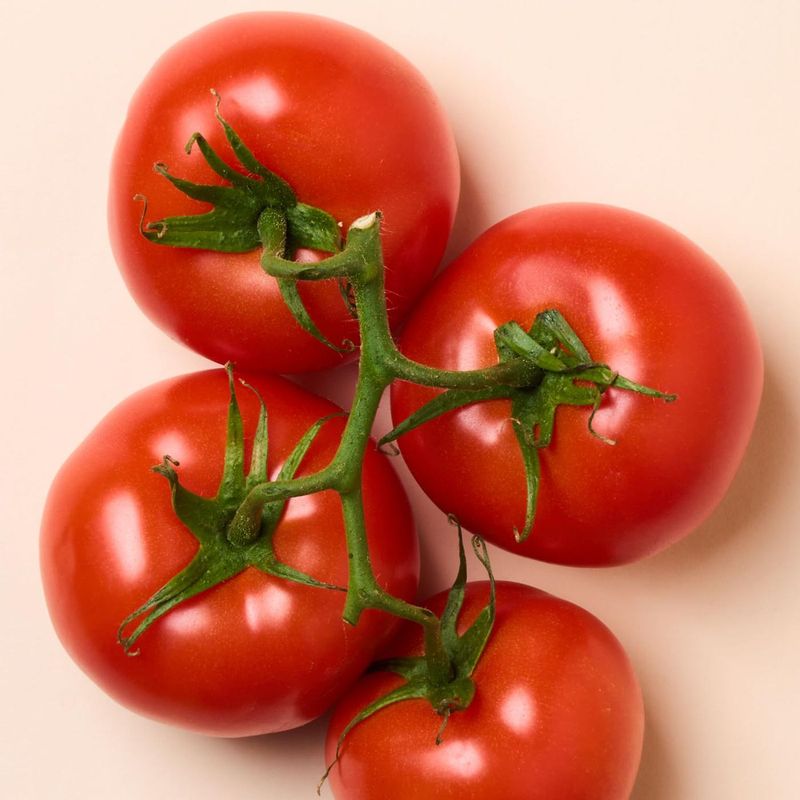
Tomatoes are a kitchen essential, used in everything from pasta sauces to sandwiches and salads. Conventional cherry tomatoes and grape tomatoes consistently rank among the most pesticide-contaminated produce items, with residues found on a high percentage of samples tested.
Organic tomatoes often have a more intense, true tomato flavour, especially when vine-ripened. If you cook tomatoes down into sauces or soups where the volume concentrates, any pesticide residues also concentrate, making the organic choice even more worthwhile for regular home cooks.
16. Kale
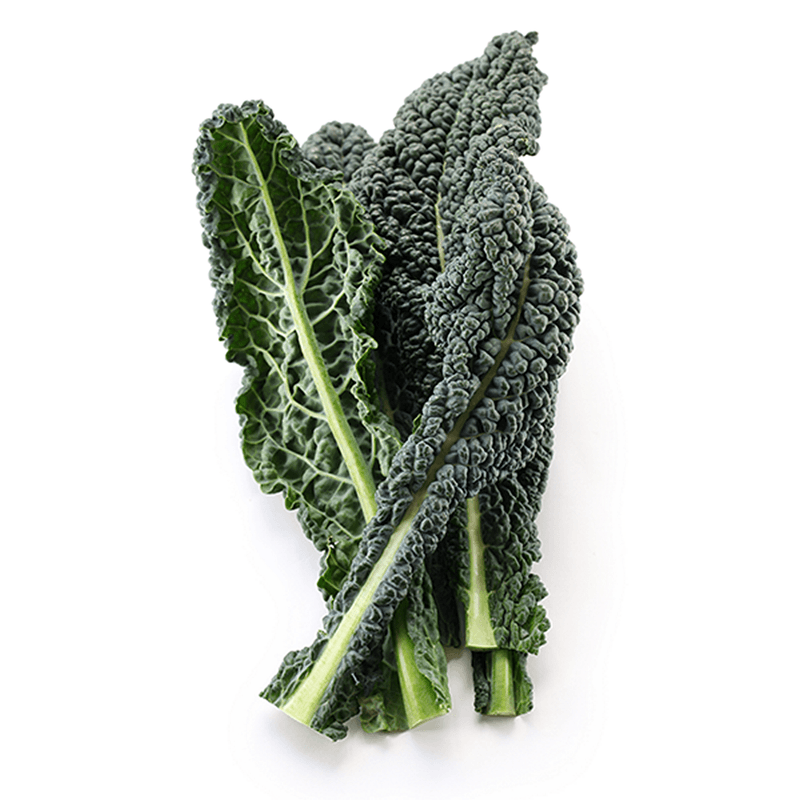
Kale became a health food icon, but conventional kale carries a surprising pesticide burden. It regularly appears on watchdog lists for containing residues of DACT, a breakdown product of a pesticide called atrazine, along with other concerning chemicals not commonly found on other vegetables.
Eating kale raw in salads or blending it into smoothies means you get maximum exposure to whatever is on the leaves. Organic kale gives you all the iron, calcium, and antioxidants kale is famous for, without the unwanted chemical extras hiding in the leaves.
17. Baby Food
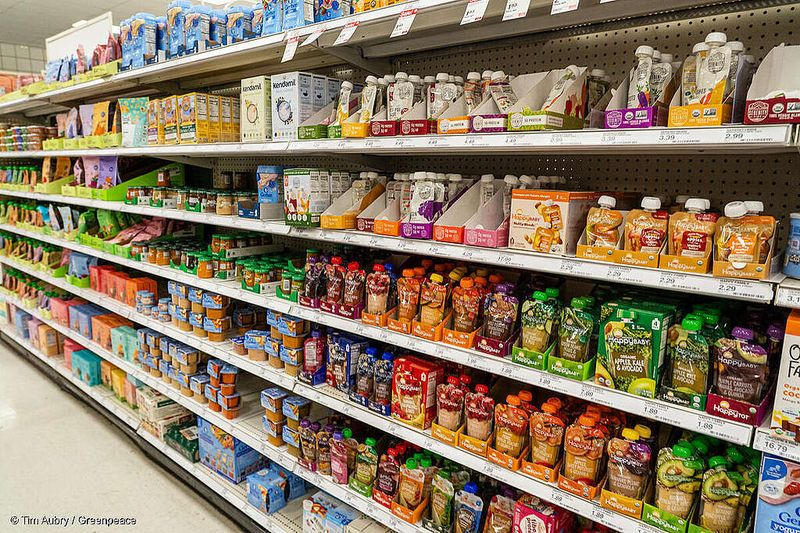
Babies eat a lot of pureed fruits and vegetables relative to their tiny body weight, which means any pesticide residues in those foods are proportionally much more significant for them than for adults. Developing nervous systems are especially vulnerable to chemical exposures during infancy and early childhood.
Choosing organic baby food is one of the most impactful swaps a parent can make. Many major grocery chains now stock a wide range of affordable organic baby food options, from single-ingredient purees to mixed meals in convenient pouches.
18. Butter
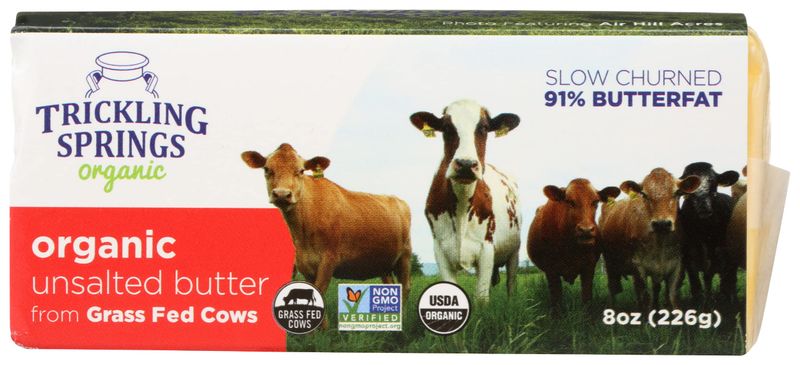
Fat-soluble chemicals, including certain pesticides and hormones, accumulate in animal fat. Since butter is essentially pure dairy fat, it can concentrate whatever was in the milk used to make it.
Conventional butter may contain traces of pesticides and synthetic hormones from the cow’s feed and environment.
Organic butter, especially from grass-fed cows, has been shown to contain higher levels of conjugated linoleic acid and omega-3 fatty acids. It melts beautifully, tastes rich and clean, and is a worthwhile upgrade for something you likely use every day in cooking.
19. Soy Products
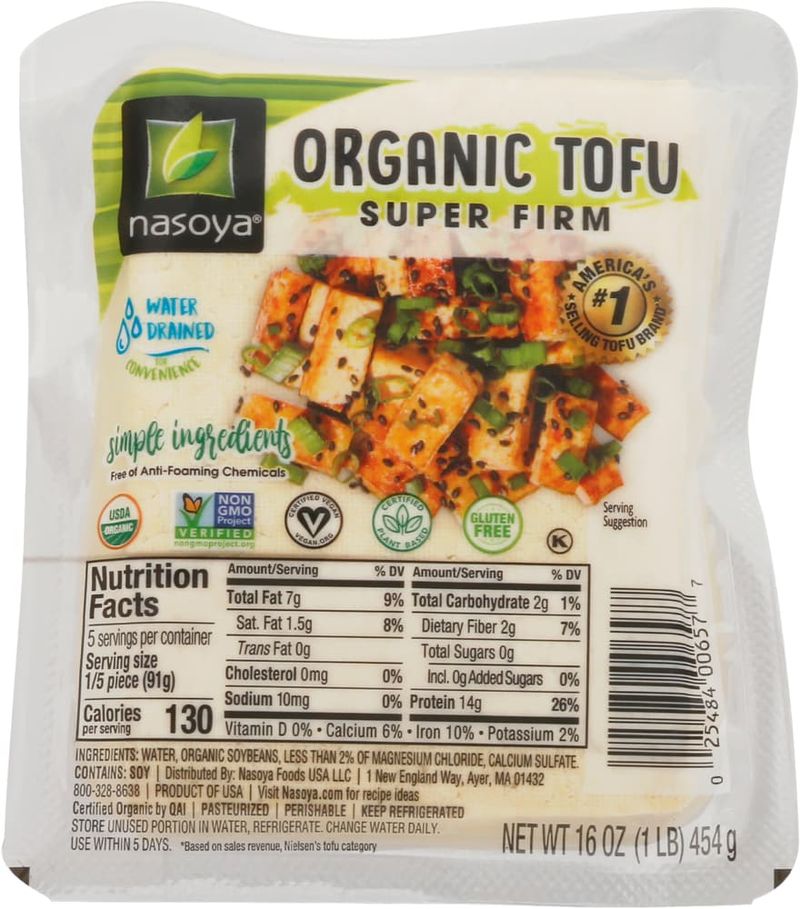
The vast majority of soybeans grown conventionally are genetically modified and heavily treated with glyphosate-based herbicides. Soy shows up in an enormous number of foods, from tofu and edamame to soy milk and soy-based protein products that fill grocery shelves today.
Organic soy is non-GMO by definition and grown without synthetic herbicides. If you eat a lot of soy-based foods, switching to organic versions is a meaningful step.
Organic tofu, soy milk, and edamame are all widely available at competitive prices in most supermarkets.
20. Cucumbers
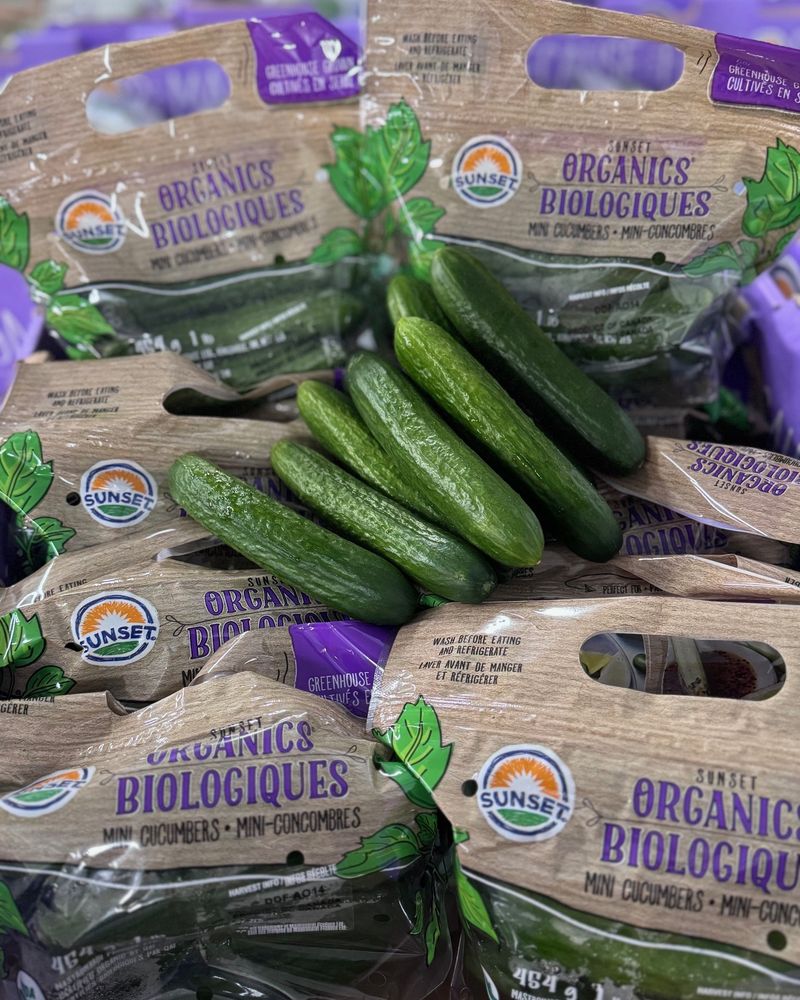
Cucumbers have thin, edible skin that most people either eat directly or leave on for texture and nutrition. That skin, however, acts like a sponge for pesticides, and conventional cucumbers are regularly found to carry significant residue levels from multiple different chemicals used in growing.
Peeling a cucumber removes many residues but also strips away fibre and nutrients. Organic cucumbers let you enjoy the full vegetable without compromise.
They are refreshing, hydrating, and perfect for snacking, salads, or blending into cold summer soups.
21. Chicken
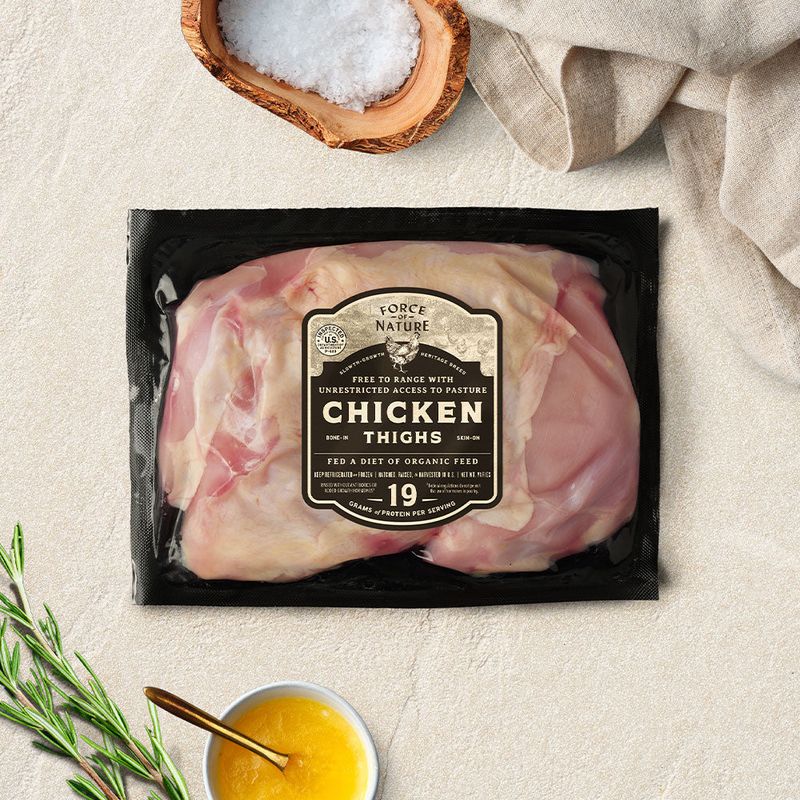
Conventional chicken is often raised in crowded conditions and given antibiotics routinely, not just when sick, but as a preventive measure to promote faster growth. This practice contributes to antibiotic resistance, a growing public health concern that affects how well antibiotics work for all of us.
Organic chicken must be raised without antibiotics, fed certified organic feed, and given outdoor access. It tends to have a firmer texture and cleaner flavour.
For a protein source eaten multiple times a week in many households, this is one of the most impactful organic upgrades you can make.