
Food names can be wonderfully weird. Some dishes sound like they contain ingredients they absolutely do not have, while others are named after places, people, or things that make zero sense once you see what is on your plate.
Whether you are a curious eater or just love fun food facts, this list will surprise you. Get ready to look at some familiar favorites in a completely new way.
1. Spotted Dick
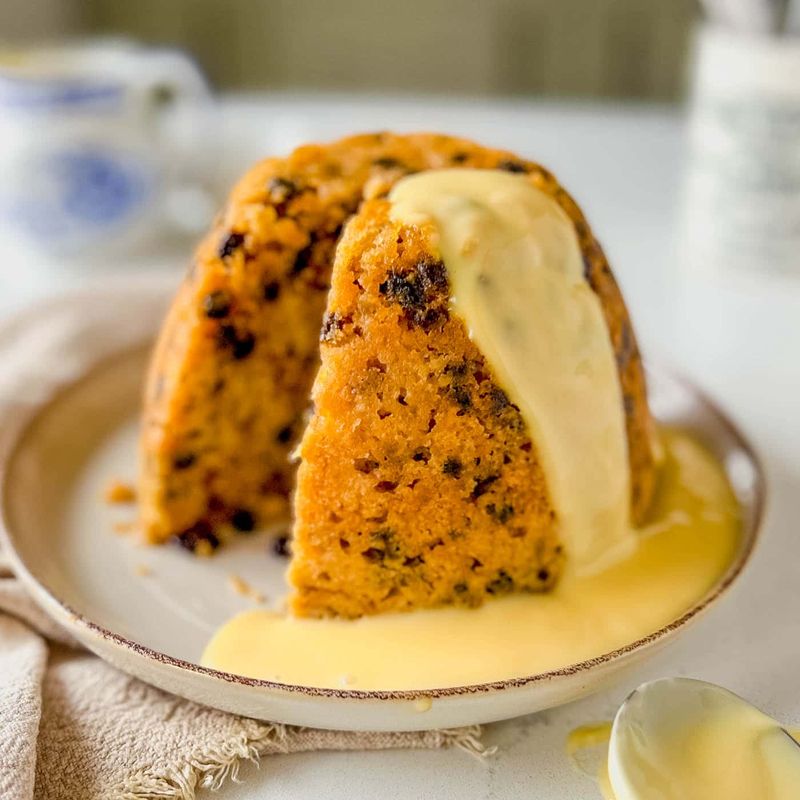
Before you raise an eyebrow, this is a classic British dessert with absolutely no connection to its cheeky-sounding name. Spotted Dick is a steamed suet pudding loaded with raisins or currants.
The “spotted” part refers to the dried fruit, and “dick” likely comes from an old word for dough or pudding.
It has been a comfort food staple in Britain since the 1800s. Served warm with custard, it is rich, satisfying, and surprisingly delicious.
2. Toad in the Hole
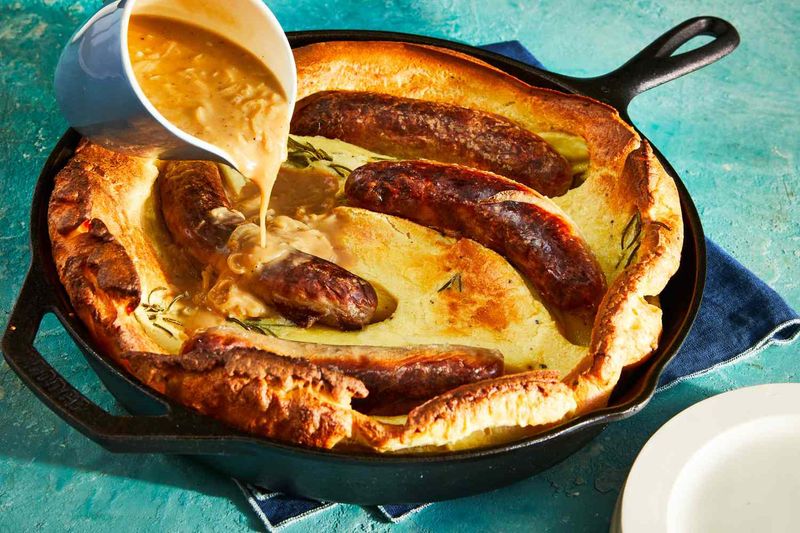
No amphibians are harmed in the making of this dish, we promise. Toad in the Hole is a beloved British comfort food made by baking pork sausages inside a fluffy Yorkshire pudding batter.
The sausages poke through the batter as it rises, which some say resembles toads peeking out of a hole.
It is hearty, filling, and typically served with onion gravy. The name is odd, but the flavor is absolutely worth it.
3. Elephant Ears
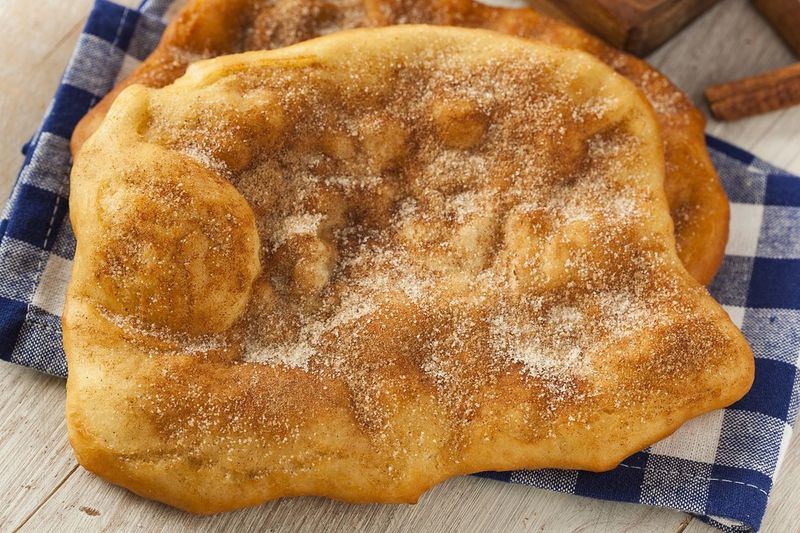
Walk through any state fair and you will spot these enormous fried dough treats dusted with cinnamon and sugar. Elephant Ears contain zero elephant and zero actual ears.
The name comes purely from the shape – flat, wide, and slightly ruffled, much like the ear of an elephant.
They are crispy on the outside and chewy in the middle, making them a carnival classic. Some regions call them Beaver Tails or Fry Bread, adding to the animal-name confusion.
4. Welsh Rarebit
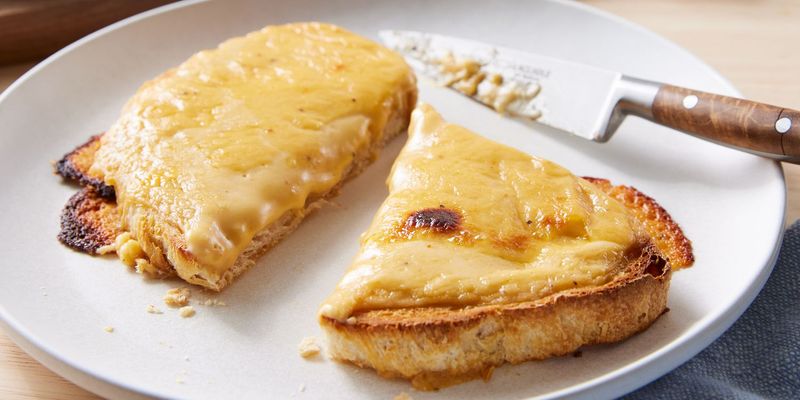
Despite the word “rarebit,” there is no rabbit on the plate. Welsh Rarebit is essentially a rich, savory cheese sauce made with ale, mustard, and Worcestershire sauce, poured over toasted bread.
It is thought that “rarebit” was a humorous spin on “rabbit,” mocking the Welsh for being too poor to afford meat.
Historians debate the exact origin, but everyone agrees the dish is a warm, comforting classic. Cheese lovers consider it pure gold on toast.
5. Rocky Mountain Oysters
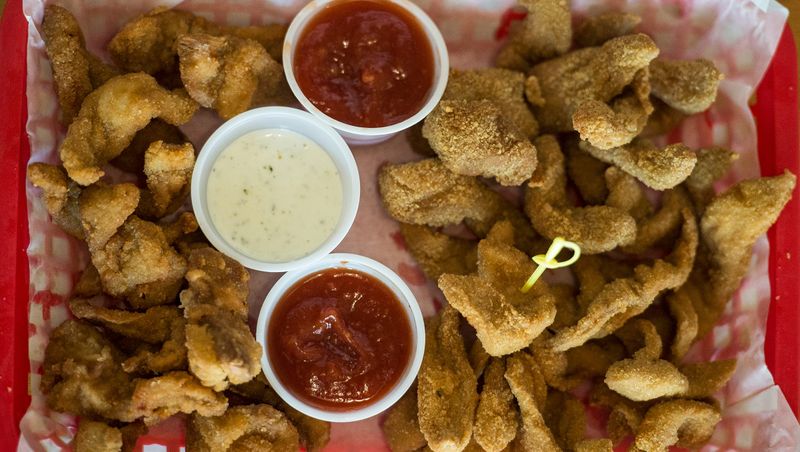
The ocean is nowhere near this dish. Rocky Mountain Oysters are actually deep-fried bull testicles, a delicacy popular in cattle-ranching regions of the American West.
The name is a playful euphemism that has stuck around for generations, likely to make the dish sound more appetizing to first-timers.
They are typically battered, fried, and served with dipping sauce. Festivals dedicated to this unusual food are held every year in Colorado, drawing thousands of adventurous eaters.
6. Ladyfingers
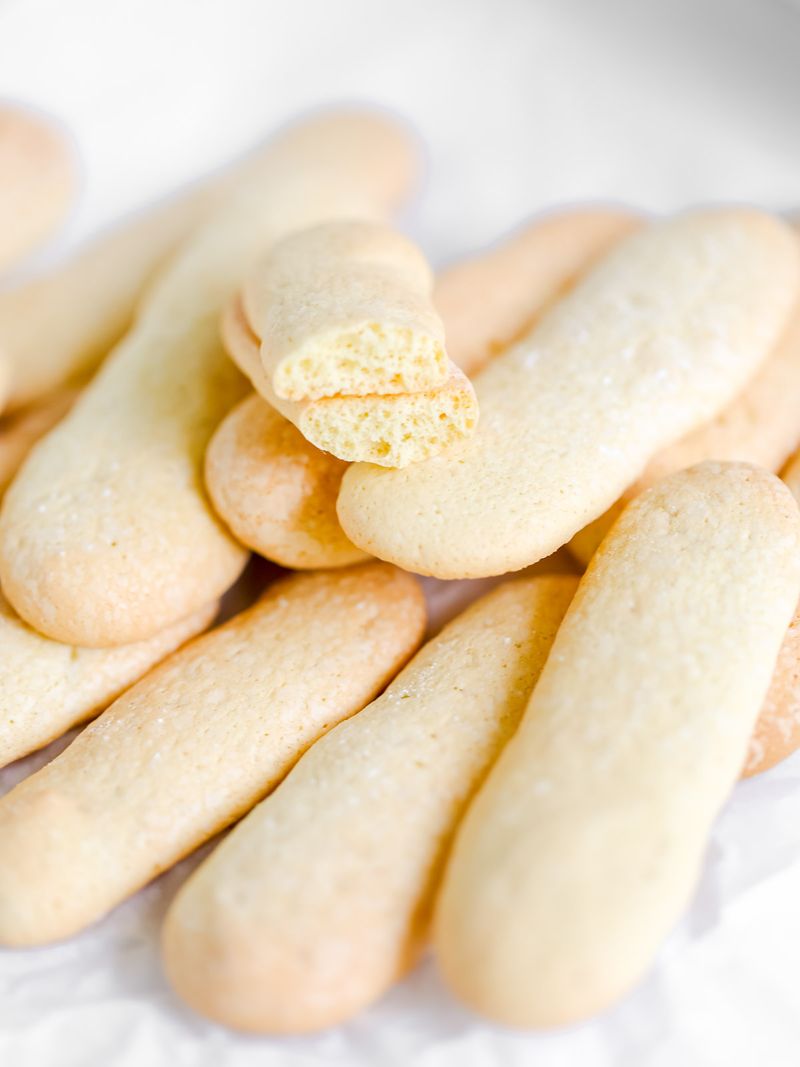
Nobody is baking actual fingers here. Ladyfingers are light, dry, sponge-cake biscuits shaped like elongated ovals that vaguely resemble slender fingers.
They are a key ingredient in classic Italian tiramisu and many other layered desserts.
The name is believed to come from the elegant, delicate shape that was associated with aristocratic women in the 1800s. Soft, airy, and slightly sweet, they soak up coffee or liqueur beautifully.
You will find them in bakeries and grocery stores worldwide.
7. Shoofly Pie
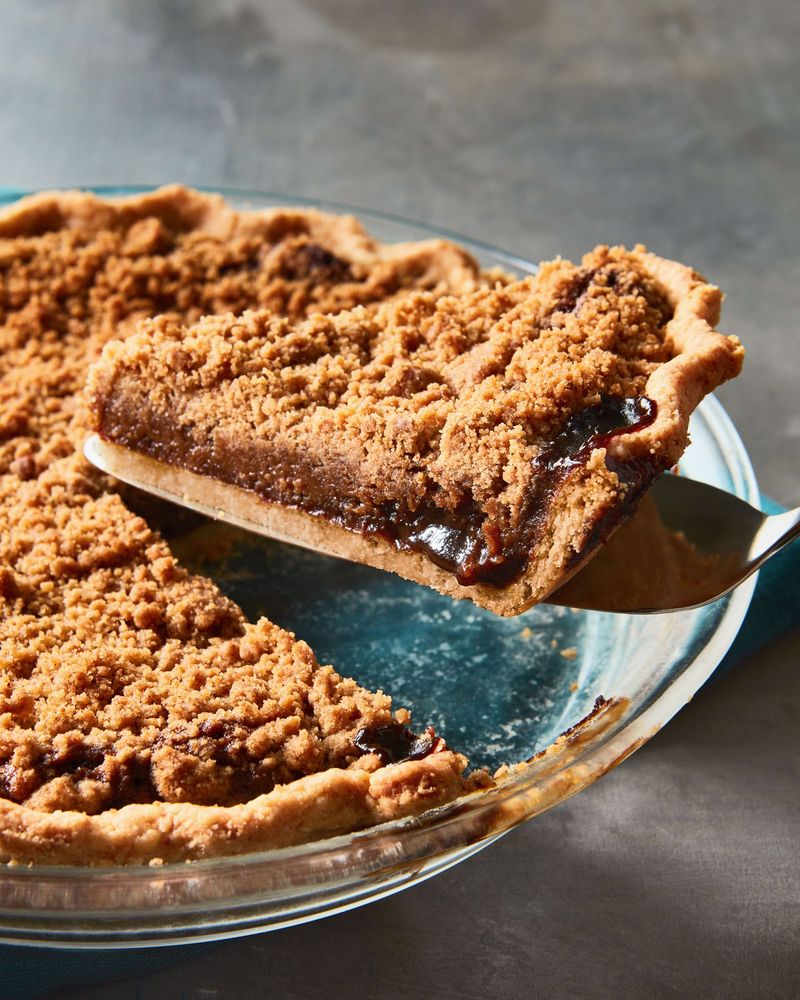
This pie does not actually repel flies, though the name suggests otherwise. Shoofly Pie is a Pennsylvania Dutch specialty made with a gooey molasses filling topped with a crumbly brown sugar and flour mixture.
The leading theory about the name is that the sweet filling attracted flies, causing bakers to constantly shoo them away.
It is intensely sweet and dense, almost like a sugar pie. Some people enjoy it for breakfast with coffee, which honestly sounds like a great morning.
8. Bubble and Squeak
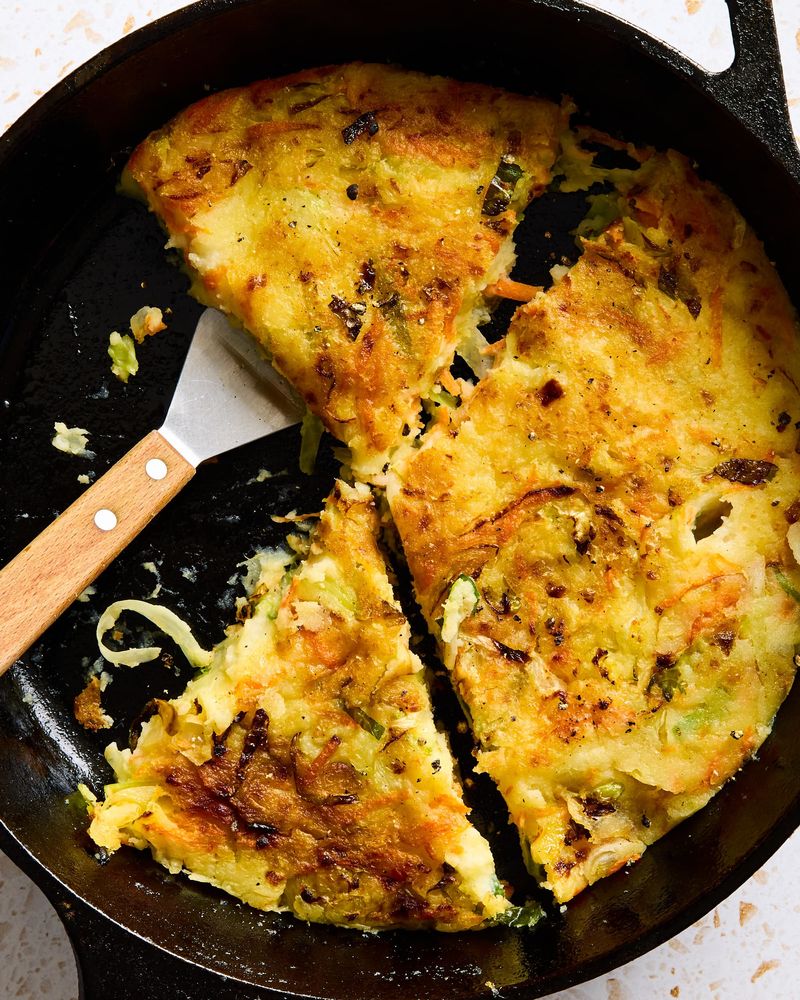
This British dish has one of the most playful names in all of food history. Bubble and Squeak is made from leftover mashed potatoes and cooked cabbage, fried together in a pan until crispy and golden.
The name reportedly comes from the bubbling and squeaking sounds the vegetables make while cooking.
It is a clever way to use up Sunday dinner leftovers. Simple, budget-friendly, and satisfying, it proves that boring ingredients can become something truly enjoyable.
9. Nun’s Puffs
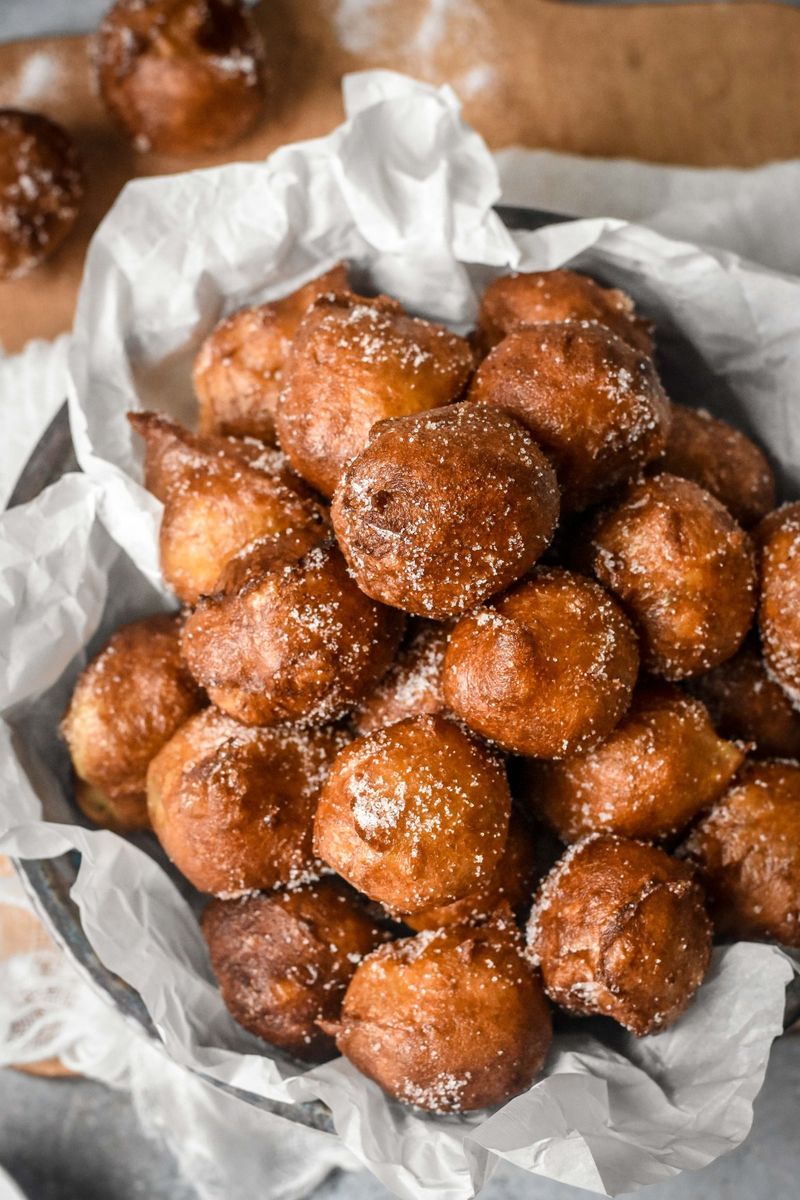
Light, airy, and slightly crispy on the outside, Nun’s Puffs are small fried or baked dough balls that have nothing to do with religious life. The origin of the name is fuzzy, but these little pastries have been enjoyed in France and America for centuries.
Made from a simple choux-like dough, they puff up dramatically during cooking. Dusted with powdered sugar or dipped in syrup, they are an underrated treat.
Think of them as the quieter, lesser-known cousin of a cream puff.
10. Pigs in Blankets
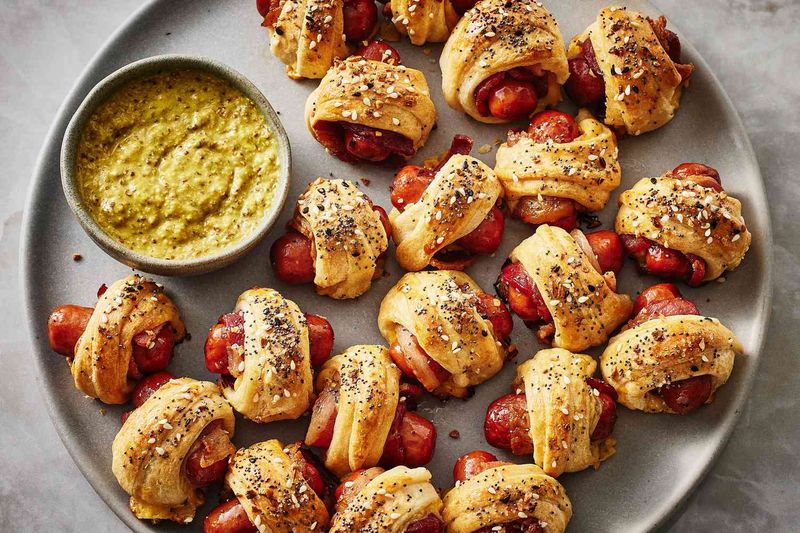
No actual pigs are getting tucked in for a nap here. Depending on where you live, Pigs in Blankets can mean two completely different things.
In the United States, it refers to cocktail sausages wrapped in crescent roll dough. In the United Kingdom, it means small sausages wrapped in bacon.
Both versions are wildly popular at parties and holiday gatherings. The name is purely visual – the sausage looks like a little creature snuggled inside a cozy wrap.
11. Thousand Island Dressing
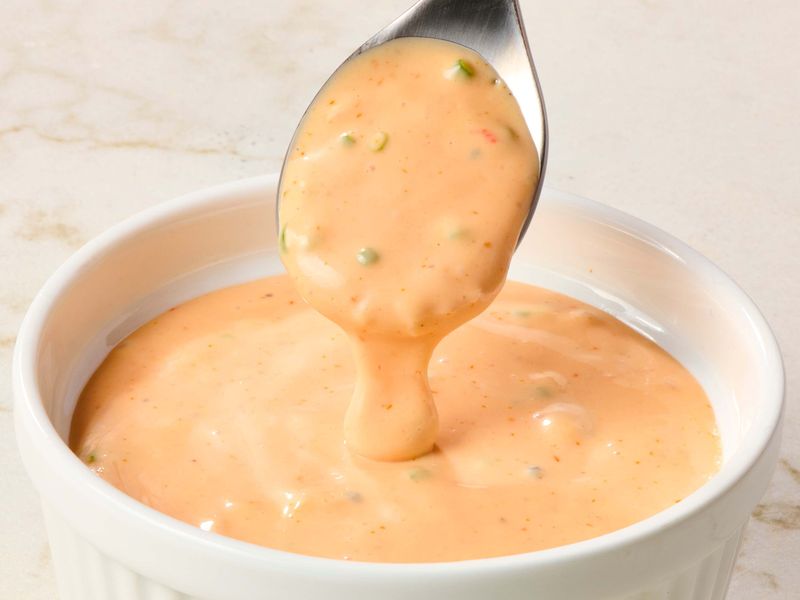
You will not find a thousand islands in this salad dressing, but the name does have a real geographic connection. Thousand Island Dressing was reportedly created in the early 1900s near the Thousand Islands region along the St. Lawrence River between the U.S. and Canada.
The creamy, tangy dressing is made from mayonnaise, ketchup, pickles, and various seasonings. It became famous partly because a showgirl passed the recipe to a hotel owner who made it a menu star.
12. Scotch Eggs
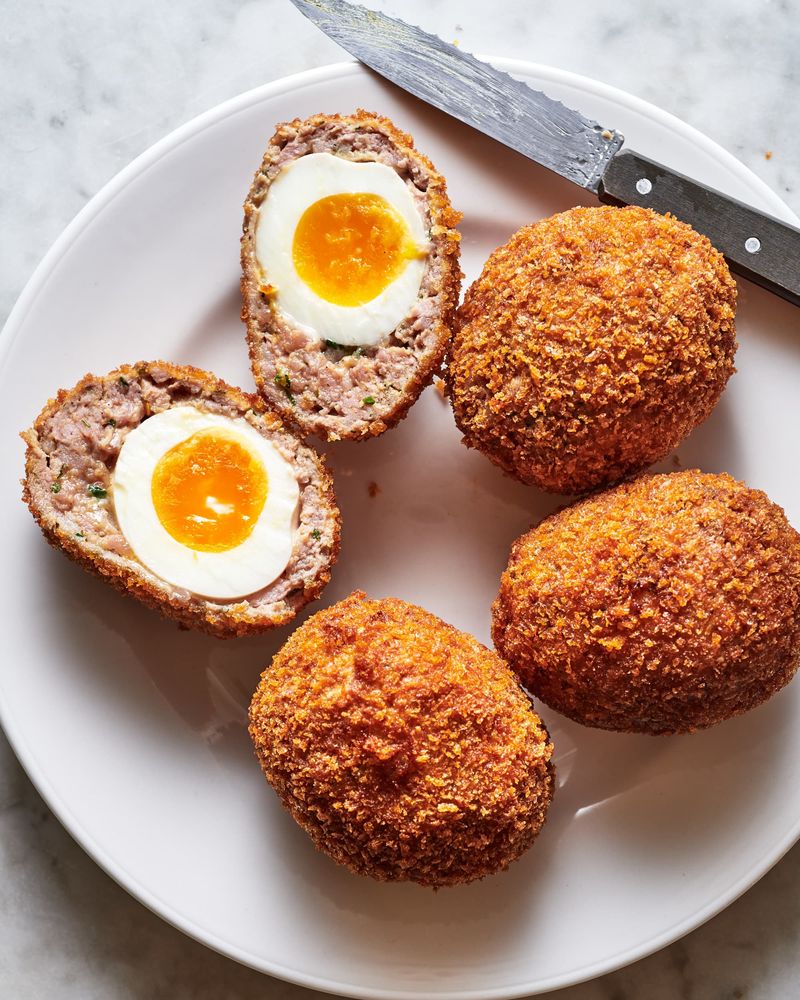
Scotland may get the credit in the name, but the true origin of Scotch Eggs is hotly debated. A hard or soft-boiled egg is wrapped in seasoned sausage meat, coated in breadcrumbs, and then deep-fried until golden and crunchy.
Some food historians credit a London department store called Fortnum and Mason with inventing them in 1738.
They are a popular British pub snack and picnic staple. Sliced in half, the yolk-and-meat combination looks as impressive as it tastes.
13. Mississippi Mud Pie
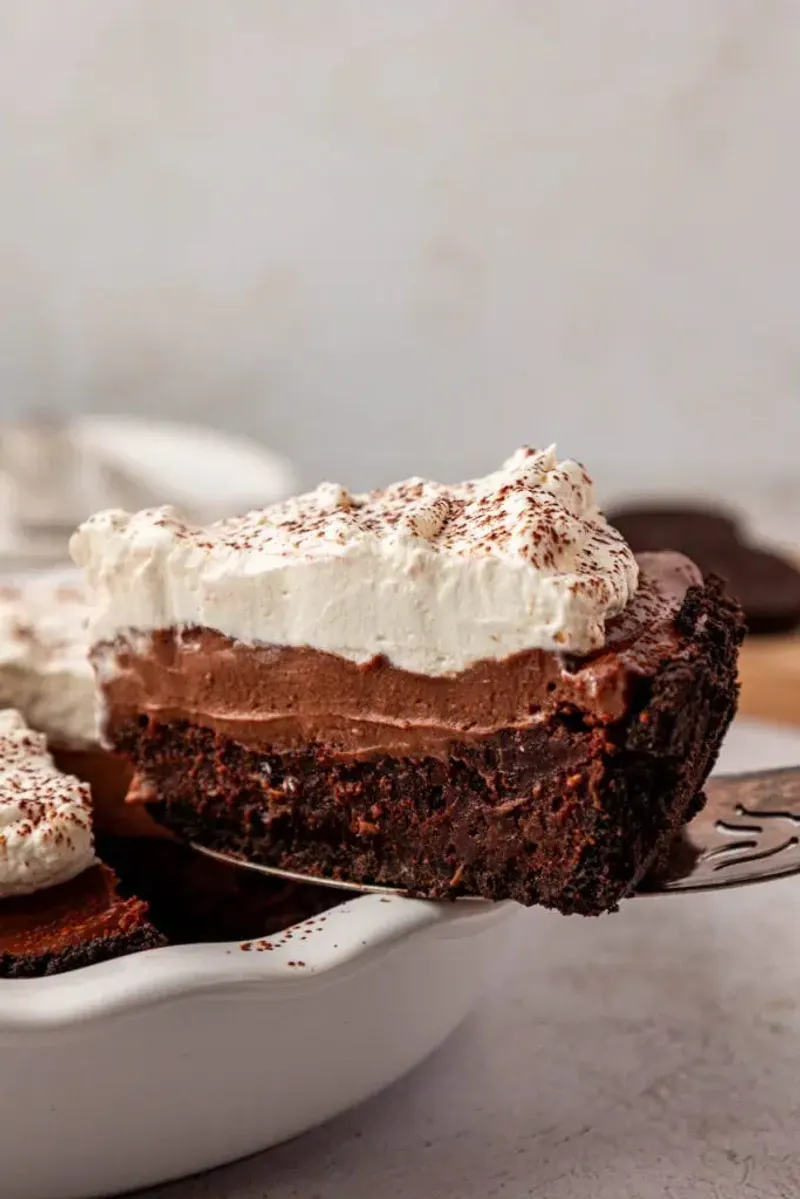
Mud is not an ingredient, thankfully. Mississippi Mud Pie is a deeply chocolatey American dessert with a dense, fudgy texture that supposedly resembles the muddy banks of the Mississippi River.
It typically features a brownie-like base, a layer of marshmallows or fudge, and a chocolate topping.
Every family seems to have their own version, making it one of those wonderfully flexible recipes. Rich, indulgent, and unapologetically over the top, it is a chocolate lover’s dream on a plate.
14. Angel Hair Pasta
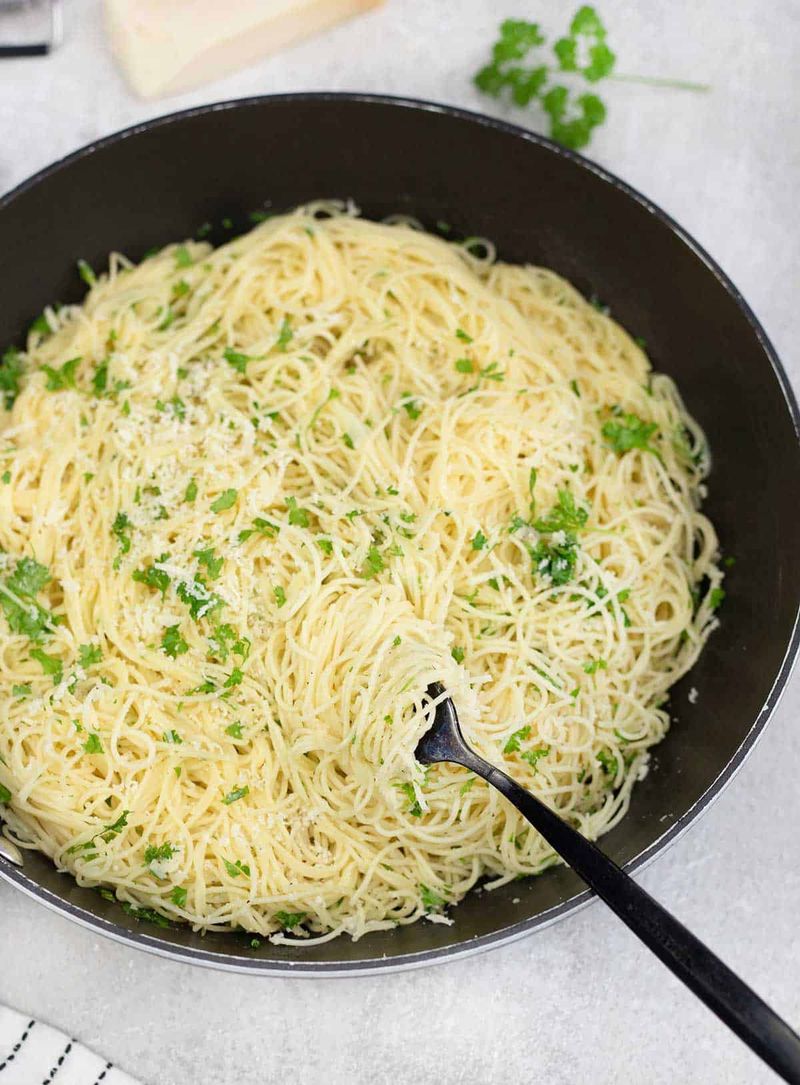
No angels were involved in producing this pasta, but the name perfectly captures its delicate character. Angel Hair, known in Italian as capellini, is the thinnest of all pasta varieties.
The strands are so fine and wispy that someone clearly thought they resembled the hair of heavenly beings.
Because of its thinness, it cooks in just two to three minutes and pairs best with light sauces like olive oil, garlic, or simple tomato. Heavy sauces tend to overpower it completely.
15. Boston Cream Pie
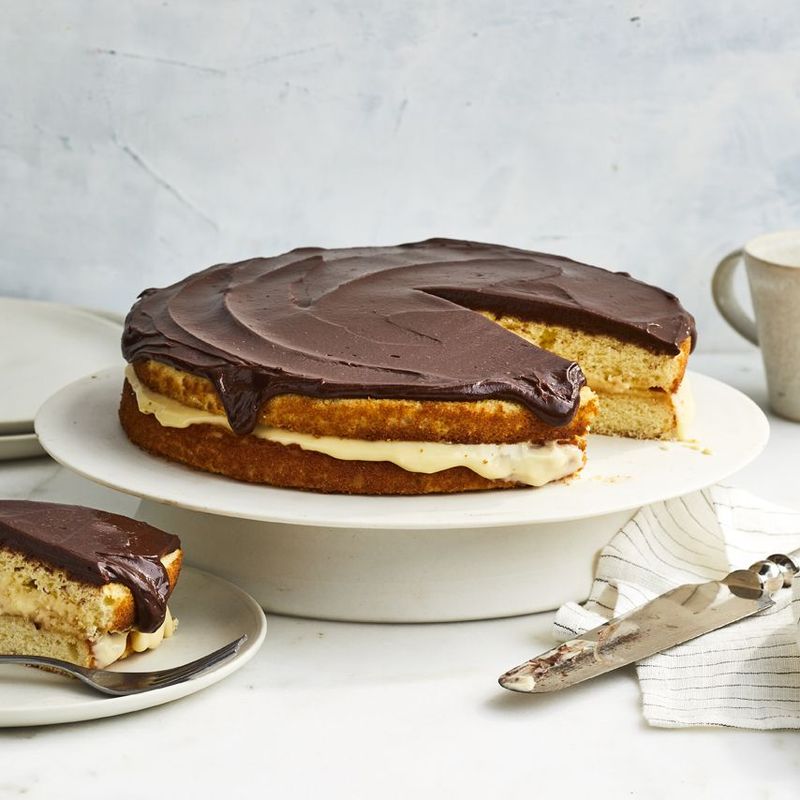
Calling this a pie is genuinely confusing because it is absolutely, unmistakably a cake. Boston Cream Pie is two layers of yellow sponge cake filled with rich vanilla custard and topped with a shiny chocolate glaze.
The reason it is called a pie goes back to the 1800s, when cakes and pies were often baked in the same pans.
It was created at the Parker House Hotel in Boston in 1856. Massachusetts even made it the official state dessert in 1996.
16. Deviled Eggs
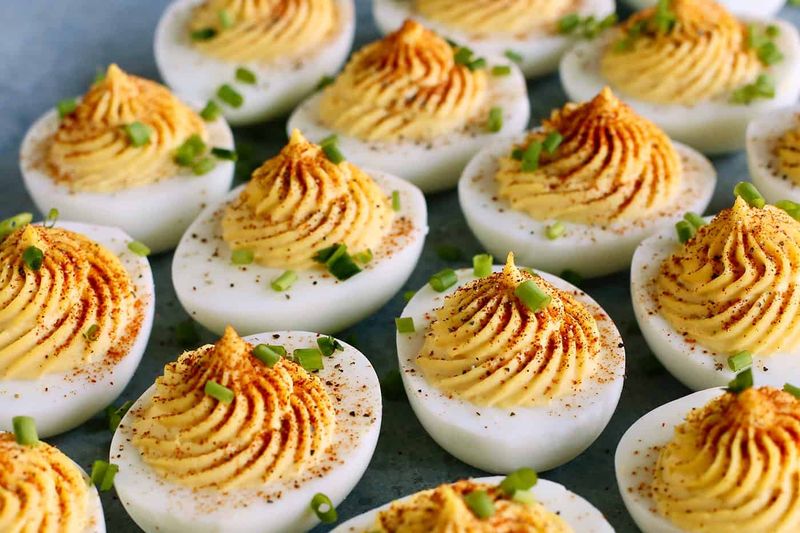
Nobody summoned anything supernatural to make these appetizers. Deviled Eggs got their name from the old culinary term “deviled,” which referred to food prepared with hot or spicy seasoning.
The yolks are mixed with mustard, mayonnaise, and spices before being piped back into the egg whites.
The term dates back to the 18th century in Britain. These creamy, tangy bites are a staple at picnics, potlucks, and holiday gatherings across the United States, and they disappear from the platter incredibly fast.
17. Hot Cross Buns
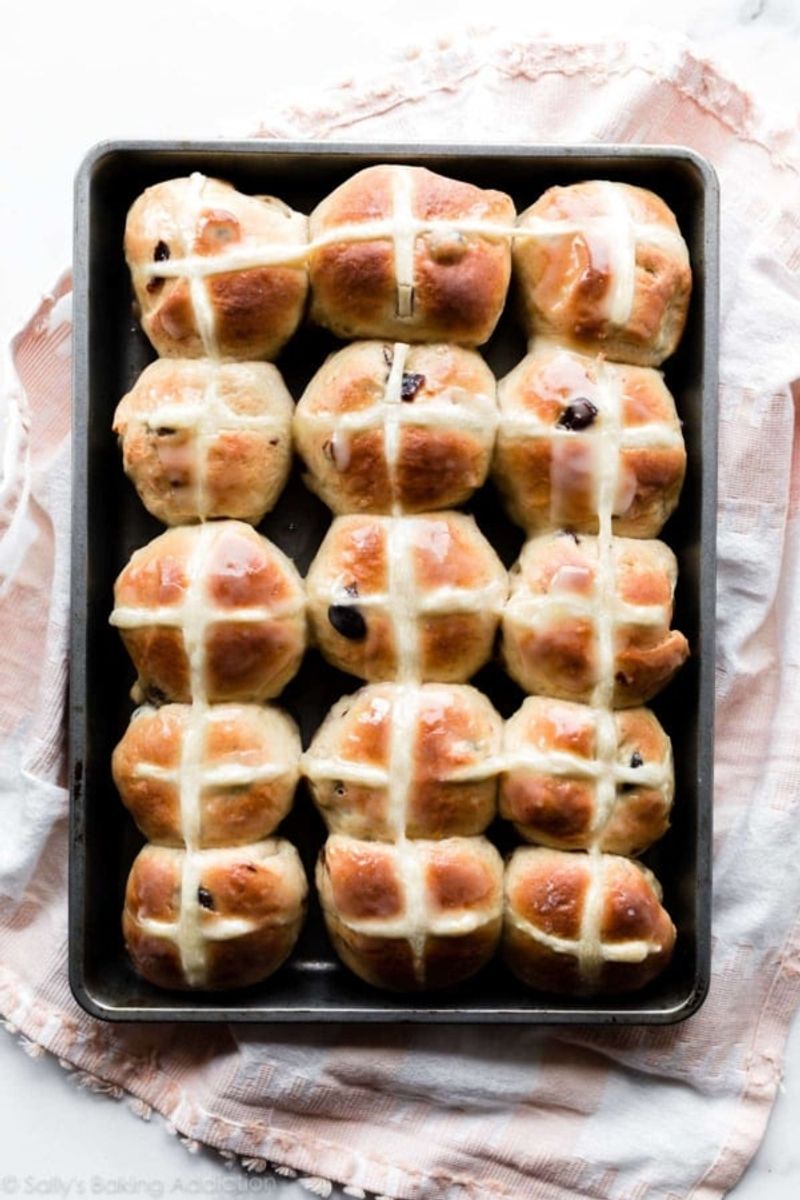
These buns are warm and sweet, not angry. Hot Cross Buns are spiced, slightly sweet rolls made with currants or raisins and marked with a white icing cross on top.
The cross is a Christian symbol representing the crucifixion, and these buns have been traditionally eaten on Good Friday in England for centuries.
They are spiced with cinnamon, nutmeg, and allspice, giving them a cozy, aromatic flavor. Toasted with butter, they are one of the most comforting baked goods imaginable.
18. Cowboy Caviar
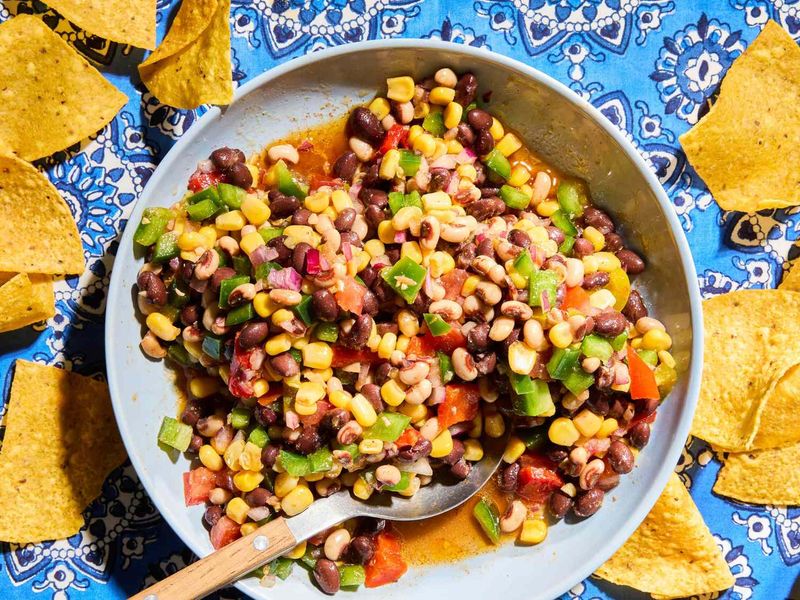
Real caviar costs hundreds of dollars and comes from fish eggs. Cowboy Caviar costs almost nothing and contains absolutely no fish whatsoever.
This zesty Texan dip is made from black-eyed peas, corn, tomatoes, onion, avocado, and a bright lime vinaigrette dressing.
It was reportedly invented in the 1940s by chef Helen Corbitt, who served it on New Year’s Eve in Texas. The name is purely tongue-in-cheek.
Served with tortilla chips, it is fresh, colorful, and incredibly addictive at any gathering.
19. Hummingbird Cake
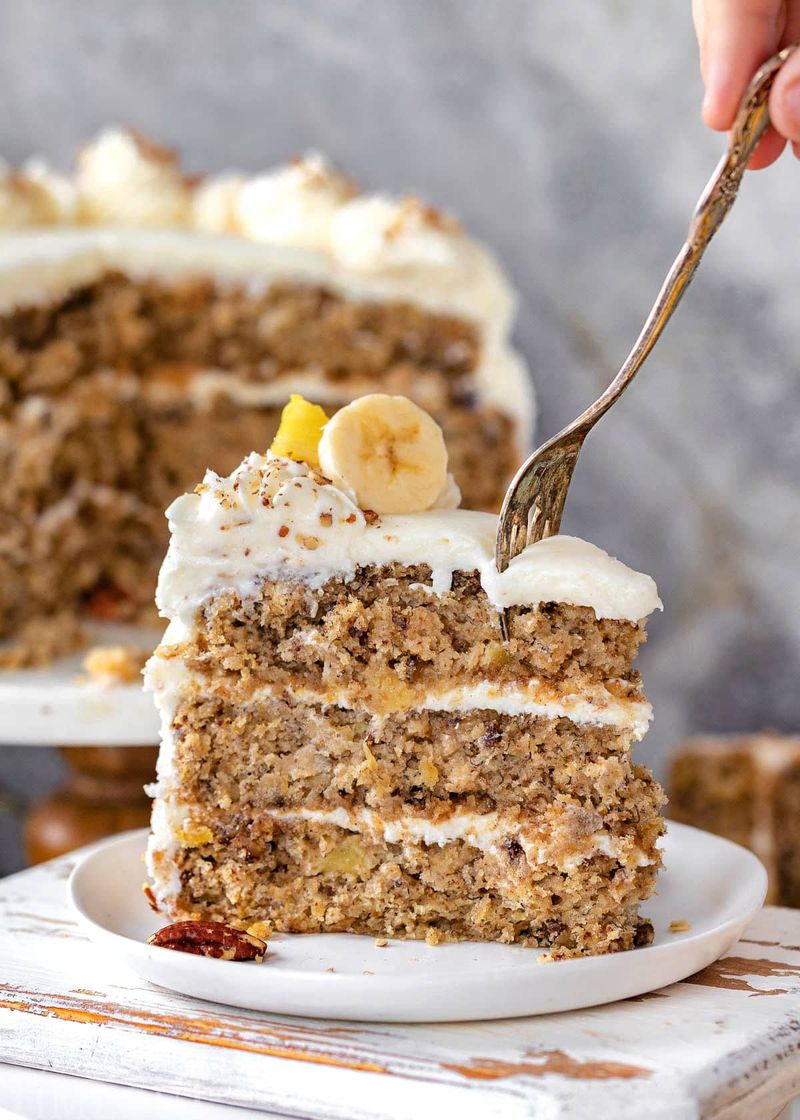
No tiny birds were harmed or included in this recipe. Hummingbird Cake is a moist Southern layer cake made with bananas, crushed pineapple, pecans, and warm spices, frosted generously with cream cheese icing.
The name is thought to reference the cake being so sweet it attracts hummingbirds, or that it makes people hum with delight.
It first appeared in Southern Living magazine in 1978 and quickly became one of their most requested recipes ever. One bite and the name suddenly makes perfect sense.