
The 1970s were a golden age for comedy, packed with bold voices and unforgettable performances that changed the way people laughed. From groundbreaking TV shows to daring stand-up acts, comedians of this era tackled real-life topics in ways nobody had seen before.
These performers did not just tell jokes – they challenged the world around them and left a mark that still influences comedy today. Get ready to meet the legends who made the 1970s one of the funniest decades in history.
1. Richard Pryor
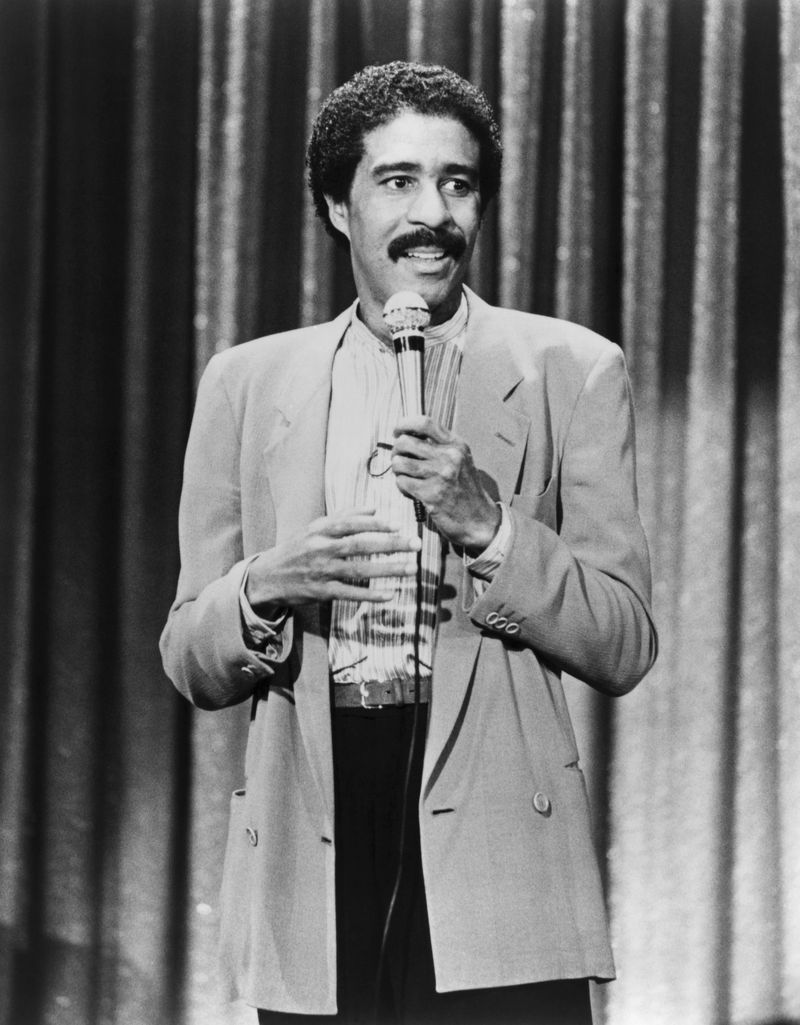
Nobody told the truth quite like Richard Pryor. He stepped onto the stage and turned his own painful experiences – poverty, addiction, and racism – into comedy that hit hard and felt deeply real.
His albums like “That Nigger’s Crazy” (1974) sold millions and won Grammy Awards.
Pryor also co-wrote the classic Western parody “Blazing Saddles” (1974). His raw honesty permanently changed what stand-up comedy could be and inspired countless performers who followed him.
2. George Carlin
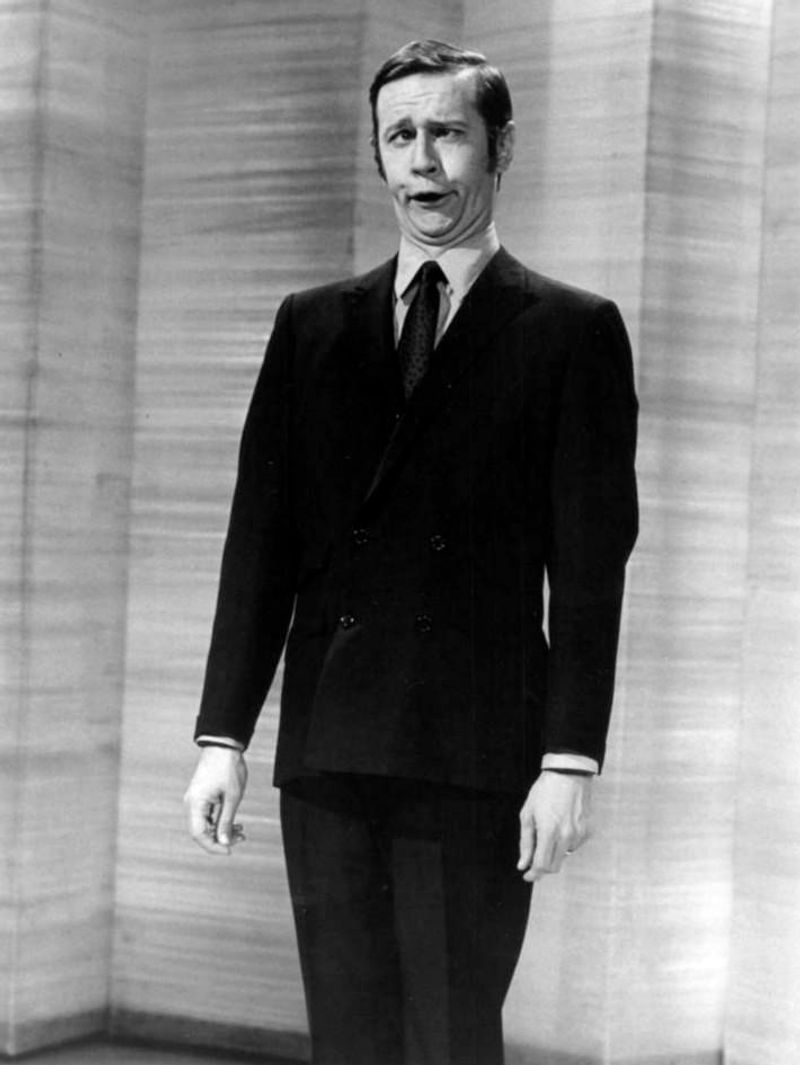
George Carlin was not just a comedian – he was a social critic with a punchline. His 1972 special “Class Clown” and the follow-up “Occupation: Foole” flipped traditional humor on its head, replacing easy laughs with sharp observations about language, politics, and hypocrisy.
His famous “Seven Dirty Words” routine landed in front of the Supreme Court in 1978. He also hosted the very first episode of “Saturday Night Live” in 1975, cementing his legendary status.
3. Steve Martin
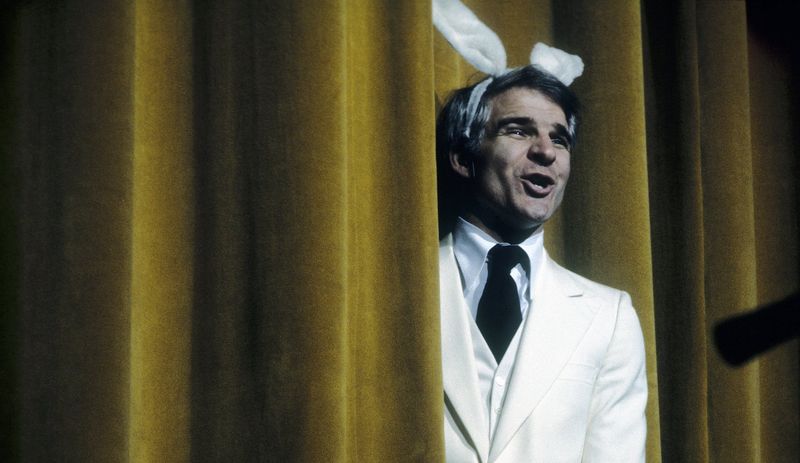
Wild and crazy – that phrase basically belonged to Steve Martin in the 1970s. He mixed banjo playing, absurd props, and physical comedy into a stand-up style that nobody had seen before, turning every performance into something closer to a circus act than a traditional show.
His hit album “A Wild and Crazy Guy” became one of the best-selling comedy records of the decade. Martin proved that being genuinely weird could make you a superstar.
4. Robin Williams
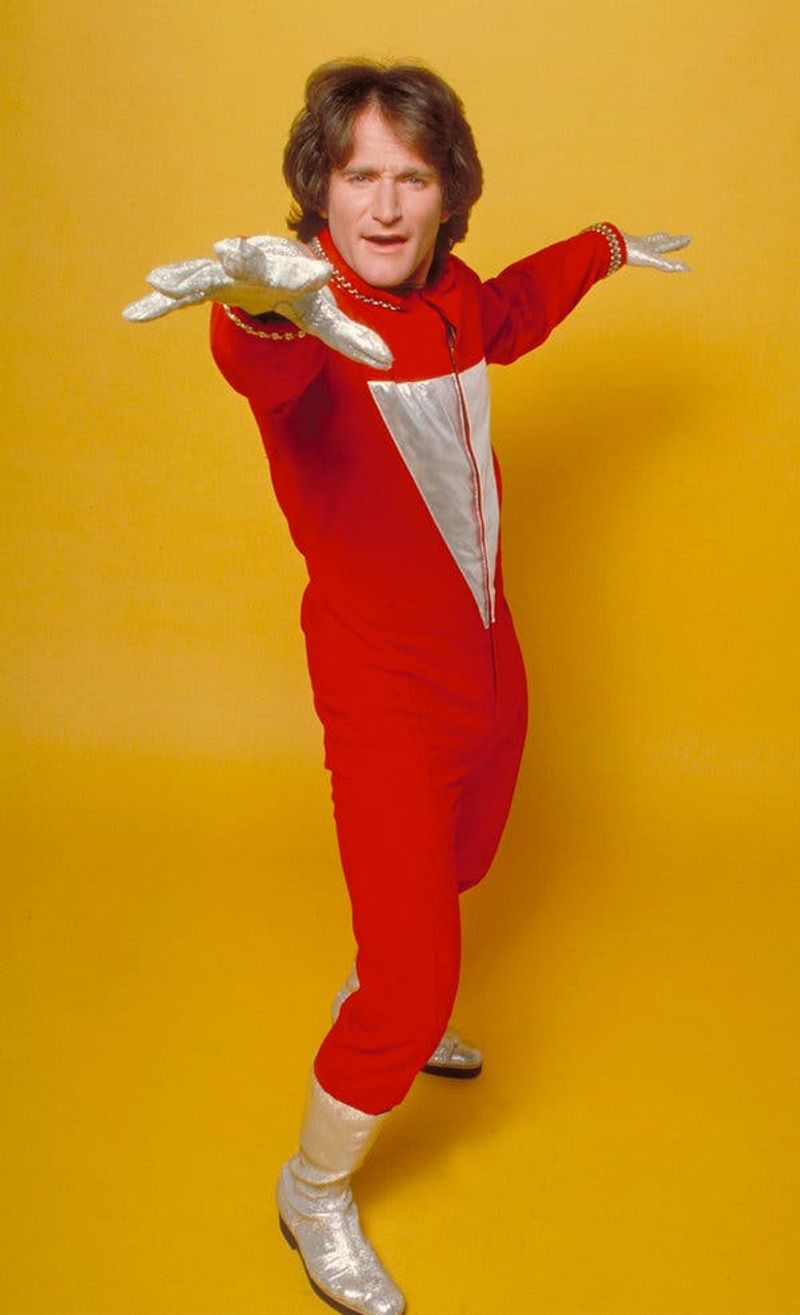
Robin Williams moved faster than most people could think. His improvisational style meant no two performances were ever the same, and audiences never knew what brilliant tangent he might race off on next.
Comedy clubs in San Francisco and Los Angeles quickly became too small to contain him.
His role as Mork from Ork on “Happy Days” launched the spin-off “Mork and Mindy” in 1978, turning him into a national sensation almost overnight.
5. Carol Burnett
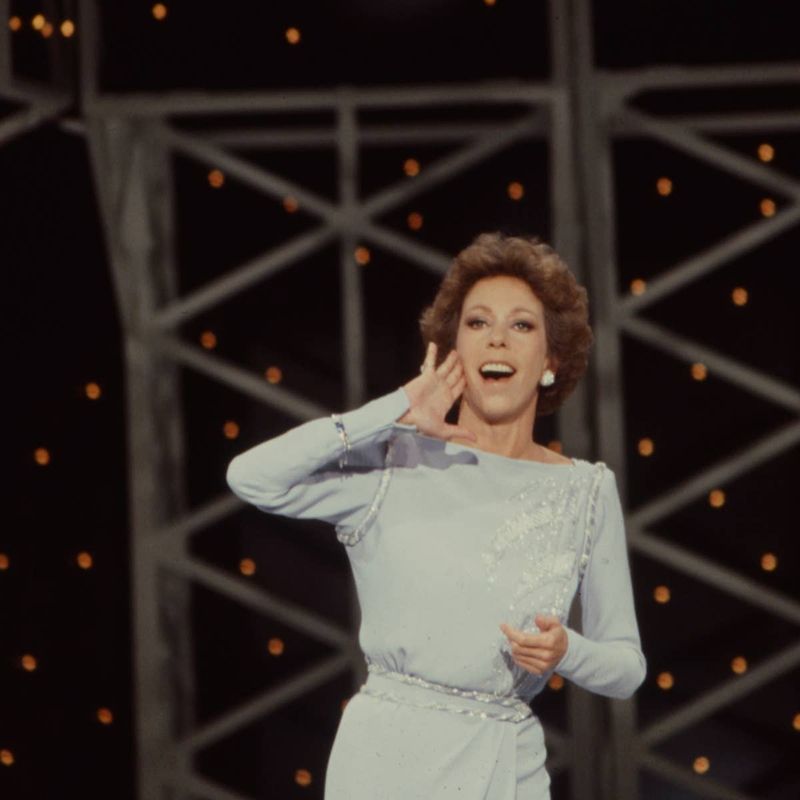
Carol Burnett ran one of the most beloved shows on television for over a decade. “The Carol Burnett Show,” which aired from 1967 to 1978, blended slapstick, parody, and genuine warmth in ways that kept audiences coming back every single week.
The show earned more than 20 Emmy Awards and 8 Golden Globes. Burnett broke serious ground for women in entertainment, proving a woman could lead a major comedy production with total creative fearlessness and charm.
6. Bill Cosby
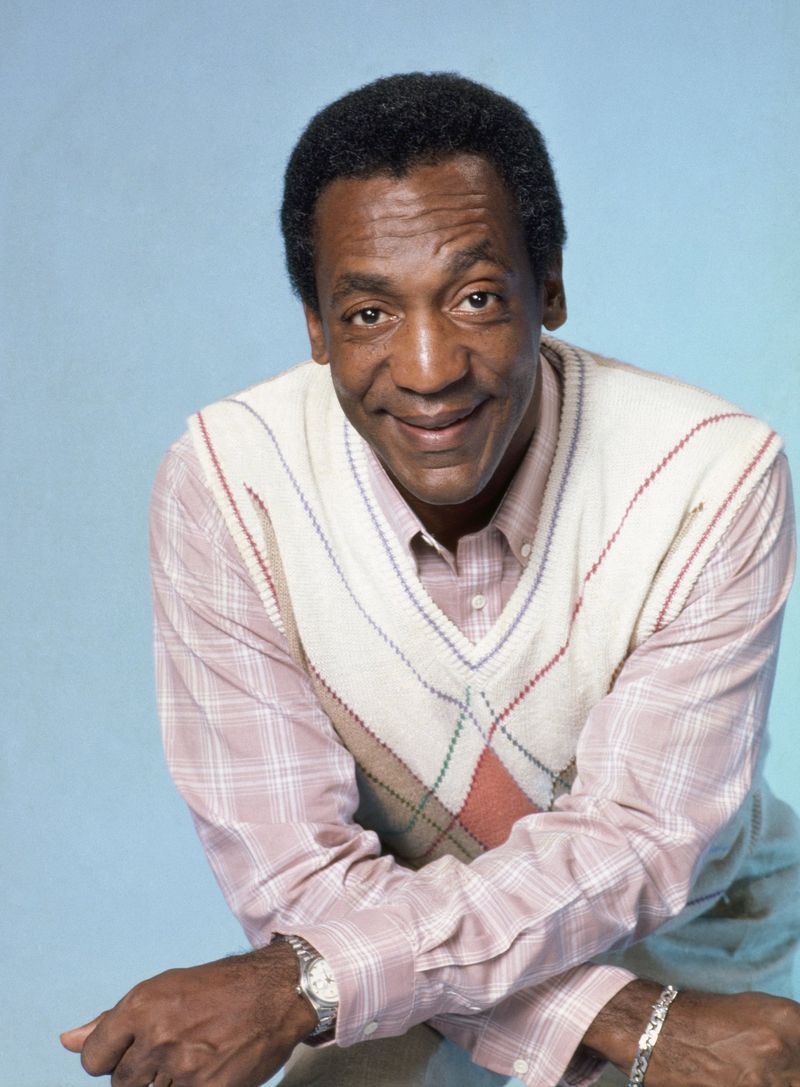
Bill Cosby built something special in the 1970s by showing Black families and experiences in a positive, relatable light. His Saturday morning animated show “Fat Albert and the Cosby Kids” was a hit with kids across America, drawing on his own childhood friendships for its stories.
He also starred in a run of successful films, including “Uptown Saturday Night” (1974) and “Let’s Do It Again” (1975), offering a fun alternative to the grittier films of the era.
7. Gilda Radner
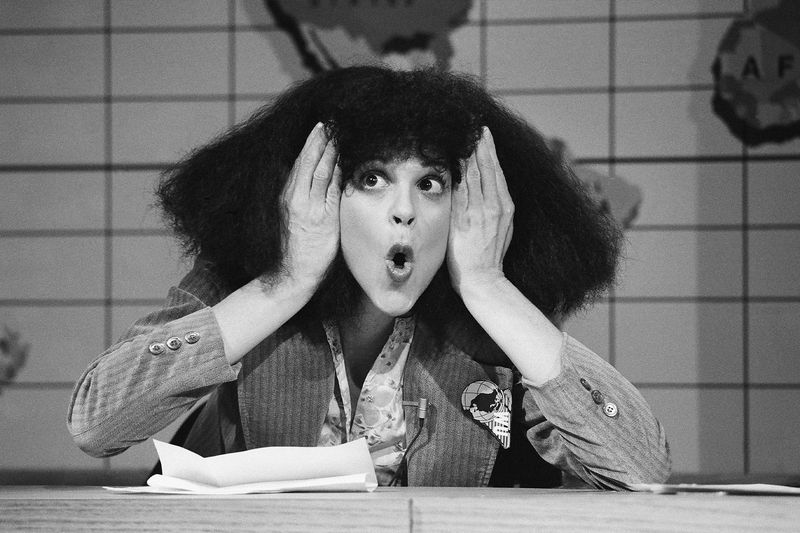
Gilda Radner had a gift for becoming someone else entirely. From the opinionated Emily Litella to the loud and lovable Roseanne Roseannadanna, her characters on “Saturday Night Live” felt like real people you might actually know – just much funnier.
She joined SNL as an original cast member in 1975 and won an Emmy Award in 1978 for her work. Radner showed the world that women could be just as outrageous, inventive, and hilarious as anyone else on that stage.
8. Dan Aykroyd
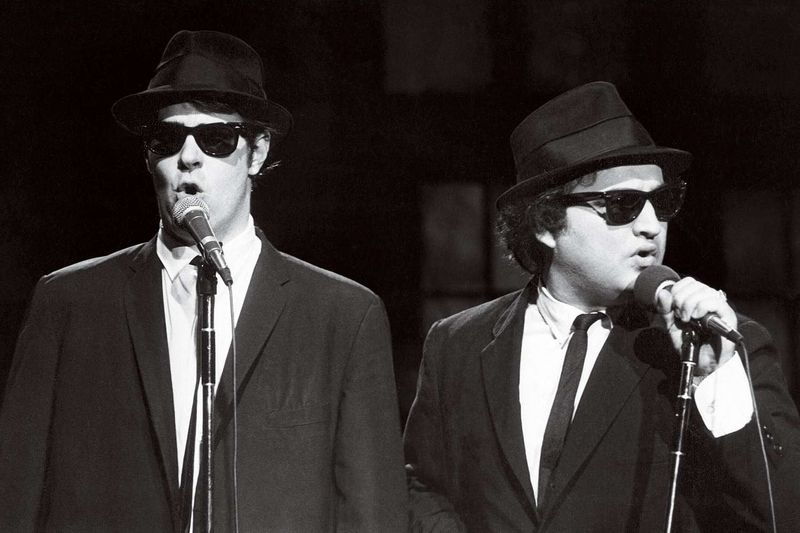
Dan Aykroyd brought a kind of manic precision to everything he did on “Saturday Night Live.” Whether he was pitching a ridiculous product as a fast-talking salesman or playing one of the alien Coneheads, his commitment to the bit was total and completely hilarious.
Alongside John Belushi, he created The Blues Brothers, a musical sketch that grew far beyond SNL into a full cultural phenomenon. Aykroyd helped define what SNL could be in its wild early years.
9. John Belushi
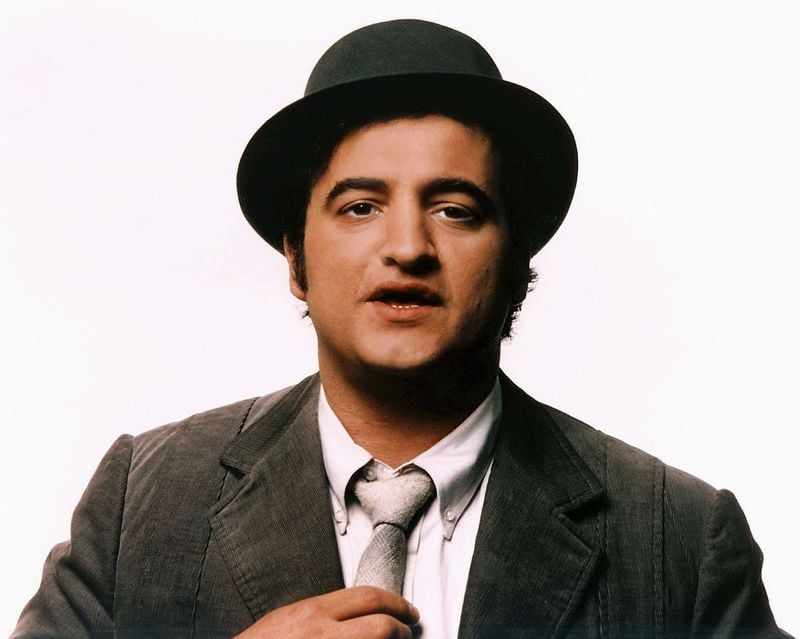
John Belushi was like a force of nature in a sport coat. His physical energy on the “Saturday Night Live” stage from 1975 to 1979 was unlike anything audiences had seen on network television, and his rebellious spirit set the tone for the entire show.
Teaming up with Dan Aykroyd as The Blues Brothers, he helped turn a musical sketch into a genuine cultural moment. Belushi’s intensity and fearlessness made him one of the most unforgettable performers of his generation.
10. Bob Newhart
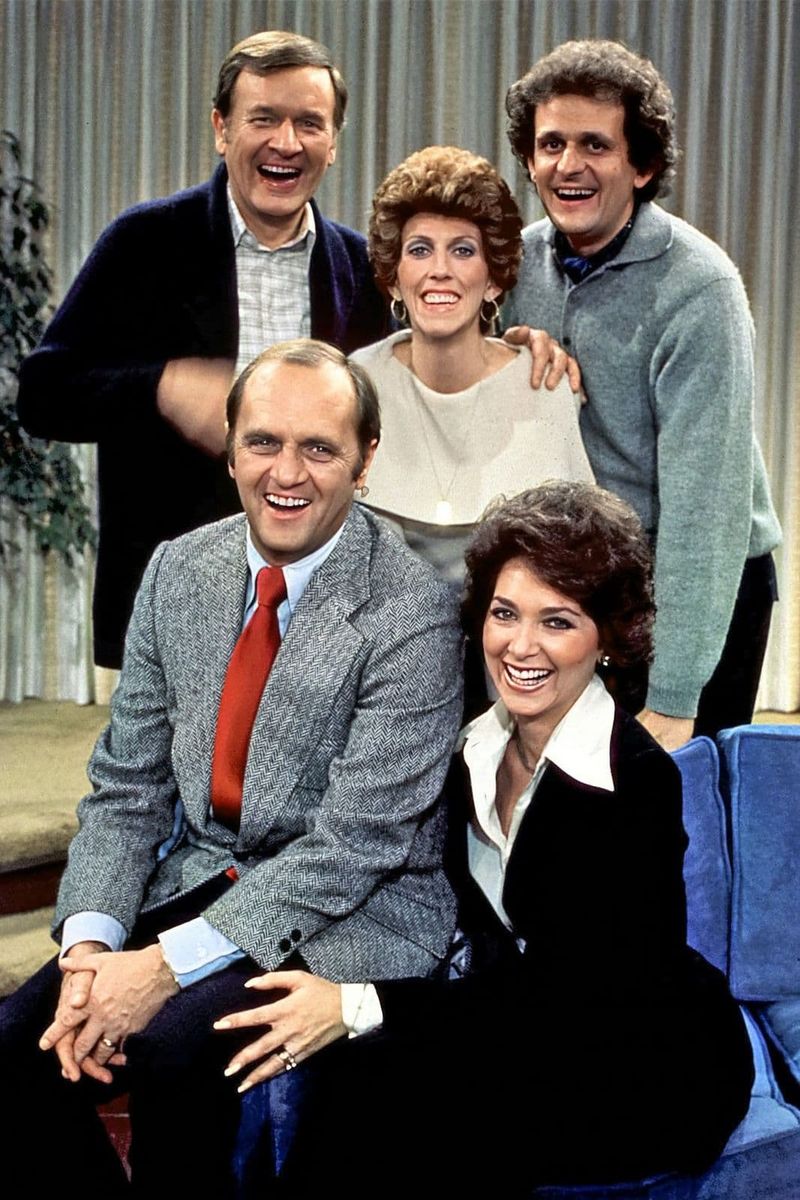
Bob Newhart never needed to shout to get a laugh. His signature deadpan delivery and perfectly timed pauses made even the simplest lines feel hilarious, and viewers tuned in week after week to watch him navigate the quirky world of “The Bob Newhart Show” from 1972 to 1978.
He played psychologist Bob Hartley with dry wit and quiet charm. Critics praised the show’s clever writing, and Newhart proved that understated comedy could be just as powerful as the loudest punchline in the room.
11. Redd Foxx
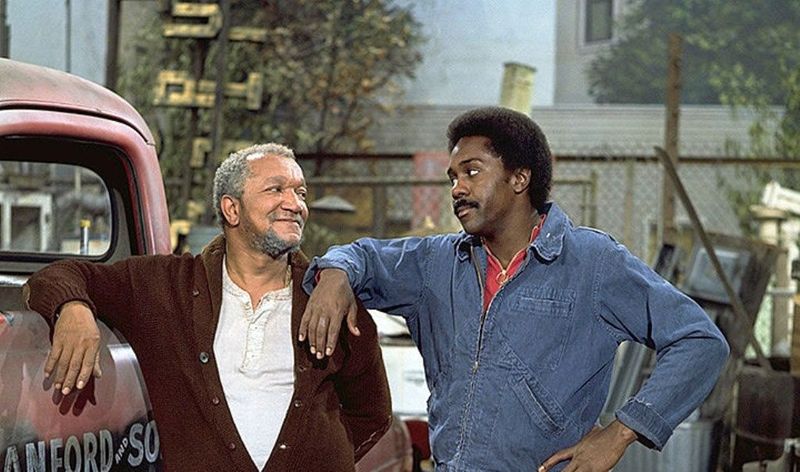
Redd Foxx was junkyard royalty. As Fred Sanford on “Sanford and Son,” which ran from 1972 to 1977, he played a grumpy, scheming scrap dealer with such perfect comic timing that even his grumpiest moments made audiences roar with laughter.
Long before the sitcom, Foxx had built a reputation as one of the sharpest stand-up comedians in America. His success on “Sanford and Son” opened doors for Black entertainers in mainstream television and left a lasting mark on comedy history.
12. Flip Wilson
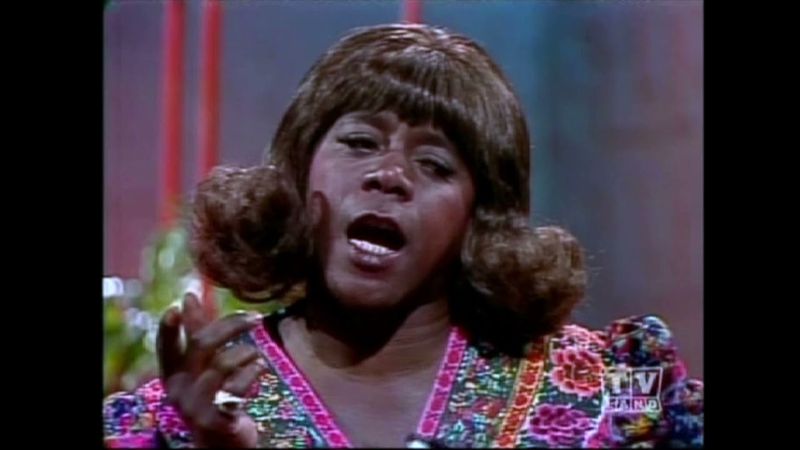
Flip Wilson had a knack for walking into a room – or onto a screen – and instantly owning it. His variety show, “The Flip Wilson Show,” ran from 1970 to 1974 and became one of the most watched programs on television, breaking major barriers for Black performers in the process.
His character Geraldine Jones became a pop culture sensation. Wilson was one of the first Black comedians to successfully host a mainstream network variety show, paving the way for generations of performers after him.
13. Cheech and Chong
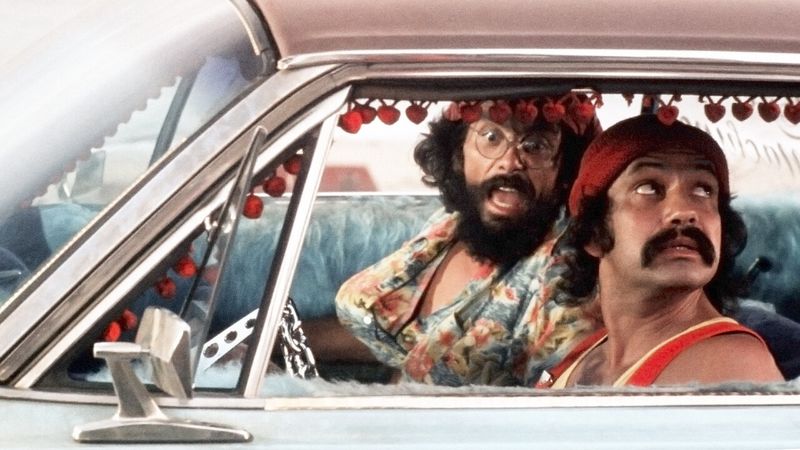
Cheech and Chong turned counterculture humor into a comedy empire. Their albums, starting with their 1971 debut and rolling through hits like “Big Bambu” and “Los Cochinos” – which won a Grammy – captured the laid-back, anything-goes spirit of 1970s youth culture perfectly.
Their 1978 film “Up in Smoke” became an instant cult classic and basically invented the stoner comedy genre for movies. Few duos have ever made an audience feel so relaxed while laughing so hard.
14. Lily Tomlin
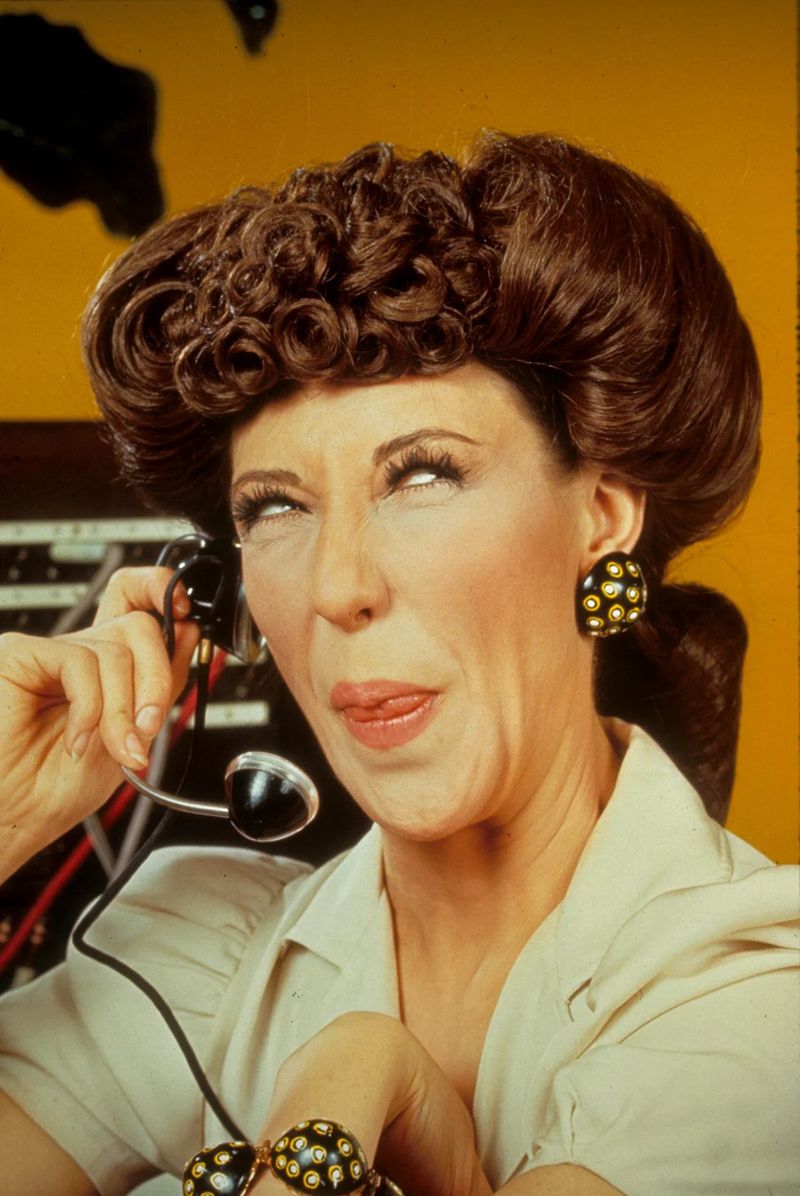
Lily Tomlin could make you laugh and think at the same time, which is a rare and remarkable skill. She created some of the most memorable comic characters of the decade, including the nosy telephone operator Ernestine and the philosophical little girl Edith Ann.
In 1974, she won an Emmy for her television special “The Lily Tomlin Show,” which Richard Pryor co-wrote. Her work across stand-up, TV, and film pushed boundaries for female comedians and showed the full range of what comedy could express.
15. Woody Allen
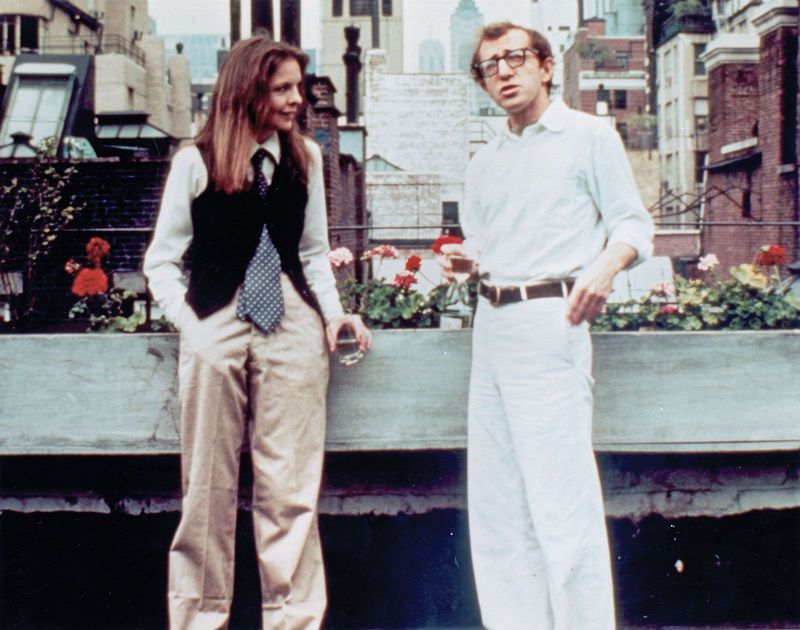
Woody Allen brought neurosis to the big screen and somehow made it charming. His 1970s films were full of nervous energy, witty dialogue, and a kind of anxious self-awareness that felt completely new in American comedy filmmaking at the time.
“Annie Hall” (1977) and “Manhattan” (1979) redefined what a romantic comedy could look and sound like. Allen’s unique voice established him as one of cinema’s most distinctive comedic figures, earning widespread critical praise throughout the decade.
16. Mel Brooks
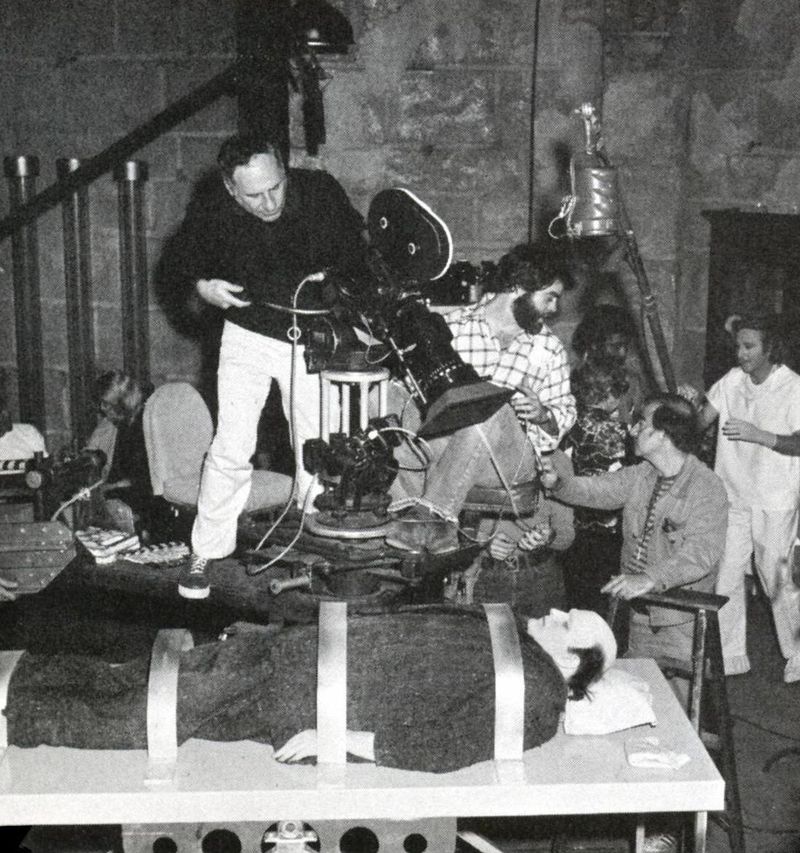
Mel Brooks treated comedy like a demolition sport – he went after every target with maximum enthusiasm and zero apology. In 1974 alone, he released both “Blazing Saddles,” a Western parody that skewered racism and Hollywood cliches, and “Young Frankenstein,” a brilliantly crafted horror spoof.
Both films were massive hits and showed that parody could be genuinely clever, not just silly. Brooks reshaped what satirical comedy could accomplish and left behind two of the most quoted films of the entire decade.
17. Don Rickles
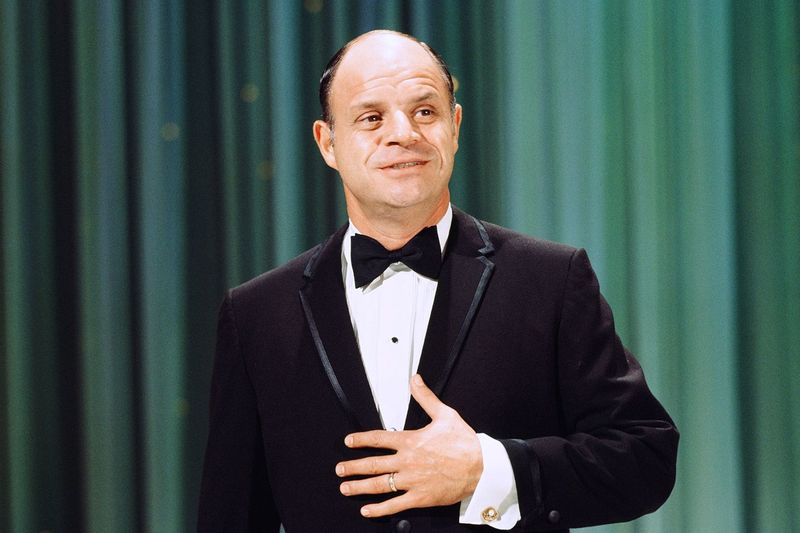
Don Rickles made people laugh by pretending to insult them, and somehow everyone loved him for it. His rapid-fire roasts of celebrities and audience members were delivered with such obvious warmth that even the targets usually ended up grinning.
Nobody else could pull off that trick quite so well.
A regular fixture on “The Tonight Show Starring Johnny Carson,” Rickles became one of television’s most beloved personalities in the 1970s. His “Mr. Warmth” persona proved that sharp comedy and genuine affection can absolutely coexist.