
Bad habits have a sneaky way of holding us back, even when we think we are doing just fine. The most successful and intelligent people out there have figured out that certain patterns of thinking and behavior quietly destroy progress.
By recognizing and dropping these habits, anyone can unlock a smarter, more fulfilling path forward. Read on to discover which habits are worth leaving behind for good.
1. Seeking Approval From Everyone Around You

Constantly needing others to validate your choices is like handing over the steering wheel of your life to strangers. Smart people realize that chasing approval is exhausting and rarely leads anywhere meaningful.
Your confidence should come from within, not from a thumbs-up on social media.
When you stop seeking permission to be yourself, decision-making becomes faster and more authentic. You start trusting your own judgment, and that is a powerful shift worth making.
2. Shifting the Blame Onto Others

Blame is a comfortable place to hide, but it never solves anything. Smart people understand that pointing fingers at others keeps you stuck while the real problem stays unsolved.
Taking ownership, even when it stings, is what separates growth-minded individuals from those who stay stagnant.
Accountability is not about beating yourself up. It is about acknowledging your role and focusing energy on finding a better path forward rather than assigning fault.
3. Drifting Through Life With Undefined Goals

Having a vague idea of what you want is not the same as having a plan. Without clear goals, days blur together and ambition quietly fades.
Smart people write down specific targets and build real roadmaps to reach them, not just wishful thinking scribbled in the margins.
Research shows that people who set written goals are significantly more likely to achieve them. A clear destination makes every decision easier and every effort more purposeful.
4. Neglecting Your Physical Health

Your body is the engine that powers everything you do, and skipping maintenance has real consequences. Smart people treat sleep, nutrition, and exercise as non-negotiables rather than luxuries.
Ignoring physical health does not just hurt the body; it clouds thinking and tanks emotional resilience too.
Even small upgrades like a 20-minute walk or swapping soda for water can sharpen focus noticeably. Taking care of yourself is one of the smartest investments you can make.
5. Drowning in Self-Doubt and Negative Self-Talk

The voice inside your head can be your biggest cheerleader or your worst critic. Negative self-talk has a way of becoming a self-fulfilling prophecy, quietly convincing you to play small.
Smart individuals catch these thought patterns early and challenge them before they take root.
Replacing “I can not do this” with “I am still learning” rewires how your brain approaches challenges. Over time, that mental shift builds real, lasting confidence from the inside out.
6. Giving In to Inaction and Procrastination
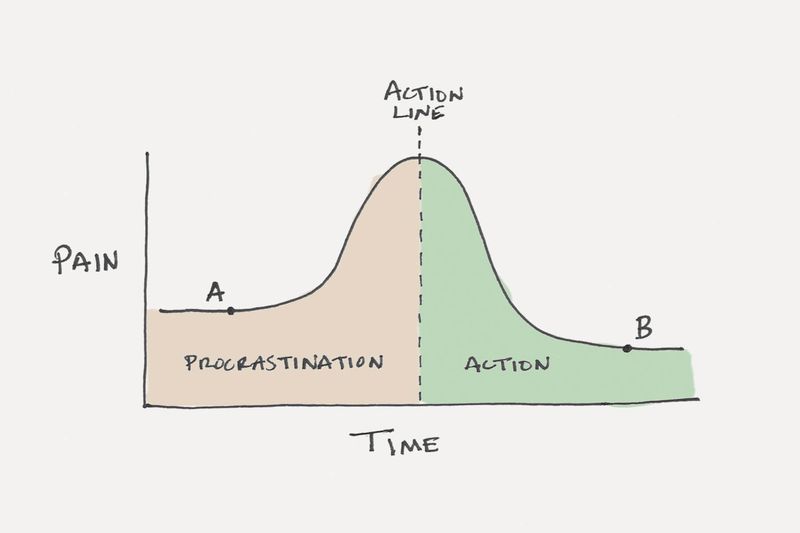
Procrastination feels harmless in the moment, but it quietly steals hours, days, and sometimes years. Smart people recognize that waiting for the perfect moment is just fear wearing a disguise.
Forward motion, even imperfect motion, beats standing still every single time.
Breaking big tasks into smaller steps is a classic trick that genuinely works. Starting with just five minutes of focused effort often dissolves the resistance entirely and builds unstoppable momentum.
7. Chasing Impossible Perfection
Perfectionism sounds like a virtue, but it often acts like a trap. Spending three hours perfecting a task that only needed one is not excellence; it is inefficiency dressed up in fancy clothes.
Smart people know when good enough truly is good enough and move on.
Progress will always beat perfection in the real world. Shipping a solid project today creates more value than endlessly polishing one that never gets finished or shared with anyone.
8. Defaulting to Negativity and Cynicism

A permanently cynical outlook does not make you realistic; it just makes you harder to be around and harder to motivate. Smart people understand that habitual negativity narrows thinking and closes off opportunities before they even get a fair shot.
Optimism is not naive; it is strategic.
Catching yourself catastrophizing and asking “what could go right here?” is a simple but powerful reframe. Shifting your default lens gradually opens doors that cynicism would have kept firmly shut.
9. Getting Easily Distracted During Important Work

Multitasking feels productive, but science consistently shows it actually reduces the quality of your work. Smart people protect their focus like a precious resource, especially during high-value tasks that require deep thinking.
Every distraction has a hidden cost in time and mental energy.
Turning off notifications, closing extra tabs, and working in focused blocks of time are habits that compound powerfully over weeks. Protecting your attention is one of the highest-leverage moves available to anyone.
10. Ignoring Evidence That Contradicts Your Beliefs
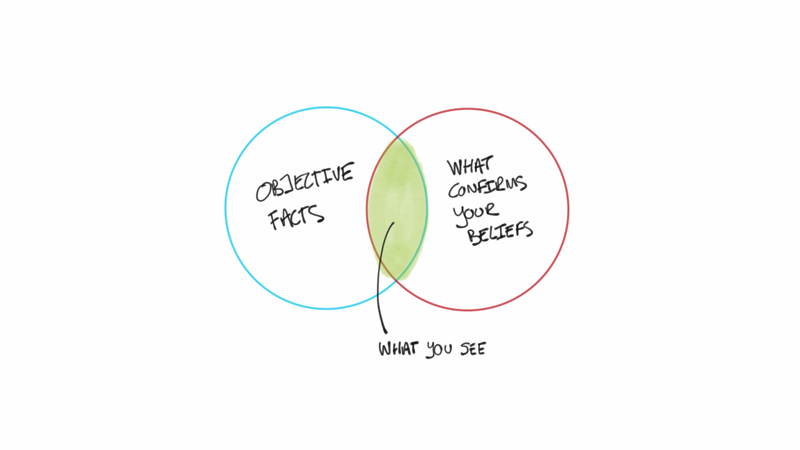
Clinging to a belief even when facts point elsewhere is called confirmation bias, and it trips up even brilliant people. Smart individuals stay genuinely curious and are willing to update their views when new evidence arrives.
Changing your mind based on data is a sign of strength, not weakness.
Staying open to being wrong keeps your thinking sharp and your decisions grounded in reality. The most adaptable minds tend to navigate uncertainty far better than rigid ones do.
11. Dwelling on Irreversible Mistakes

Mistakes are teachers, not life sentences. Smart people extract the lesson from a failure and then deliberately move forward, refusing to let past errors drain present energy.
Dwelling on what cannot be changed is one of the costliest mental habits anyone can carry around daily.
Journaling about what went wrong and what you would do differently can help close the loop mentally. Once the lesson is captured, give yourself permission to let the guilt go and keep moving.
12. Making Big Decisions Without Enough Sleep

Sleep deprivation quietly hijacks judgment in ways you often cannot even detect in yourself. Studies show that a sleep-deprived brain makes riskier, more impulsive decisions while feeling completely confident about them.
Smart people treat rest as a critical performance tool, not a sign of laziness.
Before making any major decision, checking in with your sleep quality is a smart move. A well-rested mind brings clarity, patience, and perspective that no amount of caffeine can fully replace.
13. Staying Stuck in Toxic Environments

Your environment shapes your mindset more than most people realize. Toxic workplaces, draining friendships, or negative home settings slowly erode confidence and motivation over time.
Smart people recognize when a space is costing them more than it is giving them and make deliberate changes.
Leaving a toxic situation is rarely easy, but staying is almost always more expensive in the long run. Protecting your mental and emotional energy is not selfish; it is absolutely necessary for sustained success.
14. Communicating in Vague and Confusing Ways

Vague communication is a silent productivity killer that causes misunderstandings, wasted effort, and unnecessary conflict. Smart people invest in saying exactly what they mean, clearly and directly, without leaving room for guesswork.
Precision in language saves enormous amounts of time and prevents countless headaches.
Practicing clearer communication does not require a fancy vocabulary. It simply means slowing down, organizing your thoughts before speaking, and confirming that the other person understood what you actually intended to say.
15. Overthinking Every Single Problem
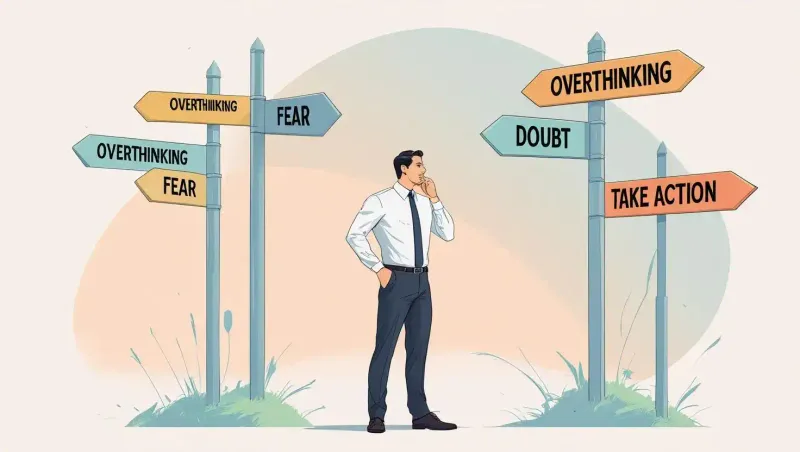
Analysis paralysis is real, and even the sharpest minds fall into it. Overthinking tricks you into believing more thought will eventually produce the perfect answer, when in reality it often just delays action and amplifies anxiety.
Smart people recognize when thinking has crossed over into spinning in circles.
Setting a time limit for decisions, especially smaller ones, is a surprisingly effective remedy. Acting on 80 percent certainty and adjusting as you go beats waiting for a certainty that never comes.
16. Refusing to Ask for Help When You Need It

Thinking you must figure everything out alone is not independence; it is stubbornness wearing a mask. Smart people know that asking for help connects them with knowledge, resources, and perspectives they simply could not access on their own.
Seeking assistance is a mark of wisdom, not weakness.
Most people are more willing to help than you might expect. A well-placed question to the right person can save hours of frustration and open doors that solo effort would have taken months to unlock.
17. Trying to Control Everything Around You

The need to control every outcome is exhausting and ultimately impossible. Smart people understand that a huge portion of life happens outside their influence, and fighting that reality wastes precious energy.
Focusing on your own responses and actions is far more productive than trying to micromanage the world.
Letting go of control does not mean giving up. It means channeling your effort toward the things you can genuinely influence and releasing the grip on everything else with a calm, clear mind.
18. Confusing Busyness With Real Productivity

Filling every hour of the day does not automatically mean you are getting closer to your goals. Busyness can actually be a clever form of avoidance, keeping you occupied with small tasks while the truly important work sits untouched.
Smart people ruthlessly prioritize what actually moves the needle.
Overcommitting spreads your energy so thin that nothing gets your full attention. Learning to say no confidently and protecting time for meaningful work is what separates truly productive people from simply busy ones.
19. Falling Into the Comparison Trap

Comparing your behind-the-scenes to someone else’s highlight reel is a guaranteed recipe for feeling inadequate. Social media makes this habit especially toxic because it presents a polished, curated version of reality that rarely reflects the full picture.
Smart people measure progress against their own past self, not others.
Your journey has a completely different starting point, set of tools, and destination than anyone else’s. Focusing on your own growth, however slow it feels, is the only comparison that ever truly matters.