
Every marriage has its rough patches, but some warning signs go beyond normal bumps in the road. Knowing the difference between a temporary struggle and a serious problem could save your relationship or help you make an important decision.
These 17 red flags are backed by relationship experts and real-world experience, so pay close attention if any of them sound familiar.
1. Communication Has Completely Broken Down

Words matter in a marriage, and when they stop flowing, trouble follows. Couples who avoid deep conversations or only talk about schedules and chores are missing real connection.
Sarcasm, eye-rolls during talks, or feeling like your partner never truly listens are all warning signs.
When communication fades to small talk only, emotional distance grows quickly. Addressing this early, through honest conversations or couples therapy, can prevent a much bigger breakdown down the road.
2. Constant Criticism Wears You Both Down

Everyone complains sometimes, but there is a big difference between venting about a specific issue and attacking who your partner is as a person. Constant criticism makes your spouse feel like they can never do anything right, which quietly destroys their confidence over time.
Over months or years, this pattern creates a wall of resentment between partners. If every small mistake turns into a character attack, it is time to seriously rethink how you communicate with each other.
3. Contempt Has Crept Into Your Relationship
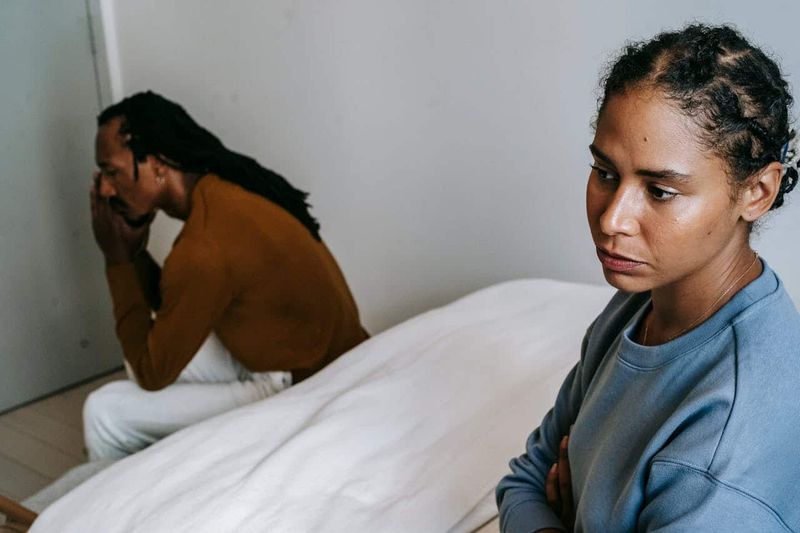
Relationship researcher Dr. John Gottman calls contempt the single strongest predictor of divorce, and for good reason. Eye-rolling, mocking tones, belittling comments, and a sense of superiority toward your partner all communicate one thing: disgust.
Unlike regular frustration, contempt signals that one partner sees the other as inferior. That kind of disrespect eats away at the emotional foundation of a marriage fast.
Catching and correcting contemptuous behavior early is one of the most powerful things a couple can do.
4. Defensiveness Blocks Every Honest Conversation

Nobody likes being blamed, but when defensiveness becomes a reflex, real conversations become impossible. A partner who constantly deflects responsibility, turns every complaint back around, or needs to “win” every argument is not truly engaging with the relationship’s problems.
Defensiveness sends the message that your feelings do not matter. Over time, the other partner stops bringing up concerns because it feels pointless.
That silence is not peace. It is a slow emotional withdrawal that can quietly signal the beginning of the end.
5. Stonewalling Shuts Down Any Hope of Resolution

Stonewalling happens when one partner completely shuts down during conflict, walking away, going silent, or simply refusing to acknowledge what is being said. It often feels like the only way to cope with overwhelming tension, but it leaves the other person feeling completely invisible.
When stonewalling becomes a regular pattern, unresolved issues pile up with nowhere to go. Couples caught in this cycle rarely find their way out without professional help.
A therapist can teach healthier ways to pause and re-engage without shutting each other out entirely.
6. Arguments Never Actually Get Resolved

Healthy couples disagree, but they also find their way to solutions. When the same fights keep happening week after week with no real resolution, it points to deeper issues that surface arguments are just covering up.
Recycled arguments are not just annoying. They are a warning sign.
Escalating fights that grow louder and more hostile over time are especially concerning. If your disagreements feel like battles with no end, working with a couples counselor to develop real conflict resolution skills could genuinely change the direction of your marriage.
7. Emotional Distance Makes You Feel Like Strangers

Living side by side but feeling completely alone is one of the most painful experiences in a marriage. When partners stop sharing their dreams, fears, or daily joys, they slowly begin living like roommates rather than life partners.
That emotional gap can widen faster than most people expect.
Loneliness inside a marriage often hurts more than being single. Reconnecting requires intentional effort, like date nights, honest talks, or even just putting the phone down and truly listening.
Small steps taken consistently can slowly rebuild what has been lost.
8. Physical and Emotional Intimacy Has Disappeared

Intimacy is the glue that holds a marriage together, both emotionally and physically. When affection fades, hugs become rare, and physical closeness feels awkward or forced, it usually means something deeper has shifted between partners.
A sustained loss of intimacy is hard to ignore.
Many couples assume this is just a phase, but if weeks turn into months with no real warmth or connection, it deserves serious attention. Rebuilding intimacy often starts with vulnerability, choosing to be open and present even when it feels uncomfortable or unfamiliar.
9. You Have Grown Into Completely Different People

People change over time, and that is completely normal. The problem arises when two people grow in such different directions that they no longer share values, goals, or interests.
Major life events like career changes, parenthood, or personal growth can accelerate this drift significantly.
Feeling like a stranger to your own spouse is unsettling and worth taking seriously. Couples who notice this happening can work to find new shared experiences or common ground.
But if both partners feel like they are on separate journeys, the distance may be too wide to bridge easily.
10. Infidelity Has Broken the Foundation of Trust

Few things shatter a marriage as completely as infidelity, whether physical or emotional. Cheating breaks the fundamental promise of exclusivity and trust that a marriage is built on.
The betrayed partner often experiences emotions similar to grief, including shock, anger, and deep sadness.
Some couples do recover from infidelity with intensive therapy and a genuine commitment from both sides. But rebuilding trust after betrayal takes years of consistent effort and honesty.
For many, the damage is simply too deep to fully repair, making infidelity one of the leading causes of divorce worldwide.
11. Commitment to the Marriage Has Quietly Faded

Commitment is not just about staying married. It is about actively choosing your partner every single day.
When that daily choice starts to feel like a burden rather than a decision made with love, something important has shifted. A quiet withdrawal of commitment often goes unnoticed until it is very advanced.
Signs include no longer making future plans together, feeling indifferent about the relationship’s outcome, or mentally checking out of shared responsibilities. Couples who recognize this early and address it honestly give themselves a real chance at turning things around before the gap becomes permanent.
12. Money Secrets and Financial Stress Are Piling Up

Financial stress alone is tough, but financial secrecy makes it far worse. Hidden spending, secret accounts, or unexplained debt destroys trust just as effectively as emotional betrayal.
Disagreements over money are consistently ranked among the top reasons couples seek divorce.
Healthy marriages require financial transparency and a shared approach to budgeting and goals. If one partner is hiding purchases or making major financial decisions alone, it signals a deeper lack of partnership.
Bringing a financial counselor or therapist into the conversation can help get both partners on the same page.
13. Substance Abuse Is Tearing the Household Apart

Addiction changes people in ways that ripple through every part of a marriage. Alcohol or drug abuse drains finances, creates unpredictable behavior, and forces the sober partner into a caretaker role they never signed up for.
Over time, emotional withdrawal and instability become the norm.
Trust erodes as promises get broken repeatedly. Many partners of addicts describe feeling completely alone inside their marriage.
Recovery is possible, but it requires the struggling partner to fully commit to getting help. Without that commitment, the relationship often cannot survive the weight of addiction indefinitely.
14. Abuse of Any Kind Is Never Acceptable

Verbal, emotional, and physical abuse are among the most serious red flags a marriage can carry. Abuse is never a communication style or a bad habit.
It is a pattern of control designed to make one partner feel powerless, small, or afraid.
Anyone experiencing abuse in their marriage should prioritize their safety above all else. Reaching out to a trusted friend, family member, or a professional hotline is a critical first step.
No marriage is worth staying in when personal safety is at risk. Help is available, and leaving is always a valid and brave choice.
15. Secretive Behavior and Suspicious Changes Appear

A sudden shift in your spouse’s habits can feel alarming, and often for good reason. Coming home late without explanation, guarding their phone constantly, or pulling away from family activities are all behaviors that signal something may be hidden.
Change itself is not the problem. Secrecy around that change is.
Healthy partnerships are built on openness. When one partner starts living a life they feel the need to hide, trust begins to crack.
Addressing suspicious behavior directly and calmly, rather than jumping to conclusions, gives both partners a chance to clear the air honestly.
16. Persistent Apathy Means Neither Partner Cares Anymore

Anger in a marriage, as painful as it is, actually shows that both partners still care enough to fight. The real danger zone is when neither person bothers to argue, express feelings, or try to fix anything.
That flat, empty silence is called apathy, and it is often the last stage before a marriage ends.
When emotional investment disappears completely, even small efforts feel pointless. Couples at this stage often describe feeling nothing toward each other, not love, not anger, just emptiness.
Recognizing apathy early and seeking professional support is the only real path back from this place.
17. Daydreaming About Life Without Your Partner

Occasionally wondering “what if” is human, but regularly fantasizing about how much happier or freer you would be without your spouse is a serious signal worth examining. It suggests that on some level, the marriage no longer feels like a place of belonging or joy.
Persistent daydreams about life alone or with someone else often point to unmet needs, deep dissatisfaction, or a loss of hope in the relationship. Rather than acting on those feelings impulsively, talking with a therapist, alone or together, can help clarify whether the marriage is worth fighting for or truly over.