
Something big is happening in family relationships across America, and it is hard to ignore. More young people from Gen Z, those born roughly between 1997 and 2012, are choosing to cut contact with their parents.
Whether it is for their mental health, clashing values, or feeling constantly judged, the reasons are real and complex. Understanding why this is happening can help both parents and kids find a path toward healthier relationships.
1. Protecting Their Mental Health Above All Else

About 30% of Gen Z adults say a family relationship hurt their mental health so badly they had to cut someone off. For a generation already dealing with record-high stress levels, protecting their peace of mind feels less like a choice and more like survival.
Therapists and counselors have noticed this trend growing. When home feels like the biggest source of anxiety, stepping away can actually be the healthiest move a young person makes.
2. Values That Simply Do Not Match

Around 24% of Gen Z cite irreconcilable values as the reason they walked away from family. Gen Z tends to champion individuality, creativity, and social justice, while many parents from older generations hold tighter to tradition and stability.
When disagreements go beyond minor opinions and touch on what feels morally right or deeply personal, conversations stop working. At that point, many young people decide the emotional cost of staying connected is simply too high.
3. Feeling Constantly Criticized and Judged

Feeling disrespected is actually the top reason Gen Z cuts off family, with 36% of respondents saying so in surveys. Constant criticism, even when it comes from a place of concern, can chip away at a young person’s confidence over time.
Many Gen Zers describe feeling like nothing they do is ever good enough at home. When every conversation turns into a critique, it becomes easier to stop having conversations altogether rather than keep absorbing the emotional hits.
4. The Rise of Therapy Language and Naming Harm
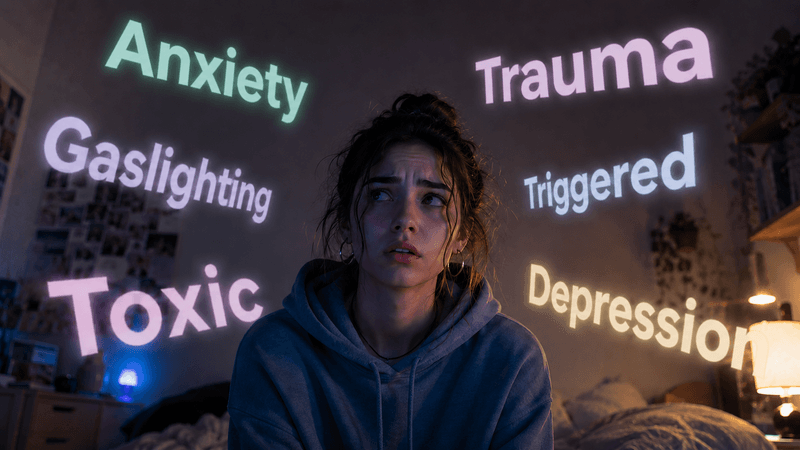
Words like “gaslighting,” “toxic,” and “trauma bonding” are now part of everyday Gen Z vocabulary, thanks largely to therapy culture and social media. Having language for painful experiences gives young people the power to recognize and name what happened to them in childhood.
Older parents sometimes feel attacked by this terminology, which creates a new layer of conflict. What feels like clarity and healing to a Gen Zer can feel like an unfair accusation to a parent who sees things very differently.
5. LGBTQ+ Identity and Lack of Acceptance
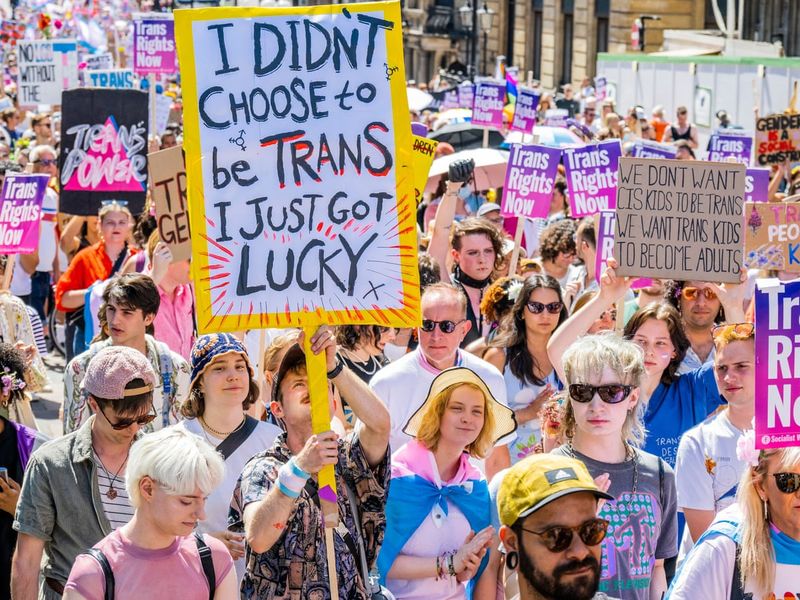
For many LGBTQ+ Gen Zers, going no contact is not a dramatic reaction – it is a response to genuine rejection. When a parent refuses to accept who their child is, staying in that relationship can mean constantly hiding or apologizing for existing.
Authenticity matters deeply to this generation. Choosing to live openly, even if it means losing a parental relationship, reflects how seriously Gen Z takes the idea of being true to themselves.
Family love that comes with conditions is not the kind they want to keep.
6. Childhood Trauma and Breaking Generational Cycles
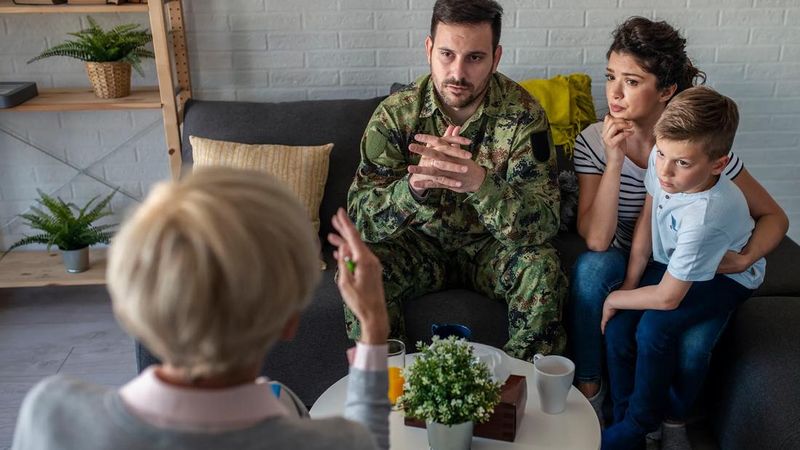
Over half of Gen Z, around 52%, report experiencing verbal or physical abuse from a parent. Many are now old enough to look back and recognize patterns they no longer want to repeat or tolerate.
Breaking generational cycles takes real courage. Therapists often encourage survivors of difficult childhoods to set firm limits, and for some that means cutting contact entirely.
Gen Z is the first generation to talk this openly about healing from family trauma, and that openness is changing how estrangement is understood.
7. Overcontrolling and Overprotective Parenting

Helicopter parenting, where parents are constantly involved and controlling, sounds caring on the surface. Research, however, links this style to increased loneliness, social anxiety, and difficulty managing emotions in young adults.
Gen Z craves independence and room to make their own mistakes. When a parent inserts themselves into every decision, from college choices to friendships, it can feel suffocating rather than supportive.
Some young people find the only way to truly grow up is to create distance from the parent who will not let them.
8. Emotional Manipulation and Guilt-Tripping

Guilt-tripping and gaslighting are powerful tools some parents use, often without realizing it. Phrases like “after everything I have done for you” or constantly rewriting the story of past events can leave young people feeling confused and emotionally exhausted.
Gen Z has become skilled at spotting these patterns, partly because mental health education is more accessible than ever before. Once a young person recognizes manipulation for what it is, tolerating it becomes much harder.
Many choose distance as the only reliable way to stop the cycle.
9. Different Communication Styles Causing Disconnect

Gen Z grew up digital, so texting and messaging feel natural and low-pressure. Many parents, on the other hand, prefer long phone calls or sit-down conversations, which can feel draining or confrontational to younger people.
This mismatch goes beyond just preference. When a Gen Zer sends a message and gets a lecture back, or tries to avoid a heated face-to-face and gets accused of being disrespectful, both sides feel unheard.
Poor communication patterns, left unaddressed, quietly build walls that become very hard to tear down.
10. Social Media Amplifying Family Dysfunction
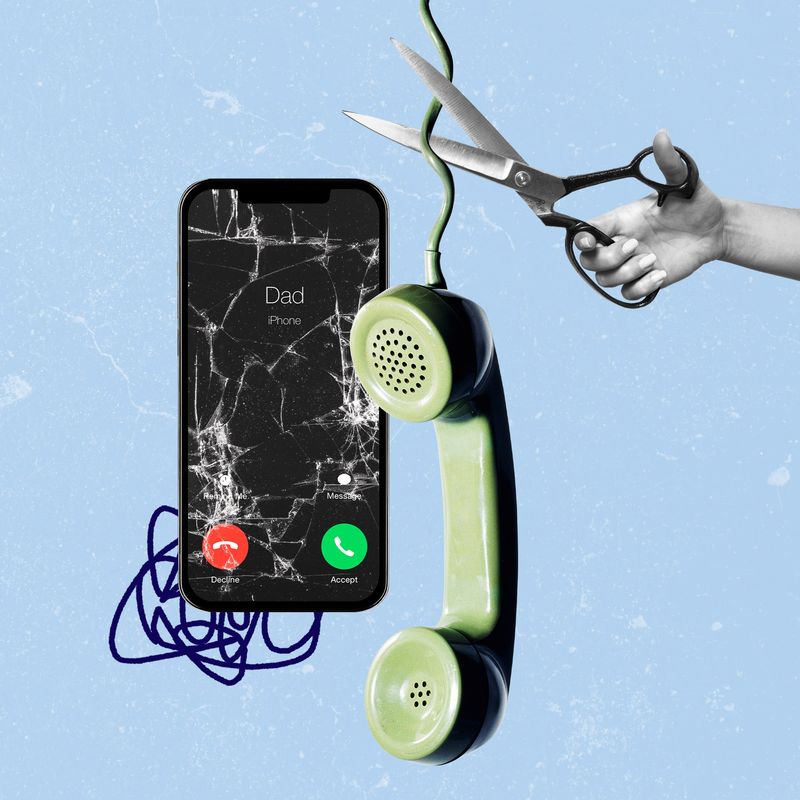
TikTok hashtags like #ToxicFamily have racked up billions of views, giving Gen Z a space to share experiences and feel understood. Social media can be genuinely helpful for people who grew up feeling isolated in difficult home environments.
The downside is real, though. Constant exposure to extreme stories can make it harder to tell the difference between a truly harmful family situation and one that is just imperfect.
Some young people may cut ties prematurely after seeing content that frames normal family tension as abuse.
11. Clashing Expectations Around Careers and Life Choices
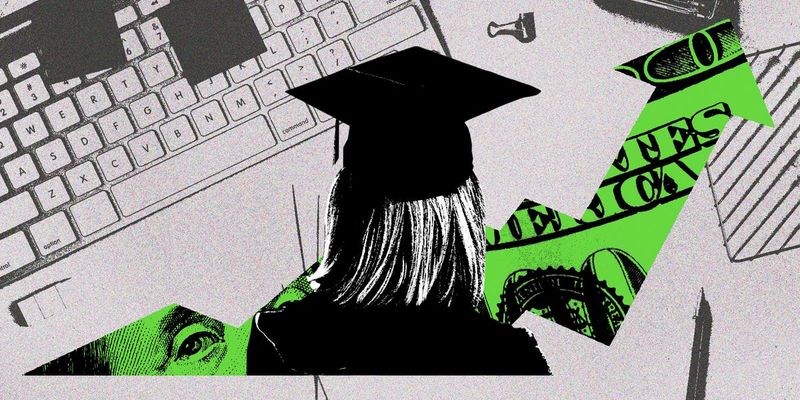
Many parents dream of stable, well-paying careers for their kids, while Gen Z is drawn to creative fields, freelancing, and flexible work that actually excites them. When parents push back hard on those choices, it can feel like rejection of who their child is becoming.
Gen Z also places a high value on work-life balance and personal fulfillment over prestige or high salaries. That mindset clashes with older beliefs that hard work and sacrifice alone define success.
Over time, repeated arguments about life direction can quietly erode the relationship.
12. Financial Strings Attached to Parental Help

More than half of Gen Z adults who receive financial help from parents feel the pressure of invisible strings attached to that support. Money can become a tool for control, with parents using financial assistance to influence major life decisions.
As Gen Z finds more ways to earn independently through freelancing, side hustles, and remote work, the grip of financial dependency is loosening. For some, reaching financial independence is the moment they finally feel free to step back from a relationship that was never truly equal.
13. Political Differences Creating Unbridgeable Gaps

Around 13% of Gen Z report political differences as a source of serious family conflict. When dinner conversations turn into debates about social policies, rights, or elections, the tension can feel personal rather than just ideological.
For young people who hold strong beliefs about equality, climate change, or social justice, feeling dismissed or mocked by a parent hits differently than a disagreement with a stranger online. Some find it genuinely impossible to maintain closeness with someone whose worldview feels harmful to communities they care about.
14. Choosing a “Found Family” Over a Biological One

Gen Z is rewriting what family even means. Rather than treating blood ties as automatic obligations, many young people build “chosen families” made up of friends, mentors, and partners who offer real support and acceptance.
This shift does not come from nowhere. It often grows out of households where love felt conditional or absent.
When friends consistently show up in ways that parents never did, the emotional math becomes straightforward. The people who make you feel safe and valued are your family, no matter what biology says.
15. Parental Favoritism Leaving Lasting Wounds

Growing up as the “less favored” child leaves marks that last well into adulthood. Parental favoritism can create deep feelings of resentment, low self-worth, and a sense of never quite belonging in your own home.
Many Gen Zers have done the emotional work to understand why they always felt like an outsider in their own family. Once that clarity arrives, continuing to show up for a parent who made them feel second-best can feel pointless.
Distance becomes not a punishment but a form of self-respect finally being practiced.
16. Refusing to Repeat Unhealthy Relationship Patterns
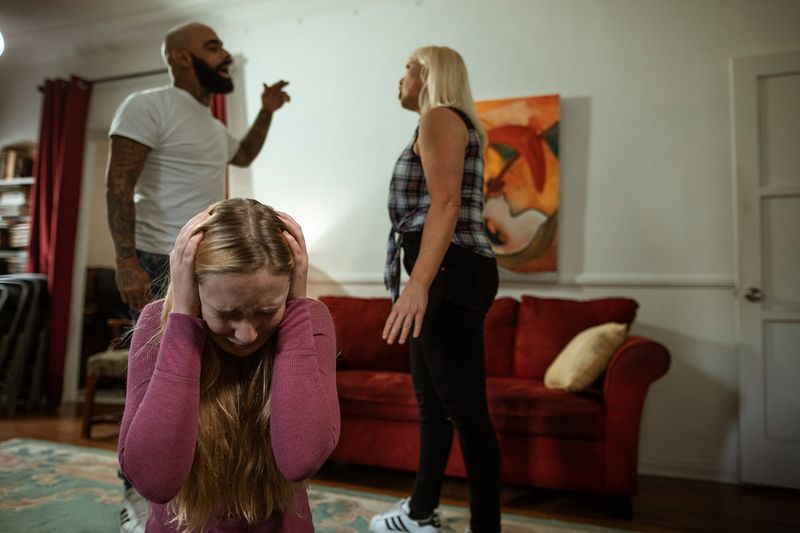
Gen Z and Millennials are the most likely generations to actively work on breaking cycles of dysfunction. Whether it is patterns of emotional unavailability, volatility, or neglect, many young people recognize these dynamics and refuse to normalize them any further.
Therapy, online communities, and increased mental health awareness have all helped Gen Z see family dysfunction more clearly than previous generations did. Cutting contact is rarely the first step – it usually comes after years of trying.
When nothing changes, walking away becomes the most self-aware decision a person can make.