
Europe is full of famous spots like Paris, Rome, and Barcelona, but some of its most amazing places rarely make the travel headlines. Many cities and regions across the continent are misunderstood, ignored, or judged too quickly based on old stereotypes.
From fairytale canals to ancient Roman ruins, these hidden gems offer incredible experiences without the huge crowds. Get ready to rethink everything you thought you knew about European travel.
1. Budapest, Hungary
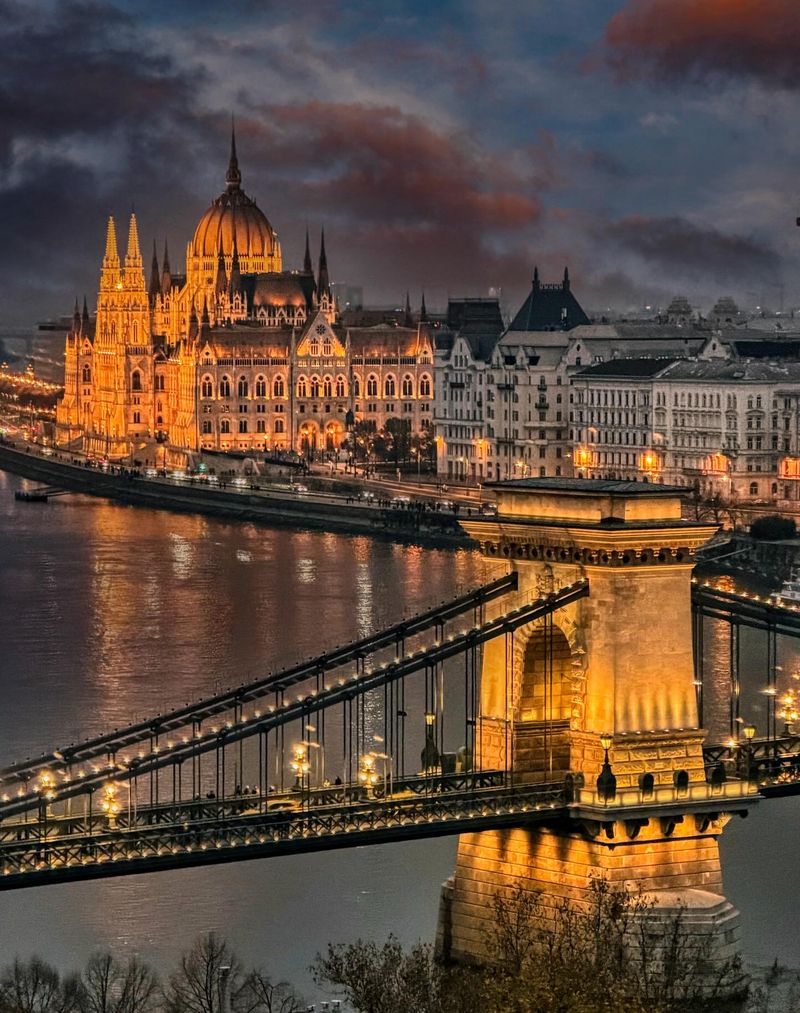
Ask most travelers to name a European capital worth visiting, and Budapest rarely tops the list. That is a serious mistake.
Sitting along the Danube River, this city blends stunning architecture, thermal baths, and a nightlife scene that rivals anywhere in Europe.
Prices here are far lower than in Western Europe, making it perfect for budget-conscious explorers. The ruin bars, grand synagogues, and hilltop castle district alone make Budapest worth every minute of your time.
2. Ghent, Belgium
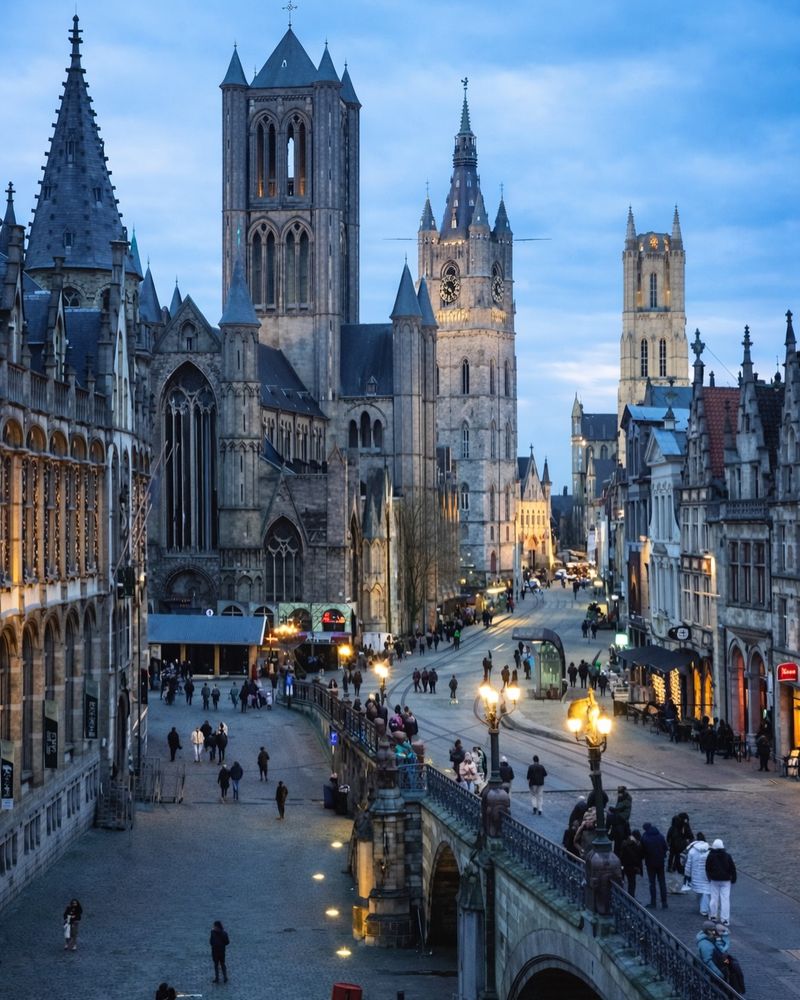
Most visitors to Belgium head straight to Bruges and completely skip Ghent. That is their loss, because Ghent quietly delivers everything Bruges offers, plus a lively university-town energy that keeps things interesting well into the evening.
The medieval architecture here is genuinely jaw-dropping, with three towering churches visible from a single bridge. Without the massive tourist crowds, you can actually enjoy a canal-side coffee in peace and soak up centuries of Flemish history at your own pace.
3. Nuremberg, Germany
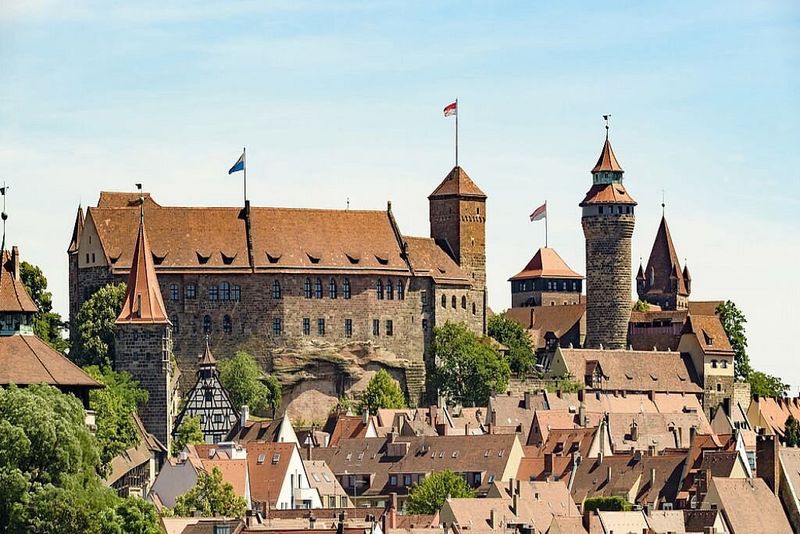
Nuremberg carries a heavy historical reputation, mostly tied to World War II and the famous trials held there. But reducing this city to that single chapter is a real disservice.
Underneath the weight of history lies a beautifully restored medieval town with cobblestone streets, half-timbered houses, and a hilltop imperial castle.
The Christmas market here is one of the oldest and most beloved in Europe. Nuremberg rewards curious travelers who are willing to look beyond the history books.
4. Lake Bohinj, Slovenia
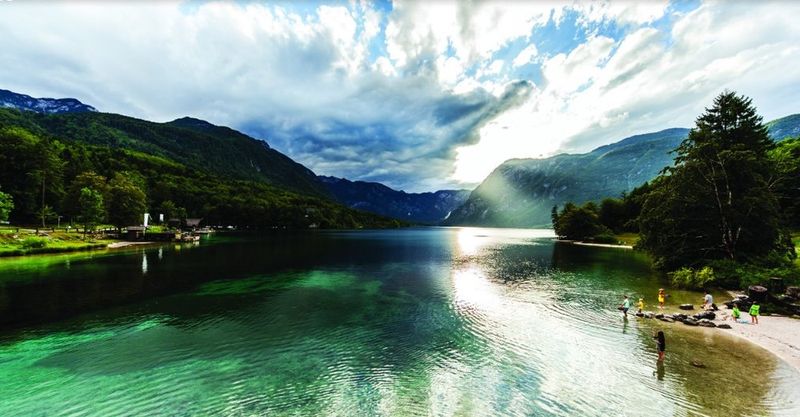
Everyone talks about Lake Bled with its fairytale island church, but Lake Bohinj sits just a short drive away and offers something entirely different. There are no tour buses circling every five minutes and no selfie crowds blocking the view.
The water is strikingly clear and perfect for swimming from natural shoreline access points.
The surrounding Julian Alps create a dramatic backdrop that feels almost too beautiful to be real. Bohinj is the kind of place that makes you want to stay an extra week.
5. Bratislava, Slovakia
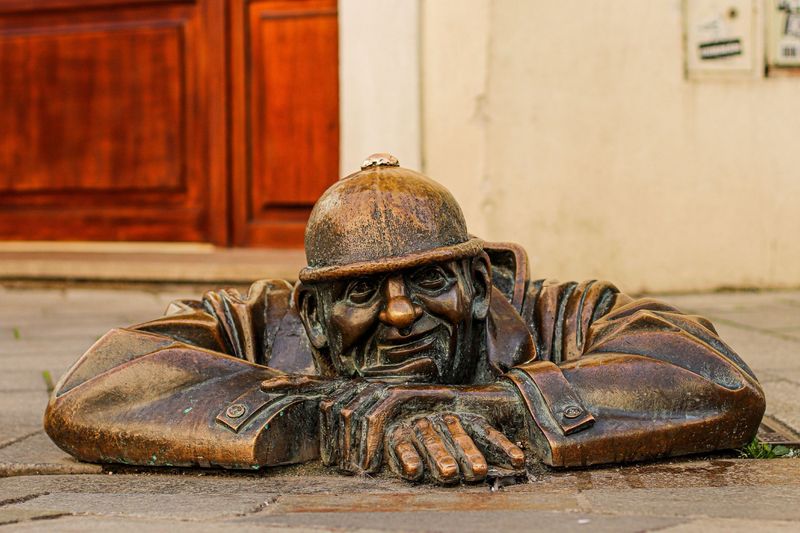
Bratislava gets dismissed as a quick stop between Vienna and Budapest, and that is genuinely unfair. Slovakia’s compact capital packs medieval architecture, Baroque palaces, and one of Europe’s quirkiest public art collections into a walkable old town that takes maybe two hours to cross on foot.
The Cumil statue, a bronze worker peeking up from a manhole, has become an unlikely symbol of the city’s playful spirit. Budget-friendly restaurants and a growing craft beer scene make Bratislava a smart choice for travelers seeking authenticity without the premium price tag.
6. Transylvania, Romania
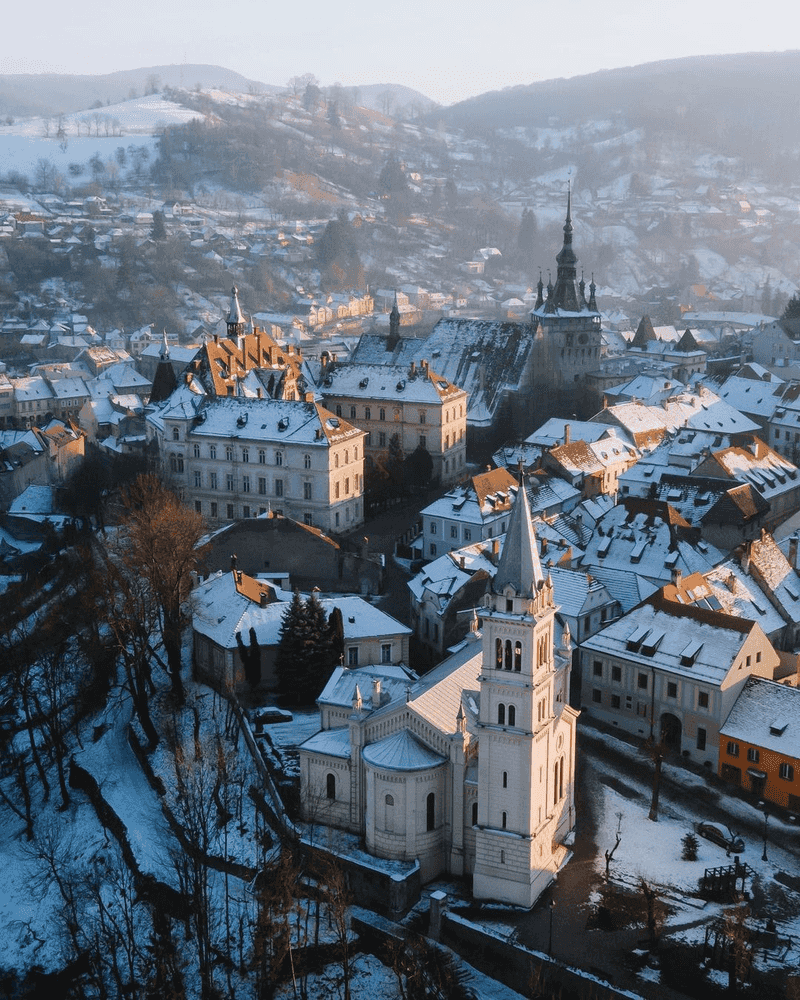
Mention Transylvania and most people immediately picture Dracula’s castle and vampire lore. The real story is far richer and honestly more fascinating.
This Romanian region holds some of Europe’s best-preserved medieval towns, including Brasov, Sibiu, and Sighisoara, a UNESCO World Heritage Site that has barely changed in 500 years.
Fortified Saxon churches dot the countryside alongside Carpathian mountain scenery that feels genuinely wild. The pace of life here is refreshingly slow, and the hospitality is warm in a way that feels completely unscripted.
7. Kotor, Montenegro
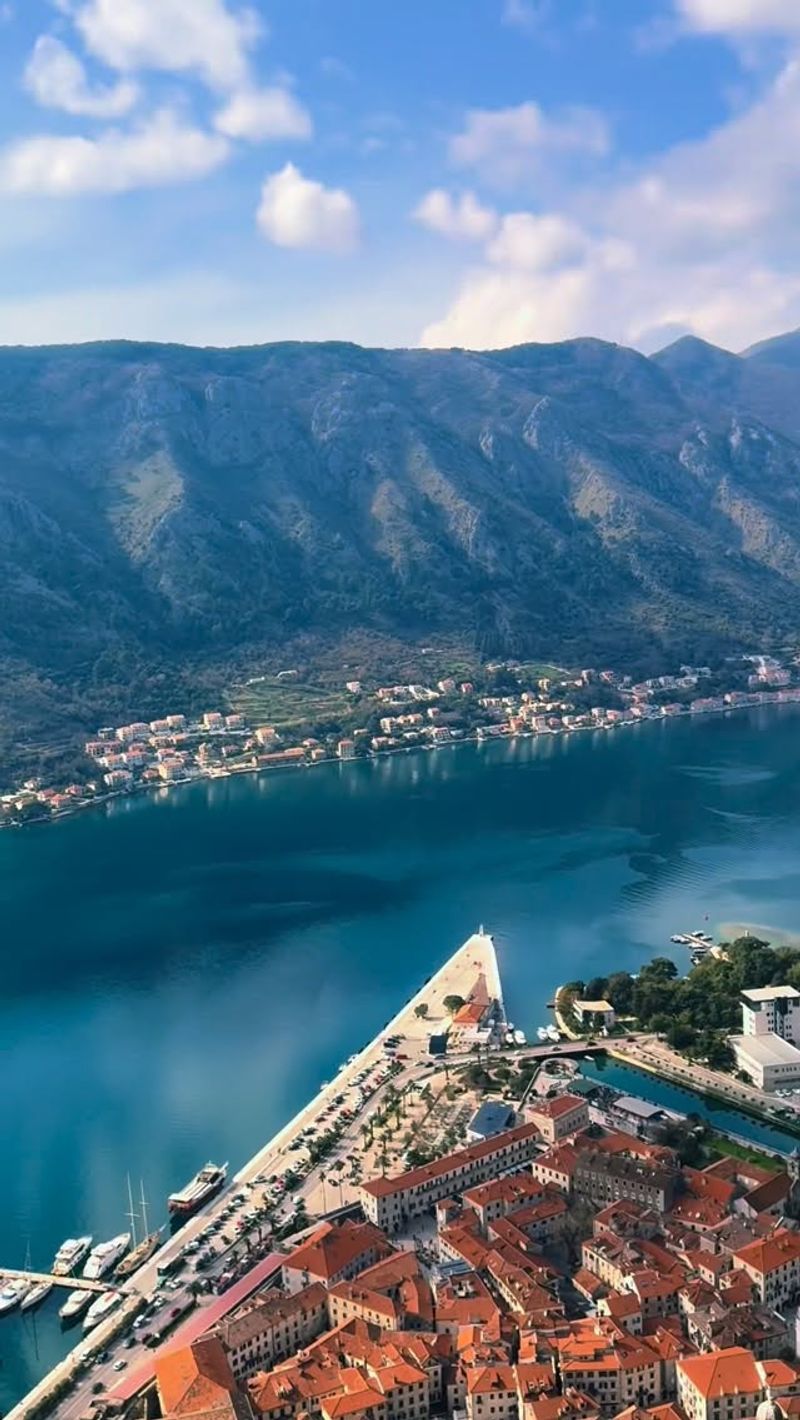
Wedged between steep limestone mountains and a deep, sheltered bay, Kotor is one of the most dramatically situated towns in all of Europe. Many travelers skip Montenegro entirely, assuming it cannot compete with Croatia just up the coast.
That assumption misses out on a walled medieval city that UNESCO has recognized as a World Heritage Site.
Kotor is noticeably more affordable than Dubrovnik and far less crowded in peak season. Hiking up the ancient fortress walls rewards you with views that are genuinely hard to put into words.
8. Gozo Island, Malta
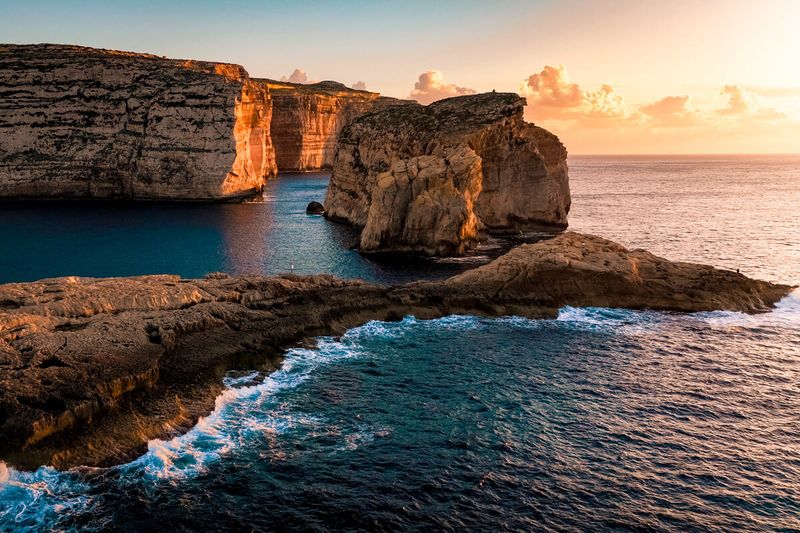
Most visitors treat Gozo as a quick ferry trip from Malta, spend a few hours, and head back before sunset. Staying longer changes everything.
This small island has dramatic cliff scenery, ancient megalithic temples older than Stonehenge, and quiet beaches that feel genuinely secluded even in summer.
The pace on Gozo is noticeably slower than on the main island, which is exactly the point. Year-round mild weather makes it a strong choice for travelers who want a Mediterranean experience without the overwhelming resort crowds.
9. Thessaloniki, Greece
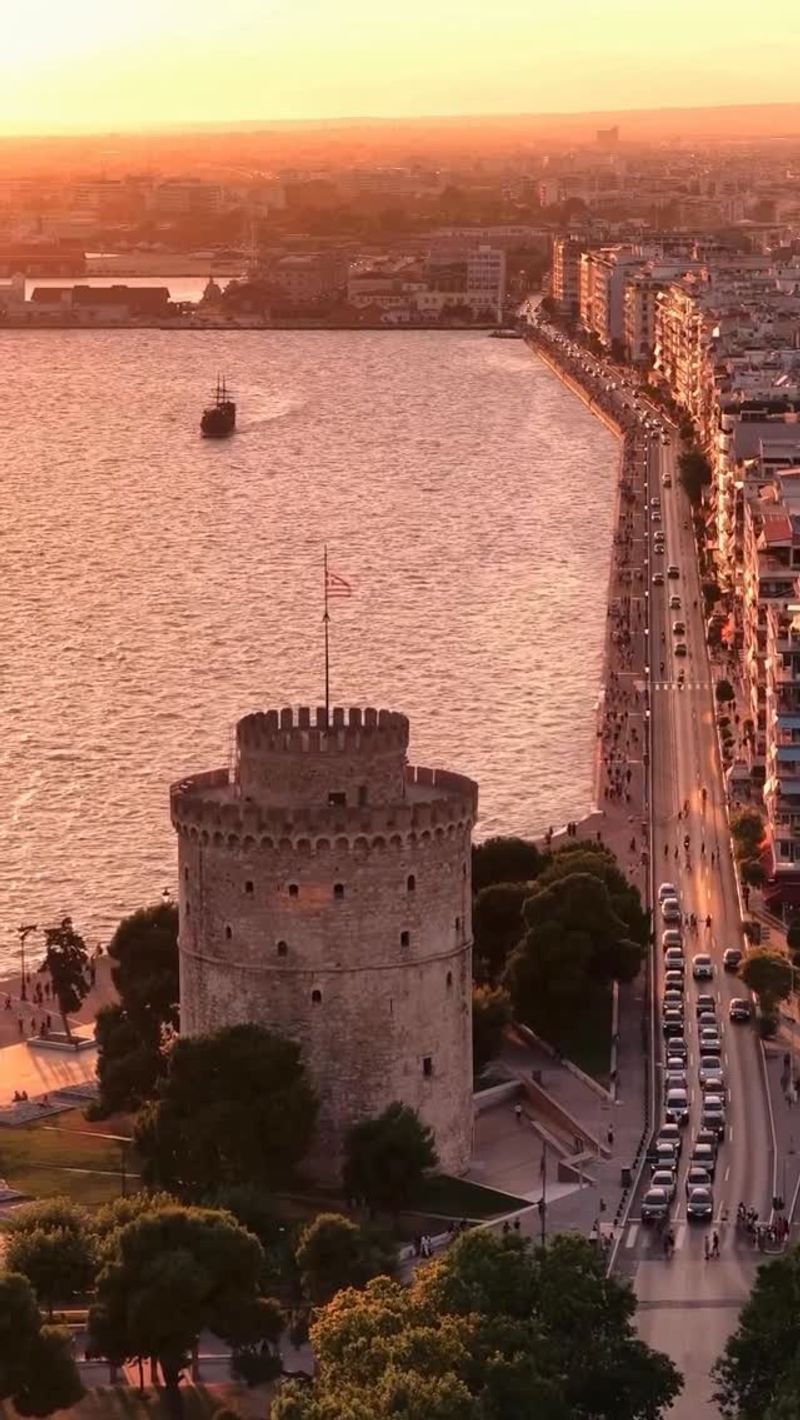
Greece’s second city has been quietly doing its own thing for over 2,300 years while Athens gets all the attention. Thessaloniki layers Roman, Byzantine, and Ottoman history into a living city that does not feel like a museum.
The UNESCO-listed Byzantine monuments are stunning, but the food scene might be the real reason to visit.
Locals take enormous pride in their culinary traditions, and the street food here is widely considered the best in Greece. Thessaloniki rewards travelers who are ready to put down the guidebook and simply wander.
10. Tarragona, Spain
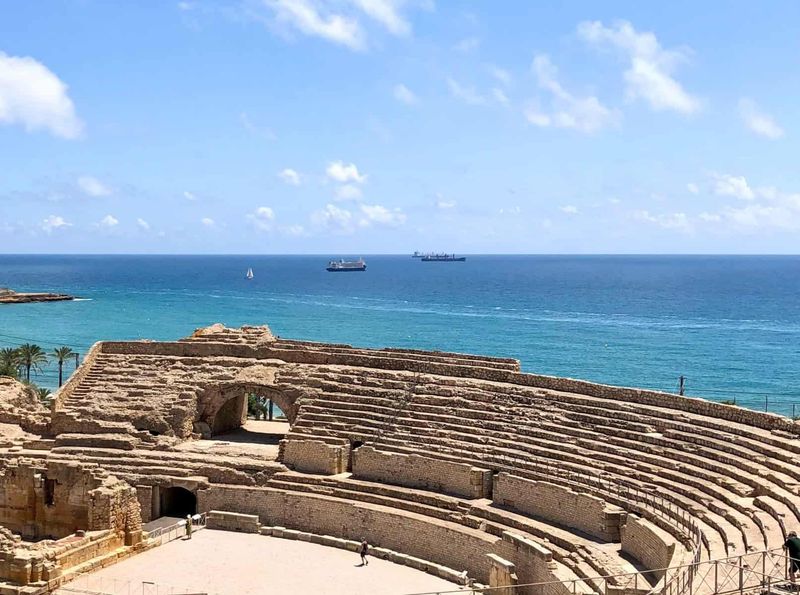
Rome gets all the glory for ancient ruins, but Tarragona on Spain’s Costa Daurada quietly holds some of the best-preserved Roman structures outside of Italy. The city was once the capital of Roman Hispania, known as Tarraco, and the archaeological remains earned it UNESCO World Heritage status.
Walking through the Roman amphitheater with the Mediterranean literally sparkling behind it is a surreal experience. Crowds here are a fraction of what you will find in Rome or even Barcelona, making exploration genuinely relaxed and rewarding.
11. Ostia Antica, Italy
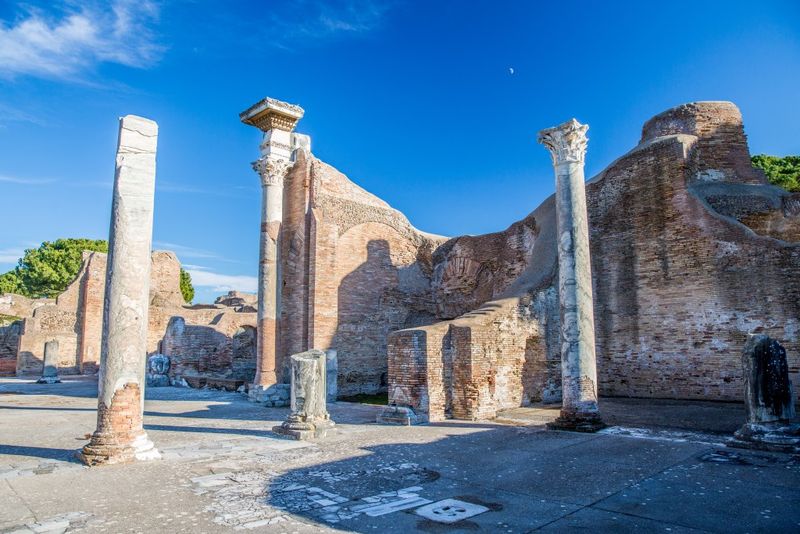
Just a short train ride from Rome sits one of Europe’s most underappreciated ancient sites. Ostia Antica was Rome’s original harbor city, and it survived well enough to give visitors a genuinely vivid picture of everyday Roman life.
Think apartment blocks, bakeries, taverns, and public baths, all still standing in remarkable condition.
Unlike Pompeii, Ostia rarely draws massive queues, meaning you can roam freely and actually absorb the atmosphere. For history lovers who have already ticked off the Colosseum, Ostia Antica feels like discovering a secret chapter.
12. Minho Region, Portugal
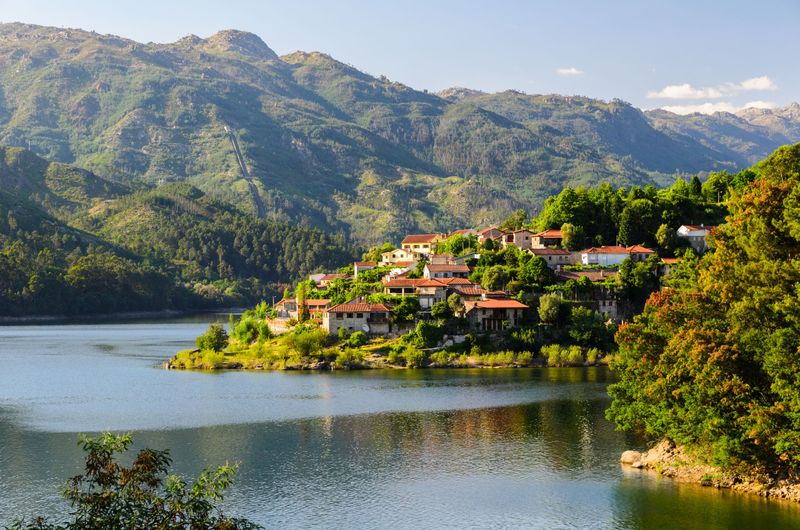
Northern Portugal’s Minho region is often described as the country’s greenest corner, and standing among its terraced vineyards with misty mountains in the background, it is easy to understand why. Vinho Verde wine originates here, produced from grapes grown across a landscape of river valleys and granite villages that feel untouched by mass tourism.
The coastline is rugged and windswept, a dramatic contrast to the Algarve’s polished beaches further south. Minho offers authentic cultural experiences at a pace that actually lets you breathe and connect with the place.
13. Dumfries and Galloway, Scotland
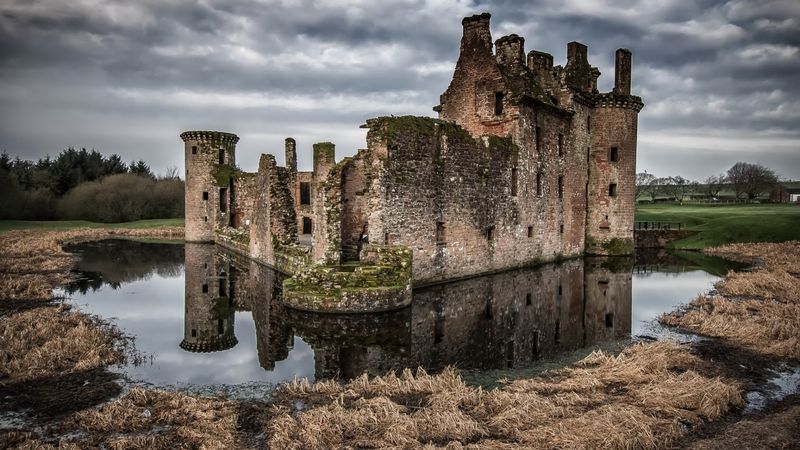
Scotland’s Highlands and Edinburgh pull in millions of visitors every year, leaving Dumfries and Galloway largely to itself in the southwest. That regional neglect is actually a gift for travelers who find it.
Caerlaverock Castle, one of Scotland’s most photogenic medieval fortresses, stands here in a moat that perfectly mirrors the dramatic sky above.
The Galloway Forest Park holds one of Europe’s best Dark Sky status designations, making it ideal for stargazing on clear nights. Literary history, rugged peninsulas, and genuine quietude round out this deeply underrated corner of Scotland.
14. Annecy, France
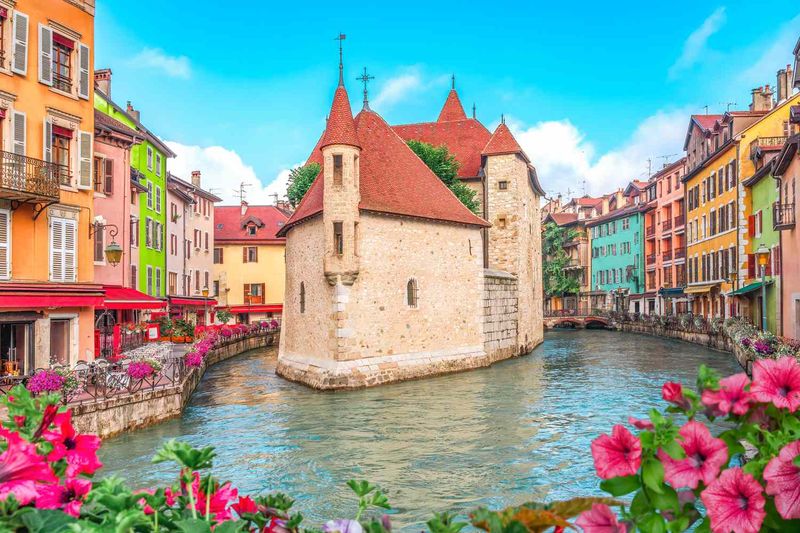
Tucked between the French Alps and a shimmering glacial lake, Annecy looks like it was designed by a fairy-tale illustrator. Somehow, it still flies under the radar for travelers obsessed with Paris or the French Riviera.
The canals running through the old town are lined with geranium-draped balconies and pastel buildings.
Swimming in the lake is practically mandatory in summer, as it ranks among the cleanest in Europe. Annecy proves that France has so much more to offer beyond the Eiffel Tower.
15. Sarajevo, Bosnia and Herzegovina
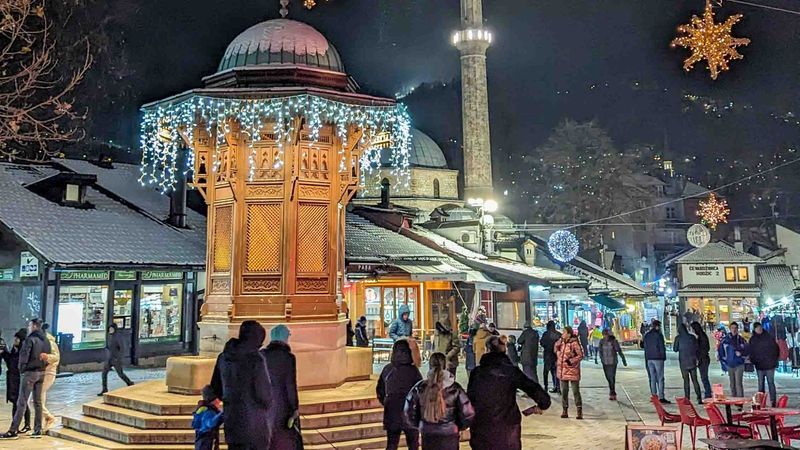
Few European cities carry as much misunderstood baggage as Sarajevo. History classes tend to focus on the 1914 assassination and the devastating 1990s siege, leaving out the extraordinary resilience and cultural richness that define the city today.
Walking through the old Bascarsija bazaar, you move from Ottoman minarets to Austro-Hungarian boulevards within a single city block.
The coffee culture here is a serious ritual worth experiencing slowly. Sarajevo’s openness to visitors, given everything it has endured, is genuinely moving and makes it one of Europe’s most memorable destinations.
16. Albanian Riviera, Albania
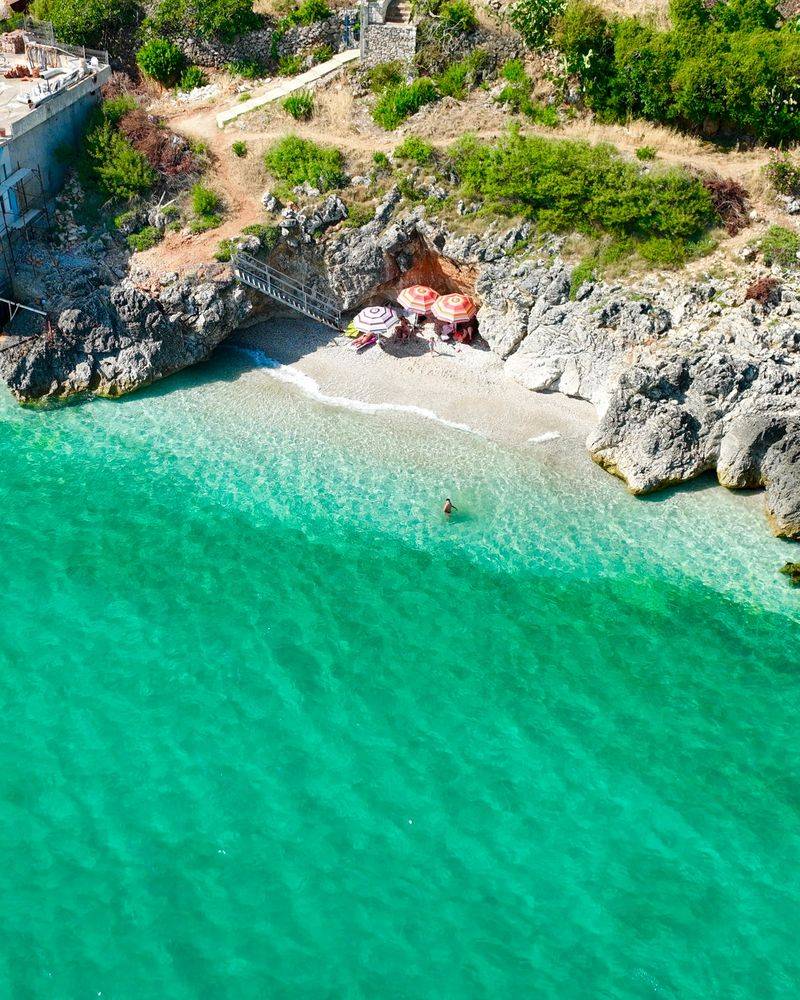
Albania’s coastline along the Ionian Sea remains one of Europe’s best-kept travel secrets, and the window for experiencing it in its current undeveloped state may not stay open forever. The water here is genuinely turquoise, rivaling anything you would find in Greece or Croatia, but at a fraction of the cost and without the packed beach chairs stretching as far as the eye can see.
Hidden coves, clifftop villages, and fresh seafood make every stop feel like a discovery. The Albanian Riviera is raw, beautiful, and completely worth the trip.