
Salt is one of the oldest and most powerful ingredients in cooking, and some foods truly shine when they are cooked directly in it. Whether baked inside a salt crust or simmered in heavily salted water, the process locks in moisture, boosts natural flavours, and creates something truly special.
You might be surprised by just how many everyday ingredients are transformed by this simple technique. Get ready to discover 17 foods that taste their absolute best when cooked in salt.
1. Whole Fish Baked in a Salt Crust
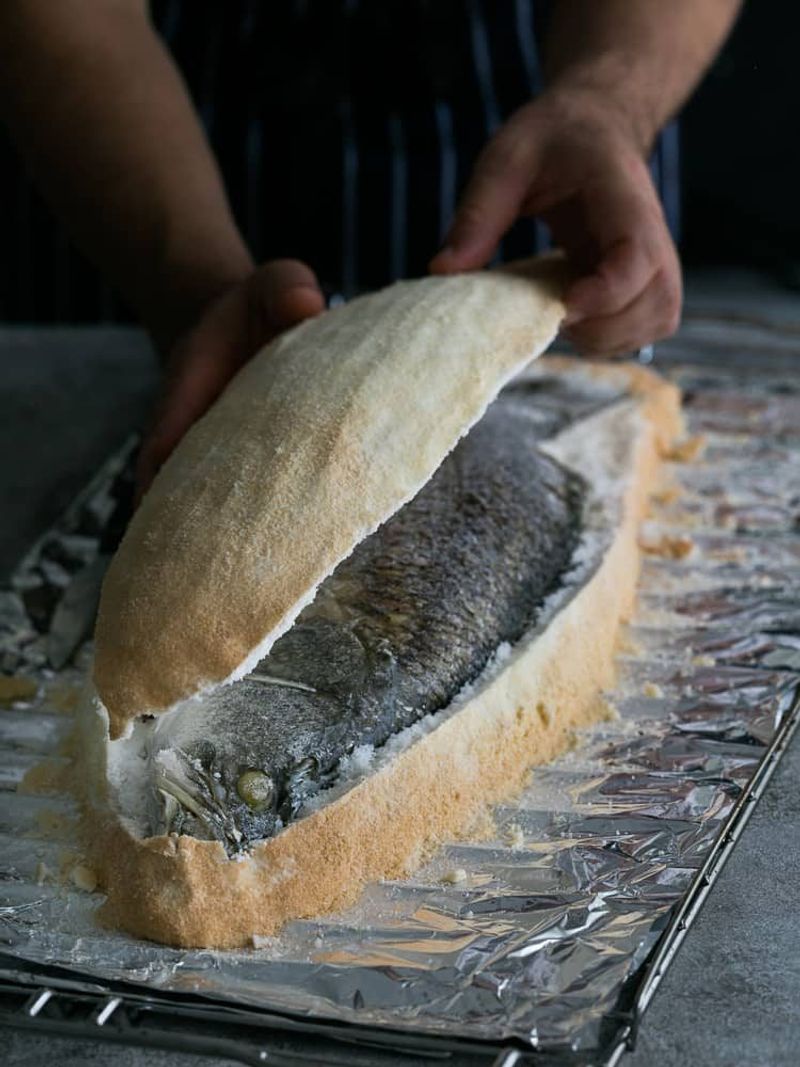
Cracking open a salt crust at the dinner table feels almost theatrical, and the fish inside never disappoints. The thick salt shell seals in every drop of moisture, leaving the flesh incredibly tender and perfectly seasoned without tasting overly salty.
The salt acts like a natural oven within an oven, cooking the fish evenly from all sides. Sea bass and red snapper are popular choices for this technique, and the results are consistently impressive.
2. Potatoes Boiled in Heavily Salted Water
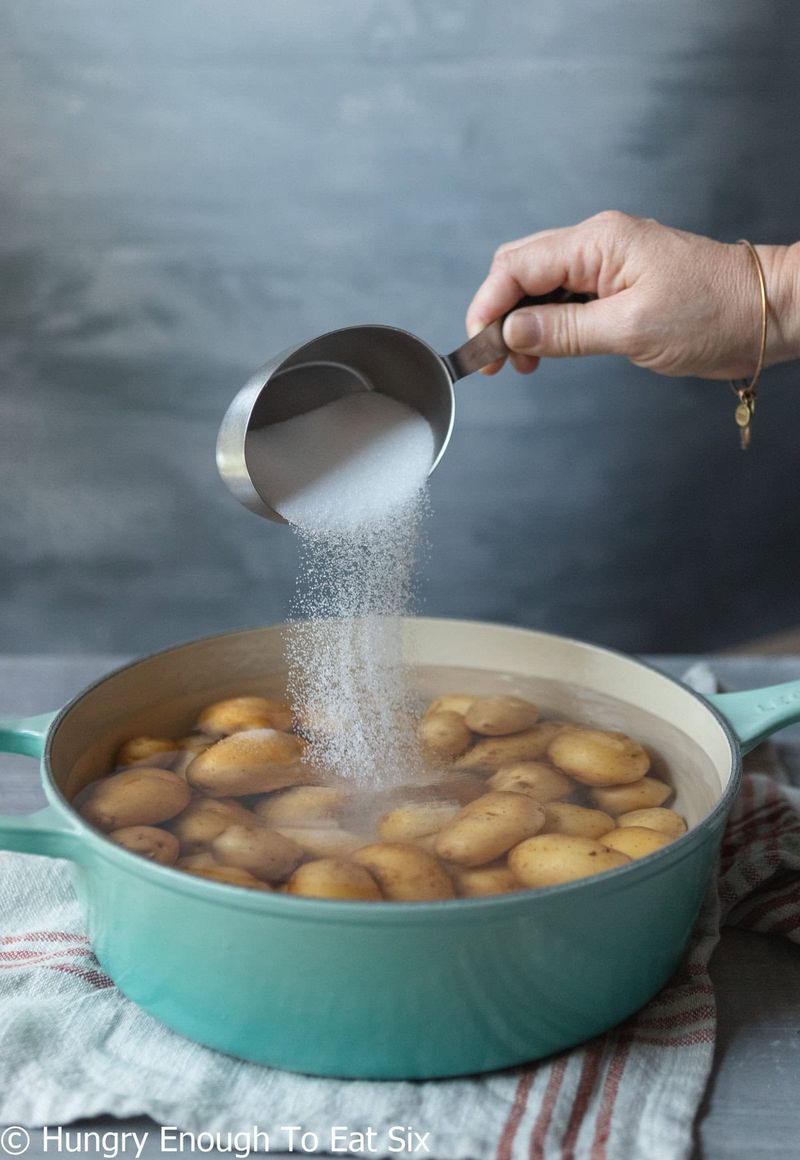
Most home cooks underestimate just how much salt their pasta water or potato water really needs. Potatoes absorb seasoning as they cook, meaning the salt you add to the water actually travels inside the potato itself.
Boiling potatoes in generously salted water results in a more complex, well-rounded flavour all the way through. Bland mashed potatoes or roasties often come down to under-salted cooking water, so do not be shy when filling that pot.
3. Pasta Cooked in Salted Boiling Water
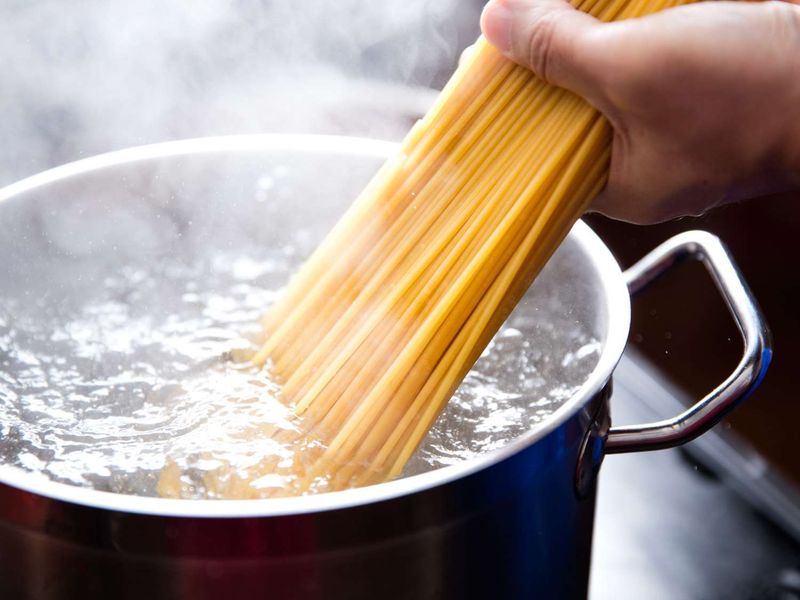
There is a classic Italian saying that pasta water should taste like the sea, and that is not an exaggeration. Salting the water is the only real chance you get to season pasta from the inside out.
Without it, even the richest sauce cannot fully rescue bland, flat-tasting noodles. Using coarse sea salt and adding it before the pasta goes in makes a noticeable difference in every single bite you take.
4. Eggs Soft-Boiled in Salted Water

Soft-boiled eggs are a breakfast staple, but cooking them in lightly salted water actually helps prevent cracking and makes peeling far easier. The salt slightly raises the boiling point of the water, giving you a little more control over the cooking time.
Beyond practicality, the egg white absorbs a subtle mineral flavour that makes it taste richer. Paired with a pinch of flaky salt on top after cooking, the result is simple perfection on a plate.
5. Edamame Boiled in Salted Water
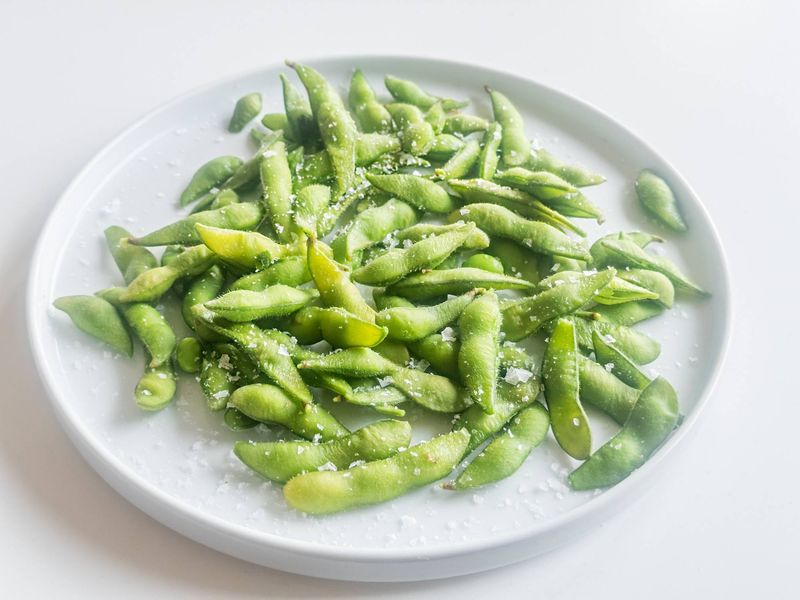
Edamame is one of those snacks that looks simple but can taste wildly different depending on how it is cooked. Boiling the pods in heavily salted water allows the salt to penetrate the outer shell and season the beans inside.
That is why restaurant edamame always tastes better than the kind you boil at home with barely any salt. Generous salting is the single biggest secret to getting that addictive, savoury flavour every single time.
6. Beets Roasted Under a Salt Blanket
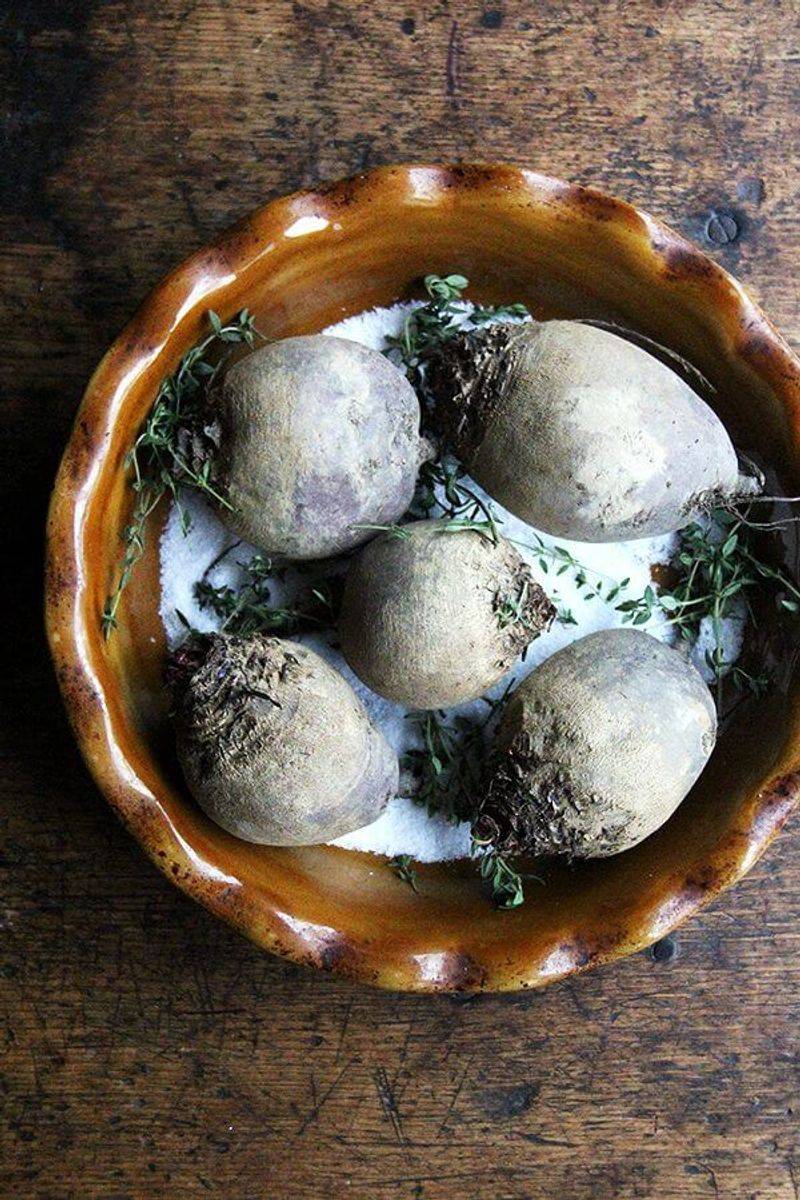
Roasting beets buried in a bed of coarse salt might sound unusual, but it produces some of the most intensely flavoured results imaginable. The salt draws out excess moisture from the skin while simultaneously concentrating the natural sweetness inside.
What you get is a beet with a beautifully caramelised interior and a deep, earthy richness that steaming or plain roasting simply cannot match. Slice them warm over goats cheese and you will never go back to the old method.
7. Chicken Cooked in a Salt Crust
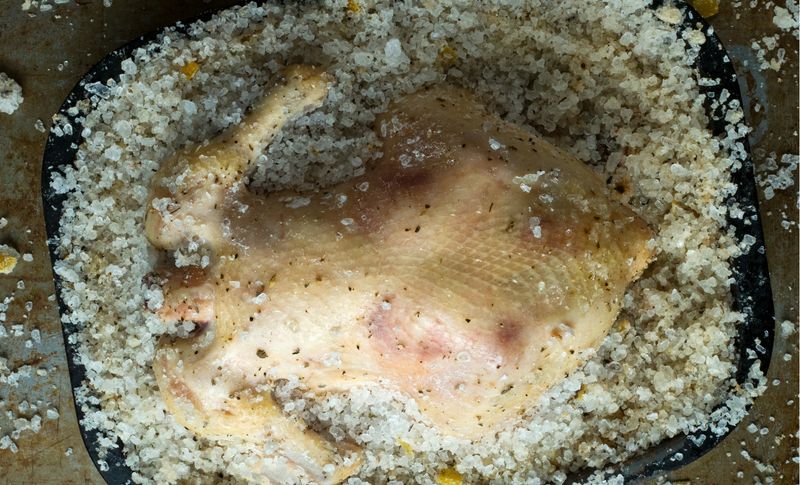
Salt-crusted chicken sounds extravagant, but the technique is surprisingly straightforward and the payoff is enormous. Encasing the whole bird in a mixture of salt and egg white creates a sealed environment that traps steam and bastes the meat continuously.
The finished chicken is juicy beyond belief, with skin that peels away cleanly and flesh that stays moist to the bone. Chefs have used this method for centuries because it delivers consistent, restaurant-quality results every single time.
8. Corn on the Cob Boiled in Salted Water
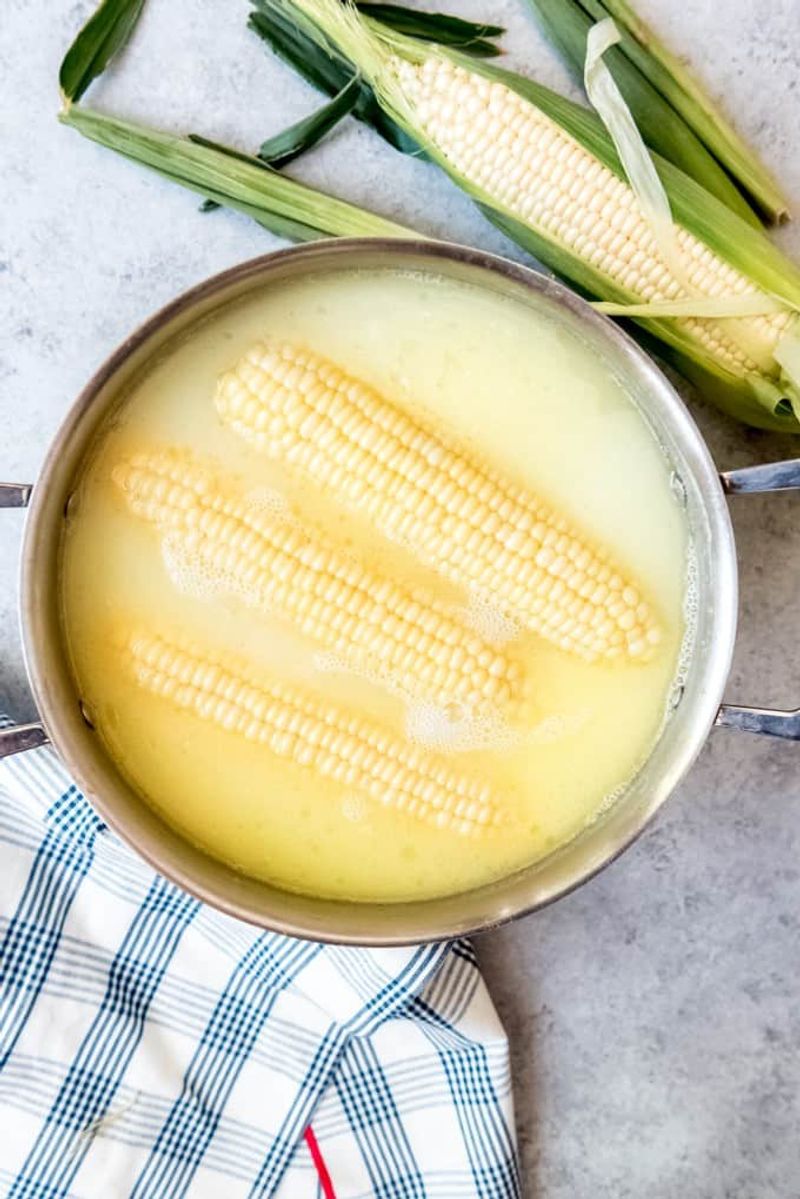
Summer corn on the cob is one of life’s great simple pleasures, and salted water makes it taste even better. Adding salt to the boiling water seasons the kernels from the outside in as they cook, enhancing the corn’s natural sweetness.
Some people add a little sugar to the water too, but honest-to-goodness sea salt is often all you really need. Finish with a generous pat of butter and an extra sprinkle of flaky salt for the full experience.
9. Pork Tenderloin in a Salt and Herb Crust
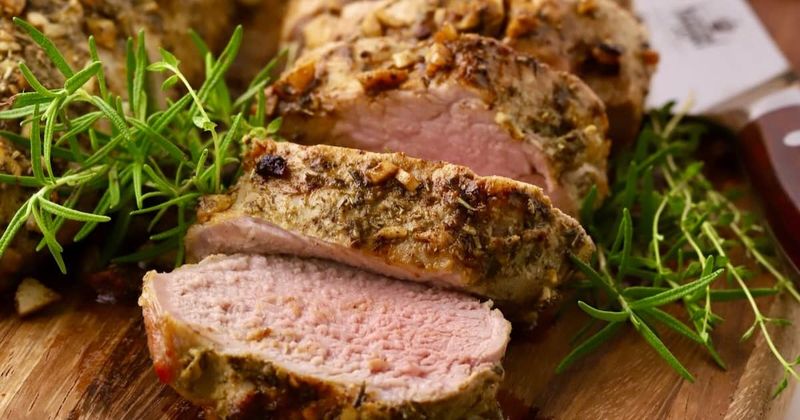
Pork tenderloin is a lean cut that can dry out quickly if not handled with care, and a salt-and-herb crust is one of the best solutions. The crust forms a protective barrier around the meat, locking in juices and infusing it with herby, savoury flavour as it roasts.
Rosemary, garlic, and coarse sea salt make a classic combination. When the crust is cracked and removed, the tenderloin underneath is astonishingly juicy and full of flavour that goes right to the centre.
10. Green Vegetables Blanched in Salted Water
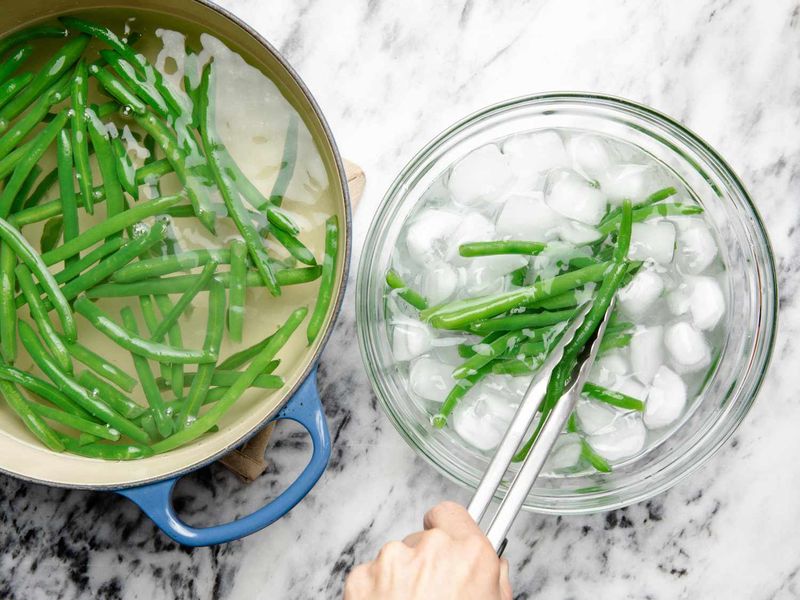
Blanching green vegetables in well-salted water is a trick that professional chefs rely on constantly. The high salt concentration keeps the vegetables brilliantly green while seasoning them at the same time, so they taste vibrant rather than bland and watery.
Broccoli, green beans, asparagus, and peas all benefit enormously from this quick method. After just a few minutes in the water, plunge them into ice water to stop the cooking and lock in that stunning colour and fresh flavour.
11. Lamb Leg Encased in Rock Salt
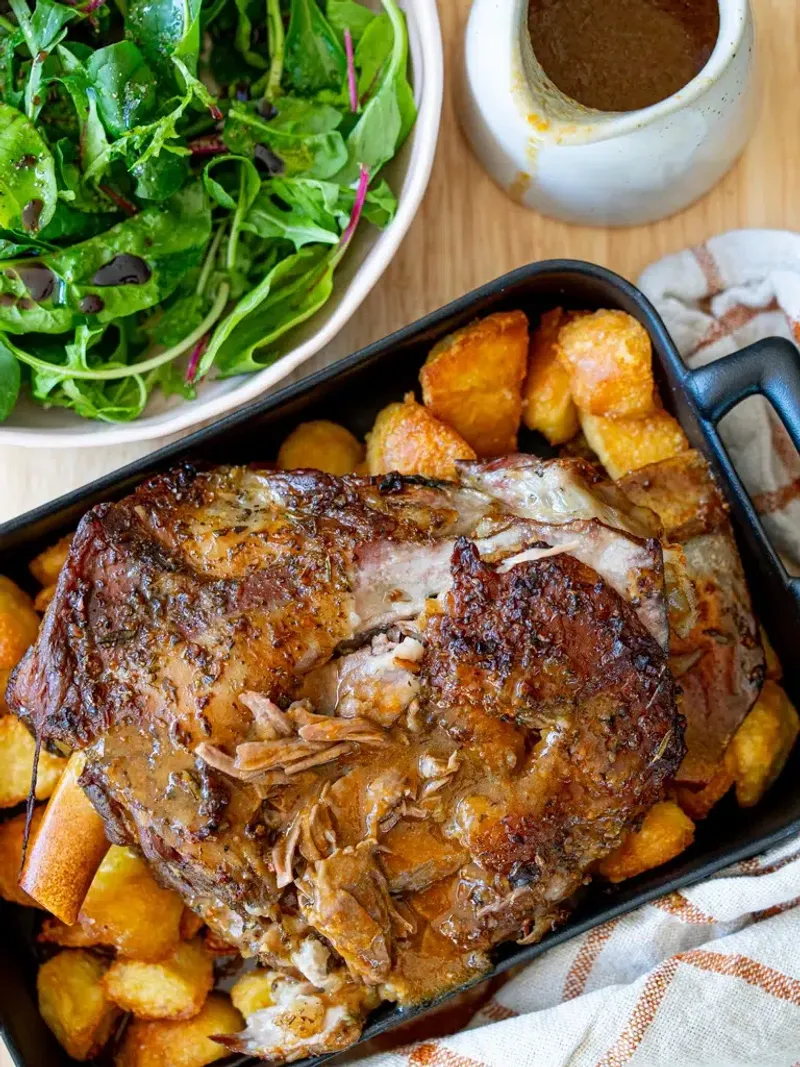
A leg of lamb cooked inside a mountain of rock salt sounds like something from an ancient recipe book, and in a way it is. This method has been used across Mediterranean cultures for generations because it produces meat that is fall-apart tender and deeply seasoned.
The rock salt forms a hard shell that traps all the natural juices inside. Breaking through the crust at the table is half the fun, and the lamb you find underneath is always worth the wait.
12. Pretzels Boiled in Salted Baking Soda Water

That deep brown, chewy exterior on a soft pretzel comes from one very specific step: boiling the dough in a bath of water mixed with baking soda and salt. This alkaline solution triggers a reaction on the surface that creates the pretzel’s signature colour and texture.
Without this step, you just have a bread roll in a pretzel shape. The salt in the water also seasons the crust, which is why pretzels have that satisfying savoury bite even before the coarse topping is added.
13. Whole Cauliflower Roasted in a Salt Crust
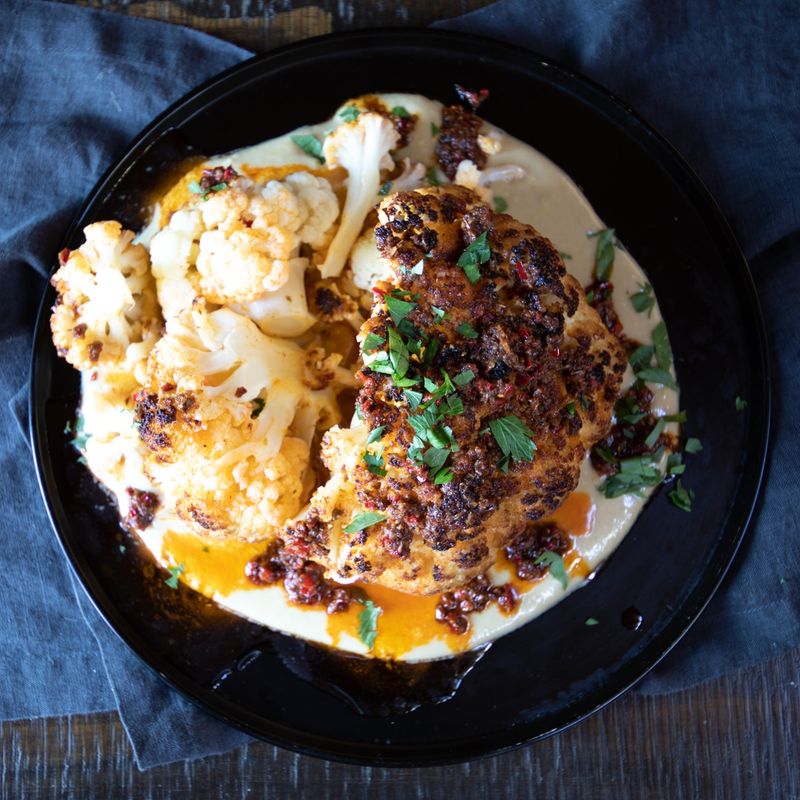
Cooking a whole cauliflower inside a salt crust is a vegetarian showstopper that has been gaining serious attention in restaurant kitchens. The salt shell creates a sealed chamber where the cauliflower steams in its own natural moisture and absorbs a subtle mineral depth.
The result is a tender, evenly cooked vegetable with a flavour that is far more complex than plain roasted cauliflower. Crack the crust open at the table for maximum drama and serve it with a bright herb sauce.
14. Clams and Mussels Steamed Over Salt Water
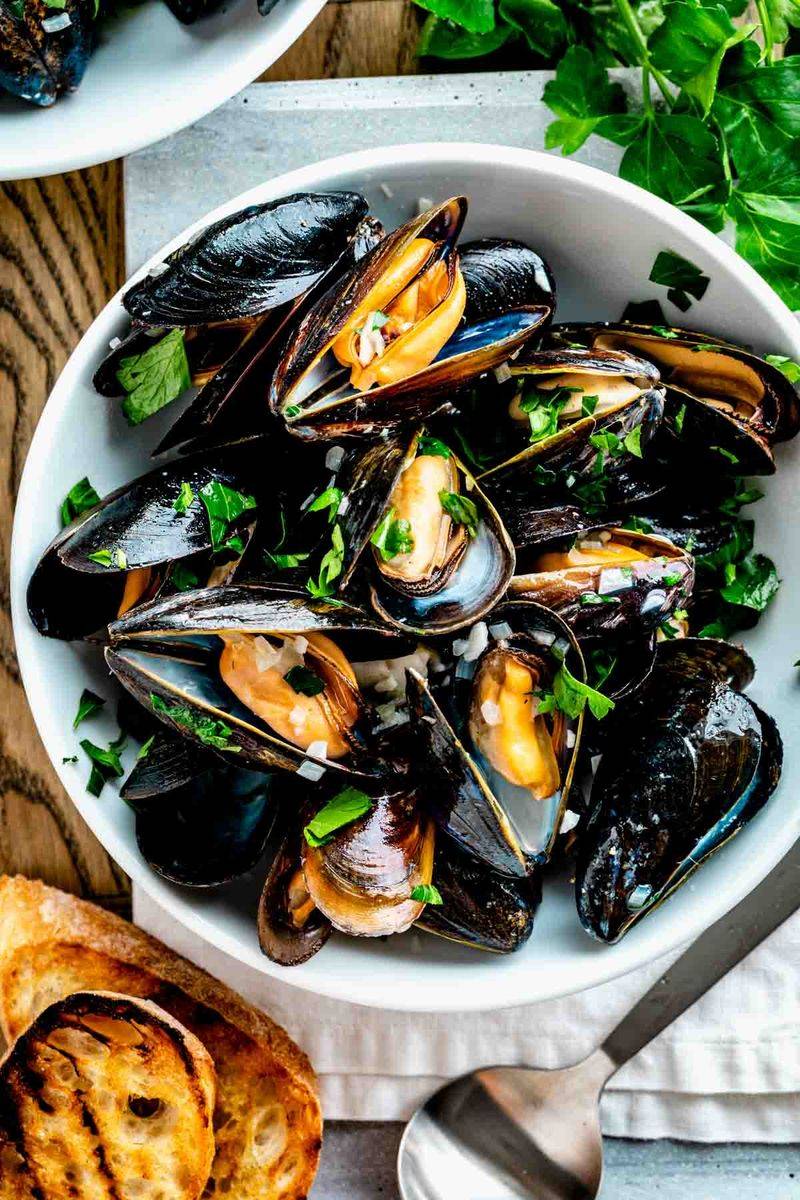
Shellfish and salt have a natural relationship since they spend their whole lives in the sea. Steaming clams and mussels over salted water instead of plain water keeps them tasting briny, fresh, and deeply oceanic rather than flat and washed-out.
The salt in the steam also helps the shells open more evenly during cooking. Add a splash of white wine and some fresh parsley to the pot and you have a dish that tastes like a summer holiday on the coast.
15. Duck Breast Cured and Cooked in Salt
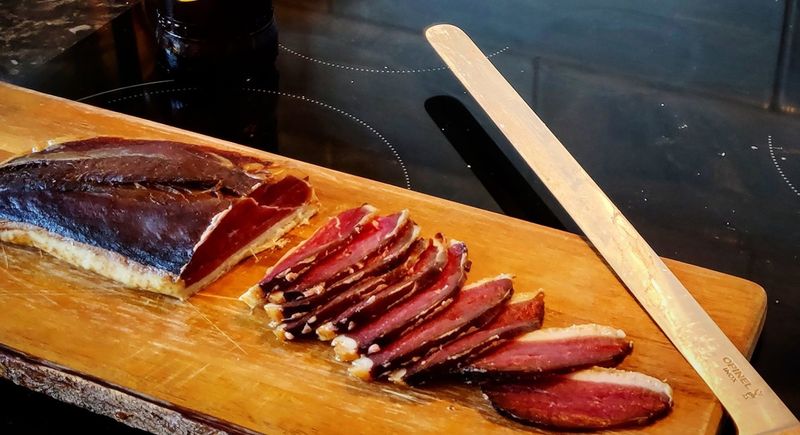
Salt-curing duck breast before cooking is a technique borrowed from classical French cuisine, and it makes a remarkable difference to the final texture and taste. Even a short cure of just 30 minutes draws out excess moisture from the meat, concentrating its rich, gamey flavour.
When the cured breast is then seared skin-side down in a hot pan, the skin crisps up faster and more evenly than uncured duck. The result is a restaurant-worthy plate with very little effort beyond some patience.
16. Sweet Potatoes Baked on a Salt Bed
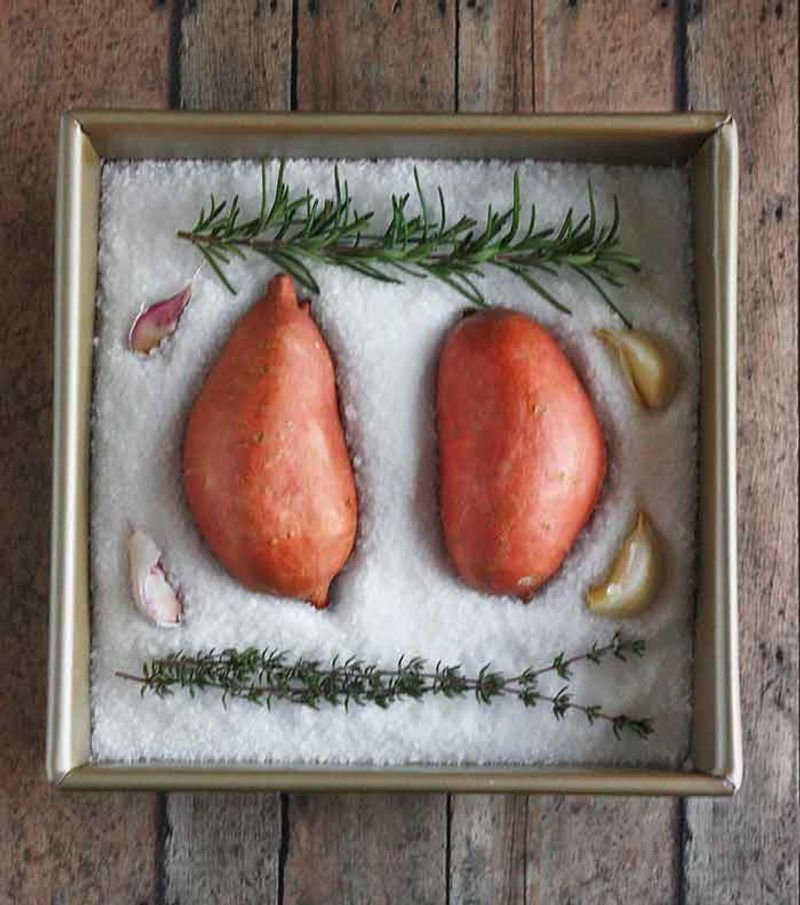
Baking sweet potatoes directly on a thick layer of coarse salt is a game-changing move that most home cooks have never tried. The salt acts as a heat conductor, surrounding the bottom of each potato with steady, even warmth that speeds up cooking and caramelises the natural sugars.
It also draws out a little moisture through the skin, giving you a beautifully fluffy interior and a slightly crisp outer layer. The skins absorb a hint of mineral saltiness that balances the sweetness perfectly.
17. Octopus Simmered in Salted Water with Bay Leaves
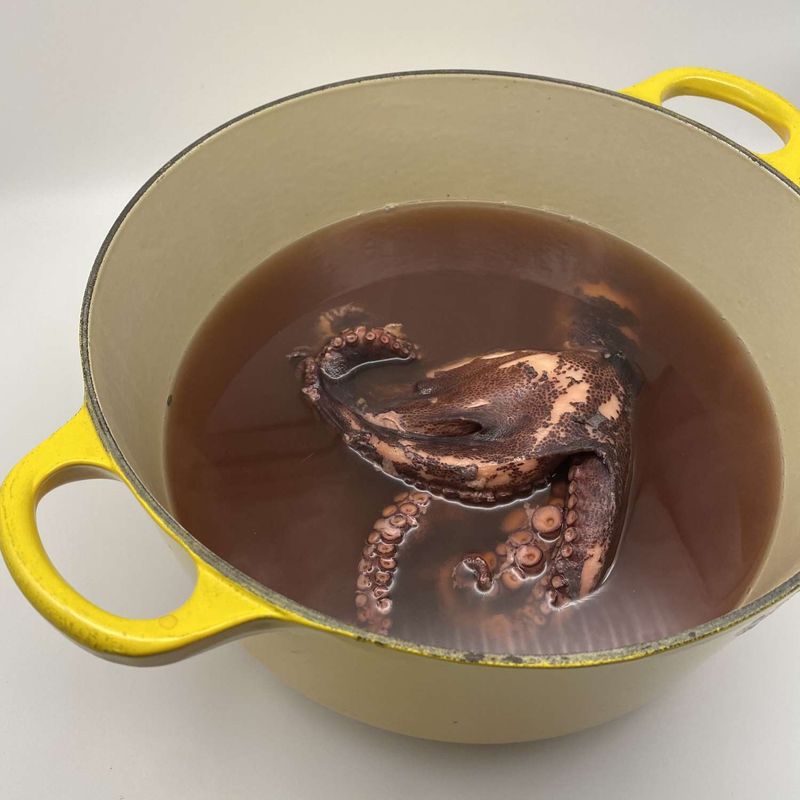
Octopus has a well-earned reputation for being tricky to cook, but simmering it in properly salted water is one of the most reliable paths to a tender result. The salt helps break down the tough muscle fibres gradually, producing a texture that is firm yet yielding rather than rubbery.
Bay leaves, peppercorns, and a squeeze of lemon in the water add layers of background flavour. After a good long simmer, slice and char it on a hot grill for a finish that rivals any coastal taverna.