
Breakfast looked very different a few decades ago. Grandparents and great-grandparents sat down to morning meals that most kids today have never even heard of.
From savory grain porridges to cured meats and old-fashioned baked goods, these forgotten breakfast staples were once the highlight of the morning table. Get ready to discover some truly surprising foods that older generations could not imagine starting the day without.
1. Creamed Chipped Beef on Toast
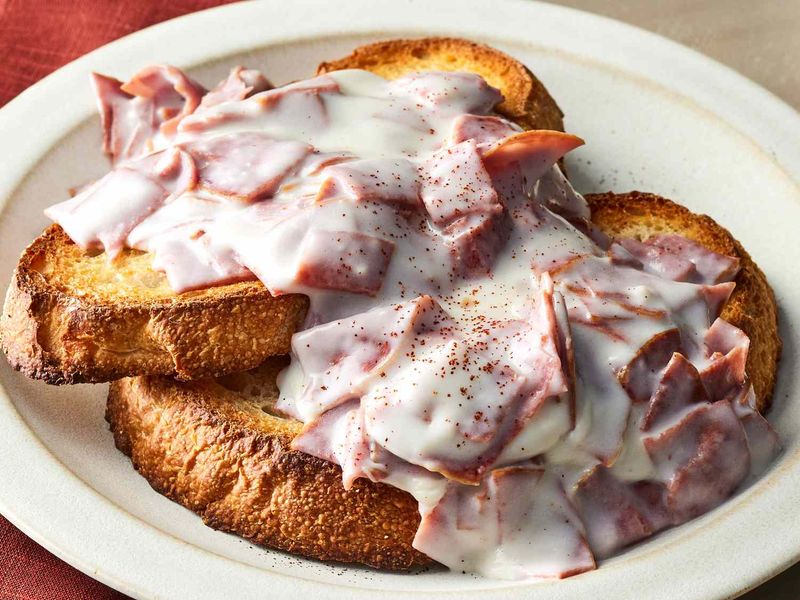
Nicknamed “SOS” by soldiers during World War II, this dish was a military staple that made its way into American homes. Thin slices of dried, salted beef are stirred into a creamy white gravy and spooned over thick toast.
It sounds simple, but the salty, rich flavor was deeply satisfying.
Many families served this on cold mornings when they needed something hearty. Younger generations rarely encounter it today, but those who try it are often pleasantly surprised by its bold, comforting taste.
2. Soft-Boiled Eggs in an Egg Cup

Before scrambled eggs took over every diner menu, soft-boiled eggs served in little egg cups were a morning ritual in many households. You tap the top with a spoon, peel it back, and scoop out the warm, silky yolk with a tiny spoon.
It feels almost ceremonial.
Egg cups were once a standard part of any kitchen table setting. They have mostly disappeared from modern breakfast routines, but this slow, satisfying tradition is absolutely worth bringing back on a quiet weekend morning.
3. Grits with Red-Eye Gravy
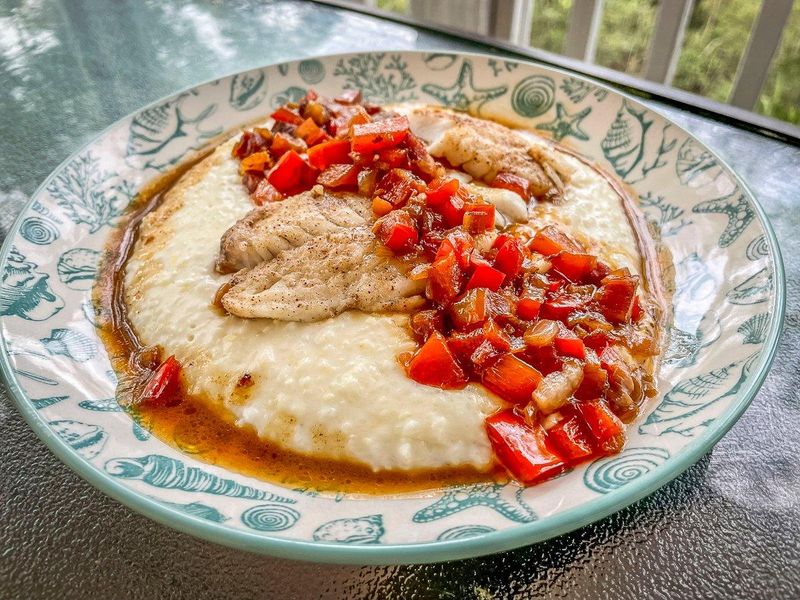
Red-eye gravy is one of the quirkiest breakfast sauces ever invented. Made by mixing ham drippings with black coffee, it creates a thin, smoky, slightly bitter gravy that gets poured right over a bowl of creamy grits.
It is a Southern classic that older generations swore by.
The combination sounds unusual, but the salty ham fat and bold coffee create a flavor that is surprisingly balanced. This dish was common across the rural South for generations and deserves far more attention than it gets today.
4. Oatmeal Porridge with Molasses
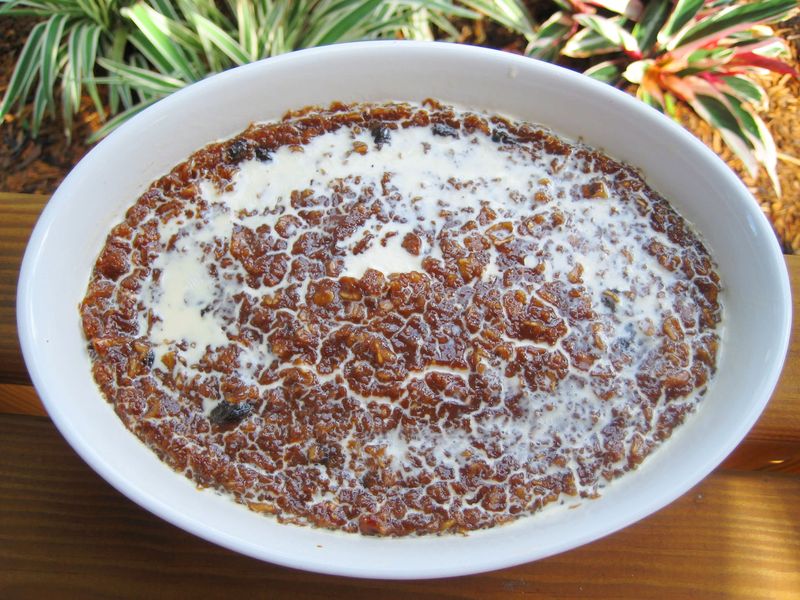
Long before flavored instant oatmeal packets lined grocery store shelves, a plain bowl of slow-cooked oatmeal drizzled with dark molasses was a go-to morning meal. Molasses adds a deep, almost caramel-like sweetness with a slightly bitter edge that makes plain oats taste rich and complex.
It was also incredibly affordable, which made it popular during tough economic times. Blackstrap molasses is packed with iron and minerals, so this humble bowl was as nutritious as it was filling.
It is a forgotten gem worth rediscovering.
5. Scrapple
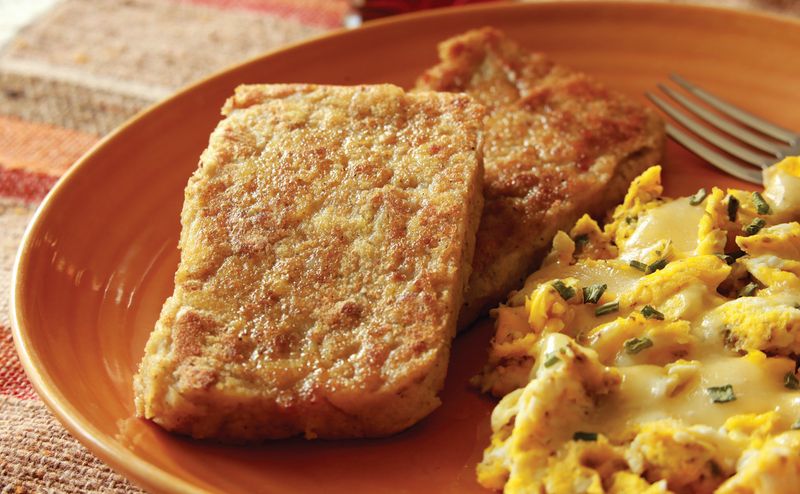
Scrapple is not for the faint of heart, but it has a devoted fan base across Pennsylvania and the Mid-Atlantic states. Made from pork scraps, cornmeal, and spices pressed into a loaf and then sliced and pan-fried, it gets wonderfully crispy on the outside while staying soft inside.
German and Dutch settlers brought this dish to America centuries ago as a way to use every part of the pig. Younger generations often skip it without trying it, but one crispy bite can turn a skeptic into a fan quickly.
6. Codfish Cakes

Codfish cakes for breakfast might raise some eyebrows today, but in coastal New England communities, this was an entirely normal morning meal. Salt cod was soaked overnight to remove excess salt, then mixed with mashed potatoes, onion, and herbs, and fried into crispy patties.
The tradition dates back to colonial times when preserved fish was a staple protein. These savory, flaky cakes are hearty and full of flavor.
They pair beautifully with eggs and are a fascinating piece of American culinary history that has largely faded from modern tables.
7. Fried Cornmeal Mush
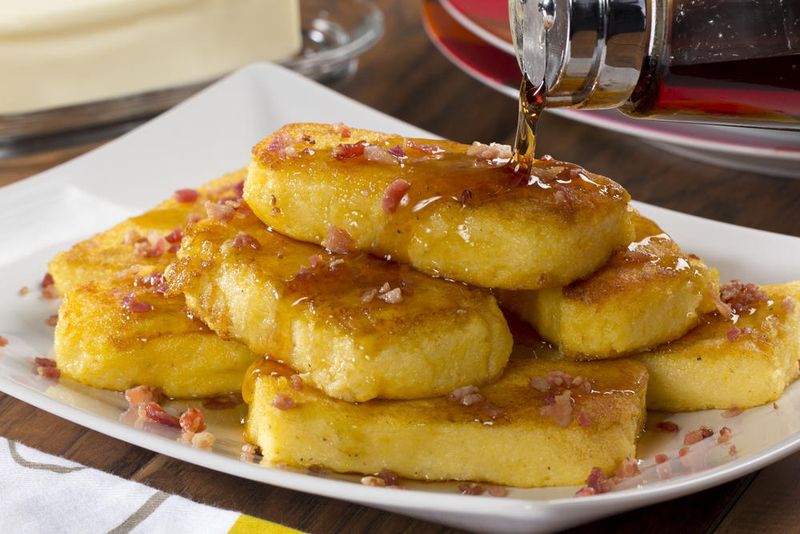
Cornmeal mush was the original make-ahead breakfast. Cooked the night before, poured into a loaf pan, and left to set, it was then sliced and fried in a skillet the next morning until golden and crispy.
A drizzle of maple syrup or honey made it a simple treat.
This dish stretches back to Native American cooking traditions and was a staple on American frontier tables. It costs almost nothing to make and tastes far better than its plain name suggests.
Crispy on the outside and tender inside, it is genuinely delicious.
8. Stewed Prunes
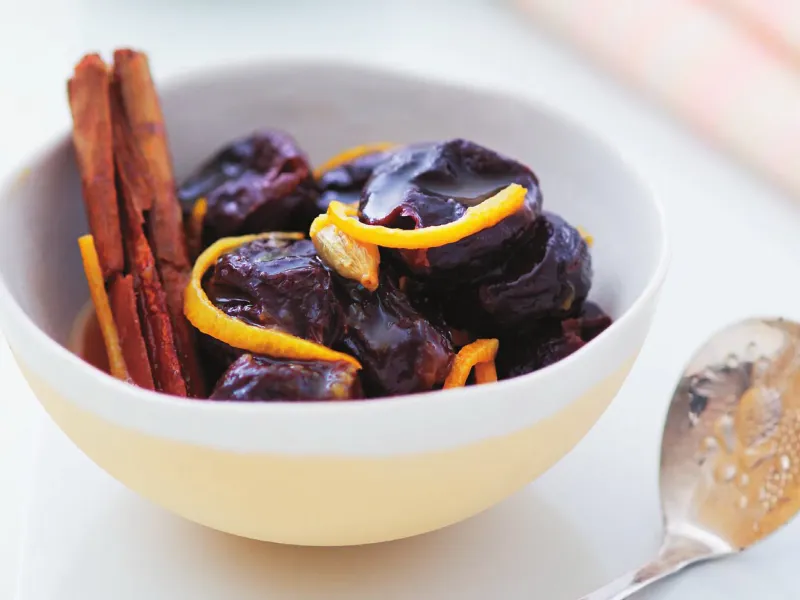
Stewed prunes were once as common on the breakfast table as orange juice is today. Dried plums simmered slowly in water with a little sugar, cinnamon, and lemon peel until they become soft, jammy, and sweet.
They were served warm in a small dish alongside toast or porridge.
Older generations valued them for their digestive benefits long before gut health became a trending topic. The flavor is rich, fruity, and gently spiced.
Anyone who dismisses them as a food for the elderly is truly missing out on something special.
9. Buckwheat Pancakes
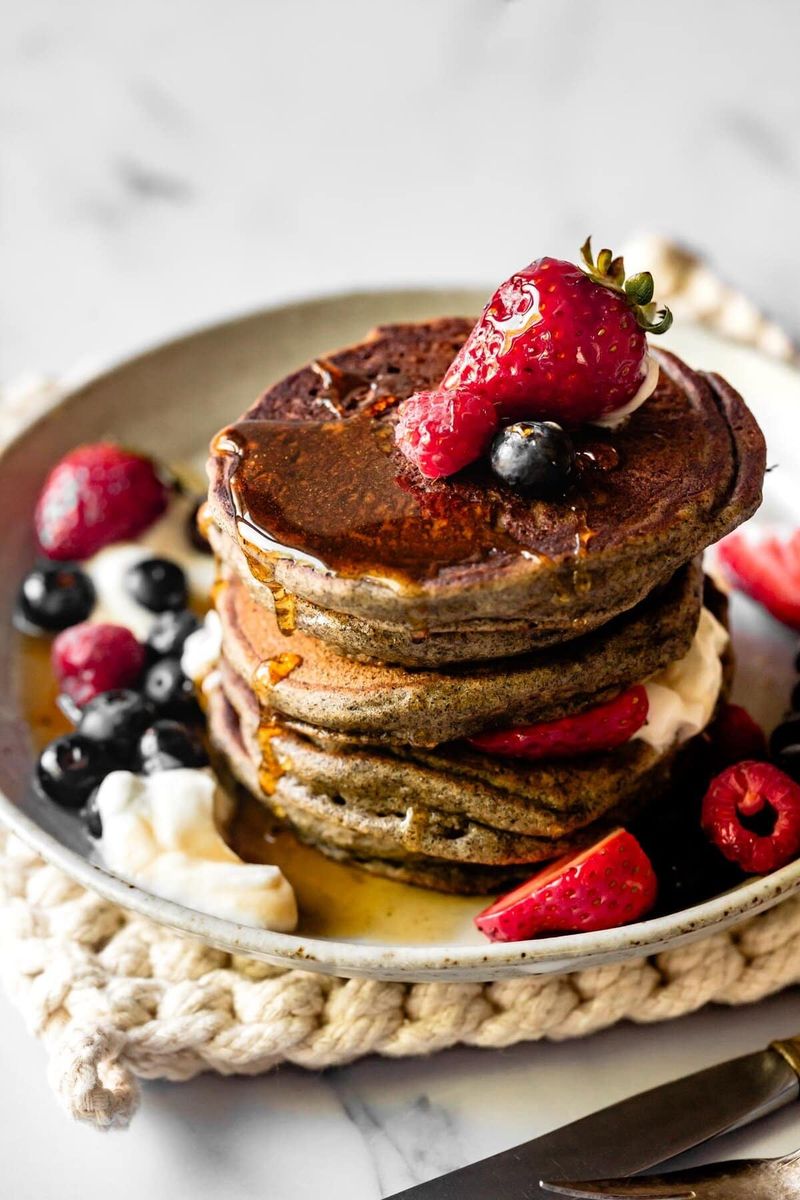
Buckwheat pancakes have a deep, earthy, nutty flavor that sets them miles apart from ordinary white-flour pancakes. They are darker in color, slightly denser, and have a bold taste that pairs beautifully with real maple syrup or fresh fruit.
Early American settlers made them regularly throughout the colder months.
Buckwheat is also naturally gluten-free, which is an interesting bonus. These pancakes fell out of fashion as processed white flour became cheap and widely available.
Bringing them back to your weekend breakfast routine is one of the tastiest decisions you could make.
10. Kippered Herring
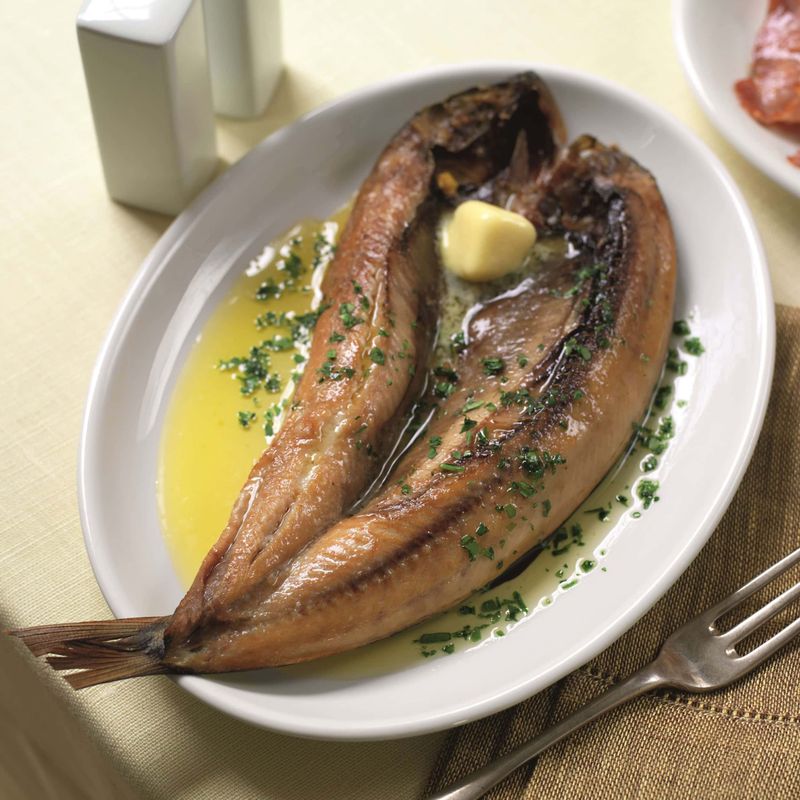
Kippers, which are cold-smoked split herring, were once a beloved breakfast staple across Britain and in many American coastal homes. They carry a rich, salty, smoky flavor that is intensely savory and deeply satisfying.
Traditionally served with buttered toast and a pot of strong tea, they made for a serious morning meal.
The smell is bold, which is probably why younger generations tend to shy away. But the flavor reward is well worth it.
Kippers are packed with omega-3 fatty acids and offer a genuinely unique breakfast experience unlike anything else on this list.
11. Liver and Onions
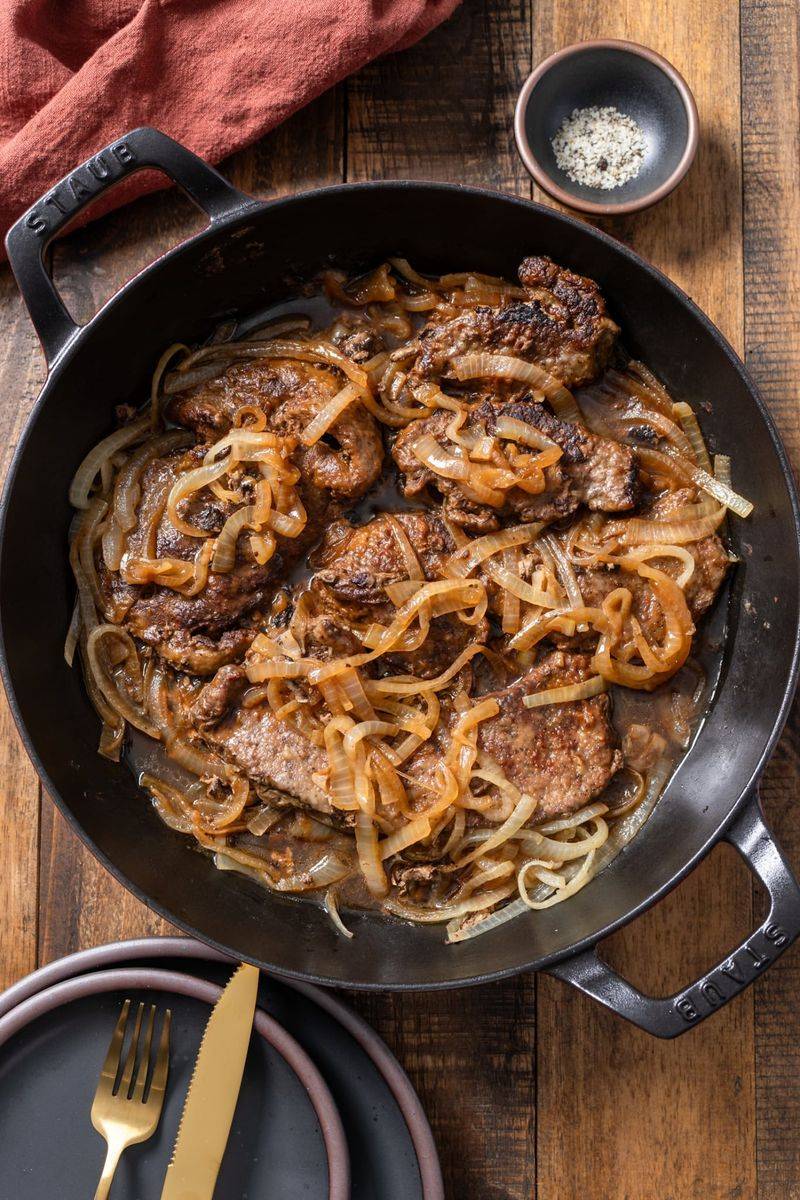
Liver and onions for breakfast sounds shocking to most people under 40, but for older generations, organ meats were simply part of a practical, waste-nothing approach to eating. Beef or calf liver pan-fried with sweet caramelized onions has a rich, deeply savory flavor that is hard to match.
Liver is one of the most nutrient-dense foods on earth, loaded with iron, B vitamins, and protein. The strong flavor mellows considerably when cooked properly with onions.
It is not a dish for everyone, but it deserves far more respect than it currently gets.
12. Salt Pork and Beans
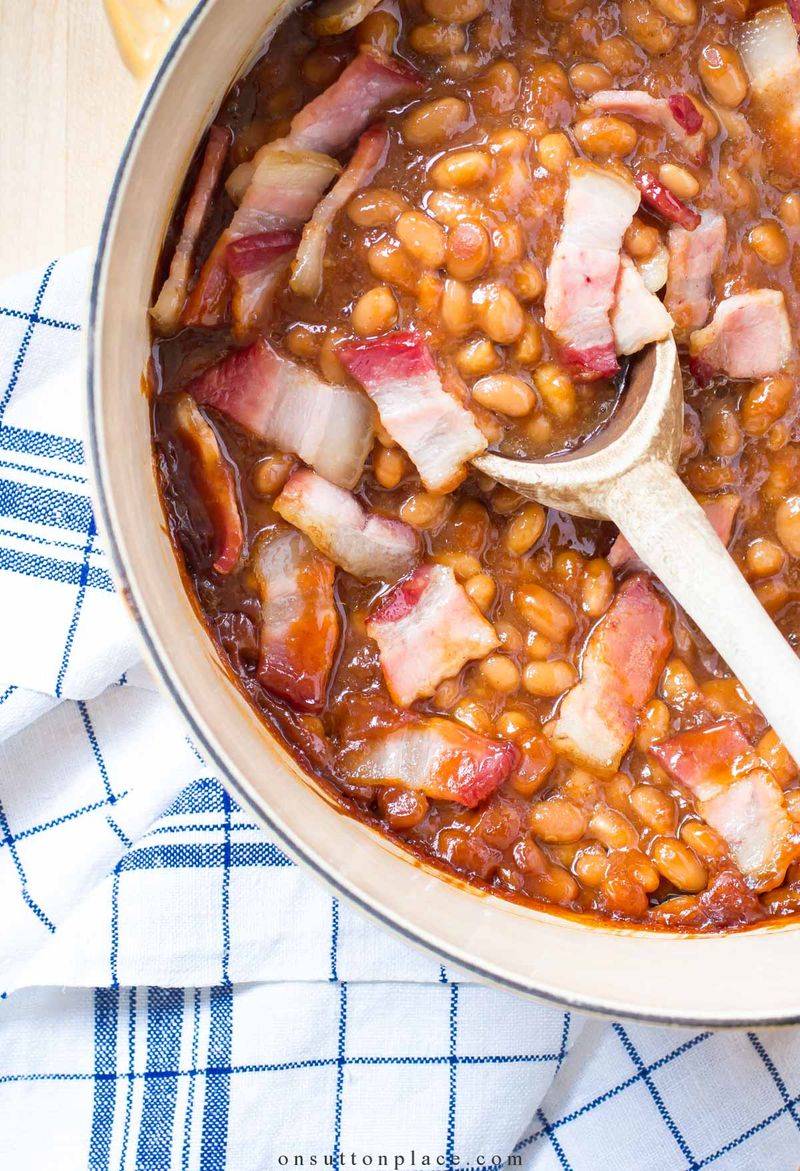
In rural America, especially in New England and the South, a bowl of beans cooked overnight with salt pork was a perfectly acceptable and even celebrated breakfast. The beans become creamy and rich, absorbing the smoky, salty fat from the pork in a way that feels almost magical.
Farmers needed high-calorie, high-protein meals to power long mornings of physical work. This dish delivered exactly that.
Baked beans for breakfast is still common in parts of England and Canada, proving that the rest of the world is onto something the modern American breakfast table has forgotten.
13. Johnnycakes
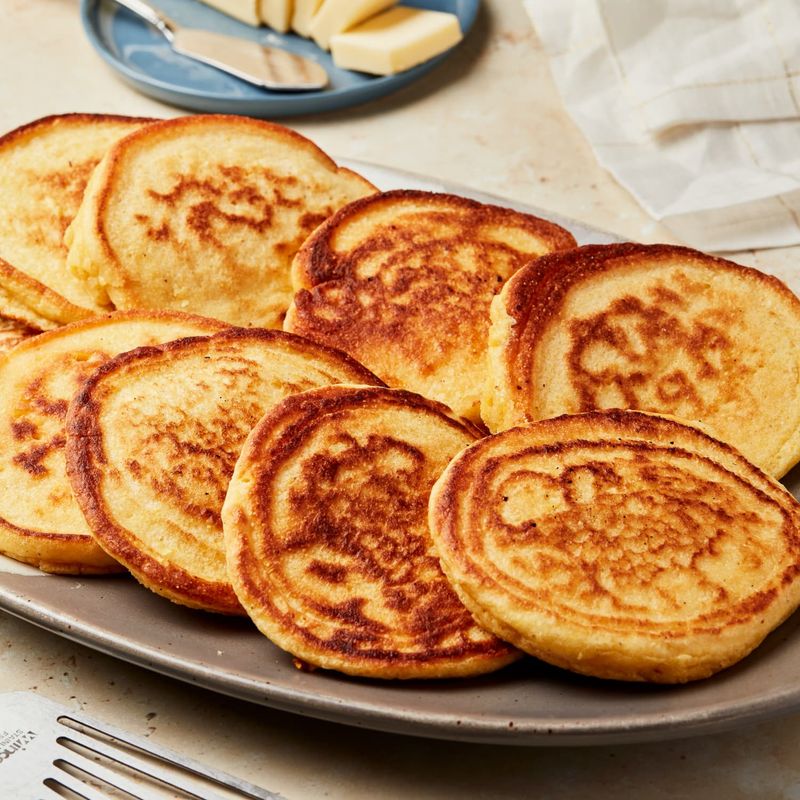
Johnnycakes are one of the oldest breakfast foods in American history. Made from ground white cornmeal mixed with water or milk and cooked on a griddle, they are thin, slightly crispy, and wonderfully simple.
Native Americans introduced cornmeal cooking to early colonists, and johnnycakes became a staple across New England.
They taste best with real butter and a drizzle of local honey. Unlike modern pancakes, they have a slightly gritty texture and a toasty corn flavor that is genuinely addictive.
Finding them on a menu today is a rare and exciting treat.
14. Cracked Wheat Cereal
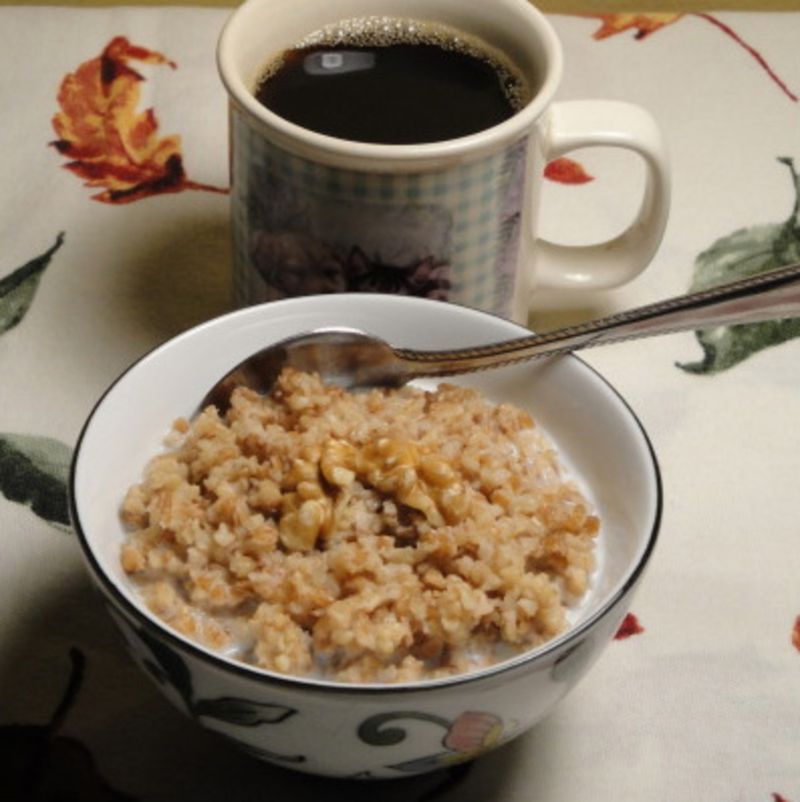
Before cereal boxes with cartoon characters took over, cracked wheat cereal was a wholesome morning staple. Made from wheat kernels that have been cracked and then simmered slowly on the stovetop, it has a hearty, chewy texture and a mild, nutty flavor.
It keeps you full for hours.
Many older Americans remember their grandmothers stirring a pot of this on cold winter mornings. It is one of those foods that warms you from the inside out.
Add a little cinnamon and maple syrup and you have a breakfast that is both nourishing and genuinely comforting.
15. Sardines on Toast
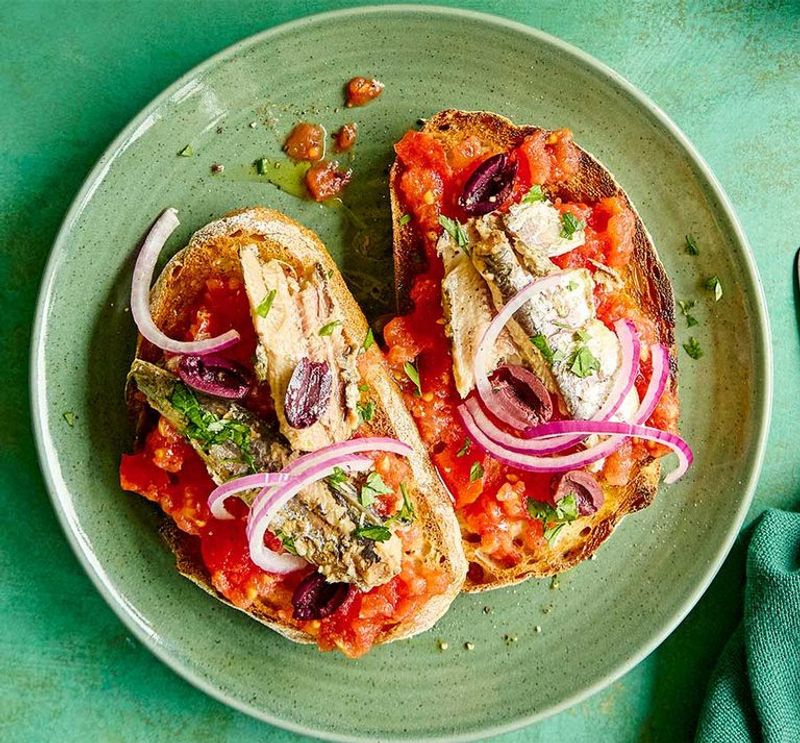
Sardines on toast was once a perfectly respectable and even elegant breakfast choice, especially in British and Mediterranean households. Canned sardines are pressed onto warm buttered toast, finished with lemon juice and black pepper, and eaten immediately while the toast is still crispy underneath.
It is fast, affordable, and surprisingly good.
Sardines are packed with calcium, omega-3 fats, and protein, making this one of the most nutritious breakfasts imaginable. The bold, briny flavor is an acquired taste, but fans of this dish are absolutely passionate about it in the best possible way.
16. Hasty Pudding
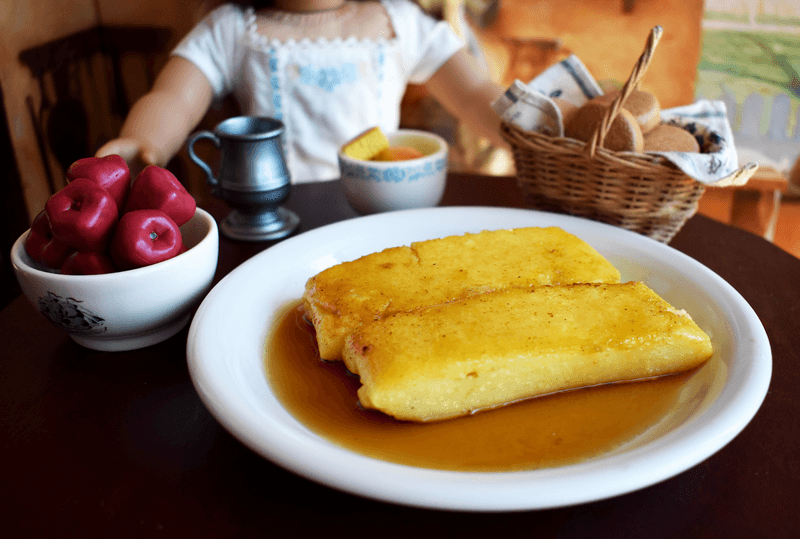
Hasty pudding is one of those charmingly named old dishes that sounds more like a dessert than a breakfast. Made by boiling cornmeal in water or milk until thick and porridge-like, it was one of the quickest hot breakfasts a colonial American family could prepare, hence the name.
Topped with molasses, butter, or maple syrup, it is warm, filling, and mildly sweet. Harvard University even has a famous theatrical club named after this dish, a small clue to just how deeply rooted it once was in American culture and daily life.
17. Fried Salt Mackerel
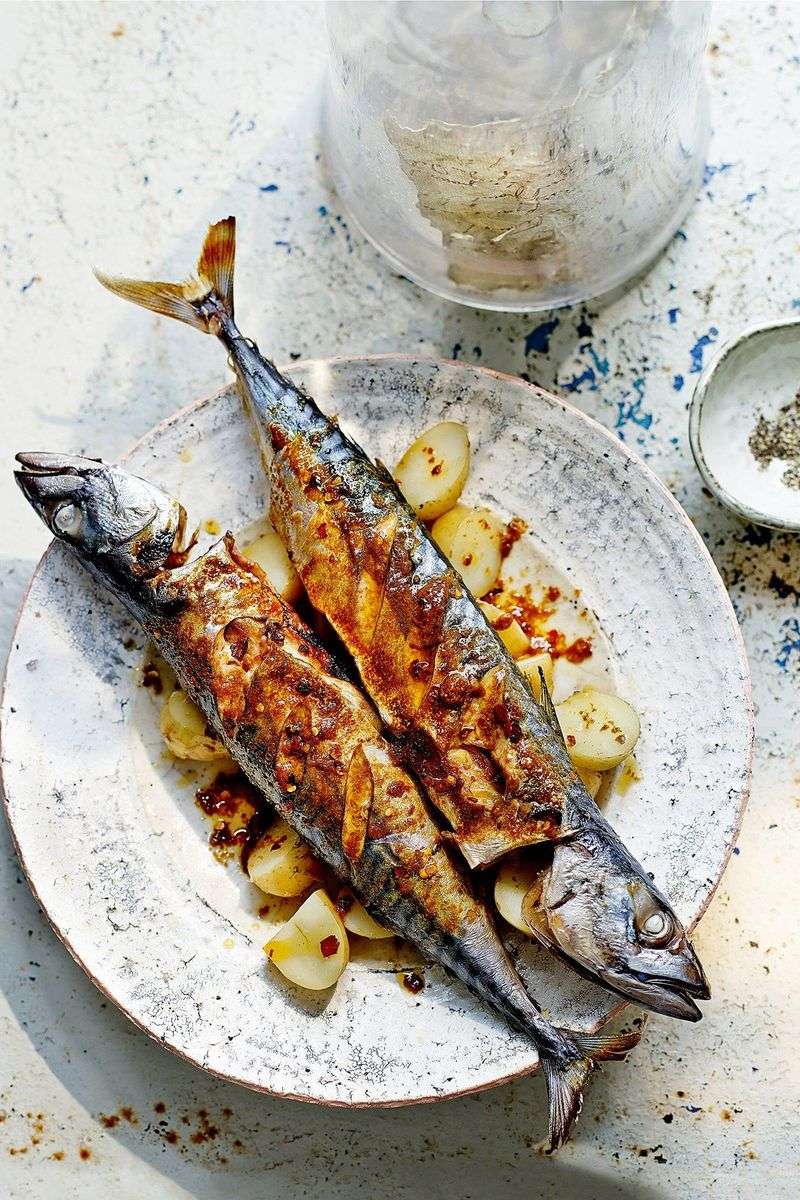
Salt mackerel was a coastal breakfast tradition that fed generations of fishermen and their families up and down the Eastern Seaboard. The fish was preserved in salt, soaked overnight to pull out the brine, and then pan-fried until the skin turned golden and crispy.
It is bold, flavorful, and filling.
Paired with boiled potatoes or thick slices of bread, this was a complete and sustaining morning meal. The practice of eating preserved fish for breakfast goes back centuries and reflects a time when nothing was wasted and every meal had to count.
18. Flannel Cakes
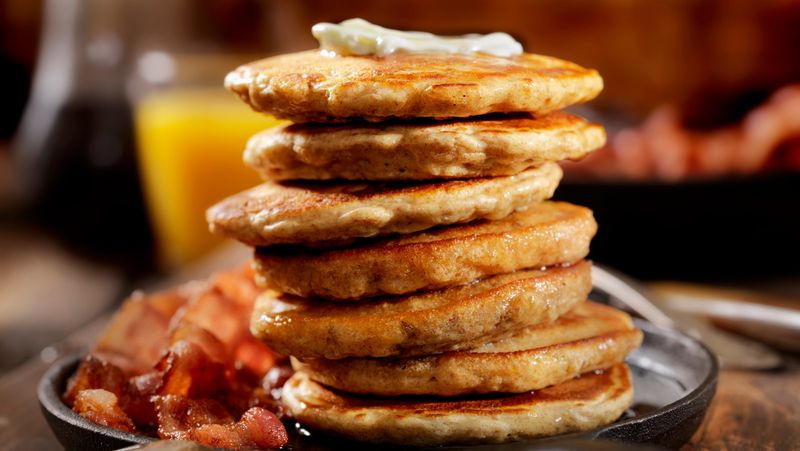
Flannel cakes are the yeast-risen ancestor of the modern pancake, and they are considerably more interesting. Because they are leavened with yeast rather than baking powder, they develop a slightly tangy flavor and a wonderfully airy, almost spongy texture.
The batter is typically made the night before and left to rise slowly.
They were popular on American farmhouse tables throughout the 1800s and well into the early 1900s. The slow fermentation process gives them a depth of flavor that standard pancakes simply cannot replicate.
They take more planning, but the result is absolutely worth the effort.
19. Pork Tenderloin Breakfast Sandwich
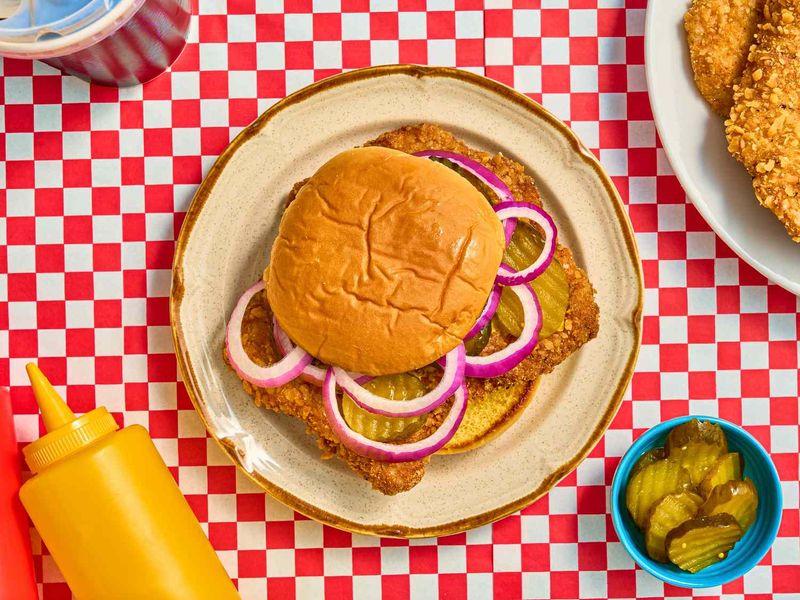
In the American Midwest, particularly in Indiana and Iowa, the breaded pork tenderloin sandwich was a breakfast and lunch icon. A thin pork loin is pounded flat, breaded, and deep-fried until crispy, then tucked into a soft bun with mustard, pickles, and onion.
It is enormous, crunchy, and deeply satisfying.
This sandwich has been a regional treasure for well over a century. Younger generations outside the Midwest rarely encounter it, which is genuinely a shame.
Once you bite into a properly made tenderloin sandwich, it is very difficult to go back to an ordinary breakfast sandwich.
20. Cornmeal Hoecakes
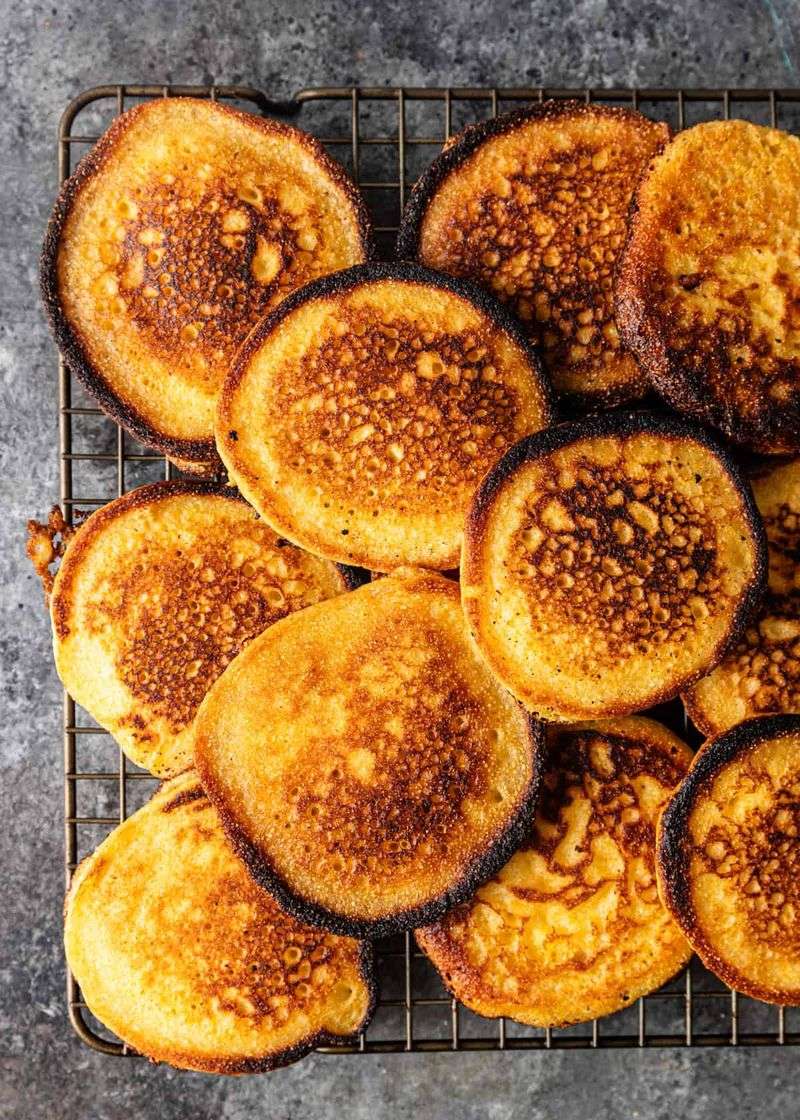
Hoecakes have a history as rich as their flavor. Originally cooked by field workers on the flat blade of a hoe over an open fire, these simple cornmeal cakes became a breakfast staple across the American South.
They are crispy on the outside, soft inside, and pair perfectly with syrup or honey.
George Washington reportedly loved hoecakes topped with butter and honey for breakfast, which says a lot about their appeal. They require just a few pantry staples and a hot skillet.
Simple, historic, and absolutely delicious, they are a breakfast tradition worth honoring and reviving.
21. Fried Apple Rings
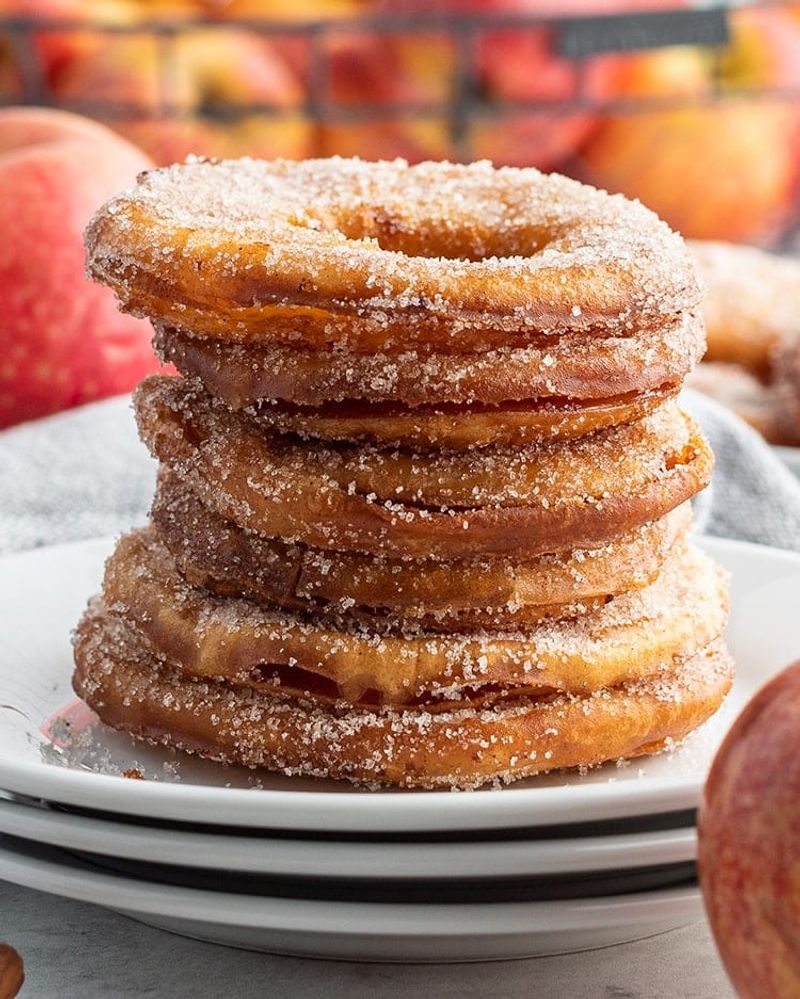
Fried apple rings were a beloved breakfast side dish that showed up on American tables alongside sausage, eggs, and biscuits for generations. Apple slices are coated in a light batter or simply dusted with cinnamon and sugar, then pan-fried in butter until caramelized, tender, and golden at the edges.
The sweet, buttery apple flavor cuts right through the richness of a savory breakfast plate in the most satisfying way. They take about five minutes to make and transform an ordinary morning meal into something that feels genuinely special.
It is hard to understand why they disappeared from modern tables.
22. Seven-Grain Porridge
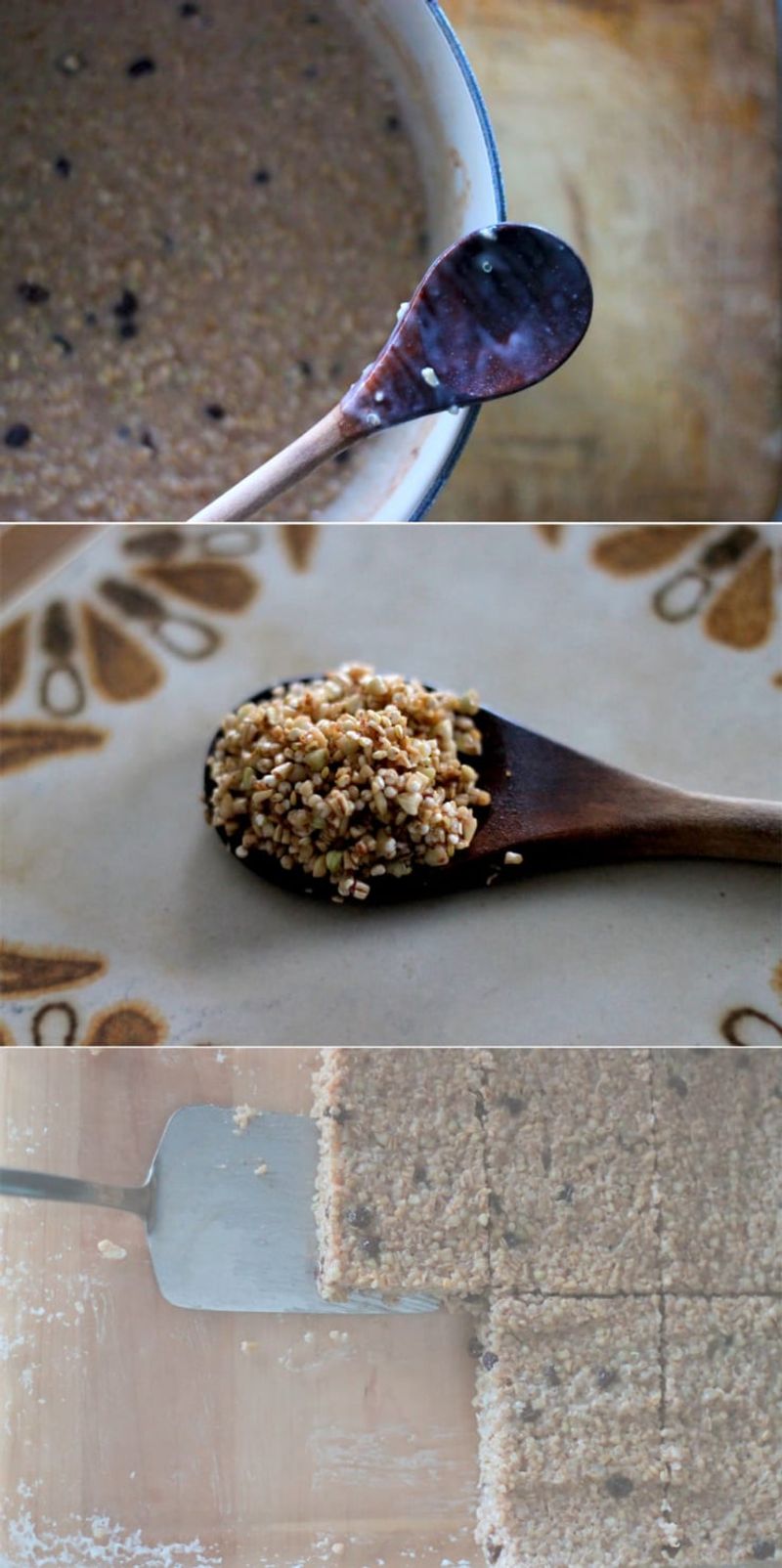
Seven-grain porridge sounds like a modern health food trend, but it has been around for generations in health-conscious households. A blend of oats, wheat, rye, barley, millet, flaxseed, and cornmeal is simmered slowly together into a thick, nutty, deeply satisfying porridge that keeps you energized for hours.
Each grain adds its own flavor and texture, making every spoonful slightly different. Topped with fresh fruit and a spoonful of honey, it is a breakfast that truly earns the word wholesome.
Older generations who valued whole foods over convenience knew exactly what they were doing with this one.
23. Toast with Beef Dripping
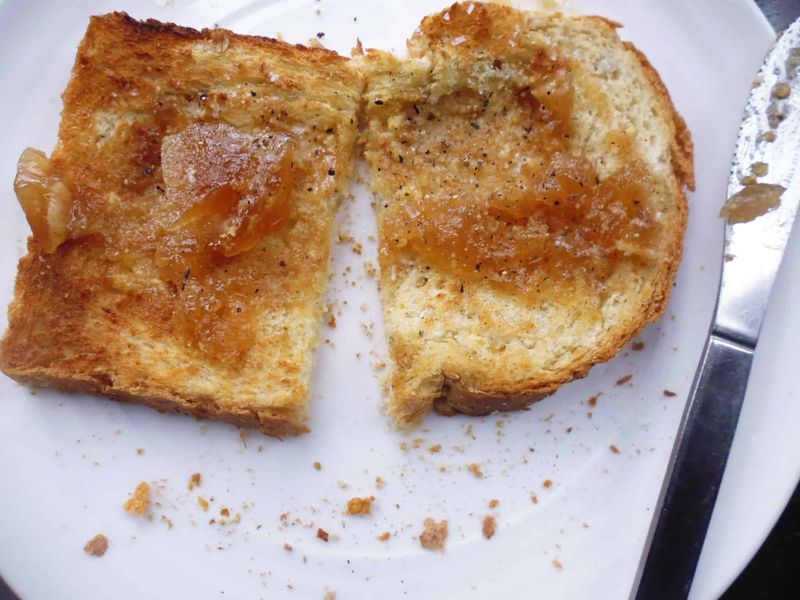
Toast with beef dripping sounds like something from another era, and it is. For much of the early 20th century, saving the fat rendered from a roast beef was considered common sense, not a strange habit.
That dark, savory, meaty fat spread onto hot toast and sprinkled with salt was pure comfort.
British families in particular relied on this as an affordable, filling breakfast during and after wartime rationing. The flavor is intensely beefy and rich in a way that butter simply cannot replicate.
It is a humble, historic breakfast that deserves at least one honest try from a curious modern eater.