
Eating well becomes even more important as we get older. The right foods can help keep energy levels up, support bone health, and protect the heart.
Many older adults worry that healthy cooking takes too much time or effort, but that does not have to be the case. These 18 simple, nutritious meals are easy to prepare, full of goodness, and genuinely delicious.
1. Vegetable Omelette
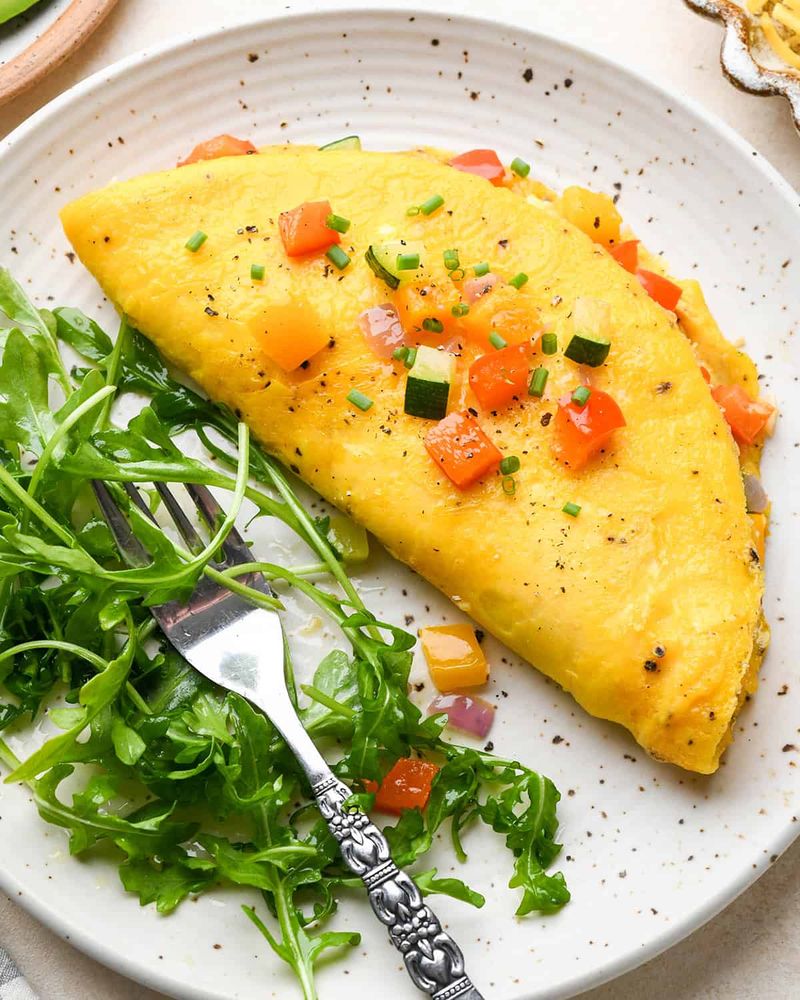
Eggs are one of the most affordable and protein-packed foods available. A vegetable omelette takes under ten minutes to make and delivers a powerful combination of protein, vitamins, and minerals in one pan.
Adding colorful vegetables like spinach, bell peppers, and mushrooms boosts fiber and antioxidants. For older adults watching sodium, skip added salt and season with herbs like parsley or chives instead.
It is a flexible meal that works for breakfast, lunch, or a light dinner.
2. Baked Salmon with Steamed Broccoli
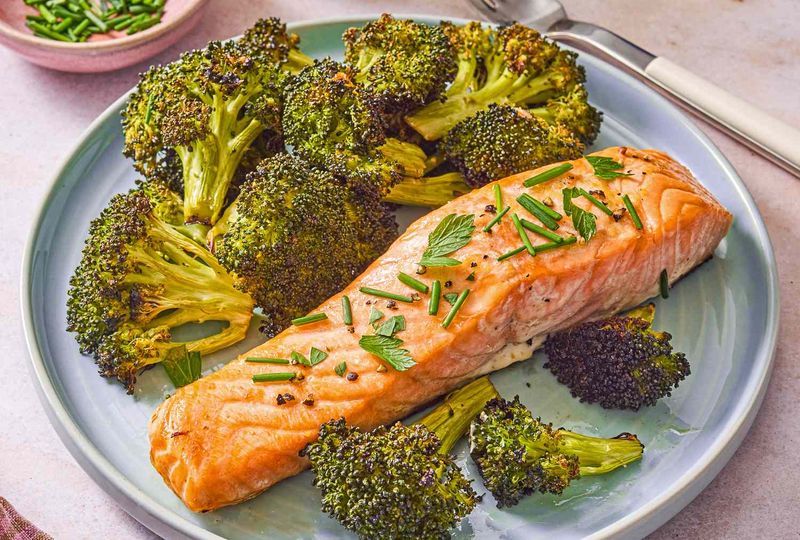
Salmon is often called a superfood for good reason. Rich in omega-3 fatty acids, it supports heart health and helps reduce inflammation, which is especially beneficial for older adults managing joint pain or cardiovascular concerns.
Baking the salmon requires minimal effort and keeps cleanup simple. Pairing it with steamed broccoli adds calcium, vitamin C, and fiber to the meal.
A squeeze of lemon over the top brightens everything up without adding extra calories or sodium.
3. Lentil Soup
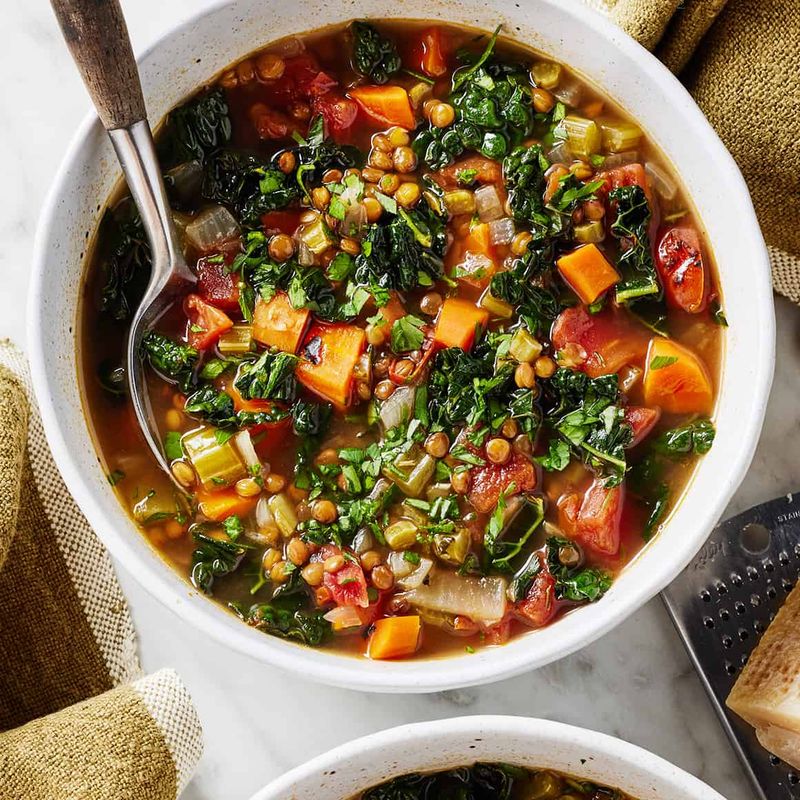
Few meals are as comforting and nourishing as a bowl of lentil soup. Lentils are loaded with plant-based protein, iron, and fiber, making them an excellent choice for older adults who may eat less meat.
This soup is easy to prepare in large batches and stores well in the fridge for several days. A simple recipe using canned tomatoes, garlic, onion, and cumin creates a deeply satisfying meal.
It is budget-friendly, filling, and gentle on digestion too.
4. Greek Yogurt with Berries and Honey
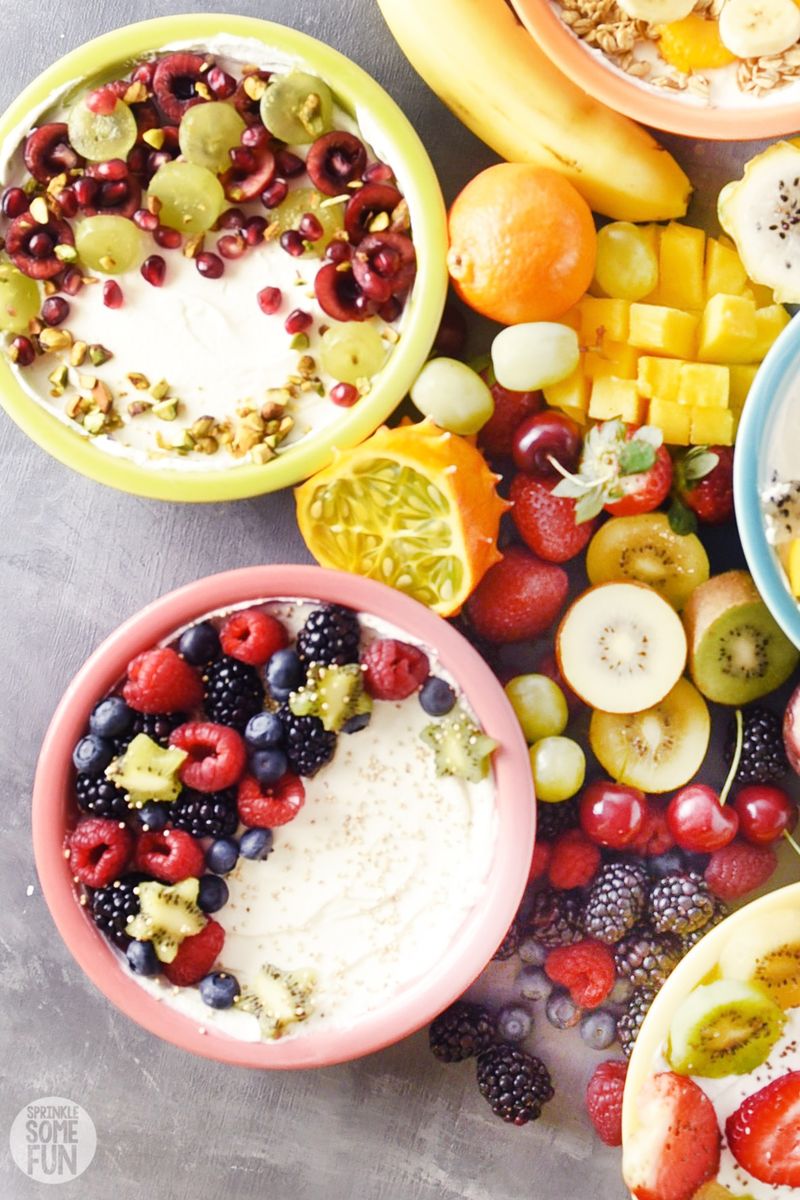
Greek yogurt packs nearly double the protein of regular yogurt, making it a smart snack or light meal for older adults. The live cultures in yogurt also support gut health, which plays a bigger role in overall wellness than many people realize.
Topping it with fresh or frozen berries adds antioxidants that help protect cells from damage. A small drizzle of honey adds natural sweetness without refined sugar.
This simple combination comes together in minutes and requires zero cooking skills.
5. Chicken and Vegetable Stir-Fry
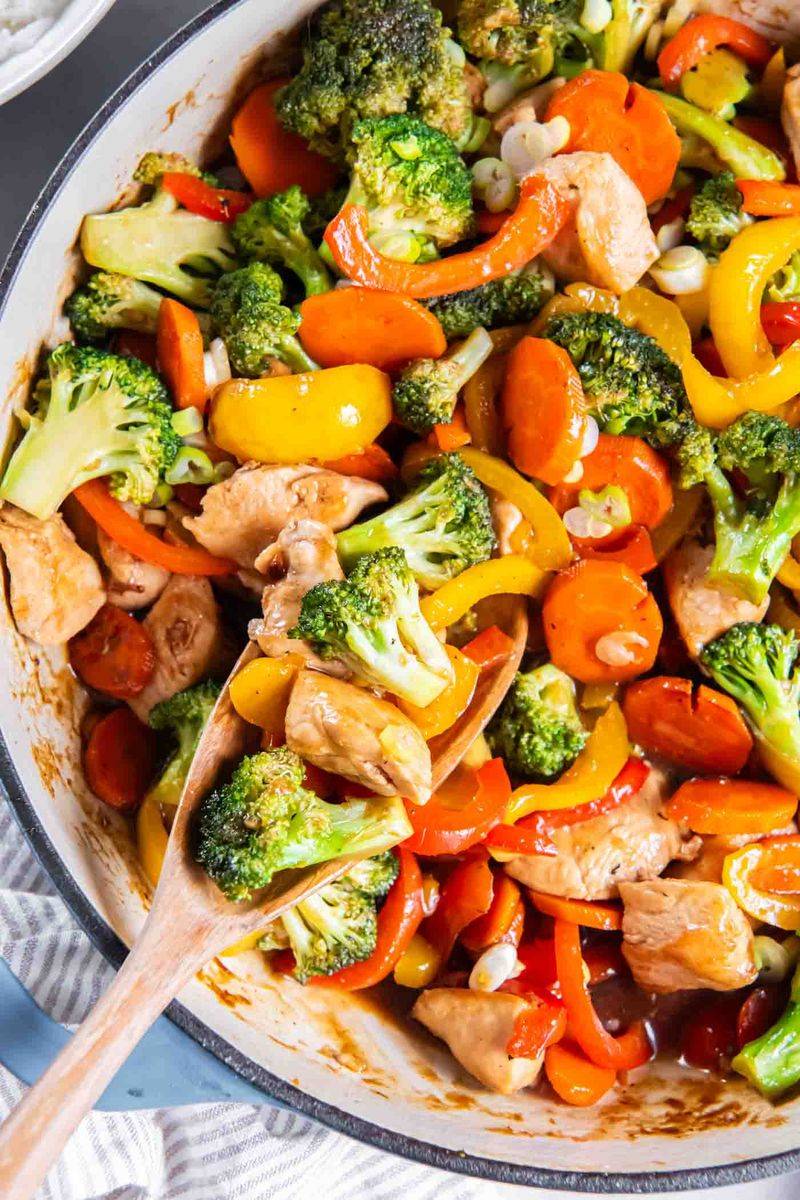
Stir-frying is one of the quickest cooking methods around, and it keeps vegetables crisp and full of nutrients. Chicken breast provides lean protein that helps maintain muscle mass, which tends to decline with age.
Using a mix of colorful vegetables like carrots, snap peas, and broccoli creates a nutrient-dense dish. A simple sauce of low-sodium soy sauce, ginger, and garlic ties everything together beautifully.
Serve it over brown rice or quinoa for a complete and satisfying meal.
6. Avocado Toast with Poached Egg
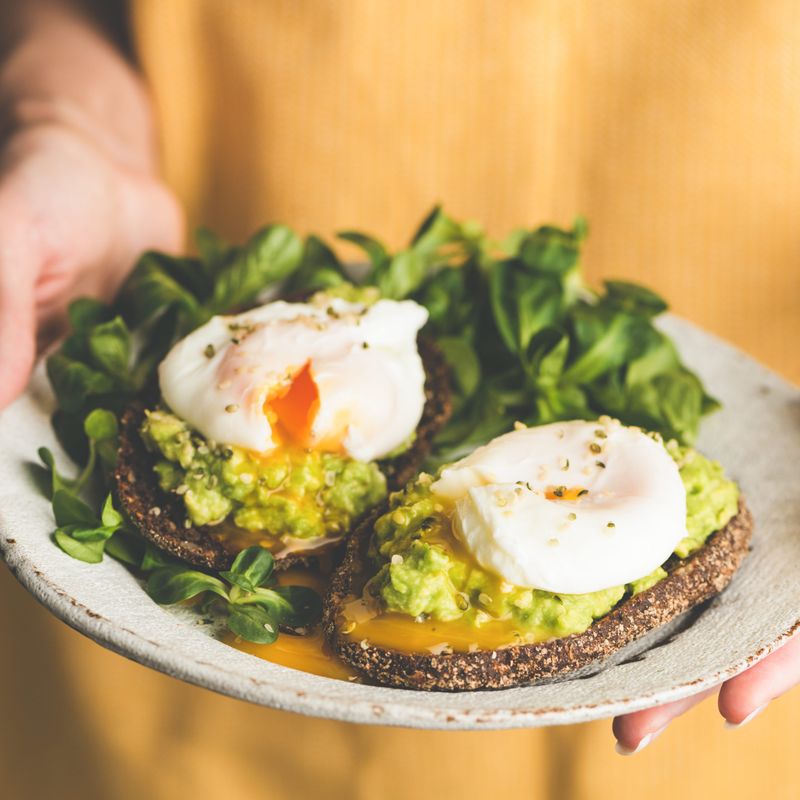
Avocado toast has earned its popularity for good reason. Avocados are rich in heart-healthy monounsaturated fats, potassium, and folate, all of which support cardiovascular health and blood pressure regulation in older adults.
Adding a poached egg on top turns this snack into a balanced mini-meal with protein, healthy fats, and complex carbohydrates. Using whole grain bread increases fiber content and helps keep blood sugar steady.
It is quick, tasty, and genuinely good for you.
7. Tomato Basil Soup with Whole Grain Bread
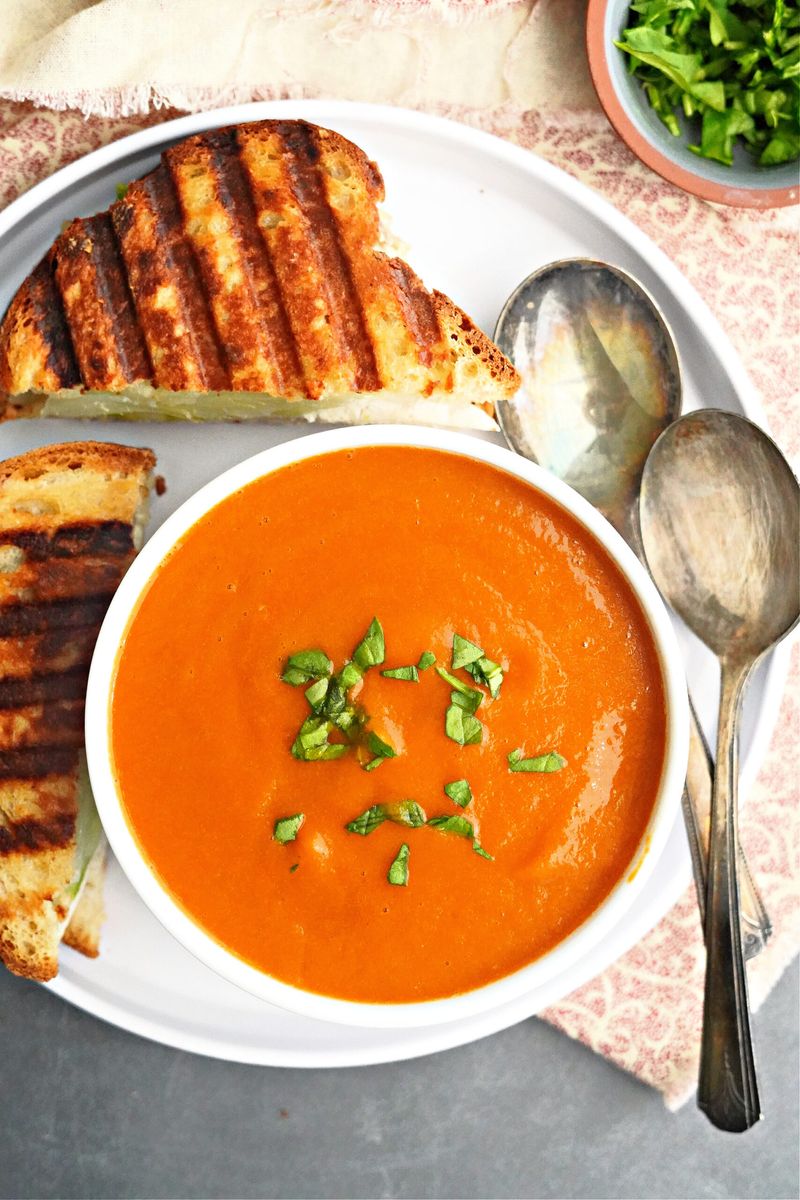
Tomatoes are rich in lycopene, an antioxidant linked to reduced risk of heart disease and certain cancers. A warm bowl of tomato basil soup is both soothing and surprisingly nutritious, especially when made with minimal added cream or salt.
Pairing the soup with a slice of whole grain bread adds fiber and makes the meal more satisfying. Using canned tomatoes keeps preparation simple and cost-effective.
Fresh basil stirred in at the end delivers a burst of flavor without any extra sodium.
8. Oatmeal with Walnuts and Banana
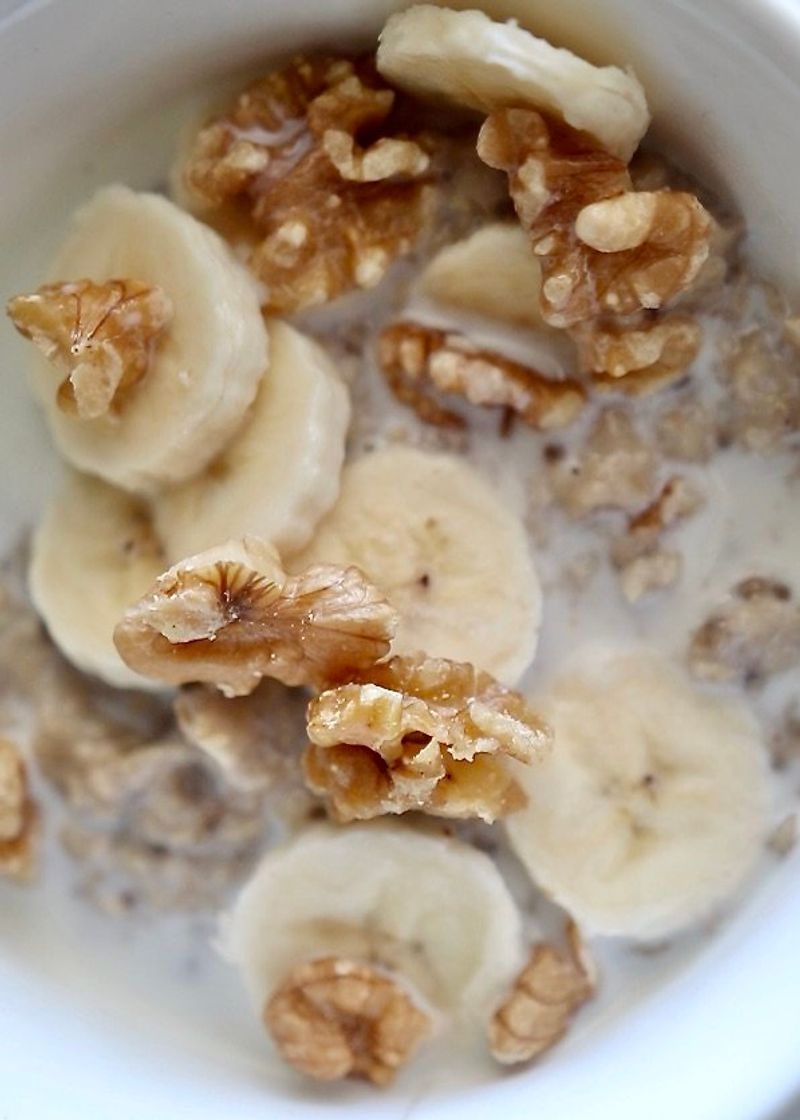
Oatmeal has been a breakfast staple for generations, and science continues to back its reputation. The soluble fiber in oats, known as beta-glucan, actively helps lower LDL cholesterol levels, making it a heart-friendly morning choice.
Sliced banana adds natural sweetness and potassium, while walnuts contribute omega-3 fatty acids and a satisfying crunch. Together, these toppings elevate plain oatmeal into something genuinely nourishing.
Steel-cut oats take longer to cook but have a lower glycemic index than instant varieties.
9. Baked Sweet Potato with Black Beans

Sweet potatoes are one of nature’s most nutrient-dense foods. They are loaded with beta-carotene, vitamin C, potassium, and fiber, all packed into a naturally sweet and satisfying package that older adults tend to enjoy.
Filling a baked sweet potato with seasoned black beans adds plant-based protein and extra fiber to make it a complete meal. A topping of plain yogurt works as a lighter alternative to sour cream.
This meal is easy to prepare and very gentle on the digestive system.
10. Tuna Salad Stuffed Avocado
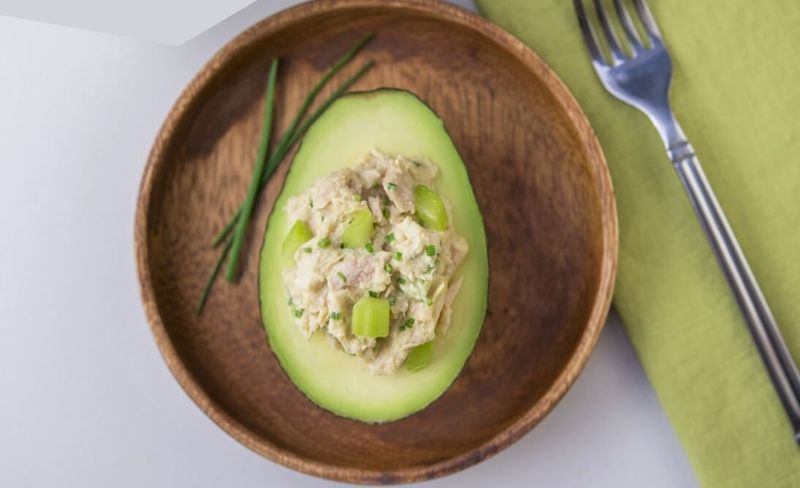
Canned tuna is one of the most convenient and affordable sources of lean protein available. Mixing it with a little Greek yogurt instead of mayonnaise cuts calories while boosting the protein content even further.
Serving the tuna salad inside avocado halves creates a naturally portioned, no-cook meal that feels a bit fancy without any real effort. Adding diced celery gives a satisfying crunch and a small fiber boost.
This meal works well for lunch and requires almost no preparation time at all.
11. Spinach and Chickpea Curry
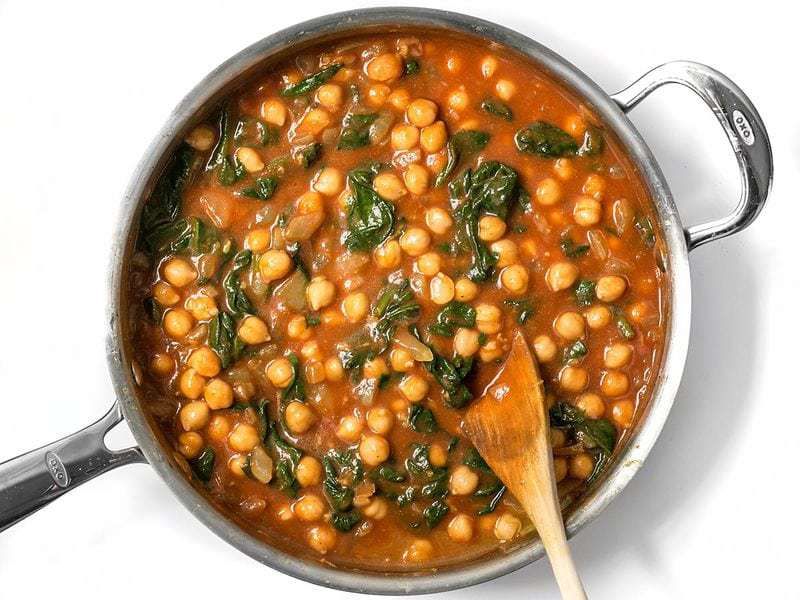
Chickpeas have been a staple in healthy cuisines around the world for thousands of years. They are packed with plant-based protein, iron, and folate, making them particularly valuable for older adults who may have reduced appetite.
Combining chickpeas with spinach in a lightly spiced tomato-based curry creates a deeply flavorful and nourishing dish. Turmeric, a key spice in many curry recipes, contains curcumin, which has well-documented anti-inflammatory properties.
Serve over brown rice for a complete and warming meal.
12. Scrambled Eggs with Smoked Salmon
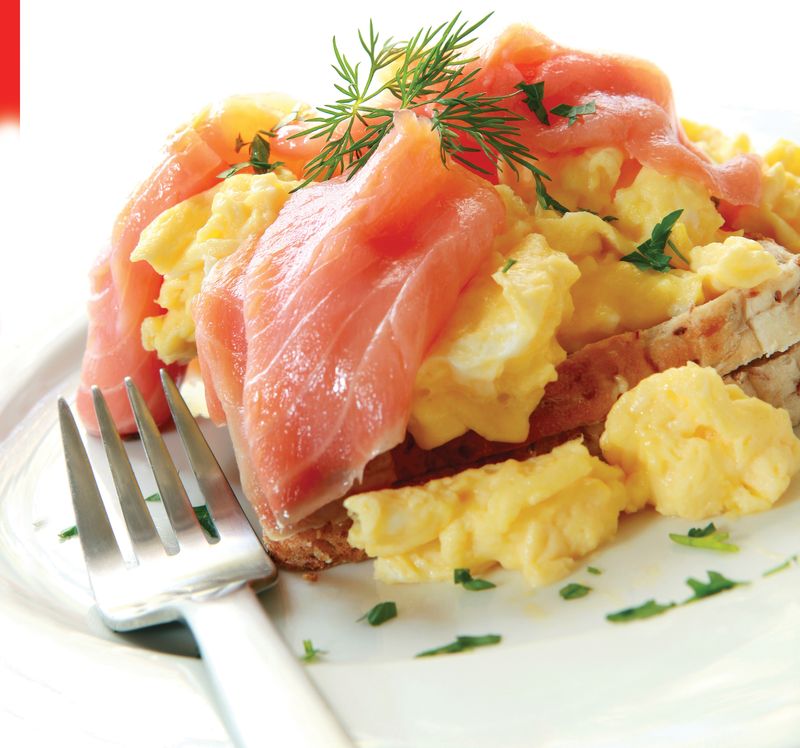
Smoked salmon and scrambled eggs is a classic pairing that feels indulgent but is genuinely nutritious. Smoked salmon delivers omega-3 fatty acids and high-quality protein, while eggs add B vitamins and choline, which supports brain health.
This meal comes together in about five minutes, making it ideal for mornings when energy is limited. Using a non-stick pan and cooking the eggs low and slow keeps them tender and easy to chew.
A sprinkle of fresh dill adds flavor without any extra sodium.
13. Quinoa and Roasted Vegetable Bowl
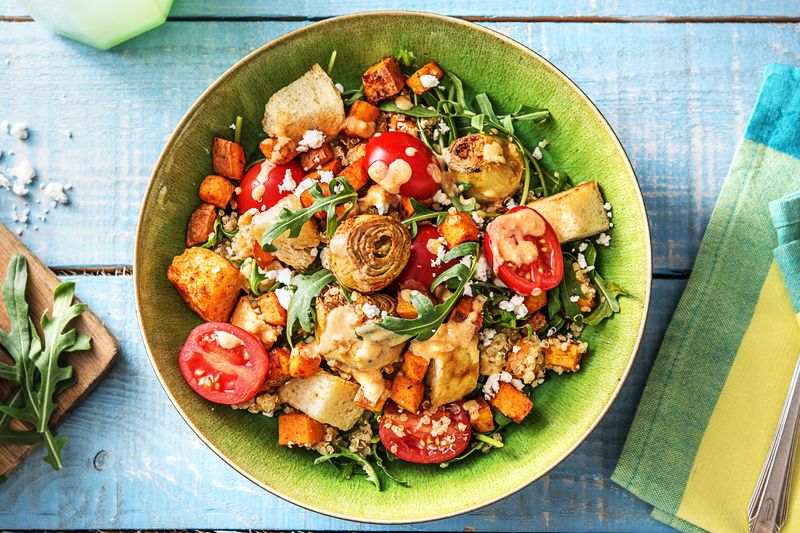
Quinoa is one of the few plant foods that contains all nine essential amino acids, making it a complete protein source. That quality makes it especially useful for older adults who want to maintain muscle without eating large amounts of meat.
Roasting vegetables like zucchini, cherry tomatoes, and red onion concentrates their natural sweetness and flavor. A simple lemon-tahini dressing ties the bowl together with healthy fats and a bright, tangy taste.
This meal can be prepped ahead and stored in the fridge for easy weekday lunches.
14. Minestrone Soup
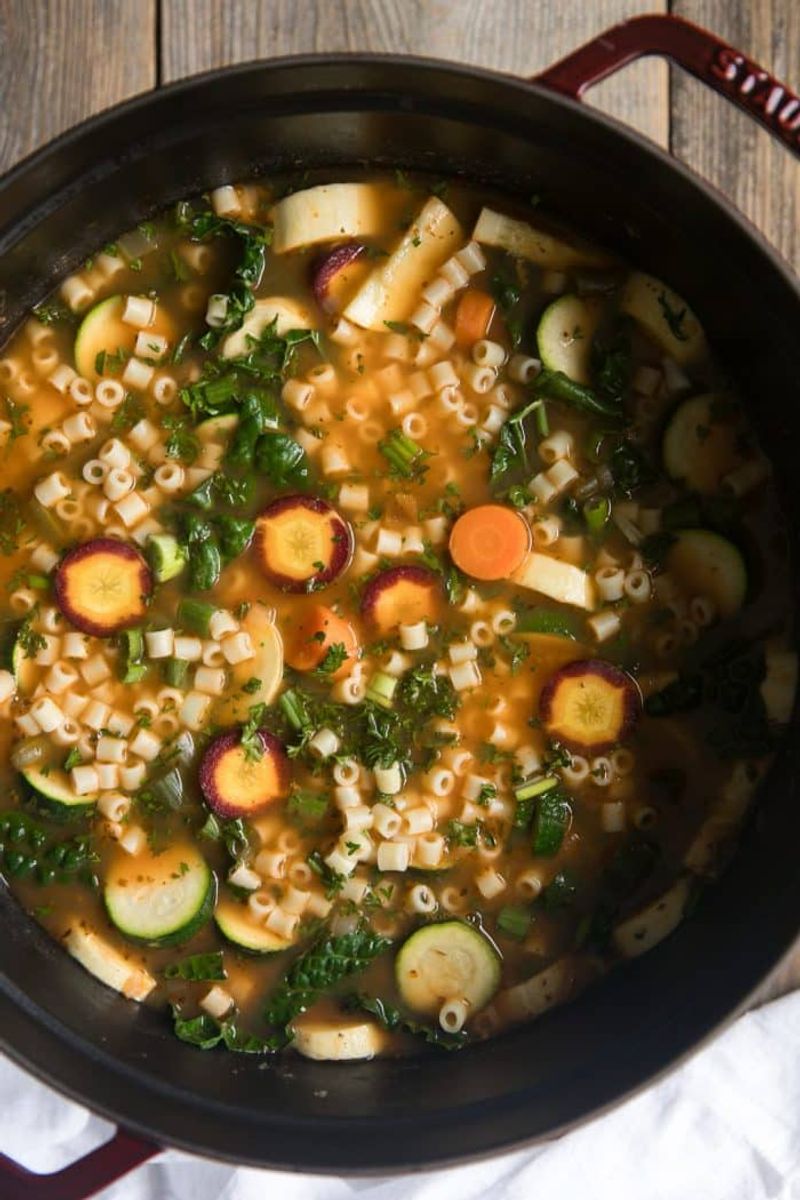
Minestrone is essentially a complete meal in a bowl. Packed with vegetables, beans, and small pasta shapes, it delivers fiber, protein, and a wide range of vitamins and minerals in one warm and comforting serving.
Making a big pot at the start of the week means healthy meals are always ready to reheat. Using low-sodium broth keeps the sodium content manageable, which matters for older adults monitoring blood pressure.
A light sprinkle of parmesan on top adds a satisfying savory finish without overdoing the salt.
15. Cottage Cheese with Sliced Fruit
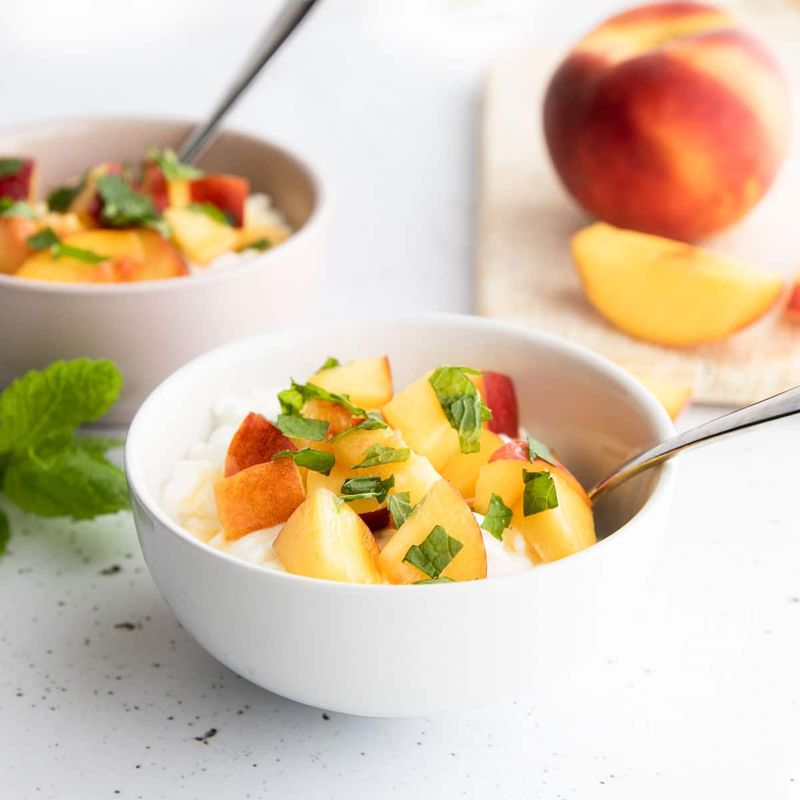
Cottage cheese is quietly one of the most underrated high-protein foods. A single cup contains around 25 grams of protein, which is remarkable for something that requires zero preparation and no cooking whatsoever.
Pairing it with sliced seasonal fruit like peaches, strawberries, or pineapple adds natural sweetness, vitamin C, and digestive enzymes. A small sprinkle of chia seeds adds omega-3 fatty acids and extra fiber.
This combination works beautifully as a light breakfast, snack, or even a simple dessert after dinner.
16. Turkey and Vegetable Soup
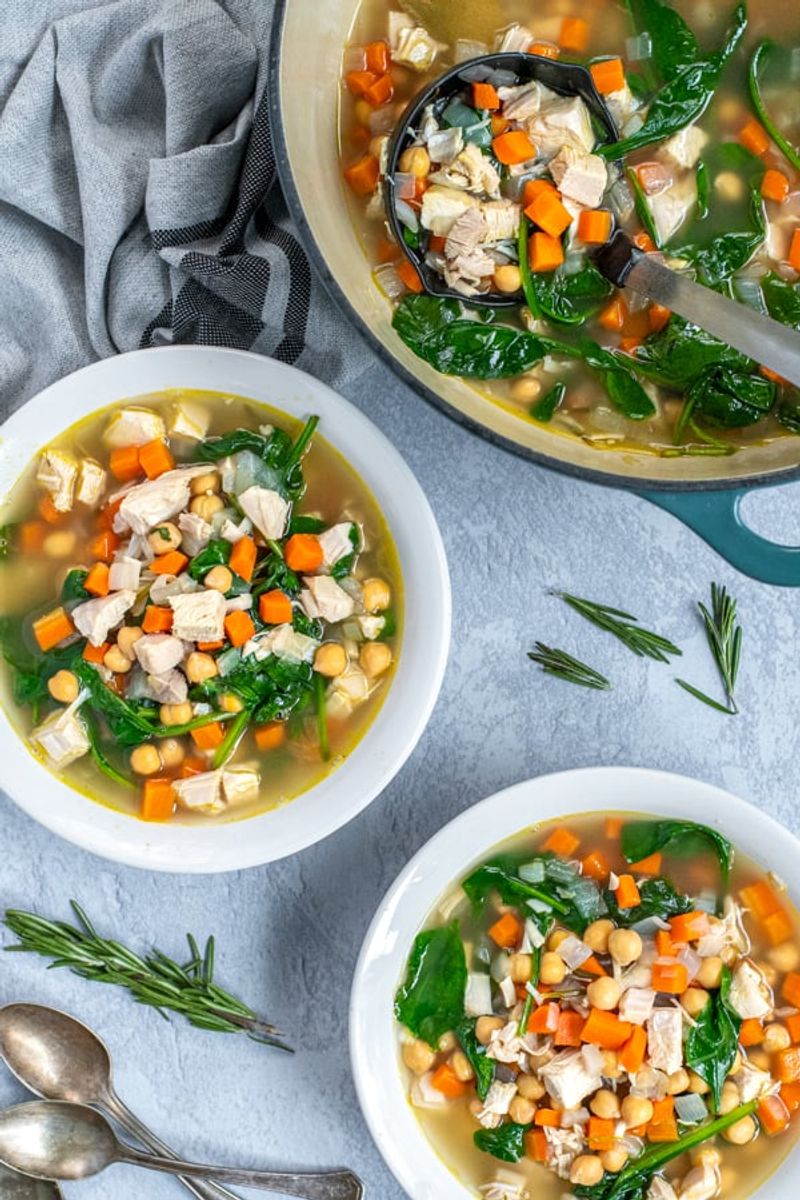
Turkey is a lean protein that is easy to digest and lower in saturated fat than many other meats. When simmered into a vegetable-rich broth, it creates a soup that is both deeply satisfying and incredibly nourishing for older adults.
Carrots, celery, green beans, and onion add color, fiber, and vitamins to the mix. Using homemade or low-sodium store-bought broth keeps the dish heart-friendly.
This soup freezes well, so making a larger batch saves time and ensures a healthy meal is always within reach.
17. Whole Grain Pasta with Marinara and Vegetables
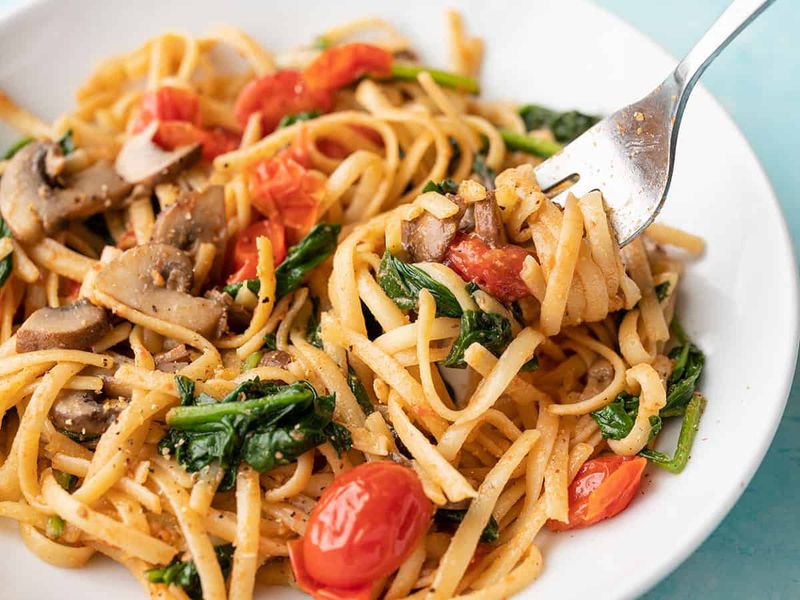
Pasta often gets an unfair reputation, but whole grain varieties are genuinely nutritious. They contain significantly more fiber and B vitamins than white pasta, helping to support digestion and maintain steadier energy levels throughout the day.
A simple marinara sauce made from canned tomatoes, garlic, and olive oil is both easy and flavorful. Tossing in sauteed zucchini or spinach boosts the vegetable content without complicating the recipe.
This meal is filling, comforting, and easy to chew, making it a solid choice for older adults.
18. Banana and Peanut Butter Smoothie
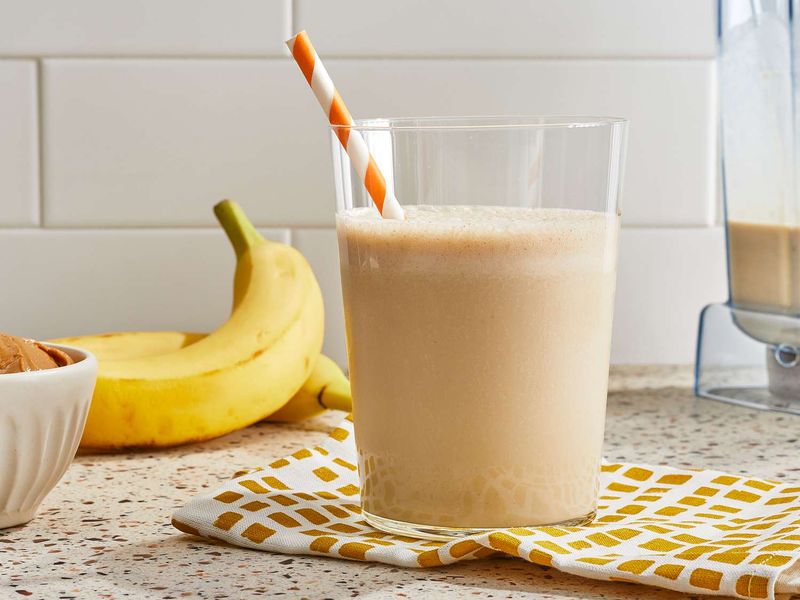
Sometimes the simplest meals are the most effective. A banana and peanut butter smoothie blends together in under two minutes and delivers a well-rounded mix of carbohydrates, healthy fats, and protein in one easy-to-drink glass.
Bananas provide potassium and natural sugars for quick energy, while peanut butter adds protein and heart-healthy fats. Adding a splash of milk or a dairy-free alternative boosts the calcium content.
For older adults who struggle with appetite or chewing, smoothies like this offer a practical and enjoyable way to meet daily nutritional needs.