
Most of us assume that pantry staples last forever, but that belief can lead to wasted food, upset stomachs, or meals that just don’t taste right. From spices to cooking oils, many everyday items quietly lose their quality or even become unsafe long before we notice.
Knowing how long your kitchen staples actually last can save you money and keep your family healthy. Here are 21 common cupboard items that spoil faster than you’d expect.
1. Cooking Oil
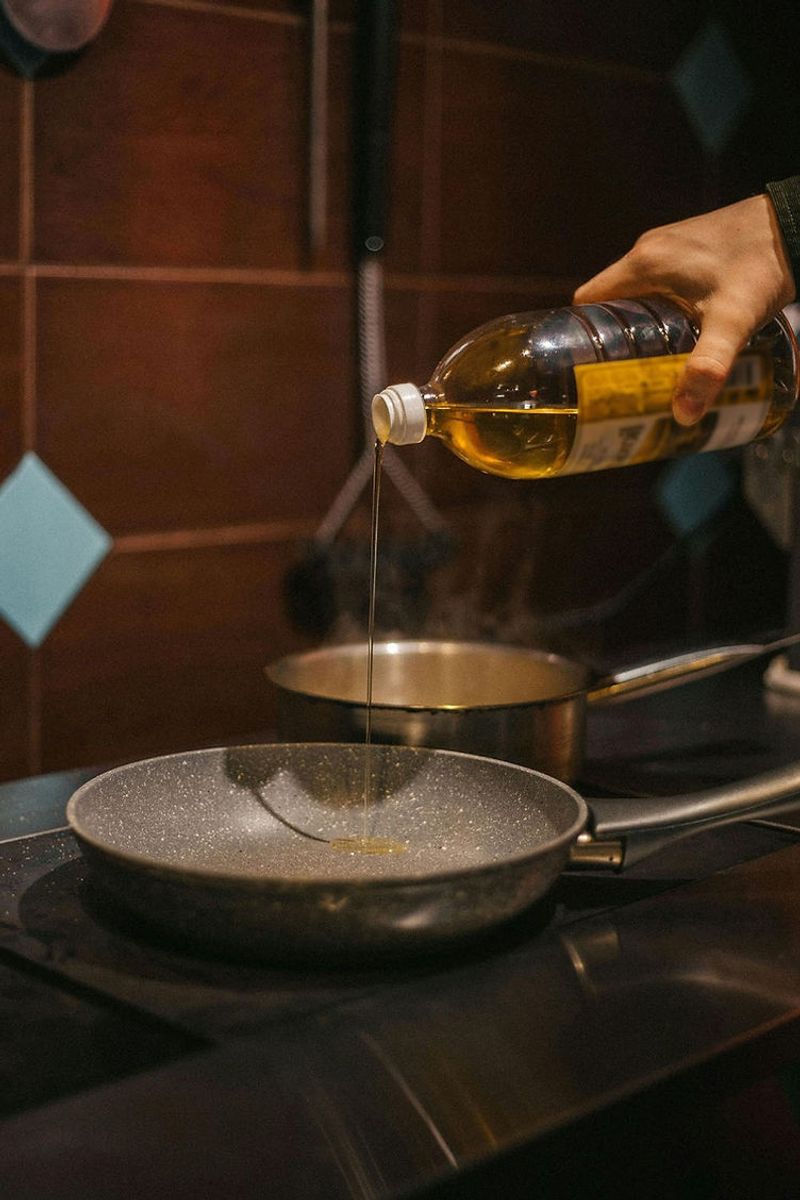
Pour a little cooking oil into your hand and take a sniff. If it smells like crayons or old paint, it has gone rancid.
Most vegetable and olive oils last only 12 to 18 months once opened, and heat or sunlight speeds that up fast.
Rancid oil won’t make you seriously ill, but it can cause stomach discomfort and ruin the flavour of your food. Store oils in a cool, dark cupboard and always check the smell before cooking.
2. Whole Wheat Flour
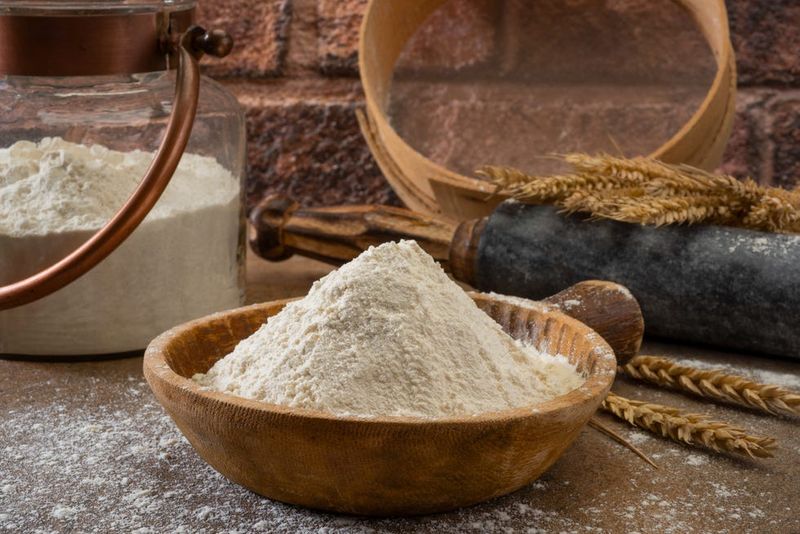
Whole wheat flour is sneaky. Unlike white flour, it contains natural oils from the wheat germ that go rancid within just 1 to 3 months, even when stored in a sealed bag.
Many people assume flour lasts for years, but whole wheat tells a very different story.
A bitter or musty smell is your clearest warning sign. Keep it in an airtight container in the fridge or freezer to significantly extend its freshness and protect your baked goods.
3. Ground Spices
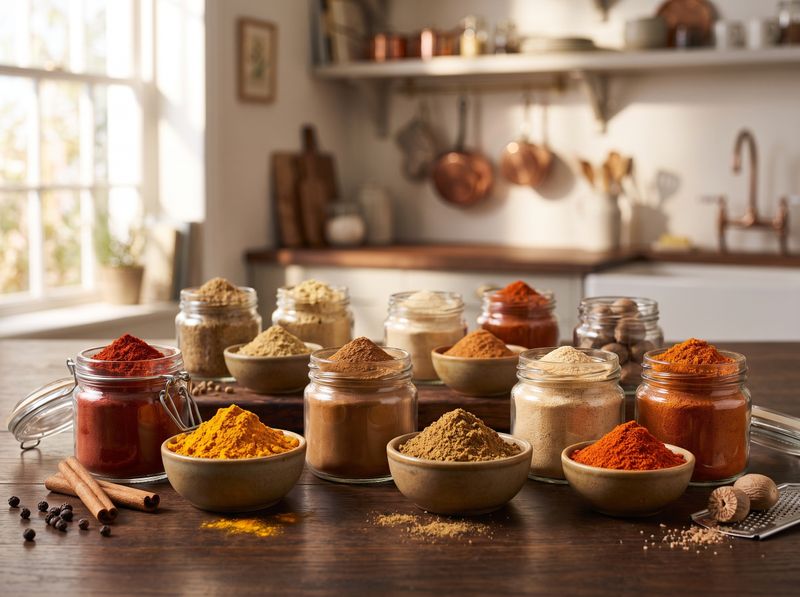
Ground spices don’t exactly go bad in a dangerous way, but they do lose their punch surprisingly quickly. Most ground spices are at their best within 6 to 12 months of opening, and after that, they fade to almost nothing.
That old jar of paprika sitting in the back of your cupboard since 2019? It’s practically flavourless now.
Rub a pinch between your fingers and smell it. If there’s no strong scent, toss it and grab a fresh jar.
4. Brown Rice
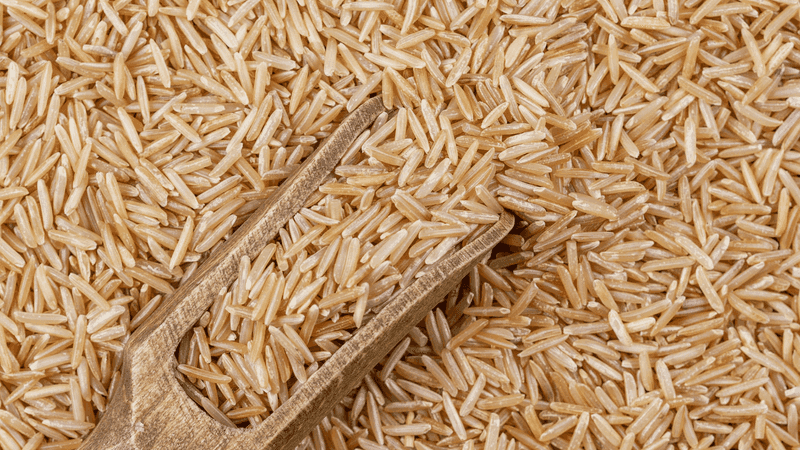
White rice can last for decades, but brown rice is an entirely different story. Because it still contains the bran layer and natural oils, brown rice typically goes stale or rancid within just 6 months, even when stored properly in a sealed container.
It won’t look obviously spoiled, which makes it easy to miss. A slightly oily smell or an off taste during cooking is your signal.
Storing it in the fridge or freezer adds several more months of good quality.
5. Baking Powder
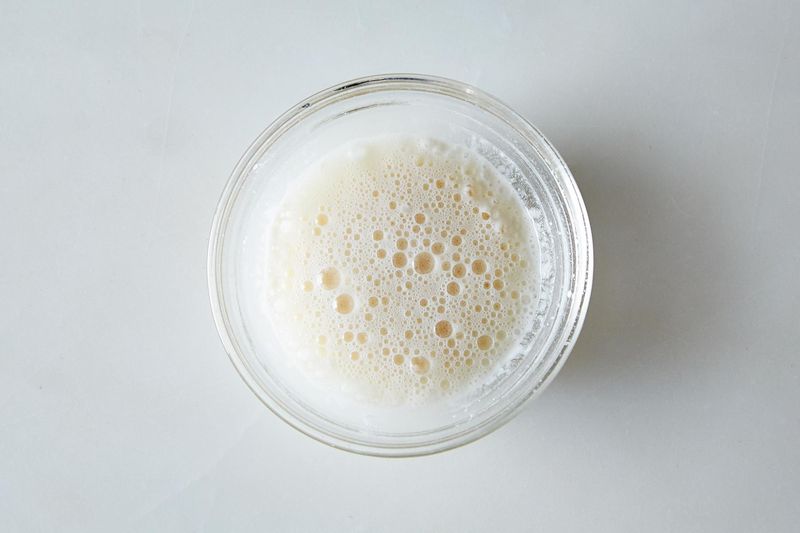
Baking powder is one of those items that sits quietly in the cupboard until you need it. The problem is, it loses its leavening power after about 6 to 12 months, and expired baking powder means flat cakes and dense muffins.
Testing it is easy: drop a teaspoon into hot water. If it bubbles energetically, it’s still good.
If nothing happens, it’s time for a new tin. Many home bakers have ruined batches without ever suspecting this common culprit.
6. Nuts and Seeds
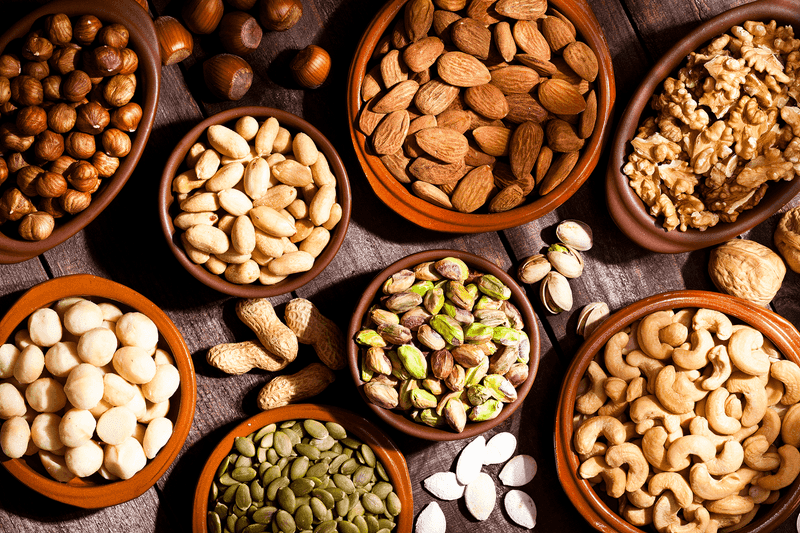
Nuts and seeds are packed with healthy fats, and those fats are exactly what makes them go off quickly. Walnuts, flaxseeds, and pine nuts are especially prone to rancidity and can turn within just 3 to 6 months at room temperature.
A bitter, sharp aftertaste is the telltale sign they’ve passed their prime. Refrigerating or freezing nuts extends their life significantly.
If you buy large bags and rarely use them, your cupboard storage habit may be quietly ruining every batch.
7. Soy Sauce
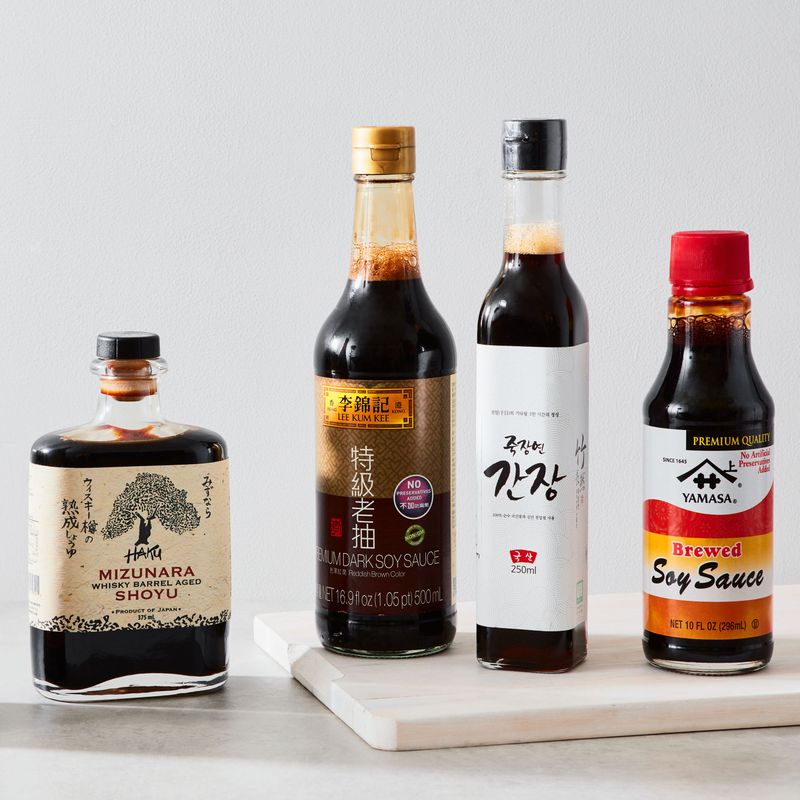
Soy sauce has a reputation for lasting forever, and while it’s true it won’t spoil dangerously, its quality drops off noticeably after about one year once opened. The rich, complex flavour starts to flatten and the colour darkens unevenly.
Keeping it in the fridge after opening is the best move, though most people leave it in the cupboard indefinitely. Unopened bottles can last 2 to 3 years, but once that seal is broken, the clock starts ticking on its best flavour.
8. Honey
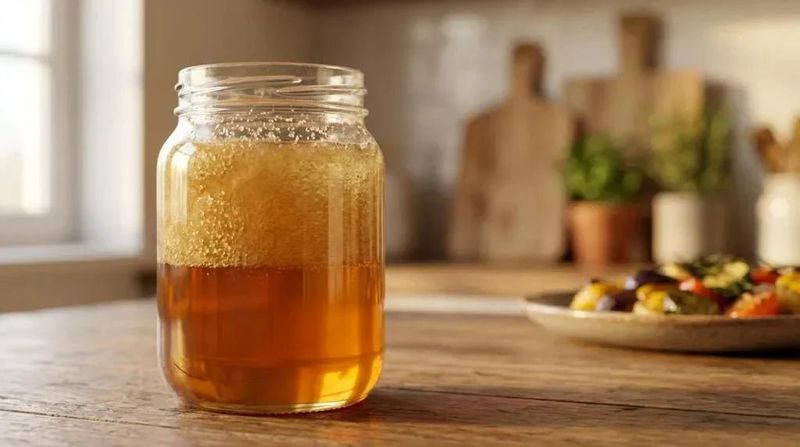
Technically, pure honey never truly expires, but it does change. Crystallisation is normal and harmless, but if your honey has picked up moisture, fermentation can begin, creating a sour smell and slightly fizzy texture.
That’s when it’s time to let it go.
Raw or unfiltered honey is more prone to these changes. Storing it with a tight lid, away from steam and humidity, keeps it stable.
Most commercial honey is best used within 2 years for optimal flavour and texture.
9. Dried Pasta
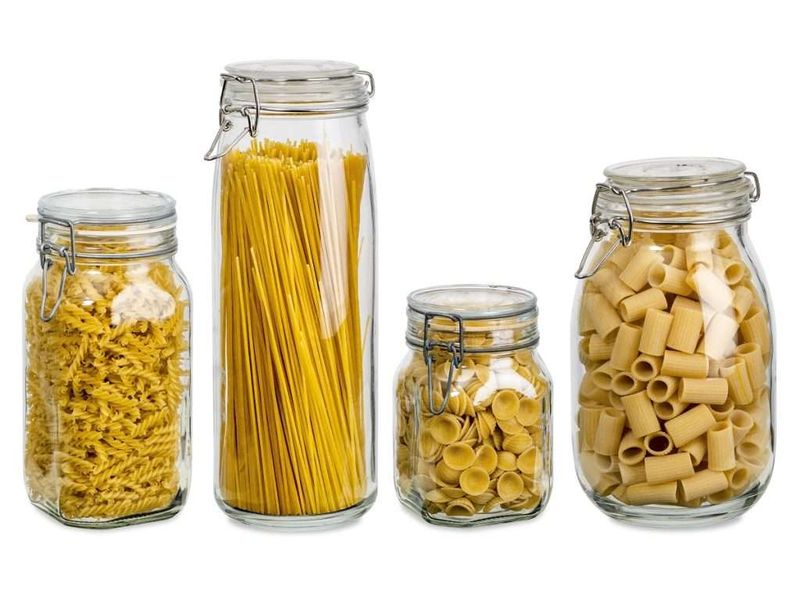
Dried pasta seems like it could outlast a zombie apocalypse, but its quality does decline. While it rarely becomes unsafe, pasta older than 2 years can develop a stale, slightly cardboard-like flavour and a brittle texture that breaks apart during cooking.
Egg-based dried pasta degrades even faster, typically within 12 to 18 months, because of the fat content in the yolk. Storing pasta in sealed airtight containers rather than open boxes keeps it tasting better for longer.
10. Canned Beans
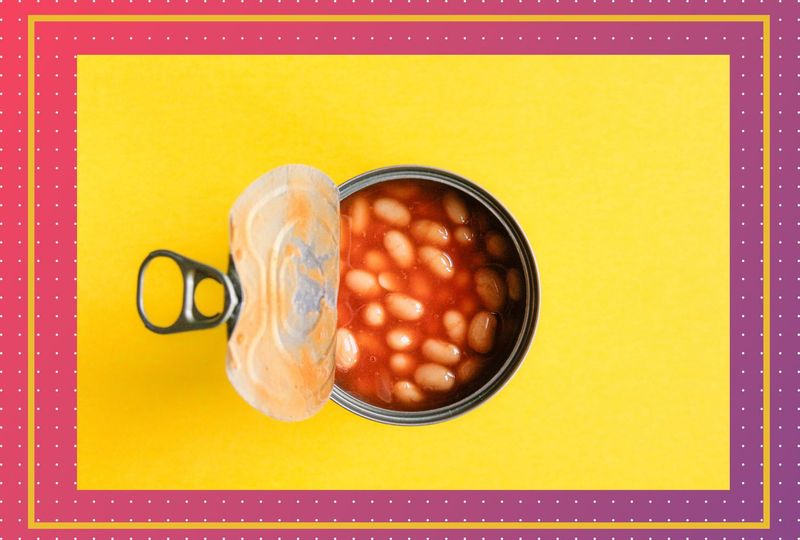
Canned beans are a go-to convenience food, and many people assume they last practically forever. The truth is, while they remain safe to eat for years, their texture and flavour start declining after about 2 to 3 years past the production date.
Dented or bulging cans are a serious red flag and should be discarded immediately. Even without visible damage, beans from very old cans tend to turn mushy and bland.
Rotating your canned goods regularly is a simple habit that makes a big difference.
11. Vinegar
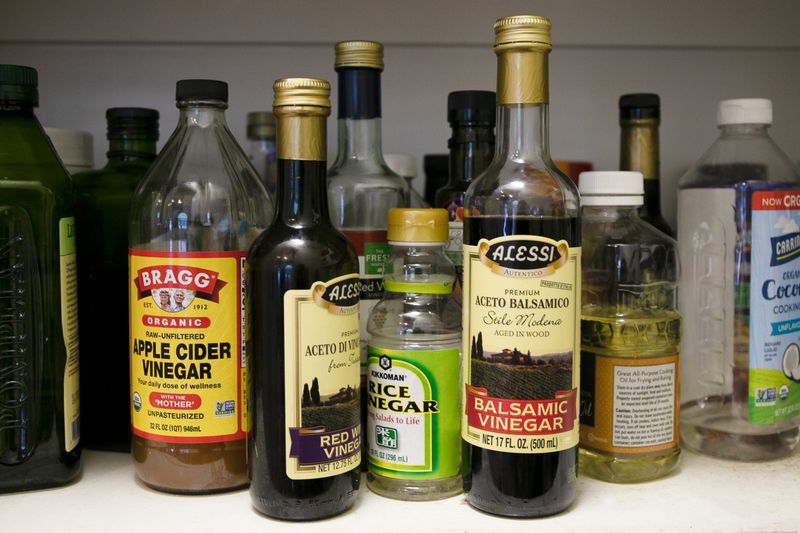
Vinegar is naturally acidic, which makes it self-preserving to a point. However, over time, especially once opened, it can develop sediment, cloudiness, or a noticeably weaker tartness.
Apple cider vinegar is particularly prone to developing a strange stringy mass called the “mother.”
While the mother is harmless and even beneficial in some cases, heavily degraded vinegar loses the sharp punch needed in dressings and pickling. Most vinegars are best used within 2 years of opening for peak flavour results.
12. Breadcrumbs
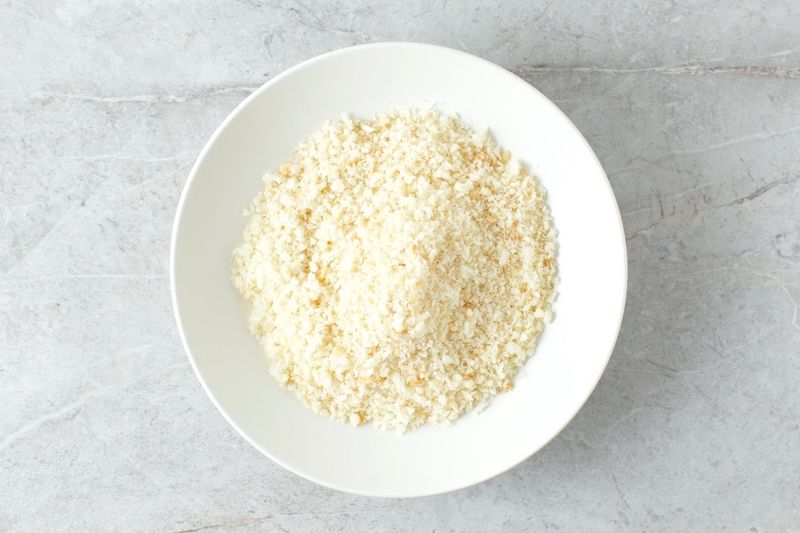
Breadcrumbs feel like the kind of thing that just sits there safely forever. But because they are made from bread, they still carry moisture and oils that break down over time.
Opened containers typically stay fresh for only 4 to 6 months in the cupboard.
Stale or rancid breadcrumbs leave a bitter, flat coating on your food that no amount of seasoning can fix. Smell the container before using it.
Sealing it tightly and storing it in a cool, dry place will help stretch its usable life.
13. Stock Cubes
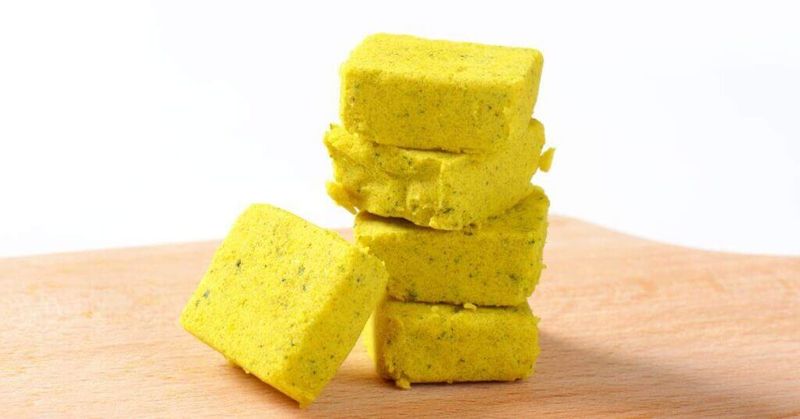
Stock cubes look harmless tucked away in a drawer, but they have a shorter effective life than most people think. While they won’t grow mould easily due to their high salt content, the flavour compounds break down significantly after 12 months.
Using an old stock cube can result in a flat, oddly salty broth with none of the rich depth you’re aiming for. Always check the best-before date and store them in a cool, dry spot away from steam near the stove.
14. Cornstarch
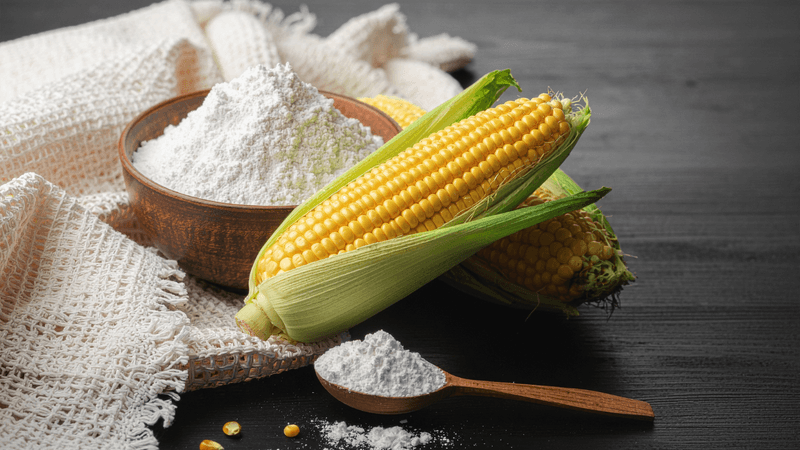
Cornstarch seems like one of those bulletproof pantry staples, but it can absorb moisture and odours from surrounding foods over time. Once contaminated with moisture, it forms lumps and loses its thickening power, leaving your sauces thin and watery.
Properly sealed, cornstarch can last up to 2 years, but many kitchens keep it far longer. A clumpy texture or a strange smell are signs it has absorbed too much from the environment.
Airtight storage is the simplest and most effective solution here.
15. Cereal
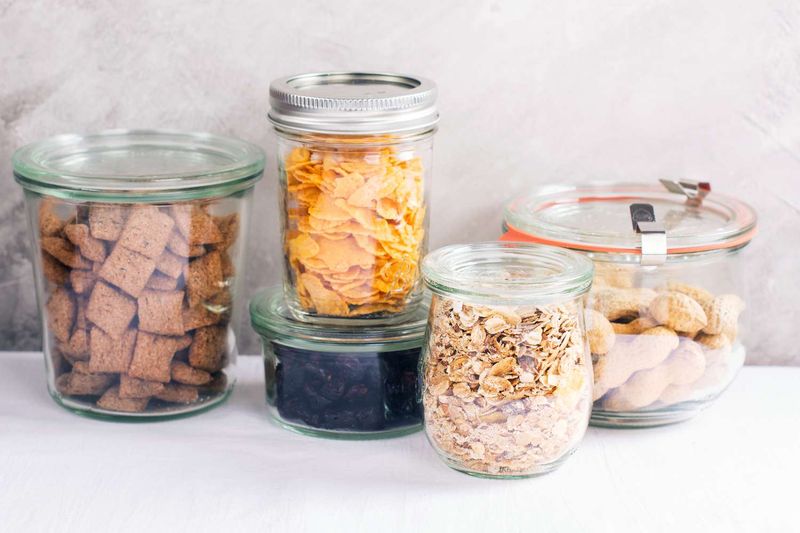
Few things are more disappointing than pouring a bowl of cereal and discovering it tastes like cardboard. Most cereals go stale within 2 to 3 months of opening, even if the box is resealed, because air gradually breaks down the texture and flavour.
Whole grain or granola-style cereals with added fats and nuts degrade even faster. Transferring cereal to a sealed airtight container after opening helps maintain crunch and taste.
Buying smaller boxes more frequently is often a smarter strategy than bulk buying.
16. Peanut Butter
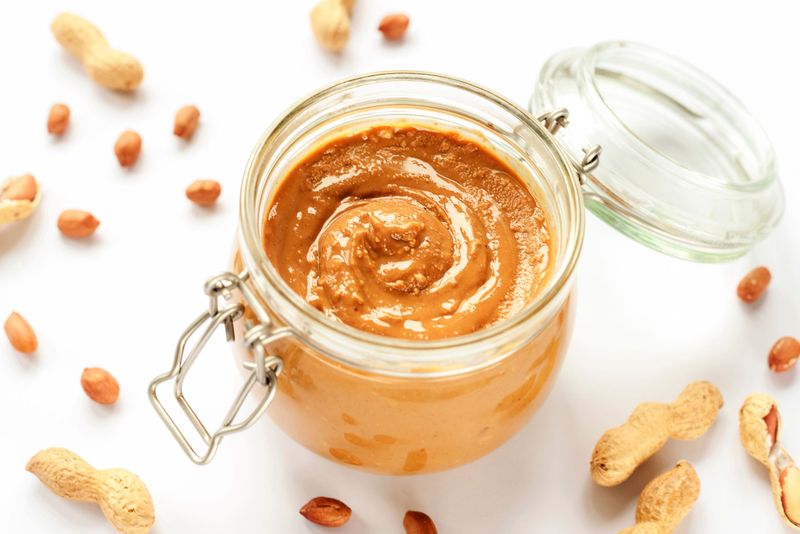
Natural peanut butter, the kind made with just peanuts and salt, has a much shorter shelf life than the commercial variety. Once opened, it can turn rancid within 2 to 3 months at room temperature because it contains no stabilising additives.
That oil pooling at the top is normal, but a sharp, bitter smell is not. Refrigerating natural peanut butter after opening extends its life to around 3 to 6 months.
Even commercial peanut butter is best used within 3 months of opening for the best taste.
17. Instant Coffee
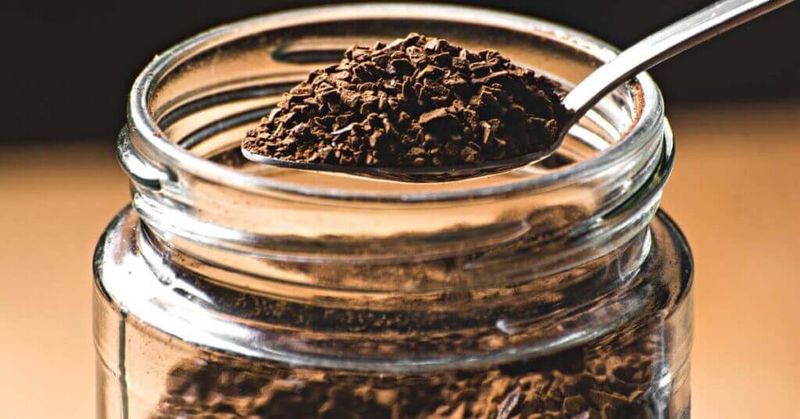
Instant coffee is convenient, but once opened, it begins absorbing moisture and odours from the air faster than most people realise. Within 2 to 3 months of opening, the granules can clump, lose their rich aroma, and produce a noticeably weaker, flat cup.
Storing instant coffee with a tight lid in a cool, dark cupboard away from the kettle helps maintain freshness. Some people swear by keeping it in the freezer.
A stale, cardboard-like smell is the clearest sign your jar has passed its peak.
18. Dried Herbs
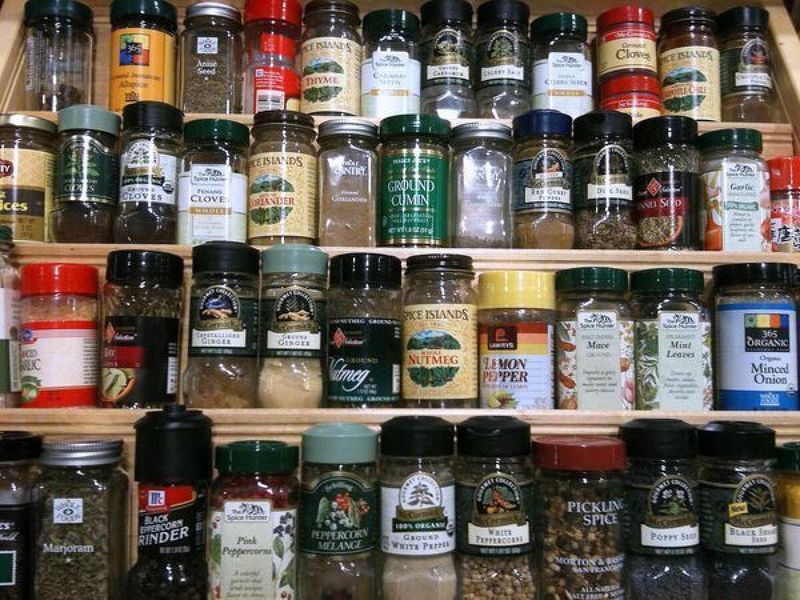
Dried herbs like oregano, basil, and thyme look perfectly fine in their little jars for years, but their flavour is another matter entirely. After about 6 to 12 months, the volatile oils that carry all the taste and aroma evaporate, leaving behind little more than dusty green flakes.
Crush a small amount between your fingers. If you can’t smell much, the herbs are spent.
Buying smaller quantities more regularly, rather than stockpiling, is the most practical way to keep your cooking consistently flavourful.
19. Chocolate Chips
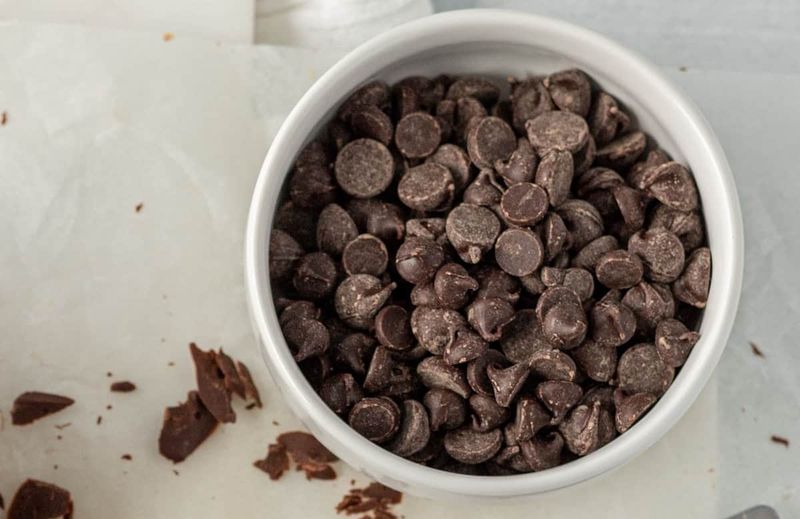
That white, dusty coating you sometimes see on chocolate chips is called bloom, and while it isn’t harmful, it does signal that the chocolate has experienced temperature changes that affect texture and taste. Most chocolate chips are best used within 12 months of purchase.
After that, the cocoa butter separates and the chips lose their smooth melt and rich flavour, making your cookies and muffins noticeably less satisfying. Storing them in a sealed bag in a cool, stable-temperature cupboard slows this process down considerably.
20. Oats
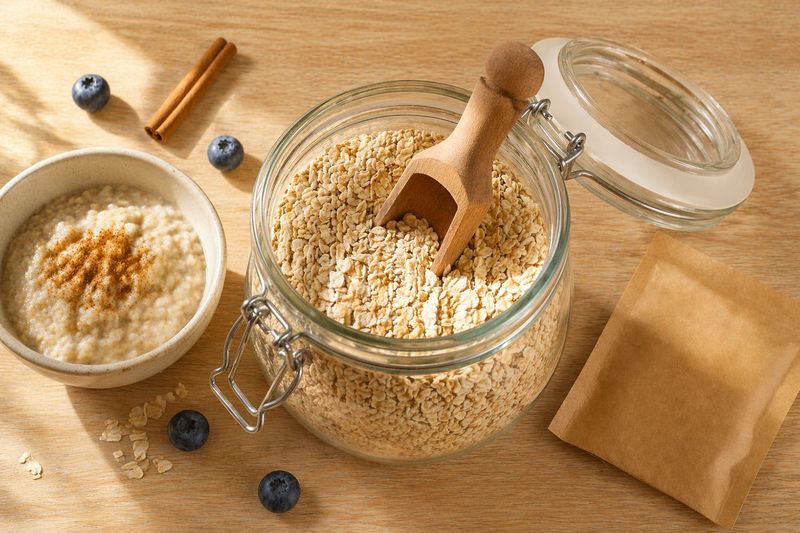
Oats feel like one of the most reliable pantry staples around, but they carry natural oils that break down over time. Rolled oats typically stay fresh for about 6 to 12 months after opening, while steel-cut oats degrade even faster due to their less processed nature.
A rancid or musty smell is the most obvious sign they’ve turned. Keeping oats in an airtight container in a cool, dry spot is the best approach.
Buying in bulk only makes sense if you genuinely cook with them regularly.
21. Powdered Milk
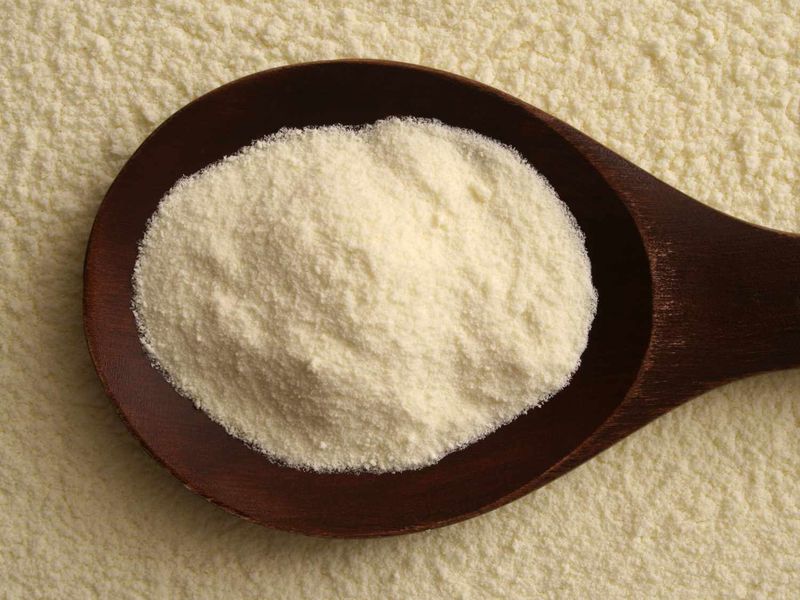
Powdered milk is often bought for emergencies and then forgotten for years. While it has a longer shelf life than fresh milk, opened containers typically stay at their best for only 2 to 3 months before the fat oxidises and the powder takes on a stale, slightly sour smell.
Unopened, it can last 2 to 10 years depending on the packaging type. Once opened, transfer it to an airtight container and keep it somewhere cool and dry.
Using it regularly rather than saving it “just in case” is genuinely the smarter approach.