
Getting older is a natural part of life, but what you eat can play a big role in how you feel along the way. Some foods are packed with nutrients that help keep your body strong, your mind sharp, and your energy levels up.
Scientists have found that certain everyday foods may actually slow down some effects of ageing from the inside out. Adding more of these powerhouse foods to your plate could be one of the simplest things you do for your long-term health.
1. Blueberries
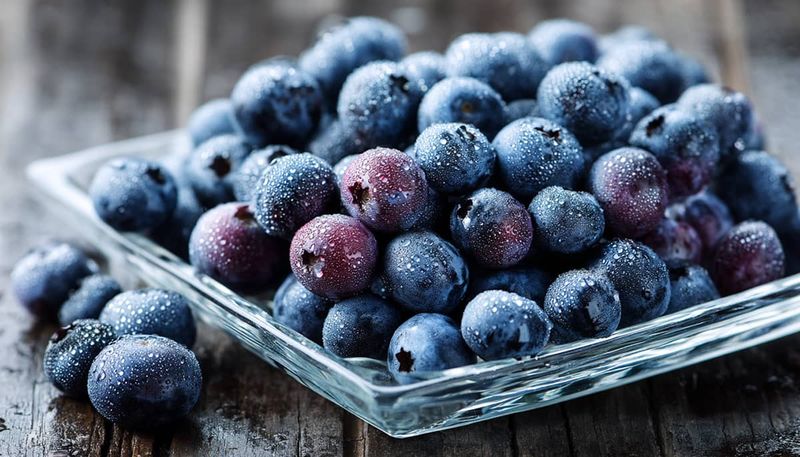
Tiny but mighty, blueberries have earned their reputation as one of nature’s best superfoods. They are loaded with antioxidants called anthocyanins, which give them their deep blue color and help protect your cells from damage caused by ageing.
Studies suggest that eating blueberries regularly may support brain health and improve memory as you get older. Toss them on oatmeal, blend them into a smoothie, or enjoy a handful as a quick snack.
2. Salmon
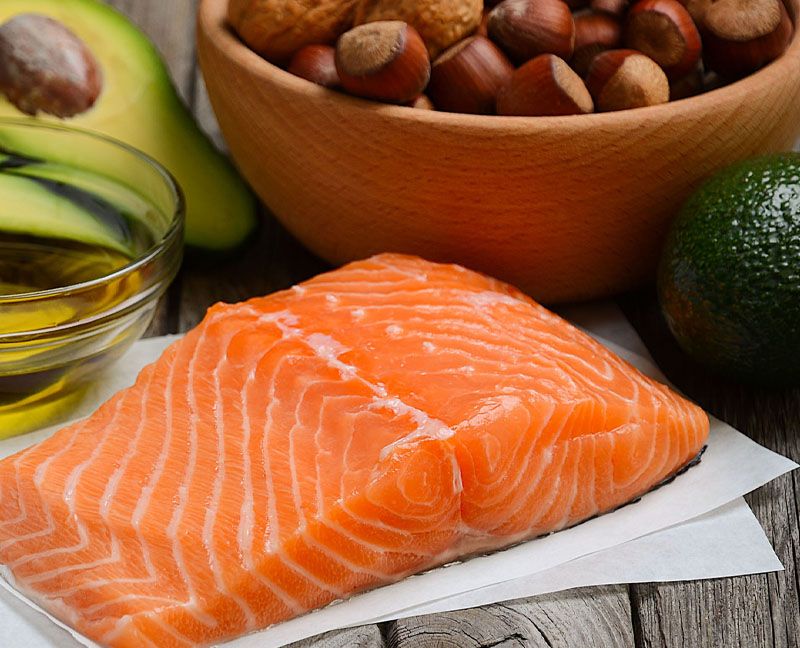
Rich, flavorful, and incredibly nourishing, salmon is one of the best fish you can eat for healthy ageing. It is packed with omega-3 fatty acids, which are known to reduce inflammation in the body and support heart and brain health over time.
Omega-3s may also help keep your skin looking more youthful by maintaining moisture and elasticity. Aim to enjoy salmon at least twice a week for the best results.
3. Avocado
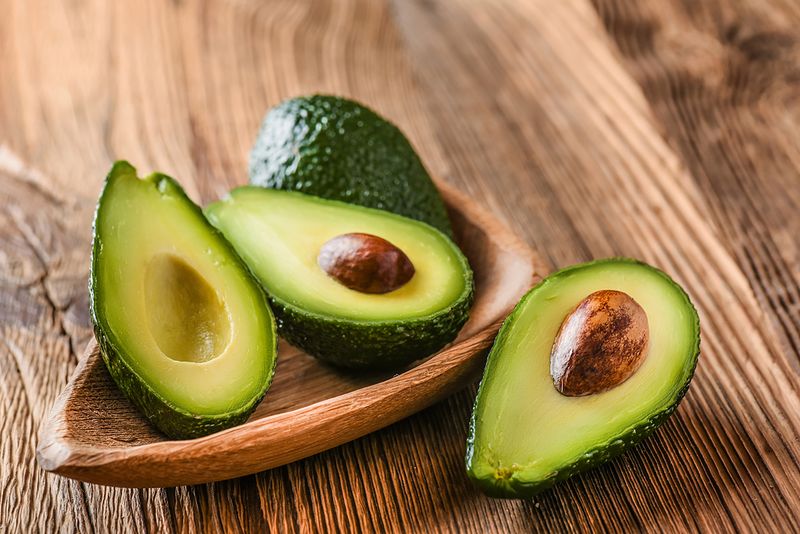
Avocado is one of those foods that feels like a treat but works hard for your health. Creamy and satisfying, it is loaded with healthy monounsaturated fats that support heart health and help your body absorb fat-soluble vitamins more effectively.
It also contains potassium, vitamin E, and folate, all of which are linked to healthy ageing. Spread it on toast, slice it into salads, or blend it into a smoothie for a creamy boost.
4. Spinach
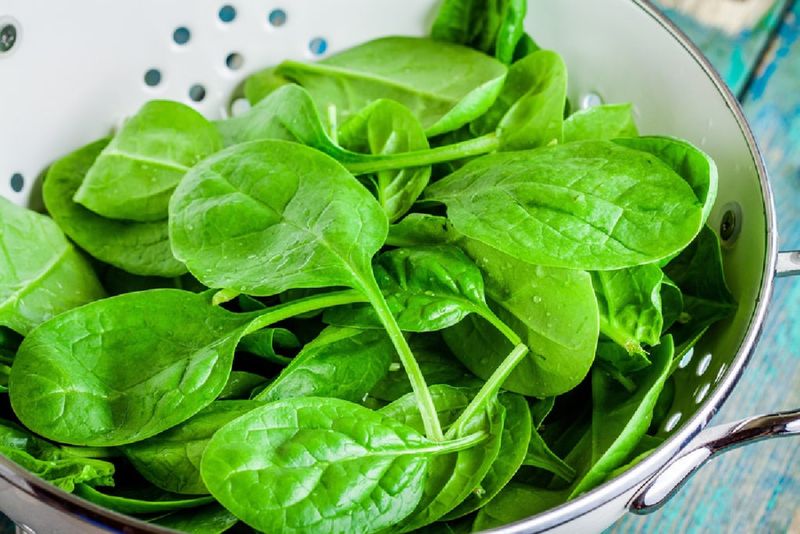
Popeye was onto something. Spinach is one of the most nutrient-dense leafy greens available, delivering vitamins A, C, and K along with iron and folate in every serving.
These nutrients work together to support bone health, immune function, and healthy skin, all things that matter more as we age. Raw in a salad, wilted into pasta, or blended into a smoothie, spinach is incredibly easy to work into your everyday meals without much effort.
5. Walnuts

Did you know walnuts are the only tree nut that contains a significant amount of alpha-linolenic acid, a plant-based omega-3 fatty acid? That makes them especially valuable for brain and heart health as you get older.
Crunchy and satisfying, walnuts also provide antioxidants that help fight oxidative stress, which contributes to ageing at the cellular level. A small handful each day is all you need to start enjoying their benefits.
6. Sweet Potatoes
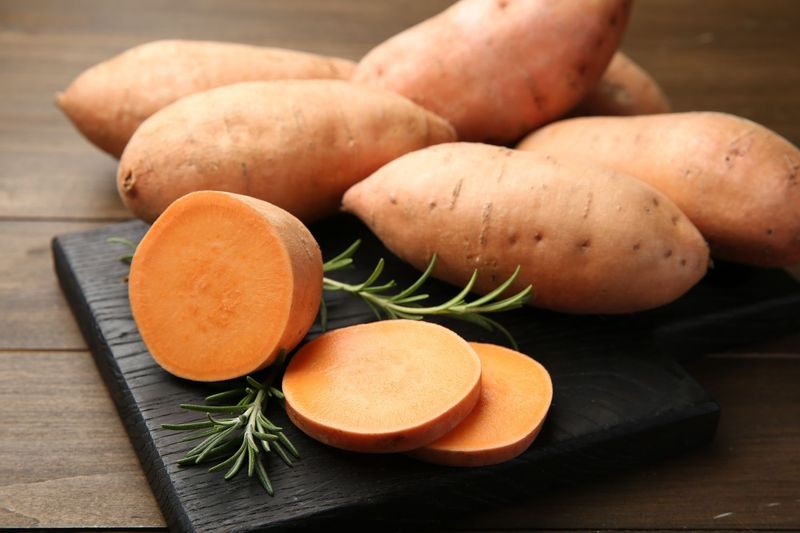
Sweet potatoes bring natural sweetness to your plate while delivering a serious nutritional punch. They are one of the richest plant sources of beta-carotene, which your body converts into vitamin A to support healthy skin, good vision, and a strong immune system.
Their vibrant orange color is actually a sign of how much goodness they contain. Roasted, mashed, or baked, sweet potatoes are comforting and incredibly versatile for any meal of the day.
7. Green Tea
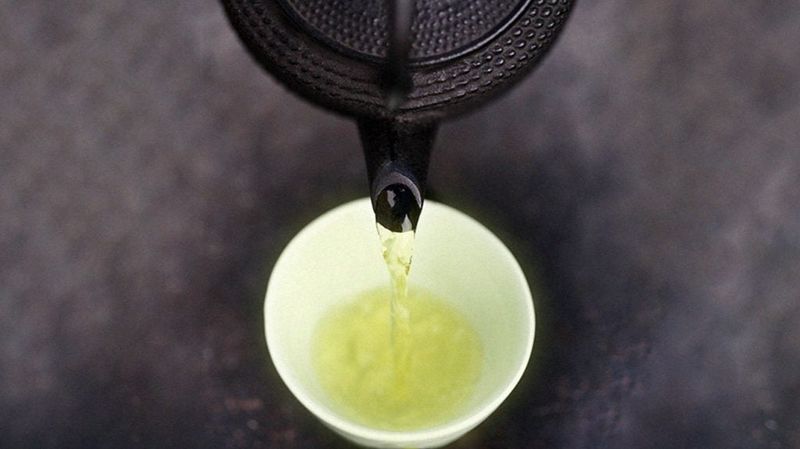
Sipping green tea is a simple ritual that has been linked to a longer, healthier life in several scientific studies. It contains powerful antioxidants called catechins, which help protect cells from damage and may reduce the risk of certain chronic diseases associated with ageing.
Green tea also contains a small amount of caffeine paired with L-theanine, an amino acid that promotes calm, focused energy. Swap your afternoon coffee for a warm cup and notice the difference.
8. Olive Oil
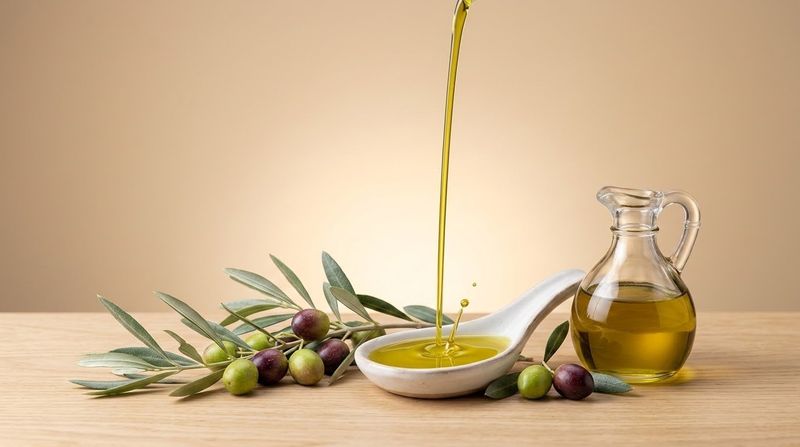
Extra virgin olive oil is a cornerstone of the Mediterranean diet, which is consistently ranked as one of the healthiest eating patterns in the world. Its high content of monounsaturated fats and polyphenols helps reduce inflammation and supports cardiovascular health over the long term.
Research has even linked regular olive oil consumption to a reduced risk of cognitive decline. Use it to dress salads, drizzle over roasted vegetables, or dip crusty bread for a simple, satisfying experience.
9. Pomegranate
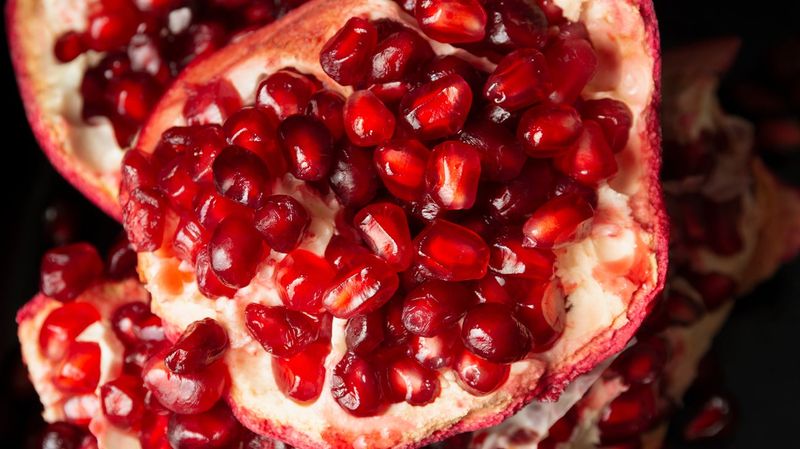
Pomegranate seeds look like little jewels, and they are just as precious for your health. They contain a unique compound called urolithin A, which studies suggest may help renew mitochondria, the energy centers of your cells, potentially slowing muscle ageing.
Pomegranates are also rich in vitamin C and antioxidants that help protect skin from sun damage and inflammation. Sprinkle the seeds over yogurt, salads, or oatmeal for a burst of sweet-tart flavor.
10. Broccoli
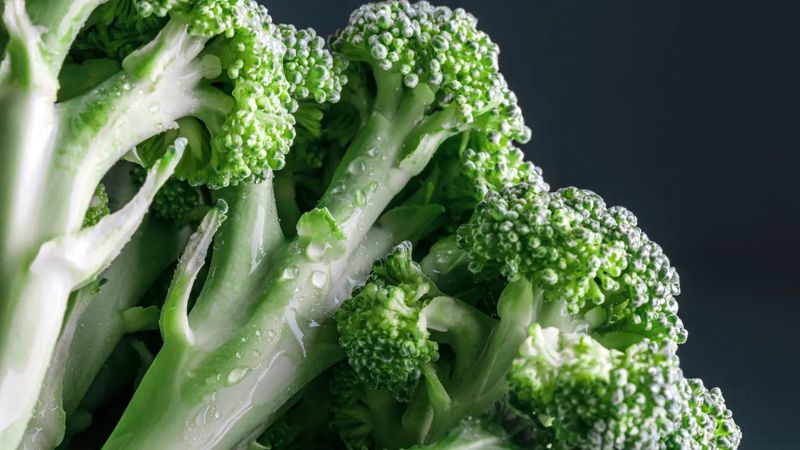
Broccoli has been a staple of healthy eating advice for decades, and for good reason. It is packed with vitamin C, which supports collagen production for firm, healthy skin, along with vitamin K, which plays a role in maintaining strong bones as you age.
Broccoli also contains a compound called sulforaphane, which researchers are studying for its potential to protect cells from ageing-related damage. Lightly steaming it preserves the most nutrients compared to boiling.
11. Greek Yogurt
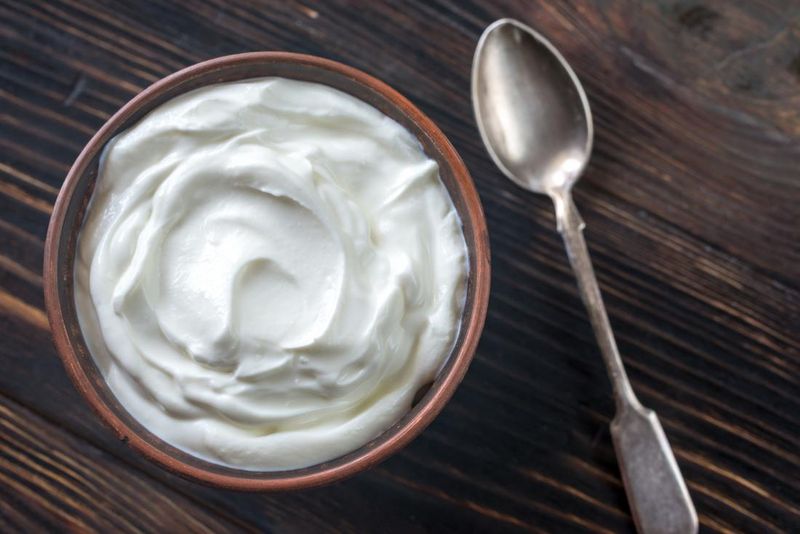
Smooth, creamy, and endlessly versatile, Greek yogurt is a protein powerhouse that becomes especially important as you age. Maintaining muscle mass gets harder after your 40s, and eating enough protein throughout the day helps slow that natural decline.
Greek yogurt also contains probiotics, beneficial bacteria that support gut health, which is increasingly linked to immunity and even mood. Choose plain, unsweetened varieties and add your own fruit or a little honey to keep sugar in check.
12. Turmeric
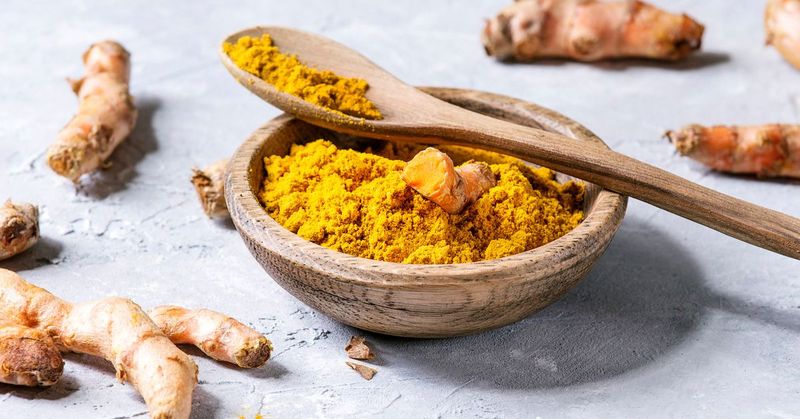
Turmeric has been used in traditional medicine for thousands of years, and modern science is starting to back up what ancient healers already knew. Its active compound, curcumin, has powerful anti-inflammatory and antioxidant properties that may help protect against age-related diseases.
Chronic inflammation is one of the key drivers of ageing, and turmeric is one of the most effective natural tools for managing it. Add it to soups, stews, rice dishes, or mix it into warm milk for a golden latte.
13. Beans and Lentils
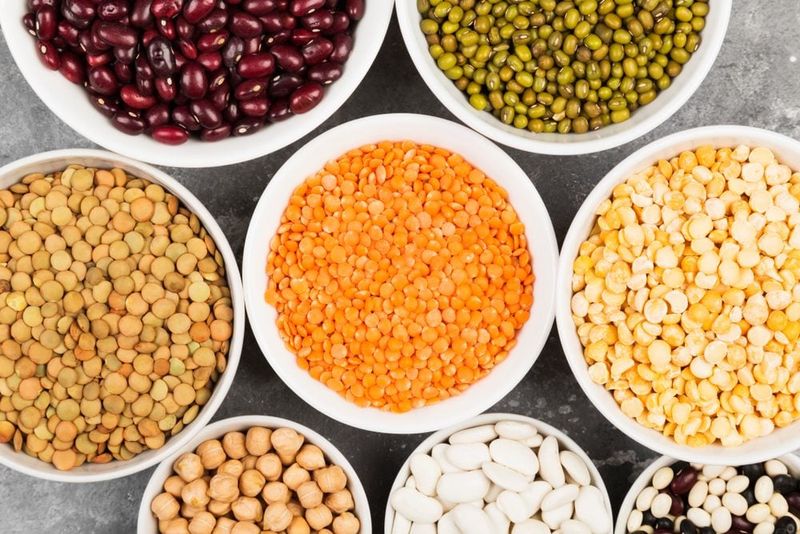
Beans and lentils are among the most affordable and underrated foods for healthy ageing. They deliver a winning combination of plant-based protein, fiber, and essential minerals like magnesium and potassium that support heart and muscle health over time.
High fiber intake is also linked to better gut health, lower cholesterol, and reduced risk of type 2 diabetes, all conditions that become more common with age. From lentil soup to black bean tacos, there are endless delicious ways to enjoy them.
14. Dark Chocolate
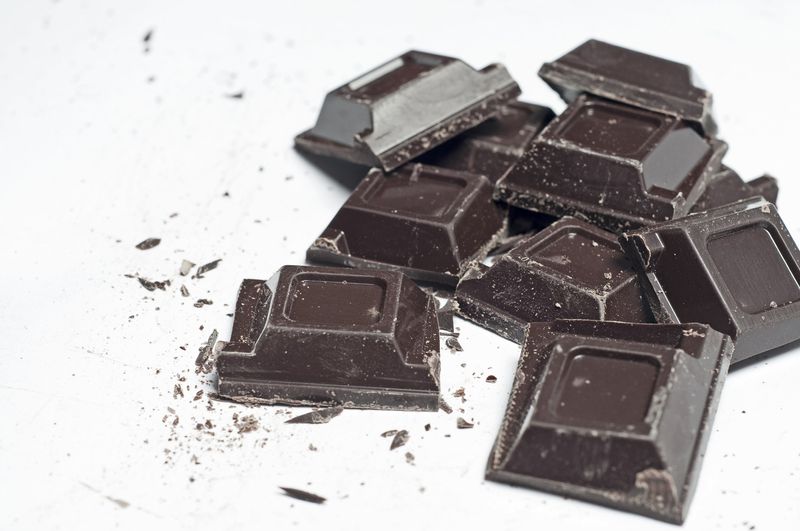
Good news for chocolate lovers: dark chocolate, especially varieties with 70 percent cocoa or more, may actually be good for you in moderation. It is rich in flavonoids, plant compounds that support healthy blood flow, protect the heart, and may even boost brain function.
Some research suggests that regular dark chocolate consumption is linked to lower blood pressure and reduced inflammation. Enjoy a small square or two after dinner as a satisfying treat that also happens to do your body some good.
15. Tomatoes
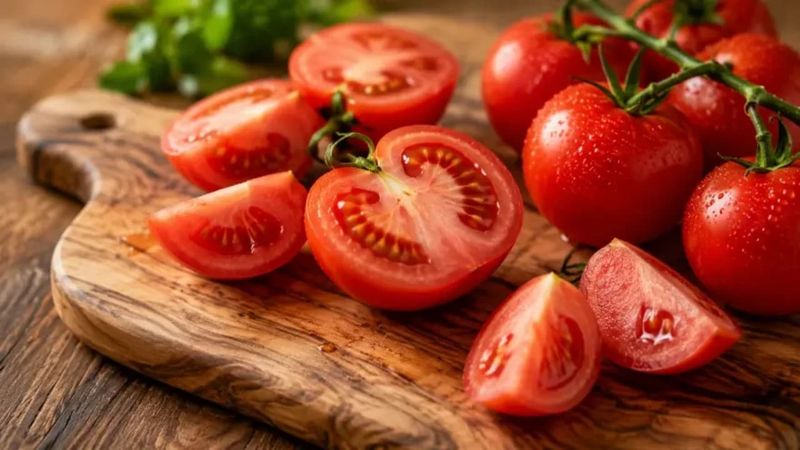
Tomatoes are a kitchen staple that quietly deliver impressive health benefits. They are one of the best food sources of lycopene, a powerful antioxidant that gives them their red color and has been linked to reduced risk of heart disease and certain cancers.
Interestingly, lycopene becomes more bioavailable when tomatoes are cooked, so tomato sauce, roasted tomatoes, and soups are especially beneficial. Pair them with a little olive oil to help your body absorb even more of this protective compound.
16. Oats
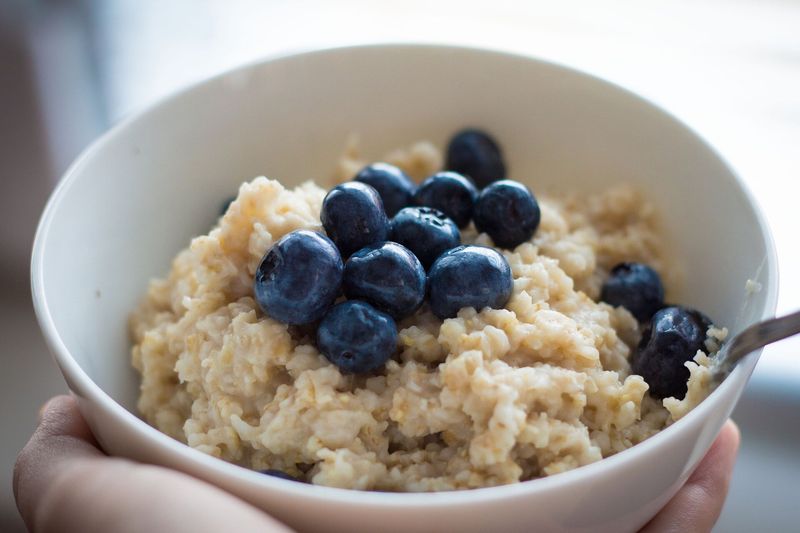
Starting your morning with a bowl of oats is one of the simplest ways to support your health as you age. Oats are rich in a specific type of soluble fiber called beta-glucan, which helps lower LDL cholesterol and supports a healthy heart over time.
They also provide steady, long-lasting energy without spiking your blood sugar, which is especially helpful for maintaining energy and focus throughout the day. Steel-cut or rolled oats offer the most nutritional benefit compared to instant varieties.
17. Garlic
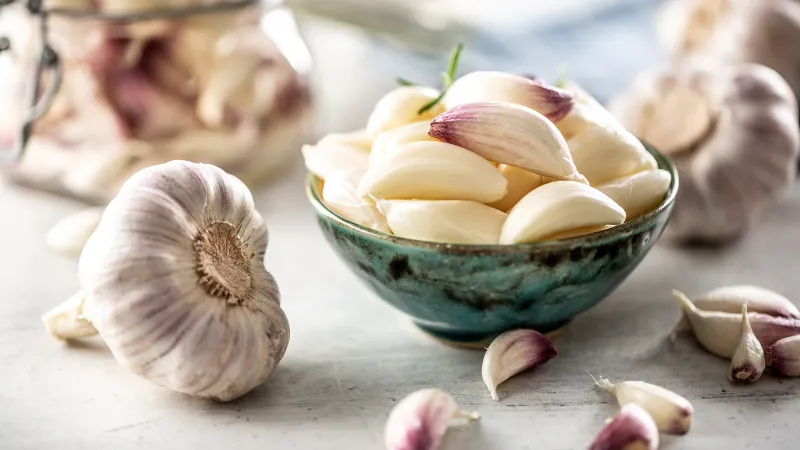
Garlic has been celebrated as a healing food across cultures for centuries, and its reputation is well-earned. It contains a sulfur compound called allicin, which forms when garlic is chopped or crushed and is responsible for many of its health-promoting effects.
Regular garlic consumption has been linked to lower blood pressure, improved cholesterol levels, and stronger immune function, all of which matter more as the years go by. Add it generously to cooking, but let it sit for a few minutes after chopping to maximize allicin production.