
The Harry Potter series is one of the most beloved stories ever told, both in print and on screen. But if you have read the books and watched the movies, you probably noticed that a lot of things were changed, cut, or completely different.
Some of these changes are small details, while others left out major plot points that fans still talk about today. Here is a look at the biggest differences between J.K.
Rowling’s original books and the film adaptations.
1. Harry’s Eye Color Was Never Corrected
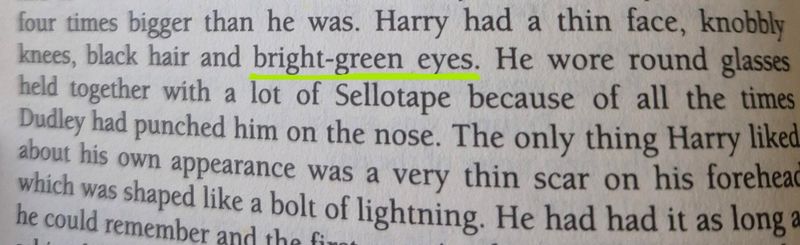
Book Harry Potter has bright green eyes, a detail J.K. Rowling considered very important because his eyes match his mother Lily’s.
In the films, Daniel Radcliffe wore blue eyes throughout the entire series, and the producers even cast an actress with blue eyes to play Lily so things would at least match on screen.
It is a small change that frustrated many fans who felt the eye color was tied to the emotional connection between Harry and his late mother.
2. Harry and Draco’s First Meeting Was Moved
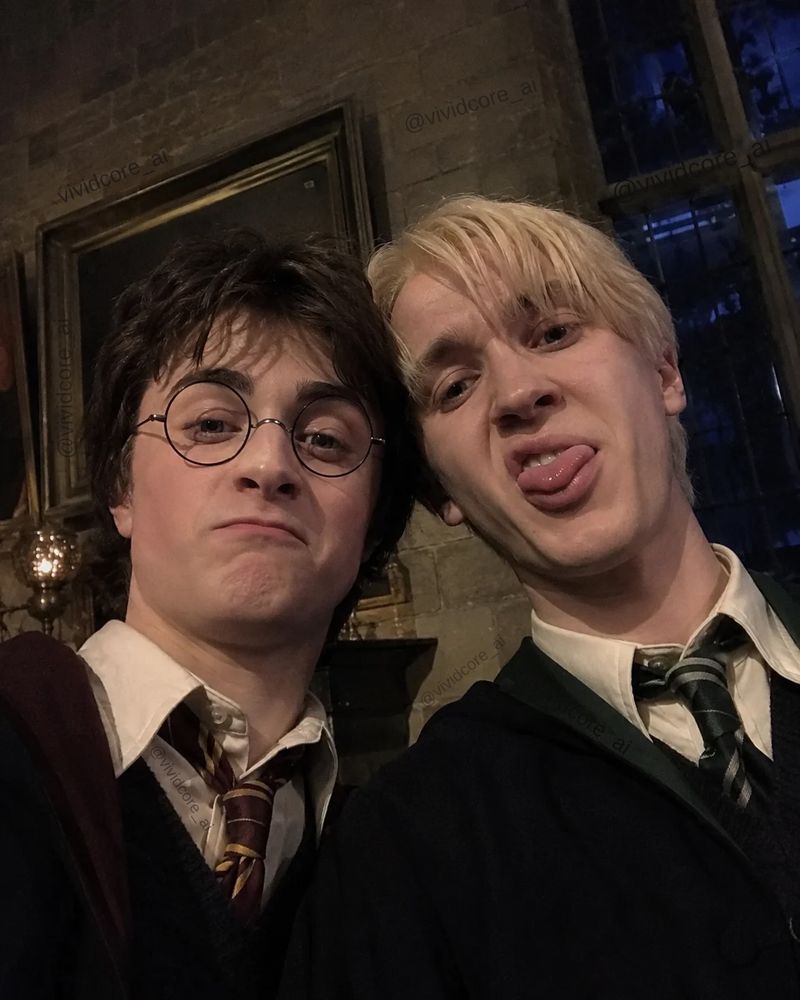
In the book, Harry first meets Draco Malfoy at Madam Malkin’s Robes for All Occasions in Diagon Alley. Draco immediately comes across as arrogant, and he insults Ron Weasley, which helps shape Harry’s opinion of him before school even starts.
The movie skips this entirely and has them meet at Hogwarts before the Sorting Ceremony. It is a meaningful difference because the book version shows exactly why Harry dislikes Draco from the very beginning.
3. Hagrid Mistook Dudley for Harry in the Film
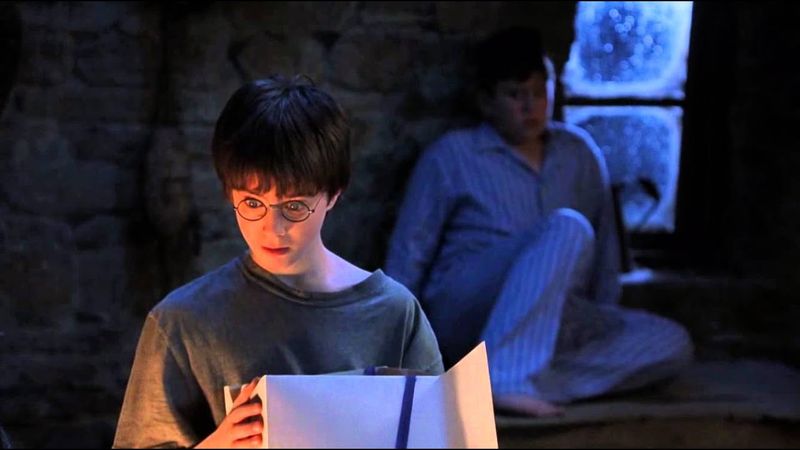
When Hagrid first arrives at the hut on the rock in the book, he immediately recognizes Harry and greets him without any confusion. It is a heartwarming moment that feels purposeful and warm.
In the movie, Hagrid hilariously mistakes Dudley Dursley for Harry, which gets a laugh but changes the tone of the scene. The book version carries more emotional weight, since Hagrid has been waiting years to finally meet Harry again.
4. S.P.E.W. and the House-Elf Winky Were Cut Completely
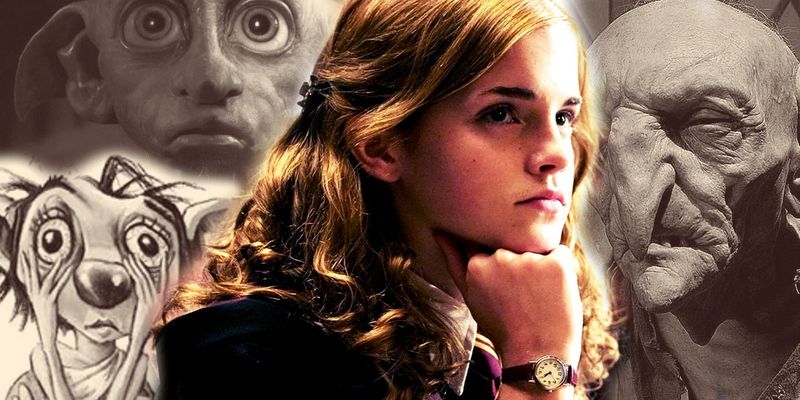
Hermione’s passion project in the books, S.P.E.W. or the Society for the Promotion of Elfish Welfare, was completely left out of the movies. She spends a good chunk of the Goblet of Fire advocating for house-elf rights and trying to get other students to care.
Along with S.P.E.W., the house-elf Winky was also cut from the films entirely. Her story adds important context to Barty Crouch Sr. and the overall mystery of that book.
5. Peeves the Poltergeist Never Made It to the Screen
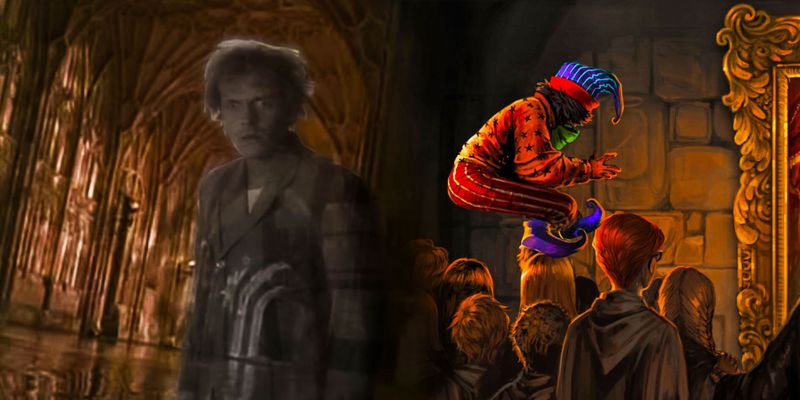
Peeves is one of the most entertaining recurring characters in the Harry Potter books. He is a poltergeist who haunts Hogwarts, pulls pranks on students, and occasionally causes real trouble for teachers and prefects alike.
Surprisingly, Peeves was cut from every single film adaptation. Rik Mayall was actually cast and filmed scenes as Peeves for the first movie, but all of his footage ended up on the cutting room floor.
Fans still wish he had made it in.
6. Peter Pettigrew’s Silver Hand Meant Nothing in the Films
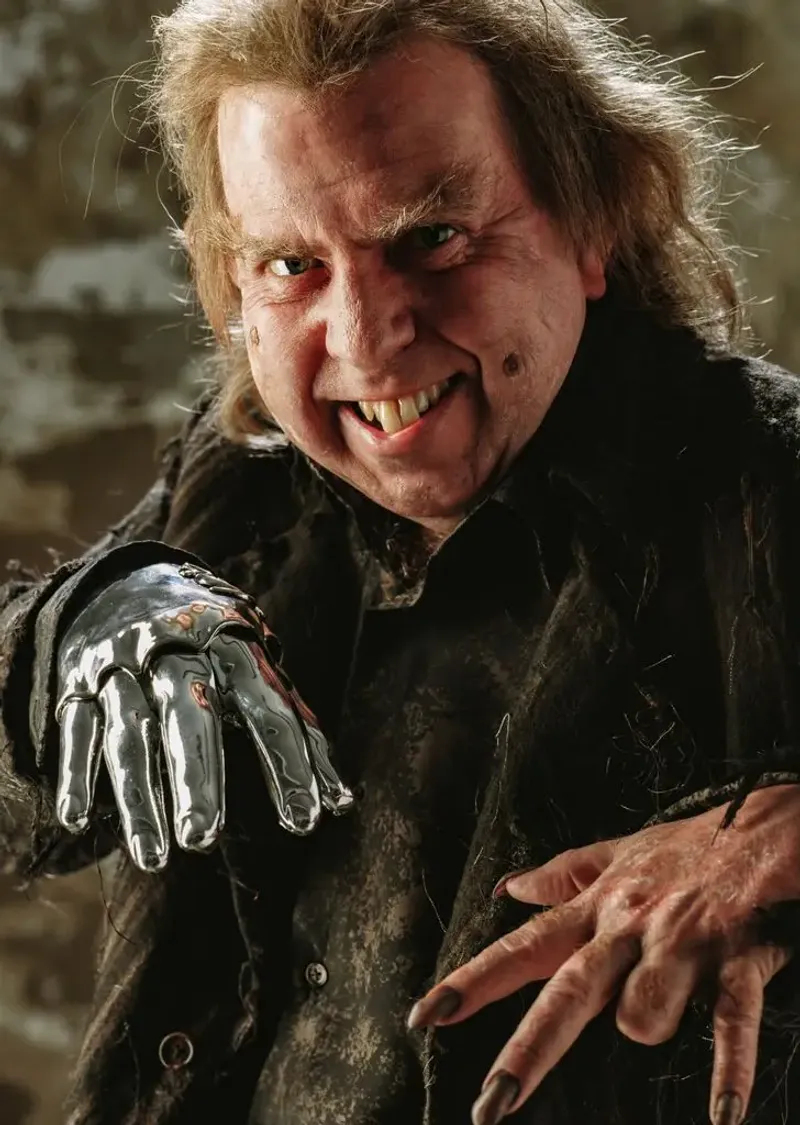
In the Deathly Hallows book, Peter Pettigrew’s silver hand, gifted to him by Voldemort, turns against him when he hesitates to harm Harry. The hand strangles him, and it acts as a kind of poetic justice for a man who betrayed his friends.
The movies skip this moment entirely. It is one of the more dramatic and thematically rich scenes in the books, and its absence means Pettigrew’s story ends without the same sense of dark irony.
7. The Opening Scene of Sorcerer’s Stone Was Completely Different
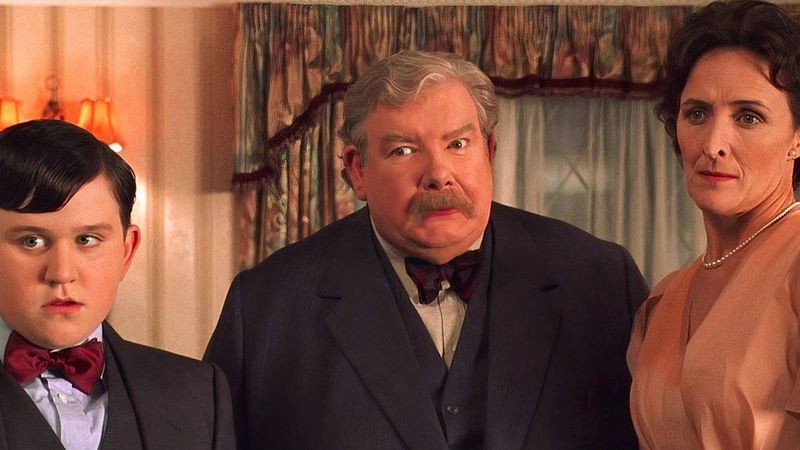
The book opens with Vernon Dursley going about his ordinary day and slowly noticing strange things happening around him, like people in cloaks whispering about a boy named Harry. It pulls readers in by showing the wizarding world sneaking into a very normal setting.
The movie skips straight to Dumbledore and Professor McGonagall meeting on Privet Drive. While visually memorable, the film loses the slow-burn tension and humor that the book’s opening chapter builds so cleverly.
8. The Dursley Family Looked Nothing Like the Books Described
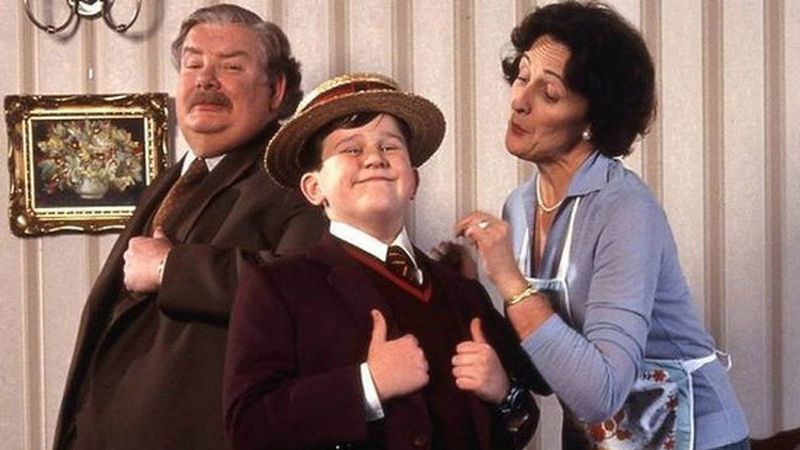
In J.K. Rowling’s books, both Aunt Petunia and Dudley Dursley are described as blonde.
Petunia is thin and horse-faced with a long neck, while Dudley is large and piggy-looking with blond hair.
The movies cast both characters with dark hair, which is a notable visual difference for readers who had a clear picture in their minds. It may seem minor, but for book fans, it was one of those small details that was hard to unsee once noticed.
9. Neville Was Left Out of the Forbidden Forest Detention
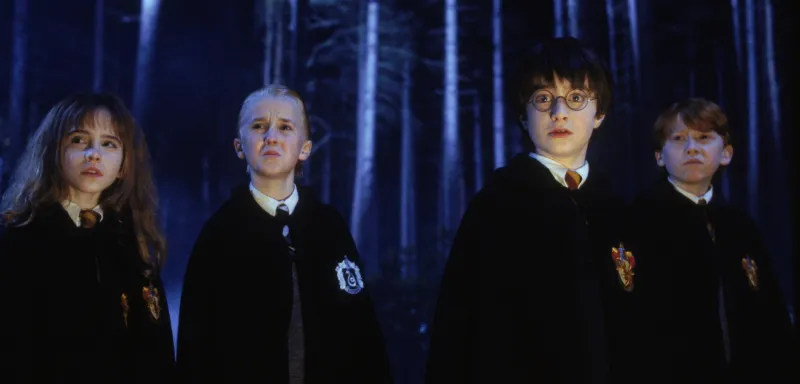
One of the scariest moments in the first book is when Harry, Ron, Hermione, and Neville all serve detention together in the Forbidden Forest. Neville’s presence adds to the tension and gives him a moment to share in the adventure.
In the movie, Neville is not part of the Forbidden Forest group. Draco Malfoy takes his place, which changes the group dynamic significantly.
Fans of Neville felt he was robbed of a great early scene that helped build his character.
10. Harry’s Internal Thoughts Were Mostly Removed
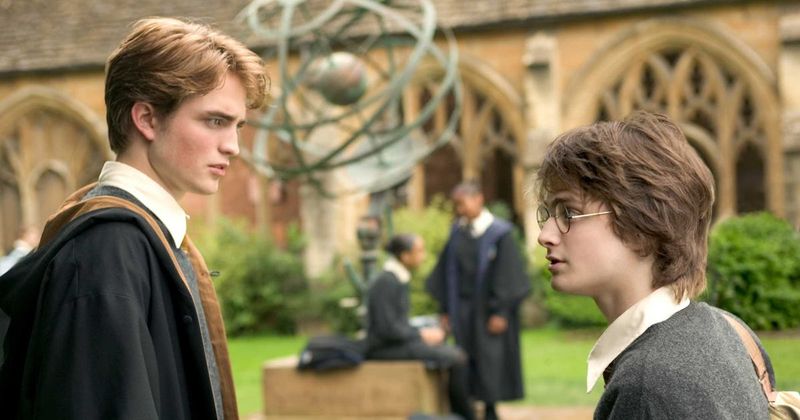
One of the biggest strengths of the books is being inside Harry’s head. Readers get to feel his frustration, fear, confusion, and even his crush on Ginny Weasley.
These inner moments make dark scenes even more powerful and help readers understand why Harry makes the choices he does.
Movies naturally cannot show thoughts the same way. A lot of Harry’s emotional depth gets lost on screen, making him feel more reactive than reflective compared to his book counterpart.
11. The Marauder’s Map Backstory Was Never Fully Told
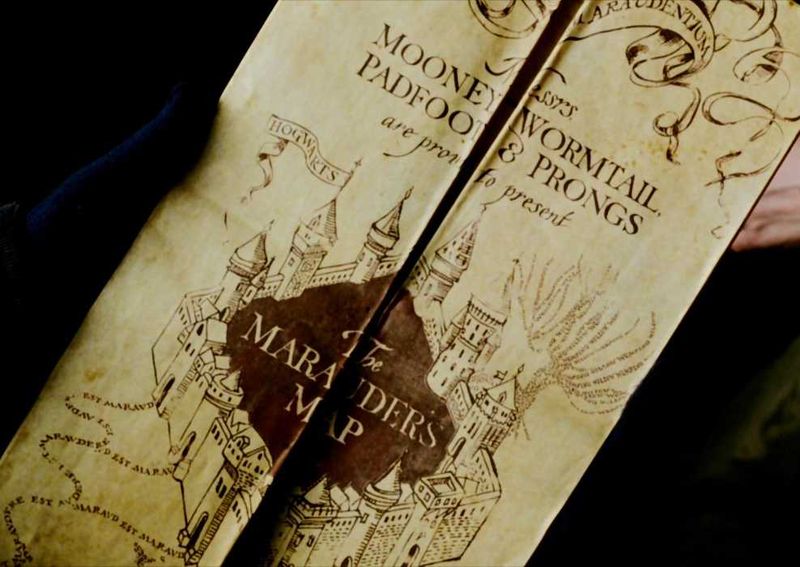
In the Prisoner of Azkaban book, readers eventually learn the full story behind the Marauder’s Map. Moony, Wormtail, Padfoot, and Prongs are revealed to be Lupin, Pettigrew, Sirius, and James Potter, four best friends who became Animagi to support Lupin during his werewolf transformations.
The movie hints at the connection but never fully explains it. Casual movie viewers likely had no idea what those nicknames meant or why they were so emotionally significant to Harry.
12. Several Challenges to Reach the Philosopher’s Stone Were Cut
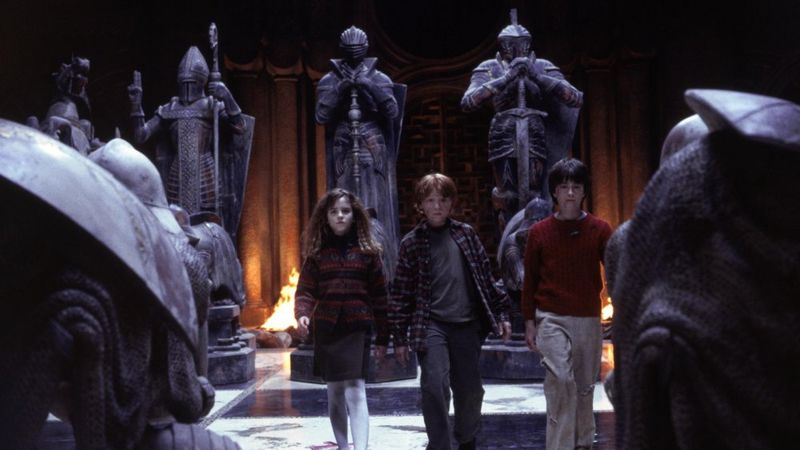
Getting to the Philosopher’s Stone in the first book requires Harry, Ron, and Hermione to pass through multiple challenges set by different teachers. These include a troll, a logic puzzle with potions by Snape, and a plant challenge by Professor Sprout, among others.
The movie trims this sequence down significantly, cutting several tasks entirely. The potions logic puzzle, which is a brilliant Hermione moment, is completely absent, which is a shame given how much it shows her intelligence in action.
13. Dumbledore’s Funeral Was Never Shown on Screen
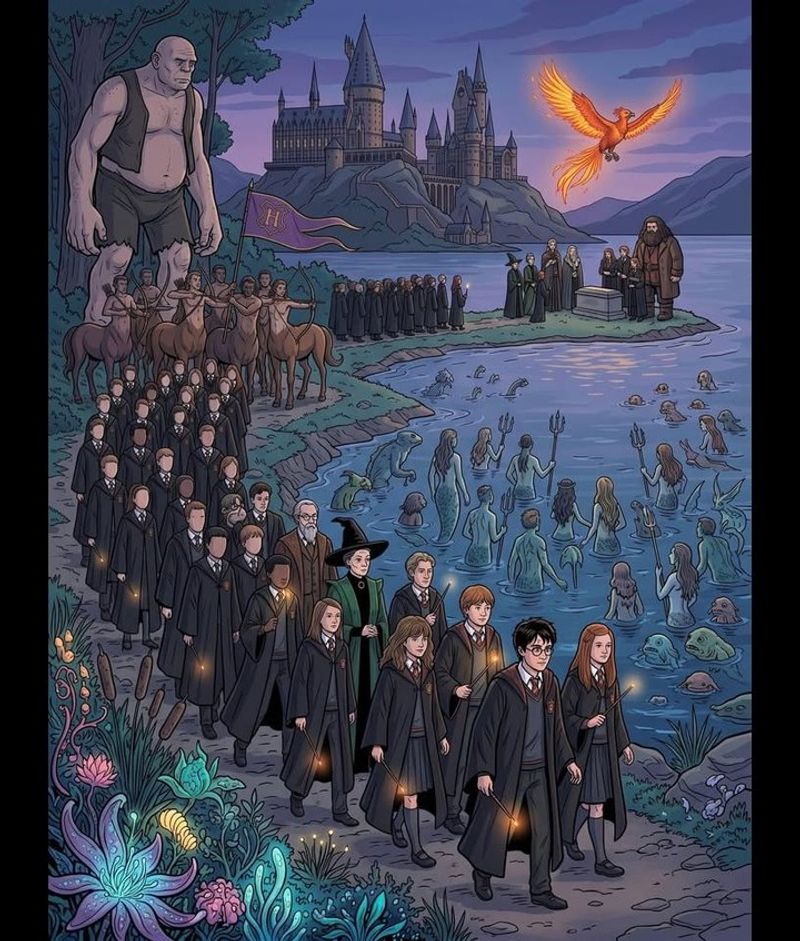
At the end of Half-Blood Prince, Dumbledore’s funeral is one of the most emotional scenes in the entire book series. Hundreds of magical creatures, students, and witches and wizards gather to honor him, and it gives readers a real sense of grief and loss.
The movie skips the funeral entirely, cutting straight from his death to a brief rooftop scene. Many fans felt this was a huge missed opportunity to give Dumbledore the send-off his character truly deserved.
14. The Weasley House Was Never Burned Down in the Books
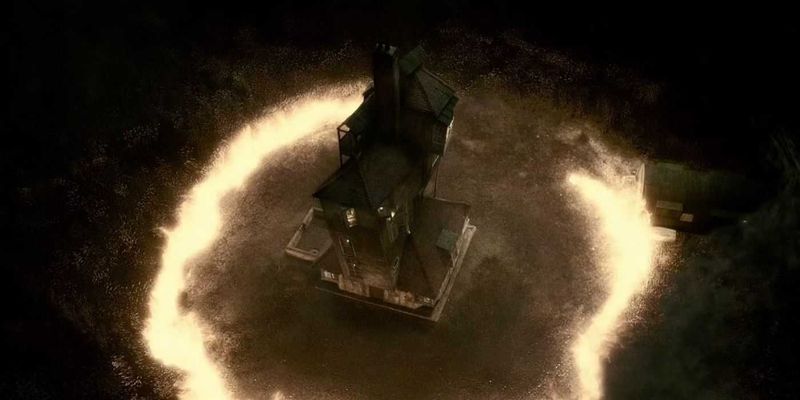
In the Half-Blood Prince film, Death Eaters attack and burn down the Weasley family home, known as the Burrow. It is a dramatic action sequence that creates a sense of danger and loss for the Weasley family.
This event never happens in the books. The Burrow remains standing throughout the entire series.
Many readers were confused and frustrated by this addition, especially since it had no real consequences on the story that followed in the next film.
15. The Snake at the Zoo Was a Different Species
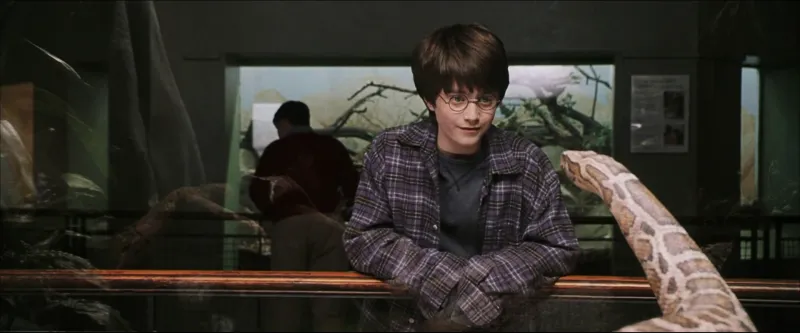
Harry’s first accidental magic moment at the zoo in Sorcerer’s Stone is a fan favorite. In the book, the snake Harry talks to is a boa constrictor from Brazil, and it even thanks him before slithering away.
In the movie, the snake is identified as a Burmese Python, which is a completely different species. It is a small but fun trivia detail that book readers love to bring up, and it shows how even tiny details were quietly changed during the adaptation process.
16. Harry and Hermione’s Dance Scene Was Added for the Film
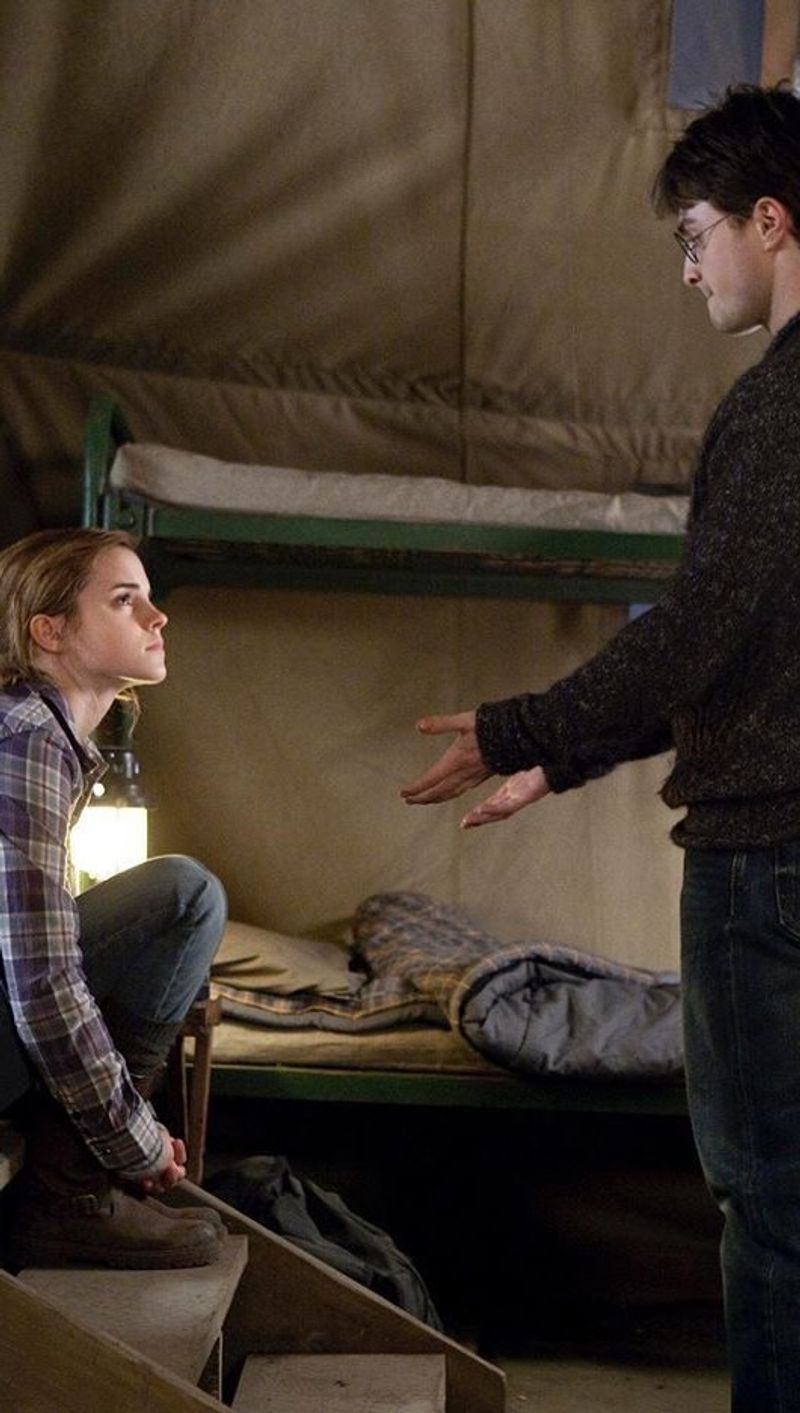
In the Deathly Hallows Part 1 film, there is a quiet and touching scene where Harry and Hermione share a slow dance inside their tent while on the run. It is meant to show their deep friendship during one of the darkest moments of the story.
This scene does not exist in the book at all. While many viewers found it heartfelt and moving, some book fans felt it created unnecessary romantic tension between two characters who are strictly best friends throughout the entire series.
17. Voldemort’s Death Was Far More Dramatic in the Book
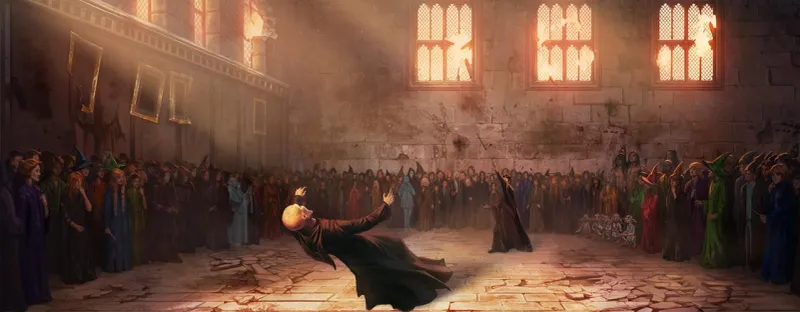
In the Deathly Hallows book, Voldemort’s death happens in the Great Hall in front of everyone. His body falls like any ordinary person would, which is a powerful statement that he was mortal all along and not as terrifying as everyone believed.
The movie turns his death into a visually flashy moment where he dissolves into flakes of ash and floats away. It looks spectacular on screen, but many fans felt the book version carried a much stronger and more meaningful message about the nature of evil.
18. Quidditch Was Given Much Less Screen Time
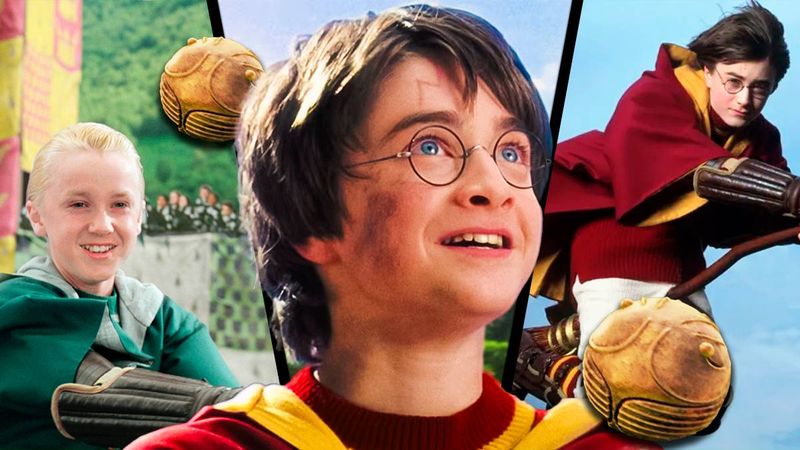
Quidditch plays a huge role in the books, not just as a sport but as a way to develop Harry’s confidence, friendships, and rivalries. Entire chapters are dedicated to matches, practice sessions, and team drama that help build the world of Hogwarts.
The movies reduce Quidditch to brief highlights and skip many matches entirely. By the later films, it barely appears at all.
Fans who love the sport felt its absence made Hogwarts feel less alive and Harry’s identity as a Seeker less important.
19. Ginny Weasley’s Personality Was Watered Down on Screen
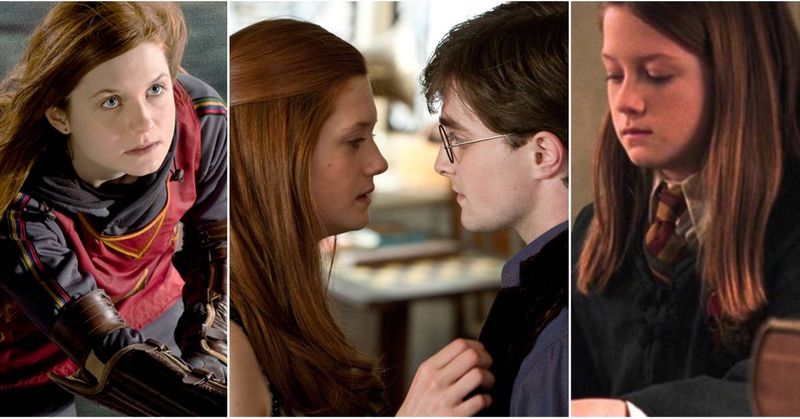
Book Ginny is funny, confident, athletic, and fiercely independent. She is popular, talented at Quidditch, and has a sharp sense of humor that makes her a genuinely compelling character.
Her relationship with Harry feels earned and natural over time.
Movie Ginny comes across as quiet and underdeveloped, leaving many viewers wondering why Harry was so drawn to her. The films never gave her enough scenes to show her real personality, which made their romance feel flat and unconvincing compared to the books.