
Eating for your heart does not have to mean choking down bland salads or flavorless rice cakes. Many foods that protect your heart are actually delicious, satisfying, and easy to enjoy every single day.
From rich dark chocolate to creamy avocados, heart-healthy eating can feel like a treat. Get ready to discover 18 foods that are as good for your taste buds as they are for your cardiovascular health.
1. Dark Chocolate
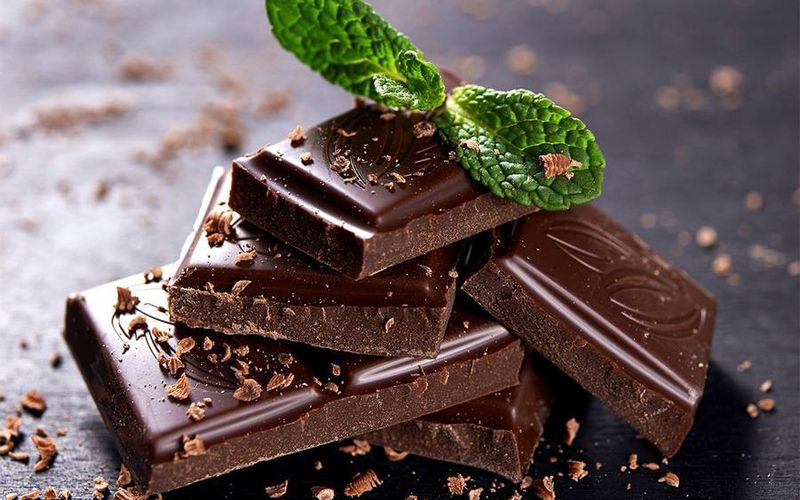
Chocolate lovers, this one is for you. Dark chocolate with at least 70% cocoa is packed with flavonoids, which are plant compounds that help lower blood pressure and improve blood flow.
It feels indulgent, but a small square a day can genuinely support your heart health.
Look for varieties with minimal added sugar. Even a little bit of dark chocolate goes a long way toward satisfying cravings while keeping your cardiovascular system happy.
2. Avocado
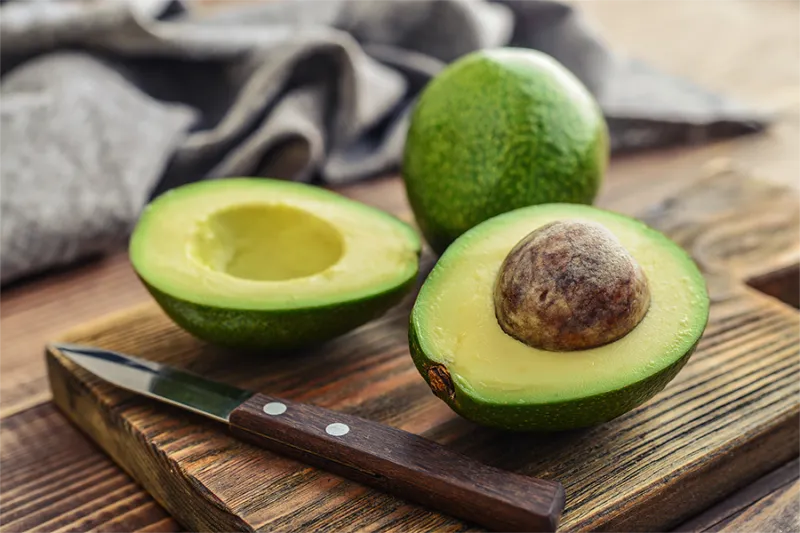
Creamy, buttery, and endlessly versatile, avocado is one of the most beloved foods around. It is loaded with monounsaturated fats, the kind that help lower bad LDL cholesterol while keeping good HDL cholesterol levels healthy.
Spread it on toast, blend it into a smoothie, or scoop it straight from the skin with a spoon. Avocados also deliver potassium, which helps manage blood pressure and keeps your heart beating steadily.
3. Salmon
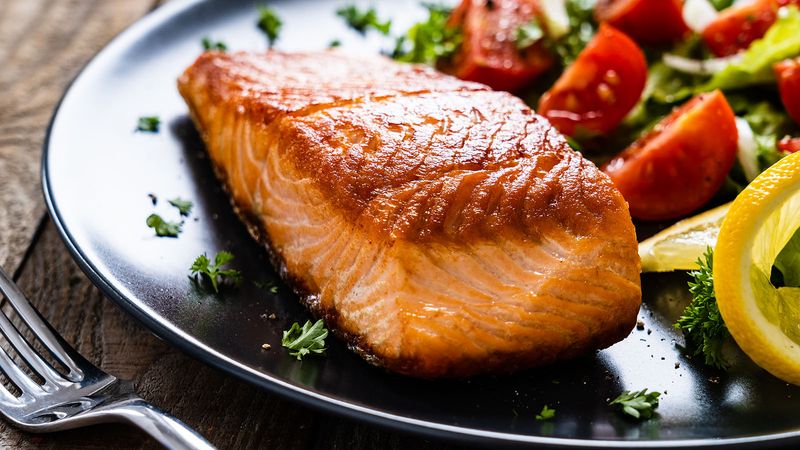
Few meals feel as satisfying as a perfectly cooked piece of salmon. Rich in omega-3 fatty acids, this fish actively reduces inflammation, lowers triglycerides, and helps prevent irregular heartbeats.
Doctors and nutritionists have recommended it for decades, and for very good reason.
Wild-caught salmon tends to have the highest omega-3 content. Enjoy it grilled, baked, or pan-seared with a squeeze of lemon for a meal that feels fancy but takes under 20 minutes to prepare.
4. Blueberries
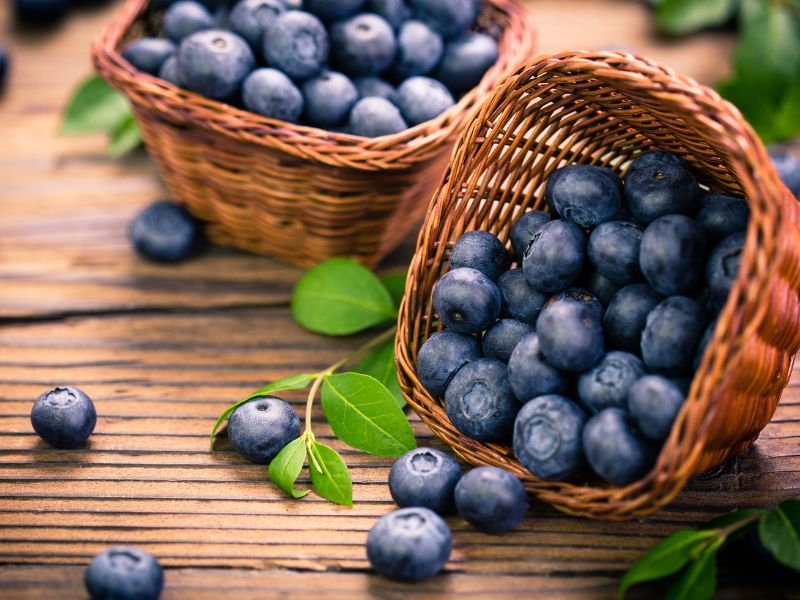
Tiny but mighty, blueberries are among the most nutrient-dense fruits you can eat. They are bursting with antioxidants called anthocyanins, which give them their deep blue color and help reduce oxidative stress on the heart.
Studies have shown that eating blueberries regularly can lower blood pressure and reduce the risk of heart disease. Toss them into yogurt, oatmeal, or just eat them by the handful.
Fresh or frozen, they deliver the same impressive benefits.
5. Oatmeal
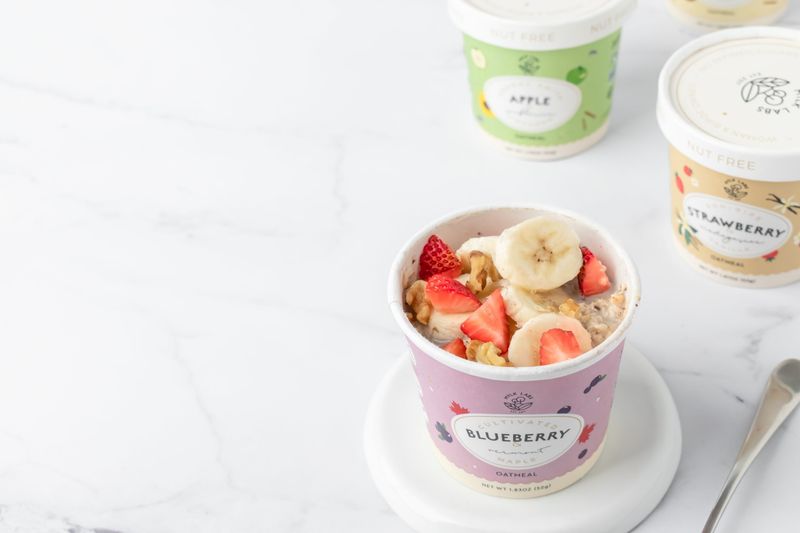
There is a reason oatmeal has been a breakfast staple for generations. It contains a soluble fiber called beta-glucan, which has been proven to lower LDL cholesterol levels by binding to it in the digestive system and escorting it out of the body.
A bowl of oatmeal in the morning keeps you full for hours and gives your heart a solid head start on the day. Top it with fruit and a little honey for a breakfast that feels genuinely comforting.
6. Walnuts
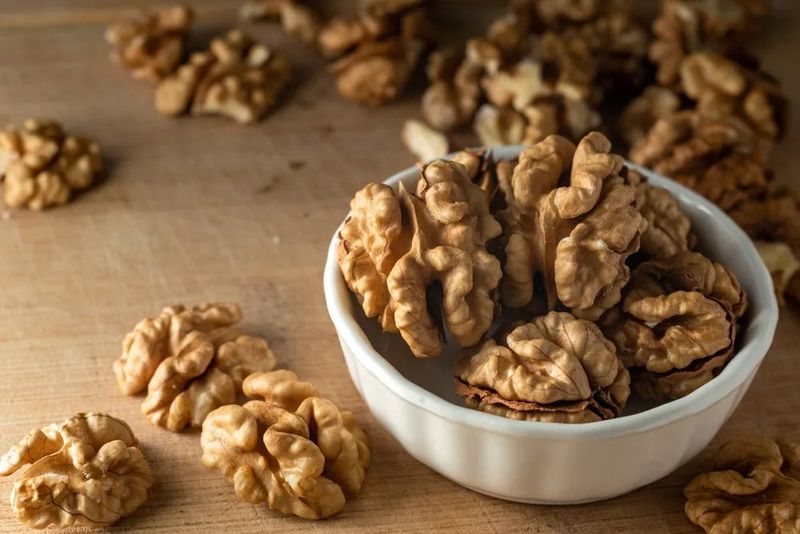
Walnuts have a rich, earthy flavor that pairs perfectly with salads, baked goods, or a quick afternoon snack. More importantly, they are one of the best plant-based sources of omega-3 fatty acids, making them a standout choice for heart protection.
Research published in multiple nutrition journals shows that eating a small handful of walnuts daily can reduce inflammation and improve arterial function. Their crunchy texture and satisfying richness make them easy to work into almost any meal.
7. Olive Oil
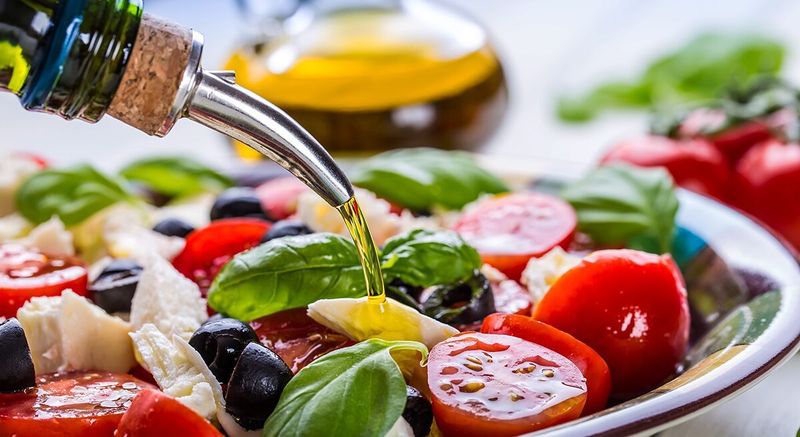
Mediterranean cultures have used olive oil as a dietary cornerstone for thousands of years, and modern science has confirmed what they always seemed to know. Extra-virgin olive oil is rich in monounsaturated fats and polyphenols that protect arteries from damage and reduce inflammation throughout the body.
Drizzle it over salads, use it for light sautes, or dip crusty bread into it with herbs. Just a couple of tablespoons a day can make a meaningful difference for your heart.
8. Beans and Lentils
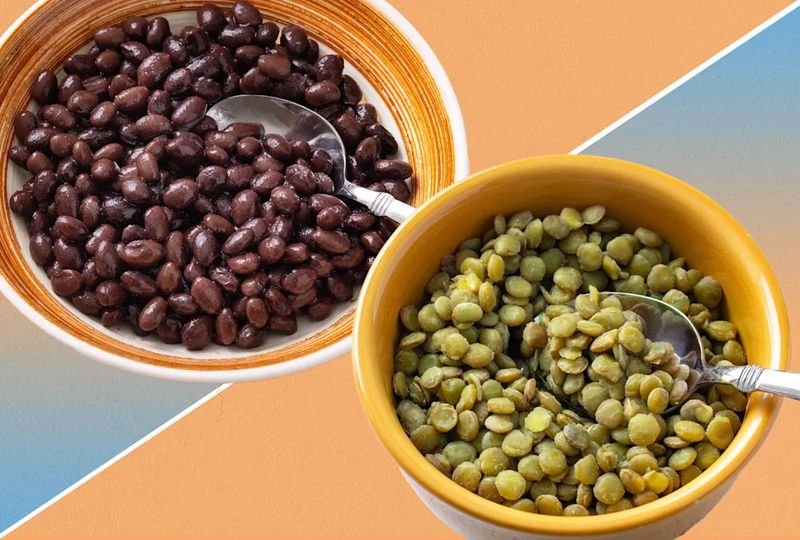
Budget-friendly, filling, and endlessly adaptable, beans and lentils deserve far more credit than they typically get. They are high in soluble fiber, plant-based protein, and magnesium, all of which support healthy blood pressure and cholesterol levels.
A warm lentil soup on a cold day is genuinely comforting, not a punishment. Black bean tacos, chickpea curries, and white bean stews are all crowd-pleasers that happen to be outstanding for your cardiovascular system.
9. Leafy Greens
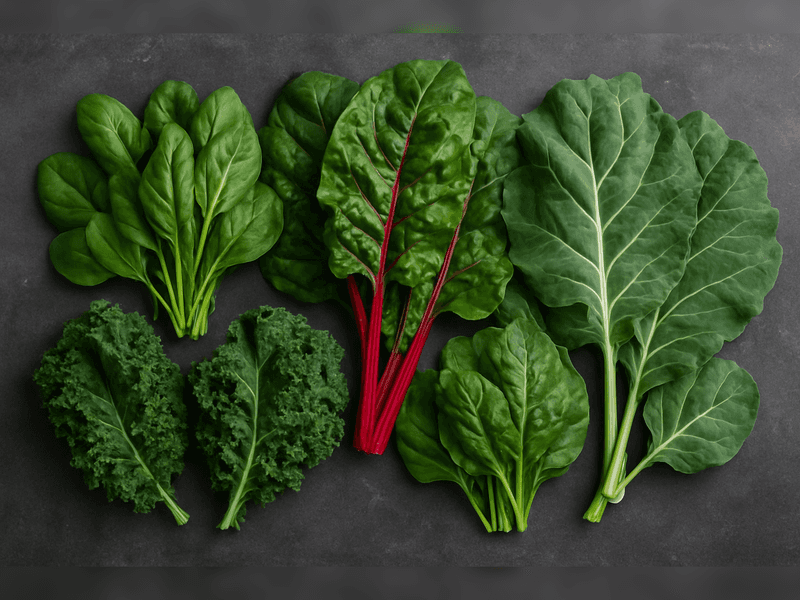
Spinach, kale, Swiss chard, and arugula are nutritional powerhouses hiding in plain sight. Leafy greens are loaded with vitamin K, which helps protect arteries, and dietary nitrates that have been shown to lower blood pressure and reduce arterial stiffness.
The key to enjoying them is preparation. Saute kale with garlic and olive oil, toss arugula into pasta, or blend spinach into a fruit smoothie where you barely taste it.
The heart benefits are worth every bite.
10. Tomatoes
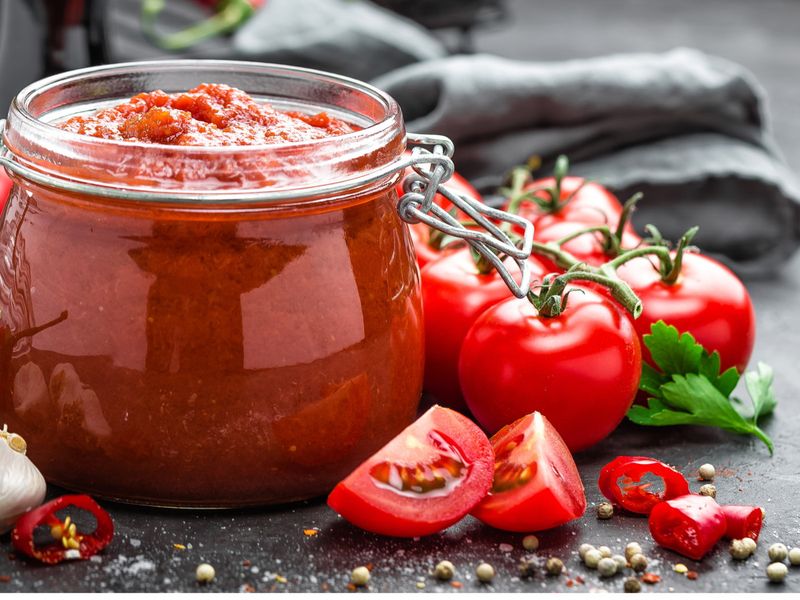
Tomatoes are so common that it is easy to overlook just how powerful they are. They contain lycopene, a potent antioxidant that has been linked to lower rates of heart disease and stroke.
Cooking tomatoes actually increases the amount of lycopene your body can absorb.
Pasta sauces, soups, roasted tomatoes, and salsas are all delicious ways to get more lycopene into your diet. A simple tomato and basil salad drizzled with olive oil is hard to beat on a summer evening.
11. Almonds
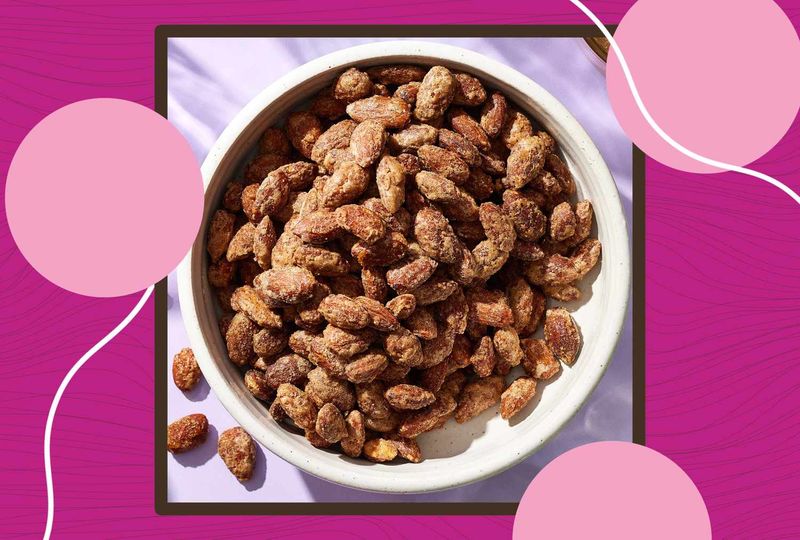
Almonds are one of those snacks that genuinely feel satisfying without leaving you reaching for something else ten minutes later. They are rich in vitamin E, fiber, and healthy fats that work together to lower LDL cholesterol and reduce inflammation in blood vessels.
A small handful before lunch can curb overeating at mealtime, which also helps maintain a healthy weight and lowers strain on the heart. Roasted, raw, or sliced over oatmeal, almonds fit easily into any eating routine.
12. Garlic
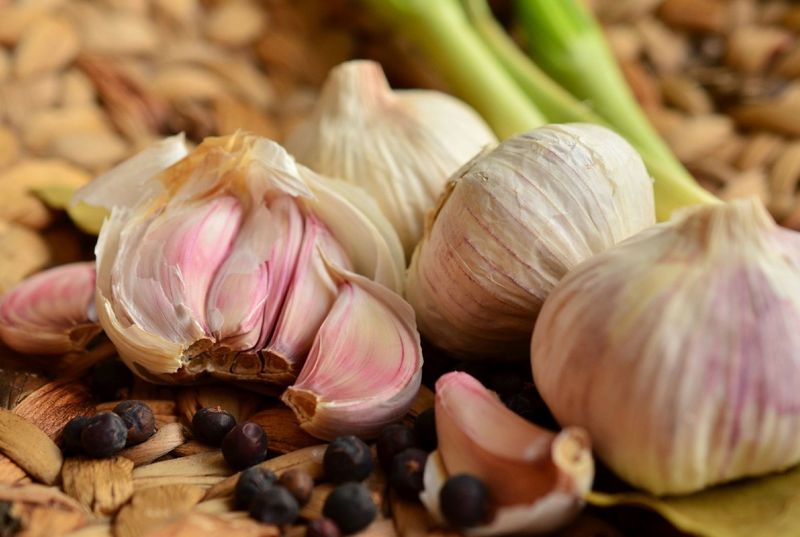
For centuries, garlic has been used as both a culinary staple and a natural remedy. Modern research backs up the old wisdom: garlic contains allicin, a compound that helps lower blood pressure, reduce cholesterol, and prevent platelets from clumping together in the arteries.
Even a single clove added to a sauce, soup, or roasted vegetable dish can deliver meaningful cardiovascular benefits. The bold, savory flavor it brings to food is reason enough to use it generously in everyday cooking.
13. Green Tea
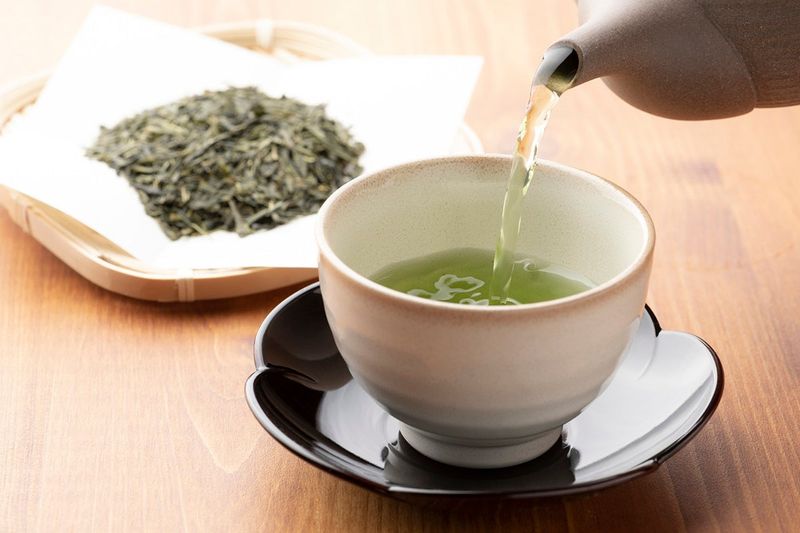
Swapping one cup of coffee for green tea each day could be one of the simplest upgrades you make for your heart. Green tea is rich in catechins, a type of antioxidant that has been shown in studies to lower LDL cholesterol, reduce blood pressure, and decrease the risk of cardiovascular events.
It has a light, slightly grassy flavor that many people find calming. Drinking two to three cups daily seems to offer the most noticeable benefits without any significant downsides.
14. Pomegranate
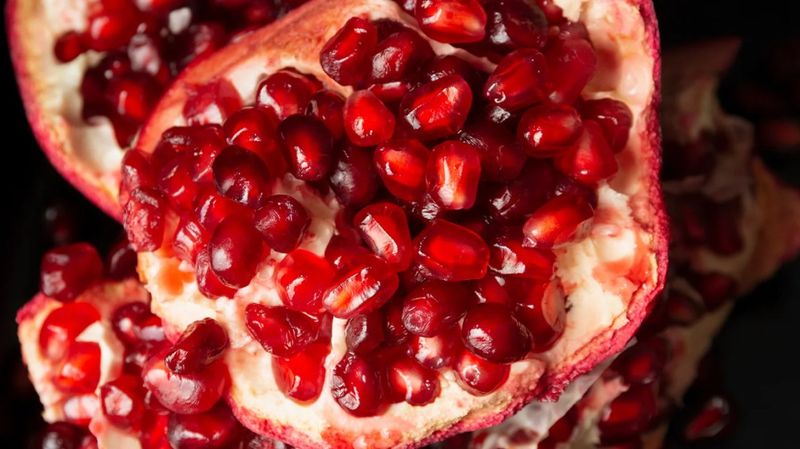
Pomegranate looks dramatic and tastes even better, with a sweet-tart burst of flavor that is unlike any other fruit. It contains punicalagins and punicic acid, two compounds with extraordinarily powerful antioxidant activity that help protect the lining of blood vessels from damage.
Research has found that drinking pomegranate juice regularly can lower systolic blood pressure significantly. Sprinkle the seeds over salads, stir them into yogurt, or sip the juice as a flavorful alternative to sugary drinks.
15. Edamame
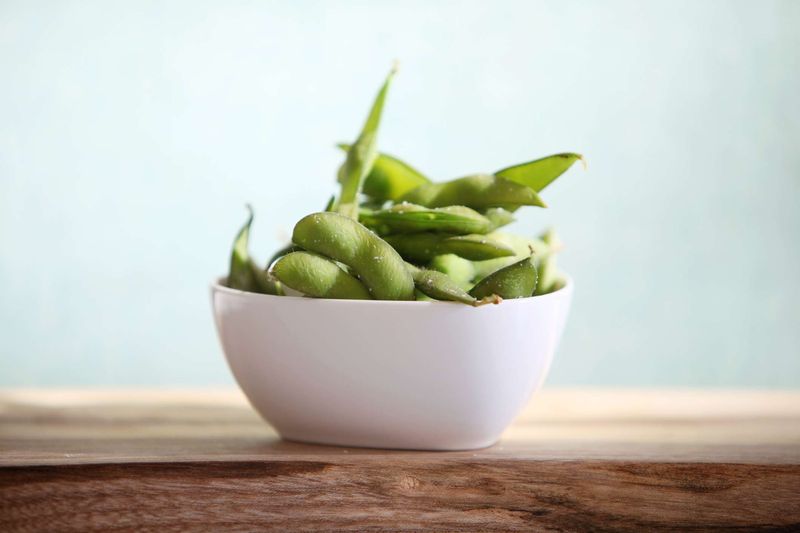
Edamame is one of those snacks that feels fun to eat, especially when you pop the pods directly into your mouth. These young soybeans are packed with isoflavones, plant compounds that have been associated with lower cholesterol levels and reduced risk of heart disease.
They are also an excellent source of plant protein and fiber, which help you feel full longer. Steamed with a pinch of sea salt, edamame is a simple, crowd-pleasing snack that earns its place on any heart-healthy food list.
16. Sardines
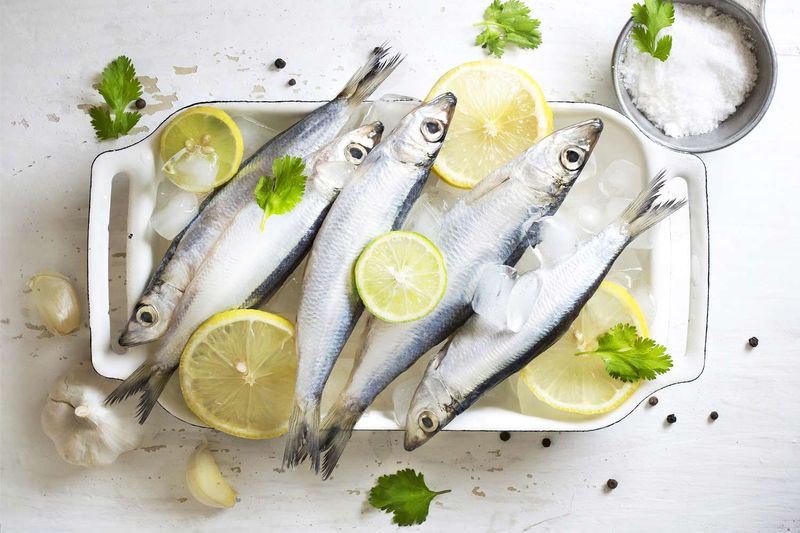
Sardines might not be the first thing that comes to mind when you think of delicious food, but prepared well, they are genuinely tasty. Packed with omega-3 fatty acids, calcium, and vitamin D, sardines are one of the most complete heart-protective foods available at a very low cost.
Grill them with lemon and herbs, mash them onto toast with mustard, or toss them through a pasta dish. Once you find a preparation you enjoy, sardines become a regular go-to.
17. Sweet Potatoes
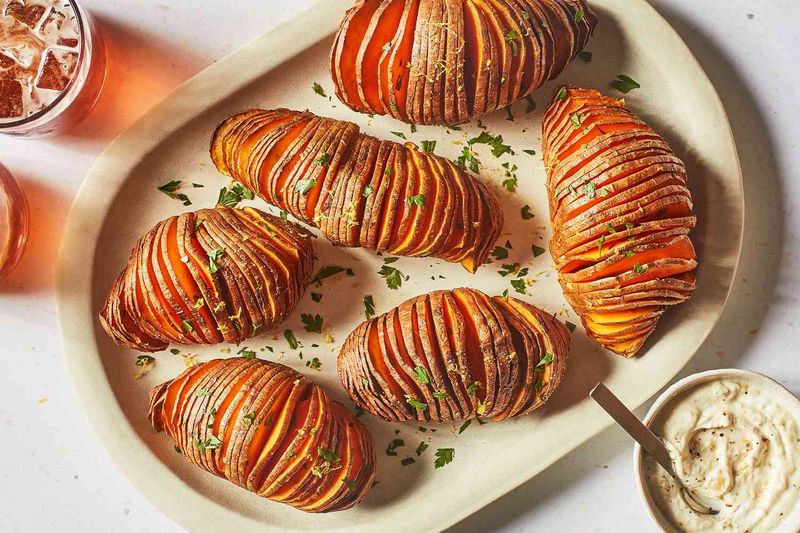
Sweet potatoes have a natural sweetness that makes them feel more like comfort food than a health food, which is exactly what makes them so appealing. They are rich in potassium, fiber, and beta-carotene, all of which support lower blood pressure and reduced inflammation in the cardiovascular system.
Bake them whole and top with a little cinnamon, or slice and roast them for crispy edges that rival any french fry. Either way, your heart and your taste buds both come out winning.
18. Flaxseeds
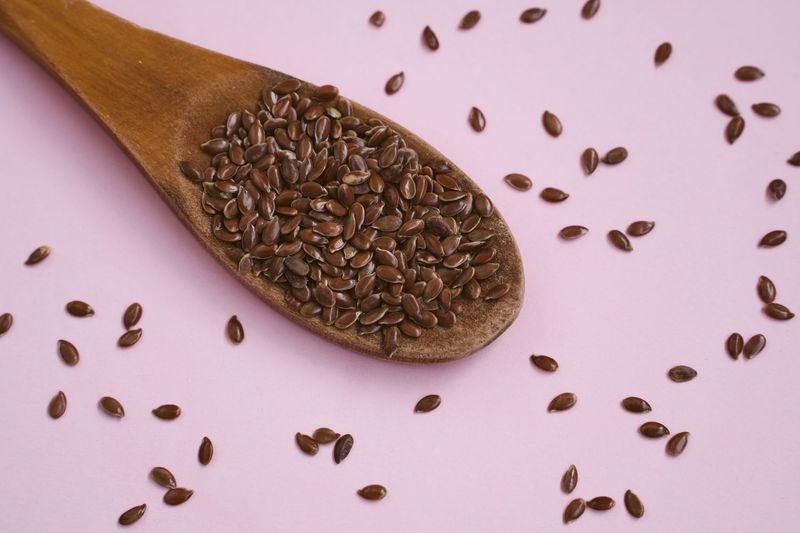
Flaxseeds are tiny, but their impact on heart health is anything but small. They are one of the richest plant sources of alpha-linolenic acid, a type of omega-3 fat, and they are loaded with lignans that help reduce cholesterol and blood pressure over time.
Ground flaxseeds are the most useful form since whole seeds can pass through your body undigested. Stir a tablespoon into oatmeal, blend it into a smoothie, or mix it into muffin batter for an easy, flavorless boost.