
Marriage comes with a lot of unwritten rules that most people accept without ever stopping to ask if they are actually true. From fairy-tale romance to the idea that a good couple never argues, these beliefs shape how we think relationships should work.
The problem is, many of them are flat-out wrong, and believing them can quietly damage even the strongest partnerships. Questioning these myths is one of the best things you can do for your marriage.
1. A Healthy Relationship Is Easy

Nobody tells you before the wedding that love requires daily effort. Strong marriages are not effortless, and expecting them to be sets couples up for confusion when challenges arise.
The idea that “easy” equals “right” is one of the sneakiest myths out there.
Real connection takes patience, compromise, and a willingness to keep showing up. Couples who understand this go in with realistic expectations and are far better equipped to handle the bumps along the way.
2. Soulmates Can Read Each Other’s Minds

Believing your partner should just “know” what you need without you saying a word is a recipe for constant disappointment. No matter how deeply two people love each other, mind-reading is not a relationship skill anyone actually has.
Clear, honest communication is the real love language that keeps marriages strong. Saying what you feel and what you need is not a sign of weakness.
It is actually one of the most loving things you can do.
3. Romance Lasts Forever If You Marry the Right Person

That butterflies-in-the-stomach feeling is wonderful, but science tells us it does not last forever, and that is completely normal. The early rush of romance fades in virtually every long-term relationship, no matter how compatible two people are.
What replaces it can be even better: a deep, steady bond built on trust, shared history, and genuine commitment. Marriages that thrive are not powered by constant passion but by the daily choice to prioritize each other.
4. Happy Couples Never Fight
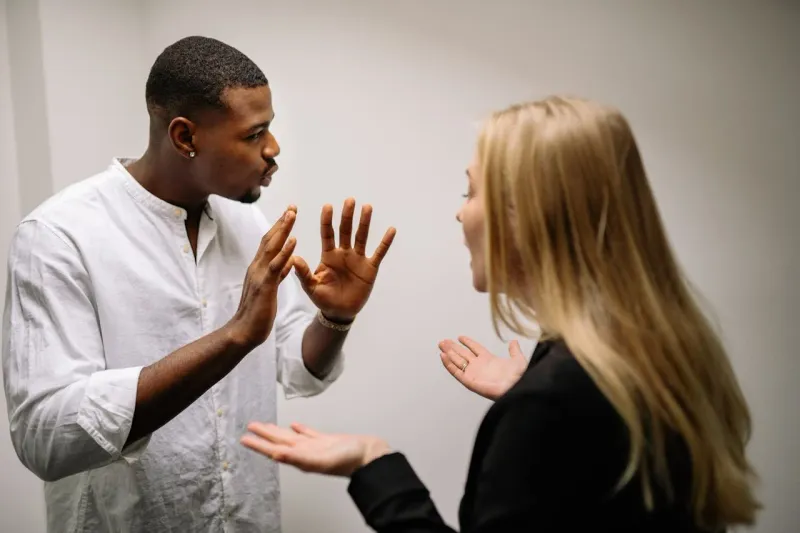
Conflict is not the enemy of a good marriage. Avoiding conflict entirely is.
Research from relationship experts like John Gottman shows that how couples fight matters far more than whether they fight at all.
Disagreements handled with respect and a genuine desire to understand each other can actually strengthen a relationship. Couples who never argue may simply be avoiding important conversations, which tends to create distance over time rather than closeness.
5. Having a Baby Brings Couples Closer Together

A new baby brings incredible joy, but expecting parenthood to fix a struggling relationship is a common and costly mistake. Studies consistently show that relationship satisfaction often dips after a child arrives, especially in the first year.
Sleep deprivation, shifting roles, and financial pressure can strain even solid partnerships. Children thrive when their parents have a strong foundation, so investing in your marriage before and after a baby arrives is one of the smartest moves you can make.
6. Your Marriage Would Improve If Your Partner Just Changed

Waiting for your spouse to become a different person before you feel happy is an exhausting and unfair position to hold. Trying to reshape someone to fit your ideal often turns love into a power struggle that neither person wins.
Growth in a relationship comes from both people choosing to improve themselves, not from one person demanding the other transform. Accepting your partner as they are, while encouraging mutual growth, is a far healthier path forward.
7. Happy Couples Feel Happy All the Time

Even the most loving marriages have cloudy days, and that does not mean anything is broken. Emotional well-being is shaped by work stress, health, sleep, and a hundred other factors that have nothing to do with your partner.
Expecting to feel happy every single day of your marriage puts enormous pressure on the relationship. Recognizing that moods shift and hard seasons come and go allows couples to ride out the tough times without reading them as warning signs.
8. Marriage Is Pure Hard Work

Calling marriage “work” is only part of the story. Framing it entirely as a grind can make it feel like a job you never get to clock out from, which is no way to build a joyful life together.
Yes, intention and effort are required, but a thriving marriage should also feel rewarding, playful, and freeing. Think of it less like a construction project and more like tending a garden: it needs attention, but it also blooms beautifully when cared for with love.
9. Love Means Never Having to Say You’re Sorry

That famous movie line sounds romantic, but in real life it is a blueprint for resentment. Pride is one of the biggest relationship wreckers there is, and refusing to apologize when you are wrong only deepens wounds.
Saying sorry takes courage and humility, and it signals to your partner that the relationship matters more than your ego. Couples who can genuinely apologize and forgive tend to recover from conflict faster and build deeper trust over time.
10. Your Spouse Should Fulfill All Your Needs

Putting one person in charge of meeting every single emotional, social, and personal need you have is an enormous amount of pressure to place on a marriage. No human being can be everything to another person, no matter how devoted they are.
Healthy marriages are built between two people who also maintain friendships, hobbies, and personal goals outside the relationship. Your spouse is a vital part of your life, not the entire container of it.
11. You Should Never Feel Lonely in a Marriage

Loneliness inside a marriage is more common than most people admit, and feeling it does not mean your relationship has failed. Emotional distance can grow quietly when couples stop truly connecting amid the busyness of daily life.
Recognizing loneliness as a signal rather than a verdict is key. It is an invitation to reach out, to talk more honestly, or to carve out intentional time together.
Acknowledging the feeling is the first step toward closing the gap.
12. Marriage Is Just a Piece of Paper
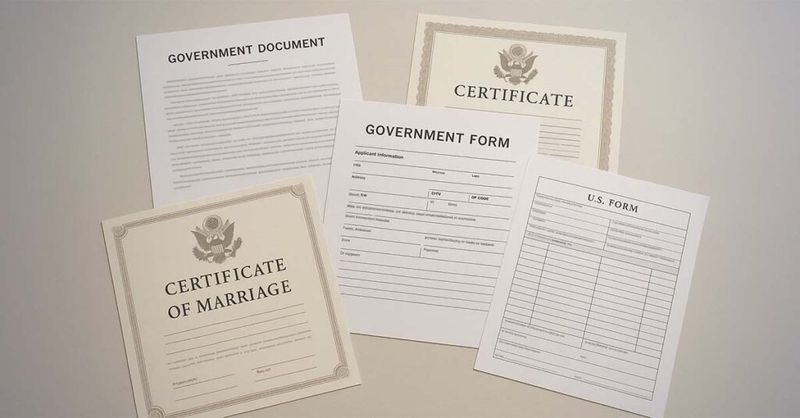
Dismissing marriage as merely a legal formality overlooks a mountain of evidence showing it matters in very real ways. Research consistently links marriage to better physical health, greater financial stability, longer life expectancy, and improved outcomes for children.
The commitment itself carries psychological weight that shapes how partners treat each other and plan for the future. A marriage certificate may be paper, but what it represents and the life built around it is anything but trivial.
13. Independence Is Always Better Than Needing Each Other

Modern culture often celebrates radical independence as the ideal, but marriages actually thrive on healthy interdependence. There is a big difference between being needy in an unhealthy way and genuinely relying on your partner as a teammate.
Couples who lean on each other, share responsibilities, and prioritize mutual care tend to report higher satisfaction. Trading a “me first” mindset for a “we” approach does not make you weak.
It makes the partnership stronger and more resilient over time.
14. If Communication Takes Effort, You Are Not Soulmates

Good communication is a skill, not a magic gift that appears automatically when you meet the right person. Even deeply compatible couples have to learn how to express themselves clearly, listen without defensiveness, and navigate hard conversations.
Struggling to communicate does not mean you chose the wrong partner. It means you are human.
Couples who invest in learning to talk and listen better often report stronger, more satisfying marriages than those who assume it should come naturally.
15. Seeking Therapy Means Your Marriage Has Already Failed

Going to couples therapy is not a white flag. For many marriages, it is one of the smartest and most proactive decisions a couple can make.
Waiting until a relationship is in full crisis before seeking help is like waiting for a serious illness before visiting a doctor.
Therapy gives couples tools to communicate better, understand each other more deeply, and address small issues before they grow. Asking for help is a sign of strength, not surrender.
16. Marriage Should Be a Perfect 50/50 Split

Keeping score in a marriage is exhausting and almost always backfires. The idea that both partners must contribute equally at all times sounds fair in theory, but real life rarely works that cleanly.
Some weeks one partner carries more weight because of illness, a demanding job, or a personal crisis. The best marriages operate on flexibility rather than strict accounting.
When both people focus on giving their best rather than tallying contributions, the relationship feels more like a team and less like a transaction.
17. Never Go to Bed Angry

This piece of advice sounds wise, but forcing a resolution when both people are exhausted and emotionally flooded often makes things worse. Tired, heated arguments tend to escalate rather than resolve.
Sometimes the most mature move is agreeing to pause, get some rest, and return to the conversation with a clearer head. Unresolved tension should not be ignored forever, but a good night’s sleep can be exactly what a difficult discussion needs to actually go somewhere productive.
18. Differences Between Partners Will Ruin the Marriage

Two people who are completely alike in every way might sound like a perfect match, but differences are often what make a partnership genuinely interesting and resilient. Varied strengths, perspectives, and personalities can complement each other beautifully.
What matters far more than how similar two people are is how they handle the places where they differ. Couples who approach their differences with curiosity rather than criticism tend to grow together rather than apart, building a richer life through their unique combination.