
Something strange has been happening at the supermarket checkout lately. Everyday items that used to feel like safe, affordable choices are now costing noticeably more, and many shoppers are only realising it when they see the total.
From butter to baked beans, familiar British favourites have crept up in price without much fanfare. Knowing which products have risen the most can help you shop smarter and keep your weekly budget under control.
1. Butter
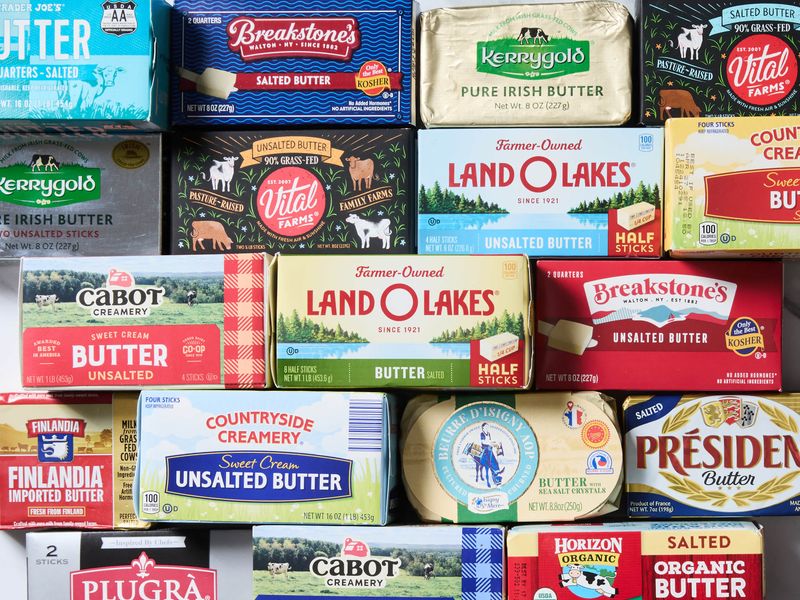
Butter has long been a kitchen essential in British homes, but its price tag has been anything but steady. Dairy farming costs, including feed and energy bills, have pushed supermarket butter prices up sharply over the past year.
Some shoppers have noticed prices climbing by as much as 30% compared to last year. Switching to store-brand butter or buying in bulk when on offer can help ease the pinch on your weekly shop.
2. Eggs
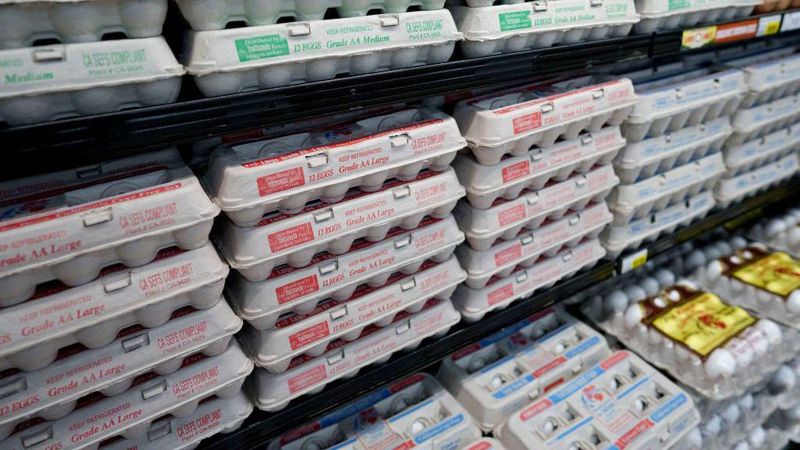
Eggs were once one of the most reliable bargains in the supermarket, but that reputation has taken a hit. A combination of bird flu outbreaks and rising hen feed costs has made egg production significantly more expensive for farmers.
Many UK shoppers have seen the price of a dozen free-range eggs rise by over 20% in the past year. Buying medium eggs instead of large, or opting for own-brand varieties, can stretch your egg budget further.
3. Cheddar Cheese

Cheddar is practically a national institution in Britain, found in sandwiches, on toast, and melted into countless recipes. But the cost of this beloved cheese has quietly climbed, driven by the same dairy pressures affecting butter and milk.
Shoppers who once grabbed a 400g block without a second thought are now doing a double-take at the shelf price. Grating cheese finely or using stronger-tasting mature cheddar means you can use less and still get great flavour.
4. Milk
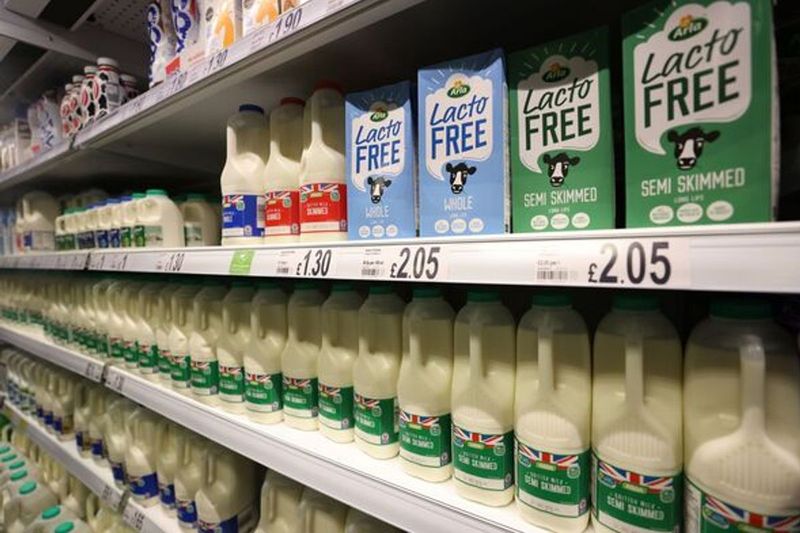
Milk is one of those staples that quietly disappears from the fridge before you even notice it is gone. Over the past year, the price of a four-pint bottle has risen steadily, leaving many families feeling the squeeze.
Rising energy costs and lower milk yields during periods of extreme weather have contributed to price hikes at the farm gate. Comparing prices between supermarkets and buying own-brand milk are two of the simplest ways to keep this cost manageable.
5. Bread
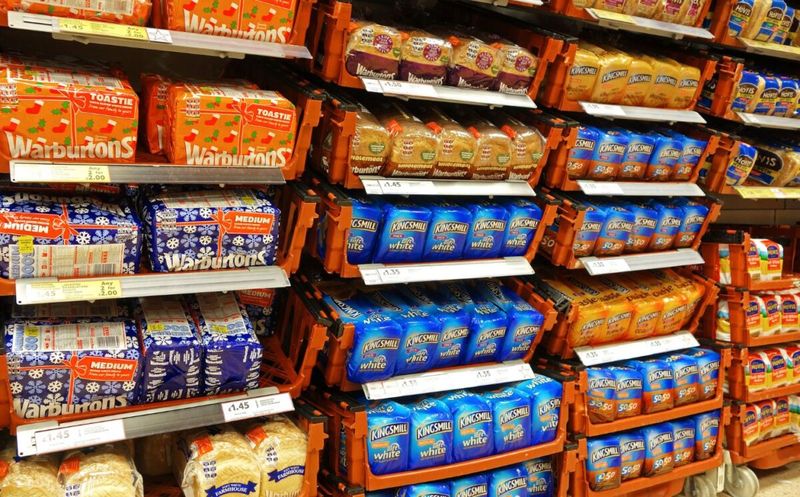
A loaf of bread feels like something that should always be affordable, yet its price has quietly crept upward. Wheat prices surged following global supply disruptions, and energy costs for bakeries added further pressure to what you pay at the shelf.
Some popular branded loaves now cost over a pound more than they did just two years ago. Buying supermarket own-brand bread or baking your own with a bread machine are both wallet-friendly alternatives worth considering.
6. Olive Oil

Olive oil used to be a reasonably priced pantry staple, but a dramatic harvest failure across Southern Europe has sent prices soaring. Spain and Italy, two of the world’s biggest producers, faced severe droughts that slashed olive yields significantly.
British shoppers have seen some olive oil prices more than double compared to two years ago. Using a spray bottle to apply oil more sparingly, or switching to rapeseed oil for everyday cooking, can help manage the extra cost.
7. Baked Beans
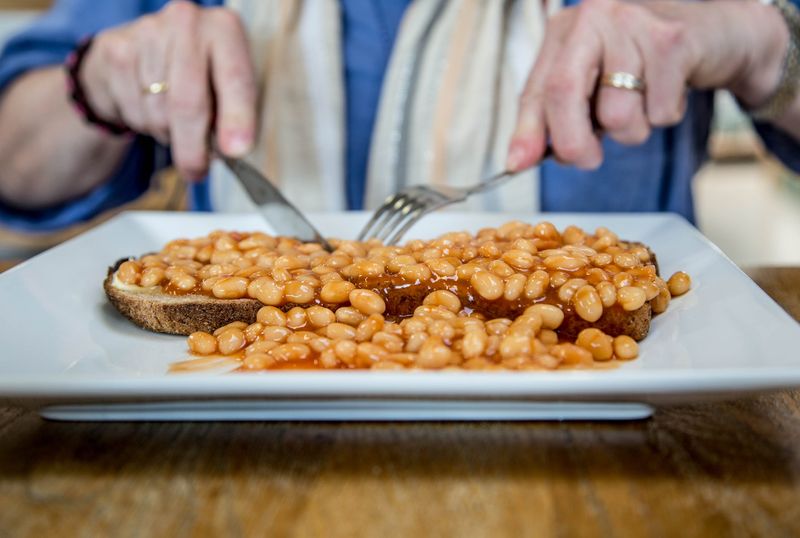
Baked beans have always been the ultimate affordable comfort food in Britain, but even this humble tin has not escaped inflation. Processing and packaging costs, combined with rising ingredient prices, have nudged the price upward across most major brands.
While the increase might seem small per tin, it adds up quickly for families who rely on baked beans as a regular meal component. Buying multi-packs or supermarket own-brand versions remains one of the best ways to keep costs low.
8. Chicken Breast
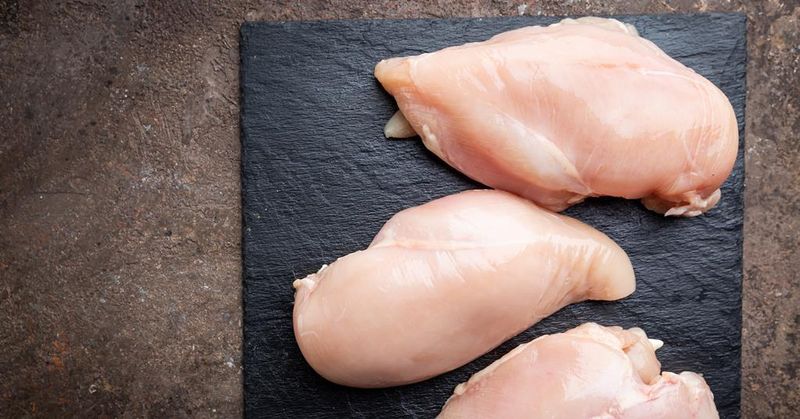
Chicken breast has long been the go-to lean protein for health-conscious British shoppers, but its price has climbed noticeably this year. Feed costs, energy bills for poultry farms, and increased demand have all played a role in pushing prices higher.
Some shoppers have found that switching to chicken thighs offers better value without sacrificing flavour, and many chefs actually prefer thighs for their juiciness. Buying whole chickens and portioning them yourself is another clever way to reduce the cost per meal.
9. Pasta
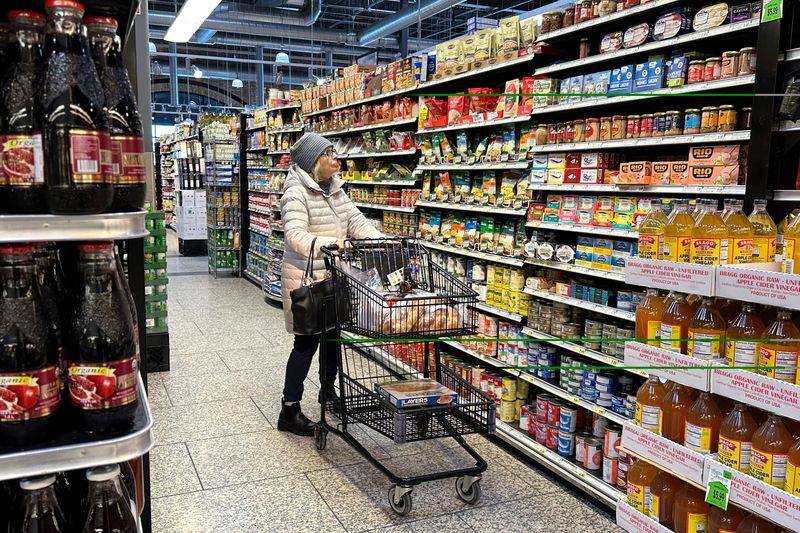
Pasta became a panic-buy favourite during the pandemic, and its price has never quite settled back down. Durum wheat, the key ingredient in most dried pasta, has faced supply issues that continue to affect what shoppers pay at the till.
Even budget pasta ranges have seen small but consistent price rises over the past year. Cooking pasta in large batches and refrigerating or freezing portions is a practical way to make the most of every packet you buy.
10. Tomatoes
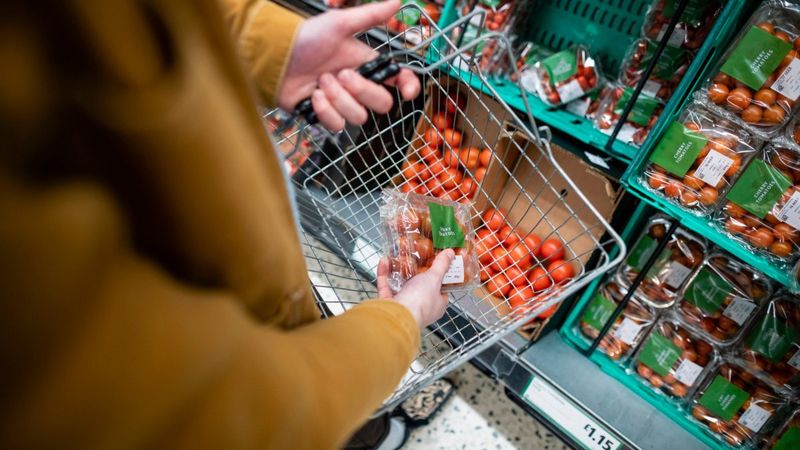
Fresh tomatoes caused a genuine stir in early 2023 when shortages hit UK supermarkets, and prices have remained elevated since. Poor harvests in Morocco and Spain, which supply much of Britain’s winter tomato crop, were at the heart of the problem.
Many shoppers have found that tinned tomatoes offer excellent value as a substitute in cooked dishes. Growing your own tomatoes in a garden or even a sunny windowsill pot is a satisfying and cost-effective option for summer months.
11. Orange Juice
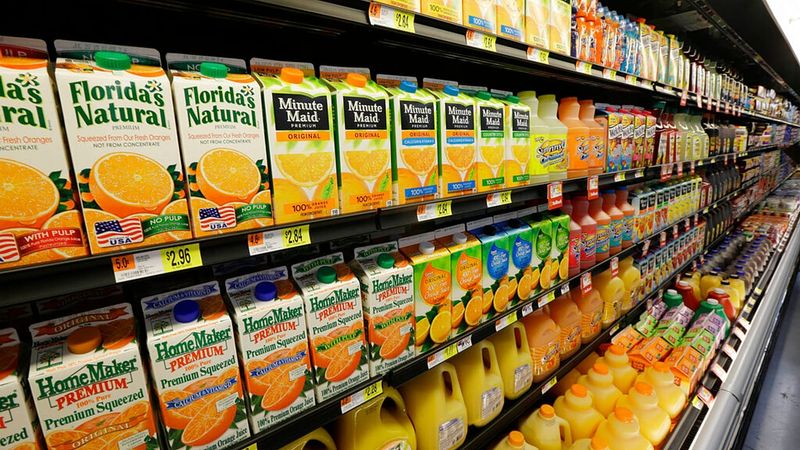
A glass of orange juice with breakfast feels like a small luxury, and increasingly it is one. Orange crops in Brazil and Florida have been devastated by disease and extreme weather, causing global orange juice prices to hit record highs.
UK shoppers have seen some carton prices rise by 40% or more over the past year, which is hard to ignore. Buying frozen concentrated orange juice or switching to squash for everyday use can help reduce your spend on this pricier staple.
12. Cooking Oil
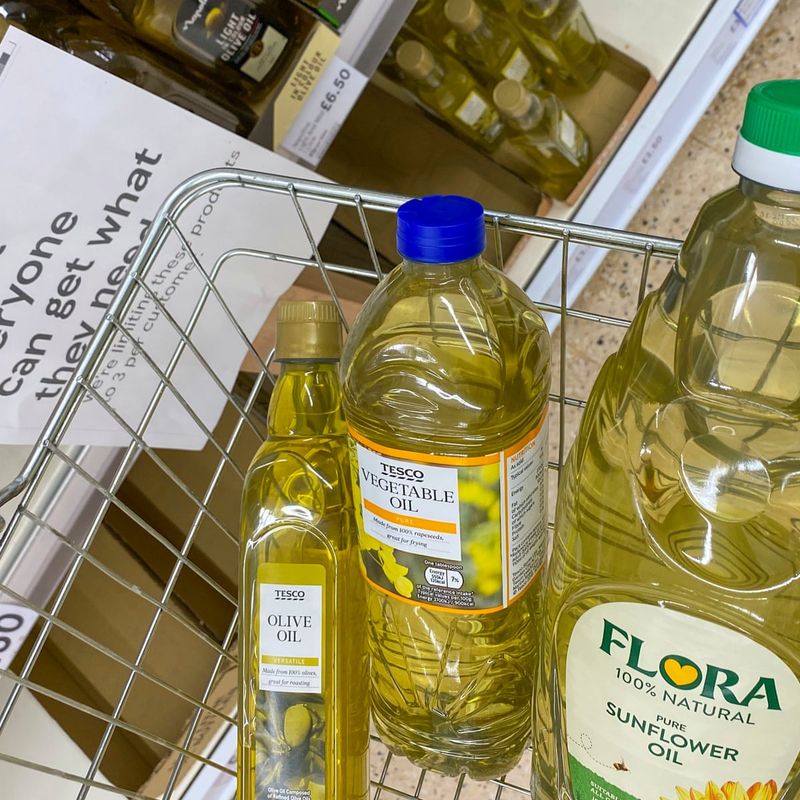
When Russia invaded Ukraine in 2022, sunflower oil suddenly became scarce and expensive, and the effects are still rippling through UK supermarkets. Cooking oil prices have remained stubbornly high, affecting everything from frying to baking and salad dressings.
Many shoppers switched to rapeseed or vegetable oil during the worst of the shortage and found it worked just as well. Buying larger bottles when on promotion and storing them correctly can help you avoid paying peak prices for this kitchen essential.
13. Coffee
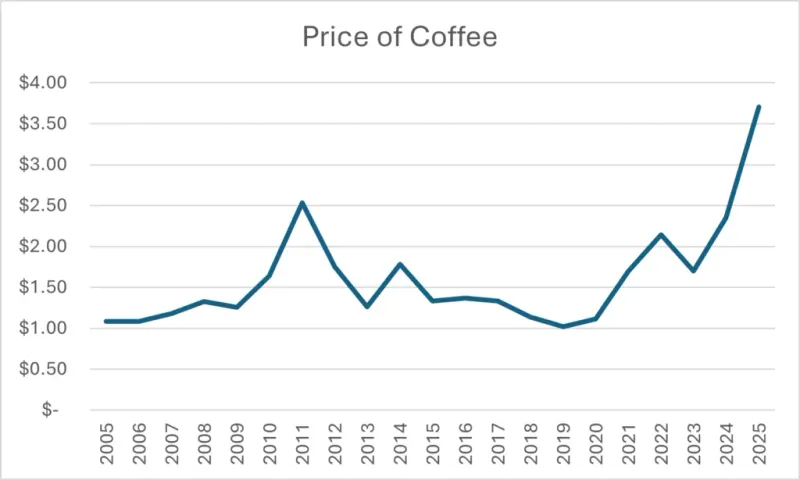
For millions of Britons, coffee is non-negotiable, which is exactly why the steady rise in its price is so frustrating. Climate change has disrupted coffee harvests in Brazil and Vietnam, the world’s two largest producers, reducing global supply significantly.
Instant coffee, ground coffee, and even coffee pods have all risen in price, with some brands increasing by 15-25% over the past year. Making coffee at home rather than buying takeaway cups remains one of the biggest savings you can make in your daily routine.
14. Sugar
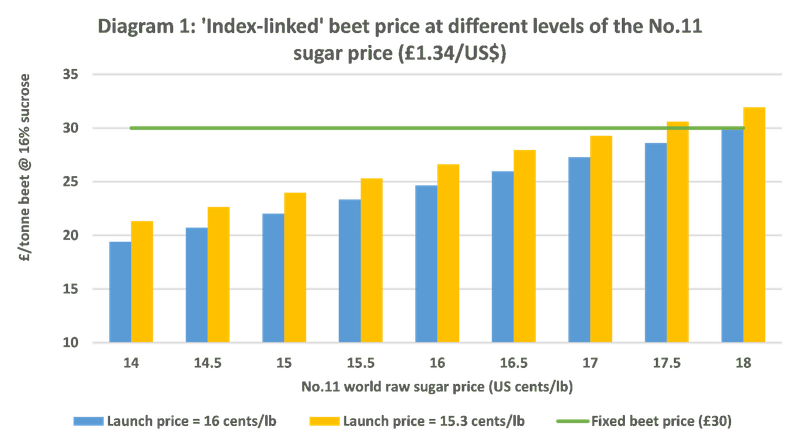
Sugar might seem like one of the most basic and stable items on your shopping list, but it has seen notable price rises this year. Poor harvests in India and Thailand, two of the world’s biggest sugar-producing nations, have tightened global supply considerably.
UK shoppers have seen bag prices rise quietly but consistently throughout the year. Using sugar substitutes for baking, buying in larger bags when on offer, and reducing overall sugar consumption are all practical ways to manage the extra expense.
15. Potatoes
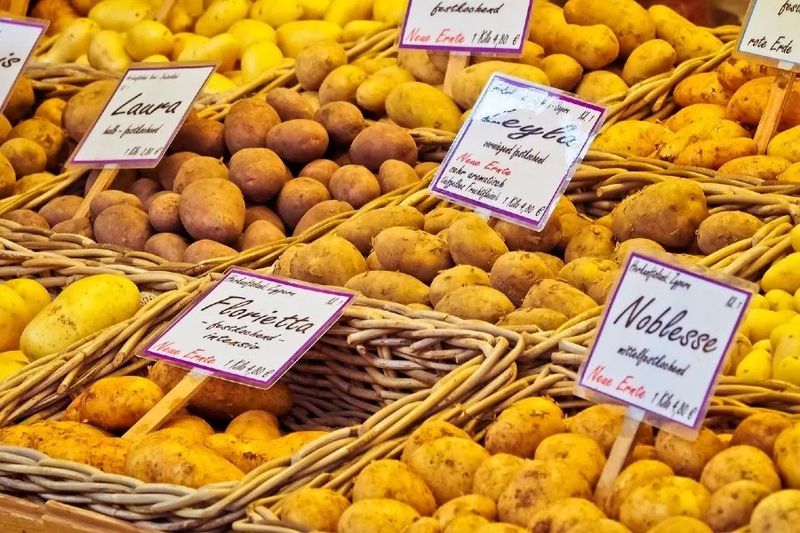
Potatoes are as British as fish and chips, but wet and cold growing seasons have made life harder for UK potato farmers in recent years. Flooding and poor soil conditions reduced yields, pushing prices upward for everything from fresh spuds to crisps and frozen chips.
Buying loose potatoes rather than pre-packaged bags often works out cheaper per kilogram. Storing potatoes correctly in a cool, dark place also prevents waste and ensures every potato in the bag gets used before it spoils.
16. Beef Mince
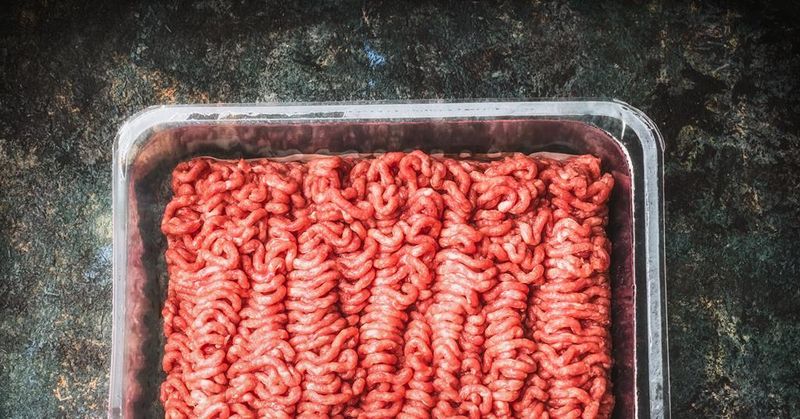
Beef mince is the backbone of so many British classics, from spag bol to shepherd’s pie and burgers. Rising cattle feed costs, higher energy bills for processing plants, and strong consumer demand have all contributed to a noticeable price increase this year.
Some shoppers have started stretching mince further by adding lentils or grated vegetables to recipes, which boosts nutrition while reducing cost. Buying larger packs and portioning them into freezer bags is another reliable money-saving strategy for regular mince users.
17. Crisps
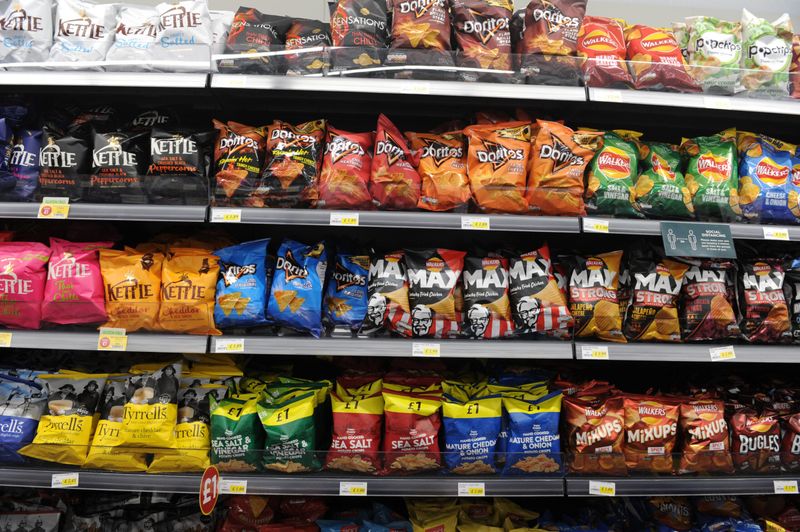
Crisps are practically a British institution, found in lunchboxes, pub menus, and kitchen cupboards across the country. But packaging costs, potato supply issues, and rising manufacturing energy bills have quietly pushed crisp prices higher over the past year.
Many popular sharing bags now cost significantly more than they did just two years ago, while pack sizes have sometimes shrunk at the same time. Buying multipacks tends to offer better value per bag than picking up individual packets from the snack aisle.
18. Frozen Fish
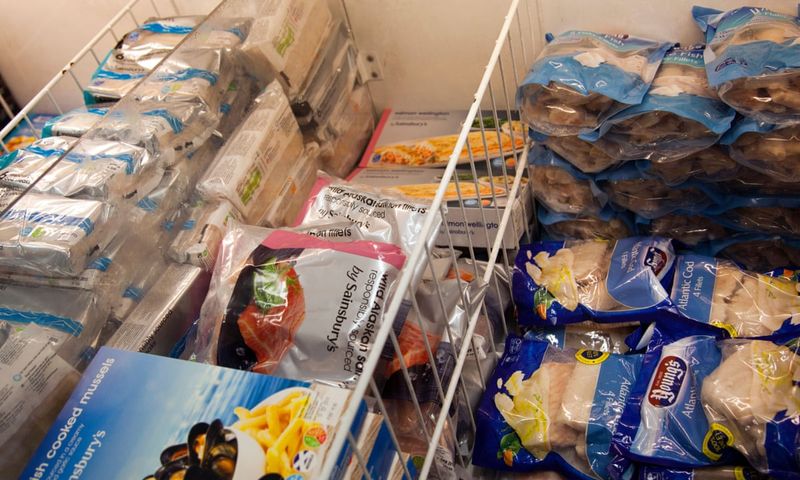
Frozen fish has traditionally offered great nutritional value at a budget-friendly price, making it a popular choice for health-conscious families. However, rising fuel costs for fishing vessels and changes in fishing quotas following Brexit have pushed prices up noticeably.
Fish fingers, battered cod, and salmon fillets have all seen price increases across major UK supermarkets this year. Checking the frozen aisle for multi-buy deals and comparing own-brand options against branded products can help you keep seafood affordable in your weekly shop.
19. Breakfast Cereal
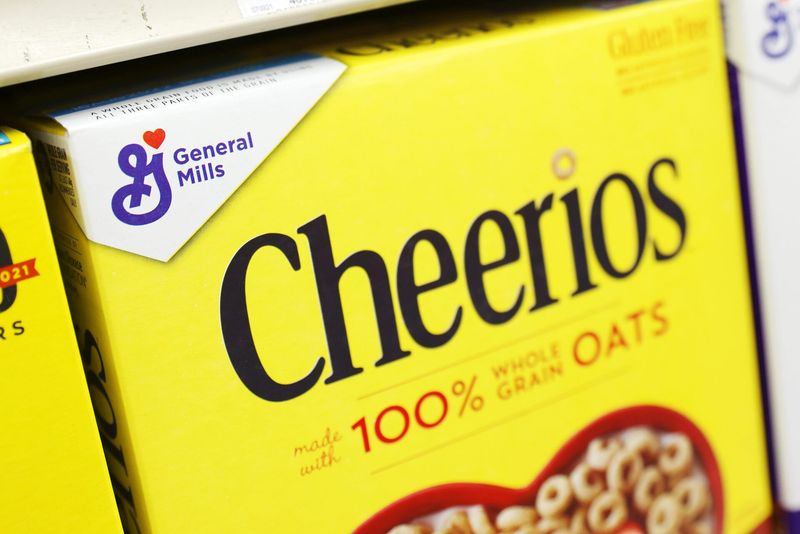
Pouring a bowl of cereal in the morning is one of the most routine things imaginable, yet the cost of that routine has risen. Grain prices, energy costs for production, and cardboard packaging expenses have all contributed to higher cereal prices across UK supermarkets.
Some well-known branded cereals have seen price increases of 10-20% over the past year, which adds up across a family household. Switching to supermarket own-brand versions of popular cereals is one of the easiest and most effective swaps you can make.
20. Yoghurt
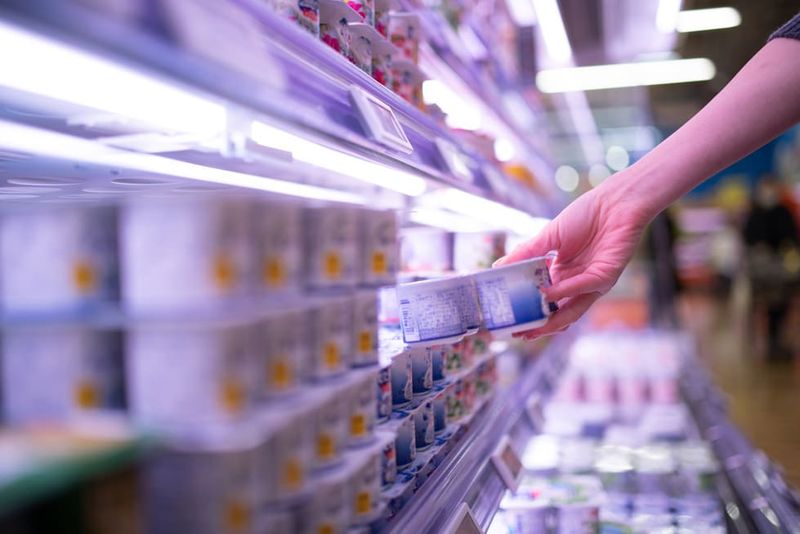
Yoghurt sits quietly in the dairy aisle, but it has not been immune to the cost pressures hitting other dairy products. Milk price increases flow directly into yoghurt production costs, and energy-intensive refrigerated transport adds another layer of expense.
Greek-style yoghurts and flavoured single-serve pots have seen some of the sharpest price rises, particularly in premium ranges. Buying larger plain yoghurt tubs and adding your own fruit or honey at home is a tasty and noticeably cheaper alternative to individual flavoured pots.
21. Tinned Soup
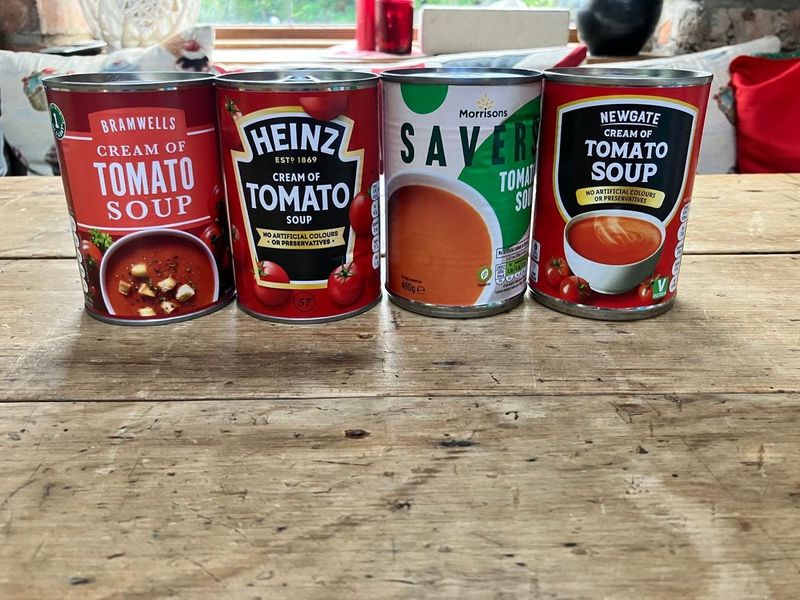
Tinned soup has always been a comforting, no-fuss meal option that British shoppers have relied on for decades. But rising ingredient costs, higher metal prices for tin cans, and increased energy bills for manufacturing have all pushed prices upward this year.
Classic varieties like tomato and chicken soup, once reliably cheap, now regularly cost more than a pound per tin in many supermarkets. Batch-cooking homemade soup and freezing individual portions is a wonderfully satisfying way to enjoy great flavour at a fraction of the shop-bought price.