
Getting kids to eat their vegetables can feel like a daily battle, but it does not have to be. With a little creativity and some fun tricks, you can turn mealtime into something kids actually look forward to.
From sneaky swaps to colorful plates, there are so many ways to make veggies more appealing. These ideas will help you bring more greens to the table without the fuss.
1. Turn Veggies Into Fun Shapes With Cookie Cutters
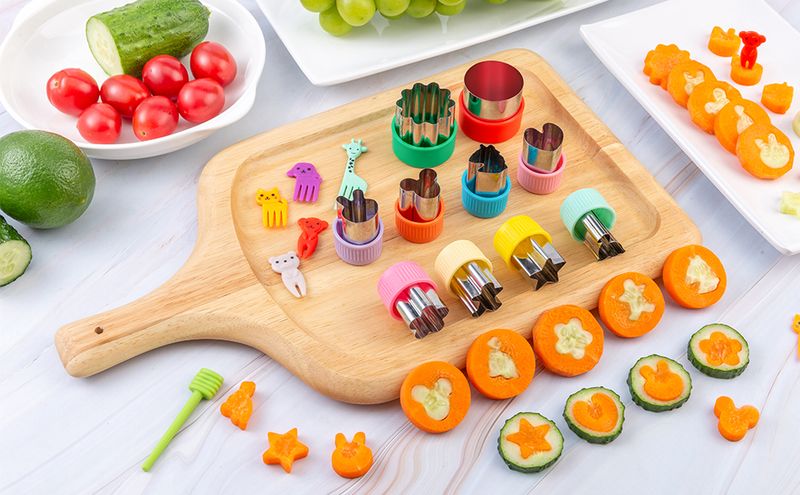
Kids eat with their eyes first, and a star-shaped cucumber is way more exciting than a plain slice. Pull out your cookie cutters and press them through soft vegetables like zucchini, beets, or bell peppers.
You can even make a fun veggie puzzle on the plate.
Let kids pick which shapes they want at dinner. When they have a say in how food looks, they are much more likely to take a bite and enjoy it.
2. Make Veggie Faces on Their Plates
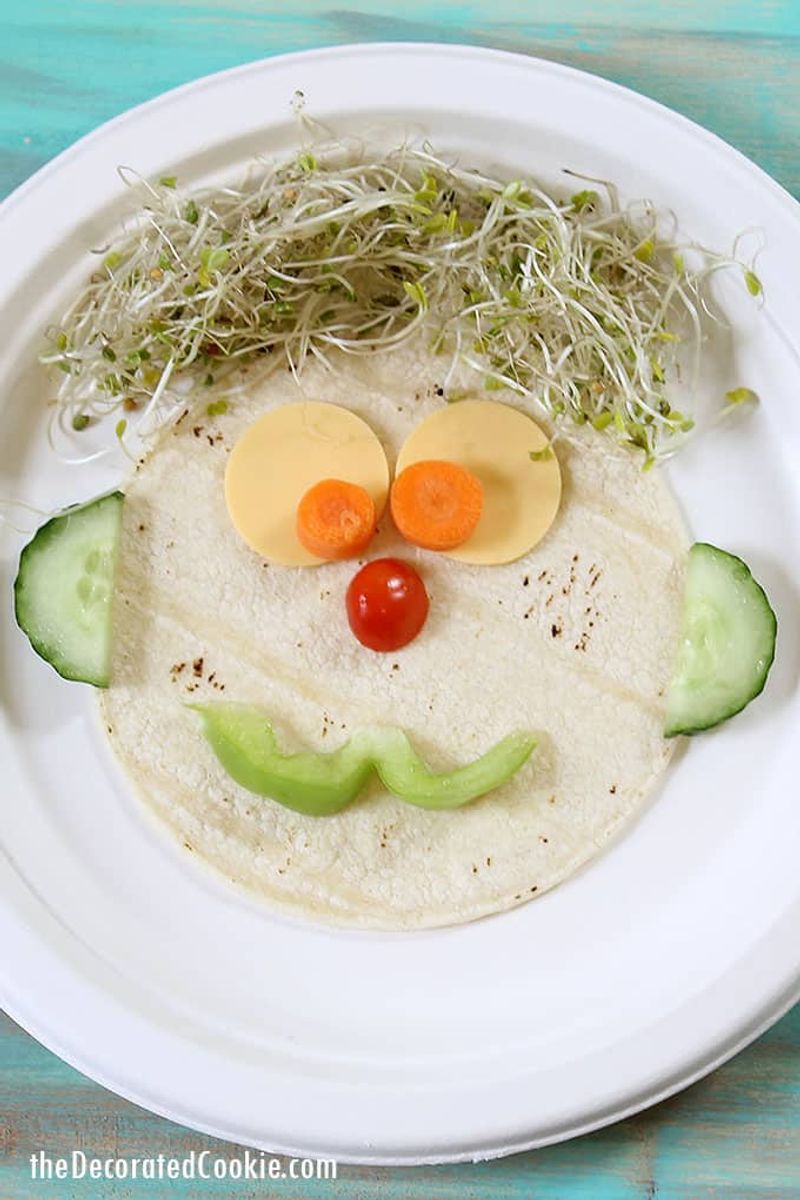
Food art is one of the easiest ways to get a giggle and an empty plate at the same time. Arrange broccoli florets as hair, cherry tomatoes as eyes, and a curved carrot strip as a smile.
Suddenly dinner looks like a character from a cartoon.
You do not need any special skills to pull this off. A little creativity goes a long way, and kids often feel proud eating something that looks so playful and fun.
3. Let Kids Build Their Own Veggie Wraps
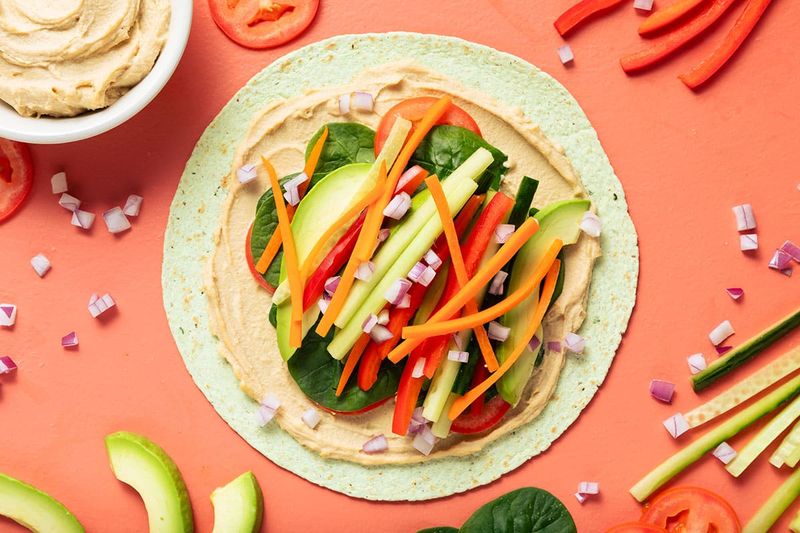
There is something magical about food you put together yourself. Set out a spread of veggies, wraps, and dips and let kids load up their own creations.
Shredded carrots, cucumber strips, spinach leaves, and hummus make a great combo.
When children control what goes in their food, they feel ownership over the meal. That sense of independence often makes them more willing to try vegetables they might normally push to the side of the plate.
4. Hide Veggies in Smoothies With Bright Colors
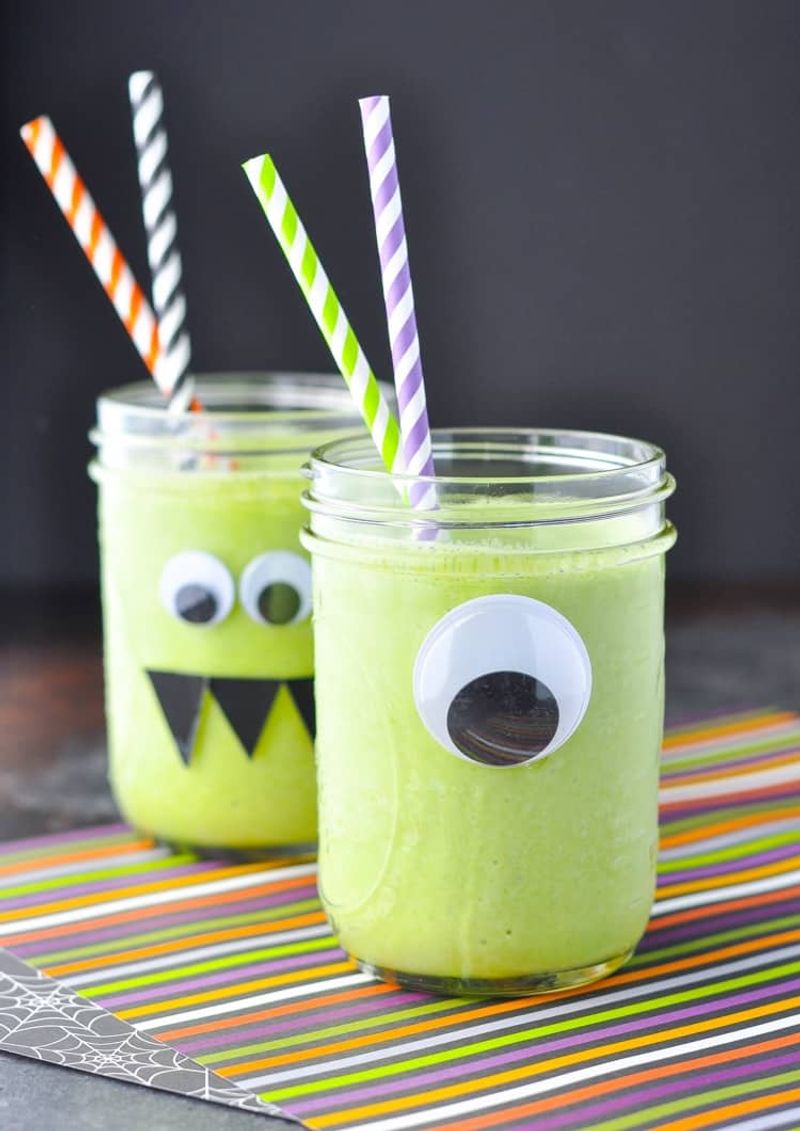
Spinach in a smoothie sounds suspicious, but when the drink is sweet, fruity, and bright green, kids think it looks like something from a superhero movie. Blend spinach or kale with banana, mango, and a splash of orange juice for a naturally sweet treat.
The fruit flavor completely takes over, hiding any trace of veggie taste. Call it a “monster shake” or “hulk juice” and watch kids ask for seconds without any convincing at all.
5. Roast Veggies Until They Are Crispy
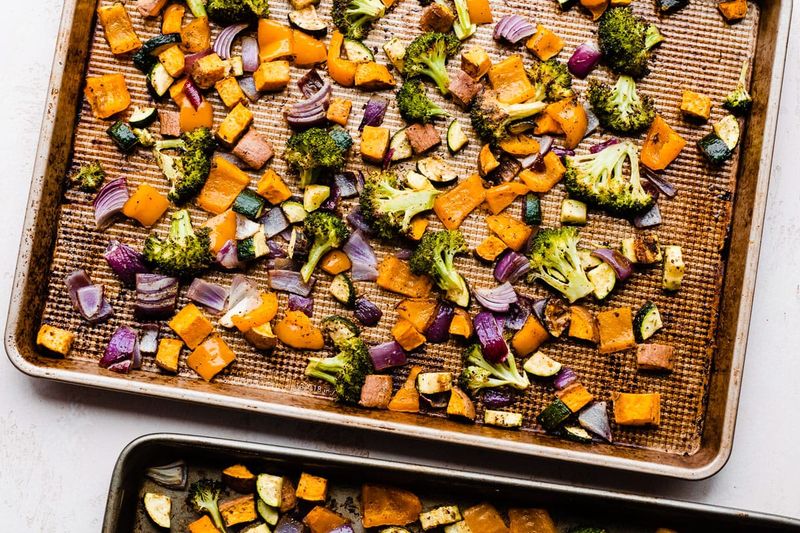
Roasting changes everything. Vegetables that seem bitter or mushy when steamed turn golden, crispy, and almost snack-like when roasted in the oven at high heat.
Broccoli, Brussels sprouts, and cauliflower are especially good this way.
Toss them in olive oil, add a pinch of salt, and roast until the edges get crunchy. Kids who normally say no to broccoli will reach for the crispy bits like they are grabbing chips from a bowl.
6. Serve Veggies With Dips Kids Actually Love
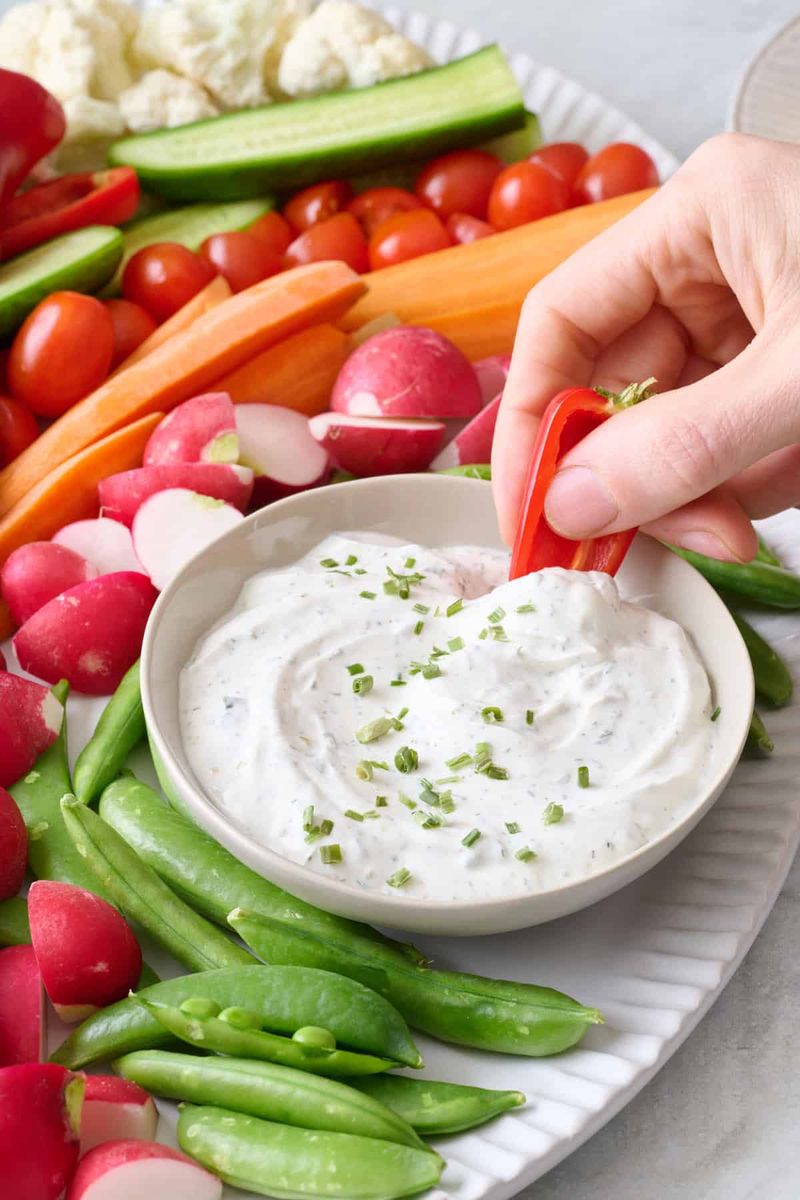
Ranch dressing, hummus, guacamole, and even peanut butter can make raw vegetables feel like a party snack. The dip does the heavy lifting, and the veggie becomes just the vehicle for getting more dip into each bite.
Studies have shown that pairing new foods with familiar, liked flavors helps kids accept them more easily. Set up a small dipping station and let kids choose their sauce.
The excitement of dipping makes snack time way more interactive and fun.
7. Blend Cauliflower Into Mac and Cheese
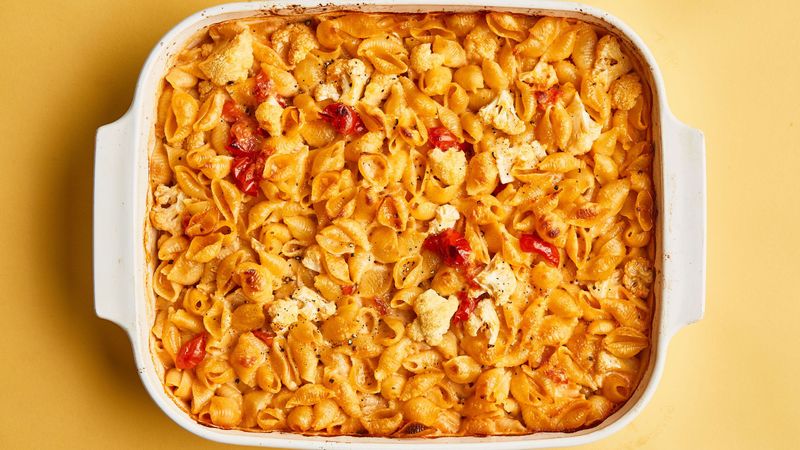
Cauliflower has a mild flavor that disappears completely when cooked and blended into a creamy cheese sauce. Kids will not notice anything different, but they will be getting an extra serving of vegetables with every cheesy forkful.
Steam the cauliflower until soft, blend it smooth, then stir it into your usual cheese sauce recipe. The texture stays creamy and rich.
It is one of the easiest veggie tricks you can use on a weeknight without anyone catching on.
8. Grow a Mini Garden Together
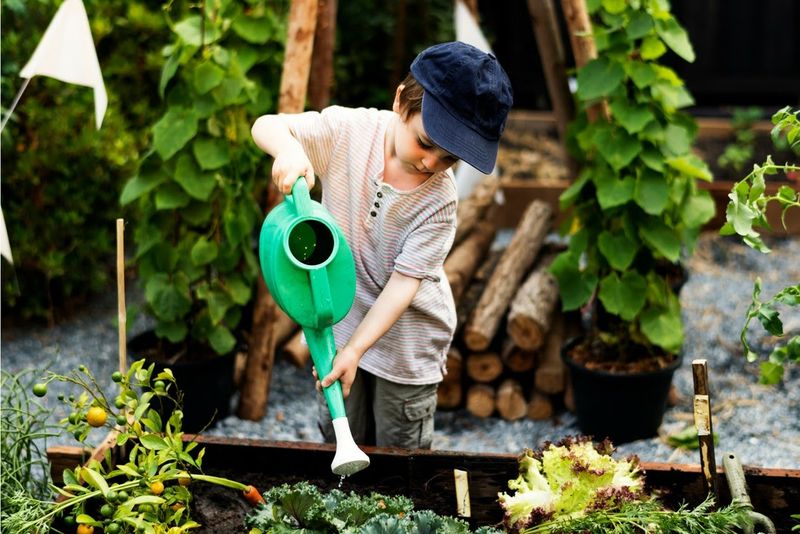
Kids who grow their own food are far more likely to eat it. There is real pride in watching a seed turn into something you can actually put on your plate.
Even a small pot on a windowsill works perfectly for herbs, cherry tomatoes, or lettuce.
Gardening also teaches patience and responsibility in a hands-on way. When harvest day comes, children feel genuinely excited to taste what they worked so hard to grow, greens and all.
9. Make Zucchini Into Mini Pizzas
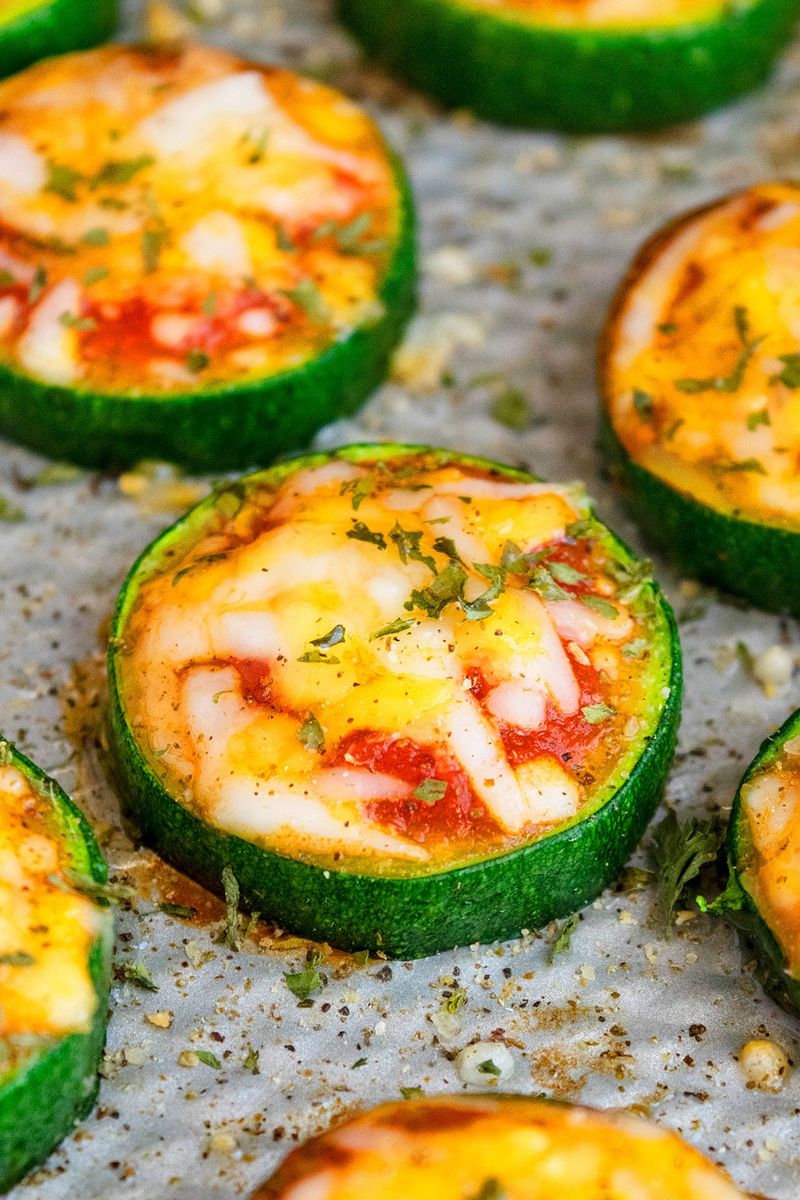
Pizza is basically a universal language for kids, and zucchini makes a surprisingly great base for mini personal pizzas. Slice zucchini into thick rounds, top with sauce and cheese, and bake until bubbly and golden.
You can sneak in extra vegetables by adding finely chopped bell peppers or spinach under the cheese where they practically disappear. Kids get pizza night energy with a fraction of the guilt, and they usually want to help top their own little rounds.
10. Add Spinach to Pancake Batter
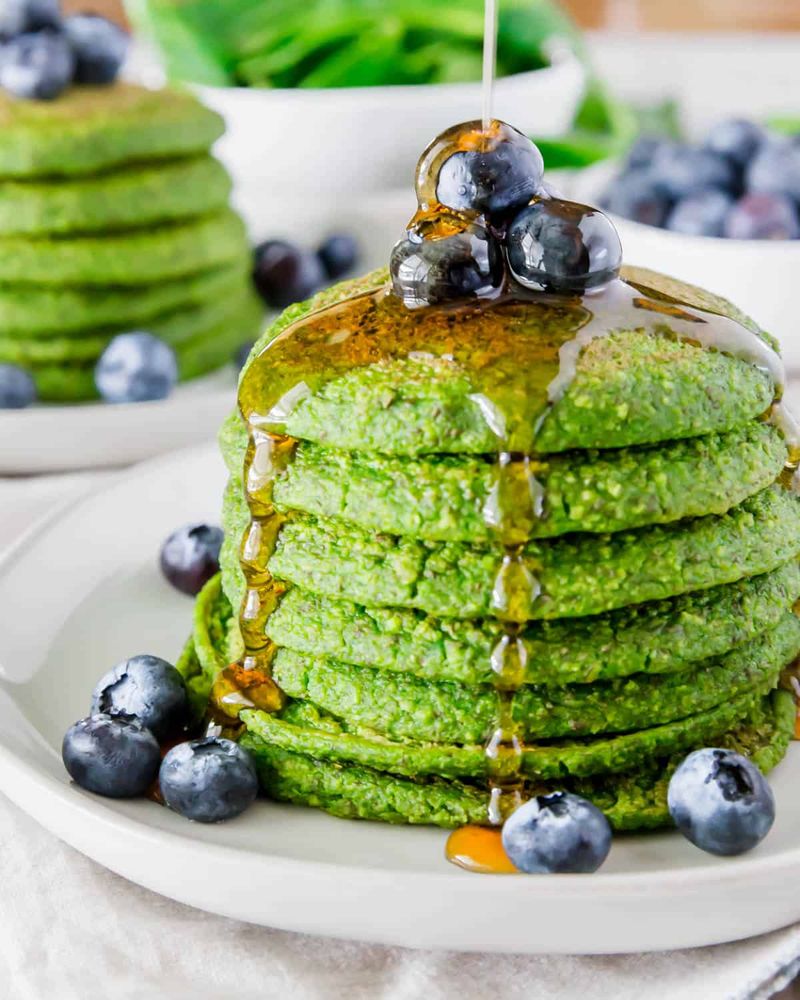
Green pancakes sound like something out of a Dr. Seuss book, and that is exactly why kids love them. Blend a handful of fresh spinach into your regular pancake batter and the color turns a fun shade of green while the taste stays completely normal and sweet.
Serve them with berries and maple syrup for a breakfast that feels like a treat. Kids often brag to their friends about eating green pancakes, which is a pretty great outcome for a weekday morning.
11. Make Veggie Kabobs on Colorful Skewers
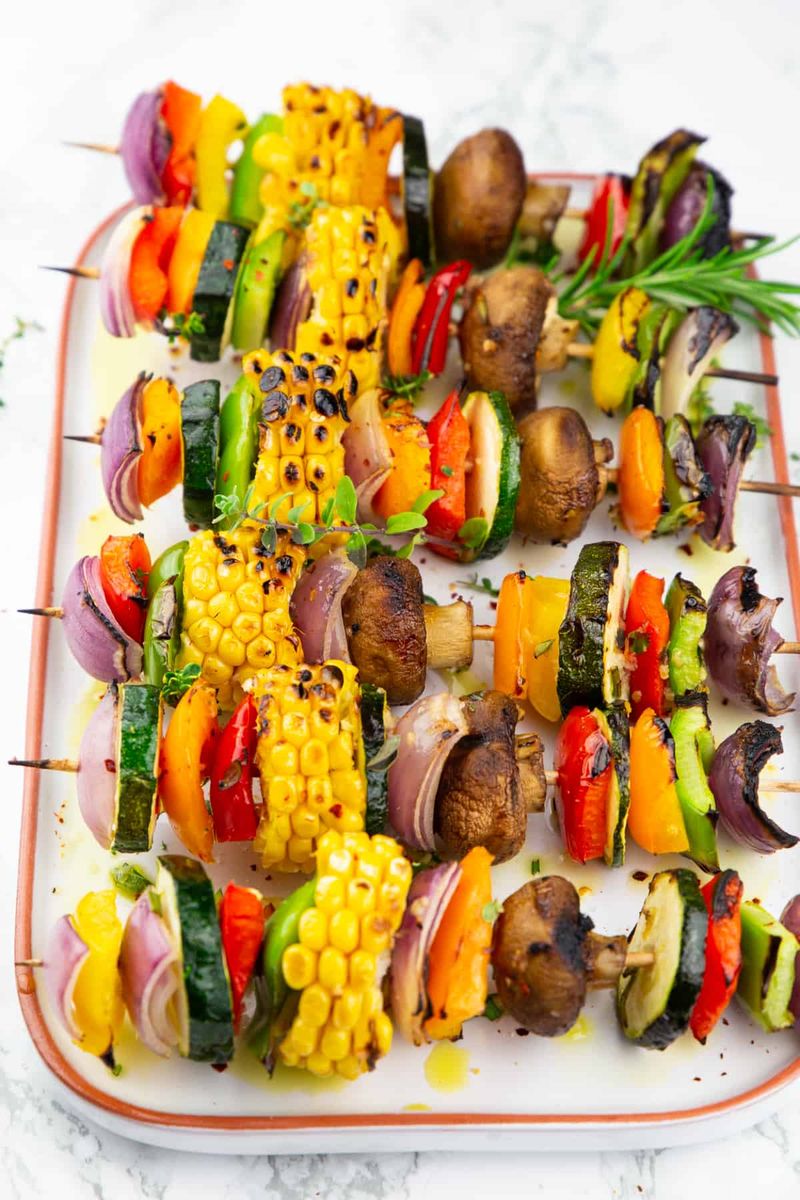
Food on a stick is instantly more exciting, and that rule applies to vegetables too. Thread cherry tomatoes, bell pepper chunks, zucchini, and mushrooms onto colorful skewers and grill or bake them until slightly charred and tender.
Let kids assemble their own kabobs before cooking so they choose the order of veggies. The grilling process adds a smoky sweetness that transforms even the most skeptical little eaters into fans of the vegetable kabob experience.
12. Serve Edamame as a Snack
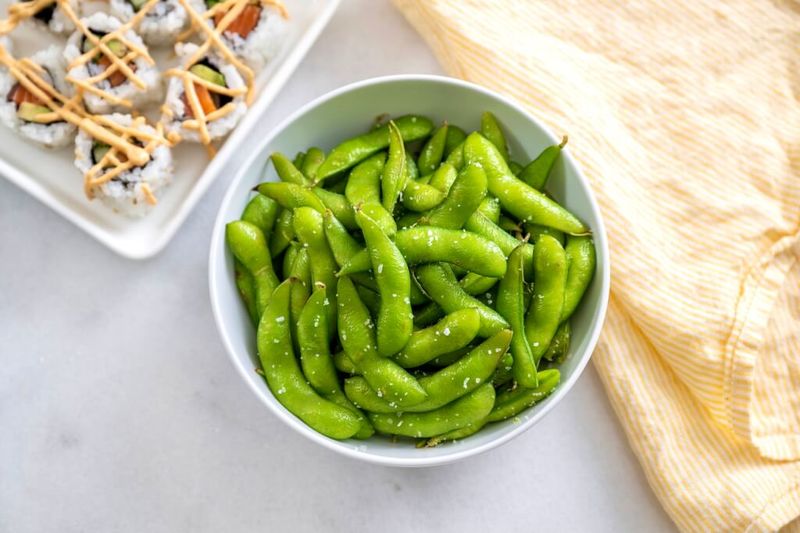
Edamame is one of those rare vegetables that kids tend to love right away. Pop the bright green pods open and squeeze out the beans, which have a satisfying texture and a mild, slightly sweet flavor that does not need much seasoning at all.
A sprinkle of sea salt is all you need. Edamame is packed with protein and fiber, making it a genuinely filling snack.
Kids also love the interactive process of popping the beans out of the pods themselves.
13. Make Broccoli Into Little Trees
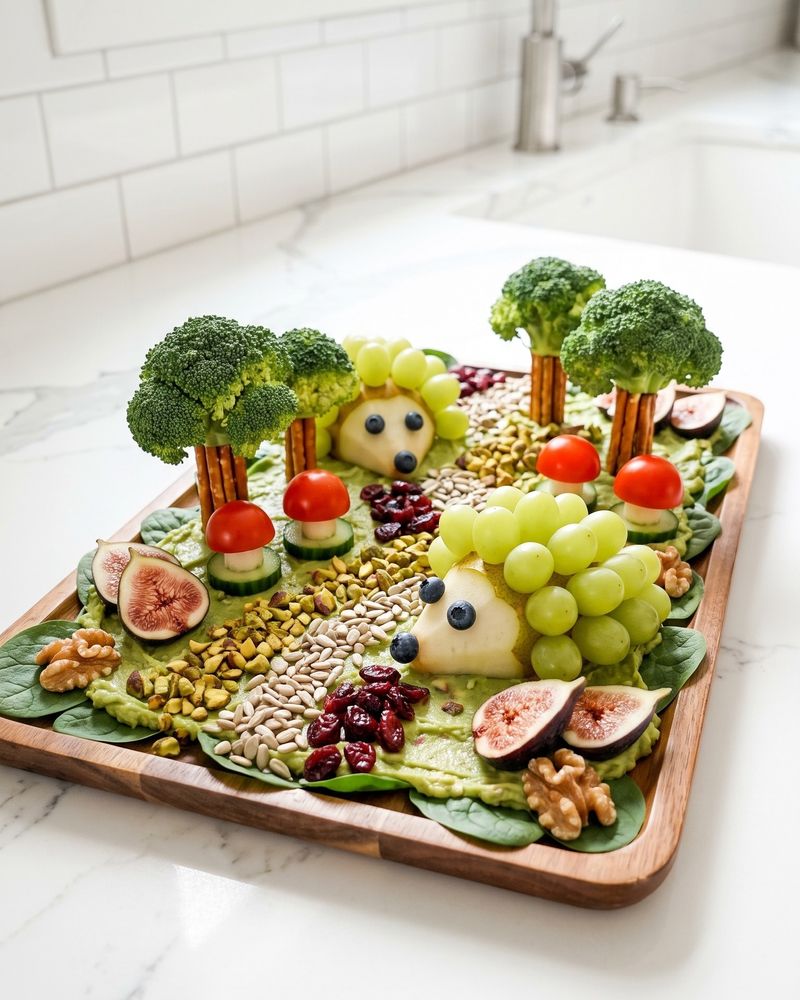
Call broccoli “little trees” and watch the whole dynamic at dinner shift. Kids who imagine themselves as giants eating tiny forests tend to get a lot more enthusiastic about finishing their greens.
It sounds simple, but the storytelling around food really does matter.
Pair the trees with a mashed potato “ground” or a cheesy dip “lake” to build out the story further. Turning dinner into a tiny world sparks imagination and keeps kids engaged all the way through the meal.
14. Stir Veggies Into Pasta Sauce
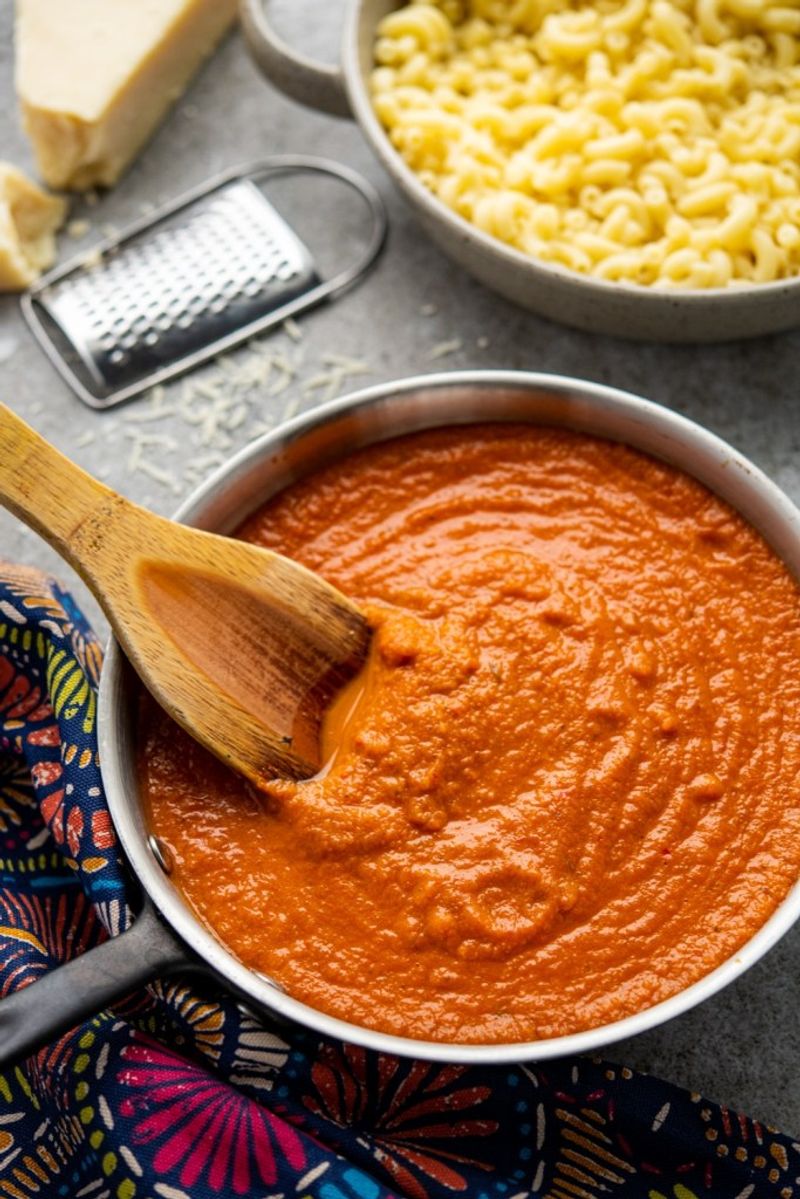
A good pasta sauce can hide an impressive amount of vegetables without anyone suspecting a thing. Finely dice or puree carrots, zucchini, onions, and spinach right into the tomato base while it simmers.
The flavors meld together beautifully over time.
By the time the sauce coats the pasta, vegetables are completely undetectable in texture and taste. This trick works especially well for kids who reject vegetables on sight but have no idea what goes into their favorite spaghetti night.
15. Try Sweet Potato Fries Instead of Regular Fries
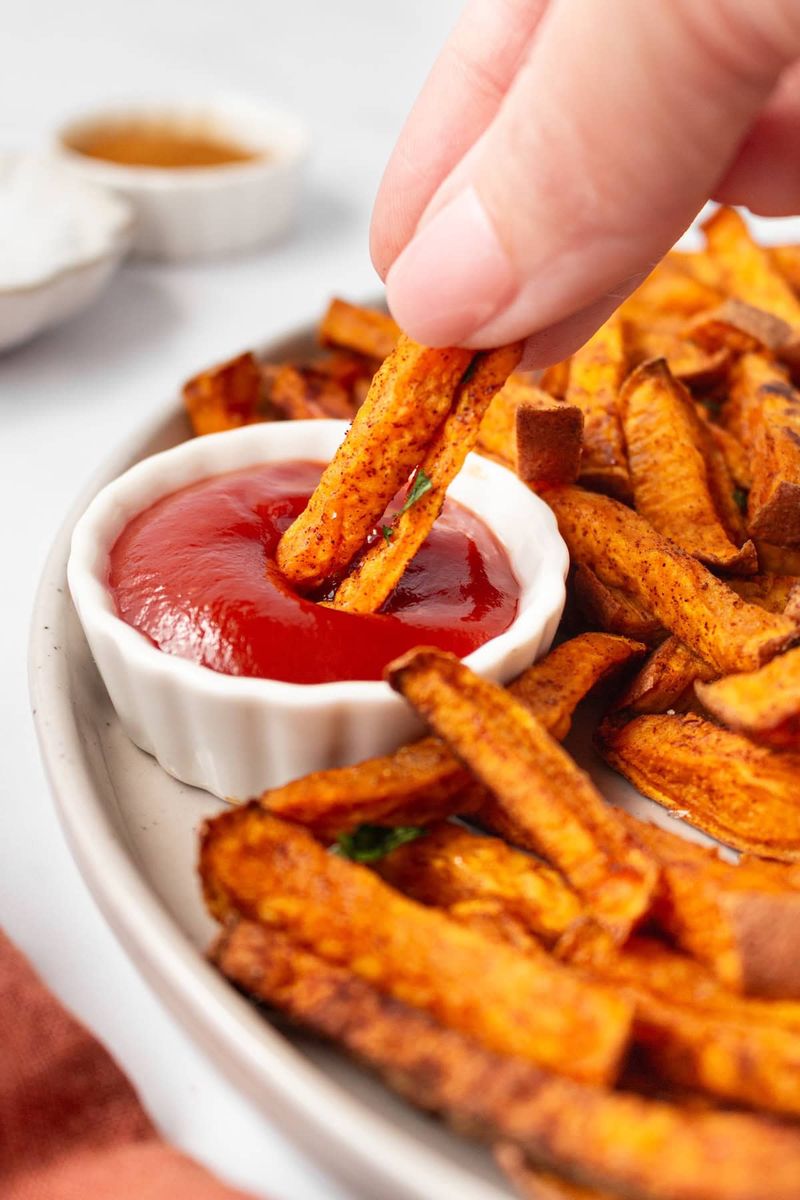
Sweet potato fries hit that perfect balance between sweet and salty, and most kids take to them immediately. Baked or air-fried, they get crispy on the outside while staying soft and naturally sweet inside, which makes them feel like a real treat.
Sweet potatoes are loaded with vitamin A and fiber, so they bring genuine nutrition to the table. Swapping regular fries for sweet potato ones is one of the easiest and most painless vegetable upgrades you can make at family meals.
16. Make Veggie Fried Rice Together
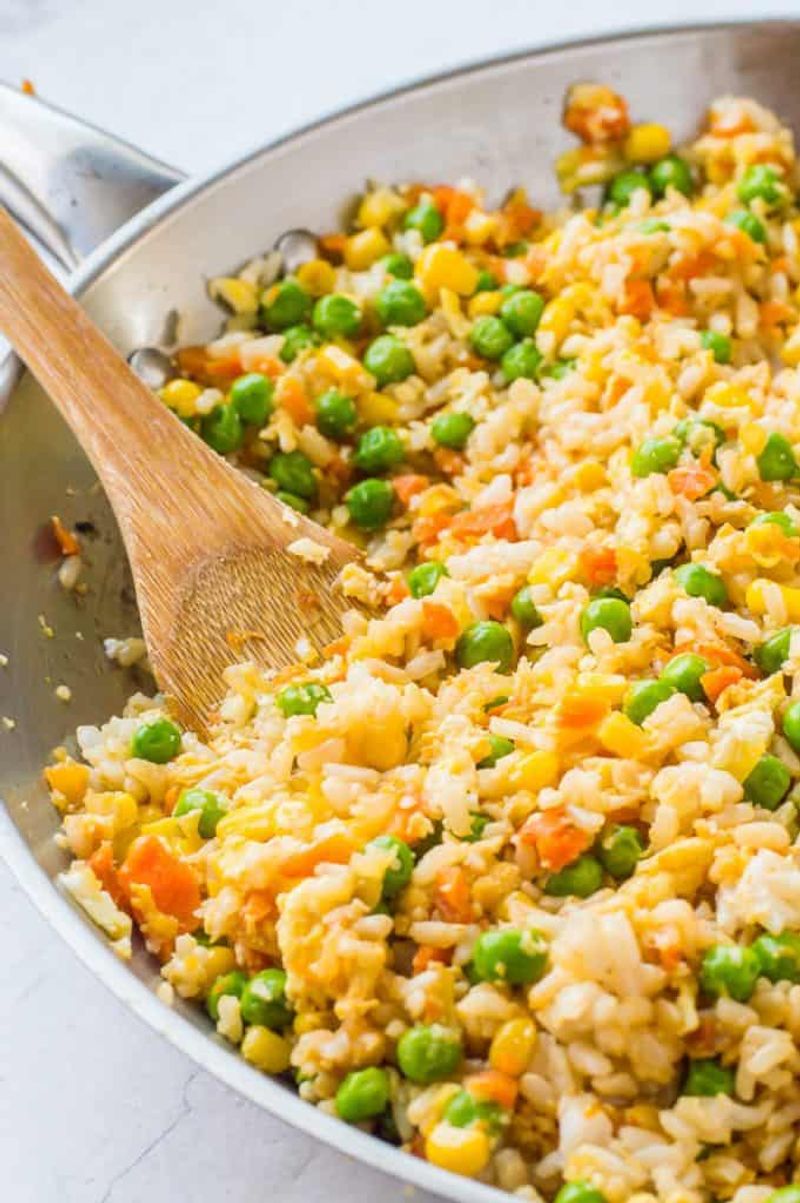
Fried rice is a crowd-pleaser that hides vegetables in plain sight. Peas, corn, shredded carrots, and edamame blend right into the rice and get coated in soy sauce and sesame oil, which gives everything a savory, satisfying flavor kids tend to love.
Making it together adds to the appeal. Kids can crack the eggs, stir the pan, or add ingredients one by one.
Cooking together builds excitement about eating, and they are far more likely to finish a meal they helped create.
17. Offer Veggie Chips as a Crunchy Snack
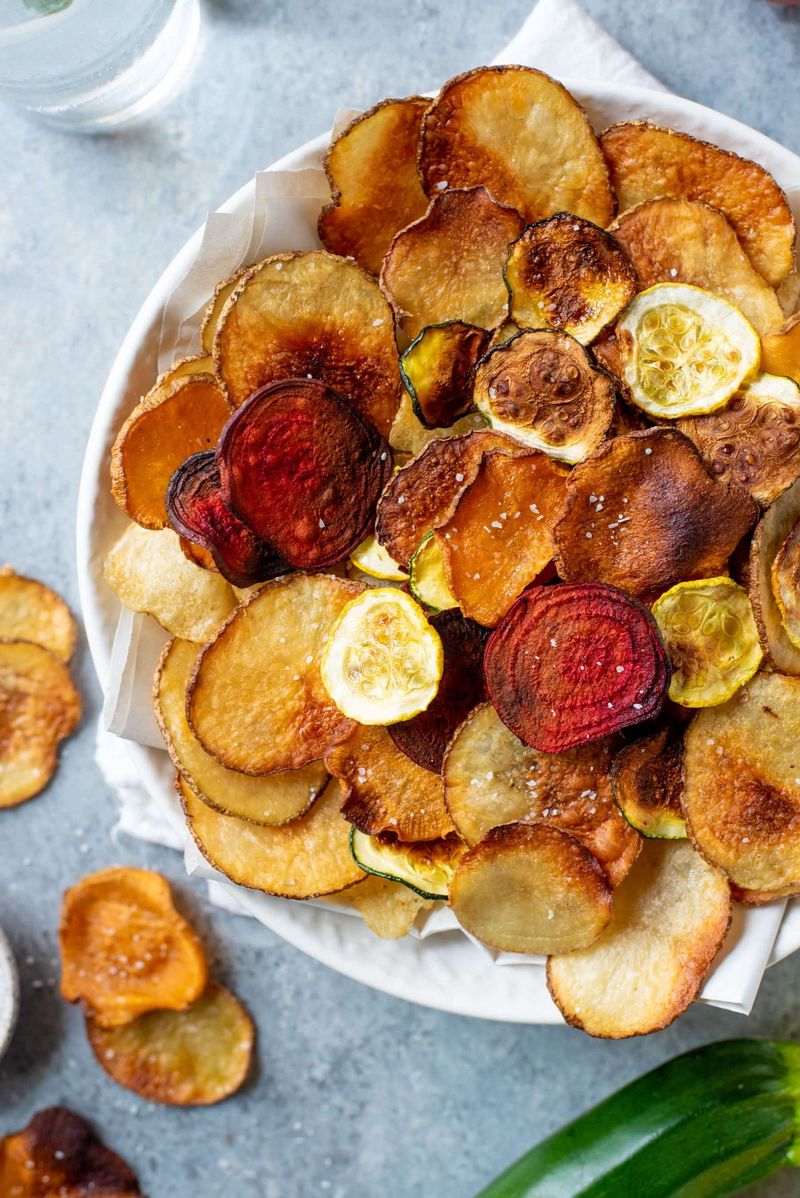
Crunchy textures are a huge win with kids, and veggie chips deliver that satisfying crunch in a way that feels indulgent. Thinly sliced beets, zucchini, and kale can all be baked or air-fried into crispy chips with just a drizzle of oil and salt.
Store-bought veggie chip options are also widely available now if time is short. Either way, presenting vegetables in chip form removes the psychological barrier many kids have, making snack time a sneaky win for nutrition.
18. Use Lettuce Cups as Taco Shells
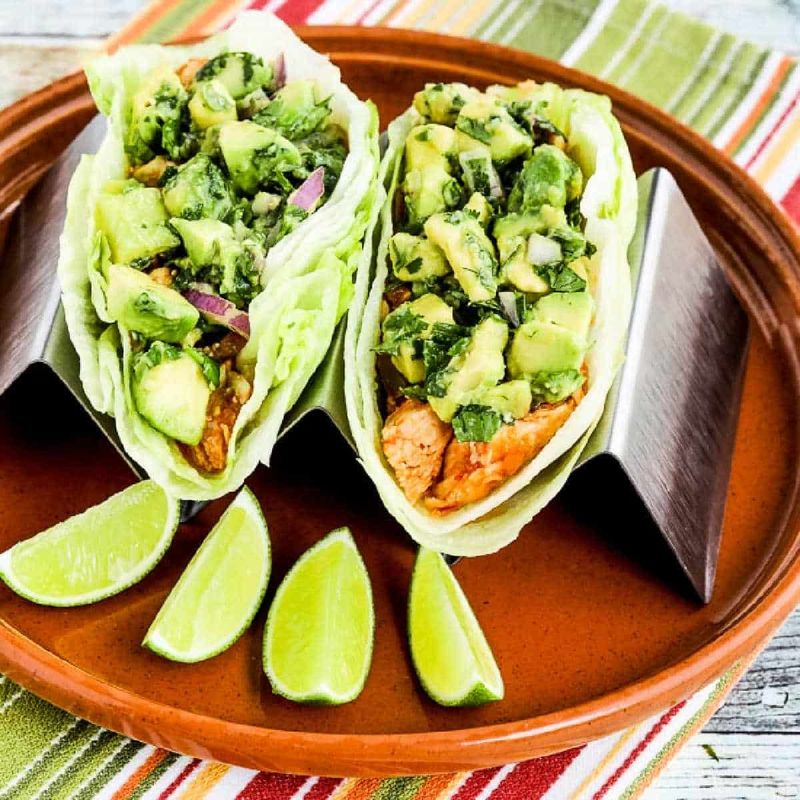
Swapping a taco shell for a crisp lettuce cup sounds like a sacrifice, but kids often find it exciting because it looks different and fun. Large romaine or butter lettuce leaves make perfect little cups for fillings like seasoned meat, corn, cheese, and salsa.
The crunch of the lettuce replaces the crunch of a shell in a surprisingly satisfying way. Frame it as a “secret agent taco” or a “jungle wrap” to add a sense of adventure that keeps kids curious and engaged with their greens.
19. Sneak Peas Into Guacamole
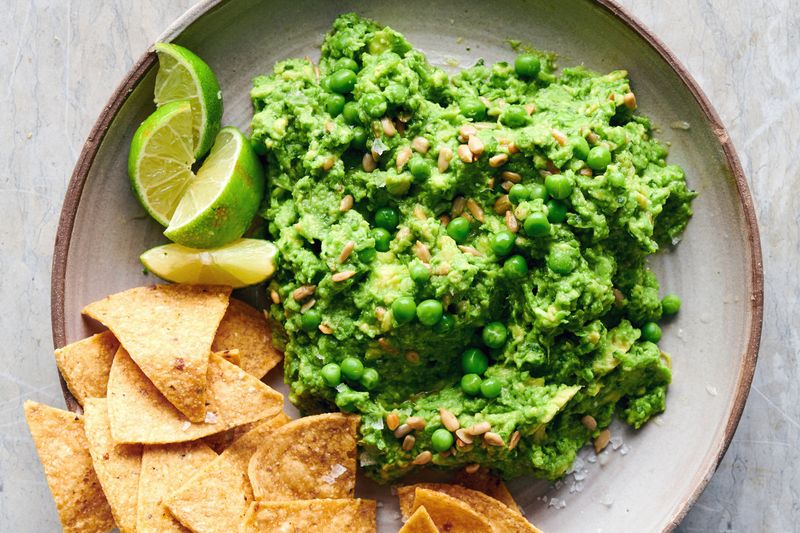
Adding pureed peas to guacamole boosts the nutrition and stretches the batch further without changing the flavor much at all. The peas blend in smoothly and actually make the guacamole a brighter, more vibrant shade of green, which looks even more appealing in a bowl.
Kids who love guacamole and chips will have no idea they are getting an extra vegetable boost. It is a simple swap that takes about thirty seconds and adds real fiber and plant protein to a snack they already enjoy.
20. Name Vegetables in Silly or Heroic Ways
Language shapes how kids feel about food more than most parents realize. Renaming vegetables with fun, powerful, or silly names can completely change a child’s attitude toward eating them. “Power trees” for broccoli or “vision rockets” for carrots are good places to start.
Research from Cornell University found that kids ate significantly more vegetables when they were given fun names on school menus. A little creative rebranding at home costs nothing and can make a real difference at the dinner table every single night.