
Britain has a long and fascinating food history, full of dishes that might make you scratch your head or wrinkle your nose. From jellied eels to deep-fried Mars bars, some traditional British foods are genuinely hard to explain to outsiders.
Yet many Brits swear by these unusual recipes, passing them down through generations with great pride. Whether you find them delicious or downright bizarre, these 16 foods are guaranteed to spark a lively debate.
1. Jellied Eels
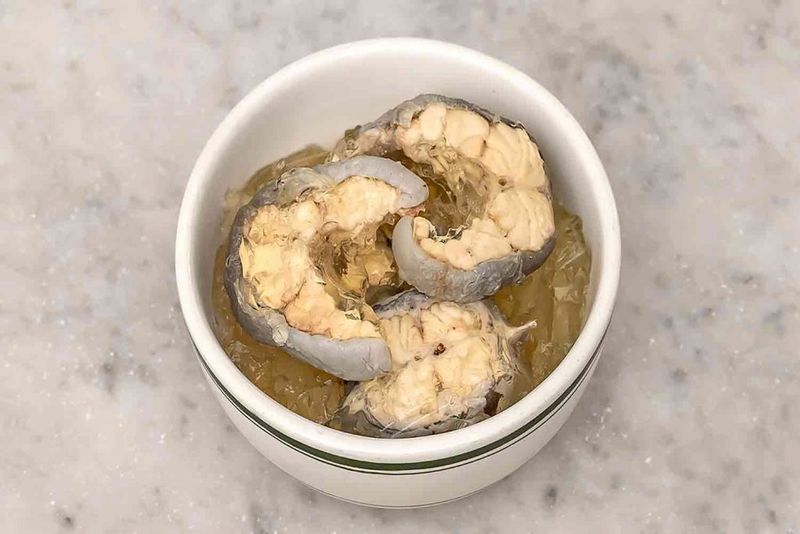
Walk into a traditional East End pie and mash shop in London, and you might spot jellied eels sitting proudly on the menu. Chopped eels are boiled and left to set in their own natural jelly, then served cold.
It sounds strange, but this dish has been a working-class London staple since the 18th century.
Some people love the soft, slippery texture and mild fishy flavour. Others take one look and politely pass.
2. Haggis
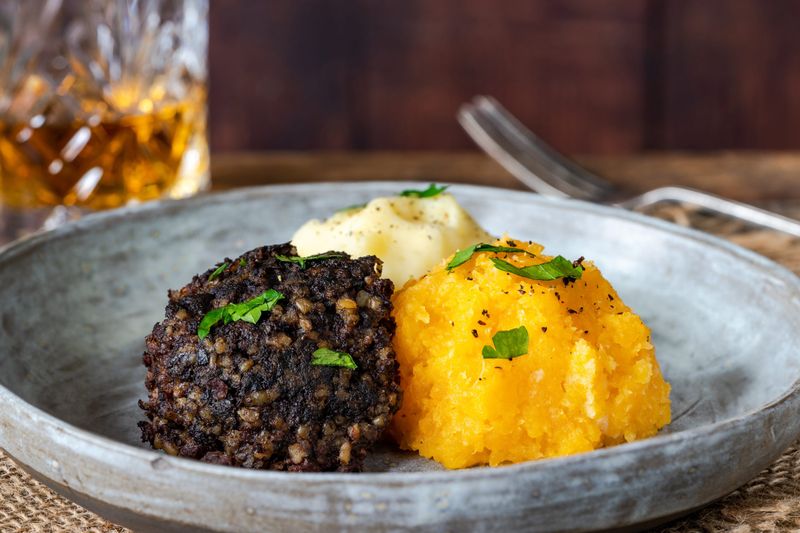
Scotland’s national dish sounds like something from a dare: sheep’s heart, liver, and lungs minced together with oatmeal, onions, and spices, then cooked inside a sheep’s stomach. Yet haggis has been celebrated at Burns Night suppers every January 25th for centuries.
Many people who try it are genuinely surprised by how warming and tasty it is. The spiced, crumbly texture wins over plenty of reluctant first-timers every year.
3. Laverbread
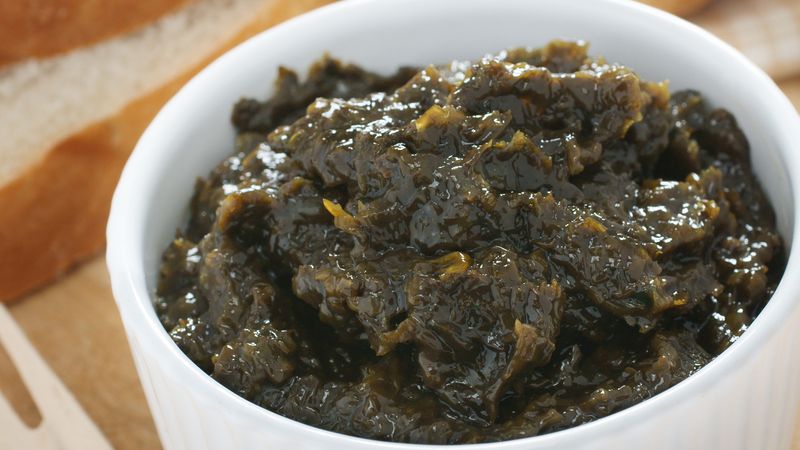
Despite its name, laverbread contains no bread at all. Made from cooked and pureed seaweed harvested along the Welsh coastline, it has a dark green, almost paste-like appearance that puts plenty of people off before they even taste it.
In Wales, it is often served fried with bacon and cockles for breakfast. Locals call it the Welsh caviar, and once you try it with crispy bacon, the nickname starts to make a lot of sense.
4. Black Pudding
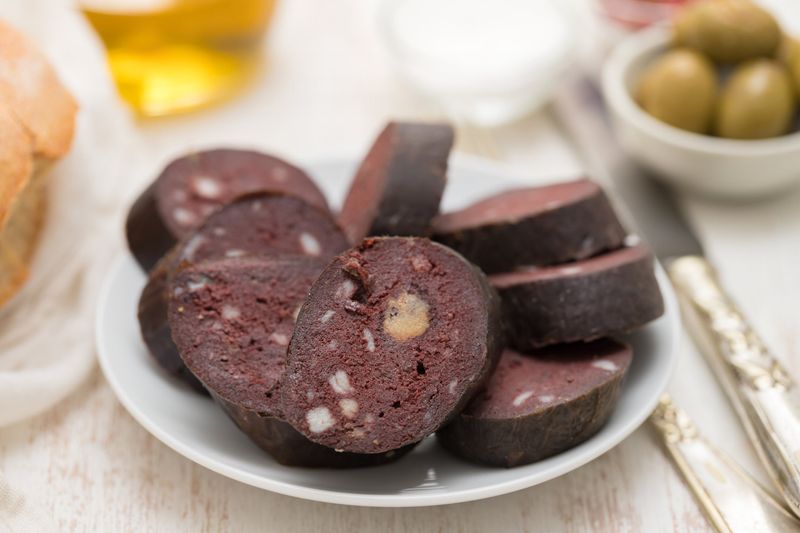
Black pudding is essentially a sausage made from pig’s blood, fat, and oatmeal or barley. It looks dark and dense, and the moment people find out what is in it, reactions are split right down the middle.
In the north of England, black pudding is practically a breakfast institution, fried up alongside eggs and bacon without a second thought. Surprisingly, it has also become trendy in gourmet cooking circles, appearing on restaurant menus across the country.
5. Marmite
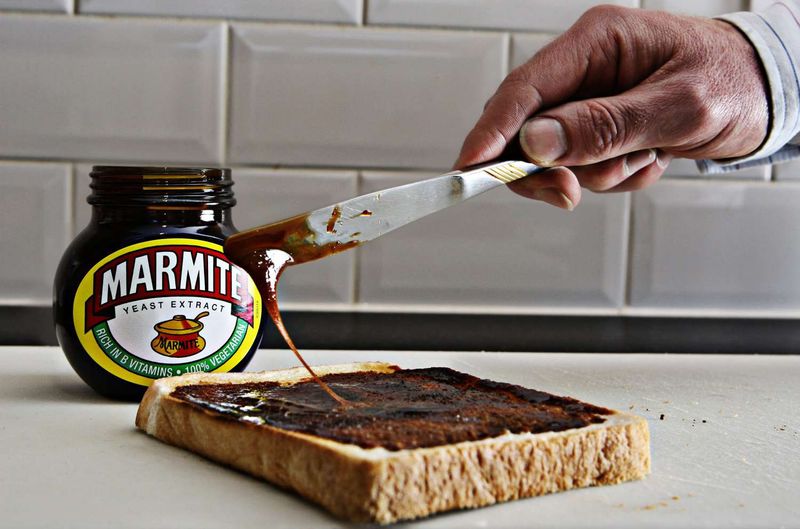
Few foods in Britain have a marketing campaign built entirely around the fact that people either love it or hate it. Marmite is a thick, dark yeast extract spread with an intensely salty, savoury flavour that hits you immediately and lingers long after.
Fans pile it thick on buttered toast. Critics describe it as tasting like a salty sock.
Either way, it remains one of the most recognisable British pantry staples, sold in that iconic yellow-lidded jar since 1902.
6. Stargazy Pie
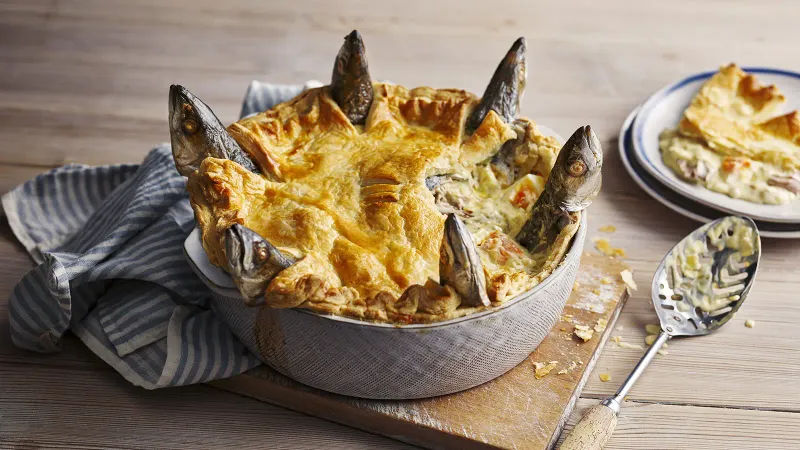
Imagine a golden pastry pie with whole fish heads poking out through the top, eyes gazing upward at the sky. That is stargazy pie, a traditional Cornish dish made with pilchards or sardines baked beneath a shortcrust pastry lid.
The heads are left sticking out so the fish oils drain back into the filling during baking, keeping the pie moist and flavourful. Originally made in the village of Mousehole, it is served each year on Tom Bawcock’s Eve, December 23rd.
7. Potted Shrimps
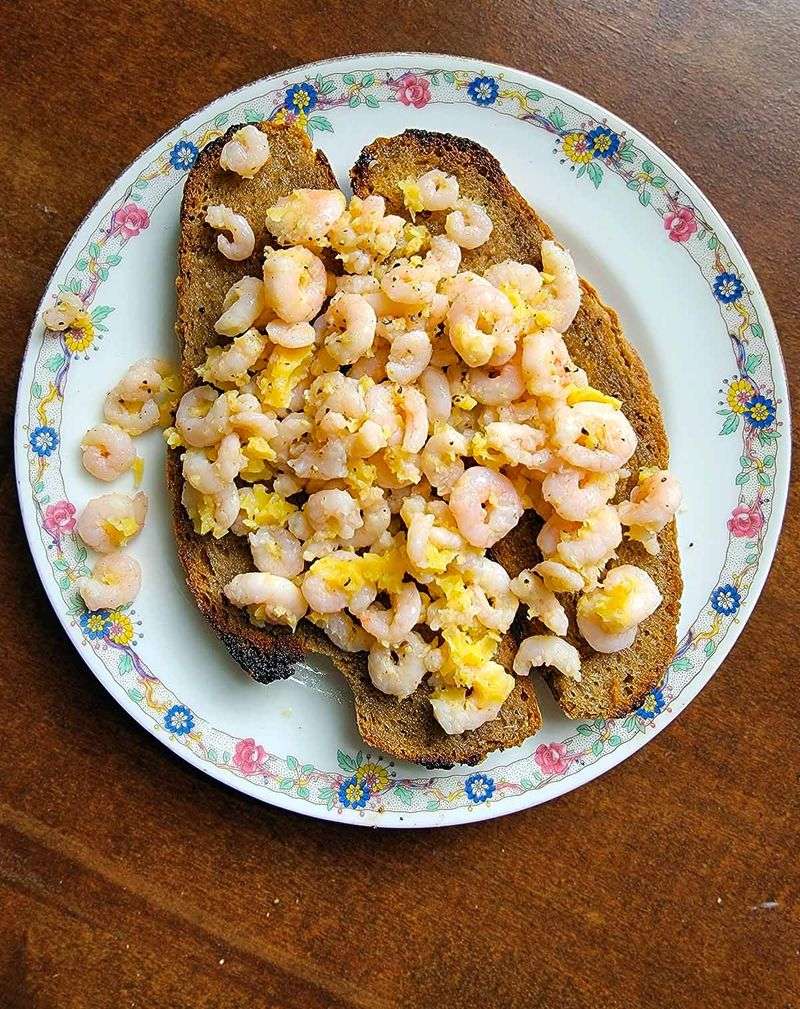
Tiny brown shrimps packed tightly into a ramekin and sealed under a layer of spiced, clarified butter sounds simple enough, but the flavour combination is surprisingly rich and complex. Potted shrimps have been a British delicacy since at least the 18th century, particularly popular along the Lancashire coast.
Morecambe Bay is famous for producing some of the best. Spread onto warm toast with a squeeze of lemon, they offer a genuinely old-fashioned taste that feels both luxurious and wonderfully strange.
8. Mushy Peas
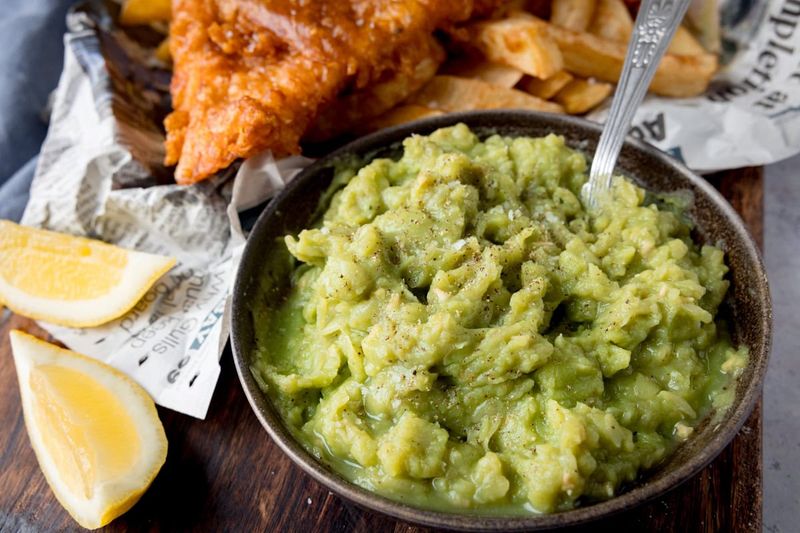
Bright green, soft, and slightly lumpy, mushy peas are exactly what they sound like: dried marrowfat peas soaked overnight and cooked down into a thick mush. They are a classic companion to fish and chips across much of England, especially in the north.
Southerners sometimes raise an eyebrow, but northerners defend them fiercely. A warm pot of mushy peas with a sprinkle of salt and a splash of vinegar is considered pure comfort food by those who grew up eating them.
9. Chip Butty
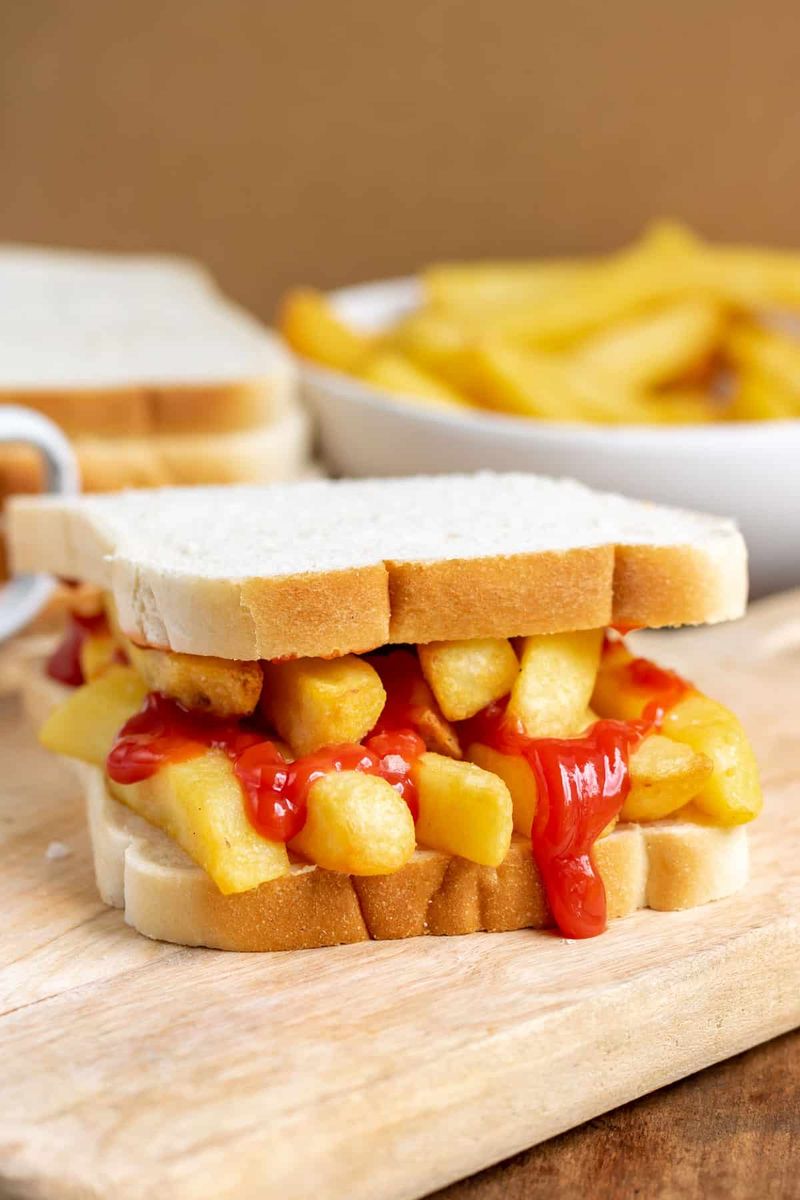
Chips stuffed inside a soft white bread roll, sometimes with a generous squirt of ketchup or brown sauce. The chip butty sounds almost too simple to be considered food, yet it holds a deeply beloved place in British culture.
Saturday afternoon football matches, late-night hunger, seaside trips: the chip butty fits every occasion. Visitors from other countries tend to look baffled by the idea of carbs stuffed inside more carbs.
British people, meanwhile, cannot imagine life without one.
10. Eel Pie
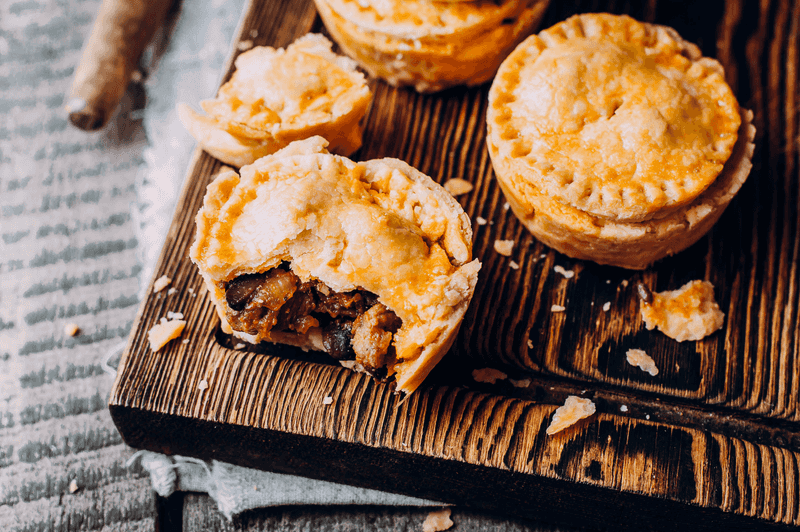
Long before jellied eels took over the East End, eel pie was the original Thames-side delicacy. Chunks of freshwater eel were baked inside a pastry crust, often with a nutmeg-spiced sauce, and eaten by London’s river workers and market traders for centuries.
Eel Pie Island on the River Thames even takes its name from the dish. While eel pie shops have mostly disappeared, a small number of dedicated pie and mash shops still serve it to loyal regulars who refuse to let the tradition die.
11. Spotted Dick
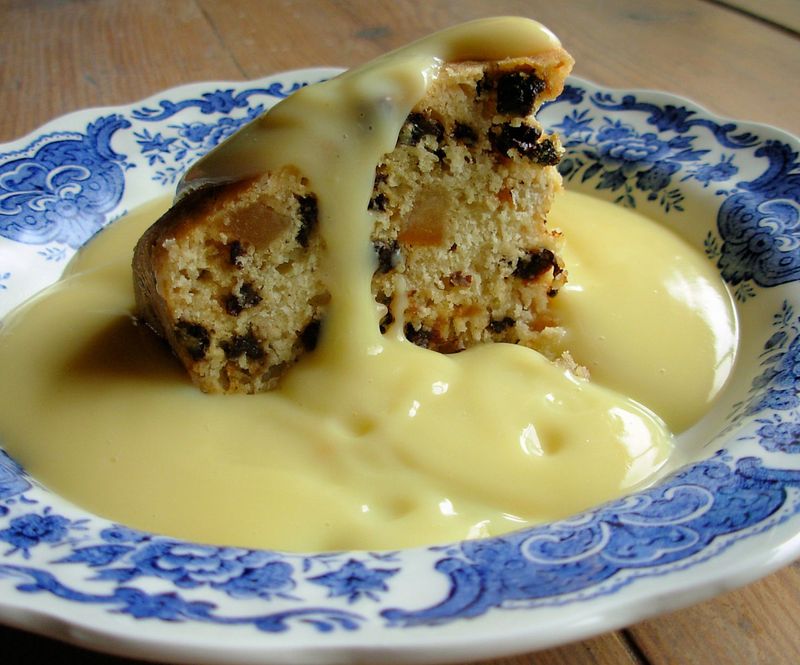
The name alone is enough to make people giggle, which has led some British cafes to rename it spotted richard on their menus. But spotted dick is simply a classic steamed suet pudding filled with dried currants or raisins, served warm with custard poured generously over the top.
It has been a British school dinner staple for generations. Rich, stodgy, and comforting in the best possible way, it is the kind of pudding that makes you feel like you are sitting in a 1950s school canteen.
12. Deep-Fried Mars Bar
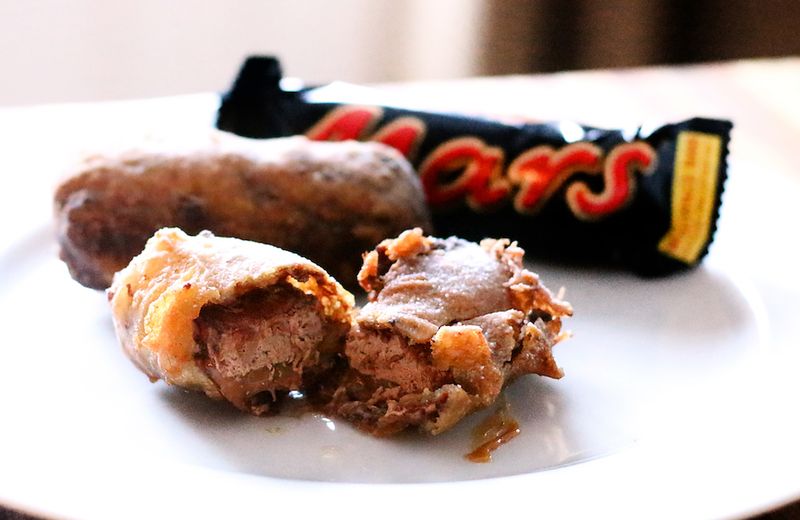
Born in a Scottish chip shop in the 1990s, the deep-fried Mars bar became one of Britain’s most notorious food exports. A standard Mars bar is coated in chip-shop batter and dropped into hot oil until golden and crispy on the outside, with the chocolate melting into a warm, gooey centre.
Food critics have called it everything from genius to deeply irresponsible. Scotland has fully embraced the legend, and chip shops across the country still sell them to curious tourists and devoted locals alike.
13. Faggots
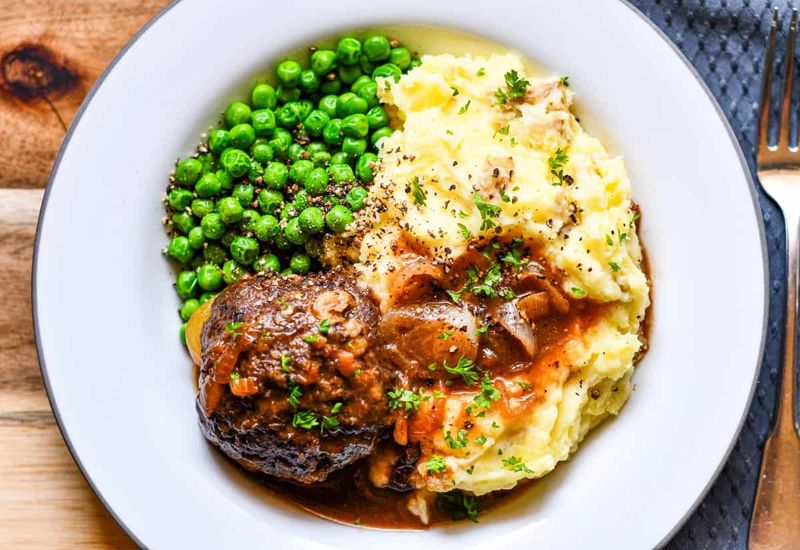
Faggots are small, round meatballs made from pork offal, typically liver and heart, mixed with herbs, onion, and breadcrumbs. They are wrapped in caul fat and baked until golden, then served smothered in thick onion gravy with mashed potatoes on the side.
Once a staple of working-class British households, faggots fell out of fashion for a while but have seen a quiet comeback in recent years. Fans say they are deeply savoury and satisfying.
First-timers tend to need a little convincing.
14. Clotted Cream Fudge
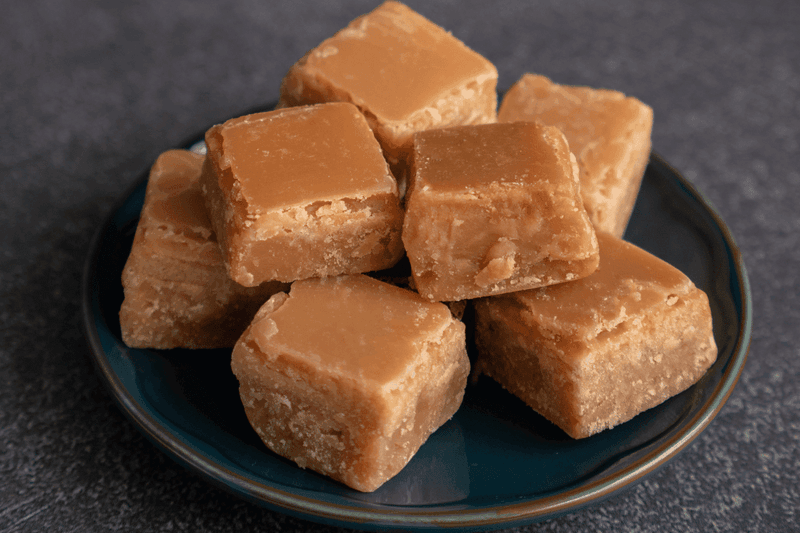
Clotted cream fudge might not sound strange at first, but the texture and richness of this Cornish treat genuinely surprises people who try it for the first time. Made with thick, golden clotted cream rather than regular cream, the result is an almost grainy, melt-in-your-mouth sweetness that is wildly indulgent.
Cornwall takes its clotted cream seriously, putting it into everything from scones to ice cream. The fudge version is sold in nearly every seaside gift shop and remains one of the region’s most polarising yet addictive souvenirs.
15. Cock-a-Leekie Soup
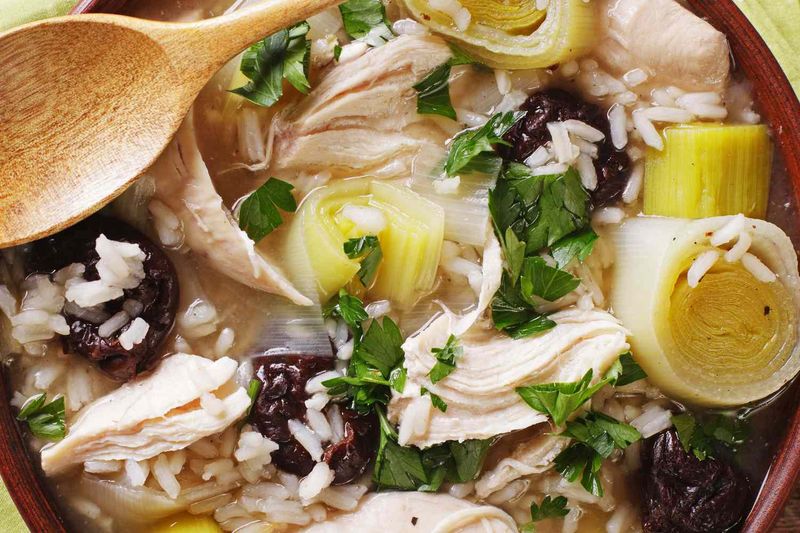
Scotland’s ancient answer to chicken soup has one ingredient that raises eyebrows every single time: prunes. Cock-a-leekie is a slow-cooked broth made from chicken and leeks, which sounds perfectly reasonable, until you learn that dried prunes are traditionally added to the pot as well.
The prunes add a gentle sweetness that balances the savoury broth beautifully, though the combination baffles most people at first mention. Records of this dish go back to at least the 16th century, making it one of Scotland’s oldest surviving recipes.
16. Bread and Dripping
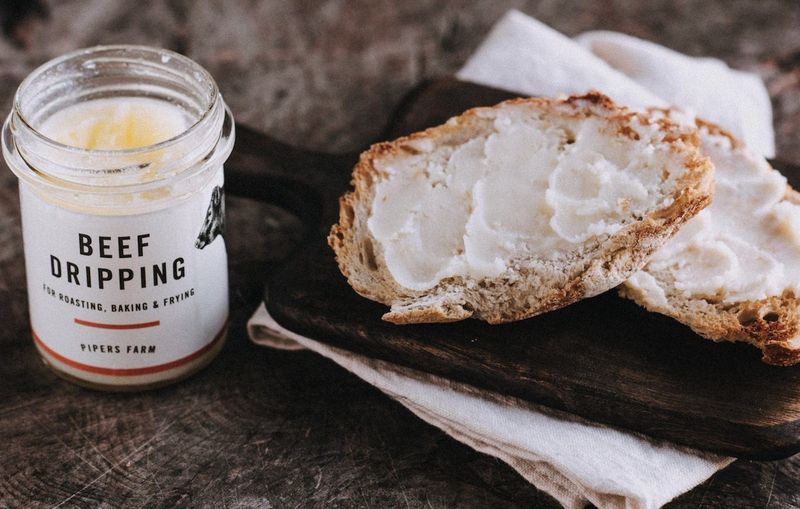
Before butter was affordable for everyone, working-class British families spread their bread with dripping: the fat and juices collected from roasting beef. Seasoned with a little salt and sometimes topped with the dark, savoury jelly that settles at the bottom of the roasting tin, it was simple, filling food.
Today it sounds like something from a history book, but bread and dripping still has devoted fans across Britain. Some butchers and traditional food markets sell tubs of it, and those who grew up eating it describe it with genuine nostalgia.