
Walk down any grocery store aisle and you will see labels shouting words like “natural,” “low-fat,” and “superfood” from every shelf. These buzzwords make it really easy to assume a product is good for you, but the truth is sometimes surprising.
Food companies are very skilled at making their products sound healthier than they actually are. Knowing what to look for on a nutrition label can make a huge difference in the choices you make every day.
1. Granola
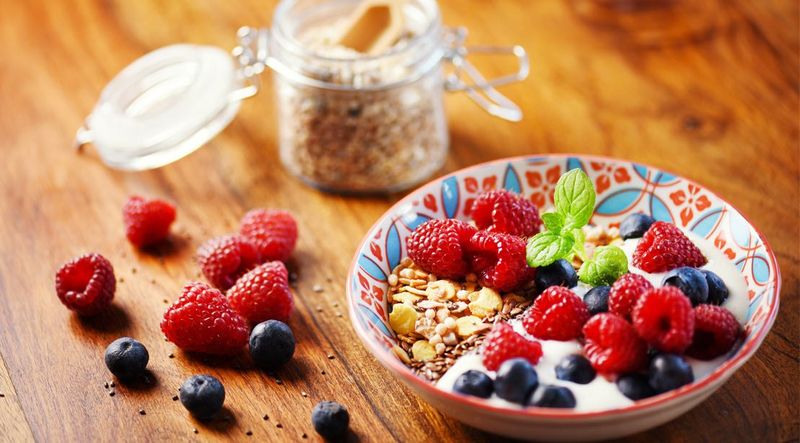
Granola sounds like the ultimate health food, and cereal brands have leaned into that image hard. But flip the bag over and check the sugar content – you might be shocked.
Many store-bought granolas pack as much sugar per serving as a candy bar.
Portion sizes listed on the label are also tiny, usually just a quarter cup. Most people pour three or four times that amount.
Making your own granola at home with oats, nuts, and a little honey gives you way more control.
2. Flavored Yogurt
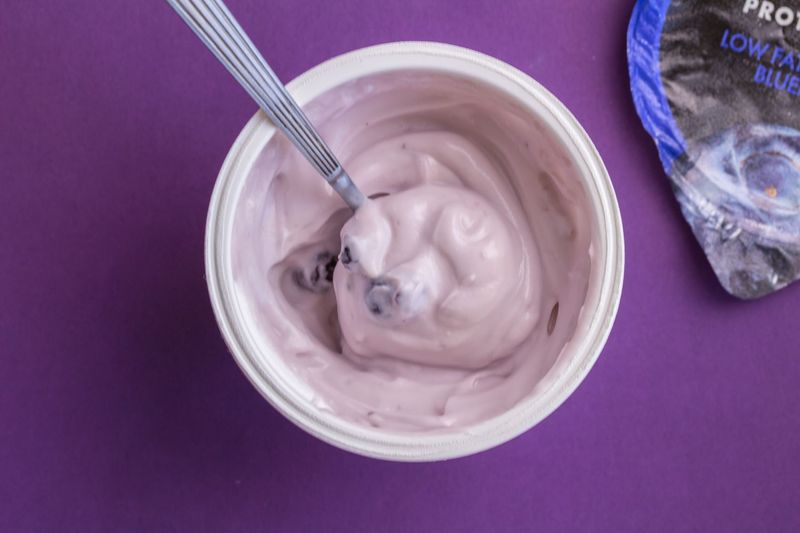
Yogurt has a rock-solid reputation as a healthy snack, and plain versions absolutely deserve it. The flavored ones, though, are a different story.
Strawberry, peach, and vanilla yogurts are often loaded with added sugars, sometimes 20 grams or more per small cup.
That is close to what you would find in a glazed donut. Greek yogurt is a smarter pick because it is higher in protein.
Just add your own fresh fruit to keep the sugar in check.
3. Smoothies
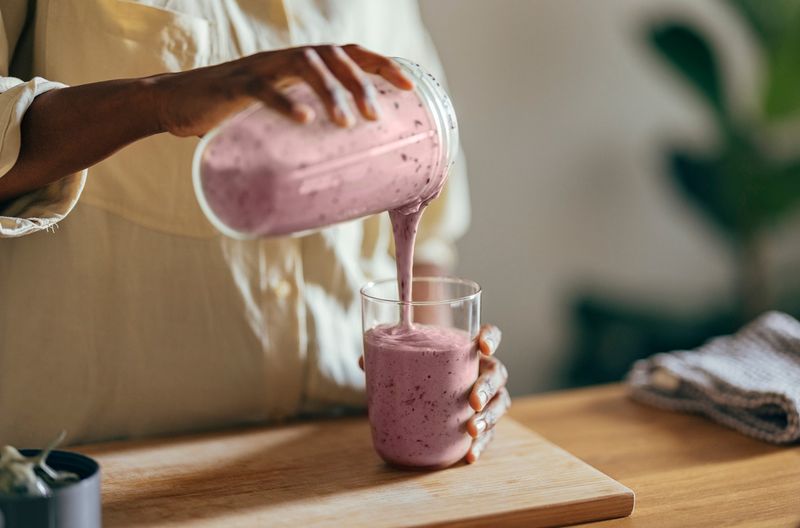
Smoothies feel like a virtuous choice, especially when they are packed with fruit and vegetables. The problem is that even natural fruit sugars add up fast, and most smoothie shops use portions far larger than a single serving.
A 24-ounce mango smoothie can contain over 60 grams of sugar.
Blending also removes the fiber that slows sugar absorption when you eat whole fruit. Making smoothies at home and adding spinach, flaxseed, or protein powder helps balance things out considerably.
4. Veggie Chips

The word “veggie” on a chip bag makes your brain think you are basically eating a salad. Sadly, most veggie chips are made from vegetable powder mixed into a starch base, not actual sliced vegetables.
The fiber and vitamin content is much lower than real veggies.
Sodium levels, on the other hand, are often just as high as regular potato chips. A small handful of raw carrots or cucumber slices with hummus will genuinely satisfy your snack craving and actually nourish you.
5. Fruit Juice

Fruit juice seems like an obvious healthy choice since it comes from fruit, right? Here is the catch – when juice is made, most of the fiber is removed, leaving behind a concentrated hit of sugar and not much else.
A glass of apple juice can have as much sugar as a can of soda.
Without fiber, that sugar rushes into your bloodstream quickly. Eating a whole apple is always the better move.
You get the fiber, the vitamins, and you actually feel fuller longer.
6. Energy Bars
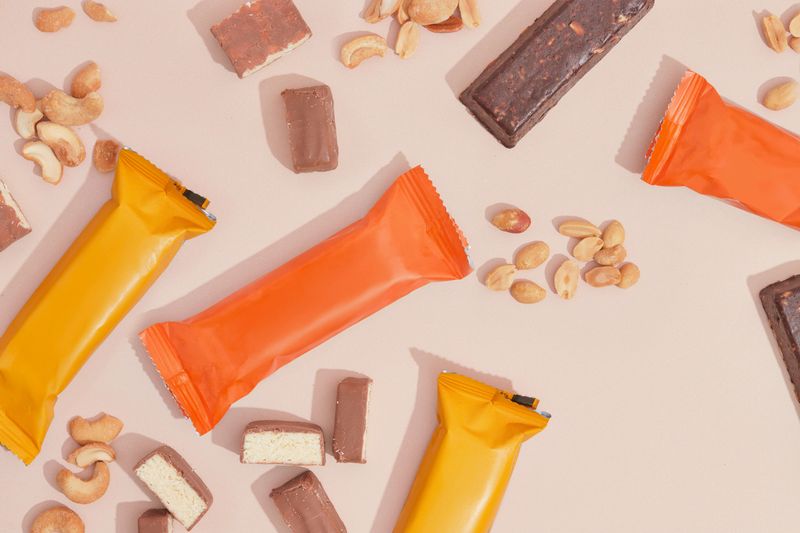
Energy bars and protein bars line the checkout lanes at every gym and health food store. Many of them are genuinely useful for athletes who need quick fuel, but for the average person, they are basically candy bars with a PR makeover.
Some contain 30 grams of sugar and use ingredients like high-fructose corn syrup.
Reading the ingredient list carefully is key. A bar with five or fewer recognizable ingredients, low sugar, and real protein sources like nuts or seeds is a much better option.
7. Gluten-Free Packaged Foods
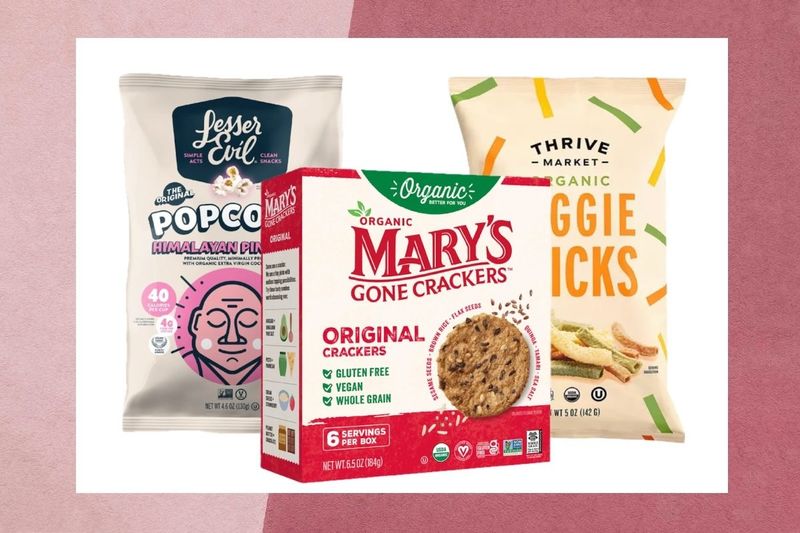
Gluten-free has become one of the most powerful marketing labels in the food industry. For people with celiac disease or gluten sensitivity, avoiding gluten is absolutely necessary.
For everyone else, gluten-free packaged foods are not automatically healthier.
To replace the texture that gluten provides, manufacturers often add extra sugar, fat, and refined starches. A gluten-free cookie is still a cookie.
Focusing on naturally gluten-free whole foods like rice, quinoa, and vegetables is a far smarter strategy than buying expensive packaged alternatives.
8. Agave Nectar

For years, agave nectar was marketed as a natural, low-glycemic sweetener that was better for you than regular sugar. It does have a lower glycemic index, which means it does not spike blood sugar as quickly.
That sounds great until you learn why – agave is extremely high in fructose.
Fructose is processed by the liver, and too much of it can contribute to fatty liver and other metabolic issues. Regular sugar and agave are both sweeteners that should be used sparingly, regardless of the health halo.
9. Rice Cakes
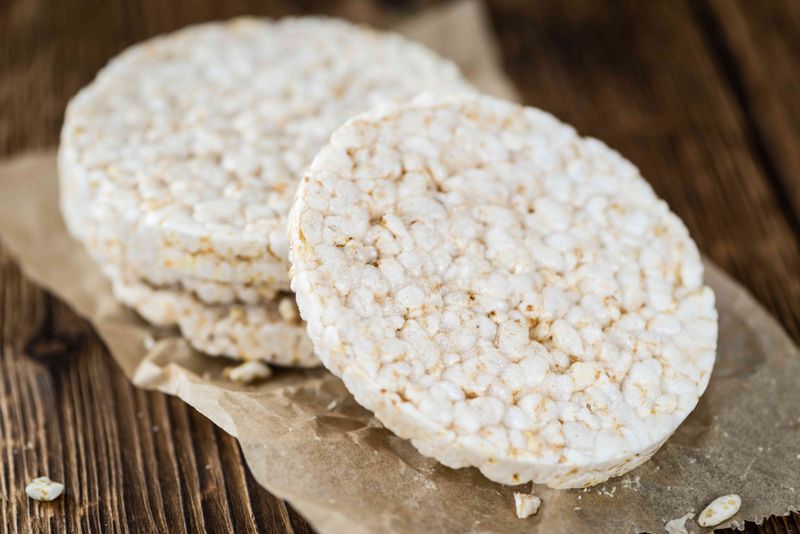
Rice cakes became famous during the low-fat diet craze of the 1980s and 1990s, and they never quite shed that health-food image. They are low in calories, which is true, but they are also made from refined white rice and have almost zero protein, fiber, or healthy fat.
That means they digest very quickly and leave you hungry again within an hour. They also score high on the glycemic index.
Topping them with nut butter or avocado at least adds some staying power to an otherwise empty snack.
10. Multigrain Bread
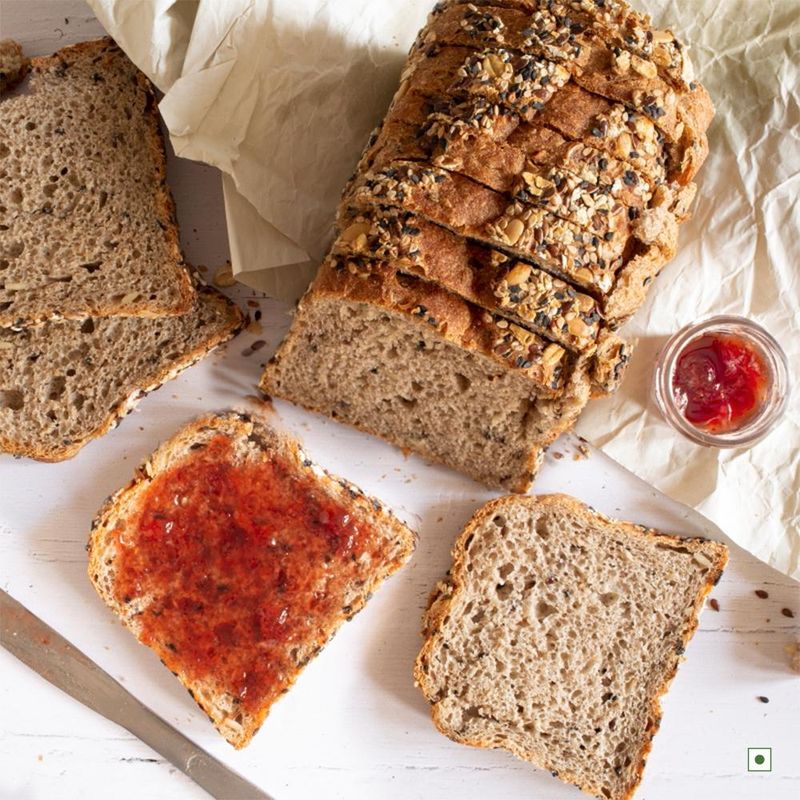
Multigrain sounds incredibly wholesome, like bread made from a hearty mix of ancient grains. The word just means the bread contains more than one type of grain – but those grains can still be refined and stripped of their nutrients.
It does not mean the bread is whole grain.
Always look for “100% whole grain” or “100% whole wheat” as the very first ingredient on the label. If the first ingredient is enriched flour, that loaf is closer to white bread than it appears on the outside.
11. Low-Fat Peanut Butter
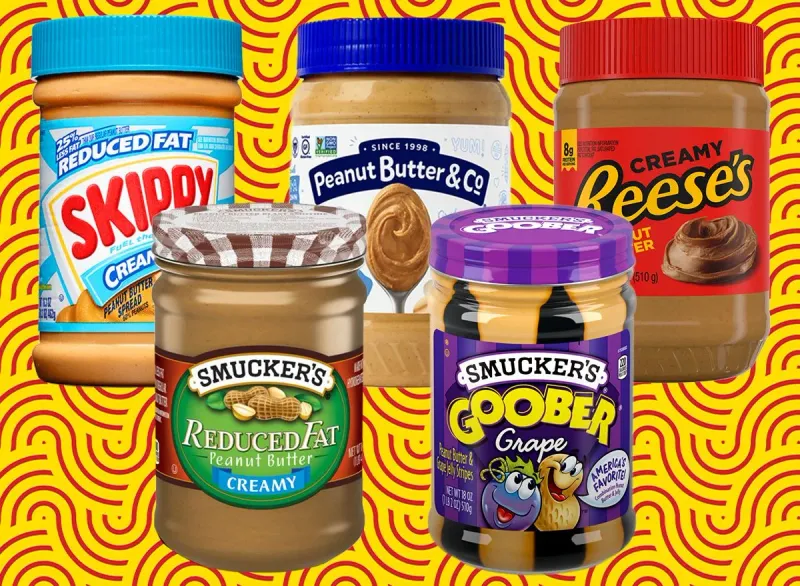
Natural peanut butter is genuinely nutritious, full of healthy fats, protein, and magnesium. So when food companies created low-fat versions, many people assumed they were making an even better choice.
The reality is that removing fat from peanut butter just makes it taste worse.
To fix that, manufacturers add sugar and maltodextrin to compensate for the missing richness. You end up with a product that has more sugar and fewer healthy fats.
Regular peanut butter in reasonable amounts is the smarter, more satisfying option by far.
12. Sports Drinks
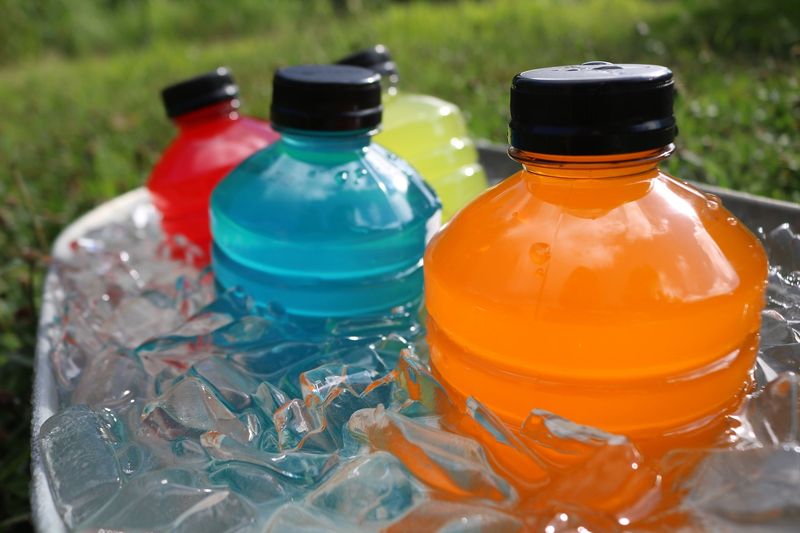
Sports drinks like Gatorade were originally designed for endurance athletes sweating through intense workouts lasting over an hour. They do a solid job of replacing electrolytes in those specific situations.
The issue is that most people drinking them are just going for a casual walk or sitting at a desk.
For everyday activity, a sports drink is basically sugar water with food dye. A single bottle can have 34 grams of sugar.
Plain water handles normal hydration perfectly well, and it costs almost nothing.
13. Coconut Oil
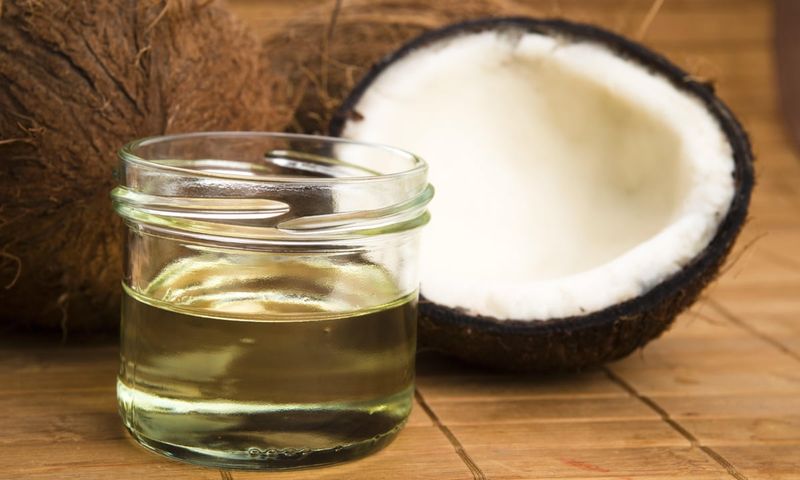
Coconut oil had a massive moment in the wellness world, celebrated as a miracle fat that could do everything from boosting metabolism to improving brain function. While it does contain medium-chain triglycerides, which have some interesting properties, coconut oil is also about 82% saturated fat.
That is more saturated fat than butter. The American Heart Association has cautioned against using it in large amounts.
Using it occasionally is fine, but treating it as a daily health supplement is not supported by strong scientific evidence.
14. Acai Bowls
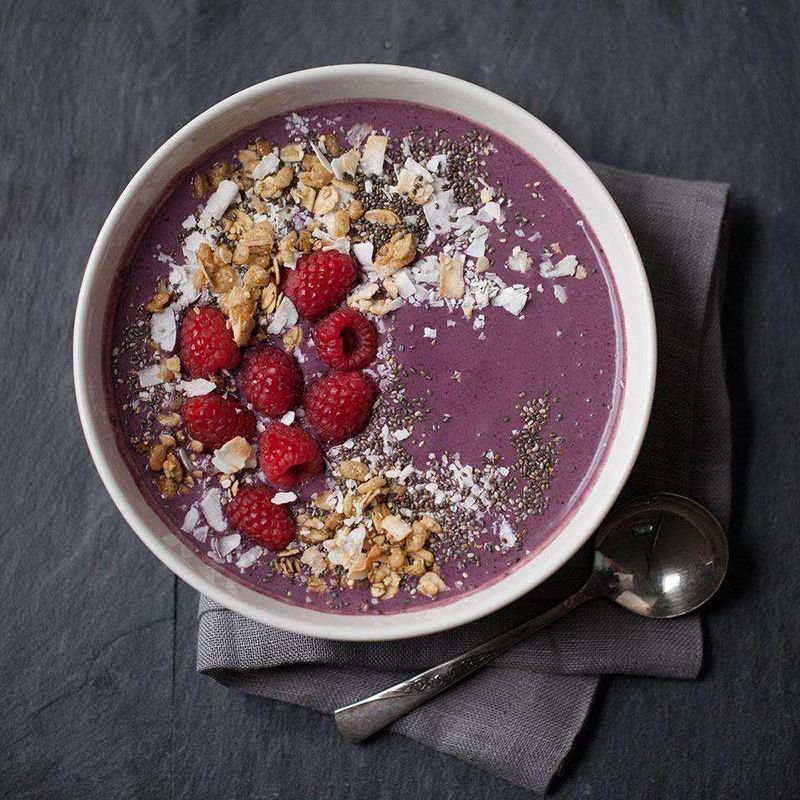
Acai bowls look absolutely stunning on social media, layered with berries, granola, and tropical fruits. Acai berries themselves are genuinely rich in antioxidants, which is great.
The problem is what gets piled on top and blended in at most restaurants and smoothie chains.
A large acai bowl can easily contain 600 to 900 calories and 70 grams of sugar by the time granola, honey, and sweetened fruit are added. Making a smaller version at home with unsweetened acai, fresh berries, and a sprinkle of seeds keeps things balanced.
15. Diet Soda

Switching from regular soda to diet soda feels like a smart move because you are cutting out all those calories and sugar. Research on artificial sweeteners, however, tells a more complicated story.
Some studies suggest that sweet-tasting drinks, even without calories, can keep sugar cravings alive and strong.
Certain artificial sweeteners may also affect gut bacteria in ways scientists are still studying. Diet soda is not necessarily a health food just because it has zero calories.
Sparkling water with a squeeze of lemon is a genuinely refreshing alternative worth trying.
16. Frozen Diet Meals
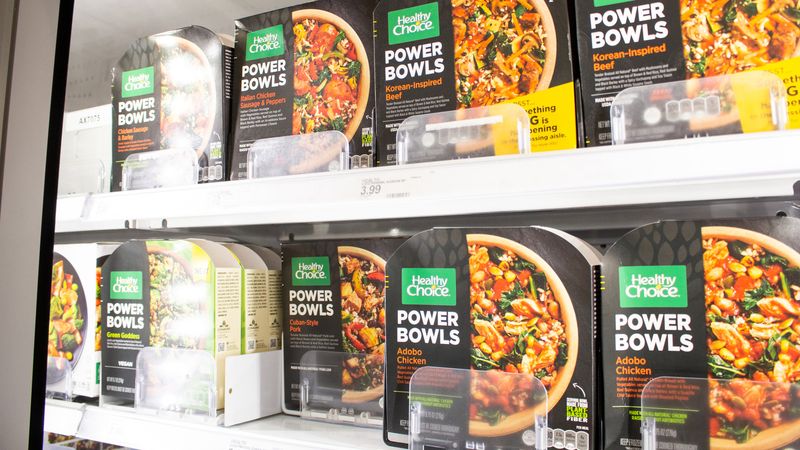
Frozen diet meals promise balanced nutrition in a convenient tray, and the calorie counts on the box are often genuinely low. The catch is usually sodium.
Many of these meals contain 800 to 1,200 milligrams of sodium, which is a huge chunk of the recommended daily limit.
High sodium intake over time is linked to high blood pressure and increased risk of heart disease. The portions are also quite small, leaving many people hungry an hour later.
Meal prepping simple whole foods on the weekend can save time just as effectively.
17. Flavored Oatmeal Packets
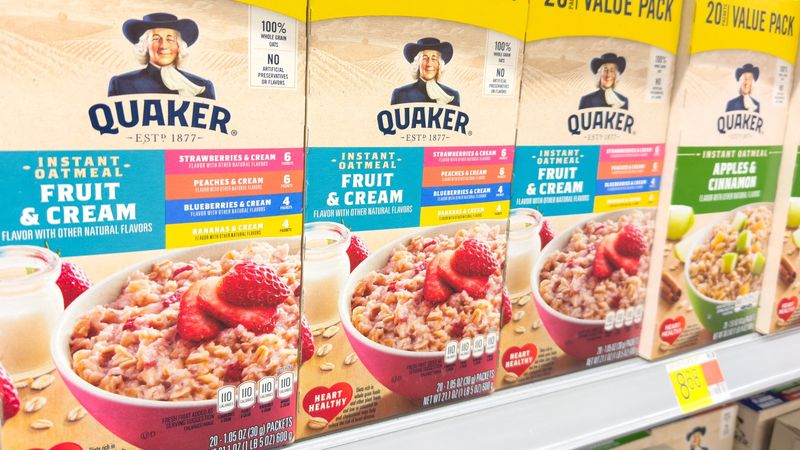
Plain oatmeal is one of the best breakfast foods around, loaded with fiber, complex carbohydrates, and heart-healthy beta-glucan. Instant flavored oatmeal packets, though, are a very different product hiding behind the same wholesome reputation.
Many packets contain 12 to 15 grams of added sugar per serving.
Some varieties also have artificial flavors and very little actual fiber compared to old-fashioned rolled oats. Cooking plain oats and stirring in a sliced banana or a handful of blueberries gives you real sweetness along with actual nutritional benefits.
18. Vitamin Water
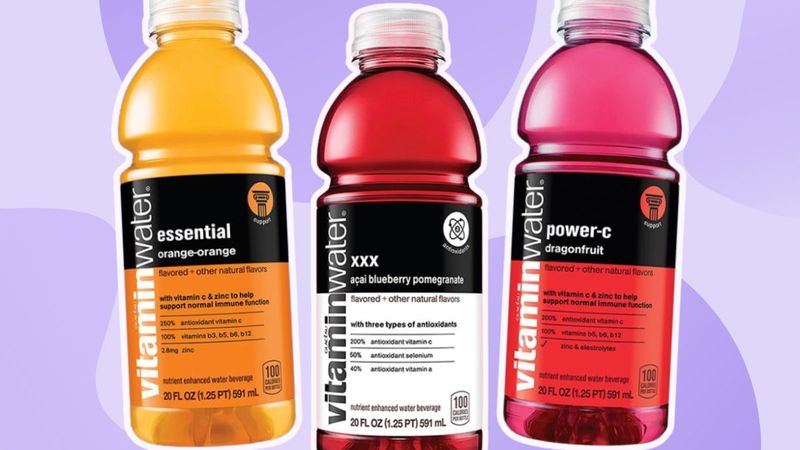
The name alone makes this drink sound like a health supplement you can sip on the go. Vitamins are good, water is good, so the combination must be great, right?
A single bottle of many vitamin water brands contains around 30 grams of sugar, which is more than some candy bars.
The vitamins added are often ones most people already get enough of from food. Drinking a bottle of this regularly adds a surprising amount of sugar to your day without you really noticing.
Plain water with a multivitamin is a far more straightforward approach.
19. Bran Muffins
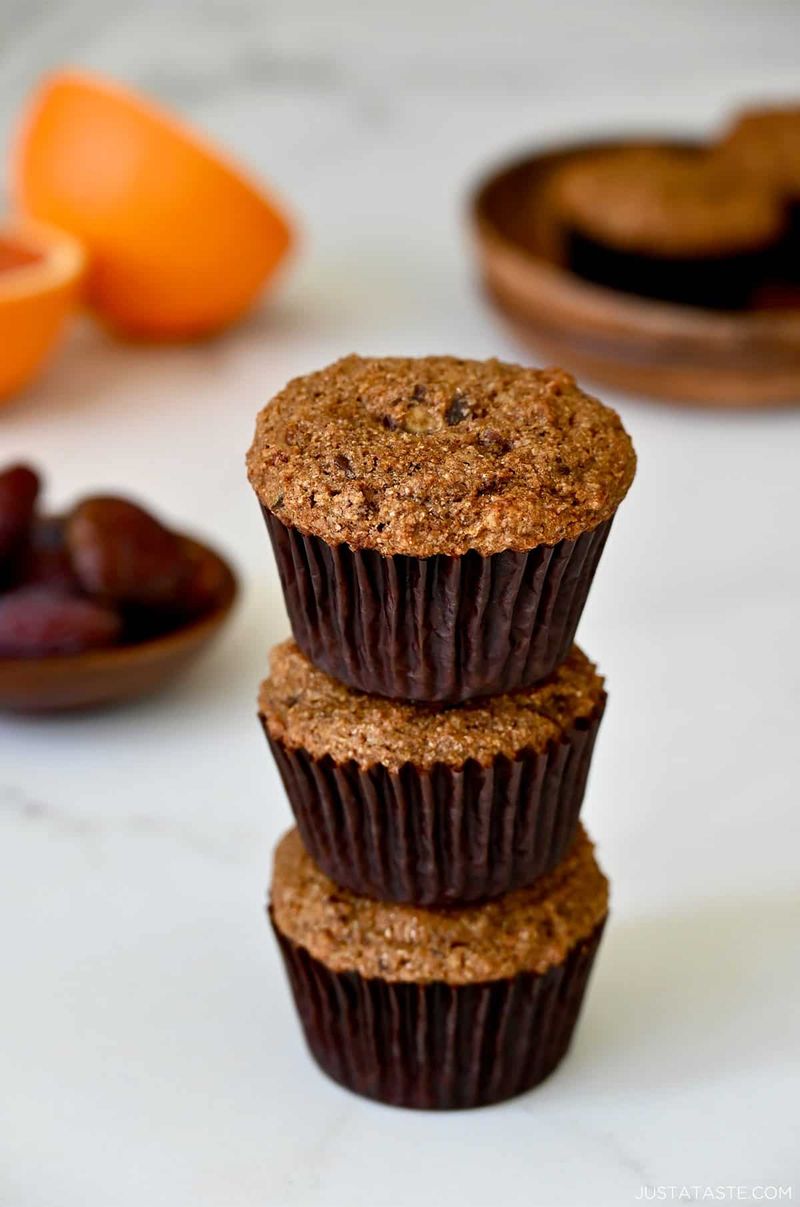
Bran muffins have long been considered a responsible breakfast choice, especially compared to something like a chocolate croissant. Bran itself is genuinely good for digestion, providing fiber that keeps your gut moving smoothly.
The issue is that commercial bran muffins are enormous and loaded with butter, oil, and sugar.
A bakery bran muffin can easily top 400 to 500 calories with 30 grams of sugar. At that point, it is basically cake with better branding.
Homemade mini bran muffins using whole wheat flour and less sugar are a much more honest option.
20. Pretzels

Pretzels have always been seen as the responsible snack in the vending machine because they are low in fat. That part is true – pretzels are not greasy like chips.
But low fat does not automatically mean nutritious, and pretzels make that point clearly.
They are made from refined white flour, offer almost no fiber or protein, and are very high in sodium. They also rank high on the glycemic index, causing a quick blood sugar spike followed by a crash.
Nuts or whole grain crackers with cheese make a far more satisfying snack.
21. Plant-Based Meat Alternatives

Plant-based burgers and sausages have exploded in popularity, marketed as a healthier and more ethical alternative to meat. Choosing plants over animals does have real environmental benefits, and these products have made it easier for people to reduce meat consumption.
However, many are highly processed.
Some plant-based patties contain more sodium and saturated fat than a regular beef burger. They also often include a long list of additives and preservatives.
Whole food plant proteins like beans, lentils, and tofu are far less processed and generally a better nutritional choice.
22. Trail Mix
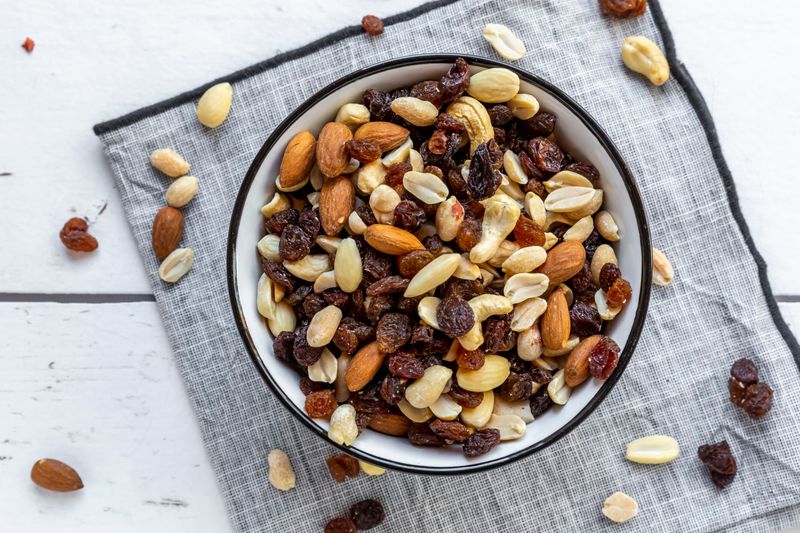
Trail mix started as fuel for hikers and backpackers burning thousands of calories on long mountain trails. In that context, its calorie density makes perfect sense.
For someone sitting at a desk or watching TV, though, a few handfuls can add up to 500 or 600 calories very quickly.
Store-bought versions often include chocolate candies, sugary dried cranberries, and salted nuts, turning a practical hiking snack into something much closer to a dessert mix. Making your own blend with plain nuts, seeds, and a small amount of dark chocolate keeps it genuinely useful.