
Wheat flour is a kitchen staple in many homes, but it is far from the only option out there. Across the world, people have been using flours made from rice, corn, chickpeas, and more for thousands of years.
These alternative flours are packed with flavor, history, and cultural meaning. Whether you are exploring gluten-free cooking or just curious about global food traditions, these 17 recipes are a great place to start.
1. Injera – Ethiopian Teff Flatbread
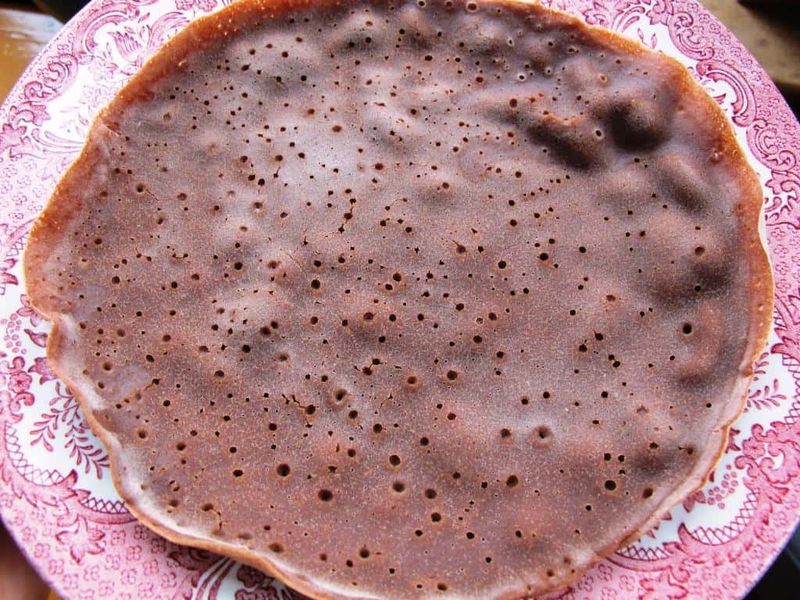
Spongy, tangy, and unlike any bread you have probably tried before, injera is the heart of Ethiopian cuisine. Made from teff, a tiny ancient grain native to the Horn of Africa, this flatbread doubles as both plate and utensil.
You scoop up stews and salads right off it.
Teff flour is naturally gluten-free and rich in iron. The batter is fermented for a few days before cooking, which gives injera its signature sour flavor.
2. Socca – French Chickpea Crepes
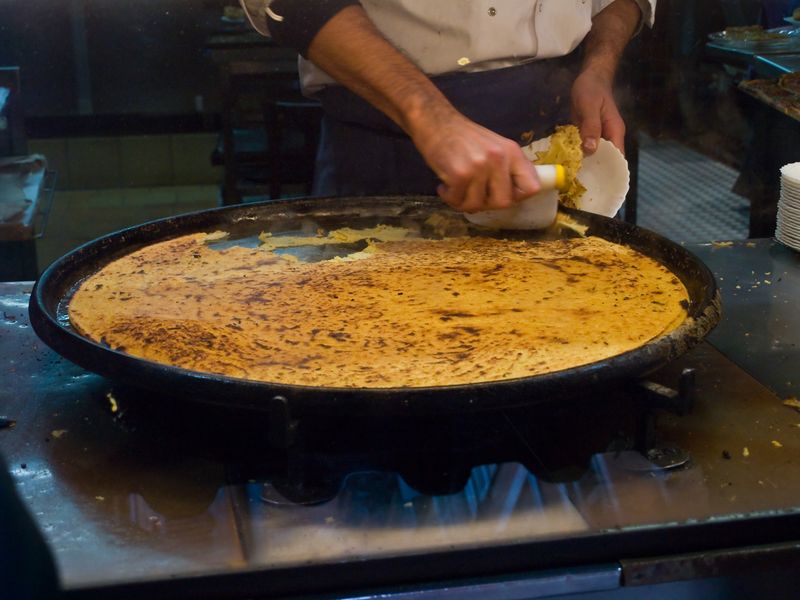
Street food lovers in Nice, France, have been snacking on socca for centuries. Made from just chickpea flour, water, olive oil, and salt, this thin crepe-like pancake is cooked at blazing heat until its edges turn crispy and golden.
Chickpea flour gives socca a nutty, savory flavor that pairs perfectly with a pinch of black pepper. It is naturally vegan and gluten-free, making it a crowd-pleaser at any gathering.
3. Arepas – Colombian and Venezuelan Corn Cakes
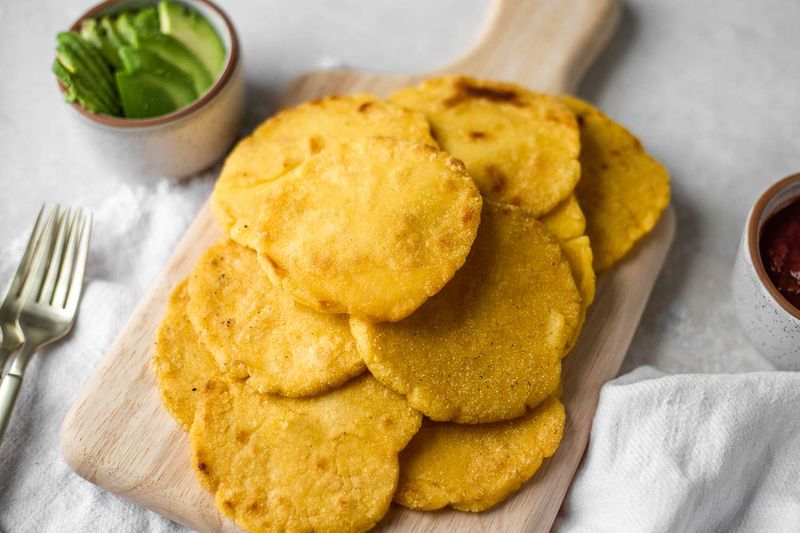
Ask anyone from Colombia or Venezuela what comfort food means to them, and arepas will almost certainly top the list. These round corn cakes are made from a special precooked corn flour called masarepa, mixed with water and salt, then griddled or baked until golden.
Arepas can be stuffed with cheese, beans, eggs, or meat. Every family has its own version, and regional differences make each one a little unique and special.
4. Farinata – Italian Chickpea Pancake
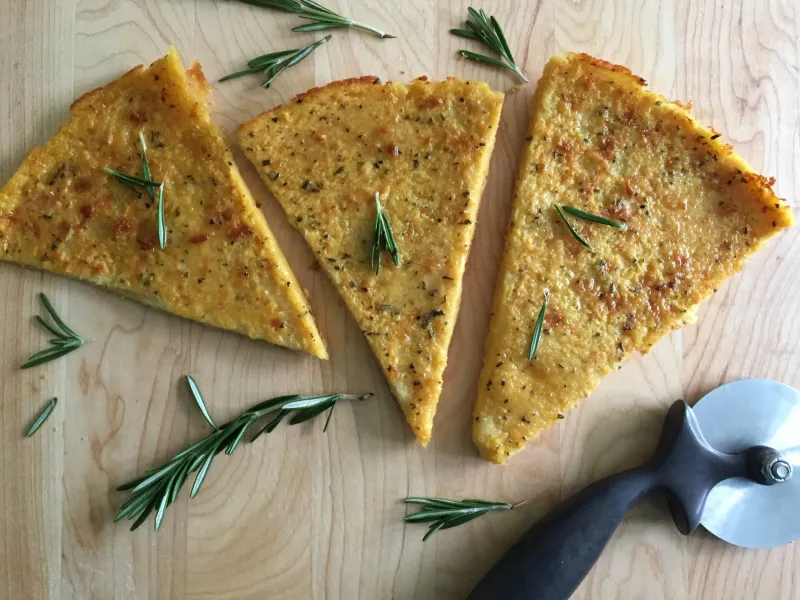
Farinata has been feeding Italians along the Ligurian coast since the 13th century, and its simplicity is exactly what makes it so satisfying. A thin batter of chickpea flour, water, olive oil, and rosemary is poured into a wide pan and baked at high heat.
The result is a crispy outer crust with a creamy, custardy center. Some stories say Genoese sailors accidentally invented it when seawater soaked their chickpea supplies.
5. Tamales – Mesoamerican Masa Corn Dumplings
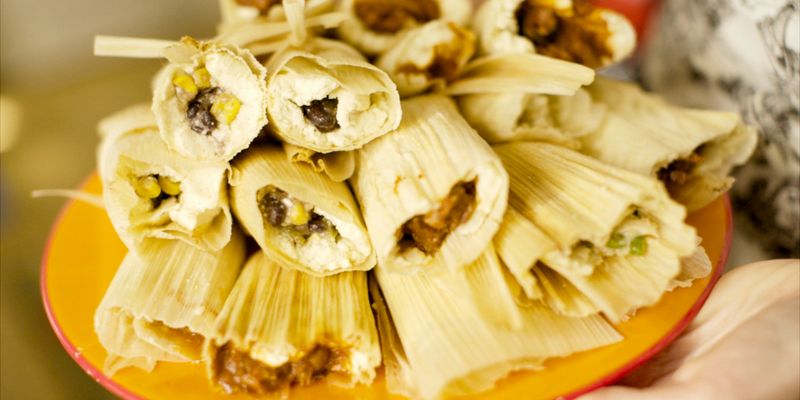
Few foods carry as much cultural history as tamales. Originating in Mesoamerica thousands of years ago, these steamed parcels are made from masa, a dough created from nixtamalized corn flour.
They are wrapped in corn husks or banana leaves before steaming.
Fillings vary wildly by region, from spiced meats and chiles to sweet raisins and cinnamon. Making tamales is traditionally a communal event called a tamalada, where families gather to prepare them together.
6. Buckwheat Galettes – French Brittany Crepes
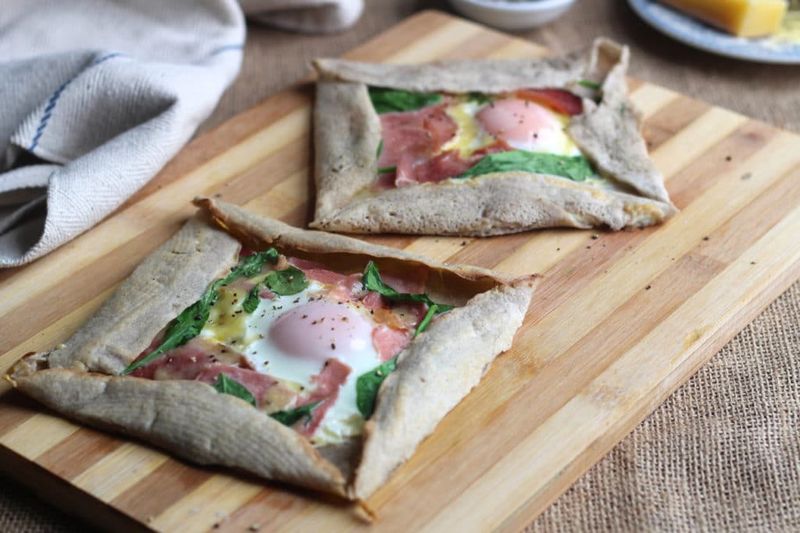
Galettes de sarrasin from the Brittany region of France are the savory cousin of the sweet crepe, and buckwheat flour is what gives them their deep, earthy flavor. Despite the name, buckwheat is not actually wheat at all.
It is a seed related to rhubarb.
Traditionally filled with egg, ham, and Gruyere cheese, these galettes are naturally gluten-free. Brittany locals have been making them for over 700 years, long before wheat became widely available in the region.
7. Soba Noodles – Japanese Buckwheat Noodles
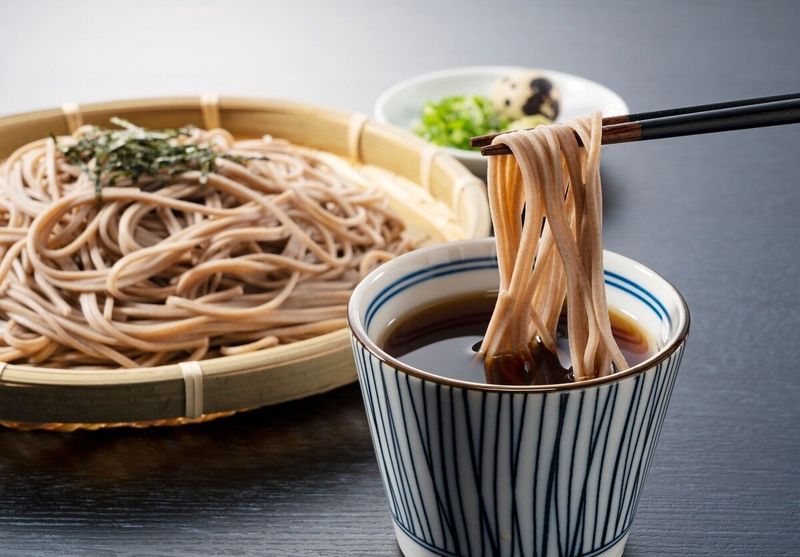
Soba noodles have been a staple of Japanese cuisine since the Edo period, and their nutty, slightly earthy taste sets them apart from any other noodle. Made primarily from buckwheat flour, they can be served hot in broth or chilled with a dipping sauce called tsuyu.
Traditional soba-making is considered a craft in Japan. Skilled artisans called sobaya hand-roll and cut the dough into thin, precise strands.
Eating soba on New Year’s Eve is a beloved Japanese tradition.
8. Besan Chilla – Indian Chickpea Pancakes
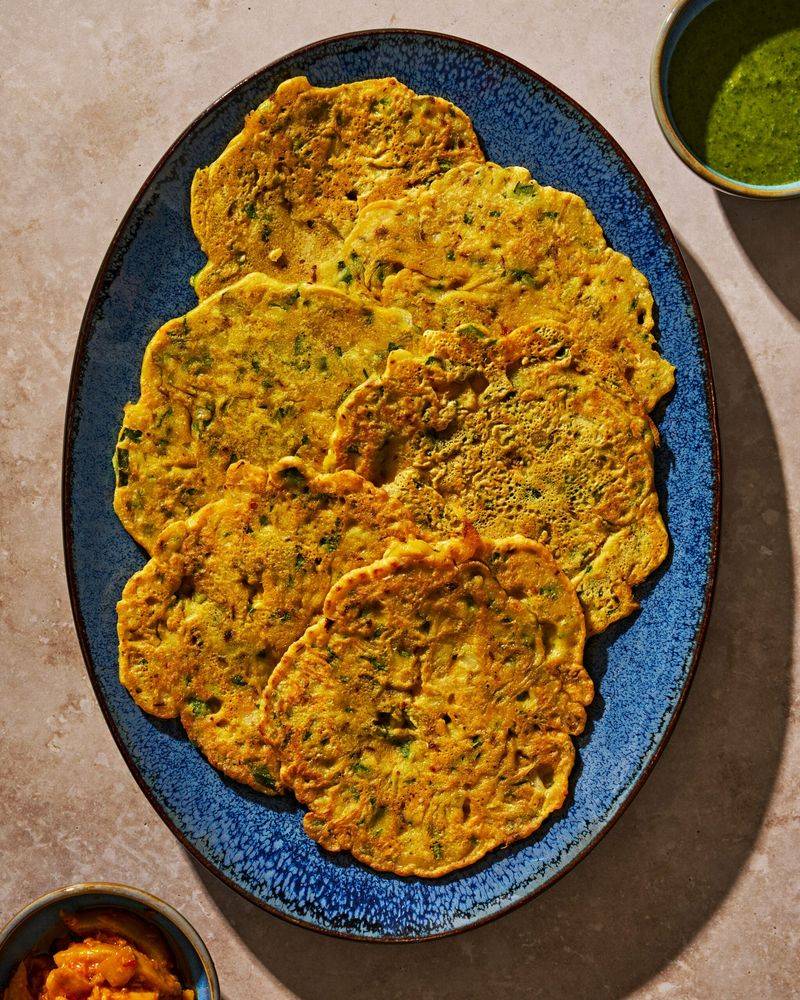
Mornings in many North Indian households start with the sizzle of besan chilla on a hot tawa. Made from chickpea flour mixed with water, spices, and chopped vegetables, this savory pancake is ready in minutes and packed with plant-based protein.
Cooks often add onions, green chiles, grated ginger, and cilantro to the batter for extra punch. It is a budget-friendly, nutritious breakfast that has been part of everyday Indian cooking for generations.
9. Polenta – Northern Italian Cornmeal Porridge
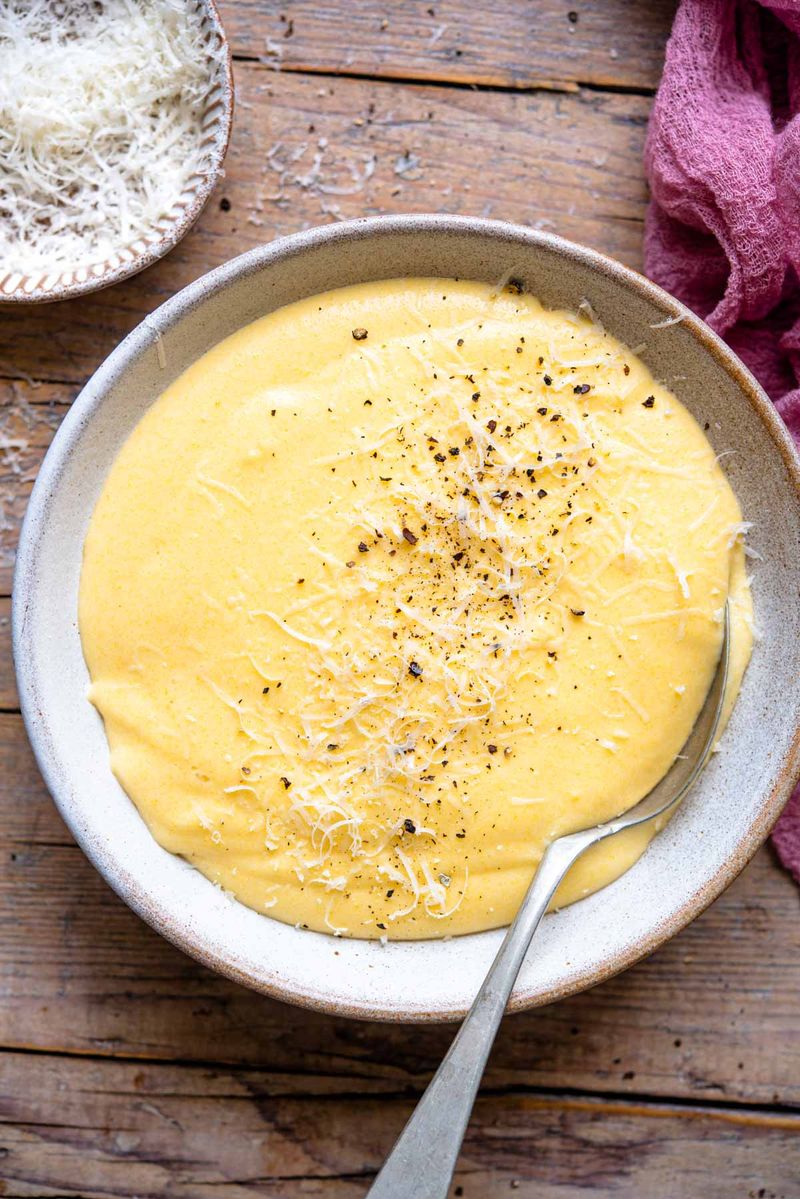
Before pasta became Italy’s most famous comfort food, polenta ruled the tables of Northern Italy. Made by slowly stirring coarse cornmeal into boiling water or broth, it transforms into a thick, golden porridge that is deeply warming and filling.
Polenta can be served creamy straight from the pot or poured into a pan to cool and solidify, then sliced and grilled. Cornmeal flour was introduced to Italy after Columbus brought corn back from the Americas in the 1490s.
10. Hoppers – Sri Lankan Rice Flour Bowl Crepes
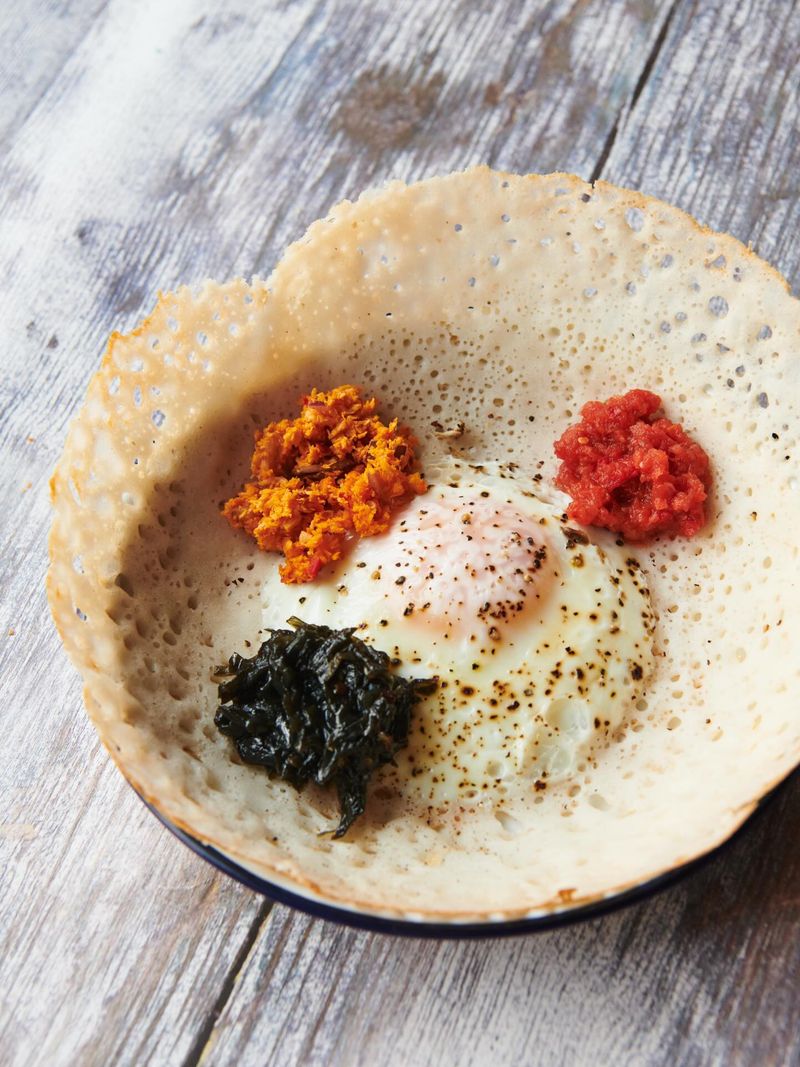
Shaped like tiny bowls with crispy lacy edges and soft, spongy centers, hoppers are one of Sri Lanka’s most iconic breakfast foods. The batter is made from rice flour fermented overnight with a little coconut milk and palm toddy or yeast.
Egg hoppers are a popular variation where an egg is cracked into the center as it cooks. Hoppers are traditionally eaten with coconut sambol and a spicy lentil curry for a full, satisfying morning meal.
11. Mochi – Japanese Glutinous Rice Cakes
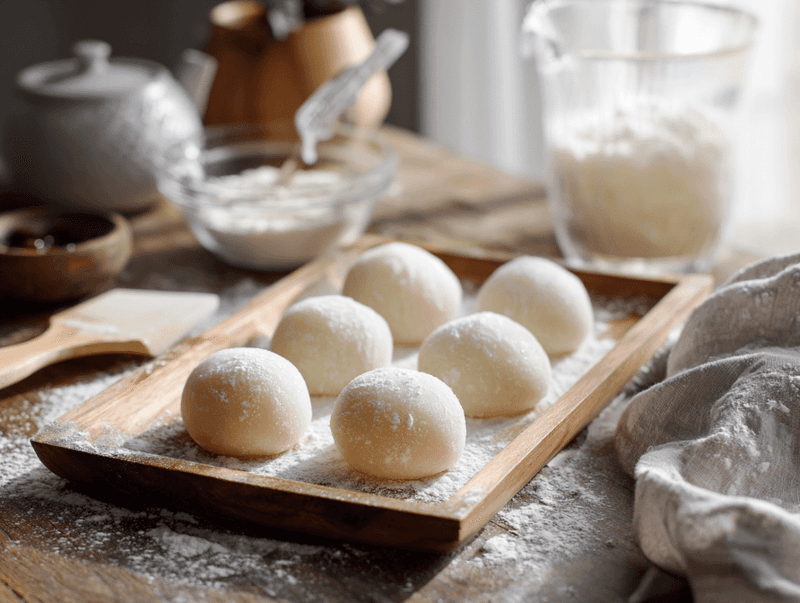
Sticky, chewy, and endlessly versatile, mochi is made by pounding or mixing glutinous rice flour with water and sugar into a smooth, stretchy dough. It has been part of Japanese culture for over a thousand years and plays a central role in New Year celebrations.
Traditional mochi-making involves a ceremonial pounding process called mochitsuki. Today, mochi comes in countless flavors and forms, from ice cream wrappers to grilled skewers dusted with soy sauce and sugar.
12. Cornbread – American Southern Skillet Bread
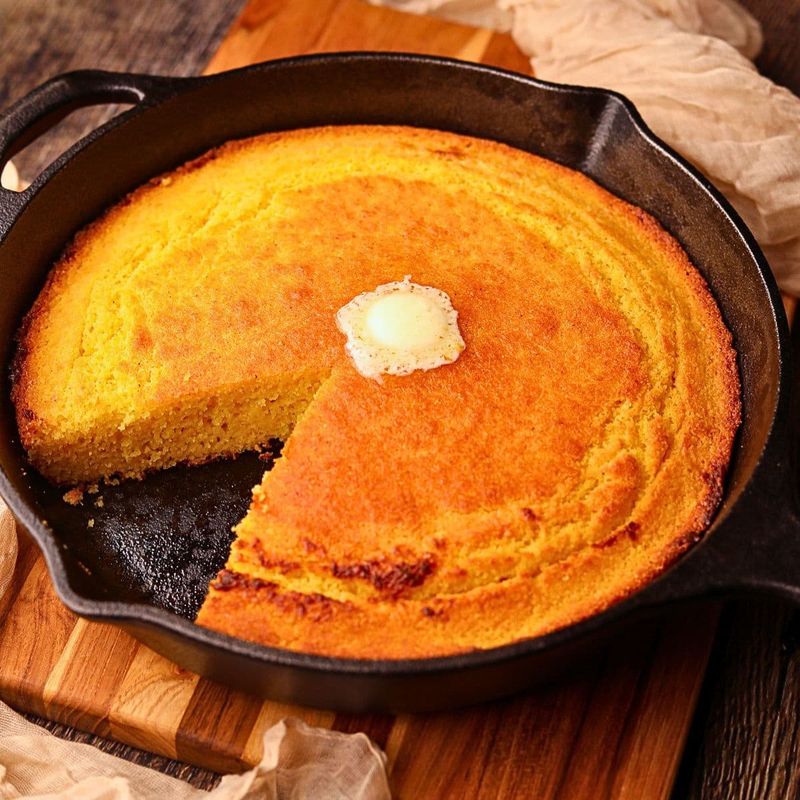
Few baked goods are as tied to a region’s identity as cornbread is to the American South. Made from cornmeal rather than wheat flour, it has a slightly gritty texture and a warm, toasty flavor that pairs perfectly with chili, collard greens, or a bowl of soup.
Southern cornbread is traditionally savory and baked in a preheated cast-iron skillet to create a crackling crust. Native Americans were the first to cook cornbread, long before European settlers arrived.
13. Dhokla – Gujarati Fermented Chickpea Cake
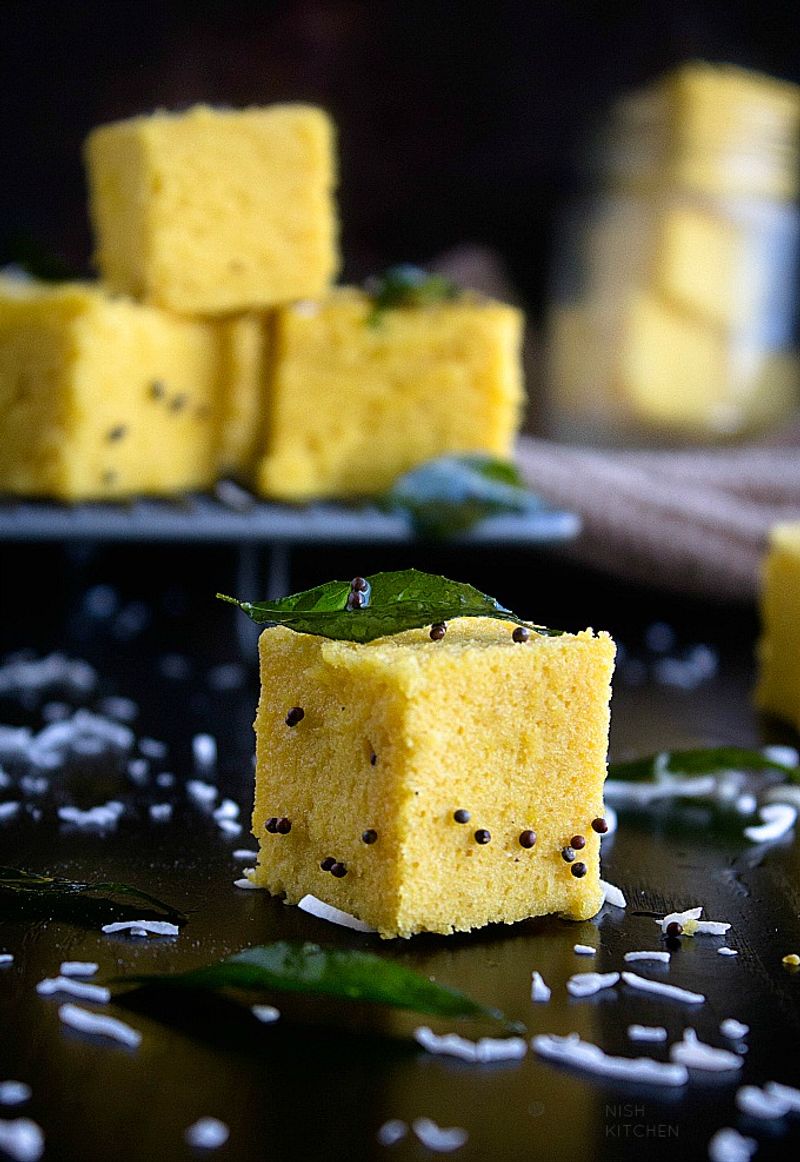
Light as a cloud and tangy from fermentation, dhokla is a steamed savory cake that comes from the western Indian state of Gujarat. The batter is made by soaking and grinding chickpea flour with rice, then fermenting it overnight before steaming.
A hot oil tempering of mustard seeds, curry leaves, and green chiles is poured over the top right before serving. Dhokla is a popular snack, breakfast food, and party appetizer across all of India.
14. Chestnut Pasta – Italian Tuscan Pappardelle
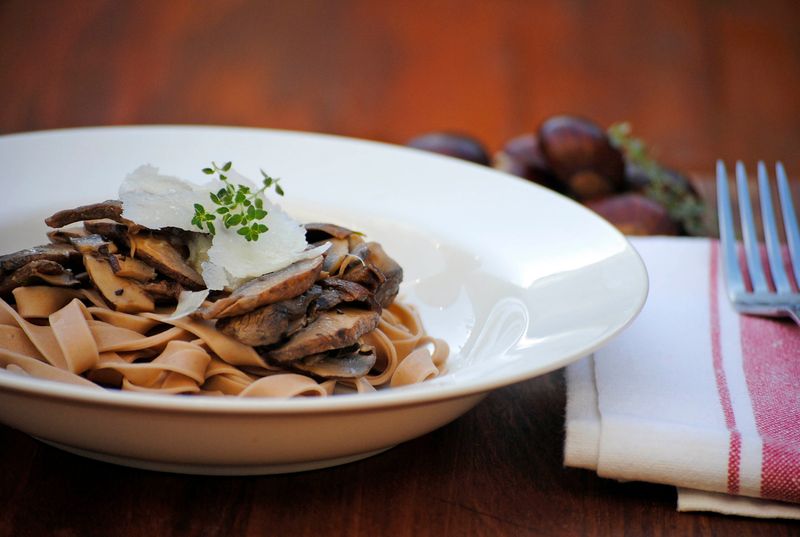
Long before wheat flour was affordable for rural Italian families, chestnut trees provided a free and abundant harvest. In Tuscany and Liguria, chestnut flour was ground and used to make pasta, bread, and polenta-like porridge called polenta di farina dolce.
Chestnut pasta has a naturally sweet, nutty flavor that pairs beautifully with earthy mushroom or walnut-based sauces. It is making a comeback today among food lovers who appreciate rustic, heritage cooking techniques and bold, distinctive flavors.
15. Akara – West African Black-Eyed Pea Fritters
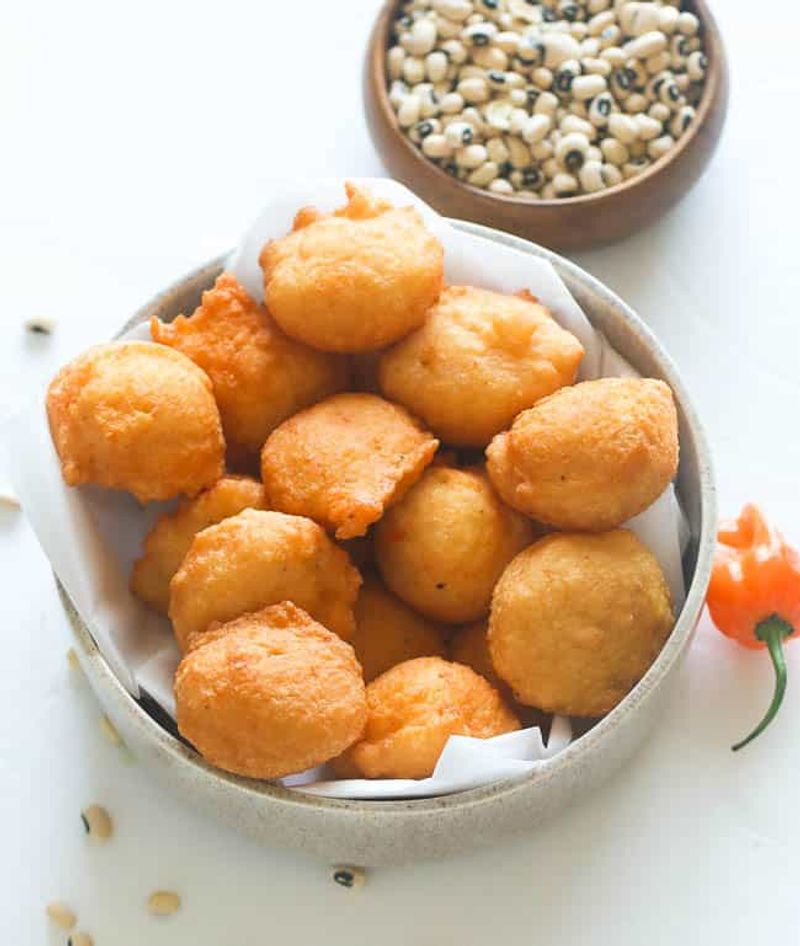
Crispy on the outside and fluffy on the inside, akara is a beloved street food found across West Africa, especially in Nigeria, Benin, and Ghana. Made from black-eyed peas that are soaked, peeled, and ground into a thick batter, these fritters are fried until golden.
Akara traveled across the Atlantic with enslaved Africans and evolved into acaraje in Brazil. Seasoned with onion and peppers, it is a high-protein, satisfying snack enjoyed from sunrise to sunset.
16. Tarhana Soup – Turkish Fermented Grain Soup Base
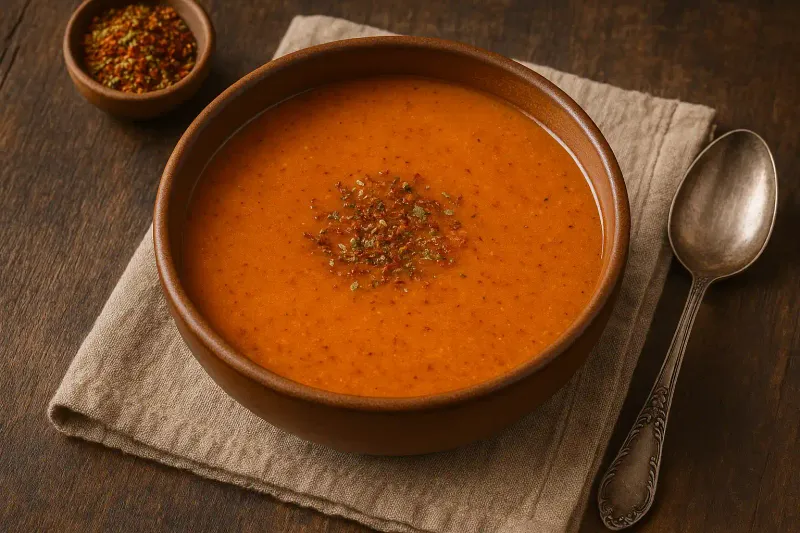
Tarhana is one of the world’s oldest instant soup bases, and Turkish families have been making it for over a thousand years. It starts as a mixture of fermented yogurt, vegetables, and flour made from wheat-free grains or chickpeas, which is dried and crumbled into a powder.
When cooked with water or broth, tarhana becomes a thick, tangy, deeply nourishing soup. Every region of Turkey has its own tarhana recipe, making it a beautifully diverse and deeply personal dish.
17. Pao de Queijo – Brazilian Tapioca Cheese Bread
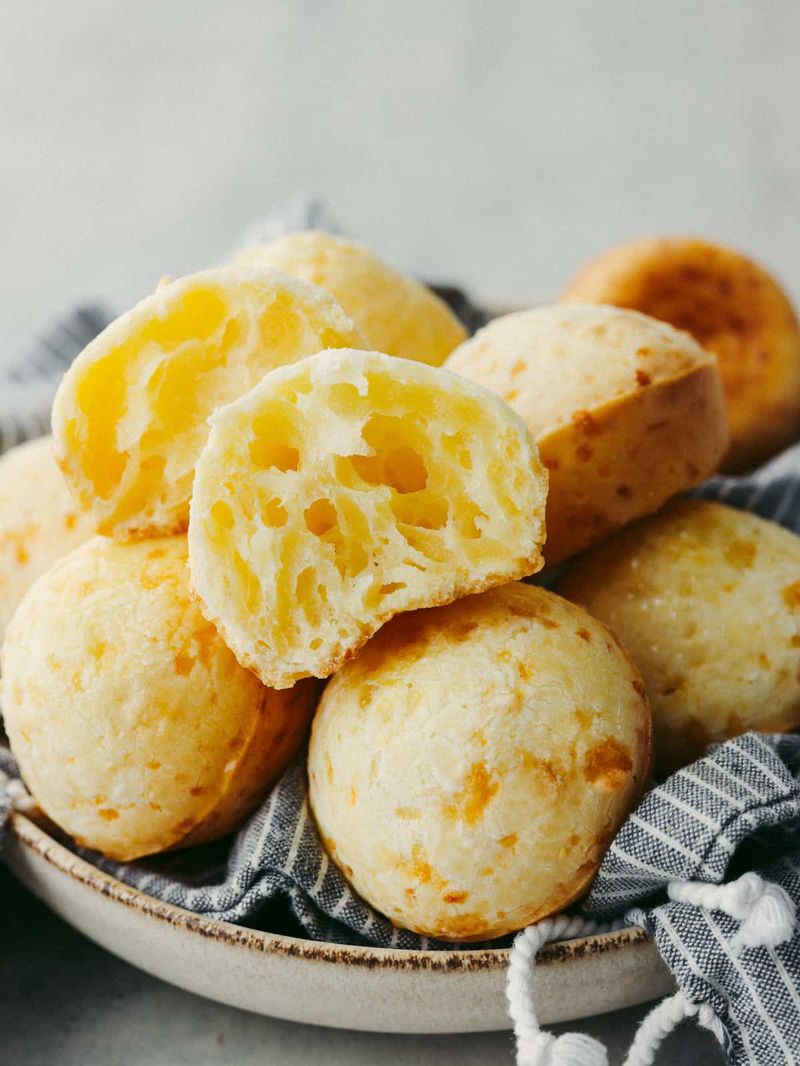
Chewy, cheesy, and dangerously addictive, pao de queijo is Brazil’s favorite bread roll, and it contains zero wheat flour. Made from tapioca starch, eggs, oil, and a generous amount of salty cheese, these little rolls puff up in the oven into golden, hollow spheres.
Tapioca starch comes from the cassava root, a plant native to South America. Pao de queijo originated in the state of Minas Gerais and is now enjoyed all over Brazil as an everyday breakfast staple.