
Clay pots have been used in kitchens around the world for thousands of years, and there are very good reasons why cooks keep reaching for them. The thick, porous walls of a clay pot hold heat evenly, lock in moisture, and add a subtle earthy flavor that metal pans simply cannot match.
From slow-cooked stews in Morocco to spiced rice dishes in India, these traditional recipes taste better when made the old-fashioned way. Get ready to discover 16 dishes that prove clay pot cooking is a timeless art worth keeping alive.
1. Moroccan Lamb Tagine
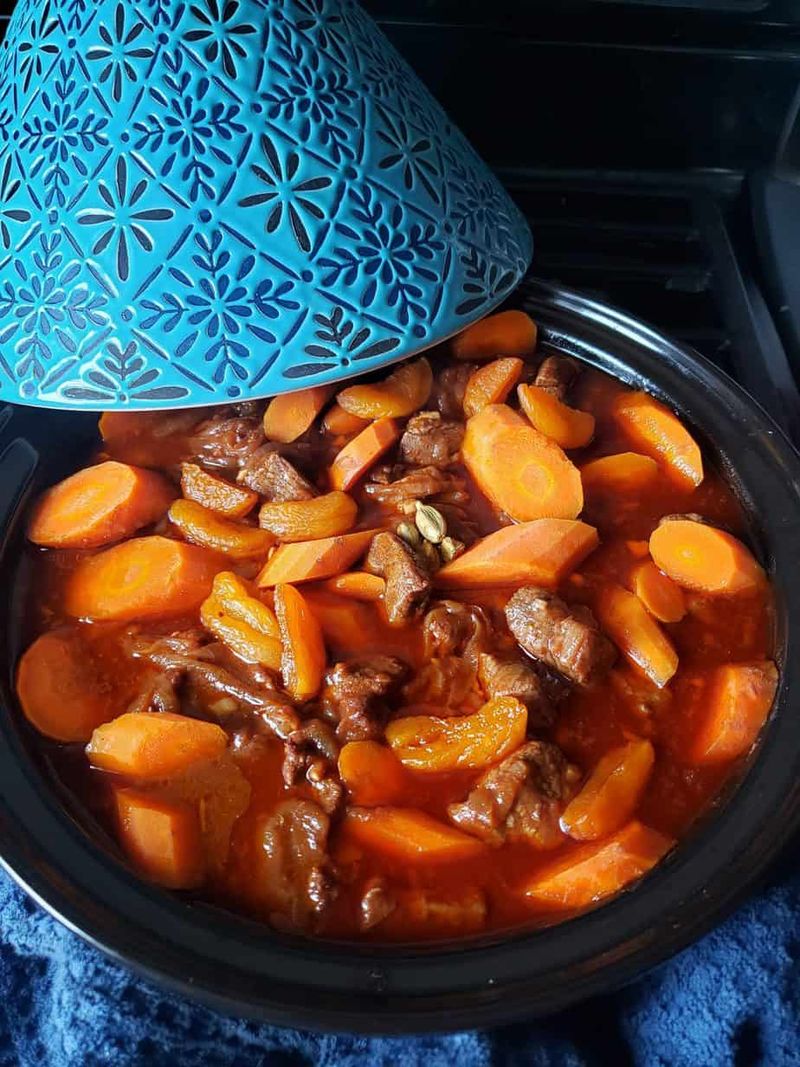
Few smells in the world are as welcoming as a Moroccan lamb tagine bubbling away on the stove. The cone-shaped clay lid traps steam and sends it cycling back down over the meat, keeping every bite incredibly tender and juicy.
Spices like cinnamon, cumin, and saffron meld together over hours of slow cooking. The clay walls absorb and radiate heat so gently that even tough cuts of lamb become fork-tender without drying out.
2. Indian Biryani
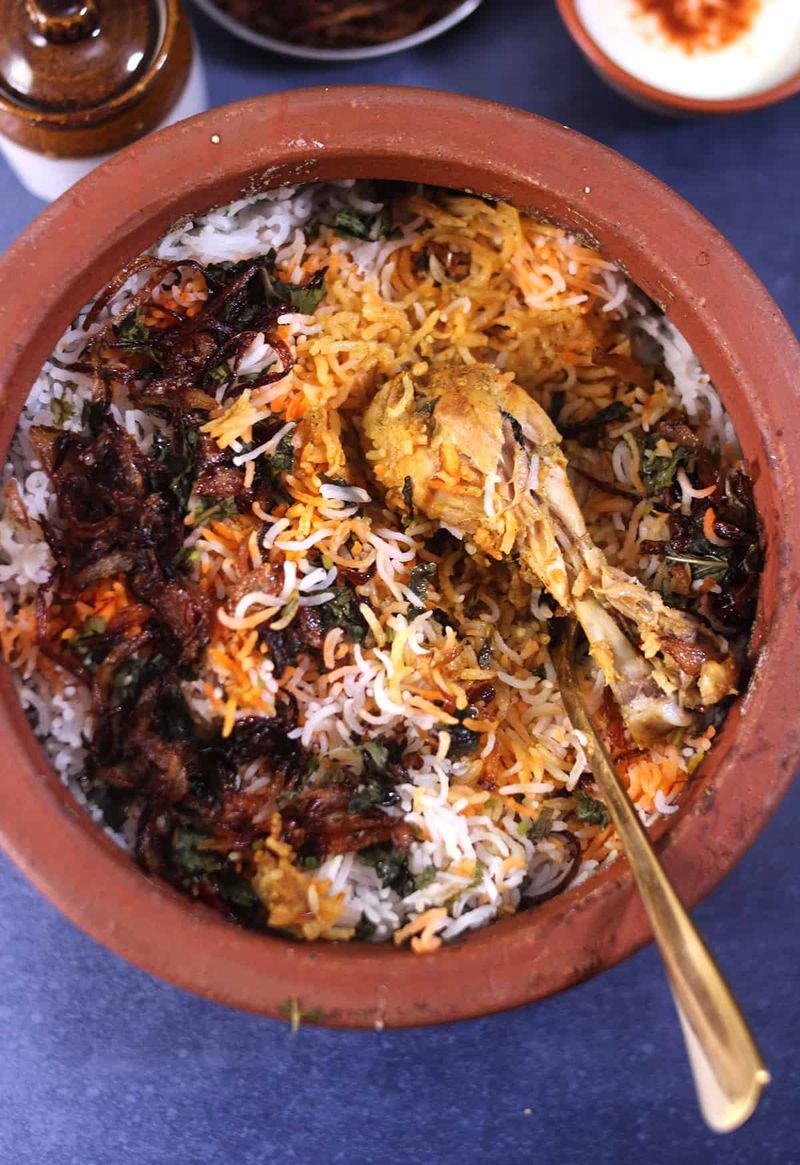
Biryani cooked in a sealed clay handi is something completely different from the stovetop version. The dough-sealed lid creates a pressure chamber that forces every grain of basmati rice to absorb the saffron, rose water, and spiced meat juices beneath it.
This technique, called dum cooking, has been practiced in India for centuries. The clay pot never gets too hot in one spot, so the rice steams perfectly from bottom to top without burning.
3. Spanish Cocido Madrileno
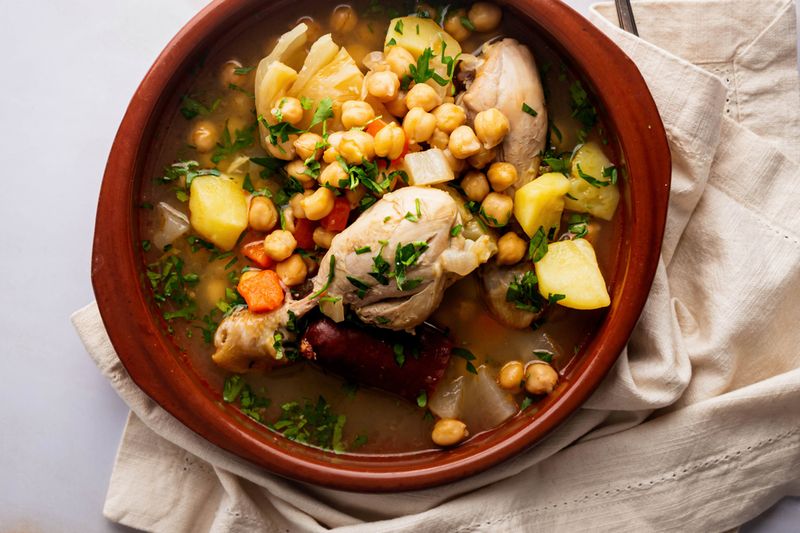
Madrid has been warming its winters with cocido madrileno for centuries, and the clay cazuela is the secret behind its soul-satisfying depth. Chickpeas, chorizo, morcilla, and root vegetables simmer together low and slow until the broth becomes rich and velvety.
Clay conducts heat so evenly that nothing sticks or burns on the bottom. The result is a stew where every ingredient keeps its texture while still melding beautifully into one harmonious, deeply flavored pot of comfort.
4. Ethiopian Doro Wat
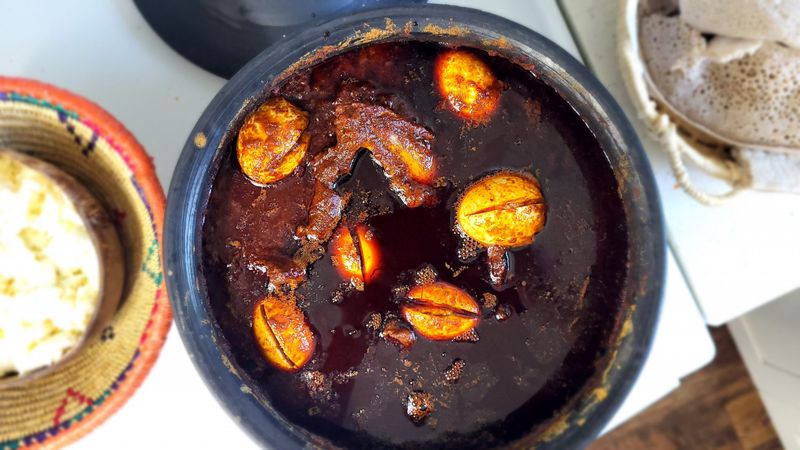
Doro wat is Ethiopia’s most celebrated dish, and cooking it in a clay pot called a mitad or an earthen pot is the traditional way. The berbere spice paste needs hours of slow cooking to lose its raw edge and develop a deep, smoky complexity.
Clay holds a steady, low temperature that coaxes the onions down into a silky base without scorching. Hard-boiled eggs added near the end soak up the fiery red sauce beautifully, making every bite bold and memorable.
5. Mexican Frijoles de Olla
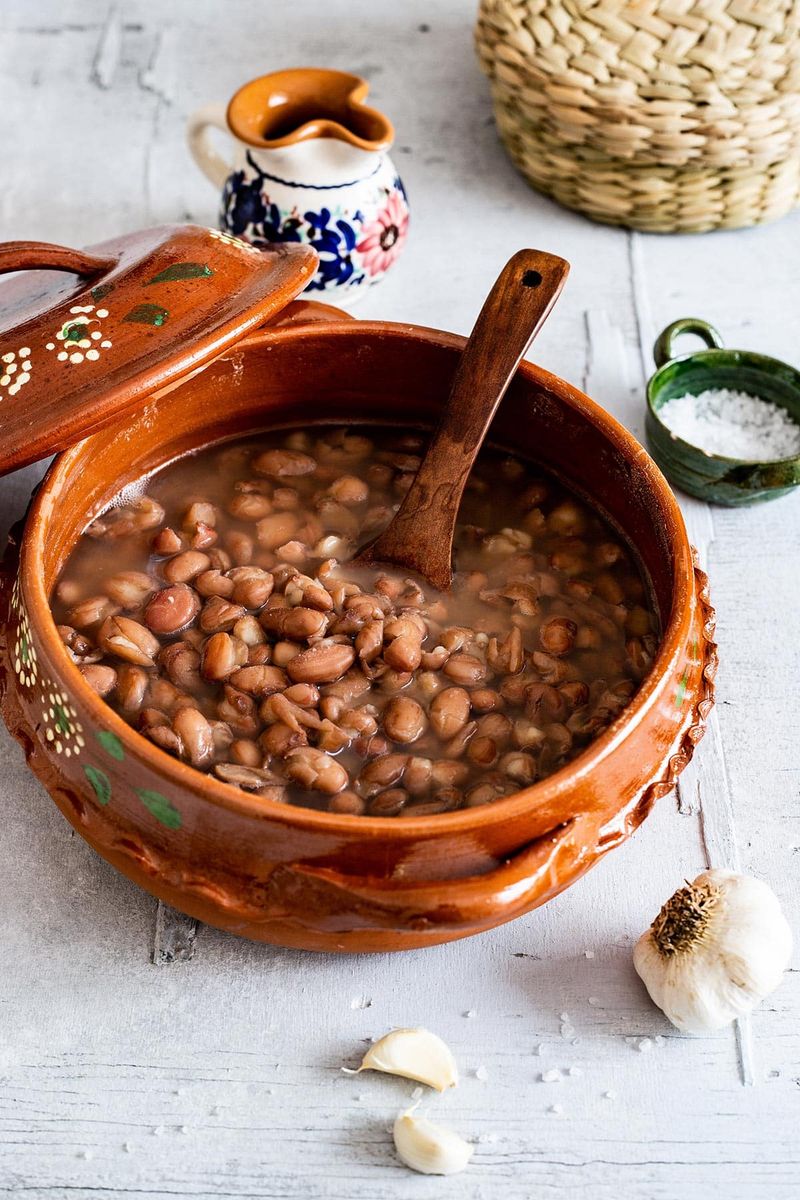
Ask any Mexican grandmother and she will tell you without hesitation that beans cooked in a clay olla taste better than any other method. The porous clay releases tiny amounts of minerals into the water as the beans cook, subtly enriching the broth.
Epazote, onion, and a touch of lard are classic additions. The steady, even heat of the clay means the beans cook gently over hours, developing creamy insides and a broth so flavorful it is practically a soup on its own.
6. Portuguese Cataplana Seafood Stew
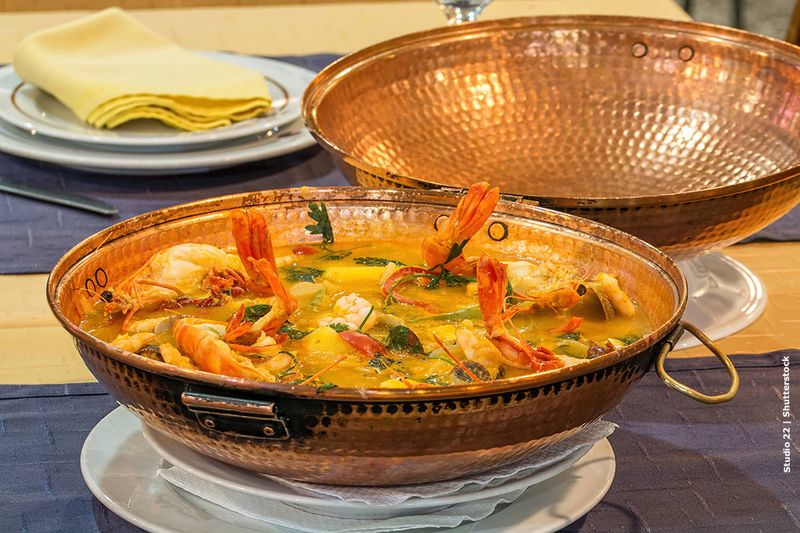
The cataplana is a unique clamshell-shaped clay and copper pot from the Algarve region of Portugal, and it was designed specifically to steam seafood to perfection. Clams, shrimp, and chunks of white fish cook inside with tomatoes, peppers, white wine, and chorizo.
Sealing the two halves together traps all the steam and briny seafood juices inside. When you crack it open at the table, the rush of fragrant steam is half the experience.
The clay keeps every ingredient tender without overcooking.
7. Greek Stifado
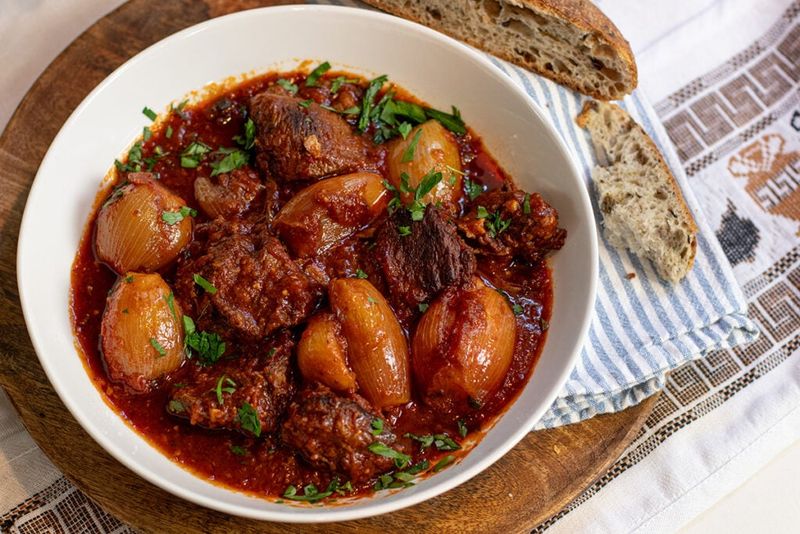
Stifado is a Greek braise that relies almost entirely on patience and a good clay pot to reach its full potential. Whole pearl onions and chunks of beef or rabbit cook together in a thick sauce of tomato, red wine, cinnamon, and cloves.
The clay vessel keeps the heat gentle and consistent, which is exactly what this dish needs. Rushing it in a metal pan makes the onions fall apart and the sauce thin out.
Slow clay cooking keeps the onions whole while the meat becomes meltingly soft.
8. Peruvian Seco de Cordero
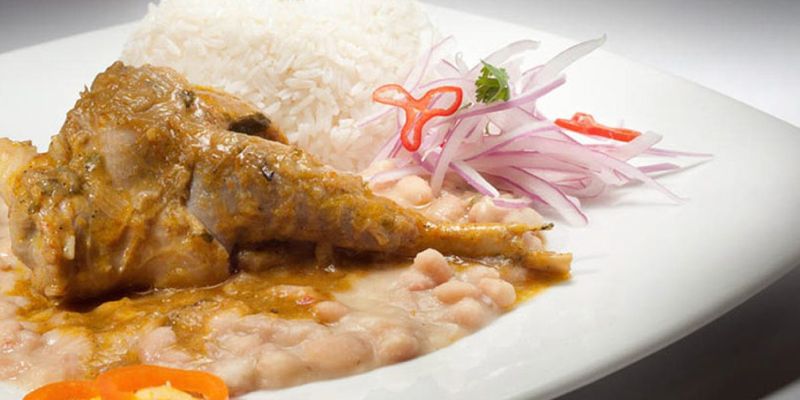
Seco de cordero is a beloved Peruvian stew where lamb is braised in a vivid green sauce made from blended cilantro, chicha de jora beer, and aji amarillo peppers. Cooking it in a clay pot is the traditional Andean approach, and it makes a noticeable difference.
The earthy vessel complements the herbaceous, slightly citrusy flavors of the stew. Slow clay cooking breaks down the lamb until it is fall-apart tender while the sauce thickens naturally around it into something intensely satisfying.
9. Japanese Nabemono Hot Pot
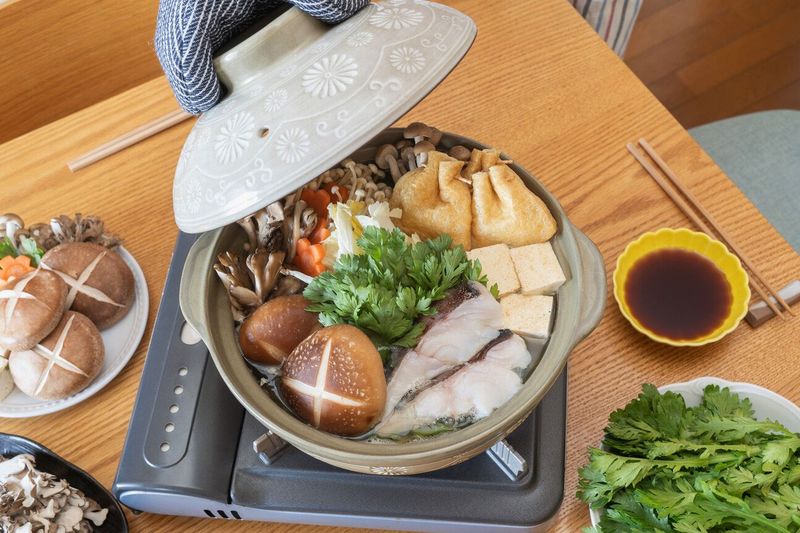
Nabemono, or Japanese hot pot, is a communal meal built around the donabe, a thick-walled clay pot that has been used in Japan for over a thousand years. Ingredients like tofu, mushrooms, sliced beef, and leafy greens are added to a fragrant dashi broth right at the table.
The donabe heats slowly but holds its temperature remarkably well, keeping the broth at a perfect gentle simmer throughout the meal. Families gather around it on cold evenings, cooking and eating together from the same bubbling pot.
10. Indian Meen Kulambu
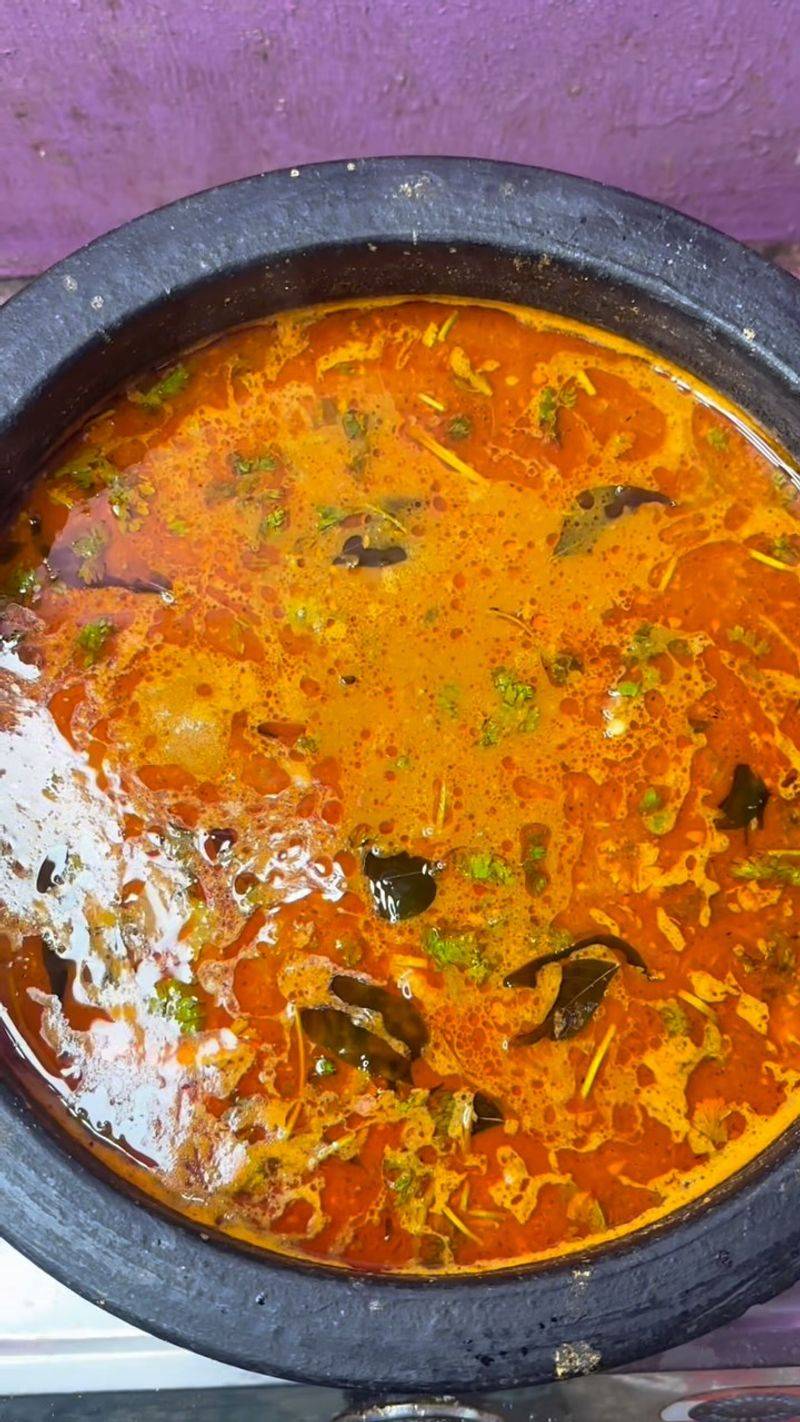
South Indian fish curry cooked in a seasoned black clay pot, known locally as a manchatti, carries a flavor you genuinely cannot replicate in stainless steel. The clay reacts with the tamarind and spices in the kulambu base, adding a mineral depth that local cooks describe as the taste of the earth itself.
Curry leaves, mustard seeds, dried chilies, and kokum simmer with the fish over a wood fire. The pot retains heat so well that the curry continues cooking even after the flame is turned off.
11. Tunisian Ojja
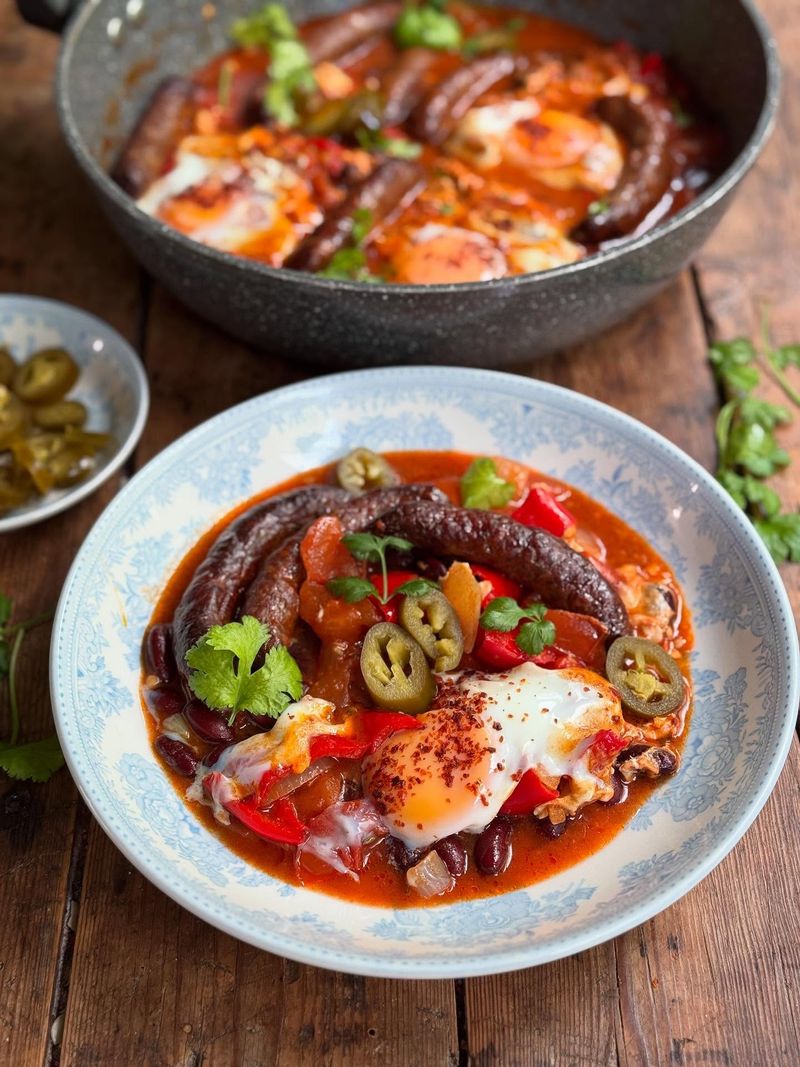
Ojja is Tunisia’s answer to shakshuka, and it has been cooked in shallow clay pots for generations across North Africa. Merguez sausage, peppers, tomatoes, and harissa form a fiery base, and eggs are cracked directly into the sauce to poach gently on top.
The clay distributes heat so evenly that the eggs set perfectly without the bottoms of the sauce burning. Scooping it up with crusty bread straight from the pot at the table is the only proper way to eat it.
12. Chinese Red-Braised Pork Belly
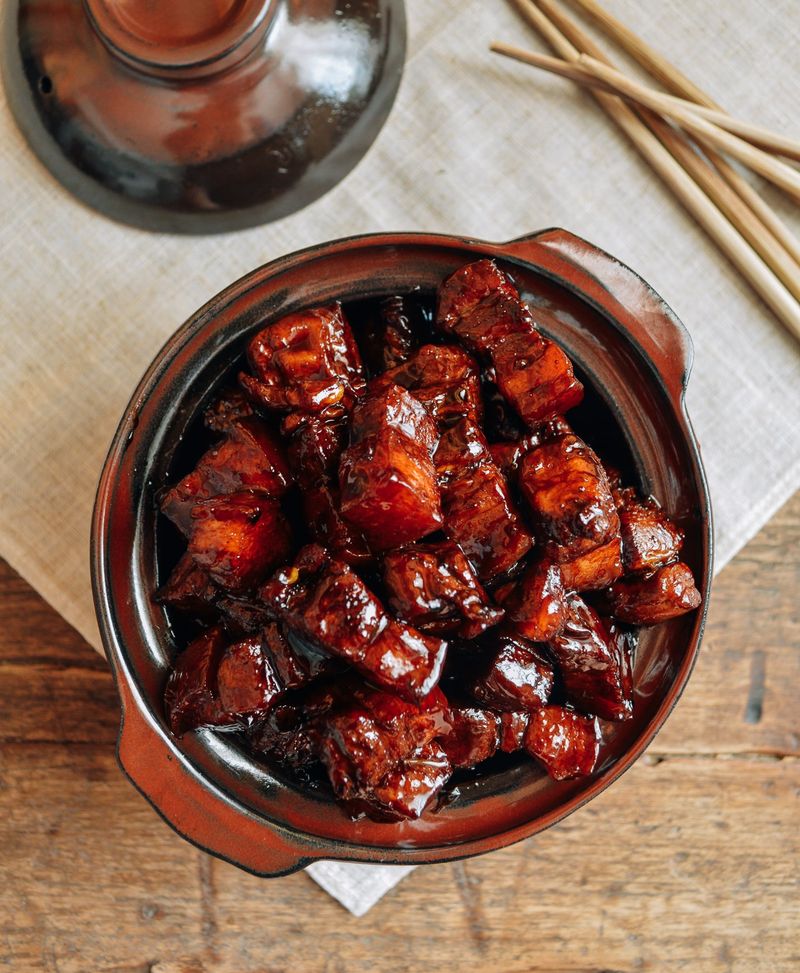
Hong shao rou, or red-braised pork belly, is one of China’s most iconic comfort dishes, and cooking it in a clay sand pot gives it a caramelized, sticky-sweet glaze that is hard to achieve any other way. Soy sauce, Shaoxing wine, and rock sugar slowly reduce around thick slabs of pork belly.
The clay sand pot conducts heat gently from all sides, helping the fat render slowly and the meat absorb the sauce completely. The result is pork that practically dissolves on your tongue.
13. Brazilian Moqueca Baiana
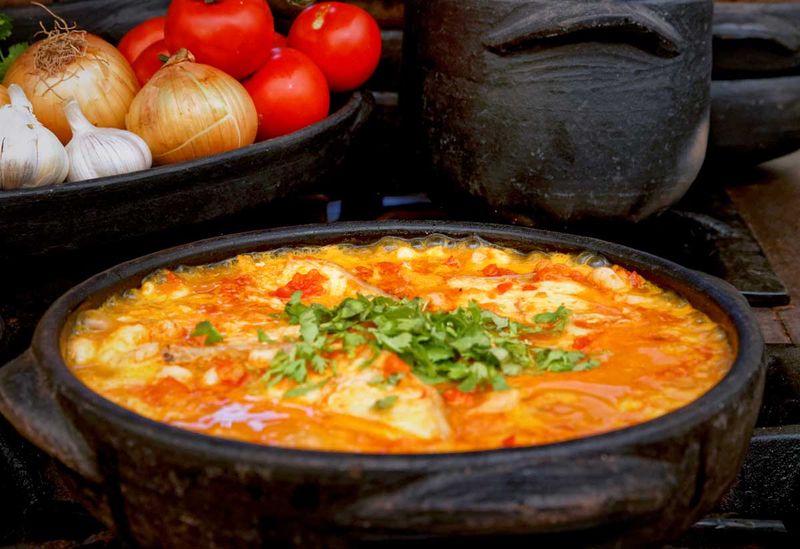
Moqueca baiana from the state of Bahia is one of Brazil’s most beloved dishes, and it is always made in a panela de barro, a dark clay pot crafted from local Espirito Santo clay. Coconut milk, dendê palm oil, tomatoes, and fresh fish come together in a stew that is bright, creamy, and deeply aromatic.
The clay pot holds the gentle simmer needed to keep the fish from falling apart. It also imparts a faint smoky, mineral quality that is part of what makes authentic moqueca so unforgettable.
14. Georgian Chakapuli
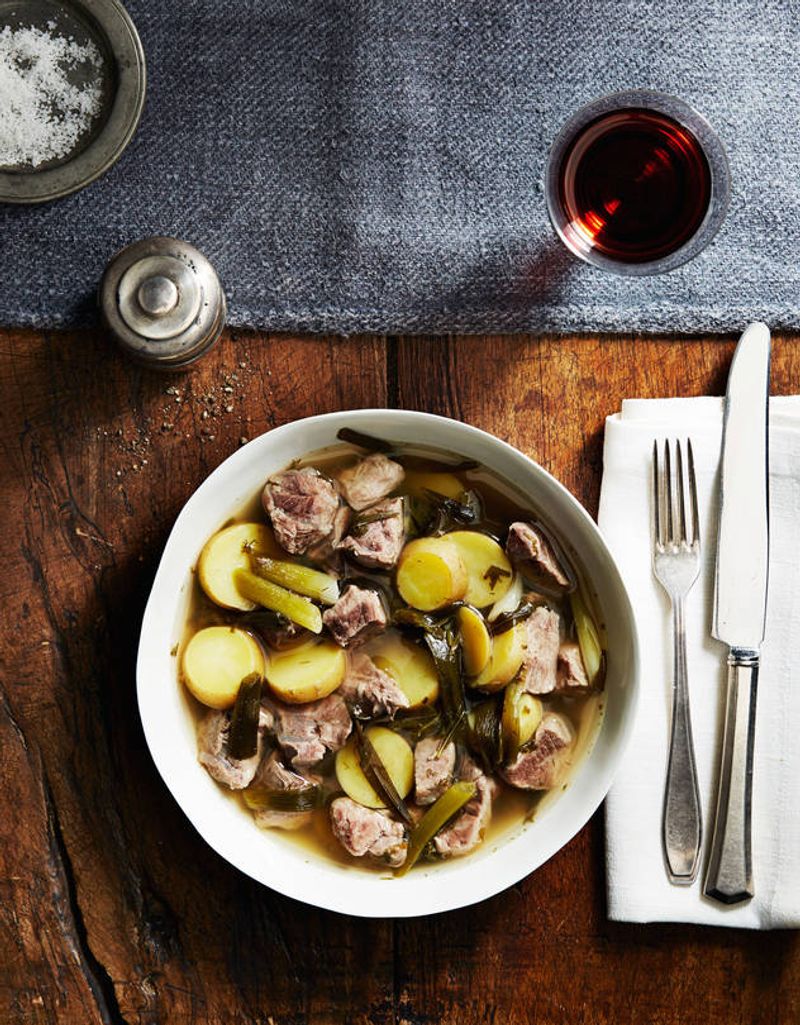
Spring in Georgia, the country in the Caucasus, means one thing above all else: chakapuli. Young lamb is cooked with enormous bundles of fresh tarragon, spring onions, tkemali sour plum sauce, and white wine in a clay pot over low heat.
The fresh herbs would turn dull and bitter in a metal pot over high heat, but the gentle warmth of clay keeps them vibrant and fragrant. The result is a stew that tastes like the season itself, green, tangy, and impossibly fresh.
15. Nigerian Ofe Onugbu
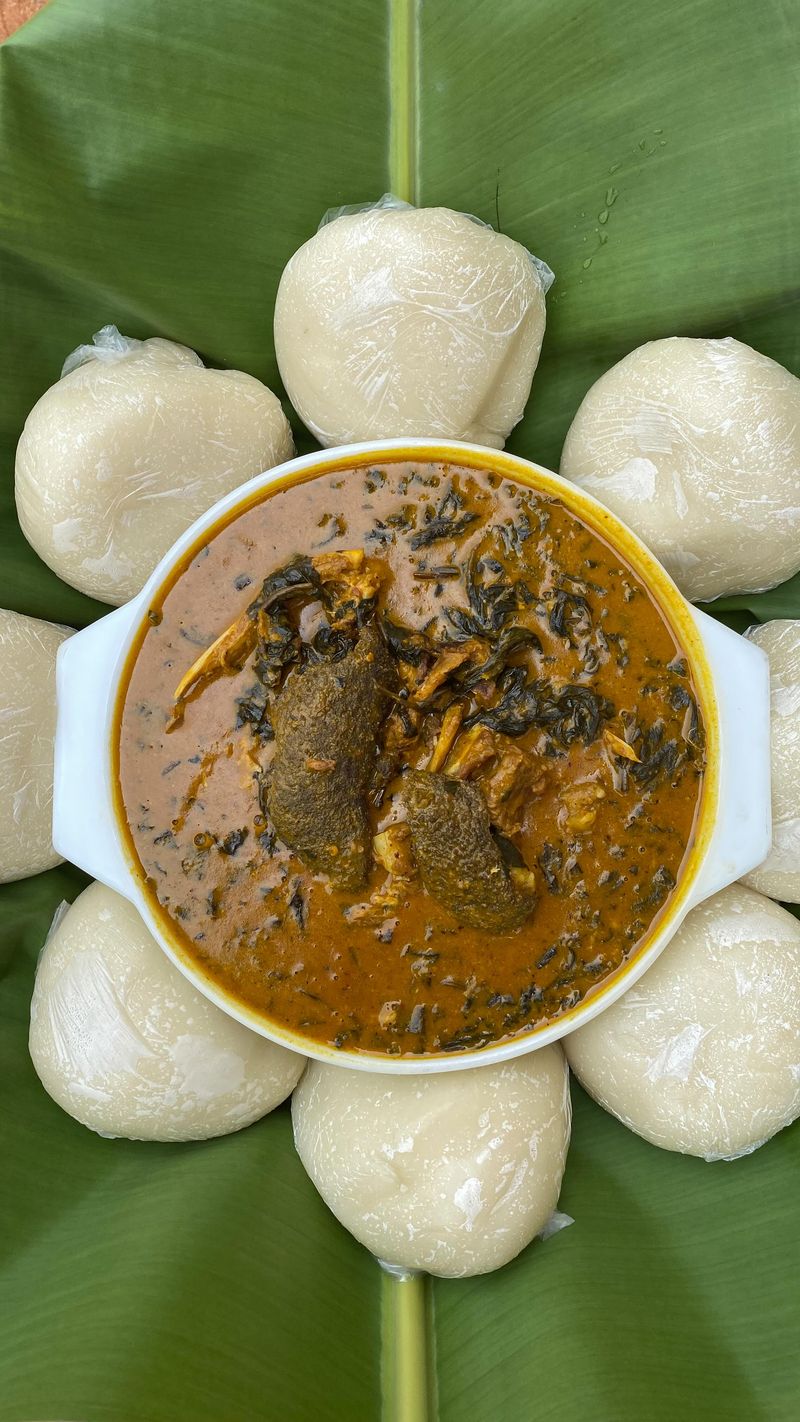
Ofe onugbu, or bitter leaf soup, is a cornerstone of Igbo cooking in southeastern Nigeria, and traditional cooks insist on making it in a clay pot for good reason. Palm oil, crayfish, stockfish, and goat meat simmer with washed bitter leaves and cocoyam paste as a thickener.
Clay distributes the heat of a wood fire so gently that the palm oil never separates from the broth. The soup develops a rounded, complex flavor over the long cooking time that a metal pot over a gas flame simply cannot replicate.
16. Vietnamese Ca Kho To
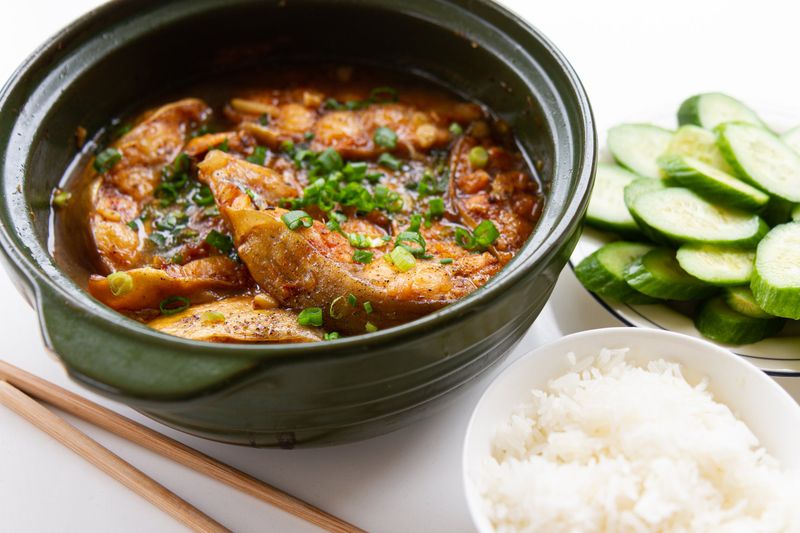
Ca kho to is a Vietnamese braised fish dish that is named after the small clay pot it is cooked in. Catfish or snakehead fish is layered with caramel sauce, fish sauce, shallots, and chilies, then cooked very slowly until the liquid reduces to a sticky, intensely savory glaze.
The clay pot allows the caramel to darken gradually without burning, which is the trickiest part of the recipe. Eaten with steamed white rice, the contrast between the sweet, salty, slightly bitter glaze and plain rice is absolutely perfect.