
Growing up, some of the rules our parents set seemed completely pointless or just plain annoying. Why did we have to go to bed so early or eat those mushy vegetables?
Looking back as adults, it turns out mom and dad were onto something big. These 16 rules that once felt strange actually shaped us into healthier, kinder, and more responsible people.
1. Don’t Talk to Strangers
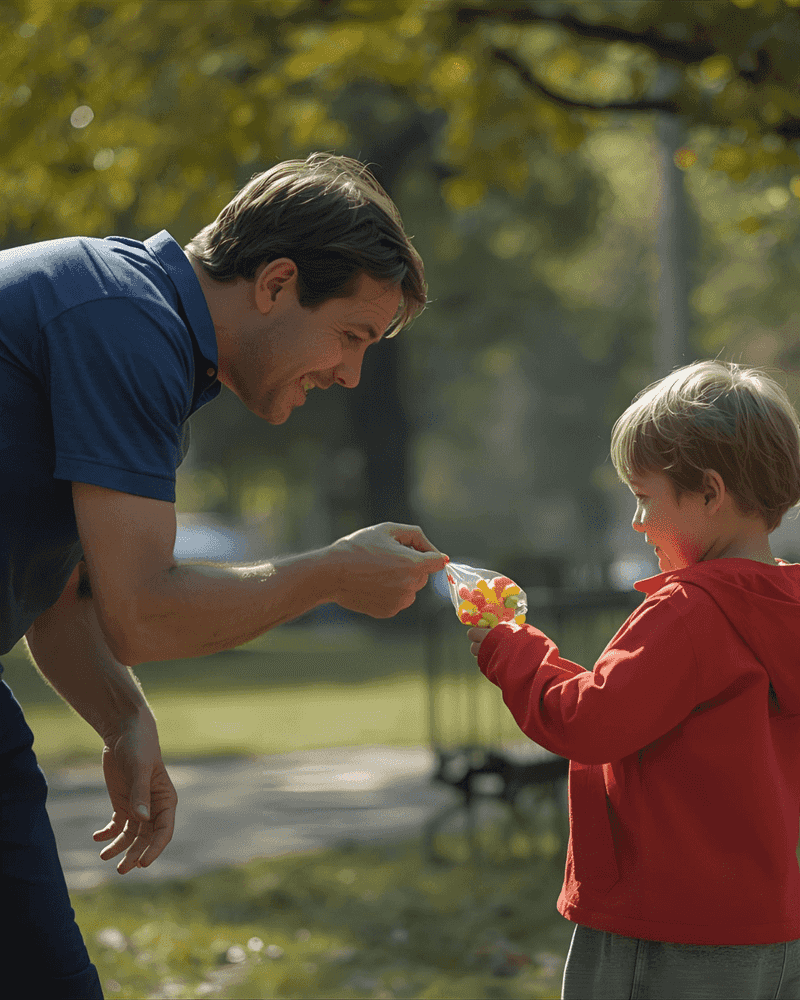
Back then, this rule felt like it was keeping you from making new friends everywhere you went. Every friendly adult at the grocery store seemed harmless, so why the big deal?
As an adult, you realize that predators often use friendly conversation as a first step. Most people are kind, but children cannot easily tell who has bad intentions hiding behind a warm smile.
Teaching kids when it is safe to speak to unfamiliar adults is a lifesaving skill.
2. Wash Your Hands
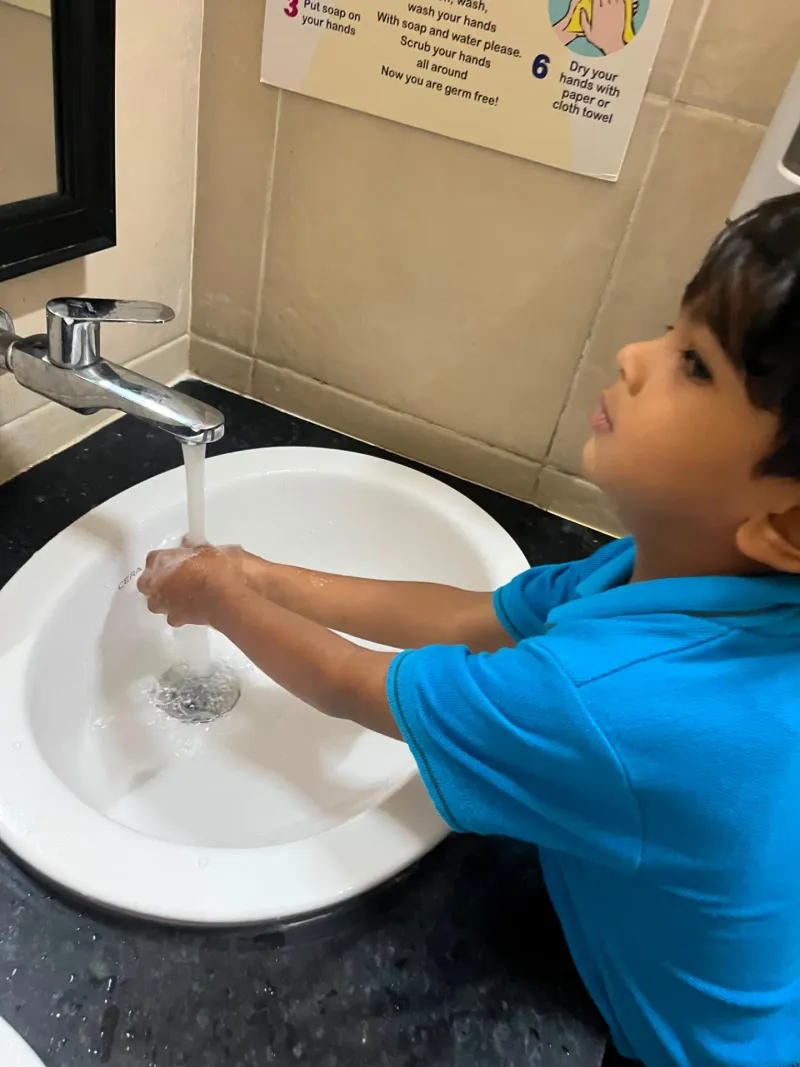
Nobody wanted to stop playing just to scrub their hands before dinner. It felt like a pointless interruption to all the fun happening outside.
Handwashing is actually the single most effective way to stop the spread of germs that cause colds, flu, and even more serious illnesses. Germs are invisible, sneaky travelers that hitch rides from surfaces straight into your body when you touch your face.
Building this habit early protects not just you, but everyone around you too.
3. Clean Your Room
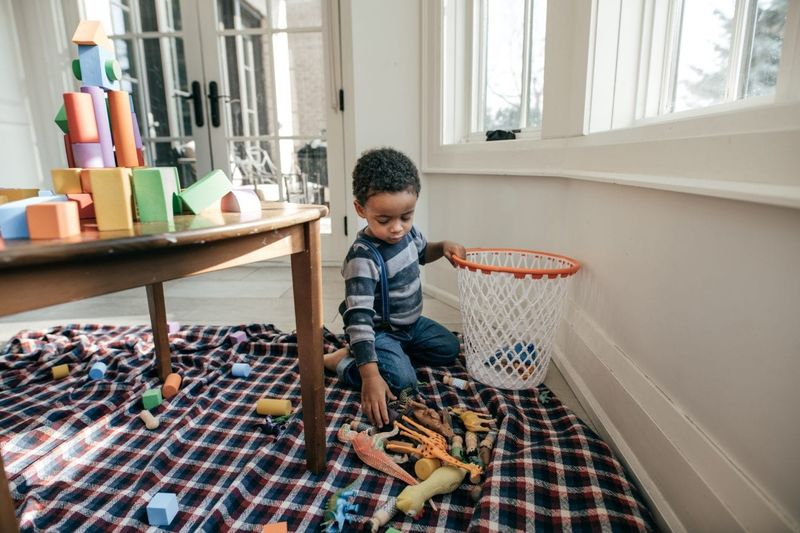
Few things felt more unfair on a Saturday morning than being told to clean your room before going outside. It seemed like pure torture when friends were already waiting at the door.
A Harvard study found that doing chores, including tidying your own space, is one of the strongest predictors of future success and happiness. Organization in your room actually trains your brain to stay organized in school and work too.
Responsibility really does start at home.
4. Say Please and Thank You

Forcing out a “please” when you really just wanted your snack NOW felt like an unnecessary extra step as a kid. Why did two little words matter so much?
Those words carry real social power. Saying “please” shows you respect the other person’s choice to help you, and “thank you” tells them their effort was noticed and valued.
People who use these expressions naturally build stronger friendships, earn more trust at work, and leave lasting positive impressions everywhere they go.
5. Try New Things

Being pushed to try something unfamiliar was genuinely uncomfortable, especially when the activity looked scary or boring from the outside.
Stepping outside your comfort zone is actually where confidence is built. Trying new things develops a growth mindset, which is the belief that effort leads to improvement rather than talent being fixed at birth.
Every new skill you picked up as a kid, whether it flopped or flourished, quietly prepared you to handle the unpredictable challenges of adult life.
6. Eat Your Vegetables

Staring down a plate of broccoli felt like a form of punishment. No amount of parental reasoning made those green florets look appetizing at age six.
Vegetables pack vitamins, minerals, and fiber that fuel growing bodies and brains. Diets rich in vegetables lower the risk of obesity, heart problems, and even certain cancers later in life.
Kids who are regularly exposed to a variety of vegetables tend to carry healthier eating habits all the way into adulthood, making those dinner battles totally worth it.
7. Go to Bed Early

An early bedtime felt like the cruelest rule, especially when you could hear the TV still playing in the other room. Missing out stung every single night.
Sleep is when the brain consolidates memories and resets emotions. Children who get consistent, early sleep show better attention spans, fewer emotional meltdowns, and stronger learning capacity the next day.
Chronic sleep deprivation in childhood is linked to long-term physical and emotional health challenges, so that early bedtime was genuinely a gift wrapped in frustration.
8. Apologize When You Are Wrong
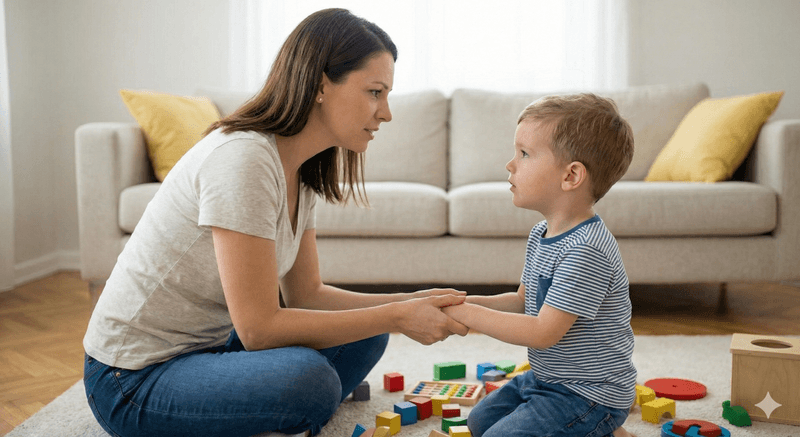
Being told to apologize when you were still convinced the other person was also at fault felt deeply unfair. Why should you go first?
Apologizing is one of the most powerful social tools a person can develop. It builds accountability, shows empathy, and demonstrates the courage to admit you hurt someone.
People who learn to apologize sincerely resolve conflicts faster and earn deeper respect from others.
Parents who model apologies to their own kids quietly teach that no one is above taking responsibility.
9. Share Your Things
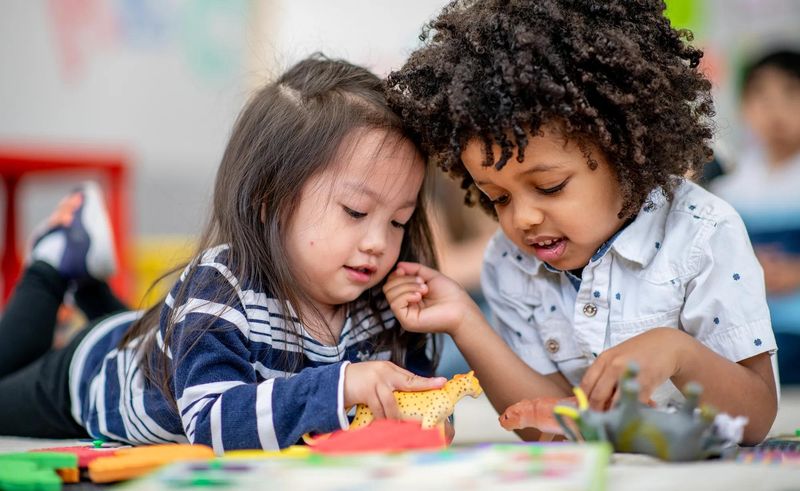
Sharing your favorite toy with someone who might break it or lose it felt like a completely unreasonable request when you were little.
Learning to share teaches children how to take turns, negotiate, and handle disappointment, all skills that are critical in friendships, classrooms, and workplaces. It also shifts focus from “what is mine” to “how can we both be happy.”
The compromise muscles you built sharing crayons in kindergarten are the same ones you use navigating adult relationships every day.
10. Respect Your Elders

Being told to automatically respect someone just because they were older seemed a little unfair when you were a kid full of your own strong opinions.
Elders carry decades of lived experience, hard lessons, and wisdom that no textbook can fully replicate. Showing respect to older generations also trains children to move beyond a self-centered view of the world and recognize the value of others.
Core values like honesty, patience, and kindness are often passed down most naturally through those quiet conversations with grandparents.
11. Limit Screen Time
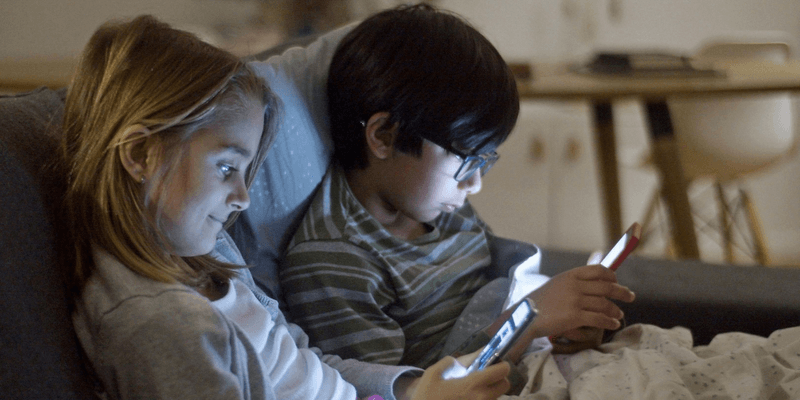
Hearing “turn off the TV” when you were right in the middle of your favorite show felt like a personal injustice of the highest order.
Excessive screen time in childhood is linked to attention difficulties, disrupted sleep, and reduced physical activity. Stepping away from screens pushed kids to read, play outside, use their imagination, and build face-to-face social skills that screens simply cannot teach.
Those forced breaks from the TV quietly built a more well-rounded version of you than hours of cartoons ever could.
12. Do Your Homework First
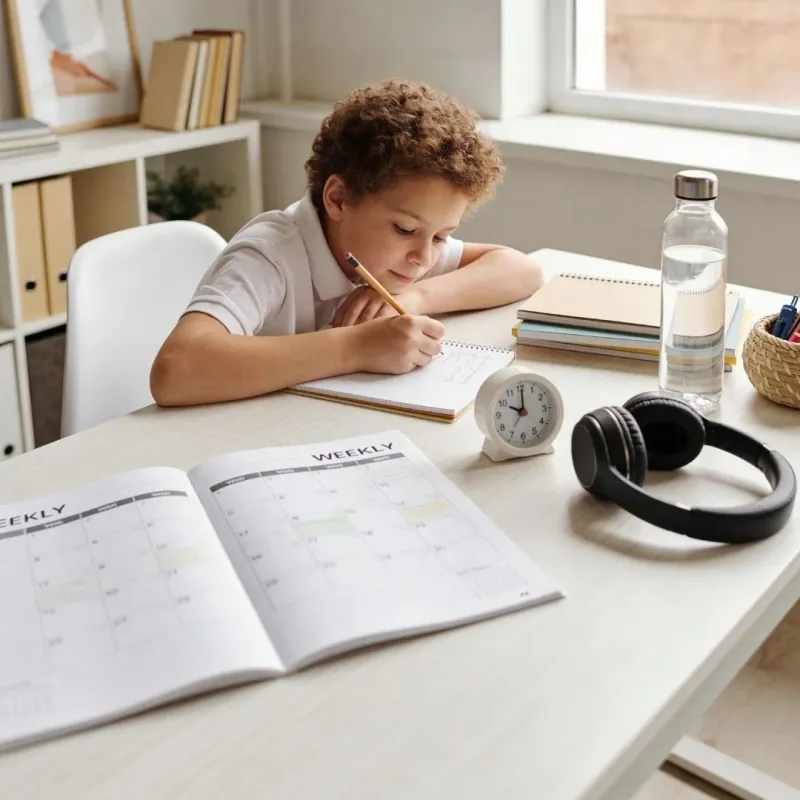
Sitting down to do homework while the neighborhood kids were playing outside was a special kind of misery that every student knows well.
Finishing responsibilities before fun teaches delayed gratification, one of the most reliable predictors of long-term success ever studied. Kids who learn to prioritize tasks develop stronger time management skills and experience far less stress as adults because they are not constantly chasing deadlines.
That rule about homework first quietly built a work ethic that carries far beyond school.
13. Do Not Hit or Use Hurtful Words
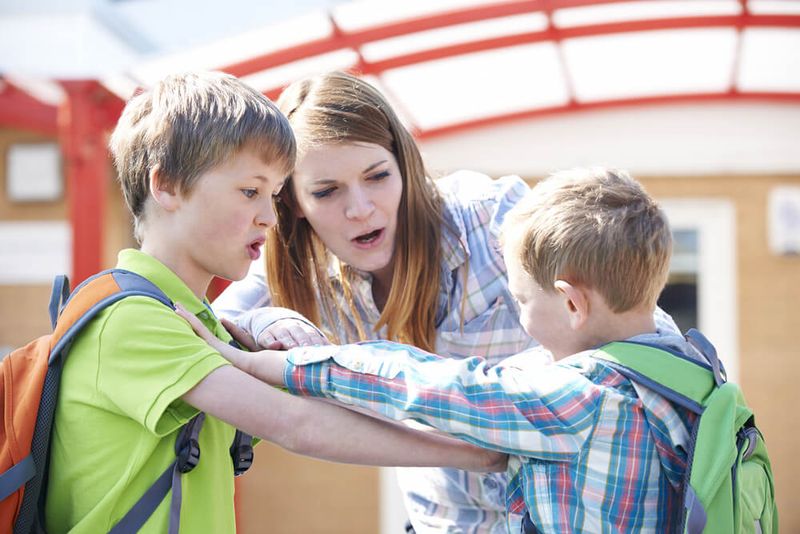
When someone grabbed your toy or said something mean first, being told not to retaliate felt completely backwards. Why did the rule apply to you if they started it?
Learning to manage anger without lashing out physically or verbally is one of the most important emotional skills a person can develop. Children who master this grow into adults who resolve conflict through communication rather than aggression.
That early boundary around hurtful behavior was actually your first lesson in emotional intelligence.
14. Always Tell the Truth

A small fib to avoid trouble seemed like the smartest move at the time. Surely no one would notice, and the problem would just disappear, right?
Honesty builds trust, and trust is the foundation of every meaningful relationship a person will ever have. Kids who practice truthfulness, even when it is uncomfortable, develop integrity that follows them into friendships, jobs, and partnerships.
Getting caught in a lie also taught a valuable lesson that the short-term relief is rarely worth the long-term damage.
15. Be Kind to Others
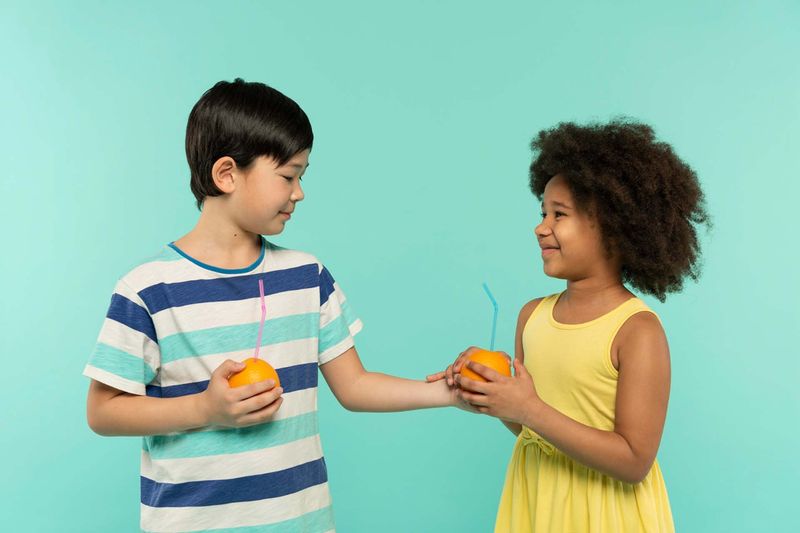
Being reminded to be kind, especially to kids you did not particularly like, felt like a stretch when social dynamics were already complicated enough on the playground.
Kindness is not just good manners, it is a skill that rewires the brain toward empathy and compassion. Studies show that kind children experience higher levels of happiness and are more likely to form lasting, supportive friendships.
Every small act of kindness practiced in childhood quietly built the emotional generosity that makes you a better friend, partner, and coworker today.
16. Play Outside Every Day
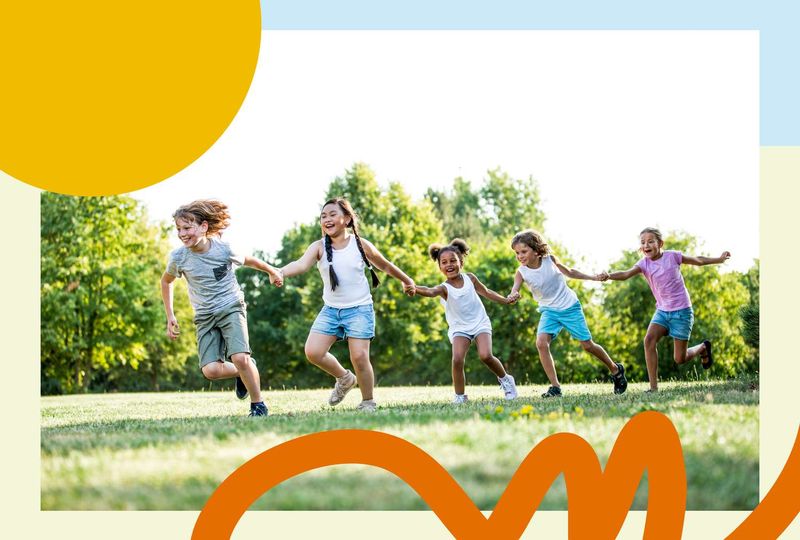
Being sent outside when you had perfectly good toys inside felt like being banished. Fresh air seemed highly overrated when cartoons existed.
Outdoor play is essential for physical development, vitamin D absorption, and mental health. Children who play outside regularly show lower rates of anxiety, better coordination, and stronger immune systems than those who stay indoors most of the day.
Unstructured outdoor time also sparks creativity and problem-solving in ways that structured indoor activities rarely match, making those backyard adventures more valuable than they ever looked.